The Spectrum of Self-Regard: Confidence, Narcissistic Traits, and Clinical NPD
In modern conversations, the word “narcissist” is frequently used to describe anyone who exhibits self-centered behavior, arrogance, or strong ambition. However, in clinical psychiatry, there is a fundamental distinction between occasional narcissistic personality traits and the severe, pervasive psychiatric condition known as Narcissistic Personality Disorder (NPD). While traits such as competitive drive, confidence, or vanity can emerge in healthy individuals under specific stressors, NPD represents a rigid, lifelong pattern of grandiosity, a profound lack of empathy, and an insatiable need for external admiration that severely disrupts interpersonal relationships, professional functioning, and emotional well-being.
Aaj kal roz-marrah ki guftagu mein kisi bhi maghroor ya khud-pasand shakhs ko foran narcissist keh diya jata hai. Magar tibbi nafsiyaat ke mutabiq aam ana, khud-pasandi ke rawaiye aur ba-qaida Narcissistic Personality Disorder (NPD) mein zameen aasmaan ka farq hai. Har shakhs mein thori bohot ana ya tareef ki khwahish hona fitri ho sakta hai, lekin jab yeh rawaiyya itna sakht aur shadeed ho jaye ke doosron ke jazbaat ko kuchal kar apni jhooti shaan qayam rakhna majboori ban jaye, to yeh ek gehra nafsiati aariza ban jata hai jo poore khandan aur rishton ko tabah kar deta hai.
روزمرہ کی گفتگو میں کسی بھی خود پسند یا متکبر انسان کو فوراً نرگسیت پسند یا خود سر قرار دے دیا جاتا ہے۔ تاہم طب نفسی کی رو سے عام انانیت، وقتی خود غرضانہ رویوں اور باقاعدہ نرگسیتی خللِ شخصیت میں بنیادی اور گہرا فرق ہے۔ وقتی طور پر اپنی تعریف چاہنا یا پراعتماد ہونا بیماری نہیں، لیکن جب یہ کیفیت ایک مستقل اور غیر لچکدار مرض کی صورت اختیار کر لے جس میں ہمدردی کا مکمل فقدان اور دوسروں کو نیچا دکھا کر اپنی برتری ثابت کرنے کا جنون شامل ہو، تو یہ ایک سنگین طبی عارضہ بن جاتا ہے۔
Clinical Criteria: Narcissistic Personality Traits vs Narcissistic Personality Disorder
According to the Diagnostic and Statistical Manual of Mental Disorders (DSM-5) and the International Classification of Diseases (ICD-11), Narcissistic Personality Disorder is characterized by an enduring and inflexible pattern of inner experience and behavior. To meet the threshold for clinical diagnosis, an individual must demonstrate at least five out of nine diagnostic criteria originating in early adulthood. These include a grandiose sense of self-importance, preoccupation with fantasies of unlimited success or power, belief in being uniquely special, a constant requirement for excessive admiration, a pervasive sense of entitlement, interpersonally exploitative behavior, a marked lack of empathy, frequent envy of others or belief that others envy them, and arrogant or haughty attitudes.
Nafsiati diagnostic rehnumai (DSM-5) ke mutabiq NPD koi aam ghamand nahi balki ek gehra shakhsiyati masla hai. Is ki tashkhees ke liye kam az kam 5 makhsoos nishaniyan zaroori hain, jin mein apne aap ko doosron se bartar samajhna, be-inteha tareef aur tawajjah ka talabgar rehna, doosron ke dukh dard ka ehsas na hona, apne faide ke liye rishton ka istemal karna, aur yeh yaqeen rakhna ke qawaneen aur usool sirf aam logon ke liye hain, shamil hain. Aam traits wale afrad ghalti ka ehsas hone par sharmindagi mehsoos kar sakte hain, magar NPD ka mareez hamesha doosron ko qasoorwar thehrata hai.
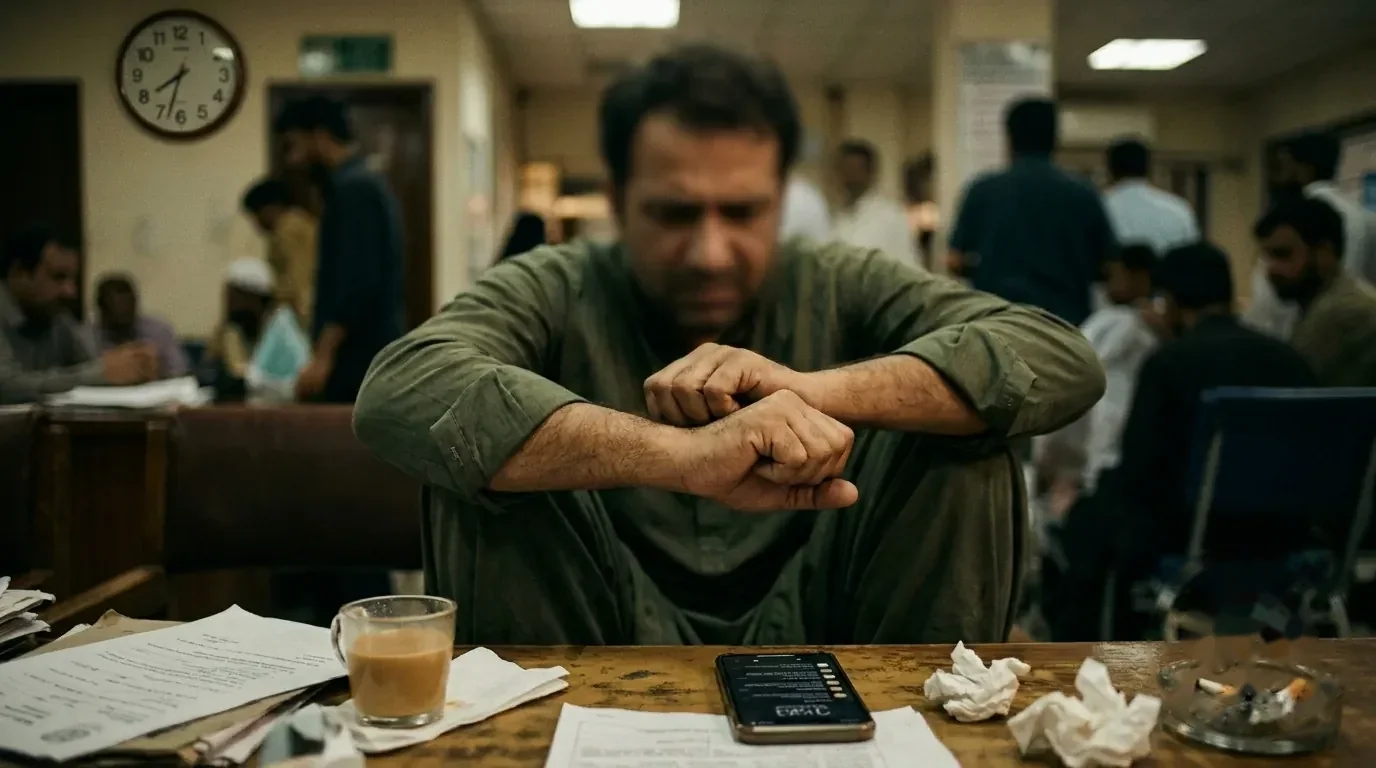
طبی تشخیصی معیارات کے مطابق یہ خلل محض ایک اخلاقی خامی نہیں بلکہ شخصیت کا ایک دیرینہ اور غیر لچکدار سانچہ ہے۔ اس مرض میں مبتلا افراد اپنی ذات کو غیر معمولی اہمیت دیتے ہیں، بے جا تعریف کے متلاشی رہتے ہیں، اور دوسروں کے حقوق کو پامال کرنے میں کوئی جھجھک محسوس نہیں کرتے۔ عام شخصیت کے حامل لوگ اپنی غلطی پر ندامت محسوس کرنے اور معافی مانگنے کی صلاحیت رکھتے ہیں، جبکہ نرگسیتی خلل کا شکار فرد اپنی ہر ناکامی کا ملبہ دوسروں پر ڈالتا ہے اور اپنی غلطی تسلیم کرنے کو اپنی ذات کی موت سمجھتا ہے۔
Grandiose vs Vulnerable (Covert) Narcissism
Psychiatry distinguishes between two primary presentations of narcissistic pathology: Grandiose Narcissism and Vulnerable (or Covert) Narcissism. Grandiose narcissists present with overt arrogance, boldness, exhibitionism, and an assertive drive for dominance. In contrast, vulnerable narcissists experience the same underlying entitlement and hypersensitivity to criticism, but mask it beneath a facade of introversion, chronic victimhood, neuroticism, and social withdrawal. When an individual suffers from severe inner distress and unstable self-esteem, consulting specialized personality disorders treatment helps uncover these hidden psychological defense mechanisms.
NPD ki do barri aqsaam hoti hain: ek Grandiose (Zaahiri) aur doosri Vulnerable ya Covert (Poshida) Narcissism. Grandiose narcissist khule aam apna roab jamata hai, loud hota hai aur apni tareef khud karta hai. Is ke bar-aks, covert narcissist khamosh, mazloom banne ka aadi aur andar se shadeed hasad aur ghusse se bhara hota hai jo mamooli si tanqeed par bhi zehni dushmani paal leta hai. Aise afrad ko samajhne aur theek karne ke liye makhsoos zehni tarbiyat aur psychotherapy ki zaroorat hoti hai jo un ke batin mein chhupe darr ko samne laye.
طب نفسی میں نرگسیتی عارضے کی دو بڑی اقسام تسلیم کی جاتی ہیں: ایک ظاہری اور دوسری پوشیدہ۔ ظاہری قسم میں انسان کھلم کھلا اپنی برتری جتاتا ہے اور بے باک انداز میں محفل پر چھا جانے کی کوشش کرتا ہے۔ اس کے برعکس، پوشیدہ نرگسیت کا شکار شخص بظاہر مظلوم، حساس اور خاموش نظر آتا ہے مگر اس کے باطن میں بھی وہی تکبر، حسد اور تعریف کی شدید پیاس چھپی ہوتی ہے۔ ایسی پیچیدہ کیفیات کی درست تشخیص اور علاج کے لیے مستند طبی رہنمائی ناگزیر ہوتی ہے۔
Neurobiology and Psychodynamics of Narcissistic Pathology
Modern neuroimaging research reveals distinct neurobiological underpinnings in individuals diagnosed with Narcissistic Personality Disorder. Structural magnetic resonance imaging (MRI) studies demonstrate a significant reduction in gray matter volume in the anterior insula and the left prefrontal cortex—regions critically responsible for emotional empathy, compassion, interoceptive awareness, and emotional regulation. Furthermore, functional neuroimaging highlights abnormal connectivity within the fronto-paralimbic networks and the default mode network, leading to severe hypersensitivity to social feedback. When confronted with perceived failure or criticism, these neural deficits trigger intense “narcissistic injury,” often culminating in sudden affective dysregulation, narcissistic rage, or rapid decompensation into co-occurring major depressive episodes.
Sciensi tehqeeqat se sabit hua hai ke NPD sirf zehni zid nahi balki dimaghi saakht ka masla bhi hai. Dimagh ke woh hissay jo hamdardi, doosron ke dukh ko mehsoos karne aur jazbaat par qabu pane ke zimmedar hain (jaise anterior insula aur prefrontal cortex), un mein gray matter ki miqdar kam hoti hai. Jab kisi narcissist par tanqeed ki jaye to un ka dimagh isay shadeed khatra samajhta hai, jis ki wajah se woh ghusse mein aape se bahar ho jate hain ya shadeed mayusi aur depression ka shikar ho jate hain. Is dimaghi kefiyat ko medical therapy ke zariye hi theek kiya ja sakta hai.
جدید اعصابی تحقیق سے یہ بات سامنے آئی ہے کہ نرگسیتی خلل میں دماغی ساخت کے اندر بھی واضح تبدیلیاں پائی جاتی ہیں۔ دماغ کا وہ حصہ جو ہمدردی، دوسروں کے احساسات کو سمجھنے اور جذباتی لچک کا ذمہ دار ہے، اس میں خلیات کی کمی دیکھی گئی ہے۔ یہی وجہ ہے کہ جب کسی ایسے مریض کو اس کی کسی خامی کا احساس دلایا جائے تو اس کے اعصابی نظام میں شدید خطرے کے سگنل پیدا ہوتے ہیں، جس کے نتیجے میں وہ اچانک غیظ و غضب کا اظہار کرتا ہے یا پھر اندرونی طور پر شدید مایوسی اور بے چینی کے بھنور میں گر جاتا ہے۔
Pakistani Cultural Context: Patriarchal Entitlement, “Izzat”, and Spiritual Misattributions
In Pakistani society, diagnosing and treating personality pathology is frequently complicated by cultural norms. Patriarchal structures, authoritarian parenting, and an intense cultural preoccupation with family “izzat” (reputation and honor) can inadvertently foster narcissistic traits in children who are elevated above family rules or, conversely, subjected to severe emotional conditional regard. Furthermore, pervasive narcissistic abuse within joint family households or marital relationships is often dismissed merely as “ghamand” (pride), “bad-mizaji” (bad temper), or misattributed to spiritual causes such as “nazar” or black magic. Families frequently spend years visiting unverified spiritual healers or traditional hakeems while the core psychological damage deepens.
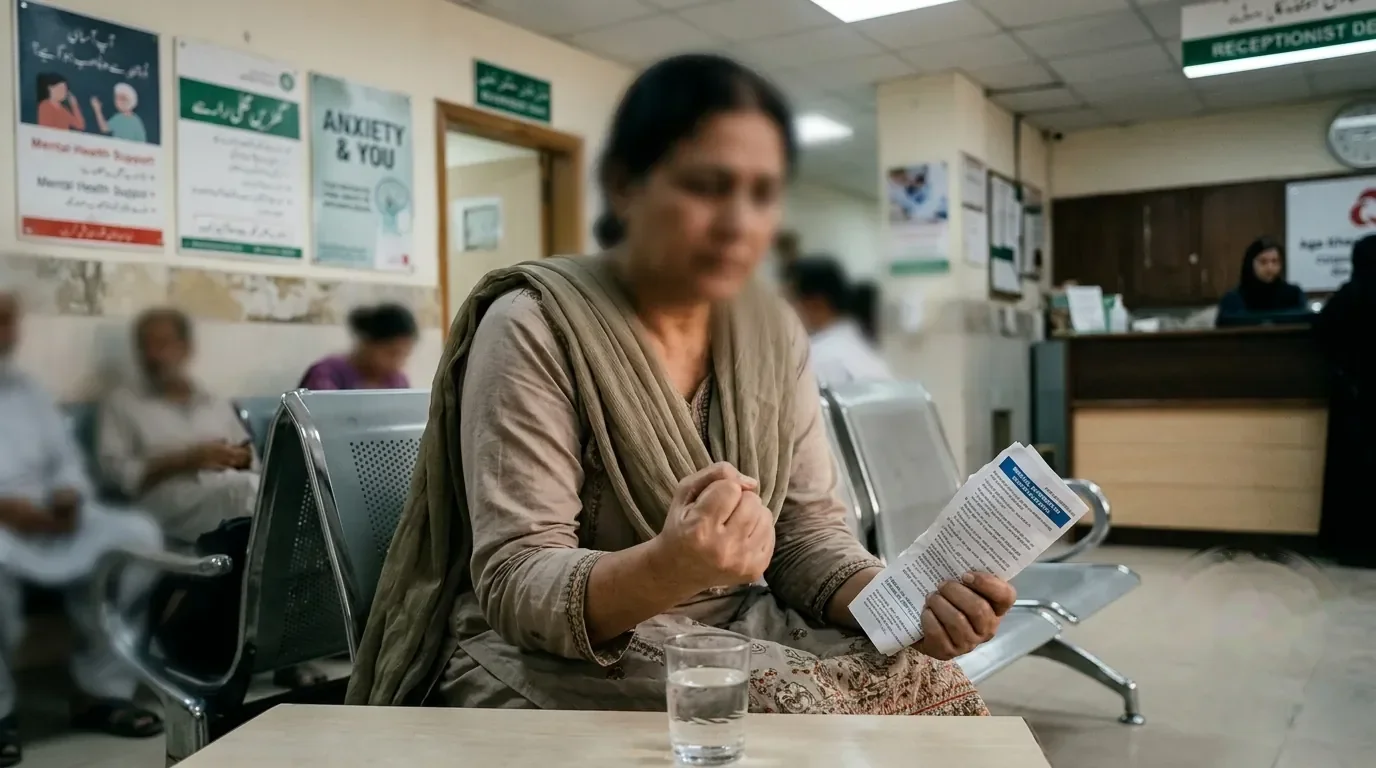
Hamare Pakistani muashray mein aksar bachon, khas tor par barron ya beton ko aisi ghair-munasib chhoot di jati hai jo un mein be-ja garoor aur ana ko parwan charhati hai. Khandani nizam mein jab kisi fard ka rawaiyya ghair-insani ho jaye to log usay sirf ghamand ya gusse ka naam de kar sabr karne ka mashwara dete hain, ya phir taweez aur nazar-e-bad ka chakar samajh kar saalon barbad kar dete hain. Yeh samajhna bohot zaroori hai ke NPD ek medical masla hai jis se ghar ke deegar afrad, khas tor par shareek-e-hayat aur bache, shadeed zehni azziyat aur khauf ka shikar ho jate hain.
ہمارے معاشرتی اور خاندانی ڈھانچے میں شخصیت کے ان مسائل کو پہچاننا اکثر مشکل ہو جاتا ہے۔ اکثر گھرانوں میں حد سے زیادہ لاڈ پیار، خاندانی انا اور بالادستی کے روایتی تصورات نرگسیتی رویوں کو بڑھاوا دیتے ہیں۔ جب کوئی شخص اپنے ظلم اور جذباتی استحصال سے پورے گھر کو عذاب میں ڈال دے تو اسے محض بد مزاجی، نظرِ بد یا تعویذات کا اثر سمجھ کر نظر انداز کر دیا جاتا ہے۔ روایتی اور جعلی طریقوں پر وقت ضائع کرنے کے بجائے اس مسئلے کی سائنسی اور نفسیاتی نوعیت کو سمجھنا ازحد ضروری ہے۔
Key Differences: Healthy Confidence, Narcissistic Traits, vs Full Disorder
To differentiate between normal personality variations and pathological disorders, clinicians examine behavioral flexibility, remorse, and relational impact:
- Healthy Self-Esteem: Rooted in realistic self-appraisal, maintains reciprocal relationships, demonstrates genuine empathy, and accepts constructive criticism without retaliating.
- Narcissistic Traits: Occasional arrogance, competitiveness, or desire for recognition, but retains the fundamental capacity to feel guilt, repair damaged relationships, and function flexibly in society.
- Narcissistic Personality Disorder: Complete inability to tolerate perceived vulnerability, habitual exploitation of others, persistent lack of remorse, and severe interpersonal disruption across all areas of life.
Sehatmand khud-aitmadi aur bemari ke darmiyan farq ko samajhna aasan hai. Aik pur-aitmad shakhs apni kamzoriyon ko manta hai aur doosron ki izzat karta hai. Traits wala shakhs kabhi kabhar apni tareef sun kar khush ho sakta hai magar ghalti par sharminda bhi hota hai. Jabke NPD ka shikar fard kabhi apni khami nahi manta, doosron ki kamyabi se jalta hai, aur doosron ko zaleel kar ke apni jhuti ana ko taskeen pohanchata hai. Agar yeh rawaiyya mustaqil ho to yeh foran zehni ilaaj ka taqaza karta hai.
صحت مند خود اعتمادی اور نرگسیتی مرض میں واضح حد فاصل موجود ہے۔ پر اعتماد انسان اپنی خامیوں کو تسلیم کرتا ہے اور دوسروں کی عزتِ نفس کا احترام کرتا ہے۔ محض چند نرگسیتی خصلتوں کا حامل شخص کبھی کبھار خود نمائی پسند کر سکتا ہے لیکن وہ احساسِ ندامت اور معافی مانگنے کی اہلیت رکھتا ہے۔ اس کے برعکس، نرگسیتی خلل کا مریض ہر تعلق کو صرف اپنے فائدے کی نظر سے دیکھتا ہے، تنقید برداشت نہیں کر سکتا اور ہمیشہ دوسروں کی تحقیر کر کے اپنی انا کی تسکین تلاش کرتا ہے۔
Evidence-Based Psychological and Psychiatric Interventions
Treating Narcissistic Personality Disorder requires specialized, long-term psychotherapeutic interventions conducted by experienced mental health professionals. Under the clinical leadership of Dr. Ahsan Tariq Dogar at Amaim Brain Care, patients undergo structured evidence-based therapies tailored to restructure entrenched maladaptive personality patterns:
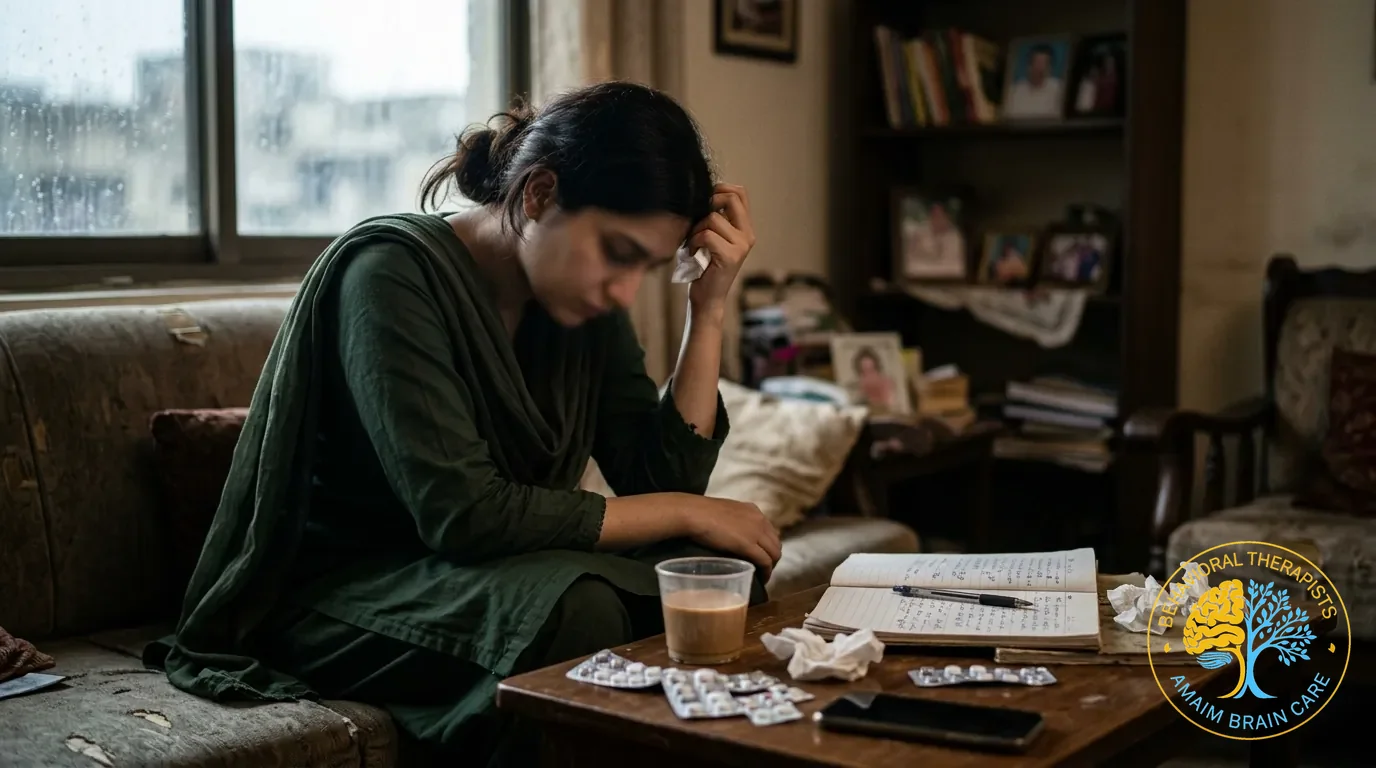
- Schema Therapy: Identifies and modifies core maladaptive schemas formed in early childhood, such as emotional deprivation, defectiveness, and entitlement. It works directly with the patient’s “Vulnerable Child” and “Self-Aggrandizer” modes.
- Transference-Focused Psychotherapy (TFP): A specialized psychodynamic therapy that utilizes the therapeutic relationship to help patients integrate their split, idealized, and devalued self-concepts.
- Mentalization-Based Therapy (MBT): Enhances the patient’s capacity to accurately understand and interpret their own internal mental states and the emotional experiences of others.
- Cognitive Behavioral Therapy (CBT) & Pharmacotherapy: Focuses on addressing automatic cognitive distortions, impulsivity, and managing secondary conditions such as clinical depression or comorbid phobia and anxiety disorders.
NPD ka ilaaj kisi jadui dawayi se nahi balki mustanad psychotherapy ke zariye mumkin hota hai. Amaim Brain Care mein hum mareez ke bachpan ke chhupe dukh, ana ke jhoote khol, aur zehni darr ko Schema Therapy aur CBT ke zariye address karte hain. Is ke sath agar mareez ko shadeed depression, gusse ki be-qaidgi ya ghair-mamooli be-chaini ka samna ho to specialized adwiyat ke zariye dimaghi balance ko bahaal kiya jata hai taake fard apne khandan aur mashray ka pur-aman hissa ban sakay.
نرگسیتی خللِ شخصیت کا علاج ایک طویل اور صبر آزما مگر ممکنہ عمل ہے جس کے لیے خصوصی نفسیاتی طریقہ ہائے علاج استعمال کیے جاتے ہیں۔ امائم برین کیئر میں جدید اسکیما تھراپی اور کاگنیٹو بیہیوئیرل تھراپی کے ذریعے مریض کے لاشعوری خوف، احساسِ کمتری اور غلط سوچ کے سانچوں کو درست کیا جاتا ہے۔ اس کے ساتھ ساتھ اگر مریض شدید غصے، اداسی یا دیگر ذہنی الجھنوں کا شکار ہو تو جدید ادویات کی مدد سے اعصابی توازن بحال کیا جاتا ہے تاکہ وہ ایک پرسکون اور متوازن زندگی گزار سکے۔
Protecting Yourself: Boundary Setting and When to Seek Help
Living or working with an individual who exhibits severe narcissistic pathology can cause profound psychological trauma, chronic anxiety, and low self-esteem in partners, children, and colleagues. Setting rigid emotional boundaries, utilizing emotional disengagement strategies such as the “gray rock” method, and seeking professional guidance are essential steps to safeguarding mental health. If you or a loved one are trapped in a cycle of emotional abuse, gaslighting, or persistent distress, professional psychiatric evaluation provides a compassionate pathway to clarity, emotional stabilization, and healing.
Agar aap ke ghar ya dafter mein koi aisa shakhs hai jo apni ana ki khatir aap ko hamesha zaleel karta hai, to sab se pehle apni zehni hifazat ke liye wazeh hudood qayam karein. Un ke jhoote ilzamat aur behas mein ulajhne ke bajaye jazbaati doori ikhtiyar karein. Yaad rakhein ke kisi doosray shakhs ki zehni bemari ka bojh aap ki qurbani se theek nahi ho sakta, balki is ke liye maahir psychiatrist se ruju karna hi wahed hal hai.
کسی شدید نرگسیت پسند انسان کے ساتھ رہنا یا کام کرنا انسان کو شدید ذہنی کرب، ڈپریشن اور احساسِ کمتری میں مبتلا کر سکتا ہے۔ ایسے ماحول میں اپنی ذہنی صحت کی حفاظت کے لیے مضبوط حدود قائم کرنا اور ان کی جذباتی بلیک میلنگ سے خود کو الگ رکھنا بے حد ضروری ہے۔ اگر آپ یا آپ کا کوئی پیارا اس قسم کی مستقل اذیت سے گزر رہا ہے تو بروقت ماہرِ نفسیات سے رجوع کریں تاکہ زندگی کو اس زہریلے دائرے سے نکال کر صحت مند بنایا جا سکے۔

Frequently Asked Questions
Can someone have narcissistic traits without having Narcissistic Personality Disorder?
Yes. Many individuals exhibit isolated narcissistic traits such as strong self-confidence, competitiveness, or a desire for recognition during specific phases of life without meeting the clinical criteria for NPD. A personality disorder is only diagnosed when these traits are rigid, pervasive across all settings, cause significant interpersonal distress, and are accompanied by an enduring lack of empathy.
Jee haan! Har insaan mein thori bohot ana ya khud-pasandi ho sakti hai jo un ki taraqqi ya koshish mein madadgar ho. Magar bimari sirf tab banti hai jab yeh rawaiyya itna sakht ho jaye ke doosron ki izzat-e-nafs ko pamaal kare aur insaan kabhi apni ghalti na maane.
What causes the development of Narcissistic Personality Disorder?
NPD develops from a complex interplay of genetic vulnerability, neurobiological differences in empathy-processing brain regions, and early developmental experiences. Childhood factors often include either severe emotional neglect and abuse, or excessive, unrealistic parental praise combined with authoritarian expectations that prevent the child from developing a stable, authentic sense of self.
NPD ki wajohat mein khandaani asraat (genetics), dimaghi saakht mein hamdardi ke marakiz ki kamzori, aur bachpan ki tarbiyat shamil hain. Bachpan mein be-inteha nazar-andazi ya phir hadd se ziyada jhooti tareef aur ghair-haqeeqi tawaqoaat is bimari ki bunyad banti hain.
How does covert or vulnerable narcissism differ from grandiose narcissism?
While grandiose narcissists are overtly confident, arrogant, and attention-seeking, covert or vulnerable narcissists appear shy, hypersensitive, and anxious. However, covert narcissists harbor the same deep sense of superiority and entitlement, expressing their hostility through chronic victimhood, passive-aggressive resentment, and envy of others.
Grandiose narcissist khule aam apna roab jamata hai aur shekhi bagharta hai, jabke covert narcissist bosaeda aur mazloom ban kar rehta hai magar andar se doosron se hasad karta hai aur mamooli baat par shadeed dushmani aur kaddorat paal leta hai.
Can Narcissistic Personality Disorder be effectively cured or treated?
While there is no rapid cure for personality disorders, substantial long-term improvement is achievable through dedicated psychotherapy such as Schema Therapy, Mentalization-Based Therapy (MBT), and Cognitive Behavioral Therapy (CBT). Treatment focuses on increasing emotional awareness, developing genuine empathy, managing hypersensitivity to criticism, and repairing relationship patterns.
NPD ka ilaaj kisi aik goli se nahi hota, lekin mustanad psychiatrist ki nigrani mein Schema Therapy aur counseling ke zariye mareez ke rawaiye, jazbaat aur rishton ko nibhane ke tareeqe mein wazeh behtari layee ja sakti hai agar mareez khud tayyar ho.
How does NPD impact marriages and joint families in Pakistan?
In Pakistani family structures, an individual with NPD often enforces rigid control, gaslights their spouse, shifts blame for financial or household conflicts onto others, and exploits the cultural concept of respect to silence legitimate concerns. This leads to chronic emotional distress, anxiety, and depression in family members.
Khandani aur azdawaji zindagi mein NPD ka mareez hamesha doosron ko daba kar rakhta hai, baat baat par jhoote ilzamat lagata hai, aur apni ghaltiyon ka bojh doosron par daalta hai, jis se shareek-e-hayat aur bache shadeed zehni dabao ka shikar ho jate hain.
How can I book an appointment with Dr. Ahsan Tariq Dogar?
You can book an in-person or online neuro-psychiatric consultation via reaching out via WhatsApp at 0333-6986464 for a confidential appointment.
فیصل آباد میں کلینک وزٹ یا آن لائن مشورے کے لیے آپ عمائم برین کیئر کے آفیشل واٹس ایپ لنک کے ذریعے رابطہ کر کے اپنی اپائنٹمنٹ باآسانی بک کروا سکتے ہیں، جہاں آپ کی معلومات کو مکمل صیغہ راز میں رکھا جاتا ہے۔
Sources & References
Medical & Educational Disclaimer
This content is for educational and informational purposes only and is not a substitute for professional medical advice, diagnosis, or treatment. Always consult a qualified psychiatrist or healthcare provider for any mental health concerns.