The Agony of Social Invisibility: Beyond Simple Shyness
Living with Avoidant Personality Disorder (AvPD) is a deeply painful, isolating experience defined by a pervasive, agonizing fear of rejection, ridicule, and humiliation. While everyday introversion or situational shyness allows individuals to comfortably enjoy solitude or navigate social circles with minor hesitation, AvPD operates as a psychological prison. People with this condition desperately yearn for intimate human connection, affection, and social belonging, yet they remain paralyzed by the unshakable conviction that they are inherently flawed, inferior, and destined to be rejected the moment others truly see them.
Avoidant Personality Disorder (AvPD) ke sath zindagi guzarna ek aisi zehni qaid hai jahan insaan tanhai aur be-basi ki aag mein jalta rehta hai. Yeh koi aam sharm-o-haya ya introversion nahi hai. Aam sharmila shakhs thora waqt guzarne par logon mein ghul mil jata hai, lekin AvPD ka shikar shakhs dil se chahta hai ke us ke dost hon, rishte hon aur log usay apnayein, magar us ke dil par har waqt yeh khauf musallat rehta hai ke log us ka mazaq urrayein ge, usay zaleel karein ge ya thukra dein ge.
ایوائیڈنٹ پرسنالٹی ڈس آرڈر کے ساتھ جینا ایک ایسی اذیت ناک خاموش قید ہے جس میں انسان تنہائی کے بوجھ تلے گھٹتا رہتا ہے۔ یہ کیفیت عام شرمیلے پن یا تنہائی پسندی سے یکسر مختلف ہے۔ اس عارضے میں مبتلا شخص دل کی گہرائیوں سے اپنوں کا پیار، گہری دوستی اور سماجی تعلق چاہتا ہے، لیکن اس کے دل و دماغ پر یہ خوف مستقل مسلط رہتا ہے کہ وہ ایک ادنیٰ اور عیب دار انسان ہے اور جونہی لوگ اسے جانیں گے، وہ اسے ٹھکرا دیں گے اور اس کا مذاق اڑائیں گے۔
Clinical Profile: Diagnostic Criteria of Avoidant Personality Disorder
According to the Diagnostic and Statistical Manual of Mental Disorders (DSM-5) and ICD-11, Avoidant Personality Disorder is classified as a Cluster C personality disorder, characterized by anxious and fearful thinking patterns. Diagnosis requires an enduring pattern of social inhibition, feelings of inadequacy, and hypersensitivity to negative evaluation beginning by early adulthood across multiple contexts. Criteria include avoiding occupational activities involving significant interpersonal contact due to fears of criticism, disapproval, or rejection; unwillingness to get involved with people unless certain of being liked; restraint in intimate relationships due to fear of being shamed; preoccupation with being criticized in social situations; inhibition in new interpersonal situations; viewing oneself as socially inept or personally unappealing; and reluctance to take personal risks.
Tibbi tashkhees (DSM-5) ke mutabiq AvPD ek mustaqil zehni beemari hai jo nojawani se shuru hoti hai. Is ki ahem alamaat mein aisi naukriyon ya kamo se bhaagna jahan logon se milna paray, kisi se dosti na karna jab tak 100% yaqeen na ho ke samne wala pasand kare ga, doston ya shareek-e-hayat se bhi darr kar faasla rakhna taake koi sharminda na kare, har mehfil mein sirf yeh sochte rehna ke log mere bare mein bura soch rahe hain, aur apne aap ko hamesha badsoorat, kam-aql ya be-kar samajhna shamil hai.
طبی تشخیصی معیار کی رو سے یہ عارضہ بے چینی اور شدید خوف پر مبنی ایک مستقل بیماری ہے جو جوانی کے آغاز سے ظاہر ہوتی ہے۔ اس کی نمایاں علامات میں ایسے کاموں یا پیشوں سے گریز کرنا جہاں لوگوں سے واسطہ پڑے، کسی سے تعلق قائم نہ کرنا جب تک یہ مکمل یقین نہ ہو کہ وہ پسند کرے گا، قریبی رشتوں میں بھی اس خوف سے فاصلہ رکھنا کہ کہیں تحقیر نہ ہو جائے، ہر وقت تنقید کے خوف میں مبتلا رہنا، اور خود کو معاشرتی طور پر ناکارہ اور کمتر سمجھنا شامل ہے۔
Avoidant Personality Disorder vs Social Anxiety Disorder: Understanding the Difference
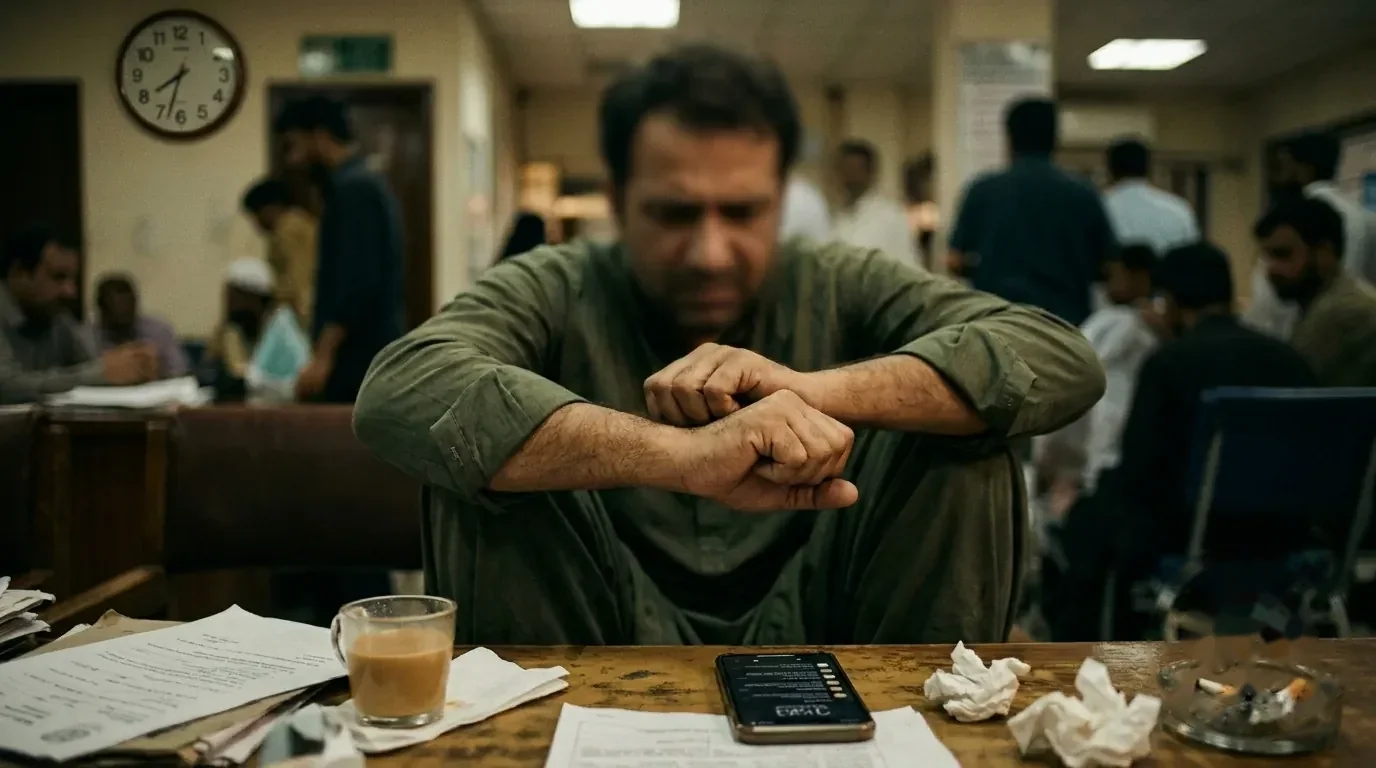
While Avoidant Personality Disorder and Social Anxiety Disorder (SAD) share overlapping symptoms of social avoidance, psychiatry recognizes a vital distinction in depth and core belief systems. Social anxiety is predominantly ego-dystonic and situational—individuals fear embarrassing themselves during specific social or performance situations (such as public speaking or meeting strangers). In contrast, Avoidant Personality Disorder is deeply ego-syntonic and defines the person’s fundamental identity. The individual does not merely fear performance failure; they fundamentally believe: “I am inherently defective, unworthy, and unlovable.” When social anxiety expands into an inflexible, pervasive personality pattern, seeking comprehensive personality disorders treatment is crucial for root-cause healing.
Bohot se log AvPD ko aam Social Phobia ya Social Anxiety samajh lete hain, magar in dono mein bara farq hai. Social anxiety mein fard ko makhsoos moqon (jaise stage par bolna ya anjaan logon se milna) par ghabrahat hoti hai. Lekin AvPD mein insaan apni poori zaat ko hi naqis, haqeer aur na-qabil-e-muhabbat samajhta hai. Yeh sirf ghabrahat nahi balki zaati wujood par be-aitmadi ka aisa gehra zakham hai jo har rishte aur har faislay par asar andaaz hota hai.
اکثر لوگ اس عارضے کو عام سماجی خوف یا گھبراہٹ سمجھنے کی غلطی کرتے ہیں لیکن دونوں میں گہرا فرق ہے۔ سماجی بے چینی میں انسان کو مخصوص حالات (جیسے تقریر کرنا یا اجنبیوں کا سامنا) میں گھبراہٹ ہوتی ہے۔ جبکہ اس خلل میں انسان کی سوچ اپنی ذات کے بارے میں ہی مکمل طور پر منفی ہو جاتی ہے۔ وہ یہ پختہ یقین رکھتا ہے کہ اس کا پورا وجود ہی عیب دار، بدصورت اور ناقابلِ قبول ہے، جس کے باعث وہ زندگی کے ہر شعبے سے خود کو کاٹ لیتا ہے۔
Neurobiology of Rejection: Insular Hyperactivity and Amygdala Hyperarousal
Cutting-edge neuroscience demonstrates that social rejection triggers the exact same neural circuitry as physical pain. In individuals suffering from Avoidant Personality Disorder, neuroimaging reveals severe rejection sensitivity dysregulation. The anterior insula and the anterior cingulate cortex—the primary neural hubs for processing social distress and emotional pain—exhibit profound hyperactivation in response to neutral or ambiguous social stimuli. Simultaneously, the amygdala shows chronic hyperarousal, misinterpreting benign facial expressions as imminent threats of judgment or hostility. This is coupled with impaired prefrontal cortex inhibition and chronic dysregulation of the Hypothalamic-Pituitary-Adrenal (HPA) axis, flooding the body with excess cortisol and creating continuous physiological tension and vigilance.
Modern brain scans se maloom hua hai ke jab kisi AvPD ke mareez ko nazar-andaz kiya jaye to un ke dimagh ko bilkul waisi hi shadeed takleef hoti hai jaisi kisi jismani chot se hoti hai. Dimagh ke woh marakiz jo dard aur darr ko control karte hain (jaise anterior insula aur amygdala), woh har waqt khatray ke mode mein rehte hain. Kisi shakhs ka mamooli sa chehra banana ya khamosh ho jana bhi in ke dimagh ko yeh signal deta hai ke woh nafrat kar raha hai. Yeh dimaghi chemical aur neuro-hormonal be-tarteebi insaan ko har waqt shadeed be-chaini aur thakan mein mubtala rakhti hai.
جدید اعصابی سائنس نے یہ ثابت کیا ہے کہ مسترد کیے جانے کا احساس دماغ کے انہی حصوں کو متحرک کرتا ہے جو شدید جسمانی درد کو محسوس کرتے ہیں۔ اس مرض کے شکار مریضوں میں دماغ کا وہ حصہ جو سماجی درد اور خوف کو کنٹرول کرتا ہے، غیر معمولی طور پر حد سے زیادہ فعال ہو جاتا ہے۔ کسی کی معمولی سی بے رخی یا غیر جانبدار چہرے کے تاثرات کو بھی ان کا دماغ فوری خطرہ اور تحقیر سمجھتا ہے۔ اعصابی نظام میں مسلسل تناؤ کے ہارمونز خارج ہونے سے مریض ہر وقت دلی خوف اور جسمانی تھکن کا شکار رہتا ہے۔
Avoidant Personality Disorder in Pakistani Society: “Log Kya Kahenge”, Rishta Anxiety, and Silence
In Pakistan, cultural dynamics often obscure the severity of Avoidant Personality Disorder. Individuals struggling with AvPD are frequently dismissed as merely “bohot sharmila” (very shy), “sada” (simple), “kam-go” (quiet), or “ghareelu” (home-oriented), especially among young women. The pervasive societal fear of “log kya kahenge” (what will people say) exponentially amplifies their internal dread. Severe life transitions—such as formal rishta meetings, joint family scrutiny, job interviews, or public speaking in universities—become terrifying gauntlets that trigger panic attacks, total social withdrawal, and severe academic or professional stagnation. Furthermore, families often misattribute this paralysis to “saya”, “nazar”, or laziness, turning to unverified spiritual healers instead of evidence-based neuro-psychiatric care.
Hamare Pakistani muashray mein is shadeed zehni bemari ko aksar sharm-o-haya ya shareef-nafsi samajh kar nazar-andaz kar diya jata hai. Larrkiyon ko ‘ghareelu’ aur larrkon ko ‘sada’ keh kar un ki takleef par parda daal diya jata hai. ‘Log kya kahenge’ ka khauf AvPD ke mareezon ko zinda dar-gor kar deta hai. Rishtay ki baat-cheet, sasural ke sawalat, ya job interview in ke liye maut jaisa darr ban jate hain. Khandan wale aksar isay susti ya saya samajh kar taweez dhagon mein saal barbad kar dete hain, halanke yeh aik medical masla hai jis ka foran ilaaj hona zaroori hai.
ہمارے معاشرے میں اس شدید بیماری کو اکثر محض شرمیلا پن، سادگی یا گھریلو پن کا نام دے کر نظر انداز کر دیا جاتا ہے۔ ‘لوگ کیا کہیں گے’ کا روایتی خوف ایسے مریضوں کے لیے سزائے موت بن جاتا ہے۔ رشتہ دیکھنے کے مراحل، سسرالی تفتیش، یا نوکری کے انٹرویو ان کے لیے شدید ترین گھبراہٹ کا طوفان بن جاتے ہیں جس سے وہ بالکل گوشہ نشین ہو جاتے ہیں۔ خاندان والے اکثر اسے جادو ٹونا، سستی یا وہم سمجھ کر جعلی عاملوں کے پاس لے جاتے ہیں، جبکہ حقیقت میں یہ ایک اعصابی اور نفسیاتی مرض ہے جس کا باقاعدہ علاج ناگزیر ہے۔
The Vicious Cycle of Chronic Isolation and Comorbid Depression
The defining tragedy of Avoidant Personality Disorder is the profound discrepancy between desire and behavior. Unlike schizoid personality disorder, where individuals genuinely prefer solitude, individuals with AvPD crave deep emotional intimacy and love. However, the anticipated pain of potential rejection outweighs their yearning for connection. Over time, chronic self-isolation inevitably leads to secondary psychological disorders, including severe major depressive disorder, generalized anxiety, panic disorder, and complex phobia and anxiety disorders. Without structured medical intervention, patients retreat further into absolute isolation, watching life pass them by from behind locked doors.
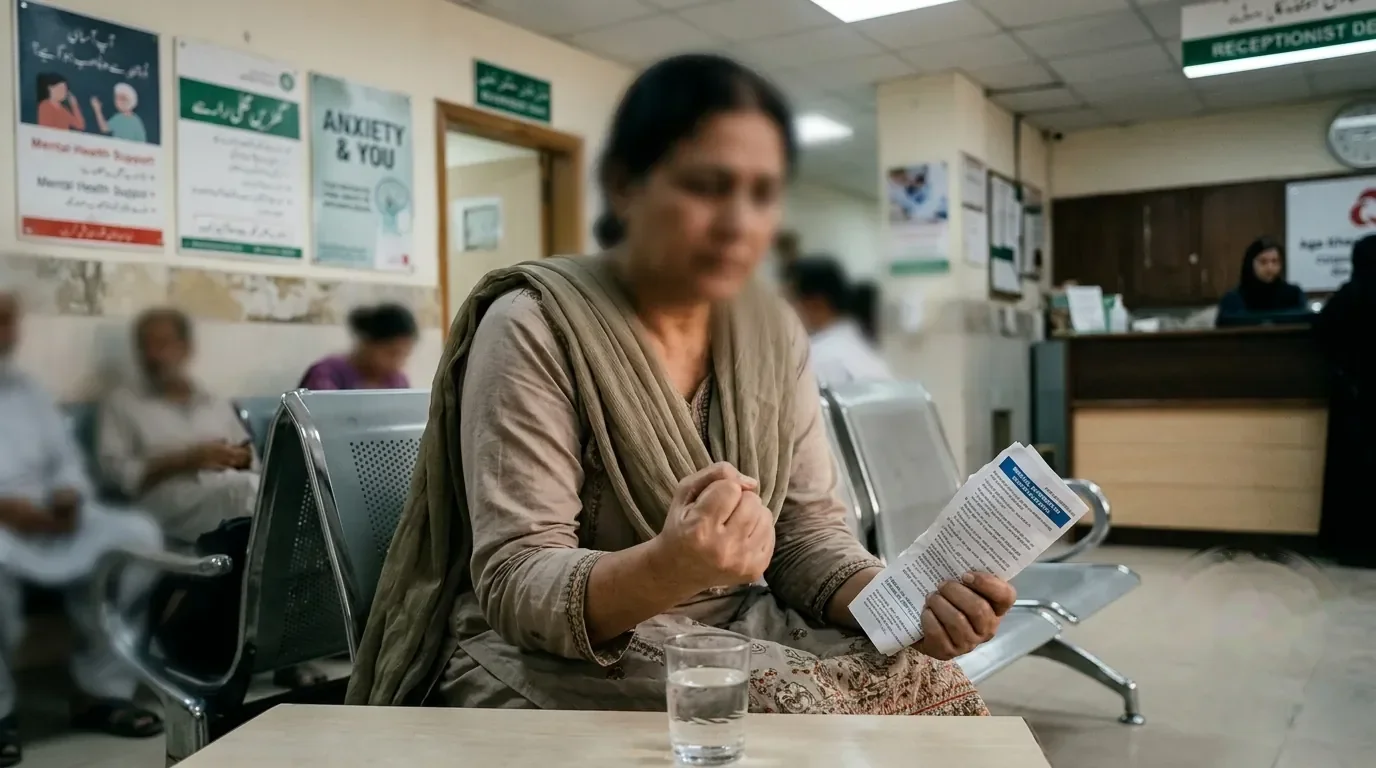
AvPD ka sab se bara dukh yeh hai ke insan andar se apno ka sath chahta hai magar darr ki wajah se khud ko kamre mein band kar leta hai. Yeh tanhai aahista aahista shadeed depression, ghabrahat aur panic attacks mein badal jati hai. Insaan apni jawani, taleem aur career ko apne hi khauf ki bhent charha deta hai. Agar is cycle ko waqt par therapy aur ilaaj se na tora jaye to insaan poori zindagi ke liye logon se qata-talluq ho kar shadeed azziyat mein mubtala rehta hai.
اس عارضے کا سب سے بڑا المیہ یہ ہے کہ انسان تنہائی پسند نہیں ہوتا بلکہ وہ اندر سے شدید طور پر محبت اور تعلق کا پیاسا ہوتا ہے، مگر مسترد کیے جانے کا ہولناک خوف اس کے قدم روک دیتا ہے۔ یہ مستقل تنہائی آگے چل کر شدید ڈپریشن، ہر وقت کی گھبراہٹ اور دل ڈوبنے کی کیفیات میں بدل جاتی ہے۔ اگر بروقت مستند علاج نہ کرایا جائے تو انسان اپنے ہی خوف کے خول میں بند ہو کر اپنی تمام صلاحیتوں اور خوشیوں کو ضائع کر بیٹھتا ہے۔
Evidence-Based Treatment at Amaim Brain Care
Overcoming Avoidant Personality Disorder is entirely achievable with dedicated, specialized neuro-psychiatric treatment. Under the clinical expertise of Dr. Ahsan Tariq Dogar at Amaim Brain Care, patients receive a personalized, evidence-based treatment protocol that addresses both the neurobiological vulnerability and deeply entrenched psychological schemas:
- Schema Therapy: Directly targets early maladaptive schemas, specifically the “Defectiveness/Shame Schema” and the “Social Isolation Schema.” Therapists use limited reparenting and imagery rescripting to heal early attachment wounds.
- Cognitive Behavioral Therapy (CBT for AvPD): Systematically identifies and dismantles automatic thoughts of inferiority, catastrophic predictions about social interactions, and black-and-white self-judgments.
- Graduated Exposure Therapy: A structured, collaborative hierarchy where patients gently and progressively face avoided social situations in a safe, supportive framework, retraining the brain’s threat circuitry.
- Social Skills & Assertiveness Training: Equips patients with concrete interpersonal communication tools, eye-contact comfort, and boundary-setting strategies.
- Judicious Pharmacotherapy: Utilizing SSRIs, SNRIs, or beta-blockers when clinically indicated to downregulate amygdala hyperarousal, alleviate baseline somatic panic, and facilitate active engagement in psychotherapeutic work.
Amaim Brain Care mein hum AvPD ka mukammal aur sائنسی ilaaj faraham karte hain. Dr Ahsan Tariq Dogar ki zer-e-sarparasti Schema Therapy aur modern CBT ke zariye mareez ke andar chhupe naqis hone ke ehsas ko khatam kiya jata hai. Graduated Exposure Therapy ke tehat aahista aahista mareez ko logon se milne aur aitemad bahaal karne ki training di jati hai. Agar dimaghi be-chaini aur ghabrahat shadeed ho to makhsoos adwiyat ke zariye dil ki dharkan aur dimaghi sukoon ko bahaal kiya jata hai taake mareez khul kar zindagi guzar sakay.
امائم برین کیئر میں ہم اس عارضے کا جامع اور سائنسی طریقہ علاج فراہم کرتے ہیں۔ ڈاکٹر احسن طارق ڈوگر کی ماہرانہ زیرِ نگرانی جدید اسکیما تھراپی اور کاگنیٹو بیہیوئیرل تھراپی کے ذریعے مریض کے اندر موجود احساسِ کمتری اور خوف کے سانچوں کو توڑا جاتا ہے۔ تدریجی نمائش کی تکنیک کے ذریعے مریض کو مرحلہ وار اعتماد دیا جاتا ہے تاکہ وہ بغیر خوف کے لوگوں کا سامنا کر سکے۔ ضرورت پڑنے پر جدید ادویات سے اعصابی بے چینی اور خوف کو کم کیا جاتا ہے تاکہ مریض مکمل صحت یاب ہو سکے۔
Taking the First Step Toward Freedom and Connection
You do not have to spend the rest of your life trapped in the shadows of self-doubt and fear of judgment. Rejection sensitivity is a treatable neurobiological and psychological condition, not a permanent life sentence. With compassionate clinical support, evidence-based psychological tools, and guided medical care, you can rebuild your self-worth, enjoy deep and meaningful relationships, and reclaim your personal and professional potential.
Aap ko mazeed khauf aur tanhai ke andheron mein jeene ki zaroorat nahi hai. Rejection ka yeh darr aur kamtari ka ehsas koi aisi khami nahi jo theek na ho sakay, balki yeh ek qabil-e-ilaaj zehni kefiyat hai. Munasib rahnumai aur therapy ke sath aap apna khoya hua aitemad wapas pa sakte hain aur pur-sukoon zindagi guzar sakte hain.
آپ کو مزید خوف، احساسِ کمتری اور تنہائی کے اندھیروں میں سسکنے کی ضرورت نہیں ہے۔ مسترد کیے جانے کا یہ خوف کوئی ایسی رکاوٹ نہیں جس پر قابو نہ پایا جا سکے۔ مناسب طبی رہنمائی اور جدید تھراپی کی مدد سے آپ اپنی عزتِ نفس بحال کر سکتے ہیں اور ایک پر اعتماد اور خوشگوار زندگی کا آغاز کر سکتے ہیں۔

Frequently Asked Questions
How is Avoidant Personality Disorder different from simple shyness or introversion?
Introverts genuinely enjoy solitude and feel energized by quiet activities without experiencing severe distress. Shy individuals may feel nervous initially but can adapt and form bonds over time. In contrast, individuals with AvPD experience an agonizing core conviction that they are fundamentally defective, leading to pervasive life-altering avoidance despite a desperate longing for connection.
Introvert shakhs apni marzi se tanhai pasand karta hai aur sukoon mehsoos karta hai. Lekin AvPD ka shikar shakhs tanhai mein tarapta hai, woh rishte chahta hai magar sirf is khauf se door bhagta hai ke log usay be-izzat karein ge ya us ki khamiyan nikaal kar thukra dein ge.
What causes Avoidant Personality Disorder to develop?
AvPD develops from an interplay of innate genetic temperamental traits (such as high behavioral inhibition and rejection sensitivity) and early childhood experiences. Severe parental rejection, chronic emotional neglect, harsh criticism, bullying at school, or repeated childhood humiliation frequently solidify core beliefs of worthlessness and defectiveness.
Is bemari ki bunyad mein jeneati asraat ke sath bachpan ke kharab tajarbaat shamil hain. Bachpan mein walidain ki shadeed tanqeed, sakhti, school mein bacho ka mazaq urrana ya gharelu mahol mein bar bar zaleel hona insan ke dil mein yeh yaqeen bitha deta hai ke woh be-kar hai.
Can a person with Avoidant Personality Disorder have a healthy romantic relationship or marriage?
Yes, but untreated AvPD creates severe relationship hurdles due to fear of intimacy, constant anticipation of abandonment, and defensive emotional withdrawal. With dedicated psychotherapy such as Schema Therapy, individuals learn to tolerate emotional vulnerability, communicate their needs, and form secure, fulfilling romantic partnerships.
Jee haan, ilaj ke zariye bilkul mumkin hai. Shuru mein mareez rishton se darr kar door bhagta hai, magar jab therapy ke zariye un ka aitemad bahaal hota hai to woh ek behtareen, pur-khuloos aur wafadaar shareek-e-hayat sabit hote hain.
What is the most effective psychological therapy for Avoidant Personality Disorder?
Schema Therapy and specialized Cognitive Behavioral Therapy (CBT) integrated with Graduated Exposure Therapy are recognized internationally as the gold standards. Schema therapy heals the underlying “Defectiveness” schemas, while CBT and exposure retrain the brain to manage social threat appraisals and engage comfortably in interpersonal situations.
Schema Therapy aur Cognitive Behavioral Therapy (CBT) is ke liye sab se behtareen tareeqay hain. Is mein mareez ke bachpan ke zakhmon ko bharne ke sath sath aahista aahista mehfilon ka samna karne ki amli mashqain karwayi jati hain.
Are medications necessary to treat Avoidant Personality Disorder?
While medications cannot alter personality structures on their own, psychiatric medications such as SSRIs or SNRIs are often highly beneficial in reducing severe underlying anxiety, depressive mood, and hyperactive autonomic arousal. This medical stabilization enables patients to engage far more effectively in psychotherapy.
Adwiyat akele personality ko tabdeel nahi karti, lekin agar be-chaini, ghabrahat aur dil ki tez dharkan bohot ziyada ho to psychiatrist ki tajweez kardah safe medicines dimagh ko sukoon deti hain taake psychotherapy ka asar tezi se ho sakay.
How can I book an appointment with Dr. Ahsan Tariq Dogar?
You can book an in-person or online neuro-psychiatric consultation via reaching out via WhatsApp at 0333-6986464 for a confidential appointment.
فیصل آباد میں کلینک وزٹ یا آن لائن مشورے کے لیے آپ عمائم برین کیئر کے آفیشل واٹس ایپ لنک کے ذریعے رابطہ کر کے اپنی اپائنٹمنٹ باآسانی بک کروا سکتے ہیں، جہاں آپ کی معلومات کو مکمل صیغہ راز میں رکھا جاتا ہے۔
Sources & References
Medical & Educational Disclaimer
This content is for educational and informational purposes only and is not a substitute for professional medical advice, diagnosis, or treatment. Always consult a qualified psychiatrist or healthcare provider for any mental health concerns.