Introduction: The Silent Agony of Social Isolation and Inadequacy
Human beings possess an innate psychological drive for connection, belonging, and interpersonal validation. However, for millions of individuals struggling with severe social inhibition, the prospect of interacting with others is fraught with intense terror, debilitating self-doubt, and profound emotional exhaustion. When someone repeatedly avoids social gatherings, retreats into chronic isolation, or struggles to form meaningful relationships, their behavior is frequently misattributed to simple shyness, introversion, or lack of confidence. In clinical psychiatry, two distinct yet frequently overlapping diagnostic conditions account for this profound social withdrawal: Avoidant Personality Disorder (AVPD) and Social Anxiety Disorder (SAD, also known as Social Phobia). Understanding the precise clinical, psychological, and neurobiological boundaries between these conditions is essential for accurate diagnosis, effective psychiatric treatment, and lasting emotional recovery.
Insan fitri tor par doosron ke sath rabta, dosti aur qurbat chahta hai. Lekin jab kisi shakhs ke liye logon se milna, mehfilon mein baithna ya dosti karna khauf, sharmindagi aur shadeed ghabrahat ka azaab ban jaye, toh aam tor par usay sirf “bohat sharmila” ya “kam-go” keh kar chor diya jata hai. Nafsiat ki roshni mein yeh sirf mamooli sharmila-pan nahi hota balki do barray amraz—Avoidant Personality Disorder (AVPD) aur Social Anxiety Disorder (SAD)—ki alamat ho sakta hai. Pakistan mein in dono ke farq ko samajhna is liye zaroori hai taake mareez ko be-wajah tanqeed ka nishana banane ke bajaye usay barwaqt aur durust nafsiati ilaj faraham kiya ja sakay.
انسان فطرتی طور پر سماجی تعلقات، اپنائیت اور باہمی رابطوں کا متلاشی رہتا ہے۔ تاہم جب کسی فرد کے لیے محفلوں میں بیٹھنا، نئے لوگوں سے گفتگو کرنا یا قریبی تعلقات استوار کرنا شدید خوف، شرمندگی اور اعصابی تھکن کا سبب بن جائے، تو اکثر اسے محض “شرمیلا پن” یا “کم گو طبیعت” سمجھ کر نظر انداز کر دیا جاتا ہے۔ طبی نفسیات کے مطابق یہ کیفیت دو مختلف مگر باہم منسلک عوارض یعنی ایوائیڈنٹ پرسنلٹی ڈس آرڈر (AVPD) اور سوشل اینگزائٹی ڈس آرڈر (SAD) کا نتیجہ ہو سکتی ہے۔ ان دونوں بیماریوں کے مابین دقیق طبی، نفسیاتی اور اعصابی فرق کو سمجھنا بروقت تشخیص اور مستند علاج کے لیے انتہائی ضروری ہے۔
Diagnostic Formulations: DSM-5 Definitions of AVPD and Social Anxiety Disorder
The Diagnostic and Statistical Manual of Mental Disorders, Fifth Edition (DSM-5), conceptualizes Avoidant Personality Disorder as a Cluster C (anxious and fearful) personality disorder. AVPD is defined by a pervasive, enduring, and inflexible pattern of social inhibition, profound feelings of personal inadequacy, and extreme hypersensitivity to negative evaluation or rejection, beginning by early adulthood and present across a broad range of contexts. Diagnostic criteria require at least four of the following: avoidance of occupational activities involving significant interpersonal contact due to fear of criticism or rejection; unwillingness to get involved with people unless certain of being liked; restraint within intimate relationships due to fear of being shamed or ridiculed; preoccupation with being criticized or rejected in social situations; inhibition in new interpersonal situations because of feelings of inadequacy; viewing oneself as socially inept, personally unappealing, or inferior to others; and reluctance to take personal risks or engage in new activities that may prove embarrassing.
DSM-5 ke mutabiq Avoidant Personality Disorder ka taalluq Cluster C se hai, jis mein khauf aur bechaini shakhsiyat ka hissa ban jati hai. AVPD ka mareez bachpan ya nojawani se hi khud ko doosron se kamtar, bad-surat, be-hunar aur na-qabil samajhta hai. Wo dawat ya dafter ki aisi sargarmion se bhagta hai jahan tanqeed ka zara sa bhi andesha ho, aur sirf unhi chand logon se baat karta hai jinke baray mein usay 100 feesad yaqeen ho ke wo usay radd nahi karenge. Apne qareebi rishton mein bhi wo sharmindagi ke darr se khul kar baat nahi kar pata aur har waqt is khauf mein rehta hai ke log uska mazaq urayein ge.
امریکن سائیکاٹرک ایسوسی ایشن کے تشخیصی مینوئل (DSM-5) کے مطابق ایوائیڈنٹ پرسنلٹی ڈس آرڈر کلسٹر سی (Cluster C) سے تعلق رکھنے والا ایک گہرا مرض ہے۔ اس کی بنیادی پہچان ذاتی نااہلی اور کمتری کا شدید احساس، سماجی رابطوں سے مستقل گریز، اور رد کیے جانے کا حد سے زیادہ خوف ہے۔ اس کی تشخیص کے لیے ضروری ہے کہ فرد خود کو پیدائشی طور پر بدصورت، کم عقل یا کمتر سمجھتا ہو، تنقید کے خوف سے ملازمت یا تعلیم کے مواقع ضائع کر دے، اور اس وقت تک کسی سے تعلق نہ بنائے جب تک اسے یہ مکمل یقین دہانی نہ ہو کہ اگلا شخص اسے غیر مشروط طور پر پسند کرے گا۔
In contrast, Social Anxiety Disorder (SAD) is classified under anxiety disorders. SAD is characterized by marked, persistent fear or anxiety about one or more social or performance situations in which the individual is exposed to possible scrutiny by others. Common examples include public speaking, eating or drinking in front of others, initiating conversations with strangers, or meeting authority figures. While both disorders involve intense social anxiety and avoidance, clinical psychiatry continues to debate whether AVPD represents a severe, generalized variant of Social Anxiety Disorder along a continuous dimensional spectrum, or a distinct, severe personality pathology rooted in an all-encompassing identity defectiveness.
Doosri taraf, Social Anxiety Disorder (soshil phobia) ka taalluq zehni bechaini (anxiety disorders) se hai. Is mein mubtila shakhs ko makhsoos moqon par ghabrahat hoti hai, jese sab ke samne bolna (public speaking), anjan logon se baat karna, stage par jana ya mehmaano ke samne khana peena. Agarche dono bimarion mein log mehfil se kat-tay hain, lekin social anxiety mein darr yeh hota hai ke “kahi mere hath na kanp jayein ya mein ghalti na kar doon”, jabke AVPD mein insan ka pukhta aqaida hota hai ke “mein andar se hi kharab aur bekar hoon”. Hamare clinic par Personality Disorders Treatment aur Phobia & Anxiety ke liye mukammal aur alag alag ilaj dastiyab hai.
اس کے برعکس، سوشل اینگزائٹی ڈس آرڈر بنیادی طور پر اضطراب و گھبراہٹ کا مرض ہے۔ اس میں مریض مخصوص سماجی حالات، جیسے اسٹیج پر بولنے، اجنبیوں سے بات چیت شروع کرنے، یا لوگوں کے سامنے کھانا کھانے کے دوران اپنی کارکردگی خراب ہونے اور ذلیل ہو جانے کے شدید خوف میں مبتلا ہوتا ہے۔ سوشل اینگزائٹی میں خوف کارکردگی اور ظاہری غلطی کا ہوتا ہے، جبکہ ایوائیڈنٹ پرسنلٹی ڈس آرڈر میں خوف اپنی ذات کے ناقص ہونے کا ہوتا ہے۔ ہمارے کلینک پر پرسنلٹی ڈس آرڈرز کا علاج اور فوبیا اور اینگزائٹی کا علاج جدید خطوط پر فراہم کیا جاتا ہے۔
The Neurobiology of Avoidance: Core Shame Circuitry and Dysregulated Neural Networks
Advancements in functional neuroimaging, cognitive neuroscience, and psychiatric genetics have illuminated the complex neurobiological substrates that underpin severe social avoidance and personality-level pathology. At the center of this pathology is the dysregulation of the brain’s core shame circuitry, fronto-limbic emotional regulation systems, and the Default Mode Network (DMN).
Jadeed tibbi science aur brain imaging ne yeh saabit kiya hai ke shakhsiyat ka yeh shadeed gurez dimagh ke makhsoos hisson aur keemiyai madon ke bigar ka natija hai. Is marz ke peeche dimagh ka shame circuitry (sharmindagi aur ruswai ka nizam) aur Default Mode Network hadd se zyada mutaharrik ho jata hai.
جدید ترین نیورو سائنس اور دماغی اسکینز نے واضح کیا ہے کہ شدید سماجی فرار اور خود کو کمتر سمجھنے کی بیماری محض وہم نہیں بلکہ دماغی سرکٹس اور اعصابی کیمیکلز کی گہری خرابی ہے۔ اس کے پسِ پردہ دماغ کا شرم و رسوائی کا اعصابی نظام (Core Shame Circuitry) اور ڈیفالٹ موڈ نیٹ ورک حد سے زیادہ سرگرم ہو جاتے ہیں۔
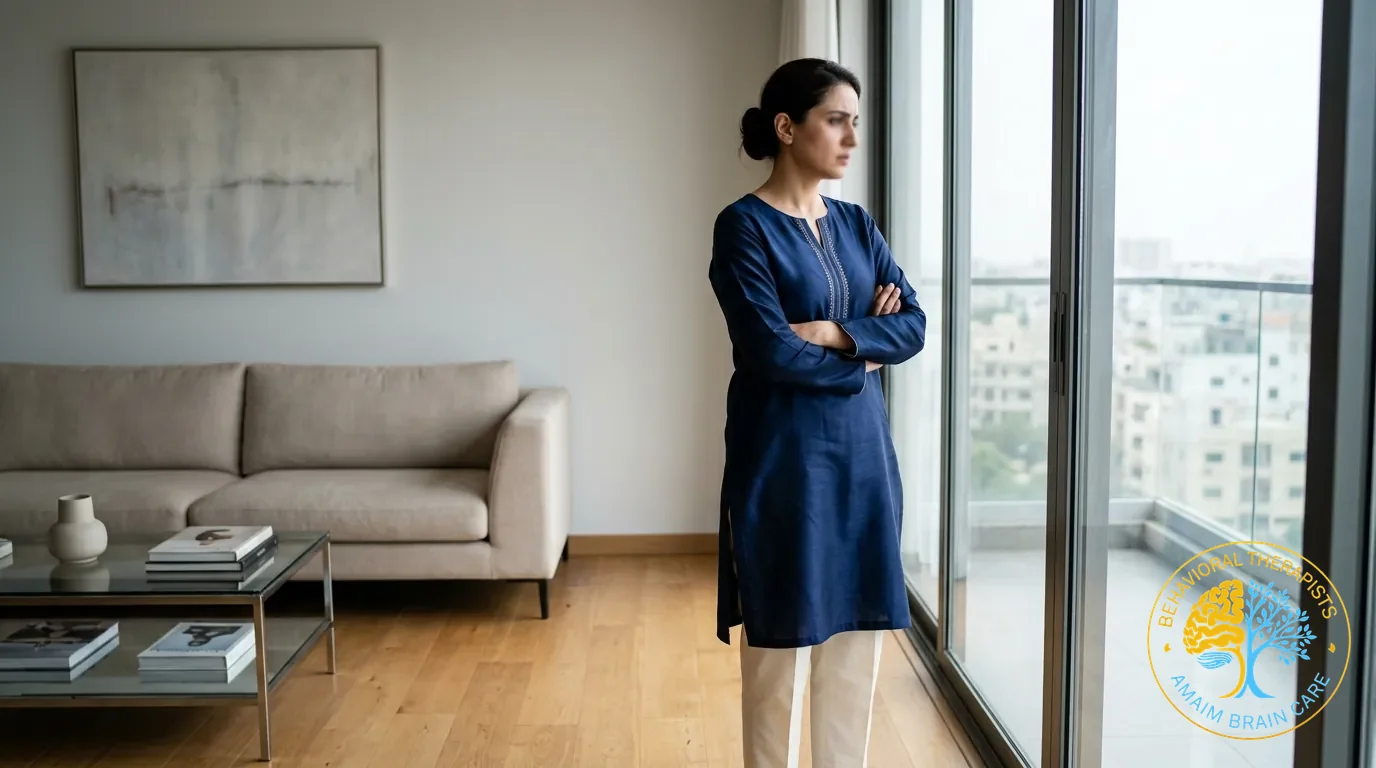
The amygdala, which orchestrates threat detection and fear conditioning, exhibits marked hyper-reactivity to facial expressions of disapproval, neutral social cues, and perceived interpersonal conflict. Concurrently, the anterior insular cortex—responsible for processing visceral, somatic distress and the subjective agony of social rejection—fires intensely during social encounters, causing social evaluation to register as literal physical pain. In healthy individuals, the ventromedial prefrontal cortex (vmPFC) and anterior cingulate cortex (ACC) exert top-down inhibitory control over the amygdala, dampening emotional reactivity. In individuals with AVPD and severe SAD, this prefrontal inhibitory control is significantly blunted, allowing raw emotional panic to overwhelm executive cognitive functioning.
Dimagh ka wo hissa jo khatray ko pehchanta hai (amygdala), kisi ki mamooli teewri ya chup ko bhi shadeed dushmani aur tanqeed samajh leta hai. Iske sath insula namak hissa samajik radd ko jism ke dard ki tarah mehsoos karwata hai. Aam logon mein dimagh ka agla hissa (prefrontal cortex) is darr ko thanda kar deta hai, lekin AVPD ke mareez mein yeh control kamzor hota hai jis ki wajah se mamooli baat par bhi shadeed bechaini aur ghabrahat phoot parti hai.
دماغ کا خطرے کو بھانپنے والا مرکز (امیگڈالا) معمولی سی ناگواری یا خاموشی کو بھی شدید مخالفت اور تضحیک سمجھ کر خطرے کی گھنٹی بجا دیتا ہے۔ ساتھ ہی انسولر کورٹیکس سماجی ردِ عمل کو بالکل جسمانی درد کی طرح رجسٹر کرتا ہے۔ عام حالات میں دماغ کا اگلا حصہ یعنی پری فرنٹل کورٹیکس اس اضطراب کو اعتدال میں لاتا ہے، مگر ایوائیڈنٹ مریضوں میں یہ حفاظتی کنٹرول کمزور پڑ جاتا ہے جس سے خوف پورے ذہن پر حاوی ہو جاتا ہے۔
Furthermore, the Default Mode Network (DMN)—which mediates self-referential thought, autobiography, and mentalizing—is chronically hyperactive and aberrantly hyper-connected in AVPD. This drives relentless post-event rumination, where the individual replays brief social interactions for hours or days, magnifying perceived flaws, generating intense feelings of toxic shame, and cementing the narrative of their own inadequacy. Avoidant coping mechanisms operate via potent negative reinforcement loops: when an individual cancels plans, stays inside, or hides in a room, their autonomic nervous system experiences immediate relief from hyperarousal. The brain misinterprets this temporary drop in cortisol and norepinephrine as proof that avoidance was life-saving, reinforcing the destructive belief that solitude is the only sanctuary.
Default Mode Network (DMN) har waqt mareez ke andar manfi sochein chalata rehta hai. Mehfil se aane ke baad wo ghanton aur dinon tak yeh sochta rehta hai ke “mein ne wo baat ghalat keh di, sab mera mazaq ura rahe thay”. Jab mareez ghar mein baith jata hai ya dawat par jane se inkar kar deta hai, toh uske jism ki ghabrahat foran kam ho jati hai. Dimagh is sakoon ko dekh kar samajhta hai ke bahir jana waqai jaan-lewa tha, aur is tarah kamray mein band rehne ki aadat mazeed pukhta ho jati hai.
اس کے علاوہ ڈیفالٹ موڈ نیٹ ورک (DMN) کی حد سے زیادہ سرگرمی مریض کو مسلسل خود احتسابی اور مایوس کن سوچوں کے بھنور میں الجھائے رکھتی ہے۔ کسی بھی چھوٹی موٹی محفل سے واپسی پر مریض کئی دن تک یہی کڑھتا رہتا ہے کہ مجھ سے کوئی غلطی ہو گئی ہے اور لوگ مجھ پر ہنس رہے ہیں۔ جب وہ لوگوں سے ملنا چھوڑ کر کمرے میں بند ہو جاتا ہے، تو اس کا گھبراہٹ کا لیول عارضی طور پر گر جاتا ہے۔ دماغ اس عارضی سکون کو دیکھ کر یہ نتیجہ اخذ کرتا ہے کہ تنہائی ہی واحد بچاؤ ہے، جس سے گھر میں قید رہنے کی بیماری مزید پختہ ہو جاتی ہے۔
Causes and Pakistani Cultural Realities: Stigma, Toxic Comparisons, and Family Pressures
The etiology of Avoidant Personality Disorder and Social Anxiety Disorder stems from an intricate interaction of genetic vulnerability, temperamental behavioral inhibition, and early developmental trauma. Individuals with a congenital sensitivity to sensory and emotional stimuli who experience early childhood emotional neglect, chronic parental criticism, ridicule by peers, or physical/emotional abuse develop deeply ingrained schemas of unworthiness and defectiveness.
In bimarion ki wajoohaat mein jiniati asraat (genetics), bachpan ka mahol aur walidain ka rawaiyya shamil hain. Jin bachon ka mizaj bachpan se nazuk hota hai aur agar unhein ghar mein musalsal daant dapat, be-izzati, ya school mein bacchon ke mazaq ka samna karna paray, toh unke andar yeh khauf pukhta ho jata hai ke wo doosron ke samne aane ke qabil nahi hain.
ایوائیڈنٹ پرسنلٹی ڈس آرڈر اور سوشل اینگزائٹی کی وجوہات میں جینیاتی حساسیت اور بچپن کے تلخ تجربات شامل ہیں۔ اگر پیدائشی طور پر حساس بچے کو والدین کی طرف سے مسلسل ڈانٹ ڈپٹ، تضحیک، یا اسکول میں ہم جماعتوں کے طعنوں اور تمخر کا سامنا کرنا پڑے، تو اس کے ذہن میں یہ بات پختہ ہو جاتی ہے کہ وہ فطرتی طور پر نااہل اور حقیر ہے۔
In Pakistan, socioeconomic dynamics, joint-family expectations, and cultural parenting patterns profoundly shape how these conditions manifest and persist. In many traditional Pakistani households, children are subjected to toxic, relentless comparisons with cousins and peers (“falana ke bete ke marks dekho”, “tum kisi qabil nahi ho”). Public scolding and humiliation are frequently used as standard disciplinary methods. When an afflicted teenager or young adult begins withdrawing from extended family functions (dawats, weddings, Eid gatherings), their behavior is commonly condemned as “ziddi” (stubborn), “bad-tameez” (disrespectful), or “maghroor” (arrogant).
Pakistan ke mushtarka khandani nizam (joint family system) mein bachon ka doosray rishtedaron ke bachon se musalsal mawazna (“falana ke bache ko dekho”) bachay ke aitmad ko tabah kar deta hai. Jab koi nojawan sharmindagi aur khauf ki wajah se shadi, eid ya mehmaano ke samne nahi aata, toh khandan wale usay “maghroor”, “ziddi” ya “bad-lihaz” keh kar mazeed be-izzat karte hain. Is rawaiye se mareez ka khauf aur androni zakham mazeed gehra ho jata hai.
پاکستانی معاشرے اور مشترکہ خاندانی نظام میں بچوں کا رشتہ داروں کے بچوں کے ساتھ مسلسل اور زہریلا موازنہ (“فلاں کے بیٹے کو دیکھو، تم کسی کام کے نہیں ہو”) بچے کے خود اعتمادی کو کچل کر رکھ دیتا ہے۔ جب متاثرہ نوجوان گھبراہٹ کی وجہ سے شادی بیاہ، عید کی محفلوں یا مہمانوں کے سامنے جانے سے کتراتا ہے، تو گھر والے اسے “مغرور”، “ضدی” یا “بدتمیز” قرار دے کر مزید ملامت کرتے ہیں، جس سے اس کا اندرونی صدمہ مزید بڑھ جاتا ہے۔
Furthermore, pervasive spiritual misattributions frequently delay medical care. Families often attribute severe social isolation, mutism in public, and panic attacks to “nazar-e-bad” (evil eye), “jinnat ka asar” (possession), or “kala jadoo” (black magic). Substantial financial resources and vital years are squandered consulting unverified spiritual practitioners (amils and peers), while the individual sinks deeper into total domestic confinement, chronic depression, and secondary agoraphobia.
Khandan ke log aksar is shadeed gurez aur ghabrahat ko “nazar”, “saya” ya “kala jadoo” samajh kar amils aur peers ke paas le jate hain. Barson taweez aur dam darood mein zaya ho jate hain, jabke mareez kamray ke andar ghut ghut kar jeeta hai aur uski taleem aur mustaqbil tabah ho jata hai. Tibbi ilaj mein yeh takheer marz ko na-qabil-e-talafi hadd tak phelha deti hai.
اس کے علاوہ ذہنی بیماریوں کو “نظرِ بد”، “جنات کا سایہ” یا “کالا جادو” سمجھنے کا رجحان بروقت علاج کی راہ میں سب سے بڑی رکاوٹ ہے۔ لوگ سالہا سال عاملوں اور پیروں کے چکر کاٹ کر قیمتی وقت اور پیسہ برباد کرتے ہیں، جبکہ مریض گھر کے ایک تاریک کمرے میں محبوس ہو کر شدید ڈپریشن اور تنہائی کی دلدل میں دھنستا چلا جاتا ہے۔
Symptoms and Key Differences: A Granular Clinical Comparison
Although Avoidant Personality Disorder and Social Anxiety Disorder share behavioral avoidance of social contact, their underlying cognitive architecture, scope of impairment, and impact on personality structure diverge in profound ways:
Agarche AVPD aur Social Anxiety dono mein shakhs logon se bhagta hai, lekin unke sochne ke andaaz aur marz ki shiddat mein wazeh farq hota hai. In dono ke darmiyan buniyadi tibbi farq darj zail hain:
اگرچہ ایوائیڈنٹ پرسنلٹی ڈس آرڈر اور سوشل اینگزائٹی ڈس آرڈر دونوں میں فرد لوگوں سے گریز کرتا ہے، لیکن ان کی بنیادی سوچ، خوف کی نوعیت اور شخصیت کے بگاڑ میں واضح اور گہرے فرق پائے جاتے ہیں:
- Core Self-Concept (Ego-Syntonic Defectiveness vs Ego-Dystonic Performance Anxiety): In AVPD, feelings of inadequacy are deeply embedded in the individual’s core identity. They believe as an indisputable truth that they are inherently flawed, unappealing, and defective (“I am fundamentally unlovable and broken”). In SAD, the anxiety is often focused on specific performance errors or autonomic signs of anxiety (“I am terrified that I will blush, shake, or stumble on my words and look foolish”).
AVPD mein mareez khud ko dil ki gehraiyon se hi bekar, bad-surat aur na-qabil samajhta hai, jabke Social Anxiety mein mareez ko sirf is baat ka darr hota hai ke “kahi mein stage par bolte hue hakla na jaoon ya mere hath na kanpein”.
ایوائیڈنٹ پرسنلٹی ڈس آرڈر میں مریض کا پختہ عقیدہ ہوتا ہے کہ وہ پیدائشی طور پر ناقص، کمتر اور حقیر ہے۔ جبکہ سوشل اینگزائٹی میں خوف کسی مخصوص موقع پر ہاتھ کانپنے، پسینہ آنے یا بات بھول جانے کی وقتی شرمندگی کا ہوتا ہے۔
- Pervasiveness and Breadth of Avoidance: Social Anxiety Disorder is frequently circumscribed to particular performance or interactional domains (e.g., public speaking, eating in restaurants, meeting managers), while the individual may maintain normal, warm relationships with spouses, close friends, and family. In AVPD, avoidance permeates all interpersonal domains—including establishing intimate partnerships, forming friendships, and maintaining family ties—unless absolute, guaranteed acceptance is pre-established.
Social anxiety ka mareez doston aur ghar walon ke sath theek rehta hai magar anjan mehfil mein ghabrata hai. Lekin AVPD ka mareez qareebi dosti aur rishton se bhi kat jata hai kyun ke usay har waqt apno se bhi be-izzati ka darr rehta hai.
سوشل اینگزائٹی کا شکار فرد اپنے قریبی دوستوں اور اہل خانہ کے ساتھ پراعتماد ہو سکتا ہے اور اس کی گھبراہٹ مخصوص حالات تک محدود ہوتی ہے۔ اس کے برعکس، ایوائیڈنٹ کا مریض قریبی رشتوں اور دوستیوں سے بھی مکمل طور پر دور بھاگتا ہے۔
- Longing for Intimacy vs Indifference: Unlike Schizoid Personality Disorder (where individuals genuinely prefer solitary existence and lack desire for relationships), individuals with AVPD desperately crave deep romantic intimacy, close friendships, and social belonging. Their profound isolation is an unwilling, agonizing state imposed by paralyzing fear, not an absence of desire.
AVPD ka mareez dil se dosti aur muhabbat ka talabgar hota hai aur akelay-pan mein rota hai, lekin radd hone ke darr se wo chah kar bhi kisi ke qareeb nahi ja pata.
ایوائیڈنٹ کا مریض دل کی گہرائیوں سے سچی محبت، گہری دوستی اور محفلوں میں بیٹھنے کا شدید خواہش مند ہوتا ہے اور اپنی تنہائی پر اندر ہی اندر روتا ہے، لیکن تضحیک کے خوف کی وجہ سے وہ قدم آگے نہیں بڑھا پاتا۔
- Subtle Safety Behaviors: When forced into social environments, individuals with AVPD employ extensive overt and covert safety behaviors, such as wearing unremarkable clothing, sitting in corners, avoiding direct eye contact, excessively rehearsing conversational responses, or remaining entirely silent to minimize visibility.
Jab majboori mein mehmaano ke samne jana paray, toh mareez deewar ke kone mein baithta hai, nigahein neechi rakhta hai, sadah tareen kapray pehanta hai aur chup rehta hai taake koi usay notice na kare.
جب مجبوری میں کسی محفل میں جانا پڑے تو ایسا فرد سب سے پیچھے کونے میں چھپ کر بیٹھتا ہے، نظریں نیچے جھکائے رکھتا ہے، اور بالکل خاموش رہتا ہے تاکہ کسی کی توجہ اس کی طرف نہ جائے۔
Impact on Family Life, Careers, and Relationships in Pakistan
The chronic avoidance characteristic of AVPD inflicts severe, long-term functional impairment across personal, educational, and professional spheres. In Pakistani society, where social networking, familial interdependence, and community presence are pivotal for advancement, avoidant individuals face devastating stagnation. Brilliant university students frequently fail viva-voce examinations, avoid class presentations, or drop out entirely rather than face public scrutiny. In the workplace, individuals consistently turn down well-deserved promotions, avoid leadership roles, or accept positions far below their intellectual capabilities to remain in low-visibility, solitary roles.
Pakistani muashray mein taleem aur karobar mein kamyabi ke liye logon se milna julna bohot zaroori hai. Lekin AVPD ka mareez zaheen hone ke bawajood viva mein fail ho jata hai, class mein sawal nahi poochta, aur dafter mein taraqqi (promotion) lene se inkar kar deta hai kyun ke wo kisi naye ohday ya meeting ka samna karne ki himmat nahi rakhta.
پاکستانی معاشرے میں عملی اور پیشہ ورانہ ترقی کے لیے روابط اور باہمی میل جول ریڑھ کی ہڈی کی حیثیت رکھتے ہیں۔ ایوائیڈنٹ کا مریض انتہائی ذہین ہونے کے باوجود انٹرویو دینے سے گھبراتا ہے، کلاس میں پریزنٹیشن کے ڈر سے تعلیم ادھوری چھوڑ دیتا ہے، اور ملازمت میں پروموشن لینے سے انکار کر دیتا ہے تاکہ اسے میٹنگز یا لوگوں کی نگرانی کا سامنا نہ کرنا پڑے۔
Interpersonally, avoidant pathology severely strains marriages and family systems. Unmarried individuals frequently sabotage arranged marriage proposals (“rishta meetings”) by locking themselves in rooms, generating intense family conflict. When married, the avoidant partner’s intense fear of vulnerability and emotional self-protection often leaves spouses feeling emotionally abandoned, misunderstood, and lonely. Over time, the chronic emotional pain frequently precipitates comorbid major depressive disorder, severe dysthymia, and substance abuse (such as alcohol, benzodiazepines, or opioids) as desperate attempts to self-medicate social anxiety.
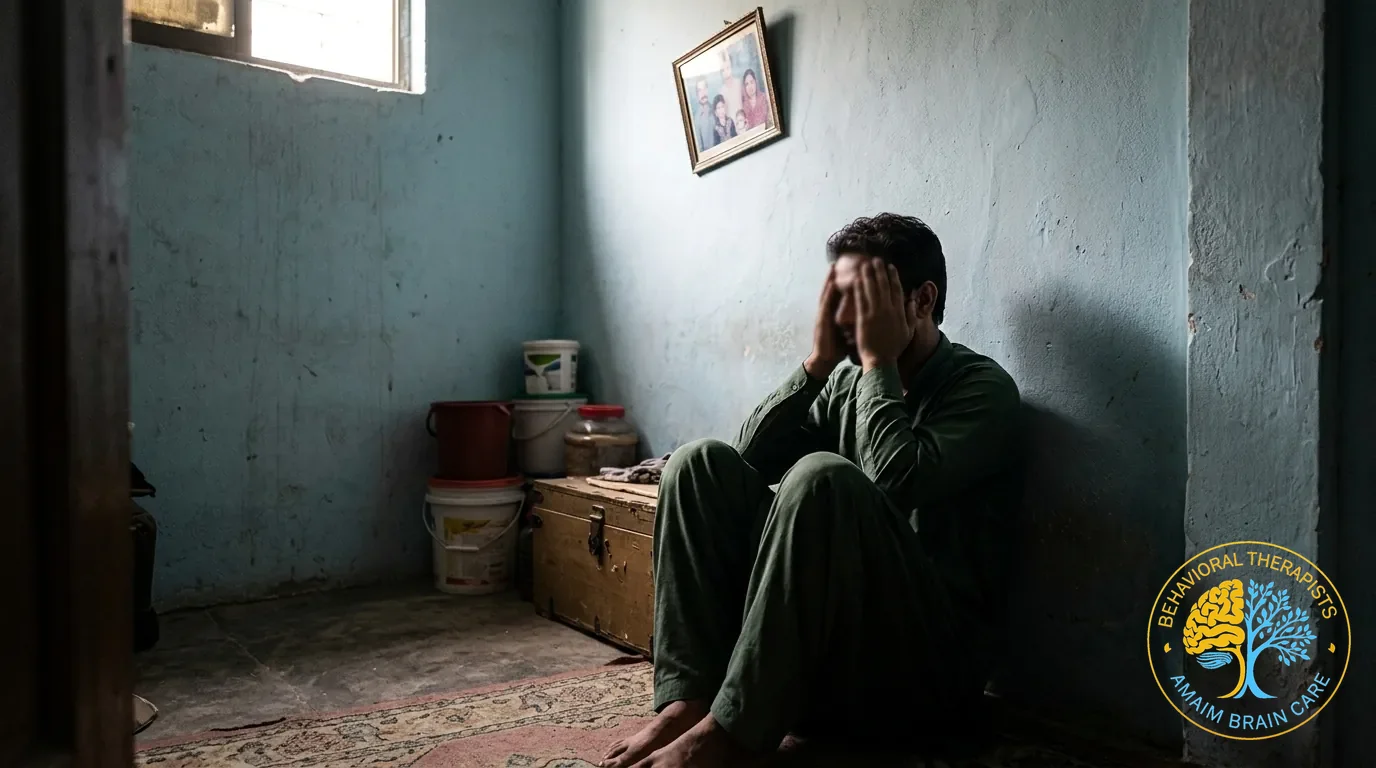
Rishtay ke moqay par mareez kamray mein band ho jata hai jis se ghar walon ki be-izzati hoti hai aur gharelu laraiyan janam leti hain. Shadi ke baad bhi wo biwi ya shohar se duli baatein share nahi kar pata jis se rishta be-lutf ho jata hai. Waqt guzarne ke sath sath akele-pan aur ghum ki wajah se bohot se log nasha aur neend ki goliyon ka sahara lene lagte hain.
خاندانی سطح پر رشتے کے معاملات میں ایسا فرد شدید گھبراہٹ کا شکار ہو کر کمرے میں بند ہو جاتا ہے جس سے خاندانی جھگڑے جنم لیتے ہیں۔ شادی کے بعد بھی وہ اپنے شریکِ حیات کے سامنے کھل کر دل کا حال بیان کرنے سے ڈرتا ہے جس سے ازدواجی تعلقات سرد مہری کا شکار ہو جاتے ہیں۔ مسلسل گھٹن اور تنہائی کا یہ عذاب وقت گزرنے کے ساتھ شدید ڈپریشن اور نشے کی لت کا باعث بن جاتا ہے۔
When Should Individuals and Families Seek Specialized Psychiatric Care?
Social anxiety and avoidant traits do not spontaneously resolve with time, age, or well-meaning motivational advice. Waiting for decades while social withdrawal calcifies into irreversible career stagnation and severe clinical depression only deepens the tragedy. Professional psychiatric consultation should be sought immediately when avoidance begins dictating life decisions, causing severe academic or occupational dysfunction, generating intense daily suffering, or prompting thoughts of self-harm or hopelessness.
Yeh masla sirf sabar karne, umeed rakhne ya naseehaton se hal nahi hota. Jab khauf aur akela-pan aapki parhai, nokri aur shadi shuda zindagi ko barbad karne lage, toh bila-jhihjhak kisi mustanad neuro-psychiatrist se rabta karna chahiye taake mareez ko pur-sukoon zindagi ki taraf laya ja sakay.
یہ بیماری محض صبر کی تلقین، وقت گزرنے یا حوصلہ افزا تقریروں سے ٹھیک نہیں ہوتی۔ جب تنہائی اور خوف انسان کی تعلیم، نوکری اور خاندانی رشتوں کو برباد کرنے لگے، تو فوری طور پر مستند نیورو سائیکاٹرسٹ سے رجوع کرنا چاہیے تاکہ مرض کو مزید گہرا ہونے سے روکا جا سکے۔
Evidence-Based Treatment Modalities at Amaim Brain Care
At Amaim Brain Care, Dr. Ahsan Tariq Dogar, a leading Neuro-Psychiatrist, Behavioral Therapist, and Life Coach, provides compassionate, state-of-the-art psychiatric and psychological interventions for personality disorders and complex anxiety conditions. Through a structured, empathetic, and evidence-based clinical protocol, patients are guided to systematically dismantle core shame, rebuild self-worth, and develop resilient interpersonal mastery.
Amaim Brain Care Faisalabad mein, Dr. Ahsan Tariq Dogar (Neuro-Psychiatrist & Behavioral Therapist) jadeed scientific tareeqon aur intehai shafqat ke sath AVPD aur Social Anxiety ka mukammal ilaj karte hain. Hamari team mareez ke androni khauf ko khatam kar ke uske aitmad ko dobara zindah karti hai.
عمائم برین کیئر فیصل آباد میں معروف ماہرِ امراضِ نفسیات و اعصابی صحت ڈاکٹر احسن طارق ڈوگر کی زیرِ نگرانی ایوائیڈنٹ پرسنلٹی ڈس آرڈر اور سوشل اینگزائٹی کا جامع اور سائنسی علاج فراہم کیا جاتا ہے۔ ہمارا مشن مریض کے اندرونی خوف کو ختم کر کے اس کی خود اعتمادی کو بحال کرنا ہے۔
Our dedicated treatment framework incorporates the following evidence-based modalities:
Hamare clinic par dastiyab ilaj ke tareeqon mein darj zail jadeed therapies shamil hain:
ہمارے کلینک پر دستیاب جدید علاج کے طریقوں میں درج ذیل سائنسی طریقہ ہائے علاج شامل ہیں:
- Cognitive Behavioral Therapy (CBT) & Schema Therapy: Targeted CBT identifies and challenges cognitive distortions (such as catastrophizing, mind-reading, and personalization). Schema Therapy dives deeper to dismantle Early Maladaptive Schemas—specifically the Defectiveness/Shame and Social Isolation schemas—reparenting the vulnerable self and fostering healthy emotional boundaries.
CBT aur Schema Therapy ke zariye mareez ke darr aur bachpan ke un na-qabil-e-bardasht ehsaasaat ko theek kiya jata hai jo usay khud ko bekar samajhne par majboor karte hain.
کاگنیٹو بیہیوریل تھراپی اور اسکیما تھراپی کے ذریعے مریض کے ان خود ساختہ وسوسوں اور بچپن کے پرانے احساسِ کمتری کا علاج کیا جاتا ہے جو اسے معاشرے سے کاٹ کر رکھتے ہیں۔
- Compassion-Focused Therapy (CFT): Specifically designed to target deep-rooted shame and relentless self-criticism, CFT stimulates the brain’s soothing-affiliative neurochemical system (mediated by oxytocin and endorphins), retraining the patient to cultivate warmth, safety, and self-acceptance.
CFT therapy mareez ke andar khud par ghussa aur nafrat karne ki aadat ko khatam kar ke uske dil mein apne liye izzat aur piyar paida karti hai.
کمپیشن فوکسڈ تھراپی (CFT) مریض کے اندر خود کلامی کے ذریعے پیدا ہونے والی مایوسی کو ختم کر کے اپنے آپ پر رحم اور خود اعتمادی پیدا کرنے کی عملی مشق کرواتی ہے۔
- Graded Behavioral Exposure & Elimination of Safety Behaviors: Patients construct a personalized hierarchy of social challenges. Under compassionate therapeutic guidance, they systematically engage in social exposures while deliberately dropping safety behaviors (such as hiding behind phones or averting eyes), proving to the brain that social scrutiny does not lead to catastrophe.
Mareez ko step-by-step tareeqay se logon ke samne aane ki aadat dali jati hai aur uske chhupe hue darr ko aahista aahista khatam kiya jata hai.
مرحلہ وار ایکسپوژر تھراپی کے ذریعے مریض کو آہستہ آہستہ اور محفوظ ماحول میں لوگوں سے ملنے اور گفتگو کرنے کا عادی بنایا جاتا ہے۔
- Social Skills and Assertiveness Training (SST): Structured behavioral rehearsal teaches effective conversational initiation, maintaining assertive eye contact, setting healthy interpersonal boundaries, and expressing dissenting opinions constructively.
Mareez ko logon se baat shuru karne, ankhon mein ankhain daal kar guftagu karne aur apni baat manwane ki practical training di jati hai.
سوشل اسکلز ٹریننگ کے ذریعے مریض کو گفتگو کا آغاز کرنے، باوقار انداز میں بات کرنے اور بغیر کسی خوف کے اپنے حق کے لیے بولنے کی عملی تربیت دی جاتی ہے۔
- Structured Gentle Group Psychotherapy: A highly supportive, professionally facilitated group setting provides real-time corrective emotional experiences, shattering the illusion that one is uniquely defective and validating shared vulnerabilities.
Group therapy mein doosray ham-dard mareezon ke sath baith kar guftagu ki jati hai jis se yeh ehsas hota hai ke “mein akela nahi hoon”.
منظم گروپ تھراپی کے ذریعے مریض کو ہمدرد ماحول میں بات چیت کا موقع ملتا ہے جس سے اس کے دل سے یہ وہم نکل جاتا ہے کہ وہ دنیا میں اکیلا بیمار ہے۔
- Targeted Pharmacotherapy: Judiciously prescribed selective serotonin reuptake inhibitors (SSRIs) or serotonin-norepinephrine reuptake inhibitors (SNRIs), such as escitalopram, sertraline, or venlafaxine, help down-regulate autonomic hyperarousal, reduce rejection sensitivity, and treat comorbid depressive symptoms, providing a neurochemical buffer that makes psychotherapy significantly more accessible.
Zehni bechaini aur darr ki shiddat ko kam karne ke liye mahir doctor ki nigrani mein mehfooz dawayian tajweez ki jati hain jo zehni sukoon deti hain.
شدید گھبراہٹ، دھڑکن کی تیزی اور ڈپریشن کو اعتدال میں لانے کے لیے مستند ڈاکٹر کی زیرِ نگرانی محفوظ جدید ادویات تجویز کی جاتی ہیں۔
Recovery, Prognosis, and Life Beyond Avoidance
Living with Avoidant Personality Disorder or chronic Social Anxiety can make life feel like an exhausting, solitary exile. However, empirical psychiatric research demonstrates that these conditions respond robustly to specialized interventions. With dedicated psychotherapy, targeted psychiatric care, and gradual exposure, individuals learn to quiet their harsh inner critic, cultivate genuine self-worth, and experience rich, authentic social relationships. Recovery does not require transforming into an aggressive extrovert; rather, it means gaining the freedom to connect, love, and participate in the world without paralyzing fear.
AVPD ya Social Anxiety mein mubtila rehna kisi jail ki tanhai jesa hota hai. Lekin jadid ilaj se yeh qaid hamesha ke liye toot sakti hai. Sahih dawayi aur therapy se mareez apne darr par qaboo pa kar pur-aitmad zindagi guzar sakta hai. Kamyabi ka matlab yeh nahi ke aap bohot zyada bolne lagein, balki yeh hai ke aap baghair kisi khauf ke apni zindagi aur doston se lutf andoz ho sakein.
ایوائیڈنٹ پرسنلٹی ڈس آرڈر یا سوشل اینگزائٹی کے ساتھ زندگی گزارنا ایک تاریک قید کی مانند ہوتا ہے۔ تاہم جدید طبی تحقیق نے ثابت کیا ہے کہ باقاعدہ علاج اور تھراپی سے اس قید سے مکمل نجات ممکن ہے۔ صحت یابی کا مطلب یہ نہیں کہ آپ ضرورت سے زیادہ بولنے والے بن جائیں، بلکہ اس کا اصل مقصد یہ ہے کہ آپ بنا کسی خوف اور شرمندگی کے اعتماد کے ساتھ اپنے حقوق اور تعلقات کو نبھا سکیں۔

Frequently Asked Questions
What is the primary difference between Avoidant Personality Disorder and Social Anxiety Disorder?
The primary difference lies in the depth of the self-concept and the breadth of avoidance. In Avoidant Personality Disorder, individuals hold a pervasive, core belief that they are fundamentally flawed, unappealing, and inferior across all life domains. In Social Anxiety Disorder, the anxiety typically centers on specific performance situations (such as public speaking or meeting strangers) and the fear of making embarrassing mistakes, while their core identity remains relatively intact.
Buniyadi farq yeh hai ke AVPD mein shakhs khud ko dil se hi bekar, bad-surat aur na-qabil samajhta hai aur har qism ke rishton se bhagta hai. Jabke Social Anxiety mein sirf makhsoos moqon (jese stage par bolna ya anjan logon se milna) par ghabrahat hoti hai.
Does a person with Avoidant Personality Disorder actually want friends and relationships?
Yes, absolutely. Unlike Schizoid Personality Disorder, where individuals are genuinely indifferent to relationships and prefer solitude, people with AVPD intensely crave emotional closeness, romantic love, and friendship. They withdraw only because their fear of rejection, ridicule, and humiliation feels utterly unbearable.
Ji haan, bilkul. AVPD ka mareez dil se dosti aur muhabbat ka talabgar hota hai aur akelay-pan par rota hai. Wo sirf is darr se peeche hat-ta hai ke kahi agla shakhs uska mazaq na uraye ya usay radd na kar de.
Can Avoidant Personality Disorder be diagnosed during childhood or teenage years?
While severe behavioral inhibition, shyness, and sensitivity to rejection often appear in childhood, personality disorders like AVPD are generally not formally diagnosed until late adolescence or early adulthood (age 18 and older) when personality patterns have fully solidified. Early intervention for childhood social anxiety can prevent the development of full AVPD.
Agarche iski alamate bachpan se nazar aane lagti hain, lekin rasmi tashkhees ایکآٹھ saal ki umar ke baad ki jati hai jab shakhsiyat mukammal pukhta ho jati hai. Bachpan mein darr ka barwaqt ilaj karwaya jaye toh AVPD se bacha ja sakta hai.
How does Pakistani family culture impact individuals suffering from AVPD?
In Pakistan, joint-family pressures, relentless social comparisons with cousins (“falana ke marks dekho”), and cultural misattributions of illness to arrogance or spiritual afflictions (nazar/jinnat) severely exacerbate the disorder. Shaming avoidant individuals drives them into deeper domestic isolation.
Pakistani muashray mein rishtedaron ke bachon se mawazna, taane aur shadi dawat par na jane par “maghroor” ya “ziddi” kehna mareez ke darr ko mazeed barha deta hai aur wo kamray mein qaid ho jata hai.
What are safety behaviors and why do they worsen avoidant disorders?
Safety behaviors are subtle defense mechanisms (e.g., averting eye contact, looking at phones constantly, sitting in dark corners, staying entirely silent) used to reduce anxiety. While they provide immediate relief, they prevent the brain from learning that social situations are safe, thereby reinforcing chronic anxiety.
Safety behaviors wo chhalakian hain jo mareez darr se bachne ke liye karta hai (jese mobile mein ghusay rehna, nigahein churana ya kone mein baithna). Yeh aadatain dimagh ko darr se nikalne nahi detein.
How can I book an appointment with Dr. Ahsan Tariq Dogar?
You can book an in-person or online neuro-psychiatric consultation via reaching out via WhatsApp at 0333-6986464 for a confidential appointment.
فیصل آباد میں کلینک وزٹ یا آن لائن مشورے کے لیے آپ عمائم برین کیئر کے آفیشل واٹس ایپ لنک کے ذریعے رابطہ کر کے اپنی اپائنٹمنٹ باآسانی بک کروا سکتے ہیں، جہاں آپ کی معلومات کو مکمل صیغہ راز میں رکھا جاتا ہے۔
Sources & References
Medical & Educational Disclaimer
This content is for educational and informational purposes only and is not a substitute for professional medical advice, diagnosis, or treatment. Always consult a qualified psychiatrist or healthcare provider for any mental health concerns.