Introduction: Dismantling the Myth of Untreatable Personality Pathology
For decades, a pervasive and disheartening misconception lingered within both popular culture and legacy psychiatric circles: the belief that personality disorders represent permanent, unalterable flaws of character that are entirely resistant to medical or psychological intervention. Individuals diagnosed with Avoidant Personality Disorder (AVPD)—a condition characterized by profound social inhibition, chronic feelings of personal inadequacy, and debilitating hypersensitivity to perceived rejection—frequently internalize this pessimism, resigning themselves to a lifetime of painful loneliness and domestic isolation. However, contemporary advancements in neuropsychiatry, evidence-based psychotherapy, and cognitive neurobiology have thoroughly debunked this archaic myth. Avoidant Personality Disorder is not a permanent life sentence; through structured psychiatric care, targeted psychotherapeutic modalities, and neurobiologically informed interventions, profound and lasting recovery is entirely achievable.
Barson se yeh ghalat fehmi aam rahi hai ke shakhsiyat ki bimarion (personality disorders) ka koi ilaj nahi hota aur mareez ko saari zindagi isi takleef ke sath guzarni parti hai. Avoidant Personality Disorder (AVPD) mein mubtila afrad jo khud ko bekar, bad-surat aur logon ke samne aane ke na-qabil samajhte hain, is mayoosi ka shikar ho kar kamron mein band ho jate hain. Lekin jadeed dimaghi tehqeeq aur modern psychiatry ne yeh saabit kar diya hai ke AVPD ka mukammal aur kamyab ilaj mumkin hai. Sahih ilaj, therapy aur dawayi ki madad se mareez apne darr ko khatam kar ke aik pur-aitmad aur pur-sukoon zindagi guzar sakta hai.
کئی دہائیوں تک عوام اور پرانی نفسیاتی فکر میں یہ غلط فہمی عام رہی کہ شخصیت کے امراض (Personality Disorders) ناقابلِ علاج ہوتے ہیں اور انسان اپنی فطرت کو بدل نہیں سکتا۔ ایوائیڈنٹ پرسنلٹی ڈس آرڈر (AVPD) کے شکار افراد، جو شدید احساسِ کمتری، تنہائی اور لوگوں کے رد کیے جانے کے خوف میں مبتلا رہتے ہیں، اکثر مایوس ہو کر یہ سمجھ بیٹھتے ہیں کہ تنہائی ہی ان کا مقدر ہے۔ تاہم جدید نیورو سائیکاٹری اور سائنسی تھراپیز نے اس مفروضے کو باطل ثابت کر دیا ہے۔ ایوائیڈنٹ پرسنلٹی ڈس آرڈر ایک قابلِ علاج طبی مرض ہے، اور بروقت سائنسی طریقہ ہائے علاج کی بدولت مریض مکمل صحت یابی اور خوشگوار سماجی زندگی کی طرف لوٹ سکتا ہے۔
Understanding the Mechanism of AVPD: Why Treatment Requires Specialized Protocols
Avoidant Personality Disorder is classified under Cluster C in the DSM-5, representing an enduring pattern of anxious and fearful behavior. Unlike episodic anxiety disorders that surge in response to discrete situational triggers, AVPD operates as an entrenched psychological defense mechanism developed early in life to shield a deeply wounded self from anticipated humiliation and rejection. The disorder perpetuates itself through a self-reinforcing “Vicious Avoidance Cycle”: an underlying belief of defectiveness generates intense anticipatory anxiety in social contexts; the individual utilizes overt avoidance or subtle safety behaviors to escape the discomfort; the immediate drop in autonomic hyperarousal provides negative reinforcement, solidifying the conviction that the outside world is perilous; and the resulting social isolation confirms their feelings of alienation and inadequacy. Effective clinical management requires specialized interventions designed to decouple these conditioned cognitive-affective loops. Our dedicated Personality Disorders Treatment and Phobia & Anxiety programs are tailored specifically to address these layered pathologies.
AVPD koi aam ghabrahat nahi balki aik gehra nafsiati difaai nizam (defense mechanism) hai jo bachpan ki choton aur sharmindagi se bachne ke liye banta hai. Is marz ka chakar is tarah chalta hai: mareez samajhta hai ke “mein bekar hoon”, mehfil ke khayal se uski dharkan tez hoti hai, wo dawat par jane se inkar kar deta hai, usay fori sakoon milta hai, aur dimagh samajhta hai ke bahir jana waqai khatarnak tha. Is tarah kamray mein band rehne ki aadat mazeed pukhta ho jati hai. Hamare clinic par Personality Disorders Treatment aur Phobia & Anxiety ke zariye is band gali ko kholne ke liye makhsoos aur jadeed ilaj kiya jata hai.
ایوائیڈنٹ پرسنلٹی ڈس آرڈر محض وقتی پریشانی کا نام نہیں بلکہ یہ ایک گہرا نفسیاتی دفاعی نظام ہے جو بچپن کے صدمات اور احساسِ محرومی کے نتیجے میں وجود میں آتا ہے۔ یہ بیماری ایک خود کار منفی دائرے میں گھومتی ہے: مریض خود کو حقیر سمجھتا ہے، محفل میں جانے کے تصور سے گھبراتا ہے، راہِ فرار اختیار کر کے کمرے میں بند ہو جاتا ہے، وقتی سکون ملنے پر دماغ سمجھتا ہے کہ تنہائی ہی حفاظت ہے، اور یوں اس کی سماجی معذوری مستقل ہو جاتی ہے۔ ہمارے کلینک پر پرسنلٹی ڈس آرڈرز کا علاج اور فوبیا اور اینگزائٹی کا علاج اس منفی چکر کو توڑنے کے لیے خصوصی طور پر ڈیزائن کیا گیا ہے۔
The Neurobiology of Recovery: Neuroplasticity, DMN Down-Regulation, and Shame Circuitry Remodeling
The human brain retains the capacity for structural and functional remodeling—termed neuroplasticity—throughout adulthood. When an individual engages in evidence-based psychiatric treatment for AVPD, measurable neurobiological transformations occur within core brain circuits responsible for fear conditioning, emotional regulation, and self-referential thought processing.
Insani dimagh mein yeh qudratan salahiyat maujood hai ke sahih tarbiyat aur ilaj se wo apne bigray hue asbi circuits ko dobara theek kar sake, jise neuroplasticity kaha jata hai. AVPD ke ilaj ke dauran dimagh ke khauf aur sharmindagi wale hissay shant hote hain aur aitmad paida karne wale hissay mazboot hote hain.
انسانی دماغ کے اندر زندگی بھر اپنے اعصابی رابطوں کو تبدیل اور درست کرنے کی قدرتی صلاحیت پائی جاتی ہے جسے نیوروپلاسٹی سِٹی (Neuroplasticity) کہا جاتا ہے۔ ایوائیڈنٹ پرسنلٹی ڈس آرڈر کے سائنسی علاج کے دوران دماغ کے اندر وہ سرکٹس جو خوف اور شرمندگی کو بھڑکاتے ہیں، پرسکون ہو جاتے ہیں اور خود اعتمادی کے نیٹ ورکس مضبوط بنتے ہیں۔
In untreated AVPD, the amygdala and anterior insular cortex operate in a state of chronic hyper-reactivity, triggering severe autonomic fight-or-flight surges and the somatic experience of visceral agony whenever social evaluation is anticipated. Concurrently, the Default Mode Network (DMN)—specifically the medial prefrontal cortex and posterior cingulate cortex—is locked in pathological hyperconnectivity, fueling ceaseless, toxic self-critical rumination. Through targeted psychotherapy and neurochemical stabilization, the ventromedial prefrontal cortex (vmPFC) and dorsolateral prefrontal cortex (dlPFC) regain robust top-down inhibitory control over the limbic system. This prefrontal strengthening down-regulates hyperactive threat circuits, dampens DMN rumination, and reactivates the ventral striatum’s oxytocinergic reward pathways, enabling the individual to derive genuine emotional pleasure and security from interpersonal intimacy.
Ghair-mualij AVPD mein dimagh ka darr wala hissa (amygdala) aur dard mehsoos karne wala hissa (insula) har waqt aag bagoola rehte hain, jabke Default Mode Network musalsal mareez ko “tum kisi kaam ke nahi ho” ke taane deta rehta hai. Lekin jadid ilaj ke zariye dimagh ka agla hissa (prefrontal cortex) mazboot ho jata hai jo is darr ko thanda karta hai aur mareez ke andar logon se milne par khushi aur sukoon ke chemical (oxytocin aur dopamine) paida karta hai.
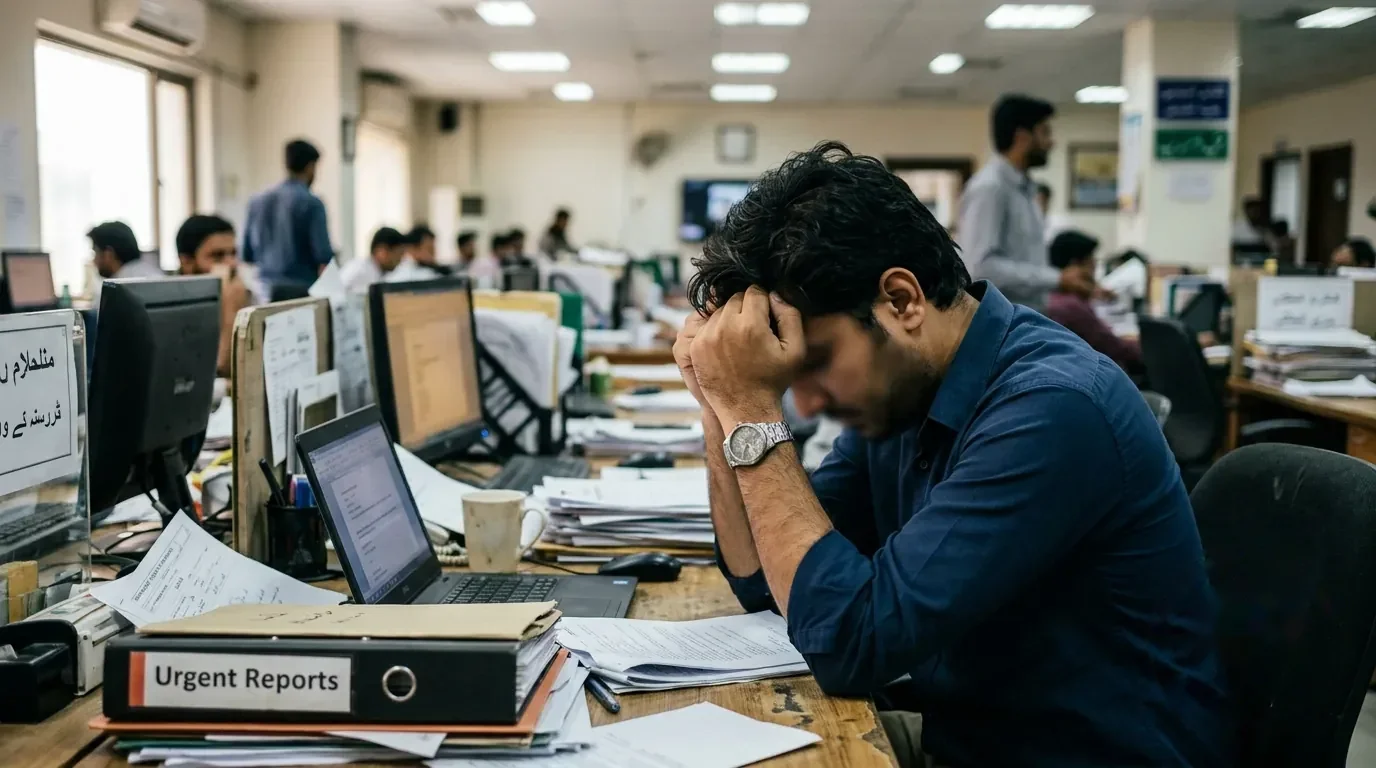
علاج کے بغیر ایوائیڈنٹ مریض کا امیگڈالا اور انسولا معمولی سی گفتگو کو بھی شدید خطرہ قرار دیتے ہیں، جبکہ ڈیفالٹ موڈ نیٹ ورک مسلسل اس کے کانوں میں مایوسی اور احساسِ کمتری کے وسوسے انڈیلتا رہتا ہے۔ تاہم مستند تھراپی کے ذریعے دماغ کا پری فرنٹل کورٹیکس مضبوط ہو کر اس بے قابو خوف پر قابو پا لیتا ہے، منفی سوچوں کے طوفان کو روکتا ہے اور انسان کے اندر محبت اور اپنائیت کا احساس جگاتا ہے۔
Evidence-Based Psychotherapy Modalities for AVPD Recovery
Psychotherapy forms the primary cornerstone of long-term recovery for Avoidant Personality Disorder. Because the condition involves entrenched personality schemas rather than superficial symptoms, treatment requires specialized, depth-oriented modalities:
AVPD ke mukammal khatmay ke liye specialized psychotherapy sab se ahem tareeqa-e-ilaj hai. Choonke yeh masla shakhsiyat ki gehrai mein hota hai, is liye iske liye darj zail mustanad tareeqay istemal kiye jate hain:
ایوائیڈنٹ پرسنلٹی ڈس آرڈر کے علاج میں جدید سائیکو تھراپی ریڑھ کی ہڈی کی حیثیت رکھتی ہے۔ چونکہ یہ مرض شخصیت کی گہرائی میں سرایت کر چکا ہوتا ہے، اس لیے اس کے لیے درج ذیل سائنسی طریقے استعمال کیے جاتے ہیں:
- Cognitive Behavioral Therapy (CBT) & Schema Therapy: Standard CBT focuses on identifying and restructuring cognitive distortions (such as all-or-nothing thinking, emotional reasoning, and catastrophic anticipation of rejection). Schema Therapy, developed by Dr. Jeffrey Young, goes significantly deeper by identifying and healing Early Maladaptive Schemas—primarily the “Defectiveness/Shame” schema (the unshakeable conviction of being defective) and the “Social Isolation/Alienation” schema. Through experiential techniques such as imagery rescripting and chair work, the therapist facilitates limited reparenting to nurture the patient’s vulnerable child mode and dismantle the punitive inner critic.
CBT aur Schema Therapy ke zariye mareez ke bachpan ke zakhmon aur un ghalat aqaid ko theek kiya jata hai jo usay yeh yaqeen dilate hain ke wo paidaishi tor par na-qabil-e-muhabbat hai.
کاگنیٹو بیہیوریل تھراپی اور اسکیما تھراپی کے ذریعے مریض کے بچپن کے صدمات اور ان پختہ غلط خیالات کو جڑ سے اکھاڑا جاتا ہے جو اسے یہ یقین دلاتے ہیں کہ وہ حقیر اور ناقص ہے۔
- Compassion-Focused Therapy (CFT): Developed by Professor Paul Gilbert, CFT is tailored specifically for individuals with profound levels of shame and relentless self-criticism. Avoidant individuals possess an overdeveloped threat/protection system and an underdeveloped soothing/affiliative system. CFT trains patients in compassionate mind training, replacing the hostile, condemning internal voice with warmth, self-validation, and emotional resilience.
CFT therapy mareez ke dil se apne liye nafrat aur tanqeed ko khatam kar ke uske andar khud par reham aur izzat-e-nafs paida karti hai taake wo darr ke bajaye aitmad se jeeye.
کمپیشن فوکسڈ تھراپی (CFT) مریض کے دل سے اپنے خلاف نفرت اور خود ملامتی کو ختم کر کے اس کے اندر خود پر رحم کھانے اور اپنی قدر کرنے کا شعور بیدار کرتی ہے۔
- Social Skills Training (SST) & Assertiveness Training: Many avoidant individuals lack exposure to healthy social dynamics or have had their natural social skills inhibited by decades of crippling anxiety. SST provides direct behavioral rehearsal for initiating small talk, maintaining appropriate eye contact, asking open-ended questions, expressing personal opinions, and asserting healthy boundaries without fear of abandonment.
Mareez ko logon se dosti shuru karne, ankh mila kar baat karne aur apni marzi ka izhar karne ki amli mashq karwayi jati hai taake uska jhijhak khatam ho sake.
سوشل اسکلز اور جرات مندی کی تربیت کے ذریعے مریض کو گفتگو کا آغاز کرنے، نظریں ملا کر بات کرنے اور بغیر کسی خوف کے اپنی رائے کے اظہار کی باقاعدہ عملی مشق کروائی جاتی ہے۔
- Graded In-Vivo Exposure & Eliminating Safety Behaviors: In collaboration with the clinician, patients create an individualized “Exposure Hierarchy,” ranging from low-threat tasks (e.g., greeting a shopkeeper or making brief eye contact) to high-threat challenges (e.g., attending a family dinner or giving a presentation). Crucially, patients are trained to systematically abandon subtle safety behaviors (such as hiding behind sunglasses, staring at smartphones, or staying silent), allowing true emotional extinction of social fear.
Mareez ko step-by-step tareeqay se darr ka samna karwaya jata hai aur usay phone mein chhupe rehne ya chup baithne jesi aadaton se nikala jata hai.
مرحلہ وار ایکسپوژر تھراپی میں مریض کو مرحلہ وار خوف کا سامنا کروایا جاتا ہے اور موبائل میں مگن رہنے یا خاموش بیٹھنے جیسی عادات کو چھڑوا کر حقیقی اعتماد پیدا کیا جاتا ہے۔
- Structured Gentle Group Psychotherapy: Conducted in safe, boundaried clinical environments, group therapy provides the ultimate corrective interpersonal experience. Witnessing peers with similar struggles breaks the agonizing illusion of being uniquely broken, providing real-time peer validation and low-stakes relational experimentation.
Group therapy ke pur-sukoon mahol mein doosray mareezon se baat kar ke sharmindagi ka bhoj halka hota hai aur yeh maloom hota hai ke aap is takleef mein akele nahi hain.
منظم گروپ تھراپی کے محفوظ ماحول میں دوسرے ہمدرد مریضوں کے ساتھ بیٹھنے سے تنہائی کا بوجھ ختم ہوتا ہے اور مریض کو یہ تسلی ملتی ہے کہ وہ اس مرض میں اکیلا نہیں ہے۔
The Role of Pharmacotherapy: Neurochemical Stabilization as a Therapeutic Catalyst
It is important to emphasize that there are no medications approved specifically to “cure” the underlying personality structure of AVPD. However, modern psychopharmacology plays an indispensable, synergistic role in the recovery process by alleviating the crippling neurochemical symptoms that frequently render psychotherapy impossible.
Dawayi shakhsiyat ko jadoi tor par tabdeel nahi karti, lekin yeh dimagh ke us shadeed darr aur bechaini ko thanda karti hai jis ki wajah se mareez doctor se baat karne ya therapy lene ke qabil banta hai.
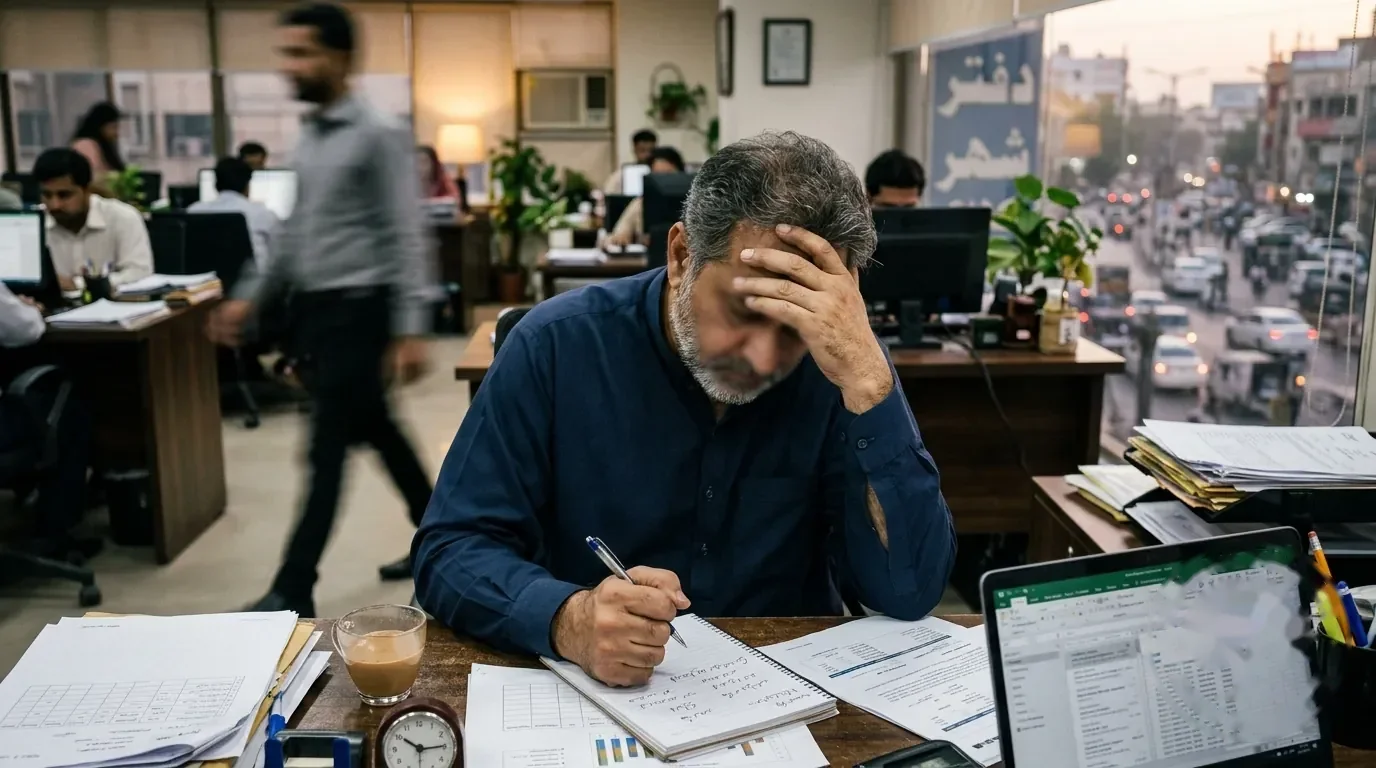
ادویات شخصیت کو جادوئی طور پر تبدیل نہیں کرتیں، لیکن یہ دماغ کی اس شدید گھبراہٹ، خوف اور ڈپریشن کو اعتدال میں لاتی ہیں جس کے بغیر مریض کے لیے تھراپی سیشنز میں بیٹھنا بھی ناممکن ہوتا ہے۔
First-line pharmacological agents include Selective Serotonin Reuptake Inhibitors (SSRIs, such as escitalopram and sertraline) and Serotonin-Norepinephrine Reuptake Inhibitors (SNRIs, such as venlafaxine). These medications optimize central serotonergic and noradrenergic neurotransmission, raising the threshold for emotional rejection sensitivity, reducing autonomic panic reactivity, and treating comorbid major depressive episodes. In specific cases involving severe situational somatic tremor or tachycardia, short-term beta-blockers or adjunctive agents may be utilized under strict psychiatric supervision during early exposure exercises.
SSRIs aur SNRIs dawayian dimagh ke chemicals (serotonin aur norepinephrine) ko mutawazan karti hain jis se dil ki dharkan, hath kaanpna aur be-wajah ka darr kafi hadd tak control ho jata hai. Doctor ki dekh bhal mein dawayi lene se mareez ka dimagh shant hota hai aur wo tezi se behtar hota hai.
جدید ترین اینٹی ڈپریسنٹس (SSRIs اور SNRIs) دماغ کے کیمیائی مادوں کو متوازن کر کے دل کی دھڑکن کی تیزی، کانپتے ہاتھوں اور ہر وقت کے خوف کو قابو میں لاتی ہیں، جس سے مریض سکون کے ساتھ اپنی روزمرہ سرگرمیاں انجام دینے کے قابل ہو جاتا ہے۔
Overcoming Cultural Barriers and Breaking Domestic Confinement in Pakistan
In Pakistan, cultural factors profoundly influence the trajectory of AVPD recovery. Joint-family environments often inadvertently enable chronic avoidant behaviors: parents and relatives may accommodate the individual’s withdrawal by running errands for them, making excuses for their absence at social events, or allowing them to remain completely confined to their bedroom (“kamaray mein band rehna”). Conversely, unsupportive family members may subject the individual to harsh moral criticism, labelling them as “kamchor” (lazy), “ziddi” (stubborn), or “be-hiss” (unfeeling).
Pakistani gharon mein aksar walidain ya toh bache ke darr ko dekh kar usay har cheez bistar par faraham kar ke uski bimari ko barhate hain, ya phir usay “kamchor”, “sust” aur “ziddi” keh kar tana dete hain. Yeh dono rawaiyye mareez ke liye nuqsan deh hain. Mareez ko kamaray ki tanhai se nikalne ke liye khandan ke taawun aur doctor ki hidayat par amal karna zaroori hai.
پاکستانی گھرانوں میں اکثر والدین مریض کے خوف کو دیکھ کر اس کی ہر ضرورت کمرے میں پوری کر کے اس کی قید کو مزید پختہ کر دیتے ہیں، یا پھر اسے “کام چور” اور “سست” کہہ کر اس کا جینا حرام کر دیتے ہیں۔ یہ دونوں رویے غلط ہیں۔ مریض کو تنہائی سے نکالنے کے لیے خاندانی ہمدردی اور مستند ڈاکٹر کی رہنمائی ناگزیر ہے۔
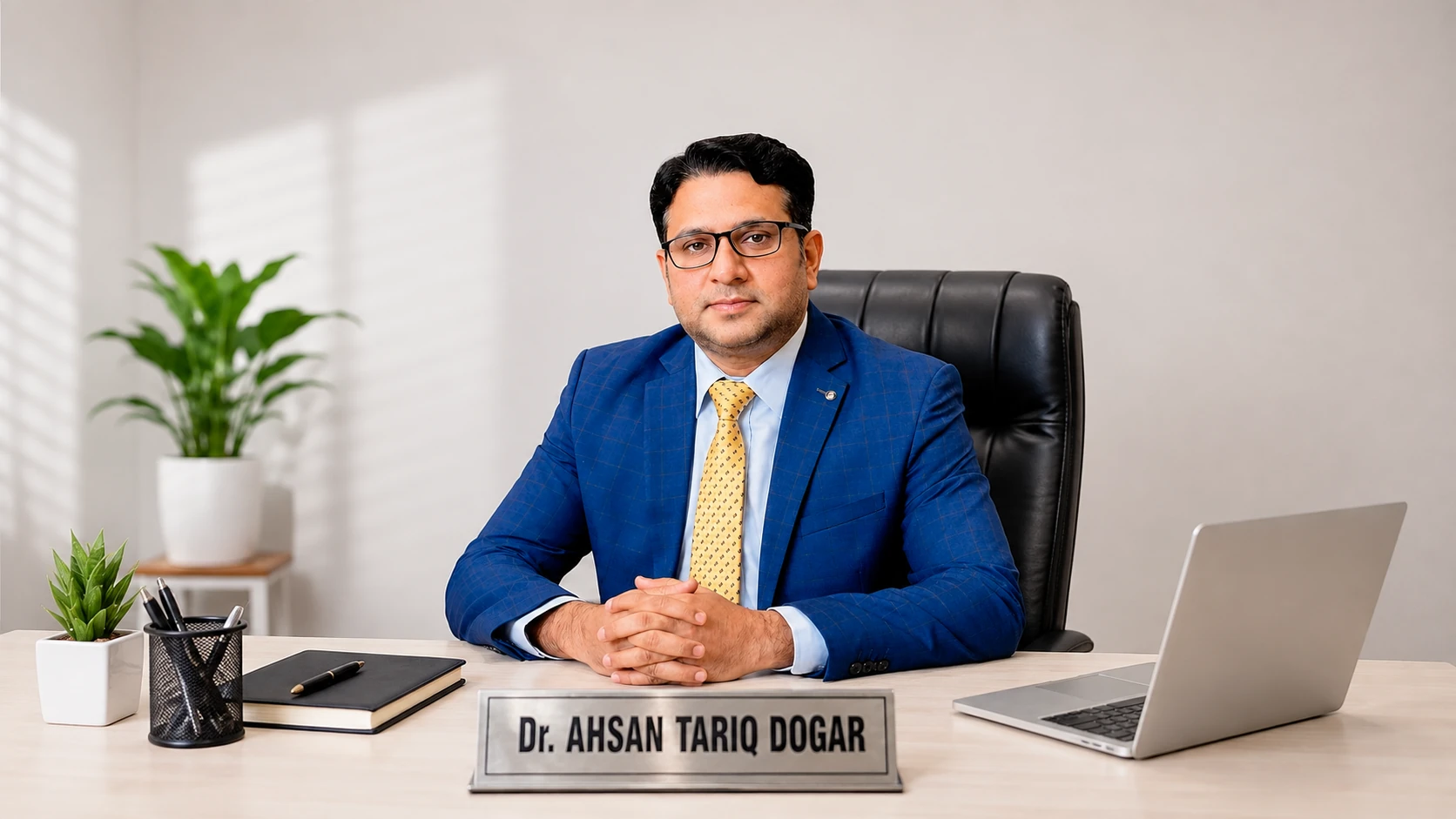
Another major impediment is the cultural urge to resolve severe avoidant symptoms through unscientific shortcuts, such as forced arranged marriages (“shadi karwa do, theek ho jaye ga”) or extended visits to unverified spiritual healers (amils and peers) under the assumption of “nazar” or “jinnat.” Forcing an avoidant individual into marital responsibilities without prior psychiatric rehabilitation inevitably exacerbates domestic friction and marital breakdown. Under the expert clinical leadership of Dr. Ahsan Tariq Dogar at Amaim Brain Care in Faisalabad, families are actively integrated into the recovery process through structured family psychoeducation, dismantling enabling patterns, and establishing healthy, supportive home boundaries.
Shadi karwa dene se yeh zehni masla theek nahi hota balki shadi ke baad larai jhagray aur talaq ka khatra barh jata hai. Isi tarah taweez aur amils ke chakkaron mein waqt zaya karne ke bajaye Dr. Ahsan Tariq Dogar (Amaim Brain Care) se rabta karein jahan mareez aur uske ghar walon ki mukammal rehnumai aur ilaj kiya jata hai.
شادی کروا دینے سے یہ بیماری ٹھیک نہیں ہوتی بلکہ اس سے ازدواجی زندگی برباد ہونے کا خطرہ بڑھ جاتا ہے۔ اسی طرح عاملوں کے چکر کاٹنے کے بجائے عمائم برین کیئر پر ڈاکٹر احسن طارق ڈوگر سے رجوع کریں جہاں مریض کے ساتھ ساتھ اہل خانہ کی بھی باقاعدہ کونسلنگ کی جاتی ہے تاکہ گھر کا ماحول شفابخش بن سکے۔
The Roadmap to Recovery: Phases of Healing and Realistic Milestones
Recovery from Avoidant Personality Disorder is not an overnight occurrence, but a structured journey characterized by distinct, achievable milestones:
AVPD se mukammal nijaat aik marhala-war safar hai jis mein sabar aur musalsal koshish ki zaroorat hoti hai. Yeh safar darj zail marhalon par mushtamil hota hai:
ایوائیڈنٹ پرسنلٹی ڈس آرڈر سے نجات کا سفر مرحلہ وار ہوتا ہے جس میں درج ذیل اہم سنگِ میل شامل ہیں:
- Phase 1: Establishing Safety and Therapeutic Alliance: Overcoming the patient’s initial terror of being judged by the psychiatrist/therapist. Establishing unconditional positive regard, safety, and a shared diagnostic understanding.
Pehle marhalay mein doctor aur mareez ke darmiyan bharosa qayam hota hai jahan mareez baghair kisi darr ke apna dil kholta hai.
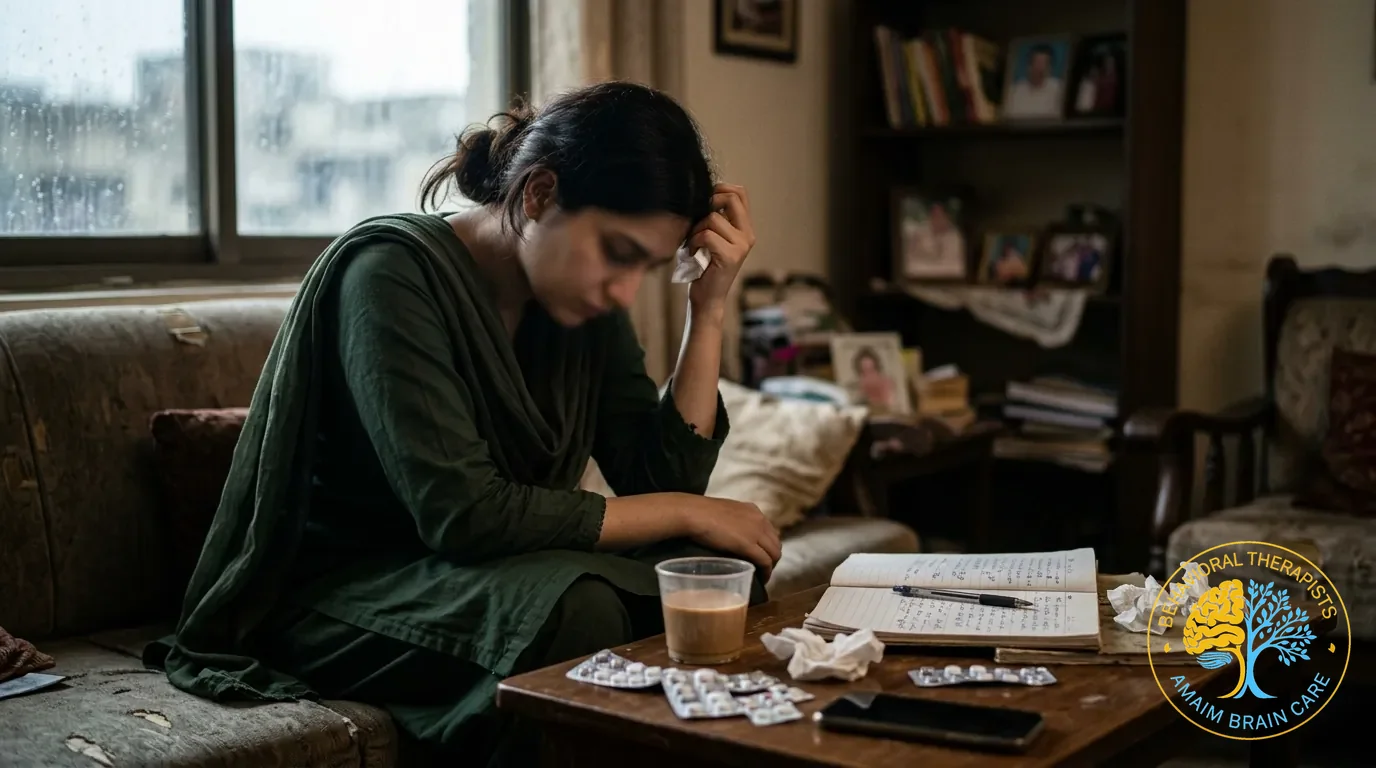
پہلے مرحلے میں ڈاکٹر اور مریض کے درمیان مکمل اعتماد اور تحفظ کا رشتہ قائم ہوتا ہے جہاں مریض بغیر کسی خوف کے اپنے دل کا حال بیان کرتا ہے۔
- Phase 2: Schema Identification and Cognitive Decoupling: Uncovering the core defectiveness narrative, mapping out avoidance triggers, and learning to observe self-critical thoughts without instantly accepting them as objective truth.
Doosray marhalay mein mareez apni manfi soch aur darr ki wajoohaat ko pehchanta hai aur samajhta hai ke uski soch haqeeqat nahi hai.
دوسرے مرحلے میں مریض اپنی منفی سوچوں اور وسوسوں کی جڑوں کو پہچان کر ان کے اثر سے باہر نکلنے کا ہنر سیکھتا ہے۔
- Phase 3: Relinquishing Safety Behaviors and Graded Exposure: Engaging in systematic real-world social challenges, practicing assertiveness, and abandoning defensive withdrawal behaviors.
Teesray marhalay mein mareez aahista aahista logon se milna shuru karta hai aur apne chhupe hue darr ka mukabla karta hai.
تیسرے مرحلے میں مریض عملی زندگی میں لوگوں سے میل جول شروع کرتا ہے اور اپنے خود ساختہ حفاظتی خول کو توڑتا ہے۔
- Phase 4: Relational Consolidation and Meaningful Living: Deepening close friendships, pursuing career aspirations, engaging in romantic partnerships, and establishing resilient long-term identity self-worth.
Chothay marhalay mein mareez mukammal aitmad ke sath apni taleem, nokri aur rishton ko kamyabi se aagay barhata hai.
چوتھے مرحلے میں مریض بھرپور خود اعتمادی کے ساتھ اپنی تعلیم، کیریئر اور ازدواجی رشتوں کو نبھانے کے قابل ہو جاتا ہے۔
Conclusion: Claiming Your Right to a Connected Life
If you or someone you cherish is trapped behind the walls of chronic avoidance and paralyzing feelings of unworthiness, understand that there is genuine, evidence-based hope. Avoidant Personality Disorder is a recognized medical condition that responds profoundly to dedicated neuropsychiatric treatment. You do not have to navigate this painful isolation alone. Reaching out for professional psychiatric evaluation is the first courageous step toward breaking the silence, healing the underlying shame, and claiming your rightful place in the world.
Agar aap ya aapka koi apna akelay-pan aur darr ki is qaid mein mubtila hai, toh mayoos mat hon. AVPD ka ilaj poori tarah mumkin hai aur aapko is takleef mein akele jeene ki zaroorat nahi hai. Ek mustanad doctor se madad lena aapki zindagi ko badal sakta hai aur aapko khushian aur dosti wapis dila sakta hai.
اگر آپ یا آپ کا کوئی پیارا مستقل تنہائی اور احساسِ کمتری کے اندھیروں میں قید ہے، تو مایوس ہونے کی ضرورت نہیں ہے۔ ایوائیڈنٹ پرسنلٹی ڈس آرڈر ایک قابلِ علاج مرض ہے۔ ایک ماہرِ نفسیات سے مدد لینا آپ کی زندگی میں روشنی اور خوشگوار تبدیلی کا آغاز ثابت ہو سکتا ہے۔
Frequently Asked Questions
Can Avoidant Personality Disorder (AVPD) be fully cured?
While personality structure evolves gradually over time, individuals with AVPD can achieve profound clinical remission and functional recovery. Through specialized psychotherapy (such as CBT and Schema Therapy) and medical support, patients learn to eliminate debilitating avoidance, develop self-worth, and build fulfilling relationships.
Ji haan, sahih therapy aur dawayi se mareez is marz ke asraat se mukammal nijat pa sakta hai aur aam logon ki tarah pur-sukoon aur pur-aitmad zindagi guzar sakta hai.
How long does psychological therapy take to treat Avoidant Personality Disorder?
Because AVPD involves core identity schemas developed over decades, effective treatment typically spans 6 to 18 months of consistent weekly psychotherapy. Noticeable improvements in acute anxiety and social initiation often begin within the first 8 to 12 weeks of treatment.
AVPD ka mukammal ilaj aam tor par چھ se ایکآٹھ maheenay leta hai. Lekin shuruati دو se تین maheenon mein hi ghabrahat mein numayan kami aana shuru ho jati hai.
Are medications necessary for treating Avoidant Personality Disorder?
Medications do not directly alter personality traits, but SSRIs and SNRIs are crucial for treating severe autonomic anxiety, rejection sensitivity, and comorbid depression. They stabilize brain neurochemistry so patients can actively participate in psychotherapy.
Dawayian shakhsiyat ko nahi badaltin lekin wo ghabrahat, dil ki tez dharkan aur depression ko control karti hain taake mareez therapy mein dilchaspi le sakay.
How should family members support someone undergoing AVPD treatment in Pakistan?
Families should avoid harsh shaming, stop making toxic comparisons with relatives, and cease overprotective enabling behaviors. Instead, offer patient encouragement, celebrate small social milestones, and participate in family counseling sessions.
Ghar walon ko chahiye ke wo taane marna aur doosron ke bachon se mawazna band karein, mareez ki choti choti kamyabion par hosla afzai karein aur doctor ki hidayat par amal karein.
Can getting married cure Avoidant Personality Disorder?
No. Forcing someone with untreated AVPD into marriage without prior psychological treatment often leads to severe marital distress, emotional withdrawal, and misunderstandings. Treatment must occur first so the individual can develop healthy relationship skills.
Nahi, baghair ilaj ke shadi karwane se masla mazeed barh jata hai aur rishta kharab ho sakta hai. Pehle mareez ka ilaj zaroori hai taake wo rishta nibhana seekh sakay.
How can I book an appointment with Dr. Ahsan Tariq Dogar?
You can book an in-person or online neuro-psychiatric consultation via reaching out via WhatsApp at 0333-6986464 for a confidential appointment.
فیصل آباد میں کلینک وزٹ یا آن لائن مشورے کے لیے آپ عمائم برین کیئر کے آفیشل واٹس ایپ لنک کے ذریعے رابطہ کر کے اپنی اپائنٹمنٹ باآسانی بک کروا سکتے ہیں، جہاں آپ کی معلومات کو مکمل صیغہ راز میں رکھا جاتا ہے۔
Sources & References
Medical & Educational Disclaimer
This content is for educational and informational purposes only and is not a substitute for professional medical advice, diagnosis, or treatment. Always consult a qualified psychiatrist or healthcare provider for any mental health concerns.