Introduction: The Crippling Weight of Everyday Choices
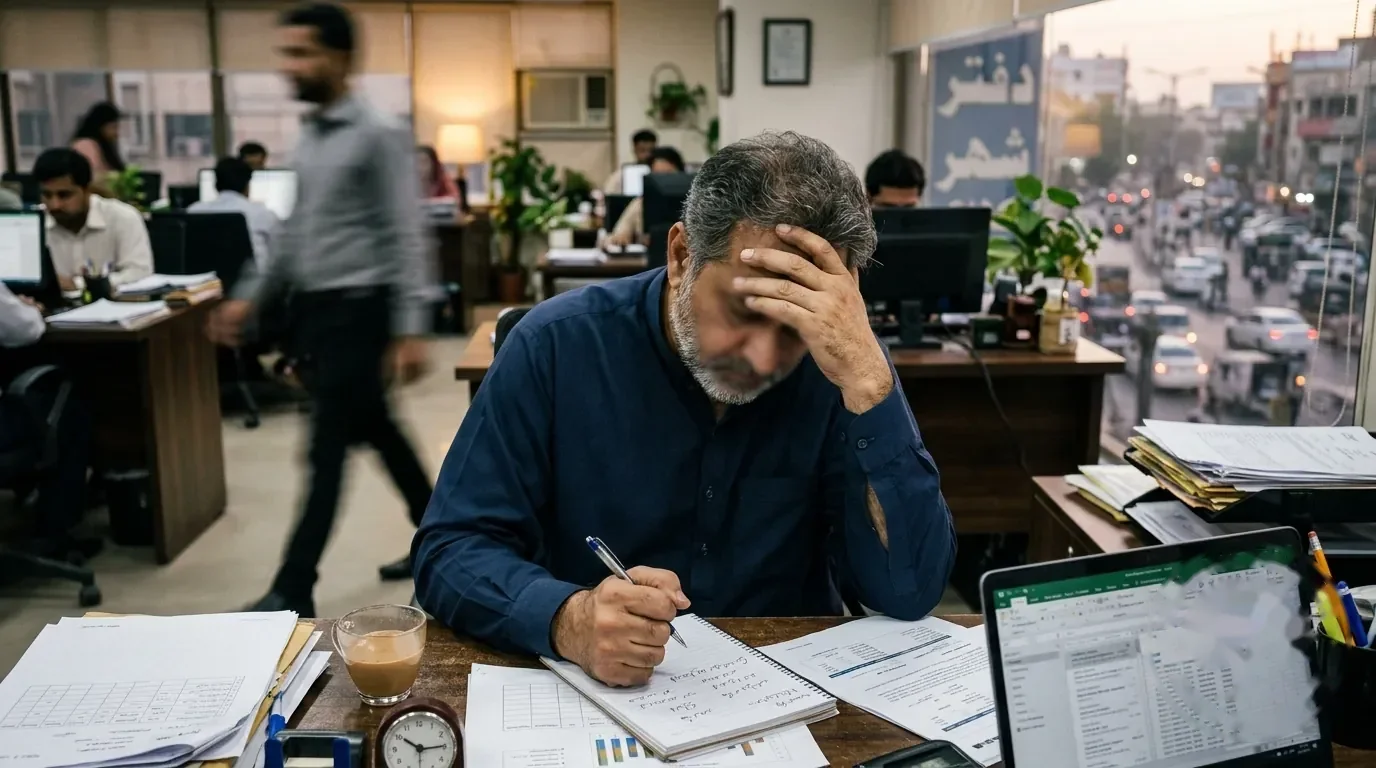
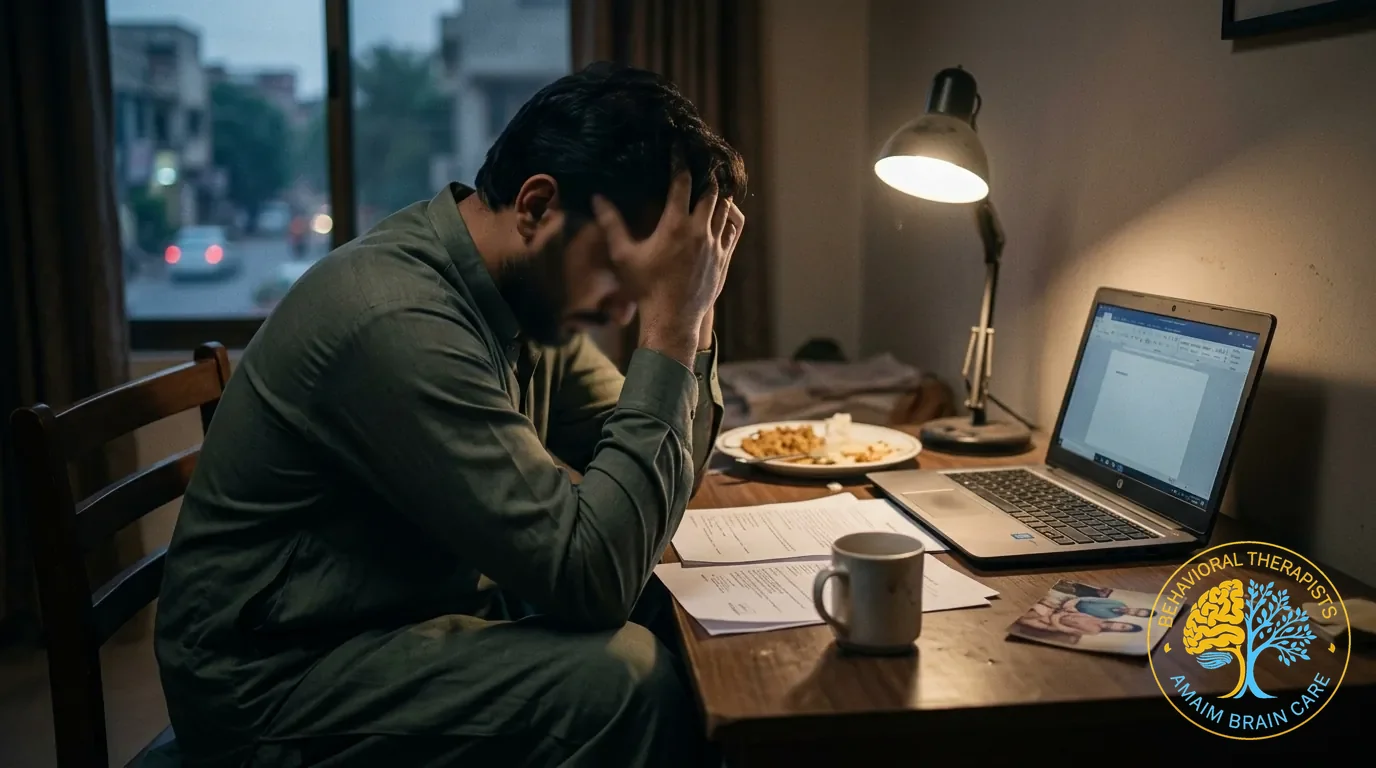
Have you ever stood in a grocery store aisle or stared at a restaurant menu, feeling a wave of intense panic wash over you simply because you had to make a choice without someone else’s input? For most people, deciding what to eat, what clothes to wear, or which route to drive is an effortless subconscious task. But for an individual struggling with Dependent Personality Disorder (DPD), every single decision—from trivial daily routines to major life-altering commitments—feels like walking a high-wire without a safety net. The internal narrative is not merely one of hesitation; it is a profound, visceral conviction of one’s own incompetence, accompanied by an overwhelming dread of abandonment.
Kya aapko kabhi aam se faislay karte waqt, jese ke kapray chunna, khana mangwana, ya rasta muntakhib karna, shadeed ghabrahat aur bechaini ka samna karna para hai? Aam logon ke liye yeh mamooli baatein hoti hain, lekin Dependent Personality Disorder (DPD) ke mareez ke liye koi bhi faisla akele karna ek khaufnak azaab ban jata hai. Dil mein har waqt yeh darr rehta hai ke agar maine akele faisla kiya tou sab kuch barbad ho jaye ga aur log mujhe akela chor kar chale jayenge. Yeh sirf sharm ya jhijhak nahi balki apni salahiyat par mukammal be-etimadi aur tanhai ka shadeed khauf hota hai.
کیا آپ کو کبھی روزمرہ کے معمولی فیصلے کرتے ہوئے، مثلاً کون سا لباس پہننا ہے یا کھانے میں کیا لینا ہے، دل میں شدید گھبراہٹ اور بے چینی کا احساس ہوا ہے؟ ایک عام انسان کے لیے یہ چند لمحوں کا کام ہوتا ہے، لیکن ڈیپینڈنٹ پرسنلٹی ڈس آرڈر (DPD) کا شکار فرد ہر چھوٹے بڑے فیصلے کے وقت مفلوج ہو کر رہ جاتا ہے۔ اس کے ذہن پر یہ خوف بری طرح حاوی ہوتا ہے کہ وہ تنہا کوئی درست قدم اٹھانے کے قابل نہیں ہے اور اگر اس نے خود کوئی فیصلہ کیا تو دوسرے اس سے ناراض ہو کر اسے تنہا چھوڑ دیں گے۔ یہ محض معمولی جھجھک نہیں بلکہ شخصیت کا ایک گہرا نفسیاتی عارضہ ہے۔
What is Dependent Personality Disorder? Clinical Definitions and DSM-5-TR Criteria
Dependent Personality Disorder is categorized within Cluster C of psychiatric personality disorders—a group defined by pervasive anxiety, fearfulness, and maladaptive avoidance. According to the Diagnostic and Statistical Manual of Mental Disorders (DSM-5-TR) and clinical references such as the Merck Manuals and NCBI StatPearls, DPD is characterized by an enduring, pervasive, and excessive need to be taken care of. This psychological dependency invariably produces submissive, clinging behaviors and an intense, irrational terror of separation.
Tibb-e-nafsiat mein DPD ko Cluster C personality disorders mein shumar kiya jata hai, jis ka talluq shadeed darr, khauf aur ghabrahat se hota hai. DSM-5-TR aur tibbi tehqeeq ke mutabiq, is marz ki buniyadi alamat yeh hai ke insaan apni zindagi ke tamam maamlaat mein doosron par munhasir ho jata hai. Mareez ke andar har waqt kisi ka sahara dhoondne, doosron ke aagay dab kar rehne, aur unke baghair na jee sakne ka be-qaboo jazba paya jata hai.
نفسیاتی درجہ بندی میں ڈیپینڈنٹ پرسنلٹی ڈس آرڈر کو کلسٹر سی (Cluster C) کی کیٹیگری میں شامل کیا جاتا ہے، جس کی بنیادی خصوصیت دائمی بے چینی، خوف اور کمزوری کا احساس ہے۔ طبی اصولوں اور بین الاقوامی تشخیصی معیارات (DSM-5-TR) کے مطابق، اس عارضے میں مبتلا فرد کے اندر دوسروں کے رحم و کرم پر جینے، ہر معاملے میں سہارا تلاش کرنے اور دوسروں کو خوش رکھنے کے لیے خود کو مٹا دینے کا ایک پائیدار اور غیر لچکدار رجحان پایا جاتا ہے۔
To meet the formal diagnostic threshold for Dependent Personality Disorder, an individual must exhibit at least five of the following clinical criteria beginning in early adulthood across diverse personal and professional settings:
DPD ki mukammal tashkhees ke liye zaroori hai ke jawani ke aaghaz se hi darj zail alamaat mein se kam az kam 5 alamaat mareez ki rozmarrah zindagi mein musalsal mojood hon:
طبی طور پر ڈیپینڈنٹ پرسنلٹی ڈس آرڈر کی باقاعدہ تشخیص کے لیے ضروری ہے کہ جوانی کے آغاز سے درج ذیل میں سے کم از کم پانچ علامات مریض کے برتاؤ اور تعلقات میں مسلسل ظاہر ہو رہی ہوں:
- Difficulty Making Everyday Decisions: Inability to make routine daily choices (such as what to wear or what to purchase) without an excessive amount of advice, validation, and reassurance from other people.
Mamooli se mamooli faislay ke liye bhi doosron se baar baar mashwara aur tasalli mangna, jese ke konsa libas pehanna hai ya kon sa sauda khareedna hai.
روزمرہ کے معمولی فیصلے، مثلاً کیا پہننا ہے یا کیا کھانا ہے، دوسروں کے مشورے اور بار بار کی تسلی کے بغیر کرنے سے مکمل قاصر ہونا۔
- Need for Others to Assume Responsibility: Requiring family members, spouses, or friends to take full responsibility for major areas of their life, including finances, career paths, housing, and healthcare.
Zindagi ke baray maamlaat jese taleem, nokri, shadi, aur maali faislon ki poori zimmadari doosron ke kandhon par daal dena.
اپنی زندگی کے تمام اہم معاملات، مثلاً نوکری، شادی، مالیات اور رہائش کی تمام تر ذمہ داری دوسروں کے حوالے کر دینا۔
- Difficulty Expressing Disagreement: Inability to voice dissent or express honest disagreement with others due to an overwhelming dread of losing their approval, affection, or emotional support.
Doosron se ikhtilaf karne se darna kyunke dil mein yeh khauf hota hai ke agar sach bola tou samne wala naraaz ho kar sath chor dega.
دوسروں سے اختلافِ رائے کرنے میں شدید خوف محسوس کرنا کہ کہیں وہ ناراض ہو کر سہارا یا محبت واپس نہ چھین لیں۔
- Impaired Initiation of Independent Projects: Chronic difficulty starting tasks or executing independent plans due to a profound lack of self-confidence in their own judgment and capabilities, rather than a lack of energy or motivation.
Apne kisi zaati mansoobay ya kaam ko akele shuru karne ki himmat na hona kyunke insaan ko apni aqal aur samajh par bilkul yaqeen nahi hota.
کوئی بھی نیا کام یا ذاتی منصوبہ خود شروع کرنے کی ہمت نہ ہونا، کیونکہ مریض کو اپنی صلاحیت اور سمجھ بوجھ پر بالکل اعتماد نہیں ہوتا۔
- Excessive Lengths to Secure Caregiving: Going to extraordinary, degrading, or hazardous lengths to obtain nurturance and emotional support from others, including volunteering to perform unpleasant or exploitative chores.
Doosron ki tawajjah aur sahara hasil karne ke liye ghair munasib, zalil karne wale, ya mushkil kaam khushi se karne par tayyar ho jana.
دوسروں کی توجہ اور تحفظ حاصل کرنے کے لیے انتہائی ناپسندیدہ، ذلت آمیز یا استحصالی کاموں کو بھی خاموشی سے قبول کر لینا۔
- Helplessness and Discomfort When Alone: Experiencing intense psychological distress, panic, and helplessness when left alone, driven by catastrophic fears of being unable to care for oneself.
Akele rehne par shadeed ghabrahat, bechaini aur be-basi mehsoos hona kyunke mareez ko lagta hai ke wo akele apni hifazat nahi kar sakta.
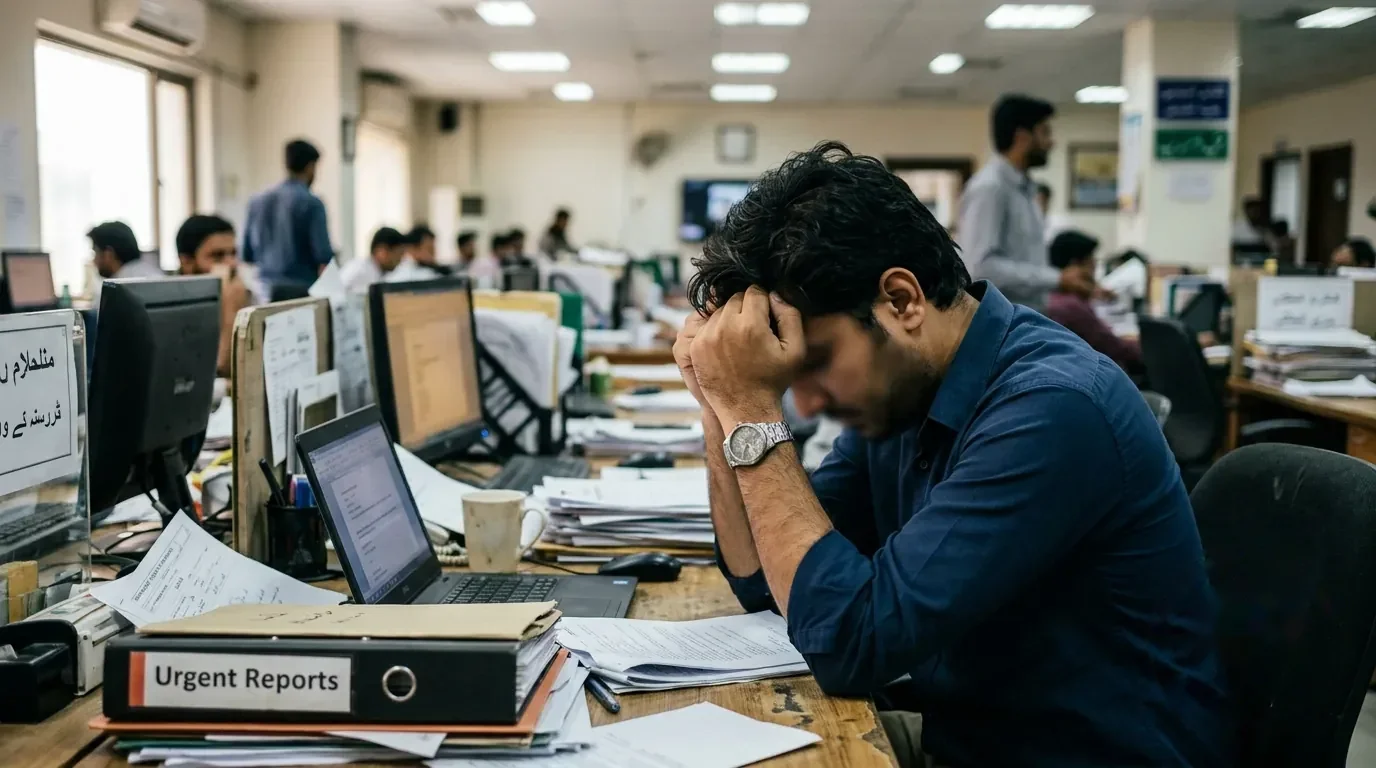
تنہا ہونے پر شدید گھبراہٹ اور بے بسی محسوس کرنا، کیونکہ مریض کے دل میں یہ وہم بیٹھ جاتا ہے کہ وہ تنہا اپنا خیال رکھنے کی بالکل سکت نہیں رکھتا۔
- Urgent Relationship Rebounding: Desperately and indiscriminately seeking a replacement relationship as a source of care and protection immediately after an intimate or supportive relationship terminates.
Ek rishta toot te hi foran doosra sahara dhoondne ke liye be-dharak kisi naye rishtay mein bandh jana taake akelapan na sehna paray.
ایک تعلق ختم ہوتے ہی بنا سوچے سمجھے فوراً کسی دوسرے سہارے یا تعلق کی تلاش میں اندھا دھند کود پڑنا تاکہ تنہائی کا سامنا نہ کرنا پڑے۔
- Preoccupation with Abandonment Fears: Living in a perpetual state of unrealistic, terrifying anticipation of being abandoned and forced to fend for oneself in the world.
Har waqt is weham aur darr mein mubtila rehna ke log usay be-sahara chor kar chale jayenge aur wo dunya mein akele mar jaye ga.
ہر وقت اس غیر حقیقی اور ہولناک خوف میں مبتلا رہنا کہ قریبی لوگ اسے چھوڑ جائیں گے اور وہ دنیا کے رحم و کرم پر بے یار و مددگار رہ جائے گا۔
The Neurobiology of Decision Paralysis and Separation Distress
Dependent Personality Disorder is not a character flaw, moral weakness, or simple lack of willpower; it is fundamentally driven by complex neurobiological dysregulations within the brain’s attachment and fear circuitry. Recent functional neuroimaging and neuroendocrine studies have illuminated several distinct pathophysiological mechanisms that underlie this debilitating condition.
DPD koi susti, aadat, ya kirdar ki kamzori nahi hai balki yeh dimagh ke jazbati aur darr ke nizam mein peda hone wali chemical aur neurological kharabiyon ka nateeja hai. Jadeed brain scans aur hormonal tehqeeq ne yeh wazeh kiya hai ke faisla saazi mein nakami aur tanhai ke khauf ke peechay dimaghi circuits ka bigar mojood hota hai.
ڈیپینڈنٹ پرسنلٹی ڈس آرڈر کوئی ذاتی کوتاہی، سستی یا اخلاقی کمزوری نہیں ہے بلکہ یہ دماغ کے اعصابی نظام، کیمیائی توازن اور خوف کے مراکز میں پیدا ہونے والی خرابیوں کا سائنسی نتیجہ ہے۔ جدید ترین نیورو امیجنگ اور ہارمونل تحقیقات نے ان اعصابی راستوں کی نشاندہی کی ہے جو انسان کو خود مختار فیصلے کرنے سے روکتے ہیں۔
1. Attachment System Hyperactivation: In individuals with DPD, the neurobiological attachment circuitry—which involves the anterior cingulate cortex (ACC), the insular cortex, and the bed nucleus of the stria terminalis (BNST)—is locked in a permanent state of hyperactivation. While securely attached individuals use relational bonds as a secure base to explore autonomous action, individuals with DPD experience any movement toward autonomy as an existential threat. The ACC and insula, which process both physical pain and social rejection (the “social pain matrix”), fire intensely at the mere thought of independent action.
Dimagh ka wo hissa jo talluqat aur lagao ko control karta hai (ACC aur Insula) DPD ke mareezon mein har waqt khatray ki ghanti bajata rehta hai. Jab bhi mareez akele chalne ya zaati faisla lene ki koshish karta hai, tou dimagh ka social pain matrix usay wesi hi shadeed takleef mehsoos karwata hai jese koi jism par chot lagi ho.
دماغ کا وہ نظام جو تعلق اور لگاؤ کو کنٹرول کرتا ہے، ان مریضوں میں مستقل خطرے کی حالت میں رہتا ہے۔ دماغ کے اینٹیریئر سنگولیٹ کورٹیکس اور انسولا میں تنہائی کا خیال آتے ہی شدید لہریں پیدا ہوتی ہیں، جس کی وجہ سے مریض کو تنہا قدم اٹھانے پر بالکل ویسا ہی شدید درد محسوس ہوتا ہے جیسا جسمانی چوٹ لگنے پر ہوتا ہے۔
2. Separation Anxiety Circuitry and HPA Axis Dysregulation: The hypothalamic-pituitary-adrenal (HPA) axis, the body’s primary neuroendocrine stress response system, exhibits chronic hypersensitivity in DPD. When faced with making a solitary decision or experiencing physical isolation, the amygdala fires rapid panic signals to the paraventricular nucleus of the hypothalamus, triggering an acute surge of corticotropin-releasing hormone (CRH) and systemic cortisol. This neurochemical cascade induces intense somatic panic, cognitive fog, and executive paralysis.
DPD ke mareezon mein body ka stress nizam (HPA axis) hadd se zyada garam rehta hai. Jab insaan ko akelay faisla karna paray, tou amygdala foran cortisol aur CRH stress hormones ka toofan barpa kar deta hai, jis se dil ki dharkan tez ho jati hai, dimagh sunn ho jata hai aur insaan faisla karne ki taqat kho bethta hai.
اس عارضے میں اسٹریس رسپانس سسٹم (HPA axis) بے انتہا حساس ہو جاتا ہے۔ تنہا فیصلے کے وقت دماغ کا خوف کا مرکز (امیگڈالا) فوراً اسٹریس ہارمون کورٹیسول کا اخراج کر دیتا ہے، جس سے دل کی دھڑکن تیز ہو جاتی ہے، ہاتھ پاؤں کانپنے لگتے ہیں اور اعصابی دباؤ کے باعث ذہن سوچنے سمجھنے کی صلاحیت سے عاری ہو جاتا ہے۔
3. Alterations in Locus of Control and Prefrontal Deactivation: Structural and functional magnetic resonance imaging demonstrates reduced neural activity in the dorsolateral prefrontal cortex (dlPFC) and orbitofrontal cortex (OFC) during independent problem-solving tasks in DPD patients. Instead of an internal locus of control (the belief that one possesses agency and mastery over their circumstances), neural pathways reflecting learned helplessness dominate. The brain fails to anticipate positive reward from autonomous success, heavily relying instead on external proxies to validate existence.
Dimagh ka agla hissa (Prefrontal Cortex) jo aqal, mansooba bandi aur faisla karne ka zimmedar hai, DPD ke mareezon mein suthal ho jata hai. Mareez ke zehan mein learned helplessness (be-basi ki aadat) baith jati hai, jiski wajah se dimagh zaati kamyabi par khushi mehsoos karne ke bajaye hamesha doosron ki ijazat ka mohtaj rehta hai.
دماغ کے سامنے والے حصے (پری فرنٹل کورٹیکس) میں سائنسی طور پر سستی دیکھی گئی ہے جو کہ خود اعتمادی اور منصوبہ بندی کا مرکز ہے۔ مریض کے اندر یہ اعصابی تاثر پختہ ہو جاتا ہے کہ وہ خود کچھ نہیں کر سکتا، جس سے وہ اپنی کامیابی پر فخر کرنے کے بجائے ہمیشہ دوسروں کے فیصلوں کی توثیق کا محتاج رہتا ہے۔
4. Autonomic Nervous System Distress During Autonomy: When pressured to make unguided choices, the autonomic nervous system undergoes a sympathetic surge. Patients experience real, debilitating physiological symptoms—including tachycardia, hyperventilation, diaphoresis, tremors, and gastrointestinal distress. To terminate this autonomic agony, the patient quickly yields all decision-making authority to anyone willing to take it.
Akele faislay ka dabao aate hi jism ka autonomic nervous system aisi shadeed bechaini peda karta hai jese paseena aana, saans phoolna, pait kharab hona aur haath kaanpna. Is jismyani takleef se bachne ke liye mareez apna har maamla doosron ke supurd kar deta hai.
تنہا فیصلے کے وقت خودکار اعصابی نظام (ANS) جسم میں زبردست ہلچل پیدا کر دیتا ہے، جس سے سانس پھولنا، پیٹ میں مروڑ، پسینے آنا اور کپکپاہٹ شروع ہو جاتی ہے۔ اس جسمانی اذیت سے چھٹکارا پانے کے لیے مریض فوراً اپنے تمام اختیارات دوسروں کے حوالے کر دیتا ہے۔
Pakistani Cultural Context: Interdependence vs. Pathological DPD
Diagnosing and treating Dependent Personality Disorder in Pakistan requires nuanced clinical discernment. In Pakistani society, cultural values strongly emphasize collectivism, joint-family living, mutual interdependence, and respectful consultation (mashwara) with elders and parents. Respecting parental guidance and prioritizing family harmony are healthy, cherished cultural norms. However, DPD is not healthy collectivism; it is a paralyzing clinical pathology.
Pakistan ke muashray mein DPD ki pehchan karna bohot bareek beeni ka talabgar hai kyunke hamare haan mushtarka khandani nizam, waldain ki ita’at, aur har baat par mashwara karna aam riwaj hai. Khandan ki izzat aur barron se mashwara lena ek sehat mand riwayat hai. Lekin DPD koi muashrati adab nahi balki ek aisi beemari hai jo insaan ko zehni aur amli tor par apahaj bana deti hai.
پاکستانی معاشرے میں ڈیپینڈنٹ پرسنلٹی ڈس آرڈر کی تشخیص کے لیے ثقافتی پس منظر کو سمجھنا بے حد ضروری ہے، کیونکہ ہمارے ہاں مشترکہ خاندانی نظام، والدین کا احترام اور ہر کام میں مشاورت ایک پسندیدہ روایت سمجھی جاتی ہے۔ لیکن یاد رہے کہ خاندانی پیار اور احترام ایک الگ چیز ہے، جبکہ ڈی پی ڈی شخصیت کا ایک ایسا عارضہ ہے جو انسان کی ذاتی شناخت اور عملی صلاحیت کو مفلوج کر دیتا ہے۔
Several distinct socio-cultural dynamics in Pakistan directly intersect with the development and perpetuation of Dependent Personality Disorder:
Pakistan mein chand makhsoos khandani aur muashrati rawaiyye DPD ko barhane aur chupane ka sabab bante hain:
پاکستانی معاشرے کے چند مخصوص خاندانی اور معاشرتی رویے اس نفسیاتی مسئلے کو مزید سنگین بناتے ہیں:
- Overprotective and Authoritarian Parenting: In many households, intense helicopter parenting and authoritarian control prevent children from developing autonomy. Parents often dictate educational streams, career choices, daily routines, and marital partners without fostering independent problem-solving. Children raised in this enmeshed environment internalize the belief that they are incapable of surviving without constant parental direction.
Hadd se zyada roak toak aur waldain ka har chotay baray maamlay ko khud chalana bacho ki zaati salahiyat ko mar deta hai. Aise mahol mein palne wale bache baray ho kar bhi akele faisla nahi kar paate.
ضرورت سے زیادہ سختی، بچوں پر ہر وقت نظر رکھنا اور ان کے تمام فیصلے خود مسلط کرنا ان کی خود اعتمادی کو ختم کر دیتا ہے، جس سے وہ بڑے ہو کر بھی اپنے فیصلے خود کرنے سے قاصر رہتے ہیں۔
- Gender Socialization and Subjugation of Women: In conservative cultural frameworks, young women are frequently conditioned to be completely submissive, accommodating, and self-effacing under patriarchal maxims like “aurat ka ghar shohar ka ghar hota hai”. When a woman suffers from clinical DPD, this cultural conditioning creates a catastrophic vulnerability: she may endure severe domestic violence, emotional humiliation, and financial abuse because her terror of living alone is more horrifying than the abuse itself.
Muashray mein larkiyon ko shuroo se sab kuch khamoshi se sehne ki talqeen ki jati hai. DPD mein mubtila khawateen gharelu tashaddud aur zillat ko sirf is liye bardaasht karti rehti hain kyunke unhein akele jeene ke tasawwur se hi moat dikhayi deti hai.
معاشرتی دباؤ اور صنفی تفریق کے تحت خواتین کو ہر حال میں خاموش رہنے کا درس دیا جاتا ہے۔ ڈی پی ڈی کی شکار خواتین گھریلو تشدد اور بدسلوکی کو بھی اس لیے خاموشی سے سہتی رہتی ہیں کیونکہ ان کے لیے تنہائی کا خوف ظلم سہنے سے کہیں زیادہ بڑا ہوتا ہے۔
- Spiritual Misattributions and Stigmatization: Decision-making paralysis, severe separation anxiety, and clinging behaviors are frequently misattributed to supernatural phenomena such as nazar (evil eye), kala jadoo (black magic), or saya (demonic affliction). Families often spend years visiting unregistered faith healers (amils and peer babas) and purchasing costly amulets (taweez), allowing the underlying psychiatric disorder to become deeply entrenched.
Faisla na kar sakne aur shadeed ghabrahat ko log aksar jadu tona, nazar-e-bad, ya jinnat ka asar qarar de kar amilon ke paas le jate hain, jis se mareez ka ilaj saalon tak latak jata hai aur beemari pakki ho jati hai.
فیصلہ سازی میں ناکامی اور شدید گھبراہٹ کو جادو ٹونے، نظرِ بد یا تعویذات کے چکروں میں ڈال کر برسوں ضائع کر دیے جاتے ہیں، جس سے سائنسی اور نفسیاتی علاج میں تاخیر ہوتی ہے اور مریض کی حالت بگڑتی جاتی ہے۔
Core Behavioral Warning Signs and Daily Life Impairment
Dependent Personality Disorder exerts a profound, debilitating impact across every facet of an individual’s existence, crippling academic progress, vocational performance, and interpersonal relationships. The hallmark presentation involves a continuous surrender of personal autonomy.
DPD insaan ki taleemi, peshawarana aur zaati zindagi ko barbad kar ke rakh deta hai. Mareez apni zaati pehchan aur marzi ko bilkul khatam kar deta hai aur har waqt doosron ke peechay chalta hai.
ڈیپینڈنٹ پرسنلٹی ڈس آرڈر انسان کی پیشہ ورانہ ترقی، تعلیمی سفر اور باہمی رشتوں کو شدید نقصان پہنچاتا ہے۔ اس عارضے کی سب سے بڑی علامت یہ ہے کہ مریض اپنی ذاتی شناخت اور خود مختاری کو مکمل طور پر قربان کر دیتا ہے۔
Key behavioral patterns observed in clinical practice include:
Doctori muainay mein samne aane wali ahem rawaiyyon ki nishaniyan darj zail hain:
کلینیکل پریکٹس میں سامنے آنے والی نمایاں علامات درج ذیل ہیں:
- Paralyzing Reassurance-Seeking: Spending hours asking friends, colleagues, or spouses for reassurance on trivial tasks (e.g., proofreading simple emails dozens of times, asking repeatedly if an outfit looks acceptable).
Mamooli se mamooli kaam par bhi logon se baar baar tasalli mangna aur unse ijazat lena.
معمولی ای میل بھیجنے یا لباس کے انتخاب کے لیے بھی بار بار دوسروں سے تصدیق اور تسلی مانگتے رہنا۔
- Abject Appeasement and Exploitation Vulnerability: Inability to set healthy boundaries, leading to exploitation by narcissistic, manipulative, or emotionally predatory individuals in romantic relationships and workplaces.
Doosron ko inkar na kar sakna jis ki wajah se chalak aur zalim log mareez ka najaiz faida uthate hain.
کسی کو انکار نہ کر سکنے کے باعث لالچی اور ظالم لوگوں کے ہاتھوں بلیک میل یا استعمال ہونا۔
- Career Stagnation: Refusing promotions, leadership roles, or challenging career opportunities because supervisory positions demand independent decision-making and accountability.
Peshawarana zindagi mein tarraqi ke moqon ko thukra dena kyunke mareez barri zimmadari aur faislay lene se darta hai.
ترقی کے بہترین مواقع کو ٹھکرا دینا کیونکہ سربراہی کے عہدوں پر ذاتی فیصلے اور خود مختاری درکار ہوتی ہے۔
- Somatic Anxiety and Chronic Depressive Comorbidity: Experiencing continuous baseline dysphoria, chronic muscle tension, tension headaches, and major depressive episodes due to feelings of helplessness and worthlessness.
Har waqt sar dard, jism mein khinchao, bechaini aur shadeed depression ka shikar rehna.
دائمی مایوسی، سر درد، پٹھوں کا کھنچاؤ اور شدید ڈپریشن کا شکار رہنا کیونکہ مریض خود کو بے بس سمجھتا ہے۔
Evidence-Based Psychiatric Treatments for Dependent Personality Disorder
Although Dependent Personality Disorder is deeply entrenched, it is highly treatable through modern, evidence-based psychiatric and psychotherapeutic interventions. Treatment does not seek to turn the individual into an aloof, hyper-independent loner; rather, it aims to foster healthy autonomy, internal self-efficacy, emotional resilience, and balanced interdependence.
Agarche DPD shakhsiyat ka ek gehra marz hai, lekin jadeed scientific tareeqon aur psychotherapy ke zariye iska kamyab ilaj mumkin hai. Ilaj ka maqsad insaan ko akela ya maghroor banana nahi balki uske andar khud par yaqeen, faisla karne ki taqat, aur pur-etimad shakhsiyat paida karna hai.
اگرچہ یہ ایک گہرا شخصیتی عارضہ ہے لیکن جدید ترین نفسیاتی اور سائنسی طریقوں سے اس کا مکمل اور کامیاب علاج ممکن ہے۔ علاج کا مقصد مریض کو بے حس یا تنہا بنانا نہیں بلکہ اس کے اندر خود اعتمادی، فیصلے کی قوت اور متوازن خود مختاری پیدا کرنا ہے۔
The primary clinical pillars utilized in international psychiatric standards include:
Aalmi tibbi usoolon ke mutabiq ilaj ke ahem tareeqay darj zail hain:
بین الاقوامی طبی معیار کے مطابق علاج کے بنیادی ستون درج ذیل ہیں:
- Cognitive Behavioral Therapy (CBT) for Autonomy: CBT directly challenges and restructures dysfunctional core beliefs such as “I am weak and incompetent”, “I cannot survive without someone guiding me”, and “If I make a mistake, it will be catastrophic.” Clinicians utilize graded behavioral assignments—such as making minor independent decisions, dining alone, or executing solitary errands—to systematically dismantle learned helplessness and build self-efficacy.
CBT therapy ke zariye zehan se yeh manfi khayalat nikale jate hain ke “main kuch nahi kar sakta” aur mareez ko aahista aahista akele faislay lene ki amli mashq karwai jati hai.
کاگنیٹو بیہیوریل تھراپی (CBT) کے ذریعے منفی خیالات کی اصلاح کی جاتی ہے اور مریض کو بتدریج تنہا فیصلے کرنے اور خود پر بھروسہ کرنے کی عملی مشقیں کروائی جاتی ہیں۔
- Schema Therapy for Abandonment and Incompetence Schemas: Schema Therapy is exceptionally powerful for Cluster C disorders. It identifies and heals Early Maladaptive Schemas—specifically the Dependence/Incompetence Schema and the Abandonment/Instability Schema. The therapist works with the patient’s “Vulnerable Child” mode to provide emotional safety, challenges the “Compliant Surrenderer” coping mode, and strengthens the “Healthy Adult” ego state to govern daily life.
Schema Therapy bachpan ke un zakhmon aur khauf ka ilaj karti hai jin ki wajah se insaan har kisi ke aagay jhuk jata hai, aur uske andar ek mazboot aur ba-ikhtiyar shakhsiyat khari karti hai.
اسکیما تھراپی (Schema Therapy) بچپن کے احساسِ محرومی اور کمزوری کے زخموں کا علاج کرتی ہے اور مریض کے اندر ایک خود دار، مضبوط اور باوقار شخصیت کو بیدار کرتی ہے۔
- Assertiveness and Boundary Training: Role-playing and behavioral exercises teach patients how to voice disagreements respectfully, decline exploitative demands, express authentic emotional needs, and maintain healthy relational boundaries without experiencing toxic guilt or fear of abandonment.
Mareez ko tameez ke sath apni baat manwane, ghalat baat par inkar karne, aur apni hudood qayam karne ki amli training di jati hai.
مریض کو شائستگی کے ساتھ اپنا موقف بیان کرنے، غلط مطالبات کو مسترد کرنے اور اپنی عزتِ نفس کا تحفظ کرنے کی عملی تربیت دی جاتی ہے۔
- Targeted Pharmacotherapy for Comorbidities: While medications do not alter underlying personality structure, selective serotonin reuptake inhibitors (SSRIs such as sertraline or escitalopram) or serotonin-norepinephrine reuptake inhibitors (SNRIs) are highly effective in treating co-occurring panic disorder, generalized anxiety, social anxiety, and major depression, lowering the neurobiological arousal that perpetuates dependency.
Zaroorat ke mutabiq di jane wali jadeed adwiyat (SSRIs) ghabrahat, depression aur dil ki bechaini ko door karti hain taake therapy ka behtareen asar ho sakay.
ماہر ڈاکٹر کی زیر نگرانی اینٹی ڈپریسنٹ ادویات شدید گھبراہٹ، خوف اور مایوسی کو ختم کرتی ہیں تاکہ مریض یکسوئی کے ساتھ تھراپی سے مستفید ہو سکے۔
Specialized Clinical Care at Amaim Brain Care
At Amaim Brain Care in Faisalabad, Dr. Ahsan Tariq Dogar, an esteemed Neuro-Psychiatrist, Behavioral Therapist, and Life Coach, provides comprehensive psychiatric evaluations, compassionate psychotherapy, and individualized treatment protocols. Our clinical methodology is dedicated to liberating individuals from the paralyzing fear of autonomy and guiding them toward self-mastery.
Amaim Brain Care Faisalabad mein, Dr. Ahsan Tariq Dogar (Neuro-Psychiatrist & Behavioral Therapist) jadeed tareeqon, mukammal razdari aur mustanad protocols ke teht DPD ka ilaj faraham karte hain. Hamara clinic mareez ko be-basi ke darr se nikal kar ek ba-himmat aur ba-ikhtiyar zindagi ki taraf gamzan karta hai.
عمائم برین کیئر فیصل آباد میں معروف ماہرِ نفسیات و دماغی امراض ڈاکٹر احسن طارق ڈوگر کی زیرِ نگرانی ڈیپینڈنٹ پرسنلٹی ڈس آرڈر کا جامع تشخیصی اور علاجی پروٹوکول فراہم کیا جاتا ہے۔ ہمارا ادارہ مریضوں کو بے بسی اور خوف کے دائرے سے نکال کر باوقار اور پر اعتماد زندگی کی طرف لانے کے لیے پرعزم ہے۔
Our multidisciplinary Personality Disorders Treatment, specialized Anxiety Treatment, and compassionate Depression Treatment programs offer comprehensive care tailored to your unique psychological profile:
Hamare Personality Disorders Treatment, Anxiety Treatment, aur Depression Treatment programs mein darj zail sahooliyat dastiyab hain:
ہمارے خصوصی پرسنلٹی ڈس آرڈرز ٹریٹمنٹ، اینگزائٹی ٹریٹمنٹ، اور ڈپریشن ٹریٹمنٹ کے پروگرامز میں مریض کے لیے درج ذیل خدمات شامل ہیں:
- In-Depth Neuro-Psychiatric Assessment: Precise diagnostic differentiation between DPD, Borderline Personality Disorder, Avoidant Personality Disorder, and culturally sanctioned interdependence.
Mukammal nafsiati muaina jis mein DPD aur doosri bimarion ka wazeh farq pehchana jata hai.
مریض کی کیفیت کا باریک بینی سے معائنہ تاکہ درست تشخیص اور بر وقت علاج کا تعین ہو سکے۔
- Individualized Schema & CBT Sessions: Weekly psychotherapeutic sessions targeting decision-making paralysis, locus of control restructuring, and graded autonomy exposure.
Hafta war therapy sessions jin mein faisla karne ki taqat aur khud aitbari sikhayi jati hai.
ہفتہ وار انفرادی تھراپی سیشنز جن میں فیصلے کرنے اور خود اعتمادی پیدا کرنے کی عملی تربیت دی جاتی ہے۔
- Culturally-Sensitive Family Psychoeducation: Counseling family members to recognize and dismantle toxic enmeshment and overprotection, empowering the patient to grow independently.
Ghar walon ki counseling taake wo mareez par be-ja dabao aur be-ja sahara dena band karein.
اہلِ خانہ کی کونسلنگ تاکہ وہ مریض کو ضرورت سے زیادہ محتاج بنانے کے بجائے اس کی خود مختاری میں مدد کریں۔
- Continuous Clinical Oversight: Ongoing monitoring of therapeutic progress and judicious medication management to ensure lasting freedom from anxiety.
Doctor ki musalsal nigrani taake beemari dobara laut kar na aaye aur mareez mukammal sehatyab ho.
مسلسل طبی نگرانی تاکہ مریض کی خود اعتمادی میں بتدریج اضافہ ہو اور وہ مستقل صحتیاب رہے۔
Recovery and Life After Reclaiming Your Autonomy
Rebuilding your life after breaking free from Dependent Personality Disorder is an empowering, transformative journey. Recovery does not mean cutting yourself off from human connection; it means learning that you can stand firmly on your own two feet while enjoying genuine, reciprocal relationships. You will discover that making mistakes is a natural part of human learning, that your opinions carry intrinsic value, and that you possess the strength to navigate life’s challenges independently. If decision paralysis and the fear of solitude are holding you back, compassionate psychiatric help is here to guide you toward true psychological freedom.
DPD se nikal kar apni zindagi ka control wapis lena ek pur-umeed aur shandar safar hai. Sehatyabi ka matlab dunya se katna nahi balki yeh seekhna hai ke aap akele bhi har mushkil ka muqabla kar sakte hain aur doosron ke sath barabari ka rishta nibha sakte hain. Jab aapko apni zaat par yaqeen ho jaye ga tou aapka khauf hamesha ke liye khatam ho jaye ga. Hum aapki mukammal rehnumai ke liye har waqt hazir hain.
ڈیپینڈنٹ پرسنلٹی ڈس آرڈر سے نجات پا کر اپنی زندگی کے فیصلے خود کرنا ایک شاندار اور آزادی بخش احساس ہے۔ صحتیابی کا مطلب دوسروں سے کٹ جانا نہیں بلکہ یہ سیکھنا ہے کہ آپ اپنی ذات پر بھروسہ کر کے بھی ایک باوقار اور خوشگوار زندگی گزار سکتے ہیں۔ جب آپ اپنے اندر خود اعتمادی پیدا کر لیتے ہیں تو تنہائی کا خوف ہمیشہ کے لیے ختم ہو جاتا ہے۔ ہماری پیشہ ورانہ ٹیم آپ کو اس سفر میں مکمل مدد فراہم کرنے کے لیے تیار ہے۔

Frequently Asked Questions
Why do I feel physically sick or panicked when forced to make decisions alone?
In Dependent Personality Disorder, autonomous decision-making activates the brain’s separation anxiety circuitry and triggers an acute sympathetic stress response. This releases cortisol and adrenaline, producing real somatic distress such as palpitations, dizziness, nausea, and tremors as your brain misinterprets independence as life-threatening abandonment.
DPD mein jab aap akele faisla karte hain tou dimagh ka stress nizam activate ho kar jism mein adrenaline aur cortisol bhejta hai, jis se dil ki dharkan tez hoti hai aur pait mein maror uthte hain kyunke dimagh akele hone ko shadeed khatra samajhta hai.
How is Dependent Personality Disorder different from normal Pakistani family closeness?
Normal Pakistani cultural collectivism involves mutual love, consultation (mashwara), and respect while maintaining personal competence and daily decision-making agency. In contrast, DPD involves complete functional paralysis, intense terror of solitude, inability to make trivial daily choices, and staying in abusive situations due to perceived helplessness.
Khandani piyaar aur mashwara lena ek achi baat hai jahan insaan apni aqal bhi istemal karta hai. Lekin DPD mein insaan akele jeene se bilkul lachaar ho jata hai, mamooli kapray chunne ke liye bhi doosron ka mohtaj hota hai aur zillat bardaasht karta hai.
Can therapy help me learn how to make independent decisions?
Yes. Evidence-based psychotherapies like Cognitive Behavioral Therapy (CBT) and Schema Therapy systematically retrain the brain. Through graded exposure to independent choices and cognitive restructuring, patients unlearn helplessness and develop strong, lasting self-efficacy.
Ji haan, CBT aur Schema Therapy ke zariye mareez ke darr ko khatam kiya jata hai aur usay chotay faislon se shuroo karwa kar aahista aahista pur-etimad aur ba-ikhtiyar banaya jata hai.
Why do individuals with DPD stay in abusive or toxic relationships?
Individuals with DPD experience the terror of being alone and abandoned as vastly more catastrophic than experiencing psychological or physical mistreatment. Their deep-seated belief that they cannot survive alone compels them to tolerate exploitation and abuse to maintain attachment.
DPD ke mareez akele rehne ke khauf se itna dartay hain ke unhein lagta hai agar wo alag hue tou mar jayenge. Is liye wo zillat aur tashaddud ko bardaasht karte rehte hain taake samne wala unhein chor kar na jaye.
Can medications cure Dependent Personality Disorder?
Medications cannot alter personality traits or teach assertiveness, but psychiatric medications such as SSRIs or SNRIs are vital for treating co-occurring panic disorder, generalized anxiety, and major depression, thereby reducing the visceral panic that triggers dependency.
Dawaiyan shakhsiyat ko nahi badal saktin lekin wo shadeed ghabrahat, bechaini aur depression ko theek karti hain taake mareez pur-sukoon ho kar therapy se behtar ho sakay.
How can I book an appointment with Dr. Ahsan Tariq Dogar?
You can book an in-person or online neuro-psychiatric consultation via reaching out via WhatsApp at 0333-6986464 for a confidential appointment.
فیصل آباد میں کلینک وزٹ یا آن لائن مشورے کے لیے آپ عمائم برین کیئر کے آفیشل واٹس ایپ لنک کے ذریعے رابطہ کر کے اپنی اپائنٹمنٹ باآسانی بک کروا سکتے ہیں، جہاں آپ کی معلومات کو مکمل صیغہ راز میں رکھا جاتا ہے۔
Sources & References
Medical & Educational Disclaimer
This content is for educational and informational purposes only and is not a substitute for professional medical advice, diagnosis, or treatment. Always consult a qualified psychiatrist or healthcare provider for any mental health concerns.