Introduction: The Spectrum of Human Connection
Human beings are intrinsically social creatures wired for connection, attachment, and mutual reliance. From infancy to old age, no person thrives in complete, impenetrable isolation. In loving marriages, close friendships, and cohesive families, relying on others for emotional reassurance, comfort during crises, and practical guidance is not a sign of weakness—it is a hallmark of emotional maturity and psychological resilience known as healthy interdependence. But where does normal, healthy emotional dependence end, and when does it cross the threshold into a debilitating psychiatric illness known as Dependent Personality Disorder (DPD)?
Insaan qudrati tor par akele rehne ke liye nahi banaya gaya; lagao, mohabbat, aur ek doosray ka sahara banna insani fitrat ka ahem hissa hai. Bachpan se le kar burhapay tak har shakhs ko dukh sukh mein apno ki zaroorat hoti hai. Shadi shuda zindagi aur dosti mein ek doosray par bharosa karna aur mushkil waqt mein mashwara lena koi kamzori nahi balki ek sehatmand talluq ki nishani hai jise interdependence kaha jata hai. Lekin sawal yeh peda hota hai ke apno par sehatmand bharosa kab ek nafsiati beemari yaani Dependent Personality Disorder (DPD) ka roop dhaar leta hai?
انسان فطرتاً ایک سماجی وجود ہے جسے محبت، تعلق اور باہمی تعاون کے لیے تخلیق کیا گیا ہے۔ زندگی کے کسی بھی مرحلے پر کوئی بھی شخص تنہائی میں مکمل طور پر خوش نہیں رہ سکتا۔ ازدواجی زندگی، خاندانی رشتوں اور گہری دوستیوں میں ایک دوسرے کا سہارا بننا، جذباتی تسلی پانا اور دکھ سکھ بانٹنا کوئی کمزوری نہیں بلکہ ایک صحت مند انسان کی علامت ہے۔ لیکن یہ جاننا انتہائی اہم ہے کہ اپنوں پر صحت مند جذباتی انحصار کہاں ختم ہوتا ہے اور وہ کون سی حد ہے جہاں یہ ایک سنگین نفسیاتی عارضے یعنی ڈیپینڈنٹ پرسنلٹی ڈس آرڈر (DPD) کی شکل اختیار کر لیتا ہے۔
Defining the Spectrum: Healthy Interdependence vs. Pathological DPD
To differentiate between healthy emotional closeness and psychiatric pathology, clinicians examine the underlying dynamics of autonomy, reciprocity, flexibility, and fear. While healthy dependence enriches personal growth and strengthens personal identity, Dependent Personality Disorder completely obliterates individual autonomy and replaces it with chronic terror.
Sehatmand talluq aur nafsiati beemari ke darmiyan farq ko samajhne ke liye doctor yeh dekhte hain ke talluq mein barabari, azaadi, aur darr ka kitna dakhal hai. Jahan ek sehatmand talluq insaan ki shakhsiyat ko nikhaarta hai, wahin DPD insaan ki zaati pehchan aur azaadi ko barbad kar ke usay khauf ki zanjeeron mein jakar deta hai.
صحت مند جذباتی تعلق اور نفسیاتی بیماری کے فرق کو پرکھنے کے لیے ماہرینِ نفسیات یہ دیکھتے ہیں کہ رشتے میں باہمی برابری، لچک اور خود مختاری کا کیا تناسب ہے۔ جہاں ایک مثبت تعلق انسان کو اعتماد بخشتا ہے، وہیں ڈیپینڈنٹ پرسنلٹی ڈس آرڈر انسان کی آزادی، عزتِ نفس اور صلاحیتوں کو مفلوج کر کے رکھ دیتا ہے۔
The contrast between these two states is stark across multiple clinical dimensions:
In dono kefiyaton ke darmiyan wazeh farq darj zail nukaat se samjha ja sakta hai:
ان دونوں کیفیتوں کے درمیان نمایاں فرق درج ذیل اہم پہلوؤں سے واضح ہوتا ہے:
- Sense of Personal Identity: In healthy emotional dependence, both individuals maintain their distinct values, hobbies, opinions, and boundaries while enjoying intimacy. In DPD, the individual experiences complete self-erasure, molding their opinions, preferences, and lifestyle entirely around the caregiver’s demands.
Sehatmand talluq mein insaan apni pasand aur marzi qayam rakhta hai, jabke DPD mein mareez apni zaat ko bilkul mita kar samne wale ki marzi ka ghulam ban jata hai.
صحت مند تعلق میں انسان اپنی پسند، رائے اور حدود کو برقرار رکھتا ہے، جبکہ ڈی پی ڈی کا مریض اپنی ذاتی شناخت کھو کر مکمل طور پر دوسرے کی مرضی کے تابع ہو جاتا ہے۔
- Capacity for Disagreement and Boundaries: Healthy relationships thrive on honest communication, where disagreements can be voiced safely without fear of abandonment. In DPD, the person is utterly terrified of disagreeing, pretending to share views they abhor simply to prevent rejection.
Sehatmand rishtay mein sach bolne aur ikhtilaf karne ki azaadi hoti hai, jabke DPD mein mareez naraazgi ke darr se har ghalat baat par bhi haan mein haan milata hai.
ایک مثبت رشتے میں اختلافِ رائے کا احترام ہوتا ہے، جبکہ ڈی پی ڈی کا مریض اس خوف میں مبتلا رہتا ہے کہ سچ بولنے یا اختلاف کرنے پر سامنے والا اسے چھوڑ کر چلا جائے گا۔
- Reciprocity vs. Total Subjugation: Healthy emotional reliance is mutual—both partners give and receive emotional support flexibly. In DPD, the dynamic is rigidly asymmetric; the dependent individual adopts a submissive, childlike posture of learned helplessness, offloading all life burdens onto the other.
Achay rishtay mein dono taraf se sahara diya jata hai, jabke DPD mein mareez khud ko lachaar bacha samajh kar apni saari zimmadariyan doosron par daal deta hai.
صحت مند تعلق دو طرفہ ہوتا ہے جہاں دونوں ایک دوسرے کا سہارا بنتے ہیں، جبکہ ڈی پی ڈی میں مریض لاچار بچے کی طرح اپنی زندگی کے تمام بوجھ دوسرے کے کاندھوں پر ڈال دیتا ہے۔
- Response to Solitude: A person with healthy interdependence enjoys solitude and can function independently when their partner or family is away. For an individual with DPD, physical or emotional solitude triggers catastrophic autonomic panic, somatic illness, and an urgent scramble to find a replacement caregiver.
Sehatmand shakhs akele rehne par sukoon mehsoos karta hai, jabke DPD ke mareez ko akele hote hi shadeed ghabrahat aur moat ka khauf gher leta hai.
ایک نارمل انسان تنہائی میں پرسکون رہتا ہے اور اپنے کام خود نبھاتا ہے، جبکہ ڈی پی ڈی کے مریض کو تنہائی میں شدید گھبراہٹ، کپکپاہٹ اور جان نکلنے کا احساس ہونے لگتا ہے۔
The Neurobiology of Secure Attachment vs. Dependent Neurocircuitry
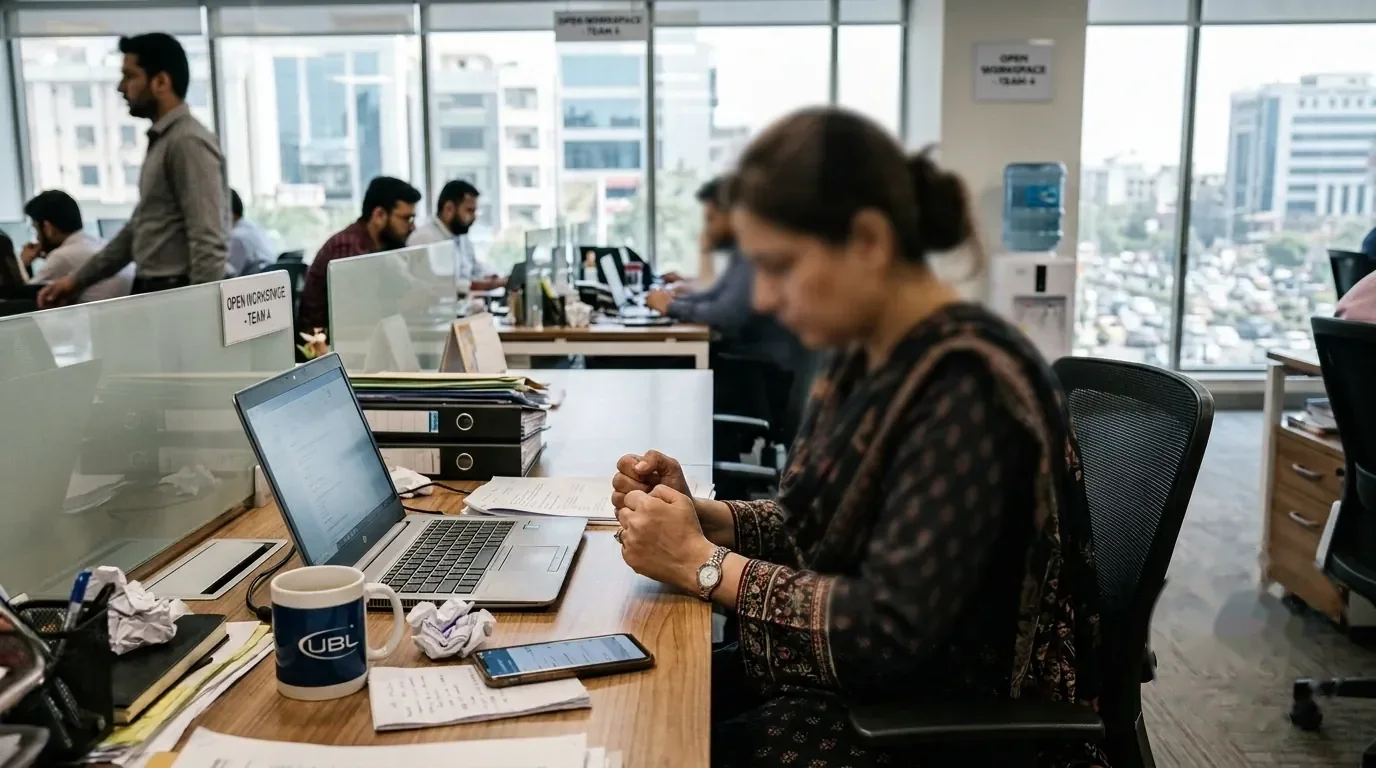
Modern neuroscience demonstrates that healthy emotional dependence and Dependent Personality Disorder are supported by entirely different neural architectures. The human brain’s attachment and social engagement systems operate along distinct neurochemical and anatomical pathways.
Jadeed neurobiology yeh sabit karti hai ke sehatmand lagao aur DPD ke marz mein dimagh ke mukhtalif hissay aur chemicals kaam kar rahe hote hain. Jahan sehatmand talluq dimagh ko sukoon deta hai, wahin DPD dimagh ko musalsal darr aur tanao mein mubtila rakhta hai.
جدید اعصابی سائنس سے واضح ہوتا ہے کہ ایک صحت مند جذباتی تعلق اور ڈیپینڈنٹ پرسنلٹی ڈس آرڈر کے اعصابی نظام اور کیمیائی راستے ایک دوسرے سے بالکل مختلف ہوتے ہیں۔ صحت مند تعلق دماغ کو تحفظ بخشتا ہے جبکہ ڈی پی ڈی کا عارضہ اعصاب کو مستقل خوف میں مبتلا رکھتا ہے۔
1. Polyvagal Theory and Ventral Vagal Regulation: In healthy emotional dependence, the ventral vagal complex of the parasympathetic nervous system (the “social engagement system”) is robustly active. Eye contact, warm vocal prosody, and physical presence activate myelinated vagal pathways, down-regulating the sympathetic fight-or-flight response and promoting emotional safety. In DPD, the ventral vagus fails to maintain autonomic homeostasis during separation. Any perceived distance immediately triggers a sympathetic surge or a debilitating dorsal vagal freeze (dissociation, visceral collapse, and severe apathy).
Sehatmand talluqat mein jism ka parasympathetic nizam dil aur dimagh ko pur-sukoon rakhta hai. Lekin DPD ke mareezon mein talluq mein thora sa faasla aate hi sympathetic nizam be-qaboo ho jata hai jis se dil ghabrane lagta hai ya jism bilkul be-hiss aur jamid (freeze) ho jata hai.
پولی ویگل تھیوری کے مطابق صحت مند تعلقات میں دماغ کا پیرا ہمدردانہ اعصابی نظام دل اور اعصاب کو پرسکون رکھتا ہے۔ تاہم ڈی پی ڈی کے مریضوں میں علیحدگی کا ہلکا سا اندیشہ بھی اعصاب میں ہنگامی کیفیت پیدا کر دیتا ہے جس سے جسم سن ہو جاتا ہے اور مریض مفلوج محسوس کرتا ہے۔
2. Oxytocinergic Balance vs. Hyper-Sensitized Rejection Pain: Oxytocin and endogenous opioids mediate healthy social bonding and stress reduction. In healthy relationships, oxytocin release during intimate interactions creates a lasting neurochemical buffer that sustains confidence even when separated. In individuals with DPD, however, the oxytocinergic system is dysregulated, creating an addiction-like tolerance where the individual requires constant, unbroken proximity to prevent severe opioid-withdrawal-like emotional agony. Furthermore, functional MRI shows that the dorsal anterior cingulate cortex (dACC) and anterior insula—the neural epicenters of physical and social pain—are profoundly hyper-reactive in DPD.
Aam logon mein mohabbat aur lagao ka chemical (Oxytocin) lamba sukoon deta hai, jabke DPD ke mareezon mein yeh chemical nasha ban jata hai jahan mareez ko har lamha samne wale ki mojoodgi aur tasalli chahiye hoti hai warna dimagh ka pain center aisi shadeed takleef peda karta hai jese jism par zakham lag gaya ho.
نارمل رشتوں میں آکسیٹوسن ہارمون انسان کو اندرونی تسلی فراہم کرتا ہے جس سے وہ تنہائی میں بھی پر اعتماد رہتا ہے۔ ڈی پی ڈی میں آکسیٹوسن کا توازن اس طرح بگڑ جاتا ہے کہ مریض کو نشے کی طرح ہر لمحہ دوسرے کی موجودگی درکار ہوتی ہے، بصورتِ دیگر دماغ کا درد کا مرکز شدید تڑپ اور اذیت پیدا کرنے لگتا ہے۔
3. Prefrontal Executive Mastery vs. Amygdala Hijack: In healthy individuals, the dorsolateral prefrontal cortex (dlPFC) and ventromedial prefrontal cortex (vmPFC) actively modulate the amygdala, allowing cognitive reappraisal when relational friction occurs. In DPD, top-down prefrontal inhibition is compromised; the hyperactive amygdala hijacks cognitive faculties, inducing catastrophic misinterpretations of neutral relational cues (e.g., viewing a delayed text message or quiet mood as imminent abandonment).
Aam halat mein aqal ka hissa (Prefrontal Cortex) darr ko qaboo mein rakhta hai, lekin DPD mein darr ka hissa (Amygdala) aqal par ghalib aa jata hai. Kisi ki thori si masroofiat ya khamoshi ko bhi mareez yeh samajh leta hai ke ab sab kuch khatam ho gaya hai aur wo barbad hone wala hai.
صحت مند انسان میں دماغ کی سوچنے سمجھنے والی صلاحیت خوف پر قابو پا لیتی ہے، لیکن ڈی پی ڈی کے مریض میں خوف کا مرکز (امیگڈالا) عقل پر حاوی ہو جاتا ہے۔ شریکِ حیات کی معمولی سی خاموشی یا فون نہ اٹھانے پر بھی مریض یہ فرض کر لیتا ہے کہ اسے ہمیشہ کے لیے چھوڑ دیا گیا ہے۔
Pakistani Cultural Dynamics: Joint Family Enmeshment vs. True Support
The distinction between healthy dependence and Dependent Personality Disorder is especially vital in Pakistan, where family cohesion, joint-family arrangements, filial piety, and collective consultation (mashwara) are deeply woven into the societal fabric. Respecting parental advice and seeking counsel before major decisions are culturally praiseworthy behaviors. However, there is a dangerous line where cultural collectivism devolves into toxic enmeshment and fosters pathological DPD.
Pakistan mein sehatmand talluq aur DPD ke farq ko pehchanna is liye zaroori hai kyunke hamari riwayaat mein mushtarka khandan, waldain ki khidmat, aur har kaam mein mashwara lena ahem tareen iqdar hain. Barraun se rehnumai lena ek khoobsurat riwayat hai, lekin jab yeh riwayat ghair sehatmand dabao aur DPD ka roop dhaar leti hai tou insaan ki zaati salahiyat khatam ho jati hai.
پاکستانی معاشرے میں اس فرق کو سمجھنا انتہائی اہم ہے کیونکہ ہماری خاندانی روایات میں بزرگوں کا احترام، مشترکہ رہائش اور ہر معاملے میں مشاورت کو کلیدی حیثیت حاصل ہے۔ خاندان سے جڑے رہنا ایک مثبت قدر ہے، لیکن جب یہ پیار گھٹن اور بے جا تسلط میں بدل جائے تو یہ شخصیت کے اس عارضے کو جنم دیتا ہے۔
In the Pakistani context, the following systemic factors frequently obscure or aggravate DPD:
Pakistani muashray mein darj zail amil DPD ko barhane aur chupane ka baais bante hain:
پاکستانی پس منظر میں درج ذیل عوامل اس نفسیاتی الجھن کو مزید پیچیدہ بناتے ہیں:
- Toxic Enmeshment vs. Healthy Interdependence: Healthy Pakistani joint families provide a loving safety net while encouraging adult children to develop professional skills, financial autonomy, and independent parenting. In contrast, enmeshed joint families actively discourage individuation under the guise of “izzat” or family unity, treating independent thoughts as rebellion and creating adult offspring who are functionally helpless without constant elder intervention.
Sehatmand khandan aulaad ko taleem aur zaati taraqqi ke moqay deta hai, jabke ghair sehatmand mahol mein bacho ko bada hone ke bawajood akele bank jane, nokri chunne, ya apne bacho ki tarbiyat karne ki ijazat nahi di jati jis se wo hamesha ke liye be-bas ho jate hain.
ایک صحت مند خاندان بچوں کو خود مختار اور قابل بناتا ہے، جبکہ غیر صحت مند خاندانی نظام میں خاندانی عزت کے نام پر اولاد کی سوچنے سمجھنے کی صلاحیت چھین لی جاتی ہے اور وہ عمر بھر دوسروں کے محتاج رہتے ہیں۔
- Marital Submissiveness and Domestic Violence: In many traditional households, married women are expected to be entirely compliant under the cultural expectation of “samjhauta”. A woman with undiagnosed DPD cannot distinguish between healthy compromise and pathological self-erasure. Consequently, she remains trapped in severely abusive marriages—enduring physical, emotional, and financial trauma—because her terror of living without a spouse is perceived as far more fatal than the abuse itself.
Shadi shuda zindagi mein samjhauta karna zaroori hota hai lekin DPD ka shikar aurat zillat aur tashaddud ko bhi chup chaap sehti rehti hai kyunke usay lagta hai ke shohar ke baghair wo dunya mein ek din bhi zinda nahi reh sakti.
شادی میں باہمی قربانی اور مفاہمت ایک اچھی بات ہے لیکن ڈی پی ڈی کی شکار خاتون ظلم، مار پیٹ اور تضحیک کو بھی اس لیے سہتی چلی جاتی ہے کیونکہ اس کے نزدیک تنہائی کا خوف کسی بھی قسم کے تشدد سے زیادہ ہولناک ہوتا ہے۔
- Infantilization of Adult Males: In some Pakistani households, the concept of the “ladla beta” involves parents managing every aspect of a son’s life—finances, marriage, daily logistics—well into his thirties and forties. This prolonged infantilization prevents the development of adult self-efficacy, leaving him emotionally dependent on parents and later transferring that paralyzing dependency onto his spouse.
Gharon mein ladlay betay ki har baat khud karna aur usay koi zimmadari na dena usay andar se kamzor bana deta hai, jis se wo shadi ke baad bhi akele koi faisla karne ke qabil nahi rehta.
اولاد بالخصوص بیٹوں کو ضرورت سے زیادہ لاڈ پیار کے نام پر عملی ذمہ داریوں سے دور رکھنا انہیں عمر بھر کے لیے دوسروں کے رحم و کرم پر چھوڑ دیتا ہے، جس سے وہ کبھی خود مختار انسان نہیں بن پاتے۔
Self-Assessment: Differentiating Healthy Closeness from DPD
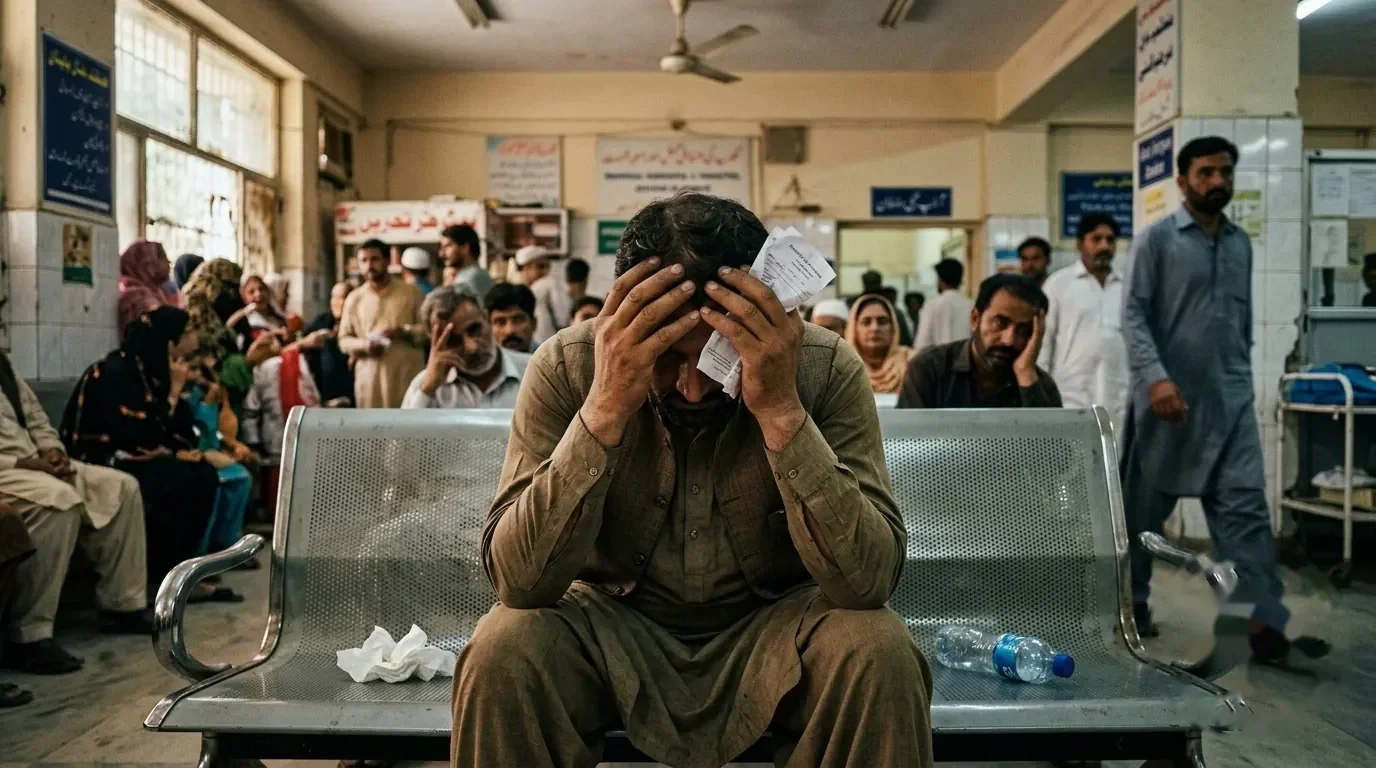
Recognizing the difference between healthy emotional reliance and Dependent Personality Disorder is crucial for seeking timely psychiatric support. Reflect on the following diagnostic differentiators:
Apne jazbati talluqat ka jaiza lena aur beemari ki pehchan karna ilaj ki taraf pehla qadam hai. Darj zail sawalaat par ghor karein:
اپنے رویوں اور رشتوں کا حقیقت پسندانہ جائزہ لے کر اس عارضے کی بروقت تشخیص ممکن ہے۔ درج ذیل سوالات پر غور کیجیے:
- Can you comfortably make minor, everyday decisions independently? (Healthy: Yes. DPD: Requires exhaustive reassurance and approval from others).
Kya aap aam rozmarrah ke faislay akele kar sakte hain? (Sehatmand: Jee haan. DPD: Har choti baat par doosron se ijazat aur tasalli lena).
کیا آپ روزمرہ کے چھوٹے فیصلے خود کر سکتے ہیں؟ (صحت مند: جی ہاں۔ ڈی پی ڈی: ہر بات پر بار بار دوسروں کی توثیق کا محتاج ہونا)۔
- Can you express disagreement with loved ones without fearing immediate abandonment? (Healthy: Disagreements are safe. DPD: Agreeing to things you hate out of terror of being left).
Kya aap apno se ikhtilaf kar sakte hain bina is darr ke ke wo chor jayenge? (Sehatmand: Bilkul. DPD: Darr ki wajah se har ghalat baat par haan kehna).
کیا آپ پیاروں سے بغیر کسی خوف کے اختلاف کر سکتے ہیں؟ (صحت مند: جی ہاں۔ ڈی پی ڈی: تنہا رہ جانے کے خوف سے ہر غلط بات پر بھی سر تسلیم خم کرنا)۔
- How do you experience solitude? (Healthy: Relaxing, restorative, or neutral. DPD: Severe somatic panic, acute dread, and inability to function).
Akele rehne par aapko kaisa lagta hai? (Sehatmand: Sukoon aur aaram. DPD: Shadeed ghabrahat, dil doobna aur be-basi).
تنہائی میں آپ کیسا محسوس کرتے ہیں؟ (صحت مند: پرسکون اور پر اعتماد۔ ڈی پی ڈی: شدید گھبراہٹ، دل کا بیٹھنا اور بے بسی کی کیفیت)۔
- Do you tolerate abuse or exploitation to keep a relationship intact? (Healthy: Enforces firm boundaries against mistreatment. DPD: Voluntarily endures humiliation to prevent abandonment).
Kya aap rishta bachane ke liye zillat bardaasht karte hain? (Sehatmand: Badtameezi par roak lagana. DPD: Rishta bachane ke liye har zulm khamoshi se sehna).
کیا آپ تعلق برقرار رکھنے کے لیے ذلت اور تشدد برداشت کرتے ہیں؟ (صحت مند: حدود قائم کرنا۔ ڈی پی ڈی: تنہائی سے بچنے کے لیے ظلم کو قبول کرنا)۔
Evidence-Based Therapeutic Approaches to Foster Interdependence
Overcoming Dependent Personality Disorder does not require severing meaningful relationships or adopting a detached, hyper-independent lifestyle. The ultimate goal of evidence-based psychiatric care is to transition the individual from pathological dependency to balanced, empowered interdependence.
DPD ka ilaj karwane ka matlab yeh hargiz nahi ke aap apno ko chor dein ya akele rehne lagein. Ilaj ka asal maqsad aapko be-basi aur darr se nikal kar ek aisi pur-etimad shakhsiyat banana hai jo apno se piyaar bhi karay aur apni zaat par poora bharosa bhi rakhay.
ڈی پی ڈی کے علاج کا مقصد رشتوں کو توڑنا یا تنہا ہو جانا نہیں ہے، بلکہ اس کا بنیادی مقصد انسان کو محتاجی اور بے بسی سے نکال کر ایک باوقار، متوازن اور پر اعتماد شخصیت میں تبدیل کرنا ہے۔
The core psychotherapeutic modalities proven to restore healthy autonomy include:
Tibbi tehqeeq ke mutabiq darj zail tareeqay behtareen nataij dete hain:
طبی و سائنسی بنیادوں پر درج ذیل طریقہ ہائے علاج انتہائی موثر ثابت ہوتے ہیں:
- Cognitive Behavioral Therapy (CBT) for Cognitive Restructuring: CBT targets cognitive distortions such as catastrophizing (“I will die if I am left alone”) and arbitrary inference (“If someone doesn’t answer immediately, they hate me”). Patients engage in graded behavioral experiments, systematically practicing solitary decision-making and tolerating brief periods of unguided independence to rebuild executive confidence.
CBT therapy ke zariye zehan ke khauf ko khatam kiya jata hai aur mareez ko akele faislay lene aur khud par bharosa karne ki amli training di jati hai.
کاگنیٹو بیہیوریل تھراپی کے ذریعے مریض کے منفی وسوسوں کو دور کیا جاتا ہے اور اسے بتدریج خود فیصلے کرنے اور تنہائی کا بہادری سے مقابلہ کرنے کی مشق کروائی جاتی ہے۔
- Schema Therapy for Early Maladaptive Schemas: Unpacks deeply rooted core schemas established in early childhood, such as the Dependence/Incompetence Schema and the Subjugation Schema. Through experiential techniques like imagery rescripting and chair work, the clinician helps the patient heal their “Vulnerable Child” mode, confront the “Compliant Surrenderer” mode, and build an integrated “Healthy Adult” capable of self-nurturance and firm boundary-setting.
Schema Therapy bachpan ke un dukhon aur ahsas-e-kamtri ka ilaj karti hai jin ki wajah se insaan doosron ka ghulam ban jata hai, aur uske andar zaati waqar ko bedaar karti hai.
اسکیما تھراپی بچپن کے احساسِ محرومی اور کمزوری کا جڑ سے خاتمہ کر کے مریض کے اندر ایک باہمت اور خود دار انسان کو بیدار کرتی ہے جو اپنی حدود کا تعین خود کر سکے۔
- Assertiveness Training and Interpersonal Effectiveness: Equips patients with practical communication tools to state preferences clearly, decline unreasonable requests without guilt, voice constructive criticism, and negotiate conflict in interpersonal relationships.
Mareez ko tameez aur aitmad ke sath apni baat kehne aur kisi bhi najaiz mutalbay ko inkar karne ke aasan tareeqay sikhaye jate hain.
مریض کو شائستہ انداز میں اپنی بات منوانے، حق کے لیے آواز اٹھانے اور بلاوجہ کے مطالبات کو انکار کرنے کی عملی تربیت دی جاتی ہے۔
- Judicious Pharmacotherapy for Comorbid Anxiety and Depression: Selective Serotonin Reuptake Inhibitors (SSRIs) or Serotonin-Norepinephrine Reuptake Inhibitors (SNRIs) are prescribed to calm autonomic hyperarousal, alleviate comorbid panic attacks, and treat underlying depression, providing the emotional stability necessary to engage effectively in psychotherapy.
Doctor ki tajweez kardah adwiyat ghabrahat aur depression ko kam karti hain taake dimagh pur-sukoon ho kar behtar faislay kar sakay.
ماہر ڈاکٹر کی زیرِ نگرانی اینٹی ڈپریسنٹ ادویات گھبراہٹ، خوف اور ڈیپریشن کو اعتدال میں لاتی ہیں تاکہ مریض کا ذہن پرسکون ہو سکے۔
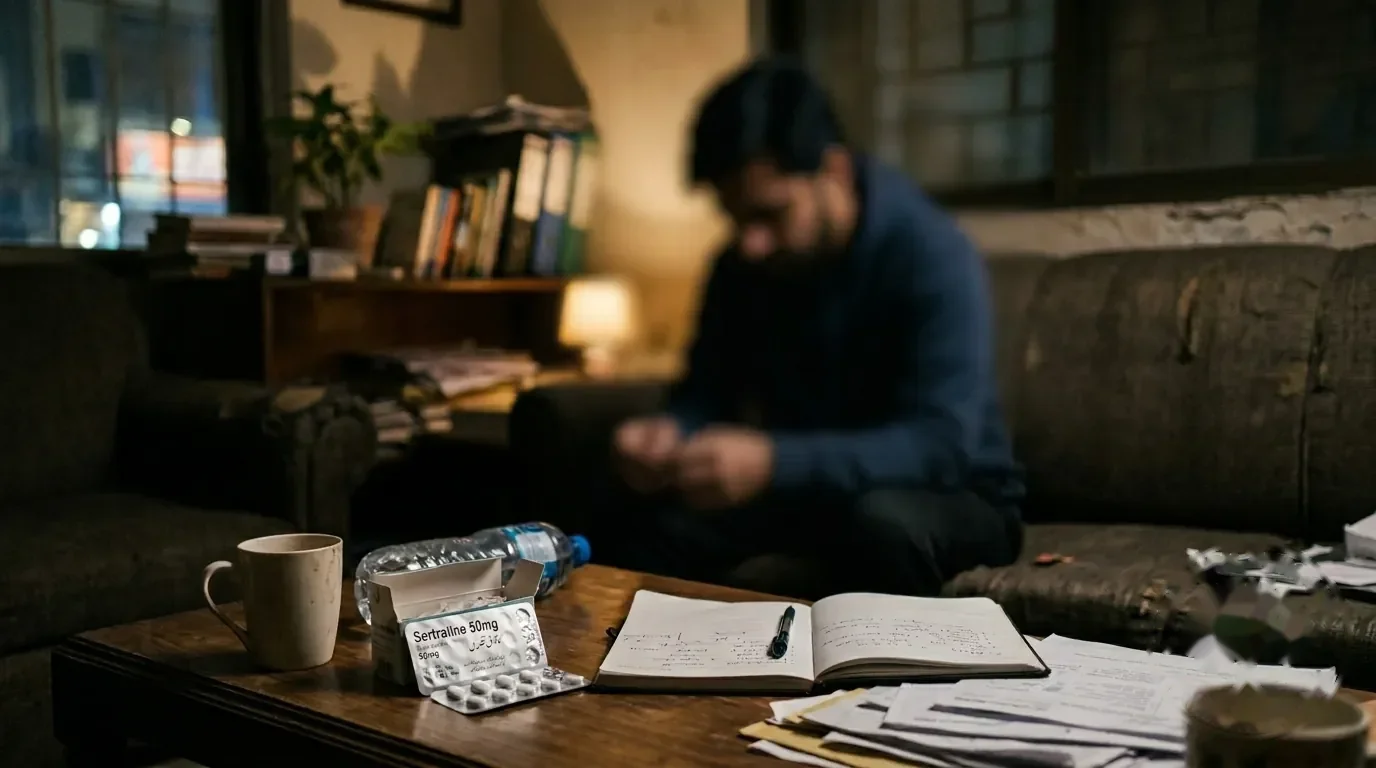
Specialized Psychiatric Care at Amaim Brain Care
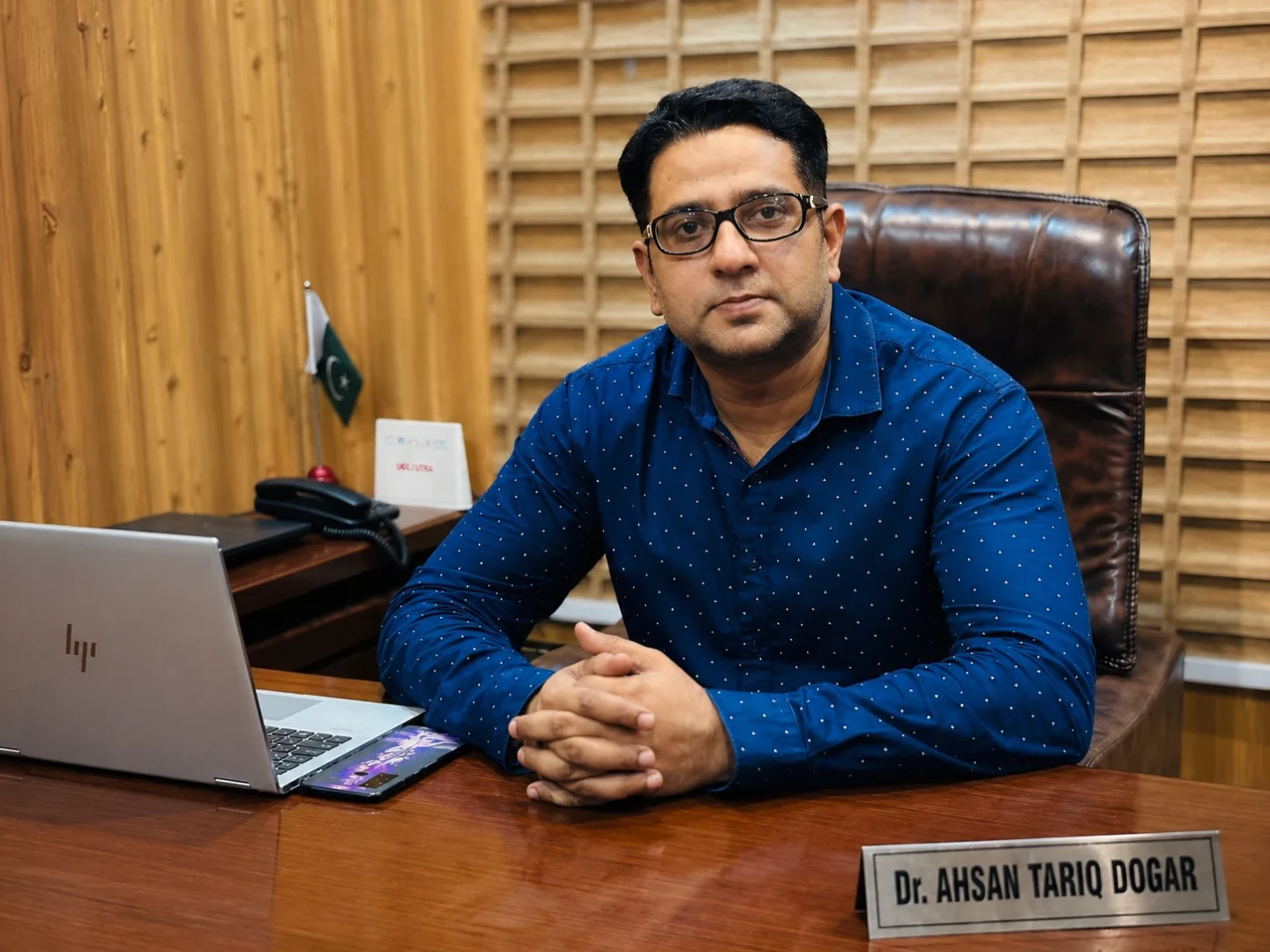
At Amaim Brain Care in Faisalabad, Dr. Ahsan Tariq Dogar, an experienced Neuro-Psychiatrist, Behavioral Therapist, and Life Coach, provides comprehensive psychiatric evaluations, specialized psychotherapeutic care, and evidence-based interventions. Our clinic is committed to helping you transform unhealthy dependency into vibrant, resilient interdependence.
Amaim Brain Care Faisalabad mein, Dr. Ahsan Tariq Dogar (Neuro-Psychiatrist & Behavioral Therapist) jadeed tareeqon, mukammal razdari aur mustanad protocols ke teht ilaj faraham karte hain. Hamara clinic aapko be-basi ke darr se nikal kar ek mazboot aur pur-etimad zindagi ki taraf gamzan karta hai.
عمائم برین کیئر فیصل آباد میں معروف ماہرِ نفسیات و دماغی امراض ڈاکٹر احسن طارق ڈوگر کی زیرِ نگرانی ڈیپینڈنٹ پرسنلٹی ڈس آرڈر کا جامع تشخیصی اور علاجی پروٹوکول فراہم کیا جاتا ہے۔ ہمارا ادارہ مریضوں کو بے بسی اور خوف کے دائرے سے نکال کر باوقار اور پر اعتماد زندگی کی طرف لانے کے لیے پرعزم ہے۔
Our dedicated Personality Disorders Treatment and specialized Anxiety Treatment programs offer comprehensive care tailored to your needs:
Hamare Personality Disorders Treatment aur Anxiety Treatment programs mein darj zail sahooliyat dastiyab hain:
ہمارے خصوصی پرسنلٹی ڈس آرڈرز ٹریٹمنٹ اور اینگزائٹی ٹریٹمنٹ کے پروگرامز میں درج ذیل خدمات شامل ہیں:
- Differential Diagnosis & Attachment Profiling: Distinguishing between clinical DPD, Borderline Personality Disorder, Codependency, and culturally normative joint-family interdependence.
Mukammal nafsiati muaina jis mein DPD aur aam lagao ka wazeh farq pehchana jata hai.
مریض کی شخصیت کا جامع معائنہ تاکہ بیماری اور عام خاندانی وابستگی میں تفریق کی جا سکے۔
- Individualized CBT & Schema Therapy: Structured weekly sessions focused on autonomy training, cognitive restructuring, and boundary setting.
Hafta war therapy sessions jin mein akele faislay karne aur khud par yaqeen rakhne ki tarbiyat di jati hai.
ہفتہ وار انفرادی تھراپی سیشنز جن میں خود مختاری اور فیصلوں کی قوت بیدار کی جاتی ہے۔
- Couple & Family Counseling: Guiding partners and families to dismantle destructive enmeshment and establish mutually respectful, healthy dynamics.
Khandan aur joray ki counseling taake ghar mein ek doosray ki izzat aur barabari ka nizam qayam ho.
اہلِ خانہ اور میاں بیوی کی کونسلنگ تاکہ گھر میں برابری اور عزتِ نفس کا ماحول قائم ہو۔
- Long-Term Autonomy Support: Continuous psychiatric monitoring to ensure lasting self-efficacy, emotional resilience, and relapse prevention.
Musalsal nigrani taake mareez mustaqbil mein bhi pur-etimad aur kamyab zindagi guzar sakay.
مسلسل طبی رہنمائی تاکہ مریض مستقبل میں بھی باوقار اور خود دار زندگی گزار سکے۔
Conclusion: Cultivating Healthy, Empowered Interdependence
Learning the difference between healthy emotional reliance and Dependent Personality Disorder is the first step toward reclaiming your personal agency and living a deeply fulfilling life. Real emotional maturity does not require you to become an isolated fortress; rather, it empowers you to be an autonomous, self-respecting individual who chooses to share life with others out of love and mutual respect rather than out of paralyzing fear. If you or someone you care about is trapped in the cycle of helplessness and severe separation anxiety, reach out today to begin your journey toward emotional freedom.
Sehatmand lagao aur DPD ke darmiyan farq ko samajhna apni zindagi par dobara ikhtiyar pane ki pehli seeri hai. Kamyab zindagi ka matlab logon se door bhagna nahi balki aisi shakhsiyat banna hai jo apni zaat par khari ho kar apno ke sath khushi se zindagi guzar sakay. Agar aap ya aapka koi pyara is be-basi aur darr ki giraft mein hai tou behtareen ilaj ke liye aaj hi rabta karein.
صحت مند وابستگی اور ڈیپینڈنٹ پرسنلٹی ڈس آرڈر کے فرق کو سمجھنا خود اعتمادی کی بحالی کا پہلا زینہ ہے۔ کامیاب زندگی کا مطلب تنہائی نہیں بلکہ ایک ایسا باوقار انسان بننا ہے جو اپنی ذات پر بھروسہ کرتے ہوئے دوسروں سے مخلصانہ محبت کرے۔ اگر آپ یا آپ کا کوئی عزیز بے بسی اور تنہائی کے شدید خوف میں مبتلا ہے تو ایک بااعتماد زندگی کے آغاز کے لیے آج ہی رابطہ کریں۔
Frequently Asked Questions
What is the single biggest difference between healthy dependence and DPD?
The single biggest difference is autonomy and fear. Healthy emotional dependence preserves personal identity, self-efficacy, and the freedom to disagree safely. In contrast, DPD involves complete self-erasure, functional helplessness, and submissive appeasement driven by an overwhelming terror of abandonment.
Sab se bara farq azaadi aur darr ka hai. Sehatmand talluq mein insaan apni marzi aur zaati pehchan qayam rakhta hai, jabke DPD mein mareez tanhai ke khauf se apni zaat mita kar samne wale ka ghulam ban jata hai.
Is relying on my spouse or parents for emotional support considered a mental disorder?
No. Seeking emotional comfort, advice, and guidance from spouses and parents is healthy and normal. It only becomes a disorder (DPD) when you are completely unable to make daily decisions alone, cannot function when separated, and tolerate severe mistreatment out of fear of being left.
Nahi, apno se sahara aur mashwara lena bilkul aam aur achi baat hai. Yeh beemari sirf usi waqt banti hai jab aap akele koi mamooli kaam bhi na kar sakein aur akele hone par shadeed ghabrahat ka shikar ho jayein.
Can a person recover from DPD and have a healthy, equal relationship?
Yes. With evidence-based psychotherapy such as Cognitive Behavioral Therapy (CBT) and Schema Therapy, individuals with DPD can rebuild their self-confidence, learn assertiveness, resolve abandonment fears, and transition into balanced, mutually respectful relationships.
Ji haan, CBT aur Schema Therapy ke zariye mareez apne darr ko khatam kar ke khud par yaqeen karna seekh sakta hai aur ek pur-waqar aur barabari ka talluq qayam kar sakta hai.
Why is enmeshment in Pakistani joint families sometimes confused with DPD?
In Pakistani culture, close family involvement is celebrated. However, toxic enmeshment discourages children from growing into independent, autonomous adults. When an individual lacks basic adult self-efficacy and experiences panic without parental guidance, enmeshment has crossed into clinical DPD.
Hamare muashray mein khandan ki qurbat aam hai, lekin jab khandan aulaad ko baray hone ke bawajood koi faisla lene na de tou bache baray ho kar DPD ke marz mein mubtila ho jate hain.
What happens in Schema Therapy for someone with Dependent Personality Disorder?
Schema Therapy identifies and heals early childhood schemas of Dependence/Incompetence and Subjugation. It helps patients recognize their “Compliant Surrenderer” mode and strengthens their “Healthy Adult” mode to make independent choices and enforce healthy boundaries.
Schema Therapy bachpan ke un zakhmon aur lachari ko theek karti hai jin ki wajah se insaan har kisi ke aagay jhukta hai, aur usay ek ba-ikhtiyar aur ba-himmat insan banati hai.
How can I book an appointment with Dr. Ahsan Tariq Dogar?
You can book an in-person or online neuro-psychiatric consultation via reaching out via WhatsApp at 0333-6986464 for a confidential appointment.
فیصل آباد میں کلینک وزٹ یا آن لائن مشورے کے لیے آپ عمائم برین کیئر کے آفیشل واٹس ایپ لنک کے ذریعے رابطہ کر کے اپنی اپائنٹمنٹ باآسانی بک کروا سکتے ہیں، جہاں آپ کی معلومات کو مکمل صیغہ راز میں رکھا جاتا ہے۔
Sources & References
Medical & Educational Disclaimer
This content is for educational and informational purposes only and is not a substitute for professional medical advice, diagnosis, or treatment. Always consult a qualified psychiatrist or healthcare provider for any mental health concerns.