Introduction: The Pervasive Burden of Chronic Helplessness and Fear of Abandonment
Making decisions, seeking guidance from trusted loved ones, and valuing close relationships are essential, healthy aspects of human life. It is entirely natural to seek advice from a spouse before making a major life transition, consult parents during stressful life events, or desire emotional validation during difficult times. However, when the fundamental capacity to function independently dissolves into an overwhelming, paralyzing terror of abandonment, and when an individual feels utterly incapable of navigating daily life without constant reassurance, it crosses the threshold into a psychiatric condition known as Dependent Personality Disorder (DPD).
Zindagi mein kisi qareebi dost, walidain ya sharik-e-hayat se mashwara lena aur unki raye ka ehtaram karna ek nihayat fitri aur sehatmand baat hai. Mushkil waqt mein sahara talash karna ya kisi ahem faislay se pehle apno par aitbaar karna har insaan ki fitrat hai. Lekin jab yeh silsila is hadd tak barh jaye ke insaan akele ek qadam bhi na utha sakay, har waqt chhor diye jane ke khauf mein mubtila rahay, aur choti se choti baat ke liye bhi doosron ka mohtaj ban jaye, toh yeh aam inhasar nahi rehta balki ek nafsiati marz Dependent Personality Disorder (DPD) ki shakal ikhtiyar kar leta hai.
زندگی کے اہم موڑ پر والدین، شریکِ حیات یا مخلص دوستوں سے مشورہ لینا اور ان کی رہنمائی پر بھروسہ کرنا ایک مثبت اور فطری انسانی رویہ ہے۔ مشکل حالات میں اپنوں کا سہارا تلاش کرنا ہر انسان کی ضرورت ہے۔ لیکن جب یہ کیفیت اس حد تک بگڑ جائے کہ انسان تنہا کوئی معمولی فیصلہ کرنے کے قابل بھی نہ رہے، ہر لمحہ تنہا رہ جانے اور چھوڑ دیے جانے کے شدید خوف میں مبتلا رہے، اور اپنی پوری زندگی کا اختیار دوسروں کے رحم و کرم پر چھوڑ دے، تو یہ محض عام تعلق نہیں رہتا بلکہ ایک سنگین نفسیاتی عارضہ بن جاتا ہے جسے میڈیکل سائنس میں ڈپینڈنٹ پرسنلٹی ڈس آرڈر (DPD) کہا جاتا ہے۔
What is Dependent Personality Disorder? A Clinical Perspective
Classified under Cluster C (anxious and fearful personality disorders) in psychiatric diagnostic manuals such as the DSM-5 and ICD-11, Dependent Personality Disorder is characterized by a pervasive and excessive psychological need to be cared for by others. This chronic reliance fosters submissive, clinging behaviors, severe separation anxiety, and a profound conviction that one is fundamentally incompetent, fragile, and unable to survive independently in the world.
Nafsiati tashkhees ke mutabiq DPD Cluster C personality disorders mein shumar hota hai, jin mein khauf aur shadeed ghabrahat numayan hoti hai. Is marz mein mubtila shakhs ke andar yeh gehra yaqeen baith jata hai ke wo kamzor, be-bas aur na-ehal hai, aur agar koi doosra uski dekh bhal nahi karega toh wo tabah ho jaye ga. Yeh soch usay doosron ke samne intehai dabao aur ghulami jesi halat mein rehne par majboor kar deti hai.
طبی اور نفسیاتی اصولوں (DSM-5) کے مطابق ڈپینڈنٹ پرسنلٹی ڈس آرڈر دراصل کلستر سی (Cluster C) کے اضطرابی اور خوف پر مبنی امراضِ شخصیت کا حصہ ہے۔ اس عارضے کا بنیادی خاصہ یہ ہے کہ مریض کے لاشعور میں یہ خوف بیٹھ جاتا ہے کہ وہ اکیلا زندگی گزارنے، فیصلے کرنے اور اپنے مسائل حل کرنے کی مطلق اہلیت نہیں رکھتا۔ یہ احساس اسے دوسروں کے سامنے بے بس، حد سے زیادہ تابع فرمان اور جذباتی طور پر مکمل دست نگر بنا دیتا ہے۔
The Neurobiology of Dependency: Attachment Circuits, HPA Axis, and Neurochemistry
Dependent Personality Disorder is not a voluntary character defect or simple lack of willpower; it is rooted in measurable neurobiological dysregulations within the brain’s emotional and attachment networks. Functional neuroimaging demonstrates pronounced hyperreactivity in the amygdala and anterior insular cortex whenever the individual faces perceived abandonment, separation, or social conflict. Even neutral disagreements trigger an existential threat response, flooding the autonomic nervous system with panic.
DPD koi aadat ya susti nahi hai balki dimagh ke andar asbi circuits aur keemiyai bighar ki wajah se hota hai. Dimagh ka darne aur khatray ko pehchanne wala markaz (amygdala) akele pan ya kisi se ikhtilaf ke khayal se hi be-qaboo ho kar mutaharrik ho jata hai. Mareez ko aisa lagta hai ke agar samne wala naraz ho gaya toh uski jaan ko khatra lahaq ho jaye ga.
ڈپینڈنٹ پرسنلٹی ڈس آرڈر محض کوئی ارادی خامی یا کمزوری نہیں ہے بلکہ اس کی جڑیں دماغ کے اعصابی نیٹ ورکس اور کیمیائی نظام میں پیوست ہیں۔ دماغ کا خوف اور خطرے کو بھانپنے والا مرکز، جسے امیگڈالا (Amygdala) کہا جاتا ہے، تنہائی یا کسی عزیز کی ناراضگی کے معمولی تصور پر بھی شدید متحرک ہو جاتا ہے اور مریض کو ایسا محسوس ہوتا ہے جیسے اس کے وجود کو کوئی جان لیوا خطرہ لاحق ہو گیا ہو۔
Concurrently, structural and functional neuroimaging reveals decreased activation and impaired connectivity within the dorsolateral prefrontal cortex (dlPFC) and anterior cingulate cortex (ACC)—regions responsible for autonomous executive functioning, cognitive flexibility, and independent decision-making. At the neurochemical level, dysregulation within central oxytocin and endogenous opioid systems impairs secure attachment bonding, creating an insatiable craving for interpersonal reassurance. Furthermore, chronic hyperactivity of the hypothalamic-pituitary-adrenal (HPA) axis maintains elevated baseline cortisol levels, producing sustained somatic anxiety, muscle tension, and generalized distress whenever autonomous action is required.
Iske sath sath dimagh ka agla hissa (prefrontal cortex), jo azadana faislay karne aur aqal ka istemal karne ke liye zaroori hota hai, theek tarah kaam nahi karta. Dimagh mein oxytocin aur serotonin chemicals ka bighar mareez ko musalsal tasalli ka mohtaj banata hai. HPA axis ke lagataar fa’al rehne se jism mein cortisol hormone barh jata hai, jis ki wajah se mareez ko akele faisla karte waqt kapkapi, dil ki dharkan tez hona aur shadeed ghabrahat mehsoos hoti hai.
اس کے ساتھ ساتھ دماغ کا سامنے والا حصہ (Prefrontal Cortex) اور انٹیریئر سنگولیٹ کورٹیکس، جو خود مختار فیصلے کرنے اور فہم و فراست کو بروئے کار لانے کے ذمہ دار ہوتے ہیں، کمزوری کا شکار ہو جاتے ہیں۔ دماغ میں آکسیٹوسن اور سیروٹونن کیمیکلز کی بے قاعدگی مریض کے اندر خود انحصاری کی صلاحیت کو دبا دیتی ہے۔ مزید برآں، ایچ پی اے ایکسس (HPA Axis) کی مسلسل فعالیت کی وجہ سے کورٹیسول ہارمون کی مقدار بڑھ جاتی ہے، جو انسان کو تنہا کوئی قدم اٹھاتے وقت شدید گھبراہٹ، دل کی دھڑکن کے تیز ہونے اور کپکپاہٹ میں مبتلا کر دیتی ہے۔
Daily Life Paralysis: Indecisiveness, Low Self-Efficacy, and Constant Reassurance
In day-to-day life, Dependent Personality Disorder manifests as a profound inability to make ordinary, routine choices without exhausting amounts of advice and validation. Mundane decisions—such as selecting what clothes to wear to work, what food to cook for a family meal, which brand of groceries to purchase, or how to commute across town—induce overwhelming self-doubt. The individual feels an agonizing dread of making a mistake and enduring blame.
Rozmarrah ki aam zindagi mein DPD ka asar har choti badi baat par nazar aata hai. Aam mamoolat jese subah konsay kapray pehan kar office jana hai, khane mein kya pakana hai, bazar se konsa sauda khareedna hai, ya kisi dawat mein jana hai ya nahi—yeh tamam baatein mareez ke liye shadeed zehni azaab ban jati hain. Wo har waqt is darr mein rehta hai ke agar usne khud koi faisla kiya toh ghalti ho jaye gi aur log uspar tanqeed karenge.
روزمرہ کے معمولات میں ڈی پی ڈی کا اثر انسان کو بالکل مفلوج کر کے رکھ دیتا ہے۔ بالکل معمولی فیصلے، مثلاً صبح کون سا لباس پہننا ہے، دوپہر کے کھانے میں کیا بنے گا، کون سی چیز خریدی جائے یا کسی تقریب میں شرکت کی جائے یا نہیں، مریض کے لیے ایک کٹھن مرحلہ بن جاتے ہیں۔ وہ ہر وقت اس خوف میں مبتلا رہتا ہے کہ اس کی اپنی رائے غلط ثابت ہو گی اور لوگ اسے برا بھلا کہیں گے، اس لیے وہ ہر بات میں دوسروں کی تائید کا محتاج رہتا ہے۔
This functional paralysis extends deeply into professional and academic spheres. Despite possessing adequate intelligence and vocational skills, individuals with DPD actively avoid leadership roles, promotions, or independent projects. They perceive themselves as inherently incompetent and fear that taking initiative will expose their imagined inadequacies. Consequently, they delegate responsibility to colleagues or supervisors, remaining trapped in subordinate, under-compensated positions that fail to reflect their true cognitive capabilities.
Naukri, taleem aur karobar mein bhi yeh masla shadeed rukawat banta hai. Qabiliyat aur taleem hone ke bawajood DPD ka shakhs tarraqi lene ya kisi nayi jimmedari ko sambhalne se bhaagta hai. Usay lagta hai ke wo akele koi project nahi chala sakay ga aur uski kamzori sab ke samne aa jaye gi. Is khauf ki wajah se wo hamesha doosron ke maat-tehat reh kar kam tankhwah aur mamooli ohday par guzar basar karne par majboor rehta hai.
دفتری، تعلیمی اور کاروباری میدان میں بھی یہ کیفیت انسان کی ترقی کی راہ میں سب سے بڑی رکاوٹ بنتی ہے۔ اعلیٰ قابلیت اور صلاحیت کے باوجود ڈی پی ڈی کا مریض نئی ذمہ داریاں سنبھالنے، ترقی قبول کرنے یا کسی پروجیکٹ کی قیادت کرنے سے کتراتا ہے۔ اسے یقین ہوتا ہے کہ وہ تنہا کام نہیں سنبھال سکے گا۔ چنانچہ وہ تمام اہم فیصلے اپنے ماتحتوں یا ساتھیوں پر چھوڑ دیتا ہے اور اپنی اصل صلاحیتوں سے کہیں کم درجے پر کام کرنے پر مجبور رہتا ہے۔
Impact on Marriages and Interpersonal Relationships: Submissiveness, In-Law Dynamics, and Abuse Tolerance
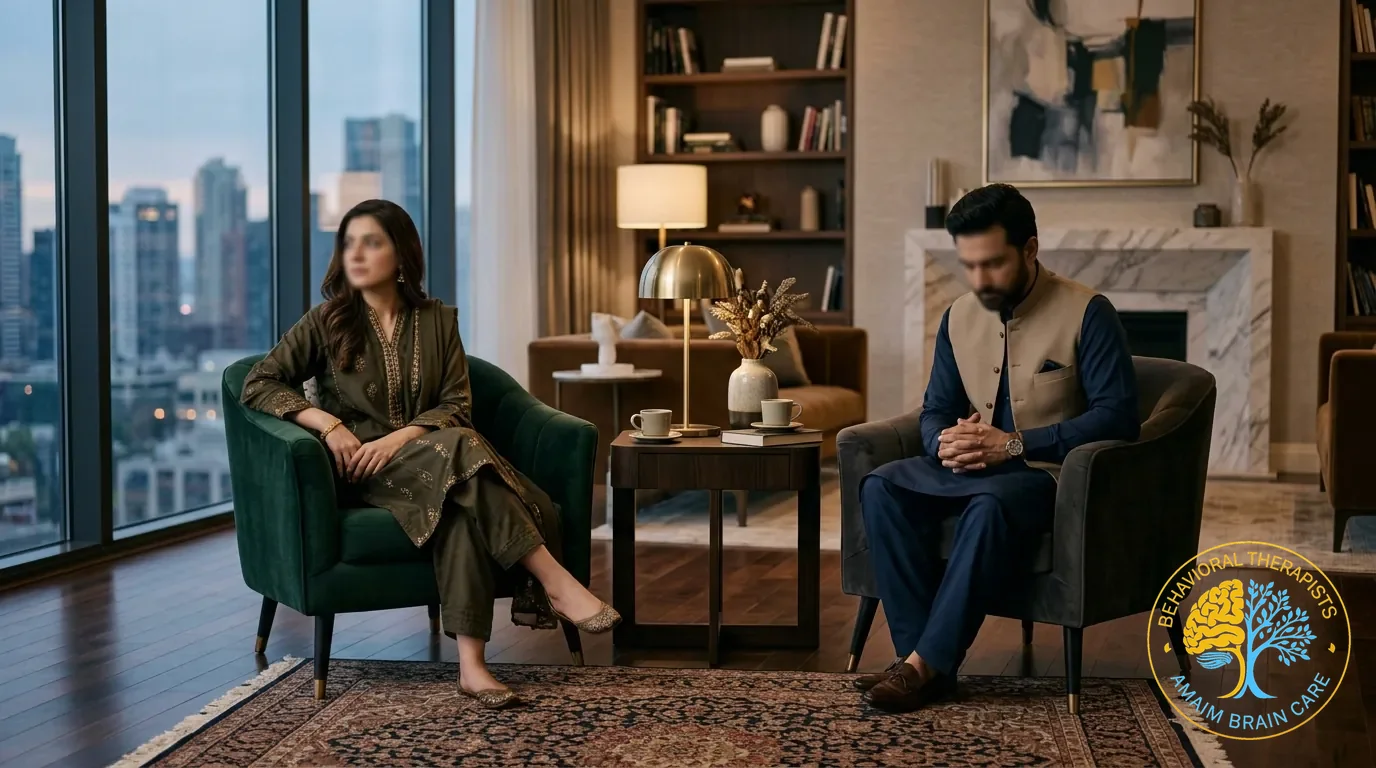
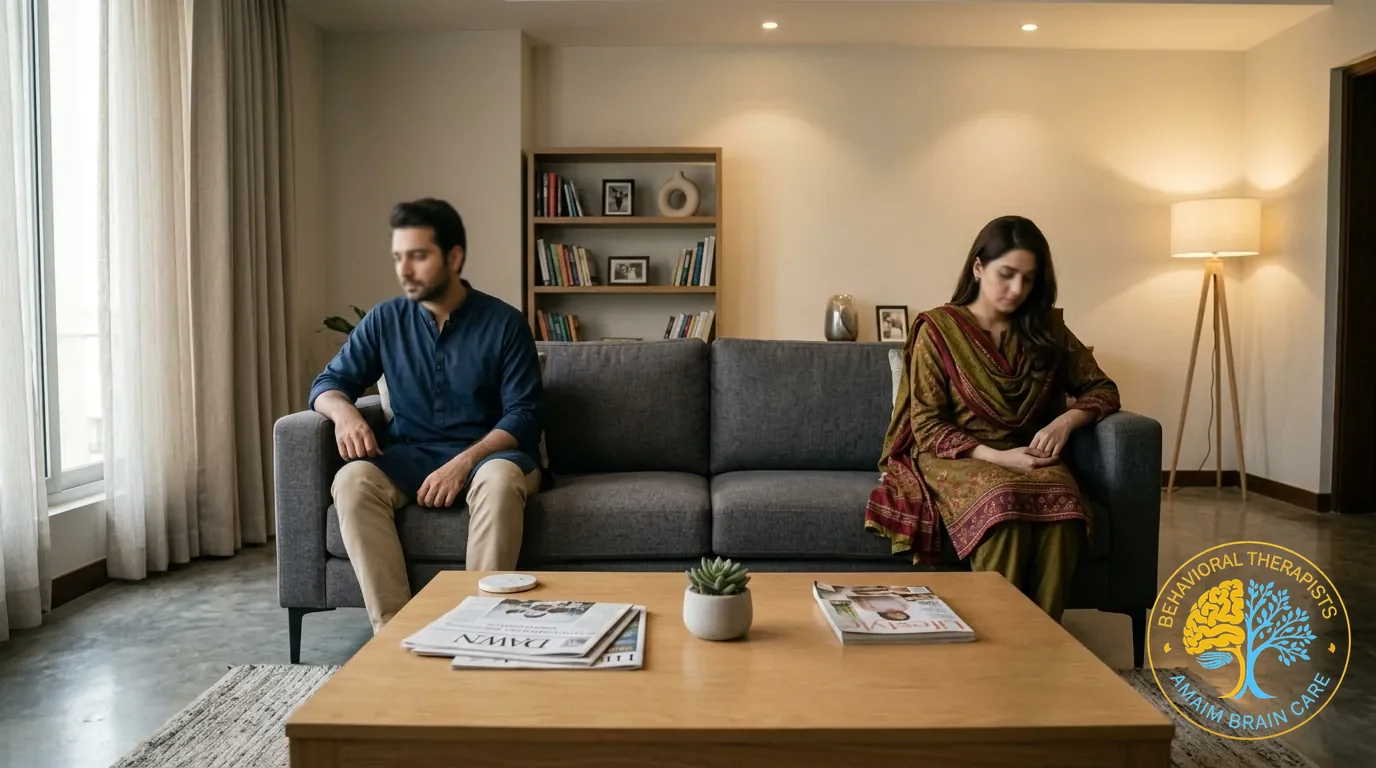
Interpersonal relationships—especially intimate partnerships and marriages—are where Dependent Personality Disorder inflicts its most severe emotional damage. Individuals with DPD operate under an unyielding, terrifying belief: “If I express my own needs, disagree, or set a boundary, my partner will abandon me, and I will perish.” To prevent this imagined catastrophe, they surrender complete autonomy, becoming entirely submissive to their partner’s demands, preferences, and whims.
Shadi shuda zindagi mein DPD ka asar intehai dardnak hota hai. Mareez ke dil mein har waqt yeh khauf rehta hai ke agar usne apni marzi chalaayi, kisi baat par inkar kiya, ya koi shikwa kiya toh uska shohar ya biwi usay chhor kar chali jaye gi. Is darr ki wajah se wo apni tamam zaati khwahishat, izzat-e-nafs aur raye ko qurban kar ke samne walay ki har baat par sar jhuka deta hai.
ازدواجی زندگی اور رشتوں کے معاملے میں ڈپینڈنٹ پرسنلٹی ڈس آرڈر کے نتائج انتہائی تباہ کن ہوتے ہیں۔ مریض کے ذہن میں یہ خوف مستقل طور پر حاوی رہتا ہے کہ اگر اس نے ذرا سا بھی اختلاف کیا، اپنی پسند کا اظہار کیا یا کوئی حد مقرر کی تو اس کا شریکِ حیات اسے چھوڑ دے گا۔ اس ممکنہ جدائی سے بچنے کے لیے وہ اپنی عزتِ نفس، خوشیوں اور ذاتی رائے کا گلا گھونٹ کر شریکِ حیات کے ہر جائز و ناجائز حکم کے آگے سر تسلیمِ خم کر دیتا ہے۔
Tragically, this pathological compliance makes individuals with DPD exceptionally vulnerable to domestic abuse, emotional manipulation, financial exploitation, and chronic infidelity. Because the terror of being alone is psychologically worse than enduring mistreatment, they frequently remain trapped in deeply abusive relationships for decades. When a toxic relationship inevitably collapses, their acute inability to tolerate solitude drives them into an immediate, indiscriminate search for another partner, rapidly recreating the identical pattern of subjugation and dependency.
Yeh be-basi mareez ko gharelu tashaddud, bad-sulooki aur maali istehsal ka aasan shikar bana deti hai. Mareez ke liye akele rehne ka khauf zillat bardasht karne se kahin zyada takleef deh hota hai, is liye wo saalon tak zulm sehta rehta hai. Aur agar koi rishta toot bhi jaye toh wo akele rehne ke darr se foran bina soche samjhe kisi doosray shakhs ka sahara dhoondta hai aur dobara usi azaab mein phans jata hai.
یہ اندھی تابعداری مریض کو گھریلو تشدد، جذباتی بلیک میلنگ اور مالی استحصال کا آسان ہدف بنا دیتی ہے۔ چونکہ تنہا رہ جانے کا خوف اس کے لیے ہر قسم کے ظلم سے زیادہ بھیانک ہوتا ہے، اس لیے وہ برسوں تک ہر ستم خاموشی سے سہتا رہتا ہے۔ اگر کوئی رشتہ ختم بھی ہو جائے تو تنہائی کی اذیت سے بچنے کے لیے وہ فوری طور پر کسی دوسرے شخص کا سہارا ڈھونڈتا ہے اور دوبارہ اسی استحصال اور انحصار کے چکر میں پھنس جاتا ہے۔
Pakistani Cultural Realities: The Dangerous Confusion Between “Farmanbardari” and Pathological Dependence
In Pakistan, diagnosing and addressing Dependent Personality Disorder is fraught with immense cultural complexity. In traditional societal narratives, extreme submissiveness, unquestioning silence, and the complete suppression of personal agency in young women and daughters-in-law are frequently glorified as marks of “shareef khandan ki beti,” “seedhi saadi larki,” or “kamil farmanbardari.” Consequently, severe pathological dependence is often masked and celebrated as cultural virtue until the individual experiences severe psychiatric collapse.
Hamare Pakistani muashray mein DPD ko pehchan’na is liye mushkil hota hai kyun ke larkiyon ki shadeed khamoshi, be-basi aur apni zaat ko mita dene ko “sharafat”, “achhi tarbiyat” aur “farmabardari” samjha jata hai. Sasural mein har zulm chup chap sehne wali bahu ki tareef ki jati hai, halanke andar se wo DPD ke shadeed marz aur depression mein mubtila hoti hai. Muashrati dabao is bimari ko mazeed barhava deta hai.
پاکستانی معاشرے میں ڈی پی ڈی کی بروقت تشخیص میں سب سے بڑی رکاوٹ یہ ہے کہ بیٹیوں اور بہوؤں کی ضرورت سے زیادہ بے بسی، مکمل خاموشی اور اپنی تمام تر خواہشات کے خاتمے کو “شرافت”، “گھریلو پن” اور “مثالی فرمانبرداری” کا نام دے دیا جاتا ہے۔ سسرال میں ہر قسم کی زیادتی سہنے والی عورت کو سراہا جاتا ہے، حالانکہ درحقیقت وہ خود اعتمادی کے فقدان اور ڈی پی ڈی کے شدید نفسیاتی عارضے میں گھل رہی ہوتی ہے۔
Conversely, in Pakistani men, dependency pathology manifests through an inability to make adult decisions independent of overprotective parents, leading to intense marital discord in joint-family households. Furthermore, deep societal stigma surrounding mental illness (“log kya kahenge”) and widespread supernatural beliefs cause families to view chronic indecisiveness, somatic panic, and submissive crying spells as the result of “nazar” (evil eye), “kala jadoo” (black magic), or spiritual weakness. Families spend exorbitant sums on unverified spiritual healers (amils and peers) while the underlying neurochemical and psychological pathology deteriorates.
Mardon mein yeh masla is tarah zahir hota hai ke wo shadi ke baad bhi apne walidain ke samne koi faisla nahi kar paate aur biwi bacho ke huqooq ada karne mein nakam rehte hain. Muashray mein “log kya kahenge” ke darr se doctor ke paas jane ke bajaye amils aur peers ke chakkar lagaye jate hain aur isay “nazar-e-bad” ya “jadu” qarar de kar mareez ki halat ko mazeed bigaad diya jata hai.
دوسری طرف مردوں میں یہ مسئلہ اس صورت میں سامنے آتا ہے کہ وہ شادی اور عملی زندگی کے بعد بھی آزادانہ فیصلے کرنے سے قاصر رہتے ہیں اور مشترکہ خاندانی دباؤ میں بیوی اور بچوں کے حقوق کا تحفظ نہیں کر پاتے۔ بدنامی کے خوف سے اہلِ خانہ مریض کو ماہرِ نفسیات کے پاس لے جانے کے بجائے تعویذ گنڈوں اور عاملوں کے پاس لے جاتے ہیں اور اس کیفیت کو “سایہ” یا “نظرِ بد” قرار دے کر اصل مرض کو مزید پیچیدہ بنا دیتے ہیں۔
Clinical Diagnostic Criteria and Warning Signs of DPD
According to clinical psychiatric criteria established in the DSM-5, a diagnosis of Dependent Personality Disorder requires a pervasive and excessive need to be taken care of, beginning by early adulthood and present across a variety of contexts, as indicated by at least five of the following clinical markers:
Nafsiati usoolon aur DSM-5 ke mutabiq DPD ki tashkhees ke liye darj zail alamaat mein se kam az kam paanch alamaat ka nojawani ki umar se musalsal mojood hona zaroori hai:
طبی و نفسیاتی معیار (DSM-5) کے تحت ڈپینڈنٹ پرسنلٹی ڈس آرڈر کی باقاعدہ تشخیص کے لیے ضروری ہے کہ درج ذیل میں سے کم از کم پانچ علامات مریض کے روزمرہ رویے میں مسلسل پائی جاتی ہوں:
- Paralyzing Indecisiveness: Difficulty making everyday decisions (e.g., what clothes to wear or what groceries to purchase) without an excessive amount of advice and reassurance from others.
Rozmarrah ke mamooli faislay karne ke liye bhi doosron ki musalsal tasalli aur mashwary ka mohtaj hona.
روزمرہ کے معمولی فیصلے کرنے کے لیے بھی دوسروں کی بے پناہ تسلی اور مشورے کا شدید محتاج ہونا۔
- Relinquishing Major Life Responsibilities: A persistent need for others to assume responsibility for most major areas of their life, including finances, career choices, living arrangements, and healthcare decisions.
Apni zindagi ke tamam ahem maamlat (paisa, taleem, nokri, shadi) ka control mukammal tor par doosron ke hath mein de dena.
اپنی زندگی کے تمام بنیادی فیصلے اور ذمہ داریاں (تعلیم، معاشی امور، شادی، رہائش) دوسروں کے سپرد کر دینا۔
- Inability to Express Disagreement: Extreme difficulty expressing disagreement with others due to an intense, irrational fear of losing support, affection, or approval.
Doosron ki ghalat baat par bhi inkar na kar sakna is khauf se ke wo naraz ho kar chhor na jayein.
دوسروں کی ناپسندیدہ بات پر بھی اختلاف کی ہمت نہ ہونا اس شدید خوف کے باعث کہ وہ ناراض ہو کر تعلق ختم نہ کر دیں۔
- Severe Lack of Initiative: Inability to initiate projects, start tasks, or execute plans independently due to profound self-doubt and lack of confidence in one’s judgment rather than lack of motivation or energy.
Khud par aitbaar na hone ki wajah se kisi bhi naye kaam ya project ko akele shuru karne se katrana.
اپنے فہم اور صلاحیتوں پر بھروسہ نہ ہونے کی وجہ سے تنہا کسی نئے کام یا منصوبے کا آغاز کرنے سے مکمل گریز کرنا۔
- Excessive Need for Nurturance and Support: Going to extraordinary lengths to obtain care and validation from others, including volunteering to do unpleasant, demeaning, or exploitative tasks.
Doosron ka sahara aur hamdardi hasil karne ke liye zillat amaiz aur na-pasandeeda kaam karne ke liye bhi tayyar ho jana.
دوسروں کی ہمدردی اور سہارا پانے کی خاطر ناپسندیدہ، توہین آمیز اور مشقت طلب کام کرنے پر بھی بخوشی راضی ہو جانا۔
- Helplessness and Terror When Alone: Feeling profoundly uncomfortable, anxious, or helpless when alone because of exaggerated, catastrophic fears of being unable to care for oneself.
Akele rehne par shadeed bechaini aur ghabrahat mehsoos karna kyun ke dil mein darr hota hai ke wo apna khayal nahi rakh sakay ga.
تنہائی میں شدید بے چینی، بے بسی اور گھبراہٹ کا شکار ہونا کیونکہ مریض کو لگتا ہے کہ وہ اپنی دیکھ بھال کرنے سے یکسر قاصر ہے۔
- Urgent Relationship Replacement: Urgently seeking another close relationship as a primary source of care, validation, and emotional support when an intimate relationship ends.
Ek rishta khatam hone par fori tor par kisi doosray shakhs ka sahara dhoondna taake akela pan mehsoos na ho.
کوئی قریبی تعلق ختم ہونے کی صورت میں تنہائی سے بچنے کے لیے فوراً کسی نئے سہارے اور تعلق کی تلاش میں سرگرداں ہو جانا۔
- Unrealistic Fears of Being Left Alone: Unrealistic, persistent preoccupation with catastrophic fears of being abandoned and left to fend for oneself.
Har waqt is khauf mein mubtila rehna ke sab usay akela chhor kar chale jayein ge aur wo barbaad ho jaye ga.
ہر وقت اس غیر حقیقی اور ہولناک وسوسے میں مبتلا رہنا کہ تمام پیارے اسے تنہا چھوڑ جائیں گے اور وہ ہلاک ہو جائے گا۔
When Should You Seek Professional Psychiatric Help?
You should seek a comprehensive psychiatric evaluation if your fear of abandonment is forcing you to stay in toxic or abusive relationships, if indecisiveness is preventing you from advancing in your career or managing your household, or if constant anxiety and low self-esteem are undermining your physical and mental health. Living in chronic fear is not normal, and evidence-based clinical treatments can help you rebuild your sense of self.
Agar aapko mehsoos ho ke aapka darr aapko ghulami jesi zindagi guzarne par majboor kar raha hai, aap akele faislay karne se darrte hain, aur har waqt dil mein ghabrahat rehti hai, toh foran kisi mustanad psychiatrist se rabta karein. Zehni sehat ka ilaj karwana aapka haq hai aur is se aapki zindagi badal sakti hai.
اگر آپ کو محسوس ہو کہ تنہائی کا خوف آپ کو مسلسل ذلت اور استحصال سہنے پر مجبور کر رہا ہے، آپ اپنی زندگی کا کوئی بھی فیصلہ کرنے کے قابل نہیں رہے، اور شدید بے چینی آپ کی صحت کو نگل رہی ہے، تو بغیر کسی تاخیر کے مستند ماہرِ نفسیات سے رجوع کریں۔ بروقت سائنسی علاج آپ کو اپنی زندگی پر مکمل اختیار اور وقار واپس دلا سکتا ہے۔
Evidence-Based Treatment at Amaim Brain Care
At Amaim Brain Care in Faisalabad, Dr. Ahsan Tariq Dogar, a renowned Neuro-Psychiatrist, Behavioral Therapist, and Life Coach, provides personalized, confidential, and comprehensive psychiatric care. Treating Dependent Personality Disorder requires a safe, validating clinical space where the therapist helps the patient develop self-efficacy without allowing the patient to foster unhealthy therapeutic dependency.
Amaim Brain Care Faisalabad mein, Dr. Ahsan Tariq Dogar (Neuro-Psychiatrist & Behavioral Therapist) jadeed tehqeeq, mukammal hamdardi aur razdari ke sath DPD ka ilaj faraham karte hain. Ilaj ke doran mareez ke andar aisi salahiyat paida ki jati hai ke wo doctor ya kisi aur par andhadhund inhasar karne ke bajaye khud apne pairo par khara ho sakay.
عمائم برین کیئر فیصل آباد میں، معروف ماہرِ امراضِ نفسیات و دماغی صحت ڈاکٹر احسن طارق ڈوگر کی زیرِ نگرانی ڈی پی ڈی کے مریضوں کے لیے جدید اور جامع تشخیصی و علاجی پروٹوکولز فراہم کیے جاتے ہیں۔ علاج کا بنیادی مقصد مریض کے اندر خود اعتمادی پیدا کرنا اور اسے دوسروں کا محتاج بنے بغیر ایک آزاد اور باوقار زندگی گزارنے کے قابل بنانا ہے۔
Our multidisciplinary Personality Disorders Treatment program incorporates proven, structured psychotherapeutic and medical modalities:
Hamare Personality Disorders Treatment program mein darj zail mustanad tareeqay shamil hain:
ہمارے خصوصی پرسنلٹی ڈس آرڈرز ٹریٹمنٹ پروگرام میں درج ذیل سائنسی طریقے شامل ہیں:
- Schema Therapy: Targets foundational Early Maladaptive Schemas developed during childhood, specifically the Dependence/Incompetence schema, Subjugation schema, Vulnerability to Harm schema, and Emotional Deprivation schema. Schema therapy strengthens the “Healthy Adult” mode, enabling the patient to self-soothe and trust their internal judgment.
Schema Therapy bachpan ke un ghalat zehni naqshon ko theek karti hai jin ki wajah se insaan khud ko kamzor aur doosron ka ghulam samajhta hai.
اسکیما تھراپی (Schema Therapy) کے ذریعے بچپن کے ان منفی احساسات کا علاج کیا جاتا ہے جو انسان کو خود کو نااہل اور دوسروں کا تابع فرمان سمجھنے پر مجبور کرتے ہیں۔
- Cognitive Behavioral Therapy (CBT) & Self-Efficacy Training: Systematically identifies and restructures catastrophic automatic thoughts surrounding autonomy (e.g., “I cannot survive on my own”). Patients use structured behavioral experiments to practice independent decision-making in graduated steps.
CBT therapy ke zariye mareez apni manfi sochon ko badalta hai aur chotay chotay faislay khud kar ke apna aetmad bahal karta hai.
کاگنیٹو بیہیوریل تھراپی (CBT) کے ذریعے مریض کے اس غیر حقیقی خوف کو ختم کیا جاتا ہے کہ وہ تنہا زندہ نہیں رہ سکتا، اور اسے مرحلہ وار آزادانہ فیصلے کرنے کی عملی مشق کروائی جاتی ہے۔
- Assertiveness and Boundary-Setting Training: Practical behavioral coaching teaching patients how to identify personal desires, express disagreement respectfully, say “no” to unreasonable demands, and negotiate relationship conflicts without fear of rejection.
Mareez ko tameez ke sath inkar karna, apni raye ka izhar karna aur zati hudood qayam karna sikhaya jata hai.
مریض کو باوقار طریقے سے انکار کرنے، اپنی رائے کا کھل کر اظہار کرنے اور رشتوں میں صحت مند حدود قائم کرنے کی تربیت دی جاتی ہے۔
- Judicious Pharmacotherapy for Comorbidities: While medications do not change personality architecture, SSRIs or SNRIs are carefully prescribed to manage co-occurring major depressive disorder, generalized anxiety, or panic symptoms, restoring neurochemical balance under strict psychiatric supervision.
Shadeed ghabrahat aur depression ko kam karne ke liye doctor ki nigrani mein munasib adwiyat tajweez ki jati hain taake dimagh ka sukoon bahal ho sakay.
شدید اینگزائٹی اور ڈپریشن کے اثرات کو زائل کرنے کے لیے ماہر ڈاکٹر کی زیرِ نگرانی محفوظ ادویات تجویز کی جاتی ہیں تاکہ دماغی کیمیکلز کا توازن بحال ہو سکے۔
Recovery and Rebuilding Autonomy: Life Beyond Dependency
Overcoming Dependent Personality Disorder is a transformative journey from crippling helplessness toward resilient interdependence. Through neuroplastic reorganization stimulated by psychotherapy, individuals learn that they are capable of surviving emotional discomfort, navigating life challenges, and establishing balanced, mutually respectful relationships. You deserve to live a life defined by personal dignity and self-determination.
DPD se nijat paana ek nayi aur pur-waqar zindagi ki shuruat hai. Ilaj aur mashwary se insaan doosron ki ghulami se nikal kar apni zindagi ka maalik banta hai aur izzat ke sath jeena seekhta hai. Aap akele nahi hain, sahi ilaj aapko mukammal azadi aur sukoon dila sakta hai.
ڈپینڈنٹ پرسنلٹی ڈس آرڈر پر قابو پانا ایک باوقار اور آزاد زندگی کی طرف انقلابی قدم ہے۔ مسلسل تھراپی اور سائنسی رہنمائی کے ذریعے انسان خوف کے اندھیروں سے نکل کر اپنی زندگی کے فیصلے خود کرنے کے قابل ہو جاتا ہے اور برابری کی بنیاد پر خوشگوار تعلقات استوار کرتا ہے۔ آپ تنہا نہیں ہیں، بروقت علاج آپ کی زندگی بدل سکتا ہے۔

Frequently Asked Questions
What is the core difference between healthy attachment and Dependent Personality Disorder?
Healthy attachment involves mutual respect, emotional intimacy, and interdependence where both individuals retain their personal identity and ability to make independent decisions. In Dependent Personality Disorder, dependency is one-sided, submissive, and driven by a paralyzing fear of abandonment and a total lack of self-confidence.
Sehatmand rishte mein dono afrad ek doosray ki izzat karte hain aur azadana faislay karne ki salahiyat rakhte hain. Jabke DPD mein shakhs khauf ki wajah se apni zaat mita kar doosray ka ghulam ban jata hai.
Why do individuals with DPD remain in abusive or exploitative relationships?
For a person with DPD, the terror of being alone and the belief that they cannot survive without a caregiver feel psychologically worse than enduring verbal, emotional, or physical abuse. They perceive mistreatment as a necessary price to avoid total abandonment.
DPD ke mareez ke liye akele rehne ka khauf zillat se zyada dardnak hota hai. Wo samajhta hai ke agar usne awaz uthayi toh wo tanha reh kar mar jaye ga, is liye wo har qisam ka zulm chup chap sehta rehta hai.
Can Dependent Personality Disorder cause secondary depression and anxiety?
Yes. Chronic helplessness, low self-esteem, suppressed emotional needs, and continuous hypervigilance frequently trigger major depressive disorder, generalized anxiety disorder, and panic attacks.
Musalsal be-basi aur darr ki wajah se DPD ke mareez aksar shadeed depression, ghabrahat aur panic attacks ka shikar ho jate hain.
Is Dependent Personality Disorder treatable with psychotherapy?
Yes. Evidence-based psychotherapies—including Schema Therapy and Cognitive Behavioral Therapy (CBT)—are highly effective in dismantling maladaptive schemas, building self-efficacy, and fostering psychological independence.
Ji haan, Schema Therapy aur CBT jesi jadeed therapies ke zariye mareez apne darr par qaboo pa kar khud-mukhtar banna seekh leta hai.
How should family members support someone with DPD without enabling their dependence?
Family members should avoid making every decision for the individual. Instead, gently encourage them to make choices, validate their small independent achievements, and support professional therapy without rescuing them from every minor discomfort.
Ghar walon ko chahiye ke wo mareez ke tamam faislay khud na karein balki usay choti choti baaton mein faisla karne ki hosla afzai karein aur doctor se ilaj karwayein.
How can I book an appointment with Dr. Ahsan Tariq Dogar?
You can book an in-person or online neuro-psychiatric consultation via reaching out via WhatsApp at 0333-6986464 for a confidential appointment.
فیصل آباد میں کلینک وزٹ یا آن لائن مشورے کے لیے آپ عمائم برین کیئر کے آفیشل واٹس ایپ لنک کے ذریعے رابطہ کر کے اپنی اپائنٹمنٹ باآسانی بک کروا سکتے ہیں، جہاں آپ کی معلومات کو مکمل صیغہ راز میں رکھا جاتا ہے۔
Sources & References
Medical & Educational Disclaimer
This content is for educational and informational purposes only and is not a substitute for professional medical advice, diagnosis, or treatment. Always consult a qualified psychiatrist or healthcare provider for any mental health concerns.