Introduction: The Hidden Agony of Relationships with a Narcissist
Healthy, thriving romantic relationships, marital bonds, and family connections are grounded in mutual vulnerability, reciprocal respect, trust, and authentic emotional empathy. However, when one partner or family member suffers from Narcissistic Personality Disorder (NPD), the relationship dynamic ceases to be a mutual partnership and gradually transforms into a deeply destructive, one-sided battlefield of control, psychological manipulation, and emotional exploitation. Partners frequently find themselves bewildered, trapped in an exhausting emotional rollercoaster where moments of intoxicating affection are abruptly shattered by cruel coldness, belittling criticism, and relentless blame.
Ek khushgawar shadi shuda zindagi, dosti ya khandani rishtay ki asal buniyad apasi duli hamdardi, izzat aur barabari par hoti hai. Lekin jab kisi rishtay mein shamil shakhs Narcissistic Personality Disorder (NPD) ka shikar ho, toh wo rishta dosti ya muhabbat nahi rehta balki ek tarfa dabao, qabza aur zehni aziyat ka azaab ban jata hai. Shuru mein yeh shakhs khud ko dunya ka sab se behtareen aur wafa-dar sathi bana kar pesh karta hai, lekin waqt guzarne ke sath sath uski asal be-hisi aur chalaki samne aane lagti hai. Sharik-e-hayat is uljhan mein mubtala ho jata hai ke kal tak be-panah muhabbat karne wala shakhs achanak itna sangdil, be-parwah aur zalim kaise ho gaya.
ایک پرسکون اور خوشگوار ازدواجی تعلق، سچی دوستی اور خاندانی رشتوں کی بنیاد باہمی ہمدردی، غیر مشروط عزت اور دلی اعتبار پر استوار ہوتی ہے۔ لیکن جب کسی رشتے میں ایک فریق نارسسٹک پرسنلٹی ڈس آرڈر (NPD) کا شکار ہو جائے تو وہ تعلق محبت یا شراکت داری کے بجائے محض ذاتی تسکین، تسلط اور بدترین ذہنی استحصال کا میدان بن جاتا ہے۔ شروعات میں ایسا فرد دنیا کا سب سے مخلص اور دلکش ساتھی بن کر سامنے آتا ہے، مگر وقت گزرنے کے ساتھ ساتھ اس کا حقیقی چہرہ کھلتا ہے جہاں بے حسی، تضحیک، جھوٹ اور کنٹرول کا نہ ختم ہونے والا سلسلہ شروع ہو جاتا ہے۔ شریکِ حیات اس شش و پنج میں مبتلا ہو جاتا ہے کہ کل تک والہانہ محبت کا دعویٰ کرنے والا انسان آج اتنا بے رحم اور سرد مہر کیسے بن گیا۔
In clinical terms, individuals with NPD do not interact with others as distinct human beings with their own valid needs, rights, and boundaries. Instead, they view partners, children, and relatives as “narcissistic extensions” or transactional suppliers of validation, admiration, and obedience (often referred to as “narcissistic supply”). When the partner fails to provide unconditional flattery or attempts to establish healthy boundaries, the relationship rapidly deteriorates into severe psychological abuse, leaving the non-narcissistic partner with profound trauma, anxiety, and an eroded sense of self.
Tibbi aitbar se NPD ka mareez apne sharik-e-hayat ya ghar walon ko azaad insaan nahi samajhta jinki apni koi khwahishat ya jazbaat hon, balki wo unhein sirf apna ghulam ya tareef karne wali machine samajhta hai. Jab biwi ya shohar unki har ghalat baat manne se inkar kare ya apne haq ke liye aawaz uthaye, toh narcissist shakhs shadeed bad-tameezi, jhoot aur zehni tashaddud par utar aata hai, jis se sathi ki zehni sehat tabah ho jati hai.
طبی نفسیات کی رو سے نارسسٹک مریض اپنے شریکِ حیات یا اہل خانہ کو ایک الگ اور خود مختار انسان تسلیم نہیں کرتا جس کے اپنے جذبات اور حقوق ہوں۔ بلکہ وہ تمام رشتوں کو محض اپنی جھوٹی انا کی تسکین اور مسلسل تعریف و خدمت کا ذریعہ (Narcissistic Supply) سمجھتا ہے۔ جب شریکِ حیات اس کی ہر جائز و ناجائز بات ماننے سے انکار کرتا ہے یا اپنے حقوق کی بات کرتا ہے تو نارسسٹک فرد انتقامی حربوں، کردار کشی اور شدید ذہنی تشدد پر اتر آتا ہے، جس سے مظلوم فریق کی خود اعتمادی اور ذہنی سکون خاک میں مل جاتا ہے۔
The Relational Deficit: Why Intimacy is Impossible for a Narcissist
Authentic intimacy requires the courage to be vulnerable, the humility to admit mistakes, and the emotional capacity to experience another person’s pain. In Narcissistic Personality Disorder, these core human capacities are fundamentally impaired due to structural and neurochemical deficits within the brain’s fronto-paralimbic circuitry.
Sachi muhabbat aur qurbat ke liye zaroori hai ke insaan apni kamzori ko maane, ghalti par maafi mange aur doosray ke dukh ko apna dukh samjhe. Lekin NPD ke mareez ke dimagh ki saakht aur chemical balance aesa hota hai ke wo in jazbaat ko mehsoos hi nahi kar pata.
حقیقی قربت اور پائیدار محبت کے لیے ضروری ہے کہ انسان اپنی غلطی پر ندامت محسوس کرے، معافی مانگے اور دوسرے کے دکھ درد کو دل سے سمجھے۔ لیکن نارسسٹک پرسنلٹی ڈس آرڈر میں مبتلا فرد کے دماغی سرکٹس اور کیمیائی نظام میں خرابی کے باعث وہ ان بنیادی جذباتی صلاحیتوں سے مکمل محروم ہوتا ہے۔
Individuals with NPD possess intact “cognitive empathy”—they can intellectually decode what others feel and predict social responses, which allows them to appear exceptionally charming, romantic, and attentive during early courtship. However, they lack “affective empathy”—they cannot vicariously feel the distress they inflict on their partners. Consequently, all relational interactions are inherently transactional: love is given conditionally only so long as it feeds the narcissist’s ego, and it is instantly revoked whenever the partner expresses independent needs or questions the narcissist’s authority.
NPD ka shakhs aql se toh jaan leta hai ke aglay bande ka dil kaise jeetna hai, is liye shuru shuru mein wo bohot meethi baatein karta hai aur tohfay deta hai. Lekin uske dil ke andar doosray ke liye koi sachha jazba nahi hota. Uski muhabbat hamesha shartiya aur matlabi hoti hai; jab tak aap uski tareef karte rahein wo theek rehta hai, lekin jese hi aapne uski ghalti pakri, wo foran dushman ban jata hai.
نارسسٹک فرد کے اندر “ادراکی ہمدردی” موجود ہوتی ہے یعنی وہ بخوبی جانتا ہے کہ کسی کا دل کیسے موہنا ہے، اسی لیے رشتے کے آغاز میں وہ غیر معمولی تحائف اور محبت کے ڈرامے سے متاثر کرتا ہے۔ لیکن اس کے اندر “دلی ہمدردی” سرے سے مفقود ہوتی ہے، یعنی وہ اپنے شریکِ حیات کے آنسوؤں اور سسکیوں پر ذرا بھی پشیمان نہیں ہوتا۔ اس کا پیار ہمیشہ مشروط ہوتا ہے جو صرف اپنی خوشامد کروانے تک محدود رہتا ہے، اور اختلاف کی صورت میں وہ پلک جھپکتے ہی دشمنی پر اتر آتا ہے۔
The Four Phases of the Narcissistic Abuse Cycle
Relationships with individuals suffering from NPD follow a predictable, repetitive, and psychologically destructive trajectory known as the Narcissistic Abuse Cycle:
NPD ke mareez ke sath rishta aam tor par 4 ahem marhalon mein chalta hai jo ghoom phir kar baar baar dohraye jate hain:
نارسسٹک مریض کے ساتھ ازدواجی تعلق یا دوستی عام طور پر چار مخصوص اور تباہ کن مراحل کے گرد گھومتی ہے جسے نفسیات میں “نارسسٹک ابیوز سائیکل” کہا جاتا ہے:
- Phase 1: Idealization and “Love Bombing”: In the initial stages, the narcissist showers the partner with overwhelming affection, grand romantic gestures, intense communication, and constant flattery, declaring the partner to be their “soulmate.” This creates powerful biochemical attachment and lowers the victim’s natural defenses.
Shuru ke dino mein narcissist shakhs be-panah muhabbat, qeemti tohfay aur lambi lambi baatein kar ke aglay bande ko apna dewana bana leta hai taake wo us par aankhein band kar ke yaqeen karne lagay.
پہلے مرحلے میں نارسسٹک فرد بے پناہ پیار، شاندار تحائف اور مسلسل تعریفوں کی بارش کر کے شریکِ حیات کو مسحور کر دیتا ہے اور یہ تاثر دیتا ہے کہ وہ دونوں ایک دوسرے کے لیے ہی بنے ہیں۔ اس سے مظلوم کے اندر گہرا جذباتی تعلق پیدا ہو جاتا ہے۔
- Phase 2: Devaluation: Once commitment is secured, the idealization abruptly fades. The narcissist begins subtle nitpicking, passive-aggressive barbs, public belittling, comparing the partner unfavorably to others, and withdrawing emotional affection whenever the partner fails to meet unrealistic expectations.
Kuch arsay baad achanak rawaiyya badal jata hai; mamooli baaton par tankeed, taanay mehne, doston ke samne be-izzati karna aur batcheet band kar dena shuru ho jata hai.
دوسرے مرحلے میں جب رشتہ پکا ہو جاتا ہے تو رویہ اچانک بدل جاتا ہے۔ اب ہر بات پر نکتہ چینی، طعنے، دوسروں کے سامنے تذلیل، اور معمولی باتوں پر منہ پھلا کر بیٹھ جانا معمول بن جاتا ہے۔
- Phase 3: Exploitation and the Discard Phase: The emotional abuse intensifies into open contempt, infidelity, financial exploitation, or sudden cold abandonment. The narcissist treats the partner as entirely worthless, often blaming the victim for the destruction of the relationship.
Is marhalay par shadeed bad-tameezi, maali dhoka, bewafai ya achanak la-taluqi ikhtiyar kar li jati hai, aur ulta sara ilzam mazloom par daal diya jata hai ke “tumhari wajah se sab kharab hua.”

تیسرے مرحلے میں کھلا ذہنی و مالی استحصال، بے وفائی، گالی گلوچ یا اچانک طلاق اور چھوڑ دینے کی دھمکیاں دی جاتی ہیں اور الٹا مظلوم کو ہی تمام بگاڑ کا ذمہ دار ٹھہرایا جاتا ہے۔
- Phase 4: “Hoovering” and False Reconciliation: When the partner attempts to leave, or when the narcissist temporarily loses their alternative sources of validation, they deploy tears, dramatic apologies, promises of transformation, or manufactured crises to pull the victim back into the cycle, only for devaluation to restart immediately once control is re-established.
Jab sathi chhor kar jane lage ya himmat kare, toh narcissist achanak ro kar maafiyan mangne lagta hai, beemar hone ka natak karta hai aur jhoote waday karta hai; lekin jese hi banda wapis aata hai, azaab dobara shuru ho jata hai.
چوتھے مرحلے میں جب مظلوم رشتہ ختم کرنے یا الگ ہونے لگتا ہے تو نارسسٹک فرد رونے دھونے، جھوٹی معافیوں اور بیماری کے ڈراموں کے ذریعے اسے دوبارہ اپنے جال میں پھنسا لیتا ہے، اور قابو پاتے ہی دوبارہ پرانا ظلم شروع کر دیتا ہے۔
Psychological Manipulation Tactics in Relational NPD
To maintain absolute psychological dominance and avoid accountability, individuals with NPD systematically deploy covert manipulation strategies:
Apna roab qayam rakhne aur apni ghaltiyon par parda daalne ke liye narcissist darj zail chalakiyan istemal karte hain:
اپنا تسلط برقرار رکھنے اور اپنے گناہوں پر پردہ ڈالنے کے لیے نارسسٹک افراد درج ذیل نفسیاتی حربے استعمال کرتے ہیں:
- 1. Gaslighting: Systematically distorting the truth to make the partner doubt their own memory, perception, and sanity (“You are imagining things,” “That conversation never happened,” “You are crazy and oversensitive”).
Haqeeqat ko jhoot aur jhoot ko sach bana kar pesh karna taake agla banda apni hi aql aur yaaddasht par shak karne lagay.
گیس لائٹنگ (Gaslighting) کے ذریعے سچ کو جھوٹ اور جھوٹ کو سچ بنا کر پیش کرنا تاکہ شریکِ حیات اپنی ہی عقل، یادداشت اور آنکھوں پر شک کرنے لگے اور خود کو پاگل سمجھنے لگے۔
- 2. DARVO (Deny, Attack, and Reverse Victim and Offender): When confronted with undeniable evidence of their wrongdoing (such as lying or infidelity), the narcissist denies the act, attacks the credibility of the confronting partner, and claims that they themselves are the true, persecuted victim.
Ghalti pakray jane par saaf inkar karna, ulta samne wale par hamla kar dena aur khud ko bechara mazloom bana kar pesh karna.
ڈاروو (DARVO) کے تحت غلطی پکڑے جانے پر صاف مکر جانا، سوال پوچھنے والے پر جھوٹے الزامات لگانا اور خود کو مظلوم ثابت کر کے اصل مظلوم کو مجرم بنا دینا۔
- 3. The Weaponized Silent Treatment and Stonewalling: Refusing to speak, make eye contact, or communicate for days or weeks as a punitive tactic designed to induce intense panic, guilt, and compliance in the partner.
Kayi kayi din baat cheet band kar dena taake agla banda darr kar aur be-chain ho kar ghutne tek de aur bina ghalti ke maafi mange.
بات چیت بند کر کے طویل بائیکاٹ کرنا تاکہ سامنے والا خوف اور بے چینی میں مبتلا ہو کر گھٹنے ٹیک دے اور بلا قصور معافیاں مانگنے پر مجبور ہو جائے۔
- 4. Triangulation: Deliberately bringing third parties (in-laws, ex-partners, attractive coworkers, friends) into the relationship to manufacture insecurity, jealousy, and competition, forcing the partner to fight for the narcissist’s approval.
Teesray bande ko beech mein la kar jalan paida karna aur yeh dikhana ke “dekho doosray log meri kitni qadr karte hain.”
ٹرائینگولیشن کے ذریعے تیسرے فریق (سسرال، سابقہ دوست، یا ساتھی ملازمین) کا نام لے کر حسد پیدا کرنا اور شریکِ حیات کو احساسِ کمتری میں مبتلا کرنا۔
- 5. Projection of Defectiveness: Accusing the partner of the very sins the narcissist is actively committing—such as accusing an honest spouse of deceit, paranoia, or disloyalty.
Apni buraaiyan aur khamiyan doosron par thop dena; jese khud jhoot bol kar biwi ko jhooti kehna.
اپنی برائیوں اور جرائم کا الزام سامنے والے پر لگا دینا، جیسے خود بے وفائی کر کے شریکِ حیات پر شک و بدگمانی کا الزام عائد کرنا۔
The Neurobiology of Relational Empathy and Trauma Bonding
Modern functional neuroimaging highlights why relationships with individuals diagnosed with NPD are neurobiologically catastrophic for victims. Research shows marked hypoactivation in the narcissist’s anterior insular cortex (AIC) and rostral anterior cingulate cortex (rACC) during relational interactions. The anterior insula is the biological seat of vicarious emotional processing; its functional deficiency means that the narcissist experiences zero autonomic discomfort when witnessing their partner’s emotional agony. Simultaneously, dysregulation between the ventromedial prefrontal cortex (vmPFC) and the amygdala impairs top-down emotional inhibition, allowing impulsive contempt and rage to override social and marital bonds.
Dimaghi tehqeeqat yeh wazeh karti hain ke narcissist shakhs ke dimagh ka insula aur anterior cingulate cortex namak hissa be-hiss hota hai, jabke uska prefrontal cortex gusse aur ananiyat ko rokne mein nakam rehta hai. Is wajah se jab uski biwi ya bachay rotay hain toh uske dil mein koi dard mehsoos nahi hota aur wo baghair kisi jhijhak ke shadeed lafzi teer chalata rehta hai.
جدید اعصابی سائنس کے مطابق نارسسٹک فرد کے دماغ کے انٹیریئر انسولا (Insula) اور انٹیریئر سنگولیٹ کورٹیکس میں خون کی گردش اور خلیات کی کارکردگی انتہائی سست ہوتی ہے جبکہ پری فرنٹل کورٹیکس (Prefrontal Cortex) اشتعال اور غصے کو روکنے سے قاصر رہتا ہے۔ دماغ کا انسولا دوسروں کی تکلیف پر دلی بے چینی پیدا کرتا ہے؛ اس کی خرابی کی وجہ سے جب شریکِ حیات چیختا یا روتا ہے تو نارسسٹک انسان کے دل میں رتی برابر ترس نہیں آتا۔
Simultaneously, the victim of narcissistic abuse undergoes profound neurobiological changes. Chronic exposure to unpredictable criticism, gaslighting, and rage keeps the victim’s Hypothalamic-Pituitary-Adrenal (HPA) axis in a permanent state of hyperactivation, flooding the body with toxic levels of cortisol and adrenaline. This chronic stress shrinks the hippocampus (causing memory lapses and brain fog) and hyper-sensitizes the amygdala (creating pervasive hypervigilance and panic attacks).
Doosri taraf zulm sehne wale sathi ke jism mein stress hormones (cortisol) ka toofan barpa rehta hai. Har waqt darr aur khauf mein rehne ki wajah se uska dimagh kamzor par jata hai, baatein bhoolne lagti hain aur har aahat par dil ki dharkan tez ho jati hai.
دوسری جانب مظلوم فریق کا دماغ مسلسل خوف اور تناؤ کے باعث ہائپر ایکٹو رہتا ہے، جس سے جسم میں کورٹیسول ہارمون کی مقدار خطرناک حد تک بڑھ جاتی ہے۔ اس مسلسل خوف کے نتیجے میں یادداشت کمزور ہو جاتی ہے، ذہن پر دھند چھا جاتی ہے اور مریض مستقل گھبراہٹ (Panic) کا شکار ہو جاتا ہے۔
Crucially, the unpredictable oscillation between love-bombing and devaluation creates a powerful biochemical phenomenon known as a trauma bond. Rooted in intermittent reinforcement schedules within the brain’s mesolimbic dopaminergic pathways, the victim’s brain becomes neurochemically addicted to the moments of reconciliation following severe abuse, making it extraordinarily difficult for the victim to leave despite severe suffering.
Kabhi bohot pyar aur kabhi shadeed nafrat ke is khel ki wajah se mazloom ke dimagh mein ek nashay jesi kefiyat (trauma bond) ban jati hai. Dimagh mein dopamine chemical ki ajeeb gardish ki wajah se banda zulm sehne ke bawajood usi zalim sathi ki taraf kheenchta chala jata hai.
کبھی بے پناہ پیار اور کبھی شدید نفرت کا یہ اتار چڑھاؤ مظلوم کے دماغ میں ایک خطرناک قسم کی نشہ آور کیفیت پیدا کر دیتا ہے جسے “ٹروما بانڈ” (Trauma Bond) کہتے ہیں۔ ڈوپامائن کے اس غیر متوازن اخراج کی وجہ سے مظلوم تمام تر ظلم سہنے کے باوجود اسی ظالم شخص سے صلح کی امید لگائے بیٹھا رہتا ہے اور رشتہ توڑنے سے قاصر رہتا ہے۔
Pakistani Cultural Realities: Joint Families, In-Law Dynamics, and “Log Kya Kahenge”
In Pakistan, relational narcissism is heavily compounded by the structure of the joint-family system, traditional power hierarchies, and deeply ingrained cultural stigmas. In many households, narcissistic in-laws (such as domineering mothers-in-law or authoritative patriarchs) or narcissistic husbands weaponize traditional values to enforce total subjugation.
Hamare Pakistani muashray mein mushtarqa khandani nizam (joint family system) aur purani riwayaat is zehni tashaddud ko mazeed barha deti hain. Gharon mein saas, susar ya shohar apni ananiyat aur narcissistic ghalbay ko qayam rakhne ke liye deeni aur khandani asoolon ka ghalat istemal karte hain.
پاکستانی معاشرے میں مشترکہ خاندani نظام اور روایتی سوچ نارسسٹک رویوں کو چھپانے اور پروان چڑھانے کا بڑا ذریعہ بنتی ہے۔ سسرال میں آمرانہ مزاج ساس، سسر یا متکبر شوہر اپنے تسلط کو قائم رکھنے کے لیے خاندانی روایات اور مذہبی تعلیمات کی غلط تشریحات کا سہارا لیتے ہیں۔
Spouses (predominantly women, but increasingly men in toxic dynamics) who report emotional cruelty, infidelity, or financial deprivation are routinely silenced by family elders with moralizing demands for “sabar” (unconditional endurance) and “samjhauta” (compromise). Victims are told that domestic discord will bring dishonor onto the family (“khandan ki izzat khak mein mil jaye gi”) and are terrified by the societal ghost of “log kya kahenge” (what will people say). Consequently, victims endure decades of debilitating psychological trauma in silence, often developing chronic somatic disorders, severe depression, and Complex PTSD.
Jab biwi ya mazloom sathi apne sath hone wale zulm aur be-izzati ka zikr kare toh baray buzurg usay “sabar karo”, “samjhauta karo” aur “khandan ki izzat bachao” keh kar chup karwa dete hain. “Log kya kahenge” ke darr se log saalon tak zehni azaab sehte rehte hain jis ki wajah se unki sehat tabah ho jati hai aur wo shadeed depression ka shikar ho jate hain.
جب کوئی مظلوم خاتون یا مرد اپنے ساتھ ہونے والی تذلیل کا رونا روئے تو خاندان کے بزرگ اسے “صبر اور سمجھوتے” کا درس دے کر خاموش کروا دیتے ہیں۔ “خاندان کی عزت” اور “لوگ کیا کہیں گے” کے خوف سے مظلوم دہائیوں تک اس گھٹن زدہ ماحول میں پس کر دائمی جسمانی بیماریوں، شدید اینگزائٹی اور پیچیدہ نفسیاتی صدمے (C-PTSD) کا شکار ہو جاتا ہے۔
The Psychological Toll on Victims: Complex PTSD and Children’s Wellbeing
Living in long-term relational proximity to an individual with NPD inflicts severe psychological damage on spouses and children. Partners frequently develop Complex Post-Traumatic Stress Disorder (C-PTSD), characterized by emotional numbness, severe anxiety, chronic self-doubt, somatic pain syndromes, and loss of personal identity.
NPD ke mareez ke sath rehne se sharik-e-hayat aur bachon ki zehniat par bohot bura asar parta hai. Sathi shadeed khauf, be-chaini aur be-hisi ka shikar ho jata hai aur uski apni pehchan khatam ho jati hai.
نارسسٹک مریض کے ساتھ طویل عرصہ گزارنے سے شریکِ حیات اور بچوں کی شخصیت بری طرح مسخ ہو جاتی ہے۔ متاثرہ افراد اکثر شدید نفسیاتی صدمے (C-PTSD) کا شکار ہو جاتے ہیں جس کی علامات میں دائمی خوف، خود اعتمادی کی تباہی، اور اپنی ذاتی شناخت کا گم ہو جانا شامل ہیں۔
Children raised by a narcissistic parent suffer unique developmental trauma. Narcissistic parents typically split siblings into polarized roles: the “Golden Child” (who is overly praised, enmeshed, and pressured to perform as an extension of the parent’s ego) and the “Scapegoat” (who is blamed for all family dysfunction and subjected to constant rejection). Both roles cause profound adult psychiatric struggles, including chronic anxiety, imposter syndrome, attachment disorders, and difficulties establishing healthy romantic boundaries.
Bachon ke sath bhi ajeeb salook kiya jata hai; ek bachay ko “laadla” bana kar sar par charha diya jata hai jabke doosray bachay ko har maslay ka zimadar thehra kar zaleel kiya jata hai. Baray ho kar yeh bachay shadeed khauf, ghabrahat aur rishton mein be-chaini ka shikar ho jate hain.
نارسسٹک والدین اپنے بچوں میں بھی تفریق پیدا کرتے ہیں؛ ایک بچے کو “لاڈلا” بنا کر اس پر اپنی مرضی مسلط کی جاتی ہے جبکہ دوسرے بچے کو “قربانی کا بکرا” بنا کر تمام خاندانی جھگڑوں کا ملبہ اس پر ڈال دیا جاتا ہے۔ بڑے ہو کر یہ بچے احساسِ کمتری، خوف اور عدم تحفظ کے شدید امراض میں مبتلا ہو جاتے ہیں۔
Strategies for Protection: Boundaries, Grey Rocking, and Safety Planning
Surviving and recovering from narcissistic relational abuse requires practical, structured strategies centered on restoring personal sovereignty and establishing firm psychological boundaries:
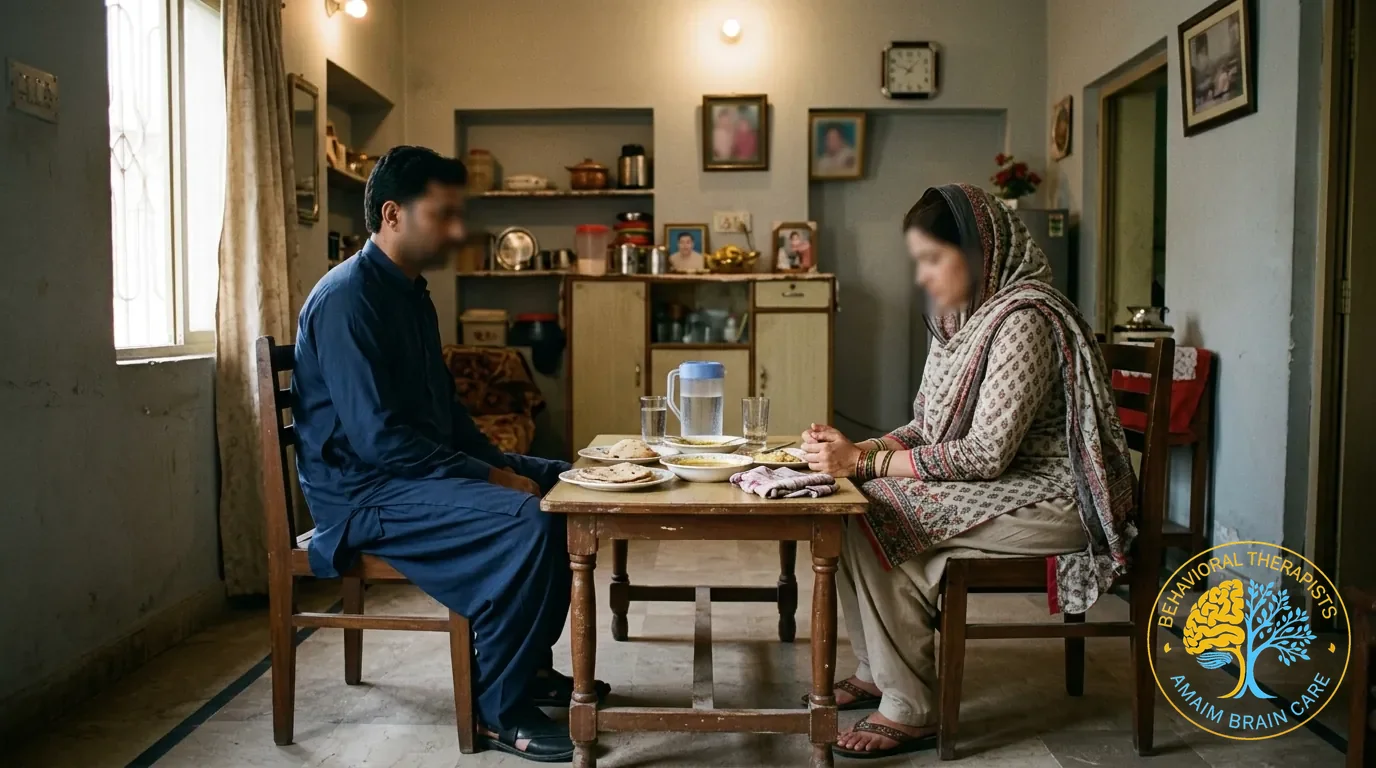
NPD ke mareez ke zulm aur chalakiyon se bachne ke liye darj zail ahem tareeqay apnana behad zaroori hain:
نارسسٹک زیادتیوں سے اپنے آپ کو محفوظ رکھنے اور ذہنی توازن بحال کرنے کے لیے درج ذیل عملی تدابیر اختیار کرنا ناگزیر ہے:
- 1. Establish Unbreakable Boundaries: Clearly define what behaviors you will no longer tolerate (e.g., yelling, name-calling, financial theft). When a boundary is violated, immediately disengage from the interaction rather than arguing.
Apni hudood tay karein ke aap badtameezi ya galian bardasht nahi kareinge, aur jese hi wo aesi harkat karein, foran wahan se hat jayein.
اپنی حدود واضح کریں کہ آپ گالی گلوچ، تذلیل یا مالی خرد برد برداشت نہیں کریں گے، اور خلاف ورزی پر بحث کرنے کے بجائے فوری طور پر گفتگو ختم کر دیں۔
- 2. Utilize the “Grey Rock” Technique: Make yourself emotionally unresponsive, bland, and uninteresting. Answer questions with brief, neutral facts, giving the narcissist zero emotional reaction to feed on.
Unke tano aur gusse par koi jazbaati radd-e-amal na dein; aese ban jayein jese ek be-jaan pathar hon taake unhein maza na aaye.
گرے راک (Grey Rock) تکنیک اپنائیں یعنی ان کی بدتمیزی اور طعنوں پر کسی قسم کا جذباتی ردعمل دینے سے گریز کریں اور پتھر کی طرح بالکل بے تاثر رہیں۔
- 3. Stop the JADE Pattern (Do Not Justify, Argue, Defend, or Explain): Recognize that a narcissist does not seek understanding; explaining your feelings only provides them with ammunition for further manipulation.
Apni safaiyan dena band karein; unhein samjhane ka koi faida nahi kyunke wo samajhna hi nahi chahte.
اپنی صفائیاں دینا اور دلائل سے منوانے کی کوشش ترک کر دیں کیونکہ نارسسٹک فرد حقائق سمجھنے کے بجائے آپ کی باتوں کو آپ ہی کے خلاف استعمال کرتا ہے۔
- 4. Build an Independent Support System and Financial Autonomy: Reconnect with trusted friends, secure personal financial resources, and maintain documentation of abusive incidents.
Apne doston aur mukhlis rishtedaron se rabta bahal karein, apne paison par qaboo rakhein aur zulm ka record mehfooz karein.
مخلص دوستوں اور رشتہ داروں سے رابطہ بحال کریں، اپنے مالی معاملات کو خود مختار بنائیں اور تمام شواہد کو محفوظ رکھیں۔
Evidence-Based Relational Healing at Amaim Brain Care
At Amaim Brain Care in Faisalabad, Dr. Ahsan Tariq Dogar, an esteemed Neuro-Psychiatrist, Behavioral Therapist, and Life Coach, provides specialized clinical support for individuals suffering from Narcissistic Personality Disorder and partners recovering from relational trauma. Through an integrated neuropsychiatric approach, our clinic delivers safe, confidential, and transformative care.
Amaim Brain Care Faisalabad mein, Dr. Ahsan Tariq Dogar (Neuro-Psychiatrist & Behavioral Therapist) narcissism aur khandani masail ke shikar logon ke liye behtareen tashkhees aur ilaj faraham karte hain. Hamara idara mareezon aur unke mutasira ghar walon ke liye pur-sukoon aur mehfooz mahol mein rehnumai karta hai.
عمائم برین کیئر فیصل آباد میں معروف ماہر امراض نفسیات و اعصابی صحت ڈاکٹر احسن طارق ڈوگر کی زیرِ نگرانی نارسسٹک ڈس آرڈر کے شکار مریضوں اور گھریلو ذہنی صدمے سے دوچار افراد کا سائنسی بنیادوں پر علاج کیا جاتا ہے۔ ہمارا کلینک مکمل رازداری اور ہمدردانہ ماحول میں طبی رہنمائی فراہم کرتا ہے۔
Our dedicated Personality Disorders Treatment framework offers specialized therapeutic modalities:
Hamari clinic par dastiyab Personality Disorders Treatment mein darj zail jadeed tareeqay shamil hain:
ہمارے کلینک پر دستیاب خصوصی پرسنلٹی ڈس آرڈرز ٹریٹمنٹ میں درج ذیل جدید سائنسی طریقے شامل ہیں:
- Trauma-Informed Psychotherapy for Victims: Evidence-based Cognitive Behavioral Therapy (CBT) and Schema Therapy to dismantle trauma bonds, treat Complex PTSD, rebuild self-esteem, and resolve chronic anxiety.
Zulm sehne wale sathi ke liye CBT aur Schema therapy taake uska khauf, depression aur trauma bond khatam ho sakay.
مظلوم شریکِ حیات کے لیے ٹروما انفارمڈ تھراپی اور سی بی ٹی جس کے ذریعے ٹروما بانڈ اور ڈپریشن کو ختم کر کے خود اعتمادی بحال کی جاتی ہے۔
- Transference-Focused Psychotherapy (TFP) for NPD: For individuals with NPD willing to engage in treatment, TFP helps integrate fragmented grandiose and vulnerable self-states, fostering genuine empathy and self-regulation.
NPD ke mareez ke liye TFP therapy taake wo apni jhooti azmat chhor kar doosron ke jazbaat ko samajh sakay.
مریض کے لیے ٹرانسفرینس فوکسڈ سائیکو تھراپی تاکہ وہ اپنی جھوٹی برتری کے خول سے نکل کر سچی ہمدردی اور رشتوں کا احترام سیکھے۔
- Structured Family and Couples Boundary Interventions: Highly structured mediation focused strictly on establishing non-negotiable behavioral boundaries and ending enabling patterns within joint households.
Khandan ke liye aese asool tay karwana jahan badtameezi aur zulm ki koi gunjayish na ho.
اہل خانہ کے لیے سخت اور غیر لچکدار اصولوں کا نفاذ تاکہ گھریلو تشدد اور بلیک میلنگ کا خاتمہ ممکن ہو سکے۔
- Integrated Treatment for Co-occurring Conditions: Comprehensive psychiatric management for comorbid Depression Treatment, Anxiety Management, and substance misuse at our clinic.
Depression, be-chaini aur nashay ki bimari ka dawayi aur therapy se mukammal ilaj.
ڈپریشن، اینگزائٹی اور نشے کے امراض کا جدید ادویات اور کونسلنگ سے مکمل سائنسی علاج۔
- Targeted Neuropharmacotherapy: Evidence-based medications to alleviate severe panic attacks, depressive despair, and sleep disturbances in traumatized partners, alongside impulse-control pharmacotherapy for dysregulated patients.
Zehni be-sukooni, neend ki kami aur gusse ko theek karne ke liye doctor ki nigrani mein mehfooz adwiyat.
ذہنی اضطراب، بے خوابی اور شدید اشتعال پر قابو پانے کے لیے مستند ماہرِ نفسیات کی زیرِ نگرانی محفوظ ادویات کا استعمال۔
Reclaiming Your Life, Dignity, and Peace of Mind
Recovering from the psychological aftermath of a narcissistic relationship is a deeply liberating journey of reclaiming your self-worth, emotional autonomy, and mental peace. You are not responsible for the narcissist’s pathology, nor can you fix their disorder through self-sacrifice. Professional psychiatric support is available at Amaim Brain Care to help you and your family break free from toxic cycles and build a peaceful future.
Narcissistic rishton ke zehni azaab se nikal kar apni pur-sukoon zindagi wapis pana aapka buniyadi haq hai. Aap kisi ke marz ke zimadar nahi hain aur na hi qurbani de kar kisi ko theek kar sakte hain. Amaim Brain Care aapko aur aapke apnon ko is mushkil se nikalne ke liye har waqt tayyar hai.
نارسسٹک رشتے کے ذہنی عذاب سے نجات پا کر اپنی عزتِ نفس اور ذہنی سکون کو دوبارہ حاصل کرنا آپ کا بنیادی حق ہے۔ آپ کسی دوسرے کے نفسیاتی مرض کے ذمہ دار نہیں ہیں اور نہ ہی اپنی ذات کو قربان کر کے کسی کو ٹھیک کر سکتے ہیں۔ عمائم برین کیئر آپ کی مکمل بحالی اور روشن مستقبل کے لیے ہر لمحہ آپ کے ساتھ ہے۔

Frequently Asked Questions
Why do relationships with a narcissist start out so wonderful and romantic?
During the initial “love-bombing” phase, the narcissist utilizes their intact cognitive empathy and charm to mirror your desires, shower you with praise, and project an image of the ideal partner. This is an unconscious or conscious strategy to secure your emotional dependence and establish control before the inevitable devaluation phase begins.
Shuru mein narcissist shakhs bohot meethi baatein karta hai aur hadd se zyada pyar jatata hai taake aap us par poora bharosa karne lagein aur uske ghulam ban jayein. Jese hi aap uske qaboo mein aate hain, uska asal be-hiss roop samne aa jata hai.
What is “Gaslighting” and how does a narcissistic partner use it?
Gaslighting is a psychological manipulation tactic where the narcissist denies objective facts, rewrites conversations, and calls you “crazy,” “oversensitive,” or “paranoid.” Over time, this causes the victim to distrust their own memory, senses, and judgment, making them completely reliant on the narcissist’s version of reality.
Gaslighting mein narcissist apni har ghalti aur jhoot se mukar jata hai aur ulta aapko kehta hai ke “tumhara dimaag kharab hai” ya “tum weham kar rahe ho,” jis se aap khud apni aql par shak karne lagte hain.
What is a “Trauma Bond” and why is it so hard to leave a narcissistic partner?
A trauma bond is a neurochemical addiction formed through intermittent cycles of abuse and reward. The extreme highs of romantic reconciliation following the terrifying lows of cruelty flood the brain with alternating surges of cortisol and dopamine, creating an intense psychological hook that mimics chemical addiction.
Trauma bond ek aesa zehni aur keemiyai nasha hai jo zulm ke baad achanak milne wale pyar ki wajah se banta hai. Insaan dukh aur aziyat sehne ke bawajood usi shakhs ki muhabbat ka aadi ho jata hai aur rishta chhorne se darta hai.
Can couples therapy or marriage counseling fix a marriage with a narcissist?
Traditional couples counseling is frequently ineffective and can be harmful if the therapist is not specialized in personality pathology, as the narcissist often manipulates the sessions to victim-blame the spouse. Effective progress requires specialized individual psychotherapy (such as Schema Therapy or TFP) for the narcissist and trauma-recovery therapy for the partner.
Aam marriage counseling aksar nakam rehti hai kyunke narcissist shakhs doctor ke samne bhi masoom ban kar sara ilzam biwi par daal deta hai. Is marz ke liye specialized nafsiati ilaj aur alag alag therapy ki zaroorat hoti hai.
How does living with a narcissistic spouse affect children in Pakistani families?
Children in such homes endure chronic tension, witnessing parental devaluation and experiencing conditional love. Narcissistic parents often pit siblings against each other (the “Golden Child” versus the “Scapegoat”), leading to severe childhood anxiety, low self-worth, depression, and difficulties forming healthy adult relationships.
Bachay musalsal khauf aur larai ke mahol mein baray hote hain. Waldain ek bachay ko sar par charhate hain aur doosray ko zaleel karte hain, jis se bachon ki shakhsiyat tabah ho jati hai aur wo baray ho kar shadeed bechaini ka shikar rehte hain.
How can I book an appointment with Dr. Ahsan Tariq Dogar?
You can book an in-person or online neuro-psychiatric consultation via reaching out via WhatsApp at 0333-6986464 for a confidential appointment.
فیصل آباد میں کلینک وزٹ یا آن لائن مشورے کے لیے آپ عمائم برین کیئر کے آفیشل واٹس ایپ لنک کے ذریعے رابطہ کر کے اپنی اپائنٹمنٹ باآسانی بک کروا سکتے ہیں، جہاں آپ کی معلومات کو مکمل صیغہ راز میں رکھا جاتا ہے۔
Sources & References
Medical & Educational Disclaimer
This content is for educational and informational purposes only and is not a substitute for professional medical advice, diagnosis, or treatment. Always consult a qualified psychiatrist or healthcare provider for any mental health concerns.