Introduction: Distinguishing Selfishness from Narcissistic Personality Disorder
In everyday conversations, social interactions, and popular media, the terms “narcissist” and “selfish” are frequently used interchangeably to describe individuals who appear arrogant, egotistical, or self-centered. However, within clinical psychiatry and neuropsychology, Narcissistic Personality Disorder (NPD) represents a complex, pervasive, and deeply entrenched psychiatric condition that extends far beyond ordinary selfishness or temporary vanity. While a selfish person may occasionally prioritize their own interests while retaining the capacity for authentic remorse, empathy, and personal growth, an individual with NPD possesses a rigid and dysfunctional personality architecture that severely impairs their emotional regulation, moral reasoning, and interpersonal functioning.
Aam guftagu aur rozmarrah zindagi mein hum aksar aese logon ko “khud-gharz”, “maghroor” ya “narcissist” keh dete hain jo sirf apni zaat ke baare mein sochte hain ya doosron par roab jamate hain. Lekin tibbi nafsiat ki roshni mein Narcissistic Personality Disorder (NPD) mamooli ananiyat ya khud-gharzi se kahin zyada gehra aur pechida dimaghi masla hai. Ek aam khud-gharz insaan zaroorat parne par apni ghalti maan sakta hai aur doosron ke dukh par sharminda bhi ho sakta hai, lekin NPD ka mareez shakhsiyat ke aese sakht aur bimar dhang mein mubtila hota hai jahan wo dil se kisi ki takleef mehsoos karne ki salahiyat se mehroom hota hai aur uski poori zindagi jhooti azmat ke gird ghoomti hai.
روزمرہ کی گفتگو اور سماجی میل جول میں ہم اکثر ایسے افراد کو “خود غرض”، “مغرور” یا “نرگسیت پسند” کہہ دیتے ہیں جو صرف اپنی ذات میں مگن رہتے ہیں یا اپنی تعریفیں سننا پسند کرتے ہیں۔ تاہم طبی نفسیات اور سائنسی تحقیق کی رو سے نارسسٹک پرسنلٹی ڈس آرڈر (NPD) محض وقتی گھمنڈ، انا پرستی یا معمولی خود غرضی کا نام نہیں ہے۔ ایک عام خود غرض انسان موقع کی مناسبت سے اپنی غلطی تسلیم کر سکتا ہے اور دوسروں کی تکلیف پر پشیمان بھی ہو سکتا ہے، لیکن نارسسٹک پرسنلٹی ڈس آرڈر کا مریض ایک ایسے مستقل اور غیر لچکدار دماغی و شخصیتی بگاڑ کا شکار ہوتا ہے جہاں وہ دلی ہمدردی کے احساس سے بالکل عاری ہوتا ہے اور اس کی پوری شخصیت جھوٹی برتری کے گرد گھومتی ہے۔
Classified as a Cluster B personality disorder in the Diagnostic and Statistical Manual of Mental Disorders (DSM-5) and the International Classification of Diseases (ICD-11), NPD is characterized by a pervasive pattern of grandiosity, an insatiable demand for excessive admiration, and a profound lack of emotional empathy. Paradoxically, beneath this exterior of supreme self-confidence lies an exceptionally fragile, hypersensitive self-esteem that cannot tolerate even the mildest perceived criticism or failure. Understanding the authentic psychiatric boundaries of NPD is essential for distinguishing personality pathology from normal human flaws and guiding individuals toward evidence-based clinical interventions.
DSM-5 aur ICD-11 ke mutabiq Narcissistic Personality Disorder ka shumar Cluster B personality disorders mein hota hai. Is beemari ki pehchan yeh hai ke mareez khud ko doosron se bohot aala aur munfarid samajhta hai, har waqt logon se tareef aur protocol ka talabgar rehta hai, aur doosron ke jazbaat ko pamal karta hai. Hairat angez baat yeh hai ke is zahiri takabbur aur akad ke peeche dar-asal ek intehai kamzor aur khaufzada ana chhuphi hoti hai jo mamooli tanqeed ya ikhtilaf par bhi shadeed ghusse aur depression mein badal jati hai. Is marz ki sciency tashkhees ko samajhna is liye zaroori hai taake mareez aur uske khandan ki sahih rehnumai ki ja sakay.
امریکن سائیکاٹرک ایسوسی ایشن کے تشخیصی مینوئل (DSM-5) اور ورلڈ ہیلتھ آرگنائزیشن کے (ICD-11) کے تحت نارسسٹک پرسنلٹی ڈس آرڈر کلسٹر بی (Cluster B) کے امراض میں شامل ہے۔ اس بیماری کی بنیادی علامات میں اپنی ذات کی جھوٹی بڑائی کا مستقل خمار، ہر وقت لوگوں سے غیر معمولی تعریف و ستائش کی طلب، اور دوسروں کے دکھ درد کو سمجھنے کی صلاحیت کا شدید فقدان شامل ہے۔ دلچسپ امر یہ ہے کہ اس ظاہری غرور اور متکبرانہ رویے کے پیچھے ایک انتہائی نازک، غیر محفوظ اور خوفزدہ انا چھپی ہوتی ہے جو معمولی سی تنقید یا ناکامی پر بھی بکھر جاتی ہے۔ اس طبی فرق کو سمجھنا بروقت تشخیص اور درست علاج کے لیے ناگزیر ہے۔
Diagnostic Criteria and Clinical Subtypes of Narcissistic Personality Disorder
According to psychiatric diagnostic standards, a formal diagnosis of Narcissistic Personality Disorder requires an enduring pattern of inner experience and behavior marked by at least five of the following nine clinical criteria manifesting across multiple social, familial, and professional contexts:
Psychiatric qawaneen ke mutabiq NPD ki rasmi tashkhees ke liye darj zail 9 alamaat mein se kam az kam 5 alamaat ka mareez ki zindagi mein mustaqil mojood hona zaroori hai jo uske ghar, daftar aur talluqat ko mutasir kar rahi hon:
طبی و نفسیاتی اصولوں کے مطابق نارسسٹک پرسنلٹی ڈس آرڈر کی باقاعدہ تشخیص کے لیے ضروری ہے کہ درج ذیل نو بنیادی علامات میں سے کم از کم پانچ علامات مریض کی عملی، خاندانی اور سماجی زندگی میں مسلسل موجود ہوں:
- 1. Grandiose Sense of Self-Importance: Exaggerating achievements, talents, and status while expecting to be recognized as superior without commensurate accomplishments.
Apne karnamon aur salahiyaton ko hadd se barha charha kar pesh karna aur bila waja doosron se VIP treatment ki umeed rakhna.
اپنی معمولی کامیابیوں اور صلاحیتوں کو مبالغہ آرائی کے ساتھ پیش کرنا اور بغیر کسی ٹھوس وجہ کے خود کو دوسروں سے برتر اور خصوصی مراعات کا مستحق سمجھنا۔
- 2. Preoccupation with Fantasies of Unlimited Success: Constant daydreaming about boundless wealth, absolute power, brilliant intellect, ideal beauty, or supreme love.
Har waqt be-inteha daulat, be-panah taqat, zabardast shohrat ya aala tareen husn ke khayali pulao pakana aur haqeeqat se daur rehna.
ہر وقت لامحدود دولت، غیر معمولی طاقت، بے مثال ذہانت، لاجواب حسن یا خیالی محبت کے سنہری خوابوں میں کھوئے رہنا اور زمینی حقائق سے لاتعلق رہنا۔
- 3. Belief in Unique Specialness: Believing that they are exceptional and can only be truly understood by, or should associate exclusively with, high-status people or elite institutions.
Yeh samajhna ke wo bohot khaas hain aur unki baat sirf ameer, aala rutbay wale log ya barray idaray hi samajh sakte hain.
یہ پختہ یقین رکھنا کہ وہ ایک انتہائی نایاب اور خاص شخصیت ہیں جنہیں صرف اعلیٰ طبقے کے بااثر لوگ یا نامور ادارے ہی سمجھ سکتے ہیں۔
- 4. Excessive Need for Admiration (Narcissistic Supply): Demanding relentless flattery, validation, praise, and attention from peers, subordinates, and family members.
Ghar walon aur doston se musalsal tareef, salamiyan aur tawajjo mangna, aur tareef na milne par naraz ho jana.
اپنے دوستوں، ماتحتوں اور اہل خانہ سے مستقل چاپلوسی، خوشامد اور تعریف کی طلب رکھنا، اور ستائش نہ ملنے پر سخت بیزاری کا اظہار کرنا۔
- 5. Pervasive Sense of Entitlement: Unreasonable expectations of especially favorable treatment, automatic compliance with demands, and bypassing rules applied to others.
Yeh yaqeen rakhna ke qanoon aur qawaid doosron ke liye hain, unke liye nahi, aur har shakhs unki marzi ka paband hai.
یہ بے جا حق جتانا کہ دنیا کے تمام قوانین اور ضوابط صرف عام لوگوں کے لیے ہیں جبکہ وہ ہر قسم کے پروٹوکول اور فوری تعمیل کے حقدار ہیں۔
- 6. Interpersonally Exploitative Behavior: Consciously or unconsciously using other individuals as transactional instruments to achieve personal ambition, financial gain, or social prestige.
Apne faiday, daulat ya shohrat ke liye doston aur rishtedaron ka istihsaal karna aur kaam nikalne ke baad unhein chhor dena.

ذاتی مقاصد، دولت کے حصول یا سماجی برتری کے لیے دوستوں اور رشتہ داروں کو آلہ کار بنانا اور ضرورت پوری ہونے پر دودھ کی مکھی کی طرح نکال پھینکنا۔
- 7. Lack of Affective Empathy: Persistent inability or refusal to recognize, validate, or care about the feelings, emotional suffering, and needs of other people.
Doosron ke dukh dard, beemari ya takleef ko mehsoos karne se mukammal inkar karna aur unka mazaq urana.
دوسروں کے جذبات، دلی تکلیف اور ضروریات کو سمجھنے یا تسلیم کرنے سے مکمل انکار کرنا اور ان کے دکھ درد کو محض ڈرامہ قرار دینا۔
- 8. Chronic Envy and Projection: Deep envy toward the success of others, paired with the persistent paranoid conviction that everyone else is intensely envious of them.
Doosron ki taraqqi dekh kar hasad ki aag mein jalna aur yeh dawah karna ke saari dunya unse hasad karti hai.
دوسروں کی خوشحالی اور کامیابی پر دل ہی دل میں شدید حسد کا شکار ہونا اور ساتھ ہی یہ دعویٰ کرنا کہ سارا زمانہ ان کی ترقی سے جلتا ہے۔
- 9. Arrogant, Haughty Behaviors: Projecting patronizing, condescending, disdainful, and snobbish attitudes toward colleagues, service workers, and family members.
Doosron ko haqarat se dekhna, ghareebon ya mulazmon se badtameezi se pesh aana aur khud ko sab se aala dikhana.
ملازمین، ماتحتوں اور عام لوگوں کے ساتھ حقارت آمیز، توہین آمیز اور متکبرانہ رویہ اختیار کرنا اور اپنی بڑائی کا رعب جمانا۔
Clinicians also recognize two distinct phenotypic presentations of the disorder. Grandiose (Overt) Narcissism presents with loud self-aggrandizement, high extraversion, dominant interpersonal aggression, and an overt sense of entitlement. In contrast, Vulnerable (Covert) Narcissism presents with introversion, chronic social anxiety, neurotic hypersensitivity, depressive defensiveness, and a perpetual sense of victimization, where grandiose entitlement remains hidden beneath feelings of bitter resentment and unacknowledged superiority.
Tibbi maahireen NPD ko do ahem aqsam mein taqseem karte hain. Pehli qisam Grandiose (Zahiri) Narcissism hai jis mein shakhs khul kar apni tareef karta hai, rob jamata hai aur dabanay ki koshish karta hai. Doosri qisam Vulnerable (Chhupi hui ya Covert) Narcissism hai jis mein shakhs bhatak kar akele rehta hai, har waqt khud ko bechara aur mazloom sabit karta hai, lekin dil mein yeh ghuroor rakhta hai ke dunya ne uski aala qabiliyat ki qadr nahi ki. Yeh doosri qisam zyada khatarnak hoti hai kyunke yeh aasani se pehchan mein nahi aati.
طبی ماہرین نارسزم کو دو بڑی ذیلی اقسام میں تقسیم کرتے ہیں۔ پہلی قسم گرانڈیوز (کھلم کھلا یا ظاہری) نارسزم ہے جس میں انسان بلند بانگ دعوے کرتا ہے، محفلوں پر چھا جانے کی کوشش کرتا ہے اور کھل کر تکبر کا اظہار کرتا ہے۔ دوسری قسم ولنریبل (پوشیدہ یا کوورٹ) نارسزم ہے، جس میں مریض بظاہر شرمیلا، خاموش طبع اور خود کو مظلوم ظاہر کرنے والا ہوتا ہے، لیکن باطن میں وہ شدید تلخی، بے جا حسد اور خود کو غیر تسلیم شدہ نابغہ سمجھنے کے وہم میں مبتلا ہوتا ہے۔ یہ پوشیدہ قسم اکثر شدید ڈپریشن اور اینگزائٹی کے بھیس میں سامنے آتی ہے۔
The Neurobiology of NPD: Brain Circuits, Empathy Pathways, and Neurochemistry
Modern structural and functional neuroimaging investigations have uncovered demonstrable neurobiological alterations in the brains of individuals with Narcissistic Personality Disorder, dispelling the archaic notion that narcissism is merely a moral defect or chosen behavior. Advanced voxel-based morphometry (VBM) and fMRI studies demonstrate significant structural deficits in the fronto-paralimbic neural networks responsible for affective empathy, emotional self-regulation, and interoception.
Jadeed dimaghi scans aur MRI tehqeeqat ne yeh sabit kar diya hai ke Narcissistic Personality Disorder koi mamooli akhlaqi kharabi nahi balki dimagh ke makhsoos hisson aur keemiyai nizam ka gehra bigaar hai. Dimagh ke un hisson mein wazeh kami dekhi gayi hai jo doosron ke jazbaat ko samajhne, duli hamdardi mehsoos karne aur apne gusse par qaboo pane ka kaam karte hain.
جدید ترین نیورو امیجنگ اور ایم آر آئی (MRI) اسکینز نے یہ سائنسی حقیقت واضح کر دی ہے کہ نارسسٹک پرسنلٹی ڈس آرڈر محض کوئی اخلاقی برائی یا بگڑی ہوئی عادت نہیں بلکہ دماغی ساخت اور اعصابی نیٹ ورکس کی باقاعدہ خرابی ہے۔ سائنسی مشاہدات سے معلوم ہوا ہے کہ دماغ کے ان فرونٹو پیرالمبک (Fronto-Paralimbic) سرکٹس میں خلیات کا حجم نمایاں طور پر کم ہو جاتا ہے جو دلی ہمدردی، شرم و ندامت اور جذباتی توازن کے ذمہ دار ہوتے ہیں۔
A primary structural finding in NPD is a marked reduction in gray matter volume and cortical thickness within the left anterior insular cortex (AI) and the rostral anterior cingulate cortex (rACC). The anterior insula is the neurobiological core of affective empathy—the somatic mechanism that enables human beings to vicariously feel another person’s emotional distress and physical pain. Because of these structural hypoplasias, individuals with NPD exhibit a severe dissociation between cognitive empathy (the intellectual ability to understand what someone else is experiencing, which remains intact and is weaponized for manipulation) and affective empathy (the visceral capacity to feel and care about that suffering, which is profoundly impaired).
NPD ke mareezon ke dimagh mein anterior insula aur rostral anterior cingulate cortex (rACC) ke hissay mein gray matter (dimaghi khulyaat) ki shadeed kami payi jati hai. Insula dimagh ka wo ahem markaz hai jo doosron ki takleef dekh kar hamare dil mein hamdardi aur dard jagata hai. Is hissay ki kamzori ki wajah se NPD ka mareez dimaag se toh samajh leta hai ke agla banda kis baat par rota hai (cognitive empathy), taake wo usay manipulate kar sakay, lekin uske dil mein doosray ke liye koi sachha dard mehsoos nahi hota (affective empathy).
نارسسٹک ڈس آرڈر میں سب سے اہم اعصابی دریافت لیفٹ انٹیریئر انسولر کورٹیکس (Anterior Insula) اور روسٹرل انٹیریئر سنگولیٹ کورٹیکس (rACC) کے گرے میٹر (Gray Matter) کے حجم میں شدید کمی ہے۔ دماغ کا انسولا وہ حصہ ہے جو کسی مظلوم کو تڑپتا دیکھ کر انسان کے سینے میں ہمدردی کی لہر پیدا کرتا ہے۔ اس اعصابی نقص کے باعث نارسسٹک مریض کے اندر “ادراکی ہمدردی” (Cognitive Empathy) تو موجود ہوتی ہے یعنی وہ عقل سے جانتا ہے کہ کسی کو کیسے بلیک میل یا قابو کیا جائے، لیکن اس کے اندر “دلی و جذباتی ہمدردی” (Affective Empathy) کا مکمل فقدان ہوتا ہے، جس سے وہ دوسروں کے آنسوؤں پر پتھر بنا رہتا ہے۔
Furthermore, functional connectivity between the ventromedial prefrontal cortex (vmPFC), dorsolateral prefrontal cortex (dlPFC), and the amygdala is significantly dysregulated. When faced with perceived disrespect, status devaluation, or failure, the amygdala fires hyperactive threat signals while the hypoactive vmPFC fails to exert top-down inhibitory control over shameful affect. This neural mismatch explains the explosive phenomenon of “narcissistic rage,” where the individual reacts to trivial ego threats with violent defensiveness to prevent their underlying shame from surfacing into conscious awareness.
Iske sath sath dimagh ke aglay hissay (prefrontal cortex) aur khauf ke markaz (amygdala) ke darmiyan rabta kharab ho jata hai. Jab koi shakhs narcissist par tanqeed kare ya uski baat na mane, toh uska amygdala achanak aag bagoola ho jata hai aur dimagh ka aqal wala hissa is gusse ko rok nahi pata. Yahi wajah hai ke yeh log mamooli baat par bhi shadeed bad-tameezi, chillane aur badla lene par utar aate hain taake unki chhupi hui sharmindagi aur ehsas-e-kamtari kisi par zahir na ho sakay.
مزید برآں، دماغ کے وینٹرومیڈیل پری فرنٹل کورٹیکس (vmPFC) اور خوف و اشتعال کے مرکز امیگڈالا (Amygdala) کے درمیان باہمی رابطہ بری طرح متاثر ہوتا ہے۔ جب کسی نارسسٹک فرد کی جھوٹی انا پر ضرب لگتی ہے یا اسے تنقید کا سامنا کرنا پڑتا ہے تو امیگڈالا خطرے کا شدید سگنل دیتا ہے جبکہ پیشانی کا کنٹرولر حصہ اس اشتعال کو قابو کرنے میں ناکام رہتا ہے۔ یہی اعصابی بگاڑ اس “نارسسٹک ریج” (Narcissistic Rage) کی وجہ بنتا ہے جس میں مریض اپنی اندرونی شرمندگی اور احساسِ کمتری کو چھپانے کے لیے غصے اور گالی گلوچ سے دوسروں کو تباہ کرنے پر تل جاتا ہے۔
At the neurochemical level, dysregulation of the mesolimbic dopaminergic reward system within the nucleus accumbens drives a pathological addiction to external validation, status markers, and power (narcissistic supply). Simultaneously, dysregulated central serotonergic (5-HT) neurotransmission impairs impulse control and mood stability, exacerbating chronic irritability and emotional volatility when external praise is withheld.
Keemiyai aitbar se dimagh mein dopamine ka nizam aesa ban jata hai jese kisi nashay ke aadi ka hota hai; mareez har waqt logon ki tareef aur power ka nasha talash karta hai. Doosri taraf serotonin chemical ki kami uski bardasht ko khatam kar deti hai, jis se tareef na milne par wo foran chidchida, udas aur ghussay mein aag bagoola ho jata hai.
کیمیائی اعتبار سے دماغ کے میسولمبک ڈوپامائن سرکٹس ایک نشے کی طرح کام کرتے ہیں جہاں مریض ہر وقت بیرونی ستائش، تعریف اور رعب و دبدبے کا متلاشی رہتا ہے۔ اس کے ساتھ ساتھ سیروٹونن (Serotonin) کی خرابی اس کی قوتِ برداشت کو ختم کر دیتی ہے جس کے باعث داد و تحسین نہ ملنے پر مریض شدید چڑچڑاپن اور جذباتی عدم توازن کا شکار ہو جاتا ہے۔
Causes and Pakistani Cultural Realities: Patriarchal Entitlement, Stigma, and Family Myths
The etiology of Narcissistic Personality Disorder stems from an intricate biopsychosocial interaction. While genetic heritability estimates range between 40% and 60%, early developmental environments play a decisive role in shaping the pathology. NPD frequently develops from two contrasting childhood parenting extremes: severe emotional neglect, invalidation, and chronic humiliation (where the child constructs a grandiose fantasy self to survive unbearable vulnerability) or excessive, boundary-free adulation, where the child is treated as a flawless prodigy while never being taught accountability or mutual empathy.
NPD ki wajoohaat mein jiniati asraat (genetics) aur bachpan ke mahol ka gehra kirdar hota hai. Tehqeeq ke mutabiq yeh beemari do mukhtalif qisam ke bachpan ke tarbiyati mahol se paida hoti hai: ya toh bachay ko bachpan mein shadeed be-izzat kiya gaya ho, us par zulm hua ho jis se bachne ke liye usne jhooti azmat ka libada orh liya, ya phir bachay ko bina kisi qanoon aur hadd ke hadd se zyada laad pyar diya gaya ho jahan uski har ghalati ko shabash bana diya gaya ho.
نارسسٹک پرسنلٹی ڈس آرڈر کی وجوہات میں جینیاتی اثرات اور بچپن کی ناقص تربیت کا بنیادی ہاتھ ہوتا ہے۔ طبی مشاہدات کے مطابق یہ عارضہ دو متضاد خاندانی رویوں کے نتیجے میں جنم لیتا ہے: یا تو بچے کو بچپن میں شدید نظر اندازی، تذلیل اور مار پیٹ کا سامنا کرنا پڑا ہو جس کے صدمے سے بچنے کے لیے اس نے اپنے گرد جھوٹی بڑائی کا خیالی قلعہ تعمیر کر لیا، یا پھر اس کے برعکس بچے کی بے جا اور اندھی خوشامد کر کے اسے بغیر کسی روک ٹوک کے پروان چڑھایا گیا ہو جہاں اسے کبھی اپنی غلطی کے اعتراف کا موقع ہی نہ ملا ہو۔
In Pakistan, cultural dynamics and patriarchal traditions often inadvertently cultivate and protect narcissistic pathology. In many households, eldest sons or male heirs are anointed as the “ghar ka chiragh” (light of the house) or “ladla beta,” enjoying absolute authority and exemption from household accountability. Toxic traits such as arrogance, demanding obedience, emotional aloofness, and explosive tempers are normalized and praised as signs of “mardana wajaahat” (masculine dignity), “khandani rob” (family dominance), or “khuddari” (pride), while the severe emotional distress inflicted on wives, younger siblings, or staff is ignored.
Hamare Pakistani muashray mein aksar mardana ananiyat aur khandan ke riwayati dhang is beemari ko barhava dete hain. Khandanon mein beton ko “ghar ka chiragh” ya “ladla” keh kar aese pala jata hai ke unki har ghalat baat ko unka “mardana rob”, “ghairat” ya “khandani dabdaba” samajh kar saraha jata hai. Agar wo biwi, behan ya mulazmeen par zulm karein toh ghar ke baray unhein samjhane ke bajaye mazloom ko “sabar” karne ki talqeen karte hain, jis se narcissism ki jarain mazeed mazboot ho jati hain.
پاکستانی معاشرے میں روایتی خاندانی ساخت اور پدر شاہی نظام اکثر نارسسٹک رویوں کی حوصلہ افزائی کا سبب بنتے ہیں۔ گھر کے بیٹوں کو “گھر کا چراغ” اور “لاڈلا” بنا کر اس طرح پالا جاتا ہے کہ ان کے متکبرانہ لہجے اور بدتمیزی کو “مردانہ رعب”، “خاندانی دبدبہ” یا “غیرت” کا نام دے کر معاف کر دیا جاتا ہے۔ بیوی، چھوٹے بہن بھائیوں یا ملازمین کی تذلیل کرنے پر ان کی سرزنش کرنے کے بجائے مظلوم کو “خاموشی اور سمجھوتے” کا درس دیا جاتا ہے، جس سے اس مرض کی جڑیں شخصیت میں مزید گہری ہو جاتی ہیں۔
Furthermore, pervasive social stigmas and metaphysical misconceptions severely obstruct psychiatric intervention. When a narcissistic individual suffers a career setback or experiences an emotional breakdown due to aging or rejection, families frequently misattribute their volatility, depressive withdrawal, or rage to “hasad” (malicious jealousy of peers), “nazar-e-bad” (the evil eye), or “kala jadoo” (black magic). Substantial sums of money and critical years are wasted consulting unregistered amils, faith practitioners, and hakeems, while the destructive interpersonal devastation continues unabated.
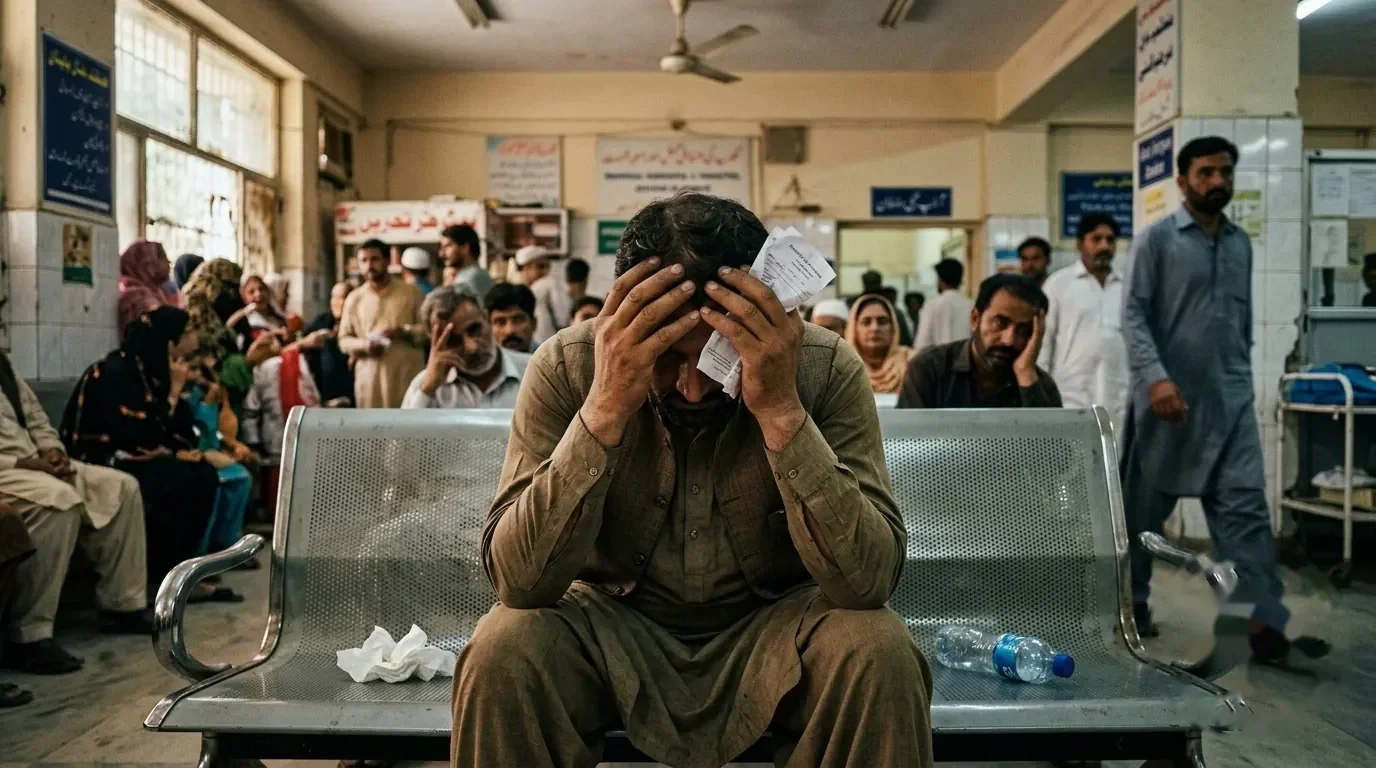
Iske ilawa hamare haan zehni bimarion ko roohani asraat se jor diya jata hai. Jab narcissist shakhs kisi nakami ya budhapay ki wajah se gusse, depression ya be-chaini ka shikar hota hai toh ghar walay kehte hain ke “kisi ne hasad se kala jadoo karwa diya hai” ya “nazar lag gayi hai”. Saalon tak amilon aur peer faqiron ke chakkar lagaye jate hain jabke asal zaroorat ek qualified psychiatrist se muaina karwane ki hoti hai.
مزید برآں، معاشرتی توہم پرستی اور ذہنی امراض کا غلط ادراک طبی علاج کی راہ میں بڑی رکاوٹ بنتا ہے۔ جب کوئی نارسسٹک فرد کسی کاروباری نقصان یا رشتوں کے ٹوٹنے پر غصے اور شدید ڈپریشن کا شکار ہوتا ہے تو اہل خانہ اسے “کسی حاسد کا کالا جادو” یا “نظرِ بد کا سایہ” قرار دیتے ہیں۔ برسوں جعلی عاملوں اور تعویذ گنڈے والوں کے پیچھے وقت اور پیسہ برباد کیا جاتا ہے، جبکہ مریض کا اصل نفسیاتی علاج مسلسل تعطل کا شکار رہتا ہے۔
Recognizing the Signs: Core Symptoms That Go Beyond Selfishness
To accurately distinguish clinical Narcissistic Personality Disorder from ordinary self-centeredness, clinicians look for specific patterns of behavior and emotional functioning across everyday life:
NPD aur mamooli khud-gharzi ke farq ko pehchanne ke liye darj zail ahem alamaat ka mushahida zaroori hai:
نارسسٹک پرسنلٹی ڈس آرڈر اور عام خود غرضی کے درمیان تمیز کرنے کے لیے روزمرہ زندگی میں درج ذیل واضح علامات پر غور کرنا ضروری ہے:
- Grandiose Defense Against Vulnerability: While a selfish person simply wants their way, a person with NPD cannot psychologically tolerate looking flawed, incompetent, or ordinary, constructing elaborate lies and rewriting past events to preserve an image of absolute perfection.
Khud-gharz banda sirf apna faida chahta hai, lekin NPD ka mareez apni kisi ghalti ya kamzori ko bardasht nahi kar sakta aur khud ko farishta sabit karne ke liye jhoot bolta hai.
عام خود غرض انسان صرف اپنا مفاد حاصل کرنا چاہتا ہے، جبکہ نارسسٹک مریض کسی بھی صورت اپنی خامی یا شکست تسلیم نہیں کر سکتا اور اپنی جھوٹی شان قائم رکھنے کے لیے حقائق کو مسخ کر دیتا ہے۔
- Addiction to Validation and Power: The individual experiences emotional emptiness, restlessness, and profound irritability whenever they are not the center of attention, actively orchestrating conversations and social environments to elicit praise.
Tareef aur tawajjo na milne par unke dil mein ajeeb khala aur be-chaini paida hoti hai, aur wo mehfil ka markaz banne ke liye chhal kapat karte hain.
ستائش اور پروٹوکول نہ ملنے پر وہ اندرونی طور پر شدید کھوکھلا پن اور بے چینی محسوس کرتے ہیں اور ہر محفل کی توجہ زبردستی اپنی طرف کھینچنے کی کوشش کرتے ہیں۔
- Narcissistic Injury and Vindictive Rage: When contradicted, given constructive feedback, or held accountable, the individual experiences a catastrophic internal collapse (“narcissistic injury”) that manifests as disproportionate, vindictive rage, character assassination, or prolonged punitive silent treatment.
Mamooli si tanqeed ya ghalti batane par unki ana zakhmi ho jati hai aur wo aag bagoola ho kar aglay bande ki izzat nilam karne aur us se badla lene par utar aate hain.
معمولی سی اصلاح یا تنقید پر ان کی جھوٹی انا مجروح ہو جاتی ہے جسے “نارسسٹک انجری” کہا جاتا ہے، جس کے جواب میں وہ انتقامی کارروائی، گالی گلوچ اور طویل بائیکاٹ کا ہتھیار استعمال کرتے ہیں۔
- Transactional and Exploitative Relationships: People in their lives—spouses, children, siblings, employees—are valued solely for what they provide (status, wealth, domestic service, admiration) and are devalued or discarded the moment their utility ceases.
Rishtay sirf apne faiday ke liye banaye jate hain; biwi, bachay aur dost sirf us waqt tak pyare hote hain jab tak wo unki ghulami aur tareef karte rahein.
تمام انسانی رشتے صرف ذاتی مفاد کے لیے بنائے جاتے ہیں؛ شریک حیات، بچے اور دوست اس وقت تک عزیز رہتے ہیں جب تک وہ ان کے احکامات کی تعمیل اور خوشامد کرتے رہیں۔
- Pathological Externalization of Blame: An individual with NPD is psychologically incapable of authentic apologies or genuine remorse; every mistake, failure, or interpersonal conflict is aggressively projected onto external scapegoats.
Wo kabhi duli maafi nahi mangte; har nakami, ghalti aur larai ka ilzam foran doosron par thop dete hain aur khud ko be-gunah sabit karte hain.
وہ کبھی سچے دل سے معافی نہیں مانگتے؛ اپنی ہر ناکامی، جرم اور جھگڑے کا ملبہ بے دردی سے دوسروں کے سر ڈال کر خود کو ہمیشہ مظلوم اور بے قصور ظاہر کرتے ہیں۔
The Downward Spiral: Narcissistic Collapse, Depression, and Mid-Life Crisis
While individuals with NPD often project an aura of invincibility during their peak years of physical health, professional status, or financial prosperity, the disorder is intrinsically unstable. As life progresses, inevitable realities such as aging, loss of physical attractiveness, occupational retirement, business failure, divorce, or chronic medical illness threaten the foundation of their grandiose false self.
Jawani, daulat aur taqat ke dauran NPD ke mareez khud ko na-qabil-e-shikast samajhte hain, lekin umar dhalne ke sath sath yeh beemari shadeed nuqsan pohanchati hai. Jab husn dhal jata hai, naukri ya karobar mein nuqsan hota hai, ya shadi toot jati hai, toh unki jhooti azmat ka sheesh mehal toot phoot ka shikar ho jata hai.
جوانی، اقتدار اور دولت کے عروج پر نارسسٹک افراد خود کو ناقابل تسخیر سمجھتے ہیں، لیکن عمر گزرنے کے ساتھ ساتھ یہ عارضہ انتہائی ہولناک موڑ لے لیتا ہے۔ جب ڈھلتی عمر، حسن کے زوال، کاروبار میں خسارے یا طلاق کی صورت میں حقیقت کا سامنا ہوتا ہے تو ان کا جھوٹا محل زمین بوس ہو جاتا ہے۔
When external validation vanishes and the individual cannot escape their perceived failure, they experience what clinical psychiatry terms a narcissistic collapse. Stripped of their defensive armor, they plunge into profound Major Depressive Episodes, severe panic disorders, somatic health anxieties, and substance misuse. During this collapsed state, the risk of impulsive self-harm and completed suicide increases markedly, as the individual views death as preferable to living with the intolerable shame of being seen as ordinary, defeated, or flawed.
Is kefiyat ko nafsiat mein narcissistic collapse kehte hain. Jab tareef ka nasha khatam hota hai toh mareez shadeed tareen depression, ghabrahat, weham aur nashay ki taraf chala jata hai. Is marhalay par mareez ke andar khud-kushi ke khayalat ka khatra bohot barh jata hai kyunke wo aam ya nakaam shakhs ban kar zinda rehne ko maut se zyada takleef deh samajhta hai.
نفسیات میں اس کیفیت کو نارسسٹک کولیپس (Narcissistic Collapse) کہا جاتا ہے۔ جب داد و تحسین کا نشہ ختم ہوتا ہے اور ناکامی چھپانا ناممکن ہو جاتا ہے تو مریض شدید ڈپریشن، پینک اٹیکس، وہمی بیماریوں اور نشے کی لت میں مبتلا ہو جاتا ہے۔ اس کیفیت میں خودکشی کا خطرہ بے پناہ بڑھ جاتا ہے کیونکہ ایک نارسسٹک انسان کے لیے ناکام یا معمولی ہو کر جینا موت سے زیادہ تکلیف دہ محسوس ہوتا ہے۔
When Should Families and Individuals Seek Psychiatric Intervention?
Families must understand that Narcissistic Personality Disorder is an enduring psychiatric condition that will not improve through emotional pleas, moral lectures, or endless familial appeasement. Enabling the individual’s grandiosity and tolerating chronic psychological abuse only accelerates family disintegration and deepens the patient’s pathology. Professional psychiatric intervention is urgently needed when the individual’s behavior causes severe marital trauma, domestic violence, financial depletion, workplace termination, or profound depressive despair.
Khandan walon ko yeh baat samajh leni chahiye ke NPD koi aesi cheez nahi jo naseehat karne, minnatein karne ya har baat manne se theek ho jaye. Unki har ghalat zid ko manna dar-asal unki beemari ko mazeed barhava deta hai. Jab ghar mein roz roz laraiyan hon, maali nuqsan ho raha ho, ya mareez shadeed gusse aur depression mein chala jaye, toh foran kisi mahir psychiatrist se rabta karna chahiye.
اہل خانہ کو یہ حقیقت تسلیم کر لینی چاہیے کہ نارسسٹک پرسنلٹی ڈس آرڈر منت سماجت، مذہبی وعظ یا مریض کے آگے جھک جانے سے کبھی ٹھیک نہیں ہوتا۔ ان کے ناروا مطالبات کے آگے ہتھیار ڈالنا بیماری کو مزید تقویت دیتا ہے۔ جب مریض کے رویے سے گھر میں مستقل ذہنی اذیت، گھریلو تشدد، معاشی تباہی یا شدید ڈپریشن جنم لے رہا ہو تو فوری طور پر مستند ماہر امراض نفسیات سے رجوع کرنا ناگزیر ہے۔
Evidence-Based Psychiatric Treatments at Amaim Brain Care
At Amaim Brain Care, Dr. Ahsan Tariq Dogar, a leading Neuro-Psychiatrist, Behavioral Therapist, and Life Coach in Faisalabad, provides comprehensive clinical evaluations and individualized treatment programs for patients and affected families. While treating Narcissistic Personality Disorder requires dedicated, long-term therapeutic engagement, modern evidence-based psychiatric modalities create profound breakthroughs in self-awareness, emotional regulation, and relational functioning.
Amaim Brain Care Faisalabad mein, Dr. Ahsan Tariq Dogar (Neuro-Psychiatrist, Behavioral Therapist & Life Coach) jadeed tareeqon aur mukammal pur-sukoon mahol mein mareezon ki tashkhees aur ilaj faraham karte hain. Agarche is marz ka ilaj lamba aur sabar talab hota hai, lekin jadeed sciency therapies ke zariye mareez ki soch aur rawaiye mein behtareen tabdeeli lanyi ja sakti hai.
عمائم برین کیئر فیصل آباد میں معروف ماہر امراض نفسیات، بیہیوریل تھراپسٹ و لائف کوچ ڈاکٹر احسن طارق ڈوگر کی زیرِ نگرانی مریضوں اور ان کے اہل خانہ کو بین الاقوامی معیار کا علاج فراہم کیا جاتا ہے۔ اگرچہ نارسسٹک ڈس آرڈر کا علاج صبر آزما اور طویل مدتی ہوتا ہے، لیکن جدید سائنسی تھراپیز کی مدد سے مریض کے اندر اپنی خامیوں کا شعور اور رشتوں کی بحالی ممکن بنائی جاتی ہے۔
Our dedicated Personality Disorders Treatment program incorporates leading specialized psychiatric modalities:
Hamari clinic par dastiyab Personality Disorders Treatment program mein darj zail ahem tareeqay shamil hain:
ہمارے کلینک پر دستیاب خصوصی پرسنلٹی ڈس آرڈرز ٹریٹمنٹ پروگرام میں درج ذیل جدید سائنسی طریقے شامل ہیں:
- Transference-Focused Psychotherapy (TFP): A manualized psychodynamic treatment that examines the moment-to-moment interactions between patient and therapist to integrate fragmented, split representations of self (the idealized grandiose self versus the devalued, defective self) into a coherent, realistic identity.
TFP therapy ke zariye mareez ki jhooti azmat aur andar chhuphi ehsas-e-kamtari ko aamne saamne la kar uski shakhsiyat ko mazboot aur pur-sukoon banaya jata hai.
ٹرانسفرینس فوکسڈ سائیکو تھراپی (TFP) کے ذریعے مریض کی جھوٹی برتری اور اندرونی احساسِ کمتری کے درمیان تضاد کو ختم کر کے اس کی شخصیت کو حقیقت پسندانہ بنیادوں پر استوار کیا جاتا ہے۔
- Schema Therapy for NPD: Identifies and dismantles Early Maladaptive Schemas such as Emotional Deprivation, Defectiveness, and Entitlement. Schema therapy specifically targets the “Self-Aggrandizer Mode” (which overcompensates for shame through grandiosity) and strengthens the “Healthy Adult Mode” to build authentic self-worth.
Schema Therapy bachpan ke un purane zakhmon aur ghalat soch ko theek karti hai jinki wajah se insaan ghuroor ka sahara leta hai, aur usay haqeeqi izzat-e-nafs sikhayi jati hai.
اسکیما تھراپی (Schema Therapy) کے ذریعے بچپن کے پرانے نفسیاتی صدمات اور عدم تحفظ کا علاج کیا جاتا ہے جو بڑے ہو کر تکبر اور جھوٹے رعب کی شکل اختیار کرتے ہیں۔
- Cognitive Behavioral Therapy (CBT) for Narcissistic Injury: Restructures black-and-white cognitive distortions, teaches concrete emotional regulation skills, and helps patients tolerate constructive feedback without reacting with explosive rage or defensive withdrawal.
CBT ke zariye mareez ko sikhaya jata hai ke tanqeed ko dushmani na samjhe aur apne ghusse par qaboo pa kar pur-aman tareeqay se guftagu kare.
کاگنیٹو بیہیوریل تھراپی (CBT) کے ذریعے مریض کو منفی سوچوں کی اصلاح، غصے پر قابو اور تنقید کو خندہ پیشانی سے برداشت کرنے کی عملی تربیت دی جاتی ہے۔
- Mentalization-Based Treatment (MBT): Trains individuals to actively perceive and interpret the internal mental states (desires, feelings, beliefs) of themselves and others, directly remediating their deficit in affective and interpersonal empathy.
MBT therapy ke zariye mareez ko doosron ke jazbaat aur unke dukh dard ko mehsoos karne ki salahiyat sikhayi jati hai.
مینٹلائزیشن بیسڈ ٹریٹمنٹ (MBT) کے ذریعے مریض کے اندر دوسروں کے جذبات اور تکلیف کو دل سے سمجھنے اور ہمدردی پیدا کرنے کی صلاحیت کو بیدار کیا جاتا ہے۔
- Integrated Dual-Diagnosis Management: Because narcissistic distress is frequently compounded by substance abuse and mood disorders, our specialized Depression Treatment and Addiction Treatment protocols ensure medical stabilization and comprehensive recovery.
Agar mareez shadeed depression ya nashay (alcohol, ice, sleeping pills) ka shikar ho toh hamara clinic behtareen dawayi aur medical nigrani faraham karta hai.
اگر مریض شدید ڈپریشن یا نشے کی لت میں مبتلا ہو تو ہمارا کلینک جدید ادویات اور ماہرانہ نگرانی کے ذریعے مکمل بحالی کی سہولت فراہم کرتا ہے۔
- Targeted Neuropharmacotherapy: While no medication cures the underlying personality structure, carefully selected psychotropic medications—including SSRIs for comorbid anxiety and depression, and low-dose mood stabilizers or atypical antipsychotics—help manage severe affective storms, paranoia, and impulsivity.
Shadeed gusse, bechaini aur depression ko fori tor par control karne ke liye doctor ki nigrani mein munasib adwiyat tajweez ki jati hain.
شدید غصے، اشتعال، وہم اور بے چینی پر قابو پانے کے لیے مستند ڈاکٹر کی زیرِ نگرانی محفوظ اور جدید ادویات تجویز کی جاتی ہیں۔
- Family Coaching and Psychoeducation: We empower spouses and relatives with structured boundaries, communication strategies, and emotional self-care protocols to stop enabling dynamics and protect family well-being.
Ghar walon ko sikhaya jata hai ke wo mareez ke ghusse aur manipulation ke aagay na jhukein aur apne zehni sukoon ko mehfooz banayein.
اہلِ خانہ کو مریض کے جذباتی استحصال سے بچنے، مضبوط حدود قائم کرنے اور گھر کا پرامن ماحول بحال رکھنے کے لیے فیملی کونسلنگ فراہم کی جاتی ہے۔
Prognosis, Long-Term Growth, and Family Healing
Achieving meaningful progress in Narcissistic Personality Disorder is a gradual journey that requires consistent therapeutic alliance, genuine willingness to confront internal vulnerability, and unwavering family boundaries. With long-term specialized psychotherapy, individuals with NPD can learn to develop authentic self-esteem, experience reciprocal empathy, and sustain loving, stable relationships. Amaim Brain Care is dedicated to providing compassionate, evidence-based psychiatric support to patients and families across Pakistan.
NPD ke ilaj mein sabar aur musalsal koshish behad zaroori hai. Sahi tareeqay se psychotherapy lene se mareez apni jhooti azmat ko chhor kar haqeeqi khushi aur rishton ki qadr seekh sakta hai. Hamara idara aapko aur aapke khandan ko pur-sukoon zindagi ki taraf lane ke liye har waqt madad faraham karne ke liye tayyar hai.
نارسسٹک پرسنلٹی ڈس آرڈر کے علاج میں صبر، مستقل مزاجی اور خاندانی تعاون کی ضرورت ہوتی ہے۔ باقاعدہ نفسیاتی علاج اور تھراپی کی مدد سے مریض اپنی جھوٹی انا کے خول سے نکل کر حقیقی خوشی اور سچے رشتوں کی قدر سیکھ سکتا ہے۔ عمائم برین کیئر آپ کی اور آپ کے خاندان کی رہنمائی اور مکمل بحالی کے لیے ہمیشہ حاضر ہے۔

Frequently Asked Questions
What is the primary difference between normal selfishness and Narcissistic Personality Disorder?
Normal selfishness is situational and flexible; a selfish individual can still experience genuine empathy, acknowledge personal errors, and feel remorse when someone they care about is hurt. In contrast, Narcissistic Personality Disorder is a rigid, enduring psychiatric disorder characterized by structural deficits in affective empathy, an insatiable demand for admiration, pervasive entitlement, and a profound inability to tolerate criticism or experience authentic guilt.
Aam khud-gharzi waqti hoti hai aur insaan apni ghalti par sharminda ho sakta hai. Lekin NPD shakhsiyat ka ek mustaqil marz hai jis mein insaan dil se hamdardi mehsoos nahi kar sakta, har waqt tareef ka bhooka rehta hai, aur apni kisi bhi ghalti ko manne se saaf inkar karta hai.
Can an individual with Narcissistic Personality Disorder truly feel love or empathy?
Individuals with NPD possess intact “cognitive empathy” (the ability to intellectually understand what others think or feel, which they often use for charm and manipulation), but they suffer from severe deficits in “affective empathy” (the emotional capacity to feel another person’s pain). Consequently, their experience of love tends to be conditional, transactional, and focused on how the partner enhances their own status or flatters their ego.
NPD ke mareez dimagh se toh samajh lete hain ke doosra shakhs kya mehsoos kar raha hai taake wo usay manipulate karein, lekin unke dil mein doosray ke liye dard mehsoos nahi hota. Unki muhabbat hamesha matlabi aur shartiya hoti hai jo sirf apni tareef karwane ke liye hoti hai.
What causes “Narcissistic Rage” when someone criticizes a narcissist?
Narcissistic rage is triggered by “narcissistic injury”—any perceived criticism, rejection, boundary, or failure that threatens the individual’s grandiose false self. Because their underlying self-esteem is fragile, the brain’s amygdala registers the critique as an existential threat, while impaired prefrontal inhibition leads to explosive outbursts, yelling, character attacks, or vindictive silence to reassert dominance.
Jab koi narcissist par tanqeed kare ya uski ghalti bataye toh uski kamzor ana par shadeed chot lagti hai jise narcissistic injury kehte hain. Is chot ke darr se wo aag bagoola ho kar chillane lagta hai aur doosray bande par ilzamat lagata hai taake apni sharmindagi ko chhuppa sakay.
What is “Covert” or “Vulnerable” Narcissism and how does it differ from overt narcissism?
Unlike overt narcissists who are loud, extroverted, and openly boastful, covert (vulnerable) narcissists appear shy, introverted, anxious, or perpetually victimized. However, they harbor the same underlying entitlement, lack of empathy, and belief in their own superiority, viewing themselves as misunderstood geniuses whose greatness the world has unfairly neglected.
Covert narcissist khul kar tareef karne ke bajaye chup chaap rehta hai, khud ko mazloom aur bechara zahir karta hai, lekin dil mein yeh ghuroor rakhta hai ke wo sab se aqalmand hai aur dunya uski qadr nahi karti. Yeh qisam aksar shadeed depression ke roop mein samne aati hai.
Can Narcissistic Personality Disorder be successfully treated with psychotherapy?
Yes. Although treating NPD requires significant time and specialized expertise, evidence-based therapies like Transference-Focused Psychotherapy (TFP), Schema Therapy, and Cognitive Behavioral Therapy (CBT) have shown substantial clinical efficacy. These therapies help patients develop genuine self-worth, tolerate vulnerability, regulate emotional rage, and build healthy interpersonal connections.
Ji haan, agarche iska ilaj lamba hota hai, lekin Transference-Focused Psychotherapy, Schema Therapy aur CBT jesi jadeed sciency therapies ke zariye mareez ki soch aur rawaiye mein behtareen behtari lanyi ja sakti hai aur wo pur-sukoon zindagi guzar sakta hai.
How can I book an appointment with Dr. Ahsan Tariq Dogar?
You can book an in-person or online neuro-psychiatric consultation via reaching out via WhatsApp at 0333-6986464 for a confidential appointment.
فیصل آباد میں کلینک وزٹ یا آن لائن مشورے کے لیے آپ عمائم برین کیئر کے آفیشل واٹس ایپ لنک کے ذریعے رابطہ کر کے اپنی اپائنٹمنٹ باآسانی بک کروا سکتے ہیں، جہاں آپ کی معلومات کو مکمل صیغہ راز میں رکھا جاتا ہے۔
Sources & References
Medical & Educational Disclaimer
This content is for educational and informational purposes only and is not a substitute for professional medical advice, diagnosis, or treatment. Always consult a qualified psychiatrist or healthcare provider for any mental health concerns.