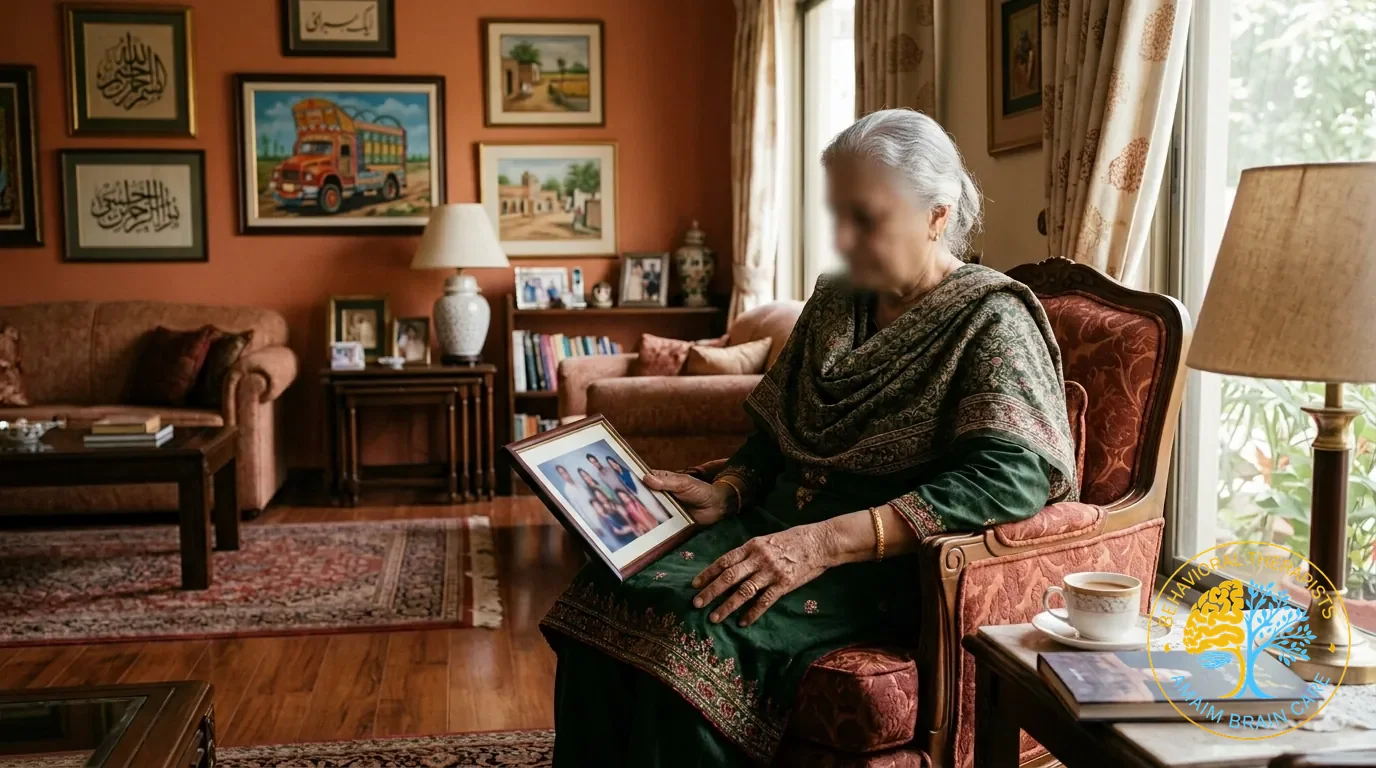
The intersection of advanced age and psychiatric vulnerability constitutes one of the most critically neglected paradigms in modern Pakistani healthcare. Within our deeply rooted socio-cultural framework in Pakistan, physical infirmity and mobility issues in the elderly are met with profound empathy, immediate family support, and aggressive medical intervention. Conversely, severe cognitive and emotional deterioration is tragically and incorrectly dismissed as the inevitable, untreatable consequence of natural aging. Families often use the colloquial term “sathiya jana” (senility) to describe what are, in reality, severe psychiatric conditions. In Pakistan’s rapidly transitioning society, the traditional joint-family system is facing new pressures. Younger generations are increasingly migrating for economic opportunities, leaving many elderly individuals socially isolated. This isolation serves as a powerful catalyst for neurochemical imbalances, triggering early-onset depression and accelerating cognitive decline. Recognizing these shifting social dynamics is critical. This fundamental misconception deprives thousands of elderly individuals of essential Geriatric Psychiatric Care, condemning them to endure their final years in profound psychological agony. Identifying the nuanced clinical warning signs of geriatric mental illness—such as structural changes in the prefrontal cortex and dysregulation of vital neurochemicals like serotonin and dopamine—is the absolute prerequisite for initiating life-altering therapeutic interventions. In older adults, the brain’s neuroplasticity is reduced, meaning that untreated psychiatric conditions can lead to rapid cognitive decline and systemic physical deterioration.
پاکستان کے موجودہ طبی اور معاشرتی نظام میں بزرگ افراد کی نفسیاتی صحت کو خطرناک حد تک نظر انداز کیا جاتا ہے۔ ہمارے خاندانی اور سماجی نظام میں بزرگوں کی جسمانی کمزوری یا نقل و حرکت کے مسائل پر تو فوری ہمدردی اور بھرپور علاج فراہم کیا جاتا ہے، لیکن ان کی شدید ذہنی اور جذباتی تنزلی کو محض “بڑھاپے کا لازمی نتیجہ” سمجھ کر چھوڑ دیا جاتا ہے۔ خاندان اکثر شدید نفسیاتی بیماریوں کو “سٹھیا جانا” کہہ کر نظر انداز کر دیتے ہیں۔ پاکستان کے تیزی سے بدلتے ہوئے معاشرے میں جوائنٹ فیملی سسٹم نئے دباؤ کا شکار ہے۔ نوجوان معاشی مواقع کے لیے نقل مکانی کر رہے ہیں، جس سے بہت سے بزرگ تنہائی کا شکار ہو رہے ہیں۔ یہ تنہائی دماغی کیمیکلز کے عدم توازن کو جنم دیتی ہے، جس سے ڈیپریشن اور یادداشت میں کمی کے مسائل پیدا ہوتے ہیں۔ یہ بنیادی غلط فہمی ہزاروں بزرگوں کو ان کے آخری سالوں میں انتہائی تکلیف دہ نفسیاتی اذیت میں مبتلا رکھتی ہے اور انہیں اس علاج سے محروم کر دیتی ہے جو ان کی زندگی کو پرسکون بنا سکتا ہے۔ بزرگوں میں ذہنی بیماریوں کی باریک طبی علامات کو پہچاننا—جیسے دماغ کے اگلے حصے (پری فرنٹل کورٹیکس) میں تبدیلیاں اور سیروٹونن اور ڈوپامائن جیسے اہم کیمیکلز کا عدم توازن—ہی ایک کامیاب علاج کی پہلی اور سب سے اہم شرط ہے۔ بڑی عمر میں دماغ کی خود کو ٹھیک کرنے کی صلاحیت کم ہو جاتی ہے، اس لیے علاج میں تاخیر ذہنی اور جسمانی تباہی کا سبب بن سکتی ہے۔
Deconstructing the Myth of “Normal Aging” | “نارمل بڑھاپے” کے جھوٹ کو سمجھنا
It is a clinical imperative to rigorously differentiate between normative age-related cognitive slowing and pathological psychiatric decline. Senility is not a recognized medical diagnosis; rather, it is an archaic, highly stigmatizing term frequently utilized to mask the presence of severe neurodegenerative and mood disorders. When families misattribute significant mood swings or memory lapses to simply ‘getting older,’ critical windows for medical intervention are missed. Modern neuroimaging techniques, such as functional MRIs and PET scans, vividly demonstrate that untreated psychiatric disorders cause measurable, progressive damage to brain tissues. The chronic elevation of stress hormones physically erodes neural pathways. While a slight, gradual reduction in neuronal processing speed or occasional benign forgetfulness regarding minor details is biologically expected as the brain’s white matter slowly degrades, profound personality alterations, intractable anhedonia (the inability to feel pleasure), and severe spatial or temporal disorientation are unequivocal indicators of active disease processes within the central nervous system. For instance, atrophy in the hippocampus is directly correlated with pathological memory loss, not “normal” aging. Pathological conditions cause significant disruptions in the delicate balance of neurotransmitters. Understanding that psychiatric illnesses in the elderly are medical conditions driven by neurobiology, genetics, and environmental stressors—rather than moral failings or unavoidable senescence—is the first step toward effective intervention.
ایک عام طبعی بڑھاپے اور خطرناک دماغی بیماری کے درمیان فرق کو سمجھنا انتہائی ضروری ہے۔ “سٹھیا جانا” کوئی مستند طبی تشخیص نہیں ہے؛ یہ ایک پرانی اور غلط اصطلاح ہے جو دراصل خطرناک دماغی بیماریوں کو چھپانے کے لیے استعمال کی جاتی ہے۔ جب خاندان والے موڈ کی تبدیلیوں یا یادداشت کی کمی کو محض بڑھاپا سمجھ لیتے ہیں، تو علاج کا قیمتی وقت ضائع ہو جاتا ہے۔ جدید ایم آر آئی (MRI) سے واضح ہوتا ہے کہ علاج نہ ہونے والی ذہنی بیماریاں دماغی خلیوں کو مستقل نقصان پہنچاتی ہیں اور مسلسل ذہنی دباؤ کے ہارمونز اعصابی نظام کو تباہ کر دیتے ہیں۔ اگرچہ بڑھاپے میں دماغی خلیوں (وائٹ میٹر) کی سست روی کی وجہ سے سوچنے کی رفتار کا قدرے کم ہونا یا چھوٹی موٹی باتیں بھول جانا ایک حیاتیاتی حقیقت ہے، لیکن بزرگ کی شخصیت کا یکسر بدل جانا، مسلسل شدید اداسی (کچھ بھی اچھا نہ لگنا)، اور وقت یا جگہ کی پہچان کھو دینا اعصابی نظام کی ایک انتہائی خطرناک بیماری کی واضح علامات ہیں۔ مثال کے طور پر، دماغ کے ایک خاص حصے (ہپوکیمپس) کا سکڑنا خطرناک حد تک یادداشت کے ختم ہونے کی وجہ بنتا ہے۔ یہ سمجھنا بہت ضروری ہے کہ بزرگوں میں نفسیاتی بیماریاں دماغی کیمیکلز، جینیات، اور ماحولیاتی دباؤ کا نتیجہ ہیں، نہ کہ محض بڑھاپے کی مجبوری، اور یہی مؤثر علاج کی جانب پہلا قدم ہے۔
Primary Clinical Warning Signs in the Geriatric Population | بزرگوں میں ذہنی بیماریوں کی اہم علامات
Psychiatric presentations in the elderly often lack the overt, highly dramatized symptomology frequently observed in younger adults. They are significantly more insidious, frequently masking themselves as somatic (physical) complaints or general failure to thrive. Due to age-related changes in the brain’s immune system (specifically microglia activity), psychological stress often manifests as systemic physical inflammation. Recognizing these hidden signs requires careful observation and an understanding of geriatric neurobiology.
بزرگوں میں نفسیاتی بیماریاں جوانوں کی طرح واضح اور شدید جذباتی انداز میں سامنے نہیں آتیں۔ یہ انتہائی خاموش ہوتی ہیں اور اکثر جسمانی بیماریوں یا عام کمزوری کے روپ میں ظاہر ہوتی ہیں۔ دماغ کے مدافعتی نظام (مائیکروگلیا) میں تبدیلیوں کی وجہ سے ذہنی دباؤ اکثر جسمانی درد اور سوزش کی شکل اختیار کر لیتا ہے۔ ان چھپی ہوئی علامات کو پہچاننے کے لیے گہرے مشاہدے کی ضرورت ہوتی ہے۔

1. The Somatization of Geriatric Depression | ڈیپریشن کا جسمانی درد میں بدل جانا
Unlike younger patients who articulate profound feelings of worthlessness, guilt, or despair, elderly individuals suffering from Severe Clinical Depression typically somatize their severe psychological distress. They will frequently present to multiple cardiologists, neurologists, or gastroenterologists with vague, shifting complaints of chronic intractable pain, profound fatigue, atypical chest pressure, and severe gastrointestinal distress. This occurs because the emotional processing centers of the brain, specifically the amygdala and the anterior cingulate cortex, misinterpret emotional agony as physical pain. Furthermore, untreated somatic depression in the elderly significantly increases the mortality risk associated with co-occurring medical conditions, such as cardiovascular disease and diabetes. When extensive medical workups, including MRIs and EKGs, reveal no underlying organic pathology, the diagnosis of masked geriatric depression must be prioritized. Treatment protocols for this often involve selective serotonin reuptake inhibitors (SSRIs) or serotonin-norepinephrine reuptake inhibitors (SNRIs), carefully titrated to restore neurochemical balance. Furthermore, structured psychotherapies such as Cognitive Behavioral Therapy (CBT) are highly efficacious in addressing the negative cognitive schemas prevalent in depressed older adults.
نوجوان مریضوں کے برعکس جو اپنی اداسی، احساسِ جرم اور مایوسی کا برملا اظہار کرتے ہیں، شدید ڈیپریشن کے شکار بزرگ افراد اپنی ذہنی تکلیف کو جسمانی درد کے ذریعے ظاہر کرتے ہیں۔ وہ دل، معدے یا اعصاب کے ڈاکٹروں کے پاس جا کر مسلسل تھکاوٹ، جسم میں نامعلوم درد، سینے میں دباؤ اور معدے کی شدید خرابی کی شکایت کرتے ہیں۔ ایسا اس لیے ہوتا ہے کیونکہ دماغ کے وہ حصے جو جذبات کو کنٹرول کرتے ہیں (جیسے ایمگڈالا)، جذباتی تکلیف کو جسمانی درد سمجھنے لگتے ہیں۔ اگر بزرگوں میں اس چھپے ہوئے ڈیپریشن کا علاج نہ کیا جائے تو یہ دل کی بیماریوں اور ذیابیطس جیسے امراض میں موت کے خطرے کو خطرناک حد تک بڑھا دیتا ہے۔ جب تمام ٹیسٹ کلیئر آئیں، تو چھپے ہوئے ڈیپریشن (Masked Depression) کی تشخیص کو ترجیح دینی چاہیے۔ اس کے علاج کے لیے ماہرین ایسی ادویات (SSRIs یا SNRIs) تجویز کرتے ہیں جو دماغ میں سیروٹونن کا توازن بحال کرتی ہیں۔ اس کے علاوہ، کاگنیٹو بیہیویورل تھراپی (CBT) جیسی نفسیاتی تھراپیز بوڑھے مریضوں کے منفی خیالات کو بدلنے میں انتہائی مؤثر ثابت ہوتی ہیں۔
2. Severe Sleep Architecture Disruption | نیند کے نظام کی مکمل تباہی
While sleep architecture normally alters with advanced age—often resulting in decreased REM sleep and frequent awakenings—severe insomnia, recurrent night terrors, or a complete reversal of the circadian rhythm (sleeping excessively during the day and pacing in a highly agitated state throughout the night) are profound clinical red flags. These sleep disruptions are frequently linked to reduced melatonin production and hyperarousal of the central nervous system. Additionally, sleep acts as the brain’s natural neuro-waste clearance system. The glymphatic system operates primarily during deep sleep, removing toxic byproducts like beta-amyloid proteins. Therefore, chronic sleep disruption not only causes immediate psychological distress and anxiety but also actively contributes to the long-term pathogenesis of severe neurodegenerative diseases. Such symptoms frequently precursor the onset of major neurocognitive disorders, severe Generalized Anxiety Disorder (GAD), or even delayed-onset Post-Traumatic Stress Disorder (PTSD) triggered by unresolved past traumas resurfacing in late life. In such cases, carefully monitored pharmacological interventions to regulate sleep architecture, alongside therapeutic methods like Exposure Therapy for trauma-related anxiety, become essential components of a holistic treatment plan.
اگرچہ بڑھاپے میں نیند کا نظام قدرتی طور پر تبدیل ہو جاتا ہے، لیکن شدید بے خوابی، راتوں کو ڈر کر اٹھنا، یا نیند کے شیڈول کا بالکل الٹ جانا (دن بھر سونا اور رات بھر انتہائی بے چینی سے جاگنا) انتہائی خطرناک علامات ہیں۔ نیند کی یہ خرابیاں دماغ میں میلاٹونن ہارمون کی کمی اور اعصابی نظام کے حد سے زیادہ فعال ہونے سے جڑی ہیں۔ گہری نیند دماغ کی صفائی کا کام کرتی ہے، جو زہریلے مادوں کو باہر نکالتی ہے۔ مسلسل بے خوابی نہ صرف بے چینی پیدا کرتی ہے بلکہ دماغ کو اندر سے تباہ بھی کرتی ہے۔ یہ اکثر بڑی دماغی بیماریوں، شدید بے چینی، یا پرانے صدمات کے بڑھاپے میں دوبارہ ابھرنے کی وجہ سے پی ٹی ایس ڈی (PTSD) کا نقطہ آغاز ہوتی ہیں۔ بزرگوں میں مسلسل نیند کی کمی دماغ کی صحت کو تیزی سے تباہ کر دیتی ہے۔ ایسے حالات میں، نیند کے نظام کو ادویات کے ذریعے کنٹرول کرنا اور صدمات کے لیے ایکسپوژر تھراپی (Exposure Therapy) جیسے علاج فراہم کرنا انتہائی ضروری ہے۔
3. Acute Cognitive and Behavioral Shifts | یادداشت اور رویے میں اچانک تبدیلی
The sudden, unexplained onset of severe confusion, profound short-term memory deficits, and unprecedented aggressive or hostile behavior is highly indicative of either rapidly progressing Dementia (such as Alzheimer’s disease, characterized by amyloid plaques and tau tangles in the brain tissue) or acute delirium. Delirium in the elderly is a medical emergency, frequently triggered by underlying physiological infections (such as UTIs), metabolic imbalances, or polypharmacy—the adverse, toxic interactions of multiple prescription medications often taken by elderly patients in Pakistan. It is crucial for families to understand that a patient experiencing psychotic symptoms or severe delirium is not in conscious control of their actions. These states are the direct result of massive neurochemical storms within the brain. Furthermore, the emergence of late-life psychosis, which includes profound paranoid ideation (e.g., the absolute, unshakable conviction that family members or caretakers are actively stealing from them or attempting to poison them) or auditory hallucinations, requires immediate specialized psychiatric evaluation. These psychotic symptoms can sometimes be indicative of late-onset Schizophrenia or severe psychotic depression, signifying severe dopamine dysregulation that necessitates immediate, targeted antipsychotic pharmacotherapy to prevent self-harm or aggression.
اچانک شدید الجھن، یادداشت کا تیزی سے ختم ہونا اور انتہائی پرتشدد یا غصے والا رویہ اختیار کرنا اس بات کی علامت ہے کہ بزرگ کو ڈیمنشیا (جیسے الزائمر کی بیماری جس میں دماغ کے اندر خطرناک پروٹین بن جاتے ہیں) ہو رہا ہے، یا پھر یہ شدید قسم کا ڈیلیریم (Delirium) ہے۔ بزرگوں میں ڈیلیریم ایک طبی ایمرجنسی ہے جو اکثر پوشیدہ انفیکشن (جیسے پیشاب کی نالی کا انفیکشن) یا بہت ساری مختلف ادویات کے زہریلے ری ایکشن کے باعث پیدا ہوتا ہے۔ خاندانوں کے لیے یہ سمجھنا انتہائی ضروری ہے کہ وہم یا شدید بے چینی کے دوران بزرگ اپنے افعال کے خود ذمہ دار نہیں ہوتے، بلکہ یہ دماغ کے اندر ہونے والے کیمیکلز کے طوفان کا نتیجہ ہوتا ہے۔ اس کے علاوہ، بڑھاپے میں سائیکوسس یعنی شدید وہم کا پیدا ہونا (مثلاً یہ پختہ یقین کر لینا کہ گھر والے ان کے پیسے چرا رہے ہیں یا انہیں زہر دینے کی کوشش کر رہے ہیں) ایک ہنگامی نفسیاتی حالت ہے۔ یہ علامات شیزوفرینیا (Schizophrenia) یا شدید ڈیپریشن کا حصہ بھی ہو سکتی ہیں، جو دماغ میں ڈوپامائن ہارمون کی شدید خرابی کو ظاہر کرتی ہیں۔ ان حالات میں فوری طور پر اینٹی سائیکوٹک ادویات کا استعمال ناگزیر ہو جاتا ہے۔
Frequently Asked Questions
How can I tell if my elderly parent has dementia or just severe depression?میں کیسے پہچانوں کہ میرے بوڑھے والد کو ڈیمنشیا ہے یا محض شدید ڈیپریشن؟
This requires expert clinical differentiation. Severe geriatric depression (pseudo-dementia) often mimics cognitive decline; the patient may say “I don’t know” to questions due to absolute apathy. In true dementia, the patient actively tries to answer but genuinely cannot recall the information. A specialist psychiatric evaluation is strictly required.
اس کے لیے ماہرانہ تشخیص کی ضرورت ہوتی ہے۔ بزرگوں کا شدید ڈیپریشن اکثر ڈیمنشیا جیسا لگتا ہے؛ مریض مکمل مایوسی کی وجہ سے سوالوں کے جواب میں “مجھے نہیں پتا” کہہ دیتا ہے۔ جبکہ سچے ڈیمنشیا میں مریض جواب دینے کی کوشش کرتا ہے لیکن واقعی اسے یاد نہیں ہوتا۔ ایک ماہر نفسیات ہی اس کا درست فرق بتا سکتا ہے۔
ذہنی اور نفسیاتی صحت کے مسائل کے حوالے سے بروقت طبی تشخیص اور مستند ڈاکٹر کی رہنمائی انتہائی ضروری ہے۔ اگر آپ یا آپ کا کوئی پیارا اس مسئلے کا سامنا کر رہا ہے تو مناسب علاج اور رہنمائی کے لیے مستند ماہر نفسیات سے فوری رجوع کریں۔
Why has my previously gentle mother become so hostile and paranoid?میری انتہائی نرم مزاج والدہ اچانک اتنی غصے والی اور وہمی کیوں ہو گئی ہیں؟
Profound, uncharacteristic hostility and paranoia are hallmark psychiatric symptoms of neurodegenerative changes in the frontal lobe, or they may indicate an acute medical infection (like a UTI) triggering delirium. It is a severe medical issue, not an intentional behavioral choice.
بزرگوں کا اچانک بہت زیادہ غصہ کرنا یا وہم میں مبتلا ہونا دماغ کے اگلے حصے (فرنٹل لوب) کی تباہی کی علامت ہے، یا پھر یہ پیشاب کی نالی کے انفیکشن (UTI) جیسی کسی جسمانی بیماری کا دماغ پر زہریلا اثر (Delirium) ہو سکتا ہے۔ یہ کوئی جان بوجھ کر کی گئی بدتمیزی نہیں بلکہ ایک سنگین بیماری ہے۔
ذہنی اور نفسیاتی صحت کے مسائل کے حوالے سے بروقت طبی تشخیص اور مستند ڈاکٹر کی رہنمائی انتہائی ضروری ہے۔ اگر آپ یا آپ کا کوئی پیارا اس مسئلے کا سامنا کر رہا ہے تو مناسب علاج اور رہنمائی کے لیے مستند ماہر نفسیات سے فوری رجوع کریں۔
Are psychiatric medications safe for an 80-year-old patient?کیا 80 سال کی عمر میں نفسیاتی ادویات کا استعمال محفوظ ہے؟
Yes, when prescribed by a highly specialized neuropsychiatrist. The pharmacology is vastly different for an 80-year-old than a 30-year-old. Dosages must be meticulously calibrated (“start low, go slow”) to account for diminished renal and hepatic function, ensuring efficacy while preventing toxicity.
جی ہاں، اگر یہ ادویات ایک مستند ماہر نفسیات نے تجویز کی ہوں۔ 80 سال اور 30 سال کی عمر کے لیے دوائی کا فارمولا بالکل مختلف ہوتا ہے۔ چونکہ بزرگوں کے گردے اور جگر کمزور ہوتے ہیں، اس لیے ماہرین انتہائی کم مقدار سے علاج شروع کرتے ہیں تاکہ مریض محفوظ رہے۔
ذہنی اور نفسیاتی صحت کے مسائل کے حوالے سے بروقت طبی تشخیص اور مستند ڈاکٹر کی رہنمائی انتہائی ضروری ہے۔ اگر آپ یا آپ کا کوئی پیارا اس مسئلے کا سامنا کر رہا ہے تو مناسب علاج اور رہنمائی کے لیے مستند ماہر نفسیات سے فوری رجوع کریں۔
Should we correct a hallucinating elderly person to bring them to reality?اگر بزرگ کو کوئی وہم ہو یا ڈراؤنی شکلیں نظر آئیں تو کیا ہمیں ان سے بحث کرنی چاہیے؟
No. Aggressively correcting a patient experiencing active psychosis or dementia-related hallucinations induces severe catastrophic reactions and intense agitation. The clinical approach involves validation of their emotional fear and gentle redirection, followed by pharmacological stabilization.
بالکل نہیں۔ اگر بزرگ کو کوئی وہم ہو رہا ہو اور آپ ان سے بحث کر کے انہیں غلط ثابت کرنے کی کوشش کریں گے تو وہ شدید پرتشدد اور بے چین ہو جائیں گے۔ طبی طریقہ یہ ہے کہ ان کے ڈر کو سمجھیں، بات کا رخ موڑیں اور ماہر ڈاکٹر کے ذریعے دوائی سے ان کا علاج کریں۔
ذہنی اور نفسیاتی صحت کے مسائل کے حوالے سے بروقت طبی تشخیص اور مستند ڈاکٹر کی رہنمائی انتہائی ضروری ہے۔ اگر آپ یا آپ کا کوئی پیارا اس مسئلے کا سامنا کر رہا ہے تو مناسب علاج اور رہنمائی کے لیے مستند ماہر نفسیات سے فوری رجوع کریں۔
Where can elderly patients receive specialized psychiatric care in Faisalabad?فیصل آباد میں بزرگوں کی نفسیاتی بیماریوں کا ماہرانہ علاج کہاں دستیاب ہے؟
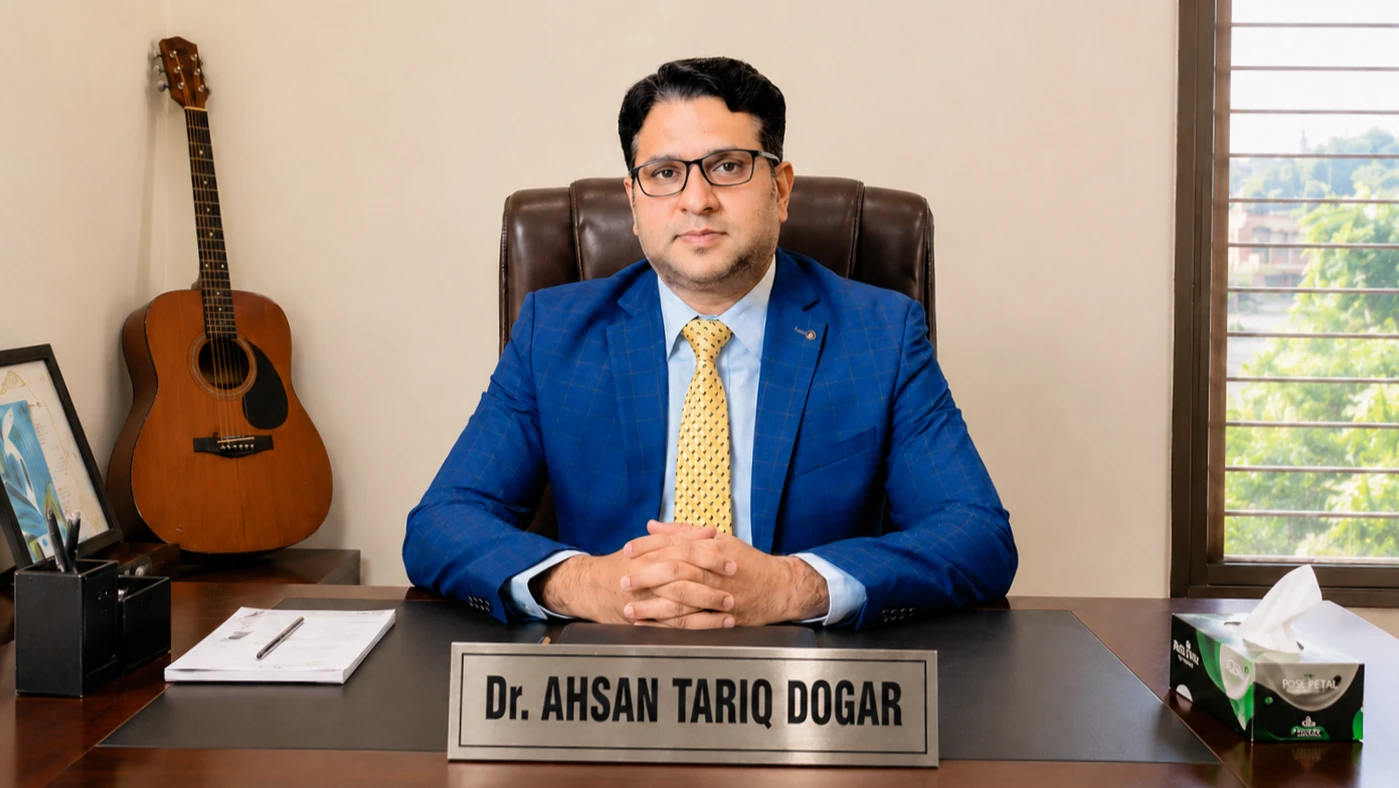
Amaim Brain Care offers elite, specialized geriatric psychiatry services. Dr. Ahsan Tariq Dogar provides comprehensive neurocognitive evaluations and tailored therapeutic interventions, available via physical consultation in Faisalabad and highly secure telepsychiatry across Pakistan.
امیم برین کیئر فیصل آباد میں بزرگوں کے لیے اعلیٰ ترین نفسیاتی سہولیات موجود ہیں۔ ڈاکٹر احسن طارق ڈوگر بزرگوں کی ذہنی اور اعصابی حالت کا تفصیلی معائنہ کر کے بہترین علاج تجویز کرتے ہیں، جو فیصل آباد کلینک اور پورے پاکستان میں آن لائن کنسلٹیشن کے ذریعے دستیاب ہے۔
ذہنی اور نفسیاتی صحت کے مسائل کے حوالے سے بروقت طبی تشخیص اور مستند ڈاکٹر کی رہنمائی انتہائی ضروری ہے۔ اگر آپ یا آپ کا کوئی پیارا اس مسئلے کا سامنا کر رہا ہے تو مناسب علاج اور رہنمائی کے لیے مستند ماہر نفسیات سے فوری رجوع کریں۔
How can I book an appointment with Dr. Ahsan Tariq Dogar?
You can book an in-person or online neuro-psychiatric consultation via reaching out via WhatsApp at 0333-6986464 for a confidential appointment.
فیصل آباد میں کلینک وزٹ یا آن لائن مشورے کے لیے آپ عمائم برین کیئر کے آفیشل واٹس ایپ لنک کے ذریعے رابطہ کر کے اپنی اپائنٹمنٹ باآسانی بک کروا سکتے ہیں، جہاں آپ کی معلومات کو مکمل صیغہ راز میں رکھا جاتا ہے۔
Sources & References
- American Psychiatric Association. Diagnostic and Statistical Manual of Mental Disorders (DSM-5-TR).
- World Health Organization (WHO). Mental Health Guidelines & Clinical Management Protocols.
- Pakistan Psychiatric Society (PPS). Clinical Practice Standards and Regional Mental Health Guidance.
Medical & Educational Disclaimer
The medical and psychiatric information provided on Amaim Brain Care is for educational purposes only. It is not intended to replace formal in-person psychiatric diagnosis, clinical assessment, or tailored prescription therapy. If you or a loved one are experiencing acute psychological distress or symptoms of a mental health condition, please seek professional evaluation from a certified psychiatrist.