In the socio-cultural fabric of Pakistan, the care of the elderly is a deeply ingrained moral and religious obligation. However, when an aging parent is struck by a severe psychiatric condition—such as advanced Geriatric Psychiatry-related conditions like Dementia, profound Geriatric Depression, or substance-induced psychosis—the traditional family support system frequently collapses under the sheer, unyielding weight of the clinical reality. Caring for a psychiatrically ill senior is not a test of filial piety; it is an extraordinarily grueling medical and psychological undertaking that invariably leads to severe “Caregiver Burnout” if not managed with absolute clinical objectivity and professional psychiatric support. In many Pakistani households, the extended family system provides a buffer, but even this is insufficient when facing neurodegenerative diseases that fundamentally alter a person’s brain chemistry and structure.
پاکستانی معاشرے میں بزرگوں کی دیکھ بھال ایک انتہائی اہم مذہبی اور اخلاقی فریضہ سمجھا جاتا ہے۔ لیکن جب کوئی بوڑھا والدین ڈیمنشیا، شدید ڈیپریشن یا کسی بھیانک ذہنی بیماری کا شکار ہو جاتا ہے، تو خاندانی نظام اس خوفناک طبی حقیقت کے بوجھ تلے اکثر ٹوٹ جاتا ہے۔ کسی نفسیاتی طور پر بیمار بزرگ کی دیکھ بھال محض خاندانی محبت یا فرض کی ادائیگی نہیں، بلکہ یہ ایک انتہائی کٹھن طبی اور نفسیاتی آزمائش ہے جو خاندان اور خاص طور پر دیکھ بھال کرنے والے (Caregiver) کو شدید ذہنی تباہی (Burnout) کا شکار کر دیتی ہے، اگر اس میں ماہر ڈاکٹر کی مدد شامل نہ ہو۔ پاکستانی گھرانوں میں عام طور پر مشترکہ خاندانی نظام موجود ہوتا ہے جو بظاہر ایک سہارا ہے، لیکن جب بات دماغی خلیوں اور کیمیکلز کو تباہ کرنے والی بیماریوں کی ہو تو یہ نظام بھی ناکام ہو جاتا ہے۔
The aging brain undergoes structural and neurochemical changes. The atrophy (shrinkage) of the prefrontal cortex, which governs executive function, impulse control, and logical reasoning, profoundly shifts a patient’s behavior. Simultaneously, dysregulation in key neurotransmitters like dopamine and serotonin can plunge an elderly person into treatment-resistant depression or agitated delirium. Without understanding the biological etiology of these behaviors, families often mistakenly interpret symptoms as stubbornness, deliberate meanness, or spiritual possession.
عمر بڑھنے کے ساتھ انسانی دماغ میں ساختی اور کیمیائی تبدیلیاں آتی ہیں۔ دماغ کے اگلے حصے (Prefrontal Cortex) کا سکڑنا، جو انسان کی قوتِ فیصلہ، غصے پر قابو اور منطقی سوچ کو کنٹرول کرتا ہے، مریض کے رویے کو مکمل طور پر بدل دیتا ہے۔ اس کے ساتھ ہی، ڈوپامائن (Dopamine) اور سیروٹونن (Serotonin) جیسے اہم دماغی کیمیکلز کا عدم توازن بزرگوں کو شدید ڈیپریشن یا خطرناک حد تک بے چینی اور غصے میں مبتلا کر سکتا ہے۔ ان رویوں کی حیاتیاتی وجوہات کو سمجھے بغیر، خاندان اکثر ان علامات کو ضد، جان بوجھ کر کی جانے والی بدتمیزی یا کسی آسیب کا سایہ سمجھ بیٹھتے ہیں۔
The Reality of Psychiatric Caregiving | ذہنی مریض بزرگ کی دیکھ بھال کی اصل حقیقت
Physical frailty is demanding, but psychiatric deterioration is devastating. When the brain’s frontal lobe physically shrinks (as in Alzheimer’s or Frontotemporal Dementia) or the amygdala becomes hyperactive, the beloved parent fundamentally ceases to exist as the person the family once knew. The clinical manifestations—intense paranoia, sudden aggression, complete memory obliteration, and severe agitation (Sundowning)—require specialized intervention, not just patience. Families in Pakistan often try to manage these symptoms with herbal remedies, excessive rest, or well-meaning but misguided religious interventions, unknowingly allowing the underlying neurodegeneration to progress unchecked.
بزرگوں کی جسمانی کمزوری کو سنبھالنا مشکل ضرور ہے، لیکن ان کی نفسیاتی تباہی کو برداشت کرنا خاندان کے لیے ایک عذاب سے کم نہیں۔ جب الزائمر یا ڈیمنشیا میں دماغ کا اگلا حصہ مر جاتا ہے، یا غصے اور ڈر کو کنٹرول کرنے والا حصہ (Amygdala) حد سے زیادہ متحرک ہو جاتا ہے، تو وہ پیارا بزرگ وہ انسان نہیں رہتا جسے آپ جانتے تھے۔ وہ شدید وہم، اچانک پرتشدد غصہ، مکمل طور پر بھول جانا اور رات کے وقت شدید بے چینی کا شکار ہو جاتے ہیں۔ ان علامات کو سنبھالنے کے لیے صرف صبر نہیں، بلکہ ایک ماہر ڈاکٹر کے مستند علاج کی ضرورت ہوتی ہے۔ پاکستان میں اکثر خاندان ان علامات کو دیسی ٹوٹکوں، زیادہ آرام کروانے یا نیک نیتی پر مبنی لیکن نامناسب روحانی علاج سے سنبھالنے کی کوشش کرتے ہیں، جس سے انجانے میں بیماری مزید بگڑ جاتی ہے۔
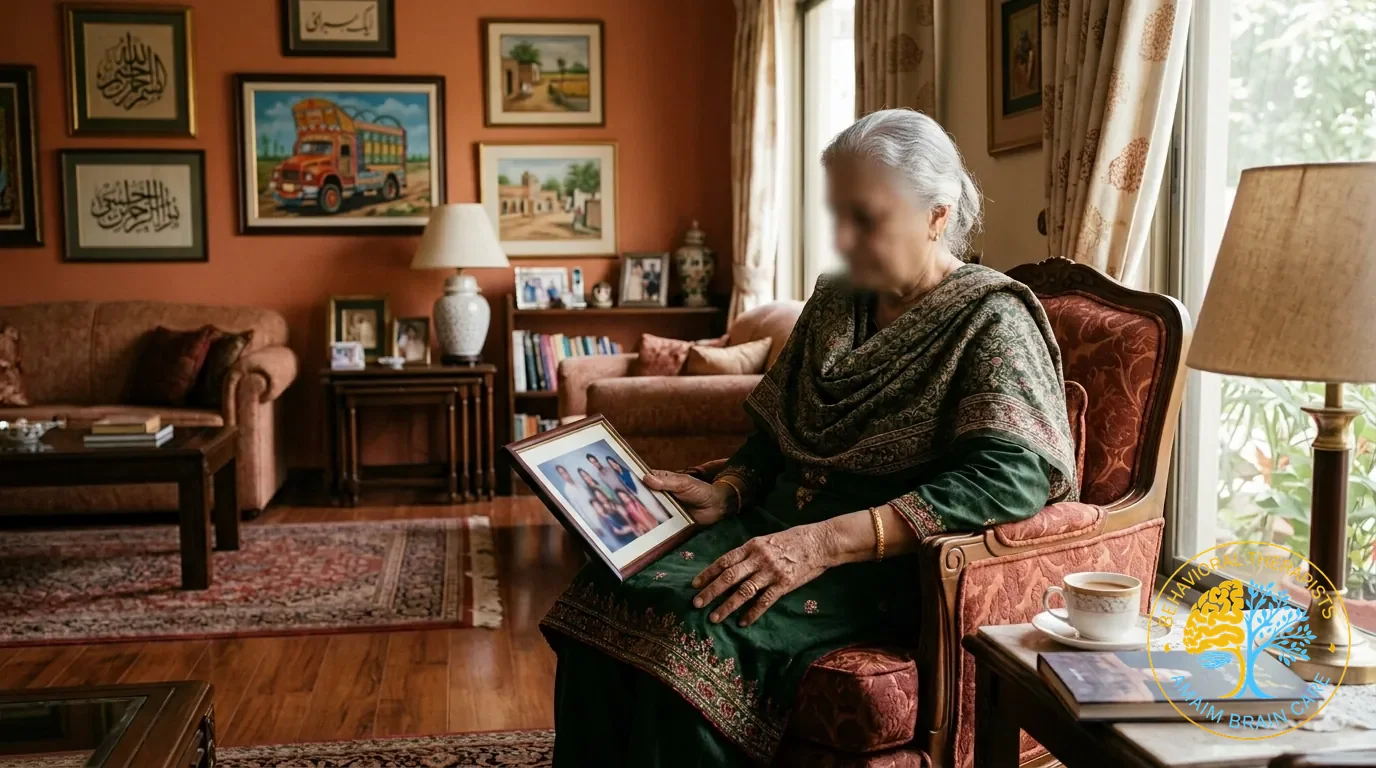
A typical scenario involves a previously gentle mother who now violently accuses her daughters-in-law of poisoning her food or stealing her jewelry. This is not a moral failing; it is a direct consequence of cortical atrophy leading to delusional disorder. In these moments, her reality is shaped by a misfiring brain. To attempt to correct her or take offense is to misunderstand the disease entirely. The appropriate psychiatric protocol often involves the use of highly specific, low-dose atypical antipsychotics—like Quetiapine or Risperidone—to restore neurochemical balance without over-sedating the fragile elderly patient.
ایک عام صورتحال یہ ہوتی ہے کہ ایک انتہائی شفیق ماں اچانک اپنی بہوؤں پر کھانے میں زہر ملانے یا زیورات چرانے کا پرتشدد الزام لگانے لگتی ہے۔ یہ ان کی اخلاقی گراوٹ نہیں ہے، بلکہ یہ دماغ کے سکڑنے کی وجہ سے پیدا ہونے والا ایک شدید وہم (Delusion) ہے۔ اس وقت ان کی حقیقت ان کا بیمار دماغ طے کر رہا ہوتا ہے۔ ایسی حالت میں ان کی اصلاح کرنے کی کوشش کرنا یا ان کی بات کا برا ماننا اس بیماری کو بالکل نہ سمجھنے کے مترادف ہے۔ صحیح نفسیاتی علاج میں اکثر انتہائی حساس اور کم مقدار میں جدید اینٹی سائیکوٹک (Atypical Antipsychotics) ادویات، جیسے کوئٹیاپین یا ریسپریڈون کا استعمال شامل ہوتا ہے، تاکہ بزرگ مریض کو زیادہ نیند لائے بغیر ان کے دماغی کیمیکلز کا توازن بحال کیا جا سکے۔
The Trap of the “Argumentative Cycle” | بحث کرنے کا مہلک جال
The most catastrophic error family members commit is attempting to use logic on an individual suffering from active neurodegeneration. If an Alzheimer’s patient insists their deceased spouse is waiting for them, correcting them does not ground them in reality; it brutally re-traumatizes them, inducing extreme panic and hostility. This is a severe failure of caregiver technique. The clinical protocol dictates “Validation Therapy”—entering the patient’s reality, validating the emotion behind the delusion, and gently redirecting their attention. For patients suffering from PTSD compounded by age, environmental triggers must also be meticulously managed.
خاندان والوں کی سب سے بڑی غلطی یہ ہوتی ہے کہ وہ ڈیمنشیا کے مریض کے ساتھ دلیل یا منطق (Logic) کے ساتھ بات کرنے کی کوشش کرتے ہیں۔ اگر الزائمر کا مریض یہ کہے کہ اس کے فوت شدہ شریکِ حیات اس کا انتظار کر رہے ہیں، تو انہیں حقیقت بتانے سے وہ ٹھیک نہیں ہوں گے بلکہ یہ صدمہ ان کے لیے ایک نیا صدمہ بن جائے گا اور وہ شدید غصے اور ڈر میں مبتلا ہو جائیں گے۔ طبی نقطہ نظر سے اسے “ویلیڈیشن تھراپی” (Validation Therapy) کے ذریعے سنبھالا جاتا ہے، یعنی مریض کی بات کو مان کر ان کے جذبات کو سکون دینا اور پھر نہایت نرمی سے ان کا دھیان کسی اور طرف موڑنا۔ ایسے بزرگ مریض جو عمر بڑھنے کے ساتھ پی ٹی ایس ڈی (PTSD) کا شکار ہیں، ان کے لیے ماحول میں موجود ان چیزوں کو بھی کنٹرول کرنا ضروری ہے جو ان کے ڈر کو بڑھاتی ہیں۔
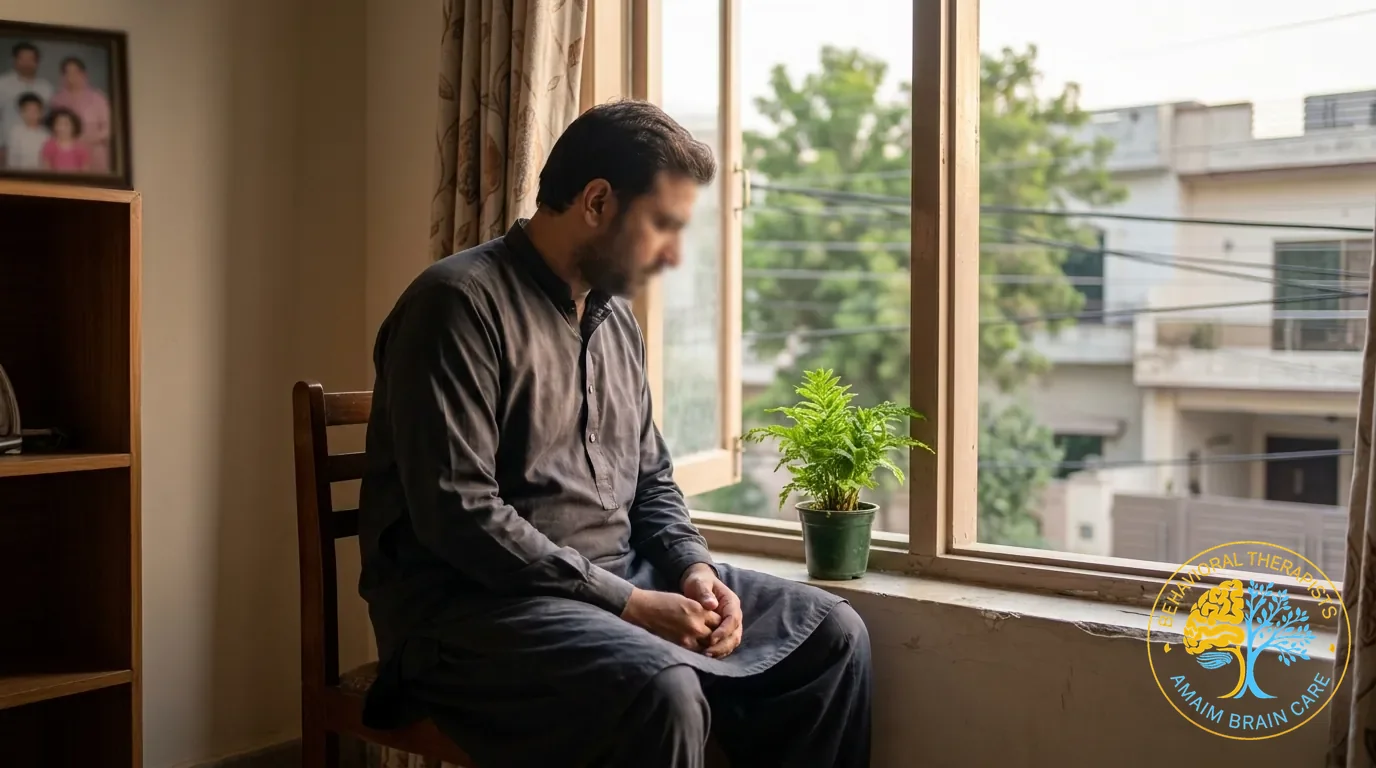
Consider the mechanism of Alzheimer’s disease: amyloid plaques and tau tangles physically destroy the neurons responsible for memory encoding in the hippocampus. When the brain cannot form a new memory, it creates a confabulation—a false memory—to fill the terrifying void. Arguing against a confabulation activates the patient’s fight-or-flight response, flooding their frail system with cortisol and adrenaline. This biological stress response can take hours to dissipate, leaving the patient exhausted and the caregiver traumatized. Behavioral interventions, such as redirecting the patient to a familiar, repetitive task, are often much more effective than rational discourse.
الزائمر کی بیماری کے میکانزم پر غور کریں: دماغ میں موجود ایمائلائیڈ پلاک (Amyloid Plaques) اور ٹاؤ ٹینگلز (Tau Tangles) ان خلیوں کو جسمانی طور پر تباہ کر دیتے ہیں جو یادداشت بنانے کے ذمہ دار ہوتے ہیں۔ جب دماغ کوئی نئی یادداشت نہیں بنا پاتا، تو وہ اس خوفناک خلا کو پُر کرنے کے لیے ایک جھوٹی یاد (Confabulation) بنا لیتا ہے۔ اس جھوٹی یاد کے خلاف بحث کرنے سے مریض کے اندر دفاعی نظام متحرک ہو جاتا ہے، جس سے ان کے کمزور جسم میں کورٹیسول اور ایڈرینالین ہارمونز کا سیلاب آ جاتا ہے۔ اس حیاتیاتی دباؤ کو ختم ہونے میں گھنٹوں لگ سکتے ہیں، جس سے مریض نڈھال اور دیکھ بھال کرنے والا صدمے کا شکار ہو جاتا ہے۔ منطقی بحث کے بجائے، مریض کی توجہ کسی مانوس اور بار بار کیے جانے والے کام کی طرف موڑنا بہت زیادہ موثر ہوتا ہے۔
Caregiver Burnout: The Silent Second Victim | دیکھ بھال کرنے والے کی خاموش موت
Clinical data highlights a grim reality: individuals who provide full-time care for a dementia patient suffer from significantly higher rates of clinical depression, cardiovascular disease, and immunological collapse compared to their peers. In Pakistan, this burden almost exclusively falls on the daughters or daughters-in-law, who are expected to endure constant verbal abuse from a paranoid patient without complaint. This societal expectation ignores the severe physiological toll of chronic, unrelenting stress. The constant vigilance required—ensuring the elderly patient does not wander off, accidentally start a fire, or overdose on medications—creates a state of hyperarousal in the caregiver’s nervous system.
طبی اعداد و شمار ایک بھیانک حقیقت بتاتے ہیں: جو افراد پورا دن ڈیمنشیا کے مریض کی دیکھ بھال کرتے ہیں، وہ عام لوگوں کی نسبت شدید ڈیپریشن، دل کی بیماریوں اور مدافعتی نظام کی تباہی کا بہت زیادہ شکار ہوتے ہیں۔ پاکستان میں یہ سارا بوجھ عموماً بیٹیوں یا بہوؤں پر ڈالا جاتا ہے، جن سے یہ توقع کی جاتی ہے کہ وہ ایک وہمی اور بیمار بزرگ کی مسلسل گالیاں اور غصہ بغیر کسی شکایت کے برداشت کریں۔ یہ معاشرتی دباؤ اس شدید جسمانی اور ذہنی نقصان کو نظر انداز کر دیتا ہے جو مسلسل اور نہ ختم ہونے والے تناؤ کی وجہ سے ہوتا ہے۔ ہر وقت کی چوکسی—یہ یقینی بنانا کہ بزرگ مریض گھر سے باہر نہ نکل جائے، غلطی سے آگ نہ لگا دے، یا دوائیوں کی زیادہ مقدار نہ لے لے—دیکھ بھال کرنے والے کے اعصابی نظام کو ہر وقت ہائی الرٹ حالت میں رکھتی ہے۔
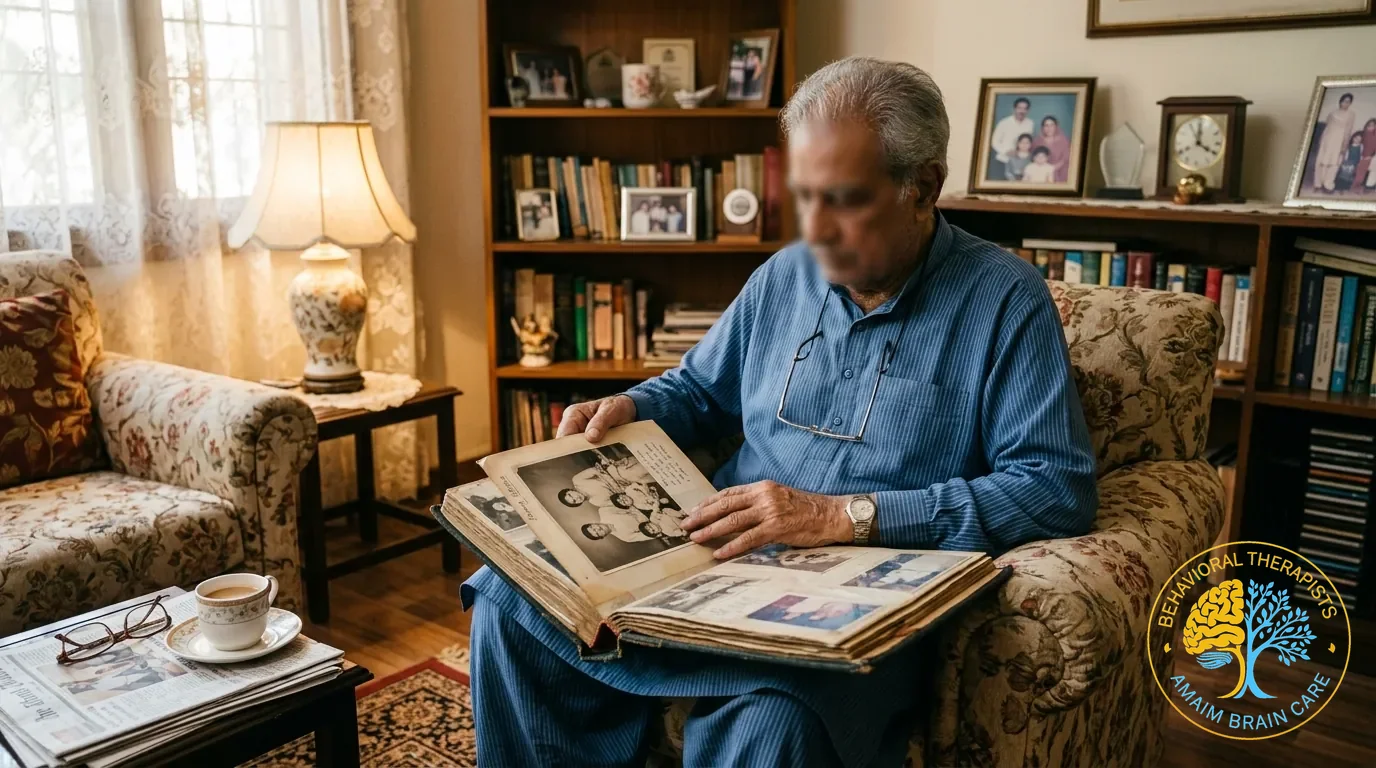
The prolonged exposure to elevated cortisol levels actively shrinks the caregiver’s own hippocampus, impairing their memory and cognitive function. This is why caregivers often report feeling “foggy” or unable to concentrate. Furthermore, the isolation inherent in caregiving cuts them off from their social support networks, exacerbating feelings of despair. It is not uncommon for a caregiver to develop their own psychiatric symptoms, ranging from generalized anxiety disorder to major depressive episodes, necessitating interventions like Selective Serotonin Reuptake Inhibitors (SSRIs) and Cognitive Behavioral Therapy (CBT).
مسلسل بڑھے ہوئے کورٹیسول ہارمون کی وجہ سے دیکھ بھال کرنے والے شخص کے اپنے دماغ کا حصہ (Hippocampus) سکڑنے لگتا ہے، جس سے ان کی اپنی یادداشت اور سوچنے سمجھنے کی صلاحیت متاثر ہوتی ہے۔ یہی وجہ ہے کہ کیئر گیورز اکثر دماغی دھندلے پن یا توجہ مرکوز نہ کر پانے کی شکایت کرتے ہیں۔ مزید برآں، دیکھ بھال کے کام میں انہیں سماجی کٹاؤ کا سامنا کرنا پڑتا ہے، جو ان کی مایوسی کے جذبات کو بڑھاتا ہے۔ یہ کوئی غیر معمولی بات نہیں کہ کیئر گیور خود مختلف نفسیاتی علامات کا شکار ہو جائے، جیسے کہ شدید بے چینی (Anxiety) سے لے کر گہرے ڈیپریشن کے دورے، جس کے علاج کے لیے ایس ایس آر آئی (SSRIs) ادویات اور کاگنیٹو بیہیویورل تھراپی (CBT) کی ضرورت پڑ سکتی ہے۔
Manifestations of Burnout | کیئر گیور برن آؤٹ کی علامات
Caregiver burnout is a severe psychiatric condition characterized by profound emotional exhaustion, intense resentment toward the patient (followed immediately by crippling guilt), chronic insomnia, and complete emotional detachment (depersonalization). It is a medical emergency that endangers both the caregiver and the patient. Symptoms often mimic those of Clinical Depression, including anhedonia (the inability to feel pleasure), significant weight changes, and in severe cases, suicidal ideation. The physical symptoms are equally alarming: chronic migraines, gastrointestinal distress, and an increased susceptibility to viral infections due to immunosuppression.
کیئر گیور برن آؤٹ (Caregiver Burnout) ایک سخت نفسیاتی بیماری ہے جس میں دیکھ بھال کرنے والا مکمل طور پر تھک کر چور ہو جاتا ہے، اسے مریض پر شدید غصہ آنے لگتا ہے (جس کے بعد وہ شدید احساسِ جرم کا شکار ہوتا ہے)، اس کی نیند بالکل اڑ جاتی ہے اور وہ جذباتی طور پر بالکل سن ہو جاتا ہے۔ یہ ایک ایمرجنسی ہے جو مریض اور کیئر گیور دونوں کے لیے خطرناک ہے۔ اس کی علامات اکثر شدید ڈیپریشن جیسی ہوتی ہیں، جن میں خوشی محسوس کرنے کی صلاحیت ختم ہو جانا، وزن میں نمایاں تبدیلی اور بعض سنگین صورتوں میں خودکشی کے خیالات شامل ہیں۔ اس کی جسمانی علامات بھی اتنی ہی خطرناک ہیں: دائمی آدھے سر کا درد، معدے کے مسائل، اور قوت مدافعت کم ہونے کی وجہ سے بار بار وائرل انفیکشن کا شکار ہونا۔
If a caregiver reaches the point of “Compassion Fatigue,” their empathy reserves are entirely depleted. They may begin to perform caregiving tasks mechanically, devoid of any warmth, or worse, unintentionally neglect the patient’s hygiene or nutritional needs out of sheer exhaustion. In Pakistan, the stigma surrounding seeking mental health support often prevents caregivers from vocalizing their distress until a catastrophic breakdown occurs. Recognizing these signs early and implementing robust psychiatric interventions is paramount to preventing a dual tragedy.
اگر دیکھ بھال کرنے والا “ہمدردی کی تھکاوٹ” (Compassion Fatigue) کی حد تک پہنچ جائے، تو اس کے اندر ہمدردی کا جذبہ بالکل ختم ہو جاتا ہے۔ وہ مریض کے کام محض ایک مشین کی طرح کرنے لگتے ہیں، جن میں کوئی اپنائیت نہیں ہوتی، یا بدتر صورت میں، شدید تھکاوٹ کی وجہ سے وہ انجانے میں مریض کی صفائی یا خوراک کو نظر انداز کرنے لگتے ہیں۔ پاکستان میں ذہنی صحت کے علاج سے جڑی شرم کی وجہ سے کیئر گیورز اکثر اس وقت تک اپنی تکلیف کا اظہار نہیں کرتے جب تک کہ وہ مکمل طور پر ٹوٹ نہ جائیں۔ ان علامات کو جلد پہچاننا اور مناسب نفسیاتی علاج شروع کروانا دونوں کو بڑی تباہی سے بچانے کے لیے ناگزیر ہے۔

Frequently Asked Questions
Why does my elderly mother accuse me of stealing from her when I care for her all day? | میری والدہ میری سارا دن کی خدمت کے باوجود مجھ پر ہی چوری کا الزام کیوں لگاتی ہیں؟
This is a classic clinical symptom known as “Dementia-related Paranoia.” Because her short-term memory is destroyed, she misplaces an item, cannot remember doing so, and her deteriorating brain automatically generates a paranoid delusion to explain the missing object. It is the disease attacking you, not your mother. | یہ ڈیمنشیا کا ایک انتہائی عام اور خطرناک وہم (Paranoia) ہے۔ چونکہ ان کی یادداشت کام نہیں کر رہی، اس لیے وہ خود چیز رکھ کر بھول جاتی ہیں اور ان کا بیمار دماغ فوراً ایک جھوٹی کہانی (وہم) بنا لیتا ہے کہ کسی نے چیز چرائی ہے۔ یہ ان کی بیماری ہے جو آپ پر الزام لگا رہی ہے، وہ جان بوجھ کر ایسا نہیں کر رہیں۔
ذہنی اور نفسیاتی صحت کے مسائل کے حوالے سے بروقت طبی تشخیص اور مستند ڈاکٹر کی رہنمائی انتہائی ضروری ہے۔ اگر آپ یا آپ کا کوئی پیارا اس مسئلے کا سامنا کر رہا ہے تو مناسب علاج اور رہنمائی کے لیے مستند ماہر نفسیات سے فوری رجوع کریں۔
Is it wrong to feel anger and resentment toward my sick father? | کیا اپنے بیمار والد پر غصہ آنا اور جھنجھلاہٹ محسوس کرنا گناہ ہے؟
Absolutely not. The severe frustration, resentment, and emotional exhaustion you feel are biologically inevitable responses to continuous, extreme psychological trauma (Caregiver Burnout). Acknowledging these feelings and seeking psychiatric support is crucial for your survival; it does not make you a bad child. | بالکل نہیں۔ ایک بیمار کی مسلسل نگہداشت کی وجہ سے جو شدید تھکاوٹ، غصہ اور جھنجھلاہٹ آپ محسوس کرتے ہیں وہ ایک بالکل فطری اور حیاتیاتی ردعمل ہے جسے Caregiver Burnout کہتے ہیں۔ اس تھکاوٹ کو ماننا اور اس کے لیے ڈاکٹر سے مدد مانگنا آپ کے زندہ رہنے کے لیے لازمی ہے، اس سے آپ برے اولاد نہیں بن جاتے۔
ذہنی اور نفسیاتی صحت کے مسائل کے حوالے سے بروقت طبی تشخیص اور مستند ڈاکٹر کی رہنمائی انتہائی ضروری ہے۔ اگر آپ یا آپ کا کوئی پیارا اس مسئلے کا سامنا کر رہا ہے تو مناسب علاج اور رہنمائی کے لیے مستند ماہر نفسیات سے فوری رجوع کریں۔
What is “Sundowning” in dementia patients? | ڈیمنشیا کے مریضوں میں “سن ڈاؤننگ” (Sundowning) کیا ہوتی ہے؟
Sundowning is a severe neurological phenomenon where a dementia patient becomes acutely agitated, highly confused, and potentially violent strictly during the late afternoon and evening hours as the sun sets. This circadian disruption requires specific, meticulously timed pharmacological management by a psychiatrist. | یہ ایک خطرناک اعصابی حالت ہے جس میں سورج غروب ہوتے ہی (شام کے وقت) ڈیمنشیا کا مریض اچانک انتہائی شدید بے چین، وہمی اور غصے والا ہو جاتا ہے۔ اسے کنٹرول کرنے کے لیے ماہر ڈاکٹر شام کے وقت خاص ادویات کا استعمال کرتے ہیں تاکہ مریض رات کو پرسکون رہ سکے۔
ذہنی اور نفسیاتی صحت کے مسائل کے حوالے سے بروقت طبی تشخیص اور مستند ڈاکٹر کی رہنمائی انتہائی ضروری ہے۔ اگر آپ یا آپ کا کوئی پیارا اس مسئلے کا سامنا کر رہا ہے تو مناسب علاج اور رہنمائی کے لیے مستند ماہر نفسیات سے فوری رجوع کریں۔
Why does the doctor prescribe anti-psychotic medicine for memory loss? | ڈاکٹر یادداشت کی کمی کے لیے پاگل پن کی دوائی (Anti-psychotic) کیوں دیتے ہیں؟
Anti-psychotics are not prescribed to cure the memory loss; they are absolutely essential to medically neutralize the severe hallucinations, violent paranoia, and intense aggression that accompany advanced dementia, making it safe for the family to interact with the patient. | یہ ادویات یادداشت ٹھیک کرنے کے لیے نہیں دی جاتیں۔ جب ڈیمنشیا کے آخری مراحل میں مریض کو شدید ڈراؤنی شکلیں نظر آتی ہیں، وہم ہوتا ہے اور وہ خاندان پر پرتشدد حملے کرتا ہے، تو ان خطرناک ادویات کو کم مقدار میں دے کر مریض کے دماغ کو ان وہموں سے نجات دلائی جاتی ہے تاکہ گھر والے محفوظ رہ سکیں۔
ذہنی اور نفسیاتی صحت کے مسائل کے حوالے سے بروقت طبی تشخیص اور مستند ڈاکٹر کی رہنمائی انتہائی ضروری ہے۔ اگر آپ یا آپ کا کوئی پیارا اس مسئلے کا سامنا کر رہا ہے تو مناسب علاج اور رہنمائی کے لیے مستند ماہر نفسیات سے فوری رجوع کریں۔
Where can both the patient and the caregiver get specialized help in Pakistan? | پاکستان میں بزرگ مریض اور ان کی دیکھ بھال کرنے والے دونوں کا مستند علاج کہاں ہوتا ہے؟
Amaim Brain Care, directed by Dr. Ahsan Tariq Dogar, specializes in holistic Geriatric Psychiatry. We provide highly advanced pharmacological treatment to stabilize the elderly patient’s severe symptoms, alongside crucial therapeutic support and clinical intervention designed specifically to cure caregiver burnout. | امیم برین کیئر میں ڈاکٹر احسن طارق ڈوگر بزرگوں کی ذہنی بیماریوں کے مستند علاج کے ساتھ ساتھ، ان کی دیکھ بھال کرنے والے افراد کی شدید ذہنی تھکاوٹ (Burnout) کا بھی مکمل علاج اور تھراپی کرتے ہیں، تاکہ پورا خاندان اس عذاب سے نکل سکے۔
ذہنی اور نفسیاتی صحت کے مسائل کے حوالے سے بروقت طبی تشخیص اور مستند ڈاکٹر کی رہنمائی انتہائی ضروری ہے۔ اگر آپ یا آپ کا کوئی پیارا اس مسئلے کا سامنا کر رہا ہے تو مناسب علاج اور رہنمائی کے لیے مستند ماہر نفسیات سے فوری رجوع کریں۔
How can I book an appointment with Dr. Ahsan Tariq Dogar?
You can book an in-person or online neuro-psychiatric consultation via reaching out via WhatsApp at 0333-6986464 for a confidential appointment.
فیصل آباد میں کلینک وزٹ یا آن لائن مشورے کے لیے آپ عمائم برین کیئر کے آفیشل واٹس ایپ لنک کے ذریعے رابطہ کر کے اپنی اپائنٹمنٹ باآسانی بک کروا سکتے ہیں، جہاں آپ کی معلومات کو مکمل صیغہ راز میں رکھا جاتا ہے۔
Sources & References
- American Psychiatric Association. Diagnostic and Statistical Manual of Mental Disorders (DSM-5-TR).
- World Health Organization (WHO). Mental Health Guidelines & Clinical Management Protocols.
- Pakistan Psychiatric Society (PPS). Clinical Practice Standards and Regional Mental Health Guidance.
Medical & Educational Disclaimer
The medical and psychiatric information provided on Amaim Brain Care is for educational purposes only. It is not intended to replace formal in-person psychiatric diagnosis, clinical assessment, or tailored prescription therapy. If you or a loved one are experiencing acute psychological distress or symptoms of a mental health condition, please seek professional evaluation from a certified psychiatrist.