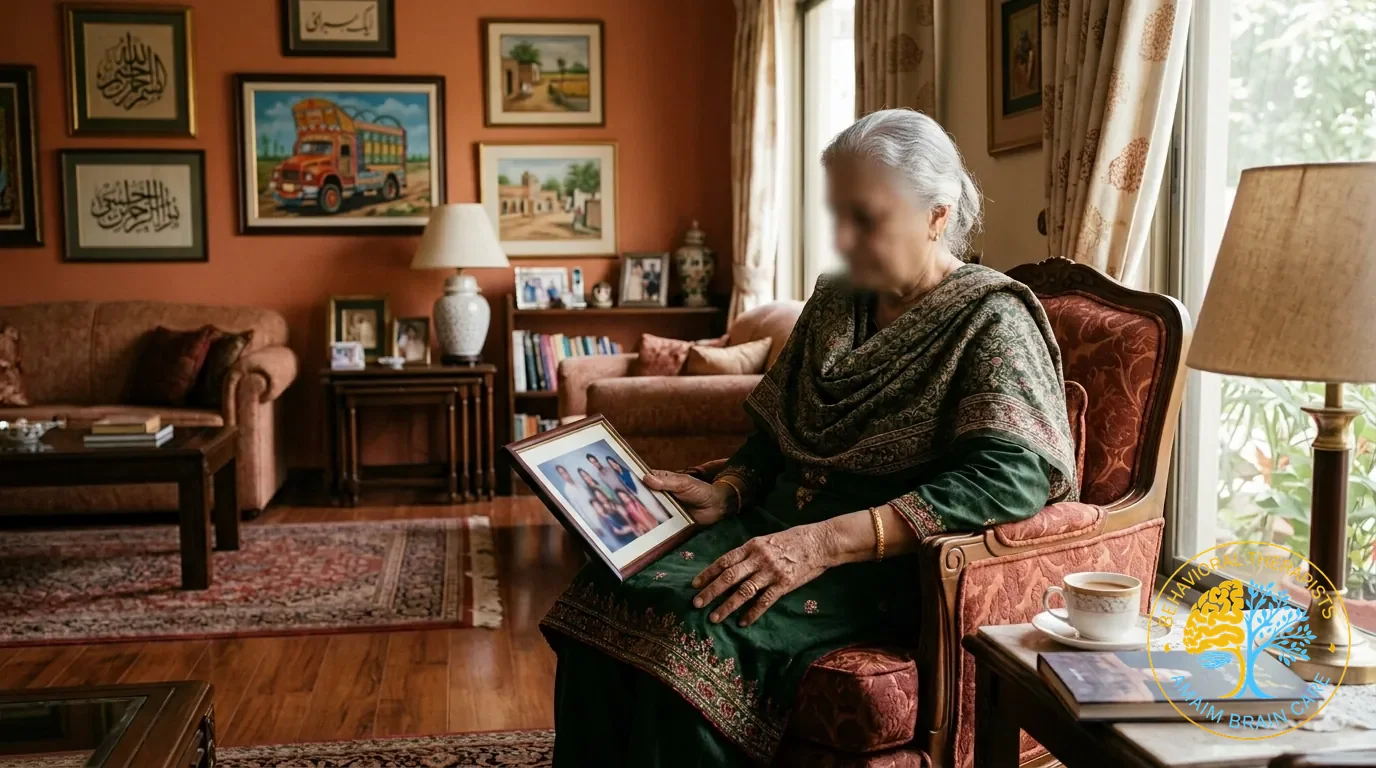
Within the specialized domain of Geriatric Psychiatry, Dementia remains one of the most profoundly misunderstood and clinically devastating neurodegenerative syndromes in Pakistan. In our society, profound memory loss and cognitive decline are frequently—and erroneously—accepted as a natural, unavoidable outcome of advanced age, often dismissed with colloquial terms like “sathiyana” (going senile) or attributed to spiritual ailments. However, Dementia is not normal aging. It is a progressive, terminal pathology characterized by severe neuronal apoptosis (irreversible brain cell death) and the gradual destruction of the brain’s complex neural networks. It systematically eradicates memory consolidation in the hippocampus, shatters logical reasoning within the prefrontal cortex, and eventually destroys the core physiological ability to perform the most basic tasks of daily survival. Early clinical differentiation between its various typologies is absolutely critical. Implementing pharmacological strategies, such as cholinesterase inhibitors, alongside structured psychoeducation, can significantly slow its ruthless progression and drastically improve the quality of life for both the patient and their exhausted caregivers.
بزرگوں کی نفسیات (Geriatric Psychiatry) کے شعبے میں ڈیمنشیا (Dementia) کا شمار ان دماغی بیماریوں میں ہوتا ہے جنہیں پاکستان میں سب سے زیادہ غلط سمجھا جاتا ہے۔ ہمارے معاشرے میں، شدید یادداشت کی کمی اور ذہنی زوال کو اکثر بڑھاپے کا ایک عام اور قدرتی نتیجہ سمجھ کر نظر انداز کر دیا جاتا ہے۔ لوگ اکثر اسے “سٹھیا جانا” کہتے ہیں یا اسے روحانی اور خاندانی مسائل سے جوڑ دیتے ہیں۔ لیکن حقیقت یہ ہے کہ ڈیمنشیا کوئی عام بڑھاپا نہیں ہے۔ یہ ایک جان لیوا اور مسلسل بڑھنے والی بیماری ہے جس میں دماغ کے خلیے (Neurons) تیزی سے اور ہمیشہ کے لیے مرنے لگتے ہیں۔ یہ بیماری دماغ کے اس حصے (Hippocampus) کو تباہ کر دیتی ہے جو یادداشت کو محفوظ کرتا ہے، اور سوچنے سمجھنے والے حصے (Prefrontal Cortex) کو مفلوج کر دیتی ہے۔ بالآخر مریض اس قابل بھی نہیں رہتا کہ وہ کھانا کھا سکے یا اپنے روزمرہ کے کام کر سکے۔ اس کی مختلف اقسام کی بروقت اور درست طبی تشخیص ہی وہ واحد راستہ ہے جس کے ذریعے مخصوص ادویات سے اس بیماری کی رفتار کو کم کیا جا سکتا ہے اور مریض کے ساتھ ساتھ اس کی دیکھ بھال کرنے والے گھر والوں کی زندگی کو بہتر بنایا جا سکتا ہے۔
The Clinical Typologies of Dementia | ڈیمنشیا کی مختلف طبی اقسام
Dementia is an overarching umbrella term encompassing several distinct neurodegenerative pathologies. Each specific type presents with unique early symptomatology, involves different neurochemical deficits (such as reduced acetylcholine or dopamine), and requires highly targeted psychiatric and neurological management protocols to prevent rapid cognitive deterioration.
ڈیمنشیا دراصل کئی مختلف دماغی بیماریوں کا ایک مجموعی نام (Umbrella term) ہے۔ ہر مخصوص قسم کی ابتدائی علامات ایک دوسرے سے بالکل مختلف ہوتی ہیں، ان میں دماغ کے مختلف کیمیکلز (جیسے ایسٹائل کولین یا ڈوپامین) کی کمی واقع ہوتی ہے، اور انہیں تیزی سے بڑھنے سے روکنے کے لیے بالکل مختلف اور مخصوص نفسیاتی علاج کی ضرورت ہوتی ہے۔
1. Alzheimer’s Disease | الزائمر کی بیماری
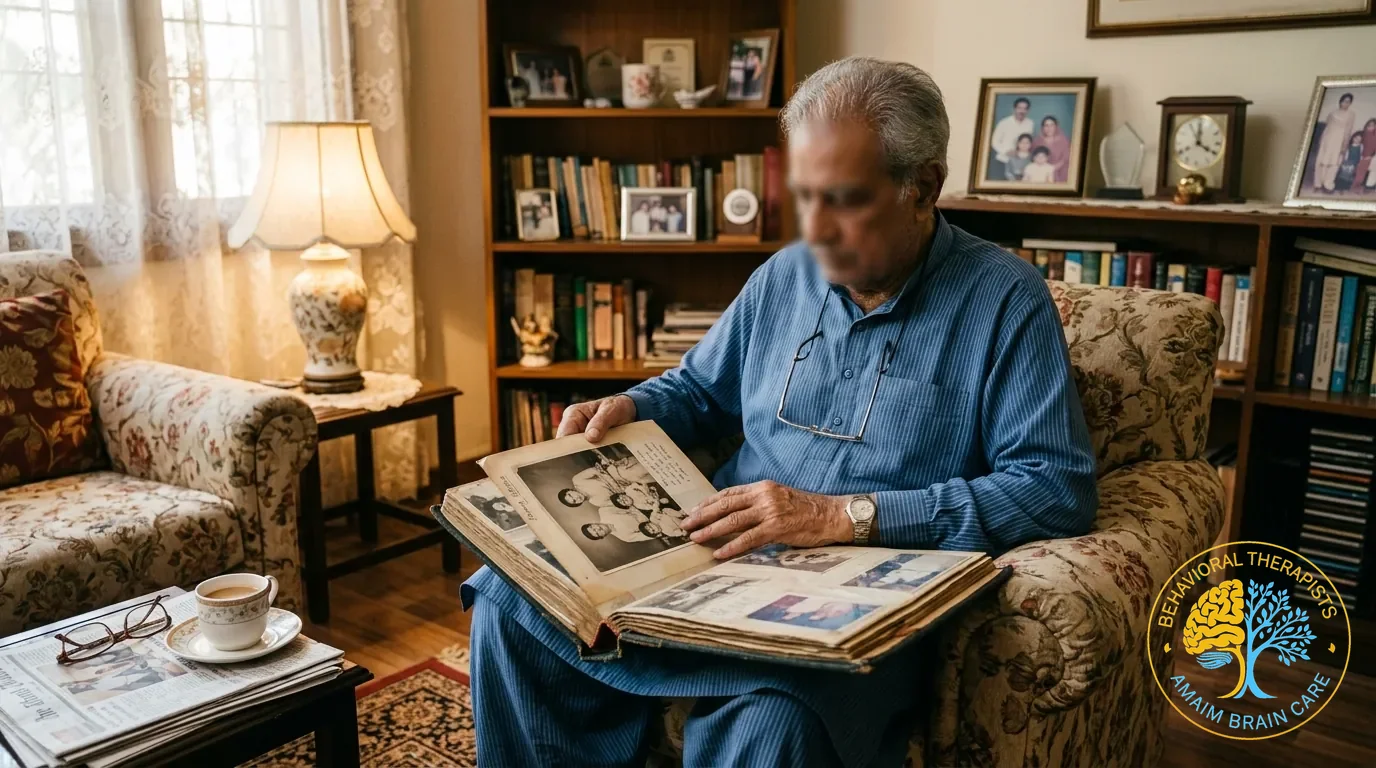
Accounting for a massive 60-80% of all dementia diagnoses globally, Alzheimer’s Disease is biologically driven by the toxic, microscopic accumulation of amyloid-beta plaques outside neurons and hyperphosphorylated tau protein tangles inside them. This dual pathology progressively suffocates and destroys brain tissue, starting prominently in the hippocampus. The hallmark initial symptom is severe, anterograde amnesia—the absolute inability to form or retain new short-term memories. A patient might vividly recall their childhood home from 1970 but will repeatedly ask a question they were comprehensively answered just five minutes prior. As the cerebral cortex physically shrinks (cortical atrophy), the patient begins to suffer from language deficits (aphasia), struggles to find the right words, and experiences severe spatial disorientation, often getting lost on their way to the local neighborhood mosque or misplacing everyday items in bizarre locations, like putting house keys in the refrigerator.
دنیا بھر میں ڈیمنشیا کے 60 سے 80 فیصد مریض الزائمر (Alzheimer’s) کا شکار ہوتے ہیں۔ اس بیماری میں دماغ کے اندر زہریلے پروٹینز (Amyloid plaques اور Tau tangles) جمع ہونا شروع ہو جاتے ہیں جو خلیوں کا گلا گھونٹ کر انہیں مار دیتے ہیں۔ اس کی سب سے بڑی اور پہلی علامت نئی یادوں کو دماغ میں محفوظ کرنے کی صلاحیت کا بالکل ختم ہو جانا ہے۔ مریض کو 50 سال پرانی باتیں تو ہو بہو یاد ہوں گی، لیکن وہ ایک ہی سوال ہر پانچ منٹ بعد بار بار پوچھے گا کیونکہ اس کا دماغ نئی بات کو چند سیکنڈ کے لیے بھی محفوظ نہیں کر پاتا۔ جیسے جیسے دماغ جسمانی طور پر سکڑتا ہے، مریض کو بولنے میں اور الفاظ ڈھونڈنے میں شدید دشواری ہوتی ہے۔ وہ اکثر اپنے ہی محلے کی مسجد کا راستہ بھول جاتا ہے یا روزمرہ کی چیزیں عجیب جگہوں پر رکھ دیتا ہے، جیسے کہ گھر کی چابیاں فریج میں رکھ دینا۔
2. Vascular Dementia | ویسکولر ڈیمنشیا (خون کی شریانوں کی خرابی)
This typology occurs strictly as a consequence of profound cerebrovascular events, such as multiple minor strokes (infarcts) or chronic restriction of blood flow to the brain (ischemia). In Pakistan, the high prevalence of unmanaged hypertension, uncontrolled diabetes, and diets rich in saturated fats make this a leading cause of cognitive decline. Unlike the steady, gradual decline seen in Alzheimer’s, Vascular Dementia frequently progresses in a “step-wise” fashion—a sudden, noticeable drop in cognitive function following a micro-stroke, followed by a plateau until the next ischemic event. The primary clinical deficit here is executive dysfunction rather than immediate memory loss. The patient completely loses the ability to plan, organize, or solve complex problems. For example, a previously sharp elder might suddenly become incapable of managing household finances, understanding utility bills, or making simple decisions.
یہ بیماری دماغ کی شریانوں میں خون کی روانی بند ہونے یا بار بار چھوٹے فالج کے حملوں (Strokes) کی وجہ سے ہوتی ہے۔ پاکستان میں بلڈ پریشر اور شوگر کا کنٹرول نہ ہونا اور غیر صحت بخش خوراک اس بیماری کی بڑی وجوہات ہیں۔ الزائمر کی سست اور مسلسل رفتاری کے برعکس، اس بیماری میں مریض کی حالت سیڑھیوں کی طرح اچانک گرتی ہے—یعنی ایک چھوٹا فالج کا دورہ پڑنے کے بعد اچانک دماغ کا ایک حصہ کام کرنا چھوڑ دیتا ہے، اور پھر کچھ عرصہ حالت وہیں رکی رہتی ہے۔ اس کی سب سے بڑی علامت ابتدا میں یادداشت کا جانا نہیں، بلکہ دماغ کی اس صلاحیت کا ختم ہونا ہے جس سے انسان اپنے کاموں کی منصوبہ بندی کرتا ہے یا حساب کتاب کر پاتا ہے۔ مثال کے طور پر، ایک انتہائی سمجھدار بزرگ اچانک گھر کے خرچے کا حساب رکھنے یا بجلی کا بل سمجھنے کے قابل نہیں رہتا۔
3. Lewy Body Dementia (LBD) | لیوی باڈی ڈیمنشیا
Lewy Body Dementia presents a highly complex, terrifying, and rapidly fluctuating clinical picture. It is caused by abnormal deposits of alpha-synuclein proteins (Lewy bodies) heavily disrupting the brain’s neurochemical balance, particularly depleting dopamine and acetylcholine. Patients experience extreme fluctuations in alertness and cognition throughout the day; they may be completely lucid in the morning but profoundly confused by the afternoon. The hallmark symptoms are incredibly vivid, fully formed visual hallucinations—such as seeing small children or animals playing in the room that are simply not there. In addition, patients develop severe motor deficits that closely mimic Parkinson’s disease, including a rigid posture, a shuffling gait, and resting tremors. Crucially, these patients possess a severe, potentially fatal hypersensitivity to traditional antipsychotic medications. If prescribed standard neuroleptics to control their hallucinations, their motor symptoms can become rigidly paralyzed. This makes specialized, cautious intervention by an expert Consultant Neuropsychiatrist absolutely imperative.

اس بیماری میں دماغ کے اندر غیر معمولی پروٹینز (Lewy bodies) جمع ہو جاتے ہیں جو دماغ کے اہم کیمیکلز (جیسے ڈوپامین) کو تباہ کر دیتے ہیں۔ یہ ڈیمنشیا کی ایک انتہائی خوفناک قسم ہے۔ اس میں مریض کی ذہنی حالت اور ہوش و حواس دن بھر تیزی سے بدلتے رہتے ہیں؛ ہو سکتا ہے کہ صبح وہ بالکل ٹھیک باتیں کر رہے ہوں اور دوپہر تک مکمل کنفیوژن کا شکار ہو جائیں۔ اس کی سب سے بڑی نشانی یہ ہے کہ مریض کو بالکل حقیقی اور واضح شکلیں، بچے، یا جانور نظر آتے ہیں جو دراصل وہاں نہیں ہوتے (Hallucinations)۔ اس کے علاوہ مریض کے پٹھے بالکل اکڑ جاتے ہیں، وہ پاؤں گھسیٹ کر چلتا ہے اور اس کے ہاتھ کانپتے ہیں، جو بالکل پارکنسن (Parkinson’s) کی بیماری کی طرح لگتا ہے۔ سب سے اہم بات یہ ہے کہ ان مریضوں کے لیے عام نفسیاتی ادویات (Antipsychotics) زہر قاتل ثابت ہو سکتی ہیں۔ اگر انہیں وہم کنٹرول کرنے کے لیے عام دوائی دی جائے تو ان کا جسم مکمل طور پر مفلوج ہو سکتا ہے۔ اس لیے ڈاکٹر احسن طارق ڈوگر جیسے ماہر ڈاکٹر کی انتہائی احتیاط پر مبنی تشخیص ناگزیر ہے۔
4. Frontotemporal Dementia (FTD) | فرنٹل لوب ڈیمنشیا
Frontotemporal Dementia strikes significantly younger demographics, often manifesting between the ages of 45 and 65. This insidious disease ruthlessly and selectively targets the frontal and temporal lobes of the brain, completely obliterating the neural circuits governing personality, empathy, and social impulse control. Memory frequently remains surprisingly intact in the early to middle stages, misleading families into thinking the patient’s behavior is intentional. However, the patient exhibits shocking behavioral and personality mutations: profound emotional apathy, highly inappropriate social or sexual conduct in public, extreme hypersexuality, or the compulsive hoarding and binge-eating of sweet foods. In severe cases, it can mimic symptoms of Schizophrenia or acute mania. This condition causes immense trauma to the family, who often view the patient as having become intentionally malevolent, selfish, or morally corrupt, rather than recognizing it as the devastating consequence of frontocortical brain degeneration.
یہ بیماری نسبتاً کم عمر افراد (45 سے 65 سال) کو اپنا نشانہ بناتی ہے اور دماغ کے اس حصے (Frontal Lobe) کو تباہ کرتی ہے جو ہماری شخصیت، اخلاقیات، اور جذبات کو کنٹرول کرتا ہے۔ اس بیماری کے شروع میں یادداشت بالکل ٹھیک رہتی ہے، جس کی وجہ سے گھر والے دھوکہ کھا جاتے ہیں، لیکن مریض کی شخصیت حیران کن حد تک بھیانک ہو جاتی ہے۔ مریض میں شرم و حیا بالکل ختم ہو جاتی ہے، وہ محفلوں میں انتہائی نامناسب حرکتیں یا گندی گفتگو کرتا ہے، دوسروں کی تکلیف پر اس کے دل میں کوئی رحم نہیں آتا، اور اکثر پاگلوں کی طرح بے تحاشا میٹھا کھانا شروع کر دیتا ہے۔ یہ صورتحال خاندان والوں کے لیے شدید صدمے کا باعث بنتی ہے کیونکہ وہ سمجھتے ہیں کہ مریض جان بوجھ کر بدتمیزی اور بے حیائی کر رہا ہے، جبکہ دراصل اس کے دماغ کا وہ حصہ تباہ ہو چکا ہوتا ہے جو انسان کو تمیز سکھاتا ہے۔
Diagnostic Protocols and Pharmacological Management | تشخیص اور ماہرانہ علاج کا طریقہ کار
Diagnosing dementia is not merely about noticing memory slips; it is a meticulous process of rigorous clinical exclusion. It requires extensive neurocognitive testing (like the MMSE or MoCA) to map specific cognitive deficits. Comprehensive metabolic blood panels must be conducted to firmly rule out reversible, treatable pseudo-dementias—conditions that mimic dementia but can be cured, such as severe Vitamin B12 deficiency, advanced hypothyroidism, or neurosyphilis. Finally, sophisticated neuroimaging techniques, such as MRI or PET scans, are utilized to visualize regional brain atrophy and identify vascular lesions, helping to confirm the exact dementia subtype.
ڈیمنشیا کی تشخیص محض بھول جانے کی شکایت پر نہیں ہوتی، بلکہ یہ ایک انتہائی پیچیدہ طبی عمل ہے۔ اس کے لیے دماغ کے تفصیلی ٹیسٹ (جیسے MMSE) کیے جاتے ہیں تاکہ یادداشت کی کمزوری کی شدت کا اندازہ لگایا جا سکے۔ خون کے مختلف ٹیسٹ کیے جاتے ہیں تاکہ یہ یقینی بنایا جا سکے کہ یادداشت کسی اور قابلِ علاج بیماری، جیسے وٹامن B12 کی شدید کمی یا تھائیرائیڈ کی خرابی کی وجہ سے تو خراب نہیں ہو رہی۔ اور آخر میں دماغ کی ایم آر آئی (MRI) کی جاتی ہے تاکہ سکڑتے ہوئے دماغ کو اندر سے دیکھا جا سکے اور بیماری کی درست قسم کا تعین کیا جا سکے۔
While Dementia is fundamentally progressive and currently incurable, modern psychiatry offers powerful tools. Aggressive pharmacological intervention using FDA-approved medications like acetylcholinesterase inhibitors (Donepezil, Rivastigmine) or NMDA receptor antagonists (Memantine) can significantly stabilize cognitive decline and protect remaining neurons from excitotoxicity. Furthermore, managing the secondary psychiatric complications is vital. Many patients develop intense agitation, severe paranoia, or Severe Depression as they lose their independence. An expert psychiatrist will carefully utilize safe, low-dose SSRIs (Selective Serotonin Reuptake Inhibitors) or specialized atypical antipsychotics to calm the patient without worsening their cognitive state. In tandem with medication, non-pharmacological approaches like Cognitive Behavioral Therapy (CBT) adapted for early dementia, and Reality Orientation Therapy, can offer immense relief. Equally important is caregiver psychoeducation to prevent the intense burnout that families face when caring for a demented loved one around the clock.

Frequently Asked Questions
What is the difference between Alzheimer’s and Dementia? | الزائمر اور ڈیمنشیا کے درمیان کیا فرق ہے؟
Dementia is not a specific disease; it is an overarching clinical term describing a collection of severe cognitive symptoms. Alzheimer’s Disease is the most common specific underlying cause of Dementia. All Alzheimer’s is Dementia, but not all Dementia is Alzheimer’s. | ڈیمنشیا کسی ایک بیماری کا نام نہیں، بلکہ یہ ایک چھتری (Umbrella term) ہے جس کے نیچے کئی دماغی بیماریاں آتی ہیں۔ الزائمر دراصل ڈیمنشیا کی ایک قسم ہے، اور یہ سب سے عام قسم ہے۔ آپ کہہ سکتے ہیں کہ الزائمر ایک بیماری ہے، اور ڈیمنشیا اس کا نتیجہ ہے۔
ذہنی اور نفسیاتی صحت کے مسائل کے حوالے سے بروقت طبی تشخیص اور مستند ڈاکٹر کی رہنمائی انتہائی ضروری ہے۔ اگر آپ یا آپ کا کوئی پیارا اس مسئلے کا سامنا کر رہا ہے تو مناسب علاج اور رہنمائی کے لیے مستند ماہر نفسیات سے فوری رجوع کریں۔
Why does a dementia patient ask the same question every five minutes? | ڈیمنشیا کا مریض ہر پانچ منٹ بعد ایک ہی بات بار بار کیوں پوچھتا ہے؟
Because the hippocampus—the neurological structure responsible for transferring short-term experiences into long-term storage—is physically dead. The patient genuinely has zero neural record of the conversation that occurred just moments ago. It is physiological amnesia, not stubbornness. | کیونکہ دماغ کا وہ حصہ (Hippocampus) جو نئی یادوں کو محفوظ کرتا ہے، وہ مکمل طور پر مر چکا ہوتا ہے۔ مریض کے دماغ میں واقعی اس بات کا کوئی ریکارڈ موجود نہیں ہوتا جو آپ نے پانچ منٹ پہلے بتائی ہو۔ یہ مریض کی ضد نہیں، بلکہ اس کا دماغ مکمل طور پر مفلوج ہو چکا ہوتا ہے۔
ذہنی اور نفسیاتی صحت کے مسائل کے حوالے سے بروقت طبی تشخیص اور مستند ڈاکٹر کی رہنمائی انتہائی ضروری ہے۔ اگر آپ یا آپ کا کوئی پیارا اس مسئلے کا سامنا کر رہا ہے تو مناسب علاج اور رہنمائی کے لیے مستند ماہر نفسیات سے فوری رجوع کریں۔
Is Dementia hereditary? Will I get it if my parent has it? | کیا ڈیمنشیا خاندانی بیماری ہے؟ اگر میرے والدین کو ہے تو کیا مجھے بھی ہوگا؟
While genetics play a role (especially the APOE-e4 gene), having a parent with late-onset Alzheimer’s only slightly increases your baseline risk. However, rare early-onset familial Alzheimer’s (occurring before age 65) is strongly dictated by direct genetic inheritance. | اگرچہ اس میں جینیات (Genes) کا کردار ہوتا ہے، لیکن اگر والدین کو بڑھاپے میں یہ بیماری ہوئی ہے تو آپ میں اس کا خطرہ صرف تھوڑا سا بڑھتا ہے، یہ لازمی نہیں کہ آپ کو بھی ہو۔ البتہ اگر کسی کو جوانی (65 سال سے پہلے) میں الزائمر ہوا ہے تو وہ انتہائی خطرناک خاندانی بیماری ہوتی ہے۔
ذہنی اور نفسیاتی صحت کے مسائل کے حوالے سے بروقت طبی تشخیص اور مستند ڈاکٹر کی رہنمائی انتہائی ضروری ہے۔ اگر آپ یا آپ کا کوئی پیارا اس مسئلے کا سامنا کر رہا ہے تو مناسب علاج اور رہنمائی کے لیے مستند ماہر نفسیات سے فوری رجوع کریں۔
Can high blood pressure and diabetes cause Dementia? | کیا بلڈ پریشر اور شوگر سے ڈیمنشیا ہو سکتا ہے؟
Absolutely. Chronic, unmanaged hypertension and diabetes severely damage the delicate microvasculature of the brain, leading directly to widespread neural starvation and cell death. This is the primary mechanism of Vascular Dementia. | بالکل۔ بلڈ پریشر اور شوگر اگر قابو میں نہ رہیں تو وہ دماغ کی باریک شریانوں کو بری طرح تباہ کر دیتے ہیں جس کی وجہ سے دماغ کو خون نہیں ملتا اور خلیے مرنے لگتے ہیں۔ ویسکولر ڈیمنشیا دراصل اسی وجہ سے ہوتا ہے۔
ذہنی اور نفسیاتی صحت کے مسائل کے حوالے سے بروقت طبی تشخیص اور مستند ڈاکٹر کی رہنمائی انتہائی ضروری ہے۔ اگر آپ یا آپ کا کوئی پیارا اس مسئلے کا سامنا کر رہا ہے تو مناسب علاج اور رہنمائی کے لیے مستند ماہر نفسیات سے فوری رجوع کریں۔
Where can an elderly person be properly assessed for Dementia in Pakistan? | پاکستان میں ڈیمنشیا کی مستند تشخیص اور علاج کہاں ہوتا ہے؟
At Amaim Brain Care, Dr. Ahsan Tariq Dogar specializes in advanced geriatric neuropsychiatry. He conducts rigorous diagnostic evaluations to identify the specific type of dementia and formulates highly specialized pharmacological protocols to slow cognitive decline and manage severe behavioral disturbances. | امیم برین کیئر فیصل آباد میں ڈاکٹر احسن طارق ڈوگر بزرگوں کے دماغی امراض کے ماہر ہیں۔ وہ انتہائی جدید ٹیسٹوں کے ذریعے ڈیمنشیا کی قسم کی درست تشخیص کرتے ہیں اور ایسی طاقتور ادویات تجویز کرتے ہیں جو بیماری کی رفتار کو کم کرنے اور مریض کے خطرناک رویے کو کنٹرول کرنے میں انتہائی موثر ہیں۔
ذہنی اور نفسیاتی صحت کے مسائل کے حوالے سے بروقت طبی تشخیص اور مستند ڈاکٹر کی رہنمائی انتہائی ضروری ہے۔ اگر آپ یا آپ کا کوئی پیارا اس مسئلے کا سامنا کر رہا ہے تو مناسب علاج اور رہنمائی کے لیے مستند ماہر نفسیات سے فوری رجوع کریں۔
How can I book an appointment with Dr. Ahsan Tariq Dogar?
You can book an in-person or online neuro-psychiatric consultation via reaching out via WhatsApp at 0333-6986464 for a confidential appointment.
فیصل آباد میں کلینک وزٹ یا آن لائن مشورے کے لیے آپ عمائم برین کیئر کے آفیشل واٹس ایپ لنک کے ذریعے رابطہ کر کے اپنی اپائنٹمنٹ باآسانی بک کروا سکتے ہیں، جہاں آپ کی معلومات کو مکمل صیغہ راز میں رکھا جاتا ہے۔
Sources & References
- American Psychiatric Association. Diagnostic and Statistical Manual of Mental Disorders (DSM-5-TR).
- World Health Organization (WHO). Mental Health Guidelines & Clinical Management Protocols.
- Pakistan Psychiatric Society (PPS). Clinical Practice Standards and Regional Mental Health Guidance.
Medical & Educational Disclaimer
The medical and psychiatric information provided on Amaim Brain Care is for educational purposes only. It is not intended to replace formal in-person psychiatric diagnosis, clinical assessment, or tailored prescription therapy. If you or a loved one are experiencing acute psychological distress or symptoms of a mental health condition, please seek professional evaluation from a certified psychiatrist.