Introduction: Breaking the Myth of Therapeutic Nihilism
For decades, Antisocial Personality Disorder (ASPD) has carried one of the heaviest clinical stigmas in mental health. Many people—including some healthcare professionals—harbor a pessimistic assumption known as “therapeutic nihilism,” believing that individuals with ASPD are completely untreatable, immune to change, and doomed to a lifetime of destructive behavior. However, modern psychiatric science, clinical trials, and international clinical guidelines from bodies such as the National Institute for Health and Care Excellence (NICE CG78) have fundamentally challenged this fatalistic view. While ASPD is indeed a complex, deep-rooted condition, evidence-based psychiatric interventions, specialized cognitive psychotherapies, and structured environmental modifications can achieve substantial behavioral stabilization, reduce violent recidivism, treat co-occurring substance addiction, and restore family safety.
Kayi dahaiyon se yeh ghalat tasawwur qayam hai ke Antisocial Personality Disorder (ASPD) ka koi ilaj nahi hai aur is marz mein mubtila shakhs kabhi theek nahi ho sakta. Bohat se log yeh samajhte hain ke aise mareez hamesha jurm aur tabahi ka rasta hi ikhtiyar karenge. Lekin jadeed tibbi tehqeeq aur international clinical guidelines (jese NICE CG78) ne is mayusi ko ghalat sabit kar diya hai. Agarche shakhsiyat ke is marz ko theek karna aasan nahi hai, lekin jadeed therapies, makhsoos adwiyat aur sakht nigrani ke zariye mareez ke ghusse, jurm aur nashay ki aadat ko wazeh tor par behtar banaya ja sakta hai.
طویل عرصے سے یہ مایوس کن اور فرسودہ سوچ چلی آ رہی ہے کہ اینٹی سوشل پرسنلٹی ڈس آرڈر (ASPD) ایک لاعلاج مرض ہے اور اس کا شکار فرد کبھی سدھر نہیں سکتا۔ معاشرے کے ساتھ ساتھ بعض طبی حلقوں میں بھی یہ وہم پایا جاتا ہے کہ ایسے افراد کو صرف جیل یا تنہائی میں ہی رکھا جا سکتا ہے۔ تاہم جدید ترین سائنسی تحقیقات اور بین الاقوامی رہنمائی (مثلاً NICE CG78) نے اس مایوسی کا خاتمہ کر دیا ہے۔ اگرچہ یہ ایک پیچیدہ اور گہرا نفسیاتی مسئلہ ہے، لیکن منظم تھراپی، برتاؤ کی اصلاح، نشے سے نجات اور سائنسی طریقہ علاج کی مدد سے مریض کو ایک پرامن اور کارآمد شہری بنایا جا سکتا ہے۔
Why Treating ASPD is Clinically Challenging: Egosyntonic Pathology and Resistance
To understand how ASPD can be treated, one must first recognize why it is so notoriously difficult to manage. Unlike depression or anxiety, which are “egodystonic” disorders (meaning the symptoms cause intense personal distress and the patient actively seeks relief), ASPD is largely “egosyntonic.” Individuals with ASPD often perceive their manipulative, aggressive, or deceitful traits not as a psychiatric pathology, but as advantageous, necessary survival skills. They rarely walk into a clinic voluntarily seeking self-improvement.
ASPD ka ilaj mushkil hone ki sab se bari wajah yeh hai ke mareez khud ko beemar samajhta hi nahi hai. Depression ya ghabrahat ka mareez apni takleef se tang aakar doctor ke paas jata hai, jabke ASPD ka shakhs apni chalaki, jhoot aur dhokay ko apni hoshiyari samajhta hai. Wo samne walay ko bewaqoof aur kamzor samajh kar uska faida uthane ko apna haq samajhta hai aur apni marzi se kabhi clinic nahi aata.
اینٹی سوشل پرسنلٹی ڈس آرڈر کے علاج میں سب سے بڑی رکاوٹ یہ ہے کہ یہ ایک ایگو سنٹونک (Egosyntonic) کیفیت ہے، یعنی مریض اپنی بیماری اور بدسلوکی کو کوئی مسئلہ ہی نہیں سمجھتا۔ ڈپریشن یا اینگزائٹی کا مریض اپنی تکلیف سے تنگ آ کر خود ڈاکٹر کے پاس جاتا ہے، جبکہ اے ایس پی ڈی کا مریض اپنی مکاری، جھوٹ اور تشدد کو اپنی طاقت اور ہوشیاری سمجھتا ہے۔ وہ کبھی خود چل کر اپنے علاج کے لیے تیار نہیں ہوتا۔
When individuals with ASPD do enter clinical treatment, it is almost always due to external pressure: an ultimatum from a spouse threatening divorce, pending criminal prosecution, a court mandate, or admission into a rehabilitation facility for severe substance addiction. In therapy, their chronic distrust of authority, tendency to manipulate therapists, and low frustration tolerance lead to high treatment dropout rates. Overcoming this requires highly structured therapeutic environments where clinicians establish firm, non-negotiable boundaries, anticipate deception, and align treatment goals with the patient’s self-interest (such as staying out of prison or retaining employment).
Aise mareez sirf usi waqt doctor ke paas aate hain jab unpar koi shadeed dabao ho, maslan biwi talaq ki dhamki de de, police ya adalat ka chakkar ho, ya nasha hadd se barh jaye. Clinic aane ke baad bhi wo doctor ko dhoka dene aur behas karne ki koshish karte hain. Is liye unke ilaj ke liye bohot sakht usool, wazeh sharaait aur aisi hikmat-e-amli ki zaroorat hoti hai jahan mareez ko ehsas dilaya jaye ke behtar banna uske apne faiday mein hai.
ایسے افراد صرف اسی وقت علاج کے لیے آتے ہیں جب ان پر کوئی شدید دباؤ ہو، مثلاً شریکِ حیات کی طرف سے علیحدگی کی دھمکی، عدالت کا حکم، یا نشے کی خطرناک حد تک زیادتی۔ علاج کے دوران بھی وہ ڈاکٹر کو باتوں میں الجھانے اور مکارانہ رویہ اپنانے کی کوشش کرتے ہیں۔ اسی لیے ان کے علاج میں سخت اصول، غیر متزلزل شرائط اور واضح حدود کا تعین ناگزیر ہوتا ہے تاکہ مریض کو سمجھایا جا سکے کہ قانون کی پابندی اور پرامن زندگی ہی اس کے ذاتی مفاد میں ہے۔
The Neurobiological Targets of Treatment: Remodeling Circuits and Regulating Chemistry
Modern psychiatric interventions do not attempt to “change a personality” through simple moral persuasion; they target the underlying neurobiological and cognitive dysfunctions driving the disorder. Neuroimaging studies demonstrate that individuals with ASPD possess structural and functional deficits within the ventromedial prefrontal cortex (vmPFC) and orbitofrontal cortex (OFC)—regions essential for executive control, consequential thinking, and impulse inhibition.
Nafsiati ilaj sirf naseehaton ka naam nahi hai balki iska maqsad dimagh ke un hisson ko behtar banana hai jo ghalat faislon aur be-qaboo ghusse ke zimmedar hain. Dimagh ka samne wala hissa (vmPFC aur OFC) jo jazbaat par qaboo pane aur mustaqbil ke baare mein sochne mein madad karta hai, ASPD ke mareezon mein kamzor hota hai jise therapy aur adwiyat se mutawazin kiya jata hai.
نفسیاتی اور اعصابی علاج محض وعظ و نصیحت نہیں ہوتا بلکہ اس کا مقصد دماغ کے ان اعصابی مراکز کی کارکردگی کو درست کرنا ہوتا ہے جو فیصلوں اور غصے کو قابو میں رکھتے ہیں۔ دماغ کا سامنے والا حصہ یعنی وینٹرومیڈیل پری فرنٹل کورٹیکس اور آربیٹو فرنٹل کورٹیکس جو نتائج پر غور کرنے اور جذبات کو روکنے کا کام کرتے ہیں، ان مریضوں میں سست ہوتے ہیں جنہیں باقاعدہ سائنسی طریقوں سے متحرک کیا جاتا ہے۔
Additionally, functional abnormalities in the insular cortex (which impairs emotional empathy) and an over-reactive amygdala in response to frustration produce intense, reactive aggression. At the neurochemical level, deficits in central serotonin transmission cripple impulse control, while dysregulated dopamine pathways in the nucleus accumbens drive relentless sensation-seeking and substance abuse. Evidence-based therapies stimulate neuroplasticity, strengthening top-down prefrontal inhibitory pathways to override impulsive limbic rage.
Insula namak hissay ki kharabi doosron ki takleef ko mehsoos nahi hone deti, jabke amygdala ka hadd se zyada garam hona mamooli baat par shadeed ghussa paida karta hai. Serotonin chemical ki kami se sabar khatam ho jata hai aur dopamine ki zyadti har waqt nayi thrill aur nashay ki taraf kheenchti hai. Jadeed ilaj ke zariye dimagh ko nayi sochon par chalne ki tarbiyat di jati hai taake insaan apne ghusse par qaboo pa sakay.
انسولا کی کمزوری دوسروں کی تکلیف کا احساس چھین لیتی ہے جبکہ امیگڈالا کا ضرورت سے زیادہ بھڑکنا معمولی بات پر شدید مار پیٹ کا باعث بنتا ہے۔ سیروٹونن کی کمی برداشت ختم کرتی ہے اور ڈوپامائن کا بگاڑ ہر وقت نشے اور خطرات کی طرف مائل کرتا ہے۔ جدید تھراپی اور علاج کے ذریعے دماغی اعصاب کو نئی اور مثبت راہیں اختیار کرنے کی تربیت دی جاتی ہے تاکہ انسان اشتعال کے وقت خود پر قابو رکھ سکے۔
Pakistani Cultural Realities: The Destructive Myth of “Shadi Karwa Do” and Family Enabling
In Pakistan, the management of ASPD is severely complicated by deep-seated cultural misconceptions and dysfunctional family dynamics. One of the most dangerous and pervasive societal myths is the belief that marriage (“shadi karwa do, theek ho jaye ga”) will magically settle down a chronically violent, deceitful, or irresponsible young man. In reality, forcing marriage onto an individual with untreated ASPD does not cure the disorder; it merely introduces an innocent spouse into a dangerous domestic environment marked by physical violence, financial exploitation, chronic infidelity, and severe psychological abuse.
Pakistan mein sab se tabah kun aur ghalat soch yeh hai ke “ladkay ki shadi karwa do, zimmedari aayegi toh theek ho jaye ga”. Yeh soch ek masoom larki aur uske khandan ki zindagi barbad kar deti hai. Shadi se ASPD ka marz theek nahi hota, balki naye ghar mein tashaddud, jhoot, dhoka aur shadeed maali pareshaniyan janam leti hain jo aakhir kaar talaq aur bacho ki zehni tabahi par khatam hoti hain.
پاکستانی معاشرے کی سب سے خطرناک اور تباہ کن غلط فہمی یہ ہے کہ “لڑکے کی شادی کروا دو، ذمہ داری پڑے گی تو خود ہی سدھر جائے گا”۔ یہ فرسودہ سوچ ایک معصوم انسان کی زندگی کو جہنم بنا دیتی ہے۔ شادی اینٹی سوشل پرسنلٹی ڈس آرڈر کا علاج ہرگز نہیں ہے، بلکہ اس کے نتیجے میں گھریلو تشدد، بے وفائی، مالی بربادی اور طلاق کے المناک واقعات جنم لیتے ہیں اور آنے والی نسلیں بھی شدید نفسیاتی صدمات کا شکار ہو جاتی ہیں۔
Furthermore, Pakistani joint-family households often engage in chronic “enabling” behaviors out of fear of social disgrace (“log kya kahenge”) or misguided parental indulgence for the “ladla beta.” Parents repeatedly pay off the individual’s illicit debts, bail them out of police custody, cover up fraudulent transactions, and shield them from real-world consequences. This dynamic completely destroys any internal motivation for the patient to change. Effective psychiatric treatment requires dismantling these enabling patterns and replacing them with firm boundaries, legal accountability, and structured contingency contracts.
Mushtarka khandani nizam mein walidain aksar “log kya kahenge” ke khauf se ya ladlay betay ki mohabbat mein uske gunahon par parda daalte hain. Baar baar uske udhaar chukana, police se chhurwana, aur uski ghaltiyon ko chupana mareez ko aur zyada diler bana deta hai. Jab tak ghar walay uski madad karna band nahi karenge aur sakht usool nahi apnayenge, tab tak mareez mein theek hone ka koi jazba paida nahi hoga.
مشترکہ خاندانی نظام میں والدین “لوگ کیا کہیں گے” کے خوف یا نابالغ محبت میں مبتلا ہو کر مریض کے تمام جرائم پر پردہ ڈالتے ہیں۔ اس کے جوئے کے قرضے اتارنا، پولیس سے چھڑوانا اور اس کی بدعنوانیوں کو چھپانا دراصل اس کے مرض کو مزید ہوا دیتا ہے۔ جب تک خاندان والے اس قسم کی بے جا حمایت ختم کر کے سخت قانونی اور گھریلو حدود قائم نہیں کریں گے، تب تک مریض کے سدھرنے کا کوئی امکان پیدا نہیں ہو سکتا۔
Evidence-Based Therapeutic Modalities (NICE CG78 Framework)
International clinical evidence confirms that structured, evidence-based psychological therapies represent the primary foundation for managing Antisocial Personality Disorder. In alignment with the National Institute for Health and Care Excellence (NICE CG78) clinical guidelines, the following therapeutic approaches deliver verifiable clinical improvements:
NICE CG78 ki international guidelines ke mutabiq psychotherapy ASPD ke ilaj ki buniyad hai. Darj zail jadeed tareeqay mareez ke ravaiye mein wazeh behtari laate hain:
بین الاقوامی رہنمائی (NICE CG78) کے مطابق منظم سائیکو تھراپی اینٹی سوشل پرسنلٹی ڈس آرڈر کے علاج کا بنیادی ستون ہے۔ درج ذیل سائنسی طریقے مریض کی سوچ اور رویے میں نمایاں مثبت تبدیلیاں لاتے ہیں:
- Cognitive Behavioral Therapy (CBT) & Moral Reconation Therapy (MRT): Targets the cognitive distortions typical of ASPD, including hostile attribution bias (the belief that others are always trying to cheat or disrespect them) and grandiosity. MRT specifically enhances moral reasoning, helping individuals understand the societal consequences of their actions and develop ego-aligned motivations for prosocial behavior.
CBT aur MRT therapy mareez ke dimaagh se yeh ghalat fehmi nikalti hai ke sab uske dushman hain, aur usay sikhaya jata hai ke qawaneen ki pabandi karna uske apne faiday mein hai.
کاگنیٹو بیہیوریل تھراپی اور مورل ریکونیشن تھراپی کے ذریعے مریض کے اس منفی گمان کو درست کیا جاتا ہے کہ ہر شخص اس کا دشمن ہے، اور اسے اخلاقی اقدار اور قانونی پاسداری کے ذاتی فائدے سمجھائے جاتے ہیں۔
- Schema Therapy: A profound psychotherapeutic framework that identifies Early Maladaptive Schemas developed during childhood neglect or trauma (such as Mistrust/Abuse, Emotional Deprivation, and Defectiveness). Schema therapy disarms aggressive coping modes like the “Bully and Attack” or “Detached Protector” modes, fostering emotional connection and self-regulation.
Schema Therapy bachpan ke un dardon aur zakhmon ka ilaj karti hai jin ki wajah se insaan baray ho kar har kisi par hamla aawar hota hai ya jazbaat se bilkul aari ho jata hai.
اسکیما تھراپی (Schema Therapy) کے ذریعے بچپن کے ان زخموں اور محرومیوں کا علاج کیا جاتا ہے جن کی وجہ سے انسان سنگدل، جارح اور دوسروں پر حملہ آور بن جاتا ہے۔
- Mentalization-Based Therapy (MBT): Trains individuals to cultivate “mentalizing”—the capacity to perceive and interpret their own internal mental states and the emotional states of others. This directly combats the empathy deficits characteristic of ASPD.
MBT therapy ke zariye mareez doosron ke dukh dard aur unke jazbaat ko samajhna seekhta hai taake wo baghair soche samjhe kisi ko takleef na pohanchaye.
مینٹلائزیشن بیسڈ تھراپی (MBT) کے ذریعے مریض کو اپنے اور دوسروں کے جذبات کو سمجھنے اور احترام کرنے کی عملی تربیت دی جاتی ہے۔
- Structured Group Psychotherapy with Strict Boundaries: Conducted within highly structured therapeutic communities where clear behavioral rules, peer feedback, and accountability prevent manipulation and reinforce prosocial conduct.
Group therapy mein sakht qawaneen ke teht mareezon ko ek doosray ke sath tameez aur zimmadari se rehne ki tarbiyat di jati hai.
منظم گروپ تھراپی میں سخت ضوابط کے تحت مریضوں کو باہمی احتساب اور معاشرتی ذمہ داریوں کو نبھانے کا عادی بنایا جاتا ہے۔
Dual Diagnosis and Substance Abuse Management
Antisocial Personality Disorder rarely exists in clinical isolation; it is overwhelmingly comorbid with Substance Use Disorders. Individuals with ASPD frequently abuse methamphetamine (“ice”), alcohol, cannabis, prescription sedatives, and opioids. Substance abuse dramatically disinhibits the prefrontal cortex, exacerbating impulsivity, explosive paranoia, and violent offenses.
ASPD ke mareezon mein nashay (ice, sharab, charas, goliyan) ka istemal behad aam hai. Nasha dimagh ke faisla saazi ke nizam ko bilkul tabah kar deta hai, jis se mareez ka ghussa aur jurm intehai khatarnak hadd tak barh jata hai.
اینٹی سوشل پرسنلٹی ڈس آرڈر کے شکار افراد میں نشے کی لت (مثلاً آئس، شراب، چرس اور خواب آور گولیاں) کا تناسب انتہائی بلند ہوتا ہے۔ نشہ دماغ کی روک تھام کی صلاحیت کو ختم کر کے مریض کی جارحیت اور مجرمانہ سرگرمیوں کو کئی گنا بڑھا دیتا ہے۔
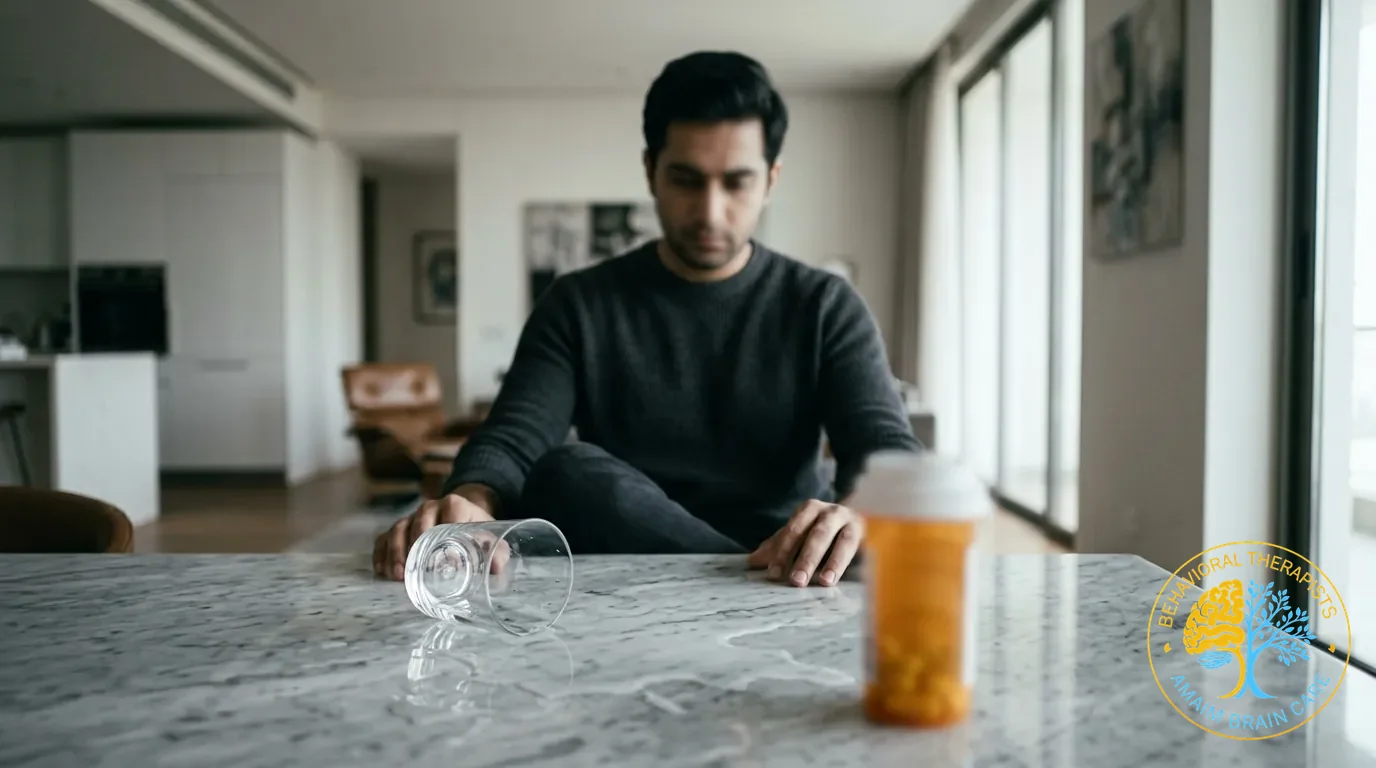
Attempting to treat ASPD while the patient remains actively addicted to illicit substances is clinically impossible. Effective treatment requires an integrated dual-diagnosis rehabilitation model where psychiatric stabilization, medical detoxification, structured inpatient rehabilitation, and long-term relapse prevention occur concurrently under strict clinical oversight.
Jab tak mareez nashay ki giraft mein ho, uski personality ka ilaj namumkin hai. Is liye pehle nasha chhurwana (detoxification) aur dimaghi ilaj dono ek sath shuru kiye jate hain taake mareez mukammal sehatyab ho sakay.
جب تک مریض نشے کی لعنت میں مبتلا رہے، اس کی شخصیت کی اصلاح ناممکن ہے۔ اس لیے ڈوئل ڈائیگنوسس (Dual Diagnosis) کے تحت نشے سے مکمل نجات اور نفسیاتی علاج کا بیک وقت آغاز کیا جاتا ہے۔
Pharmacological Interventions: What Medications Can and Cannot Do
Both NICE clinical guidelines and psychiatric consensus emphasize that there are currently no medications specifically licensed or approved to “cure” Antisocial Personality Disorder itself. Pharmacotherapy cannot alter deeply entrenched antisocial beliefs, instill empathy, or rewrite character traits. However, targeted pharmacotherapy plays a vital, stabilizing role in managing acute symptom clusters and co-occurring psychiatric conditions:
Koi aisi dawayi nahi hai jo shakhsiyat ko raaton raat badal de ya insaan ke andar jadoo ki tarah hamdardi paida kar de. Lekin doctor ki tajweez kardah adwiyat shadeed ghusse, be-qaboo jazbaat aur bechaini ko qaboo karne ke liye nihayat mufeed sabit hoti hain:
طبی اصولوں کے مطابق ایسی کوئی گولی موجود نہیں جو شخصیت کو راتوں رات بدل دے یا دل میں زبردستی ہمدردی پیدا کر دے۔ البتہ ماہر ڈاکٹر کی زیرِ نگرانی مخصوص ادویات مریض کے شدید غصے، جنونی کیفیات اور بے قابو اشتعال کو قابو میں رکھنے کے لیے ناگزیر ہوتی ہیں:
- Mood Stabilizers (e.g., Sodium Valproate, Carbamazepine, Lithium): Prescribed to reduce explosive behavioral dyscontrol, mood lability, and impulsive violent aggression.
Mood stabilizers achanak aane wale shadeed ghusse aur toor phor karne ki aadat ko kam karte hain.
موڈ اسٹیبلائزرز (Mood Stabilizers) مریض کے اچانک بھڑک اٹھنے والے غصے اور پرتشدد ارادوں کو اعتدال میں لاتے ہیں۔
- Second-Generation Atypical Antipsychotics (e.g., Aripiprazole, Quetiapine, Risperidone): Utilized at low to moderate dosages to manage severe agitation, paranoid ideation, and reactive hostility.
Atypical Antipsychotics bechaini, weham aur larai ke jazbaat ko thanda karne mein madad deti hain.
جدید اینٹی سائیکوٹکس (Atypical Antipsychotics) شدید بے چینی، شکوک و شبہات اور جھگڑالو پن کو ختم کرنے کے لیے استعمال کی جاتی ہیں۔
- SSRIs and SNRIs: Carefully administered to manage co-occurring major depressive episodes, generalized anxiety, or severe emotional dysphoria.
Depression aur shadeed ghabrahat ko door karne ke liye SSRIs adwiyat di jati hain.
ڈپریشن اور گھبراہٹ کے خاتمے کے لیے اینٹی ڈپریسنٹس ادویات تجویز کی جاتی ہیں۔
Because individuals with ASPD have a high propensity for substance misuse and non-compliance, all medications must be strictly supervised, managed by a designated caregiver or hospital pharmacy, and monitored to prevent hoarding, diversion, or accidental overdose.
Kyun ke yeh mareez adwiyat ka ghalat istemal kar sakte hain, is liye dawa hamesha khandan ke kisi zimmadar fard ki nigrani mein deni chahiye taake koi nuqsan na ho.
چونکہ ان مریضوں میں ادویات کا نشہ کرنے کا خطرہ ہوتا ہے، اس لیے تمام دوائیں گھر کے کسی ذمہ دار فرد کی کڑی نگرانی میں دی جانی چاہئیں۔
Structured Treatment Protocols at Amaim Brain Care
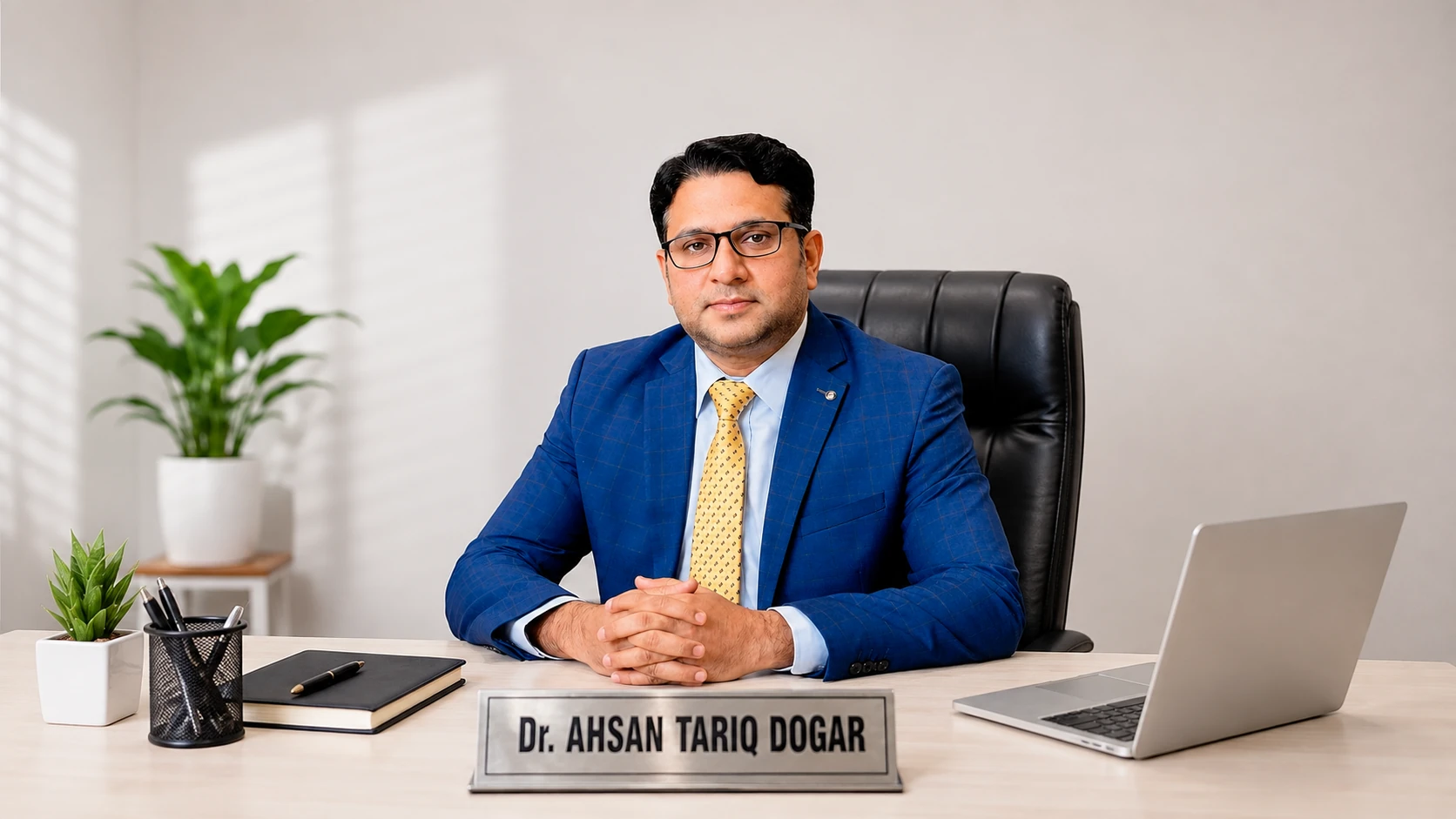
At Amaim Brain Care, Dr. Ahsan Tariq Dogar, a prominent Neuro-Psychiatrist, Behavioral Therapist, and Life Coach, provides comprehensive psychiatric evaluations and compassionate, highly structured clinical interventions. Our specialized clinical model rejects therapeutic nihilism, replacing it with an evidence-based roadmap designed to safeguard families and guide patients toward self-regulation.
Amaim Brain Care Faisalabad mein, Dr. Ahsan Tariq Dogar (Neuro-Psychiatrist & Behavioral Therapist) jadeed tareeqon, mukammal razdari aur mustanad protocols ke teht ilaj faraham karte hain. Hamara clinic mayusi ke bajaye aisi thos hikmat-e-amli par amal karta hai jis se khandan mehfooz rahay aur mareez behtar ban sakay.
عمائم برین کیئر فیصل آباد میں معروف ماہرِ نفسیات و دماغی امراض ڈاکٹر احسن طارق ڈوگر کی زیرِ نگرانی جامع تشخیصی اور علاجی پروٹوکولز فراہم کیے جاتے ہیں۔ ہمارا کلینک مایوسی کے بجائے سائنسی بنیادوں پر ایسا لائحہ عمل مرتب کرتا ہے جو خاندان کے تحفظ اور مریض کی بحالی کا ضامن ہو۔
Our multidisciplinary Personality Disorders Treatment and integrated Addiction Treatment programs deliver comprehensive care:
Hamare Personality Disorders Treatment aur Addiction Treatment programs mein darj zail sahooliyat dastiyab hain:
ہمارے خصوصی پرسنلٹی ڈس آرڈرز ٹریٹمنٹ اور نشے کے علاج کے پروگرامز میں درج ذیل خدمات شامل ہیں:
- Individualized Cognitive & Schema Therapy: Structured weekly sessions focusing on consequence anticipation, cognitive restructuring, and schema mode transformation.
Mareez ko har hafte aisi therapy di jati hai jis se wo apne ghalat khayalat aur ravaiyon ko badalna seekhta hai.
مریض کی منفی سوچ اور طرز عمل کی اصلاح کے لیے ہفتہ وار انفرادی تھراپی سیشنز کا انعقاد۔
- Dual-Diagnosis Inpatient Stabilization: Safe medical detoxification and psychiatric stabilization for patients struggling with comorbid substance dependencies.
Nashay ki aadat mein mubtila mareezon ke liye mukammal medical detox aur dakhlay ki sahulat.
نشے کے عادی مریضوں کے لیے محفوظ میڈیکل ڈیٹاکس اور کلینک میں داخلے کی معیاری سہولیات۔
- Family Contingency Contracting: Structured psychoeducational sessions empowering spouses and parents to establish clear behavioral expectations, financial safeguards, and firm boundaries.
Ghar walon ko sakht qawaneen banane aur paise wa jaidad ko mehfooz rakhne ke amli tareeqay sikhaye jate hain.
اہل خانہ کے لیے کونسلنگ جس میں خاندانی جائیداد کے تحفظ اور حدود کے نفاذ کی تربیت دی جاتی ہے۔
- Continuous Psychiatric Monitoring: Ongoing review of pharmacotherapy and behavioral compliance to ensure long-term stability and prevent relapse.
Doctor ki taraf se musalsal nigrani taake mareez dobara jurm ya nashay ki taraf na jaye.
مریض کی مستقل طبی نگرانی تاکہ وہ دوبارہ نشے یا جرائم کی طرف مائل نہ ہو۔
What Realistic Recovery Looks Like: Goals and Long-Term Hope
Recovery in Antisocial Personality Disorder does not mean an instantaneous transformation into an altruistic saint. In clinical psychiatry, successful recovery is defined pragmatically: sustained cessation of physical violence, cessation of criminal and illegal activities, complete abstinence from illicit substances, steady employment, and maintaining peaceful, non-abusive boundaries within the household. Achieving these outcomes is life-changing for both the patient and their loved ones. If someone in your family is struggling with ASPD, professional help is ready to guide you.
ASPD mein sehatyabi ka matlab koi jadooi tabdeeli nahi balki ek aisi zindagi hai jahan mareez larai jhagray chor de, nasha na karay, qanoon ki pabandi karay aur ghar walon ko takleef na de. Yeh tabdeeli khandan ke sukoon ke liye ek nayi subah sabit hoti hai. Hum aapki poori madad ke liye hazir hain.
اس مرض میں صحت یابی کا مطلب کوئی طلسماتی تبدیلی نہیں بلکہ عملی بہتری ہے: یعنی مار پیٹ کا خاتمہ، جرائم سے دوری، نشے سے مکمل پرہیز، مستقل روزگار اور گھریلو رشتوں کا احترام۔ یہ مثبت تبدیلیاں خاندان کو ایک محفوظ اور پرامن مستقبل فراہم کرتی ہیں۔ ہماری پیشہ ورانہ ٹیم آپ کی مکمل رہنمائی کے لیے تیار ہے۔
Frequently Asked Questions
Is there a cure for Antisocial Personality Disorder?
While personality traits cannot be entirely erased, ASPD is treatable and manageable. Structured therapies (CBT, Schema Therapy), treatment of co-occurring addictions, and targeted medications significantly reduce aggression, deceit, and criminal behaviors, enabling patients to live legally compliant and stable lives.
Agarche is marz ko jarr se khatam karna mushkil hai, lekin jadeed therapies aur adwiyat se mareez ke ghusse, jurm aur dhokay ko kafi hadd tak theek kiya ja sakta hai.
Can medication alone fix the behaviors of someone with ASPD?
No. Medication cannot change character traits, instill moral empathy, or stop manipulative habits. However, mood stabilizers and atypical antipsychotics are crucial tools for calming explosive anger, severe impulsivity, and co-occurring anxiety or depression, making psychotherapy more effective.
Sirf dawaiyan shakhsiyat ko nahi badal saktin, lekin doctor ki di hui adwiyat shadeed ghusse aur be-qaboo jazbaat ko thanda karne mein bohot madadgar sabit hoti hain.
Why is forcing marriage on someone with ASPD dangerous in Pakistan?
Marriage is not a psychiatric treatment. Forcing an untreated individual with ASPD into marriage introduces an innocent partner to severe domestic abuse, financial betrayal, infidelity, and psychological trauma, often resulting in devastating divorces rather than curing the disorder.
Shadi koi ilaj nahi hai. Baghair ilaj ke shadi karwane se ek masoom larki ki zindagi tabah hoti hai aur ghar mein gharelu tashaddud aur laraiyan barh jati hain.
What is the role of addiction treatment in managing ASPD?
Substance abuse drastically worsens impulsivity, paranoia, and violent outbursts. Treating addiction through medical detox and dual-diagnosis rehabilitation is an essential prerequisite before any personality stabilization can succeed.
Nasha mareez ke ghusse aur jurm ko kayi guna barha deta hai. Jab tak nasha na chhurwaya jaye, tab tak kisi bhi nafsiati ilaj ka asar nahi hota.
What is Schema Therapy and how does it help patients with ASPD?
Schema Therapy identifies deep-seated maladaptive emotional patterns stemming from childhood trauma or neglect. It helps patients recognize their destructive “Bully and Attack” or “Detached Protector” coping modes, fostering self-awareness and healthier emotional regulation.
Schema Therapy bachpan ke zakhmon aur ghalat aadaton ko theek karti hai taake mareez doosron par zulm karne ke bajaye apne jazbaat ko sambhalna seekhay.
How can I book an appointment with Dr. Ahsan Tariq Dogar?
You can book an in-person or online neuro-psychiatric consultation via reaching out via WhatsApp at 0333-6986464 for a confidential appointment.
فیصل آباد میں کلینک وزٹ یا آن لائن مشورے کے لیے آپ عمائم برین کیئر کے آفیشل واٹس ایپ لنک کے ذریعے رابطہ کر کے اپنی اپائنٹمنٹ باآسانی بک کروا سکتے ہیں، جہاں آپ کی معلومات کو مکمل صیغہ راز میں رکھا جاتا ہے۔
Sources & References
Medical & Educational Disclaimer
This content is for educational and informational purposes only and is not a substitute for professional medical advice, diagnosis, or treatment. Always consult a qualified psychiatrist or healthcare provider for any mental health concerns.