
Introduction: The Unpredictable Storm of Rapid Emotional Shifts
Have you ever started your morning feeling completely at peace, only for a delayed text message, a brief change in someone’s tone, or a minor disagreement to instantly plunge you into overwhelming panic, crushing sadness, or explosive rage? For millions of individuals, this intense emotional volatility is an everyday reality. You may find yourself wondering: why do my emotions change so quickly, why do minor events trigger such catastrophic feelings, and why does it take hours or even days to calm down? These rapid, exhausting emotional shifts are the hallmark characteristic of Borderline Personality Disorder (BPD), a recognized neuropsychiatric condition defined by profound affective dysregulation.
Kya aap ne kabhi mehsoos kiya hai ke subah aapka mood bilkul theek hota hai, lekin kisi dost ki halki si be-rukhi, phone call ka jawab na milna, ya mamooli si baat par achanak dil mein shadeed ghabrahat, mayoosi ya be-qaboo ghusse ki aag bhadak uthti hai? Bohat se log is achanak badalte jazbati toofan se pareshan rehte hain aur sochte hain ke unka dil itna kamzor kyun hai. Yeh koi dramay bazi ya zidd nahi hai, balki Borderline Personality Disorder (BPD) ki wazeh nishani hai jahan dimagh mamooli baat par bhi shadeed khatray ka signal de deta hai aur jazbaat be-qaboo ho jate hain.
کیا آپ نے کبھی یہ محسوس کیا ہے کہ آپ کا دن نہایت پرسکون انداز میں شروع ہوتا ہے، لیکن کسی عزیز کے معمولی سے تلخ لہجے، میسج کے تاخیر سے آنے یا ذرا سے اختلاف پر اچانک دل میں شدید خوف، گہری مایوسی اور بے قابو غصے کی لہر دوڑ جاتی ہے؟ بارڈر لائن پرسنلٹی ڈس آرڈر (BPD) میں مبتلا افراد کے لیے یہ جذباتی طوفان روزمرہ کا معمول ہوتا ہے۔ یہ کوئی جذباتی نخرہ، ضد یا محض مزاج کا بگاڑ نہیں ہے، بلکہ یہ دراصل دماغی اور اعصابی سطح پر جذبات کو کنٹرول کرنے والے نظام کی گہری خرابی یعنی جذباتی بے اعتدالی (Affective Dysregulation) کا نتیجہ ہے۔
Living with rapid emotional changes is deeply isolating. Loved ones may mistakenly believe you are intentionally being difficult, while you internally feel as if you are trapped in an emotional rollercoaster with broken brakes. Understanding the psychiatric science and neurobiology behind these shifts is the first essential step toward regaining emotional control, repairing strained relationships, and finding lasting stability through evidence-based psychiatric care.
Aise jazbati utar charhao ke sath zindagi guzarna intehai takleef deh hota hai. Ghar wale aur dost aksar samajhte hain ke aap jan boojh kar larai jhagray kar rahe hain, jabke haqeeqat mein aapka apna dil aur dimagh aapke bas mein nahi hota. Is marz ki science aur asbi asbaab ko samajhna behad zaroori hai taake aap sahi doctori ilaj ke zariye apne jazbaat ko mutawazin bana sakein aur pur-sukoon zindagi guzar sakein.
اس قسم کے مسلسل اور غیر متوقع جذباتی اتار چڑھاؤ کے ساتھ زندگی گزارنا ایک ناقابلِ بیان اذیت ہے۔ گھر والے اور عزیز و اقارب اکثر اسے بدتمیزی یا توجہ حاصل کرنے کی کوشش سمجھتے ہیں، جبکہ حقیقت میں انسان اپنے ہی اندر اٹھنے والے جذباتی سمندر کے رحم و کرم پر ہوتا ہے۔ اس بیماری کی سائنسی اور اعصابی وجوہات کو سمجھنا اس لیے ناگزیر ہے تاکہ مریض کو تنقید کا نشانہ بنانے کے بجائے مستند طبی رہنمائی کے ذریعے ایک متوازن اور پرسکون زندگی کی طرف لایا جا سکے۔
What is Affective Dysregulation in Borderline Personality Disorder?
In clinical psychiatry, Borderline Personality Disorder is classified under Cluster B personality disorders. The defining core of BPD is affective dysregulation—a clinical phenomenon where the brain experiences emotions with abnormal intensity, reacts hypersensitively to environmental stimuli, and struggles extensively to return to emotional baseline. According to the biosocial developmental model developed by psychologist Dr. Marsha Linehan, individuals with BPD are born with an innate emotional vulnerability that is compounded by invalidating developmental environments.
Nafsiat mein Borderline Personality Disorder ko jazbaat ke shadeed bighar (affective dysregulation) ke tor par dekha jata hai. Iska matlab yeh hai ke BPD mein dimagh ka jazbati sensor bohot zyada taiz hota hai. Mamooli si baat par bhi dil mein shadeed bechaini ya ghussa paida hota hai jo ghanton tak theek nahi hota. Doctor Marsha Linehan ki tehqeeq ke mutabiq yeh marz paidaishi hasasiyat aur bachpan mein jazbaat ko nazar-andaz kiye jane ki wajah se janam leta hai.
طبی و نفسیاتی نقطہ نظر سے بارڈر لائن پرسنلٹی ڈس آرڈر دراصل جذبات کی شدید بے اعتدالی (Affective Dysregulation) کا نام ہے۔ اس بیماری میں انسان کا جذباتی سینسر غیر معمولی طور پر تیز ہوتا ہے۔ عام حالات میں پیدا ہونے والی اداسی یا غصہ عام لوگوں کے لیے قابلِ برداشت ہوتا ہے، لیکن BPD کے مریض کے لیے یہ کیفیت ایک ناقابلِ ضبط طوفان بن جاتی ہے جس پر قابو پانا اس کے اپنے بس میں نہیں رہتا۔
Unlike neurotypical individuals who can experience sadness, frustration, or anger and process it gradually, a person with BPD experiences emotional spikes as acute emergencies. A minor misunderstanding feels like catastrophic abandonment; a constructive critique feels like utter annihilation of self-worth. This heightened emotional threshold means that the brain is constantly oscillating between extreme distress and frantic attempts to self-soothe.
Aam log thori dair mein apne gusse ya udasi par qaboo pa lete hain, lekin BPD ke mareez ke liye mamooli si ghalti ya be-rukhi kisi baray hadsay jesi lagti hai. Agar koi unki baat par dhiyan na de toh unhe lagta hai ke unki koi qadar nahi rahi aur wo bilkul akele reh gaye hain. Dimagh ka yeh shadeed reaction unhe har waqt pareshan aur be-sukoon rakhta hai.
ایک عام انسان کسی تلخ بات یا جھگڑے کے بعد کچھ دیر میں خود کو سنبھال لیتا ہے، لیکن BPD کا شکار شخص جذباتی چوٹ کو ایک ایمرجنسی کی طرح محسوس کرتا ہے۔ کسی کی معمولی سی بے توجہی اسے اپنی ذات کی مکمل نفی اور تذلیل محسوس ہوتی ہے، جس کی وجہ سے وہ ہر وقت شدید اضطراب، خوف اور بے چینی کے بھنور میں گھرا رہتا ہے۔
BPD Emotional Shifts vs. Bipolar Disorder: Understanding the Difference
One of the most frequent clinical challenges in psychiatry is distinguishing Borderline Personality Disorder from Bipolar Disorder. Because both conditions involve severe mood swings, patients are frequently misdiagnosed, leading to ineffective treatment plans and unnecessary medication trials. However, the temporal pattern and triggers of these emotional fluctuations are fundamentally distinct.
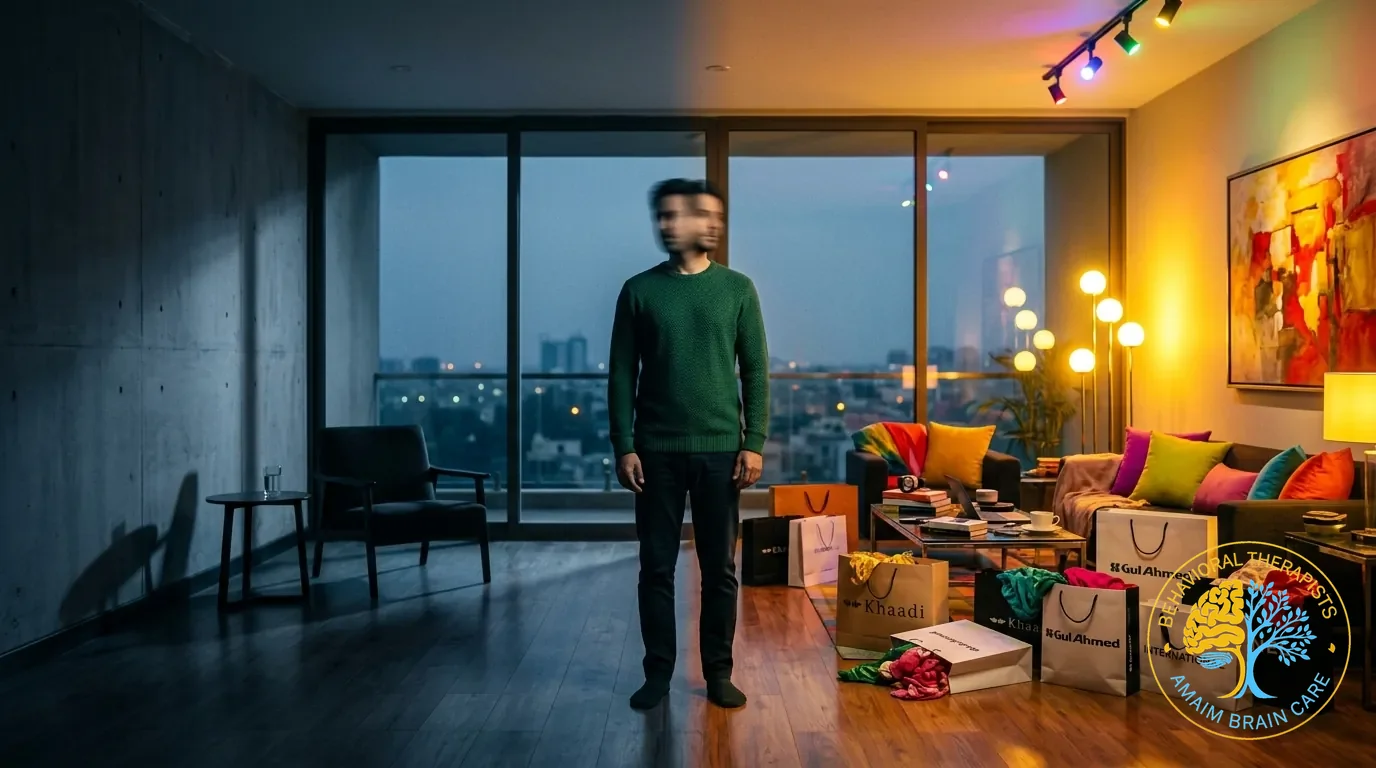
Aksar log BPD ke jazbati utar charhao ko Bipolar Disorder samajh kar ghalat ilaj shuru karwa dete hain. Halanke in dono bimarion mein zameen aasman ka farq hai. Agarche dono mein mood kharab hota hai, lekin mood ke badalne ki raftaar aur uske peeche ki wajah dono bimarion mein bilkul mukhtalif hoti hai.
نفسیات میں اکثر بارڈر لائن پرسنلٹی ڈس آرڈر کے جذباتی اتار چڑھاؤ کو غلطی سے بائی پولر ڈس آرڈر سمجھ لیا جاتا ہے، جس کی وجہ سے مریض کو برسوں تک غیر ضروری اور غلط ادویات دی جاتی رہتی ہیں۔ اگرچہ دونوں بیماریوں میں موڈ کی خرابی پائی جاتی ہے، لیکن ان دونوں کے پیدا ہونے کے اسباب، دورانیے اور اعصابی طریقہ کار میں واضح اور نمایاں فرق موجود ہوتا ہے۔
In Borderline Personality Disorder, mood shifts are ultra-rapid, often transitioning from euphoric excitement to suicidal despair or explosive anger within a matter of minutes or hours. Crucially, these shifts are almost always reactive—triggered by interpersonal conflicts, perceived rejection, abandonment fears, or relational boundaries. In contrast, Bipolar Disorder is characterized by sustained mood episodes (mania, hypomania, or clinical depression) that typically last for days, weeks, or months at a time, functioning largely independent of hourly interpersonal interactions.
BPD mein mood ke jhatkay minute aur ghanton mein lagte hain aur hamesha kisi rishtedar, dost ya shohar ki baat ya rawaiye par aate hain. Jabke Bipolar Disorder mein mania (hadd se zyada josh) ya depression (shadeed udasi) ke dauray hafton aur mahinon tak musalsal chalte hain aur unka taluq rozmarra ki choti moti baaton se nahi hota.
بارڈر لائن پرسنلٹی ڈس آرڈر میں موڈ کی تبدیلی انتہائی تیز رفتار ہوتی ہے جو چند منٹوں یا گھنٹوں میں واقع ہو سکتی ہے، اور یہ لازمی طور پر کسی قریبی رشتے، تنقید، نظر اندازی یا علیحدگی کے خوف کے ردعمل میں ابھرتی ہے۔ اس کے برعکس بائی پولر ڈس آرڈر میں مینس (شدید ہیجان) یا شدید ڈپریشن کے دورے کئی ہفتوں یا مہینوں پر محیط ہوتے ہیں اور وہ عام طور پر روزمرہ کی چھوٹی موٹی گفتگو کے تابع نہیں ہوتے۔
The Neurobiology: Amygdala Hyper-Reactivity and Prefrontal Disconnect
Rapid emotional changes in BPD are not a character flaw or a chosen behavior; they are driven by measurable alterations in brain structure and functional neurocircuitry. Functional Magnetic Resonance Imaging (fMRI) studies consistently reveal profound abnormalities within the frontolimbic network, the neural circuitry responsible for evaluating threats and regulating emotional intensity.
BPD mein achanak jazbaat ka badalna koi shakhsi khami nahi hai balki dimagh ke andar asbi nizam ki kharabi ki wajah se hota hai. Dimagh ke MRI scans se pata chalta hai ke BPD ke mareezon mein jazbaat ko mehsus karne aur unhe roknay wale hisson ka aapas mein rabta kamzor ho jata hai.
بارڈر لائن پرسنلٹی ڈس آرڈر میں شدید جذباتی تبدیلیاں کوئی اخلاقی کمزوری نہیں ہیں بلکہ ان کی جڑیں دماغ کی ساخت اور اعصابی رابطوں کی خرابی میں پیوست ہیں۔ جدید نیورو امیجنگ اور ایف ایم آر آئی (fMRI) تحقیقات سے ثابت ہوا ہے کہ دماغ کا وہ اعصابی جال جو جذبات کو محسوس کرنے اور ان پر قابو پانے کا کام کرتا ہے، اس مرض میں غیر متوازن ہو جاتا ہے۔
The amygdala—the brain’s emotional threat-detection center—is chronically hyper-reactive in individuals with BPD. When confronted with ambiguous facial expressions, mild social cues, or minor relational changes, the amygdala fires intensely, misinterpreting neutral stimuli as immediate threats. Simultaneously, the prefrontal cortex, specifically the ventromedial prefrontal cortex (vmPFC) and dorsolateral prefrontal cortex (dlPFC), shows significant hypoactivation. In neurotypical brains, the prefrontal cortex acts as a top-down brake, calming the amygdala’s alarm. In BPD, this frontolimbic disconnect leaves the emotional alarm firing at maximum volume without inhibitory control.
Dimagh ka hissa Amygdala (jo khatray aur khauf ka markaz hai) BPD ke mareezon mein hadd se zyada garam rehta hai. Kisi ka aam chehra bhi unhe gusse ya nafrat wala lagta hai. Doosri taraf dimagh ka samne wala hissa Prefrontal Cortex (jo gari ki break ki tarah jazbaat ko thanda karta hai) sust hota hai. Yahi wajah hai ke jazbati toofan bina kisi rok tok ke poore jism par haavi ho jata hai.
دماغ کا جذباتی مرکز امیگڈالا (Amygdala)، جو خطرے کو بھانپنے کا کام کرتا ہے، BPD کے مریضوں میں ہر وقت ضرورت سے زیادہ مشتعل رہتا ہے۔ سامنے والے کے عام چہرے کے تاثرات کو بھی امیگڈالا دشمنی یا نفرت سمجھ لیتا ہے۔ دوسری جانب پری فرنٹل کورٹیکس (Prefrontal Cortex)، جو عقل اور ضبط کی بریک لگا کر امیگڈالا کو خاموش کرواتا ہے، سست پڑ جاتا ہے۔ نتیجہ یہ نکلتا ہے کہ خطرے کا الارم تو پوری شدت سے بجتا ہے لیکن اسے بند کرنے والا نظام کام نہیں کرتا۔
The Chemical Storm: Endogenous Opioids, Oxytocin, and HPA Axis Dysregulation
Beyond structural circuits, neurochemical dysregulation plays a pivotal role in the acute pain of BPD emotional instability. Research highlights significant alterations in the brain’s endogenous opioid system, which regulates both physical pain and social attachment. Individuals with BPD exhibit chronic baseline opioid deficits. When interpersonal conflicts arise, the precipitous drop in endogenous opioids triggers the dorsal anterior cingulate cortex (dACC)—the exact brain region that processes physical burns and traumatic injuries. Consequently, emotional rejection literally hurts like physical trauma.
Dimagh ke andar Endogenous Opioids namak chemicals ki kami hoti hai jo jism ke dard aur apno ke sath taluq ko sanbhalte hain. Jab kisi apne se larai hoti hai ya dori ka darr lagta hai, toh dimagh mein bilkul wahi dard hota hai jo jism par aag lagne ya haddi tootne par hota hai. Yahi wajah hai ke BPD ka mareez jazbati takleef se be-ikhtiyar ho jata hai.
دماغی کیمسٹری میں اینڈوجینس اوپیئائڈز (Endogenous Opioids) کا نظام وہ قدرتی نظام ہے جو جسمانی درد کے ساتھ ساتھ جذباتی تکلیف کو بھی تسکین دیتا ہے۔ BPD کے مریضوں میں اس کیمیکل کی پیداوار میں خلل پایا جاتا ہے۔ جب کسی قریبی رشتے میں کوئی تلخی یا دوری آتی ہے تو دماغ کا وہی حصہ متحرک ہوتا ہے جو جسم کے شدید جلنے یا زخم پر تڑپ اٹھتا ہے۔ اسی لیے BPD میں جذباتی صدمہ بالکل جسمانی درد کی طرح محسوس ہوتا ہے۔
Additionally, dysregulation within the oxytocinergic system impairs interpersonal trust and creates acute hypersensitivity to social cues. This is further aggravated by hyperactivation of the Hypothalamic-Pituitary-Adrenal (HPA) axis, flooding the bloodstream with elevated cortisol and adrenaline. This chronic neuroendocrine stress response locks the individual into a perpetual state of autonomic fight-or-flight, explaining why even minor stressors provoke overwhelming biological distress.
Iske sath sath Oxytocin chemical ki kharabi rishton mein aetimad qayam nahi hone deti aur HPA axis har waqt stress hormone (cortisol) ko jism mein bhara rakhta hai. Is wajah se mareez ka dil har waqt taiz dharakta hai aur wo choti si baat par bhi darr aur ghusse ki aag mein jalne lagta hai.
اس کے ساتھ ساتھ آکسیٹوسن (Oxytocin) کا بگاڑ تعلقات میں مستقل اعتماد پیدا نہیں ہونے دیتا اور ایچ پی اے ایکسس (HPA axis) کی خرابی خون میں کورٹیسول ہارمون کی مقدار کو مستقل طور پر بلند رکھتی ہے۔ اس کیمیکل بگاڑ کی وجہ سے مریض کا اعصابی نظام ہر لمحہ ایک مسلسل خوف، جنگ اور فرار (Fight-or-Flight) کی کیفیت میں جکڑا رہتا ہے۔
Pakistani Cultural Context: “Drama Baz”, “Ziddi”, and Spiritual Misconceptions
In Pakistan, individuals struggling with Borderline Personality Disorder face profound cultural misunderstandings and severe societal stigma. Because affective instability manifests as sudden weeping, frantic panic, or intense verbal outbursts, families frequently dismiss the symptoms as “nakhray” (tantrums), “ziddi larki” (stubborn girl), “drama baz” (attention-seeking drama), or “bad-tameez” (ill-mannered). These harsh labels cause immense shame and deepen the patient’s internal emotional invalidation.
Hamare Pakistani mashray mein BPD ke jazbati toofan ko aksar bohot ghalat samjha jata hai. Jab koi larki ya larka achanak rona shuru kar de ya ghusse mein aa jaye, toh khandan wale usay “drama baz”, “nakhray baaz” ya “bad-tameez” keh kar daant dete hain. Is tarah ke tano se mareez ke dil ko aur zyada gehra zakham lagta hai aur uski bechaini kayi guna barh jati hai.
پاکستانی معاشرے اور خاندانی ماحول میں بارڈر لائن پرسنلٹی ڈس آرڈر کے شکار افراد کو شدید غلط فہمیوں اور طعنوں کا سامنا کرنا پڑتا ہے۔ جب مریض اچانک رونے لگے، چیخے یا خوفزدہ ہو جائے تو گھر والے اکثر اسے “ڈرامے بازی”، “نخرے”، “ضد” یا “بدتمیزی” کا لیبل لگا دیتے ہیں۔ یہ بے حسی مریض کے دل پر شدید چوٹ لگاتی ہے اور اس کی اندرونی تنہائی اور اذیت کو کئی گنا بڑھا دیتی ہے۔
Within joint-family households, relationship friction with in-laws or spouses is frequently misattributed to evil eye (“nazar”), black magic (“kala jadoo”), or spiritual affliction (“jinnat / sayah”). Families routinely spend exorbitant sums consulting unverified faith healers (amils and peers) or seeking taweez, subjecting the vulnerable individual to frightening rituals while delaying crucial psychiatric intervention. Recognizing BPD as a treatable neuropsychiatric disorder rather than a supernatural curse or a moral failing is essential for healing.
Mushtarka khandani nizam mein sasural aur khandan wale aisi jazbati halat ko “jadu”, “saya” ya “nazar-e-bad” samajh kar amils aur peer faqiron ke paas le jate hain. Taweez gandon ke chakkar mein lakhon rupay aur qeemti saal barbad ho jate hain jabke asal dimaghi ilaj nahi ho pata. BPD koi jadu nahi balki ek tibbi masla hai jiska jadeed psychiatric ilaj poori tarah mumkin hai.
مشترکہ خاندانی نظام میں سسرال یا شوہر کے ساتھ پیدا ہونے والی اس جذباتی کشمکش کو اکثر جادو، نظرِ بد یا آسیب کا شاخسانہ قرار دے دیا جاتا ہے۔ لوگ مستند ڈاکٹر کے پاس جانے کے بجائے عاملوں اور جعلی پیروں کے پاس جا کر تعویذ گنڈوں میں وقت اور پیسہ برباد کرتے ہیں۔ یہ سمجھنا بے حد ضروری ہے کہ BPD کوئی جادو یا جنات کا اثر نہیں بلکہ ایک قابلِ علاج اعصابی اور نفسیاتی عارضہ ہے۔
Core Symptoms and Daily Triggers of BPD Emotional Storms
The affective instability of Borderline Personality Disorder manifests across several distinct cognitive, behavioral, and emotional patterns. Recognizing these symptoms allows patients and caregivers to identify crises before they escalate:
BPD ke jazbati toofan ki ahem alamaat aur triggers darj zail hain jinhe pehchan’na behad zaroori hai:
بارڈر لائن پرسنلٹی ڈس آرڈر کی نمایاں علامات اور روزمرہ کے محرکات درج ذیل ہیں جن کو سمجھنا بحالی کے لیے ناگزیر ہے:
- Extreme Emotional Reactivity: Intense episodes of anxiety, dysphoria, or euphoria that typically last a few hours and rarely more than a few days.
Chand ghanton ke andar shadeed ghabrahat, be-inteha udasi ya achanak bohot zyada josh mein aa jana.
چند گھنٹوں کے دوران شدید گھبراہٹ، گہری اداسی یا اچانک غیر معمولی ہیجان کی کیفیت کا طاری ہونا۔
- Intense, Inappropriate Anger: Frequent displays of temper, constant bitterness, or physical fights, often followed by crushing remorse and self-blame.
Choti baat par be-qaboo ghussa aana, cheezein phenkna, aur baad mein shadeed pachtawa aur sharmindgi hona.
معمولی بات پر شدید غصے میں آپے سے باہر ہو جانا، چیخنا چلانا اور بعد میں شدید ندامت اور پچھتاوے کا شکار ہونا۔
- Chronic Feelings of Inner Emptiness: A persistent, hollow sensation of emotional void, leading to frantic attempts to seek stimulation or validation.
Dil ke andar ek ajeeb sa khali pan mehsoos hona jese zindagi bilkul be-maqsad aur veeran ho.
دل کے اندر مستقل خلا، ویرانی اور بے کیفی کا ایک ایسا احساس جو انسان کو ہر لمحہ بے چین رکھتا ہے۔
- Stress-Induced Dissociation and Paranoia: Feeling detached from one’s own body (depersonalization) or experiencing transient paranoid thoughts during acute distress.
Shadeed pareshani ke waqt aesa lagna ke jism se rooh nikal gayi hai ya har shakhs aapke khilaf saazish kar raha hai.
شدید تناؤ کے وقت حقیقت سے کٹ جانا (Dissociation) اور یہ گمان ہونا کہ تمام لوگ آپ کے خلاف سازش کر رہے ہیں۔
- Impulsive Self-Soothing Actions: Reckless driving, impulsive spending, binge eating, substance abuse, or self-harm in a desperate attempt to regulate emotional pain.
Jazbati dard ko dabane ke liye taiz gari chalana, fazool kharchi, nasha, ya khud ko nuqsan pohanchana.
اندرونی درد کو ختم کرنے کے لیے بے قابو ڈرائیونگ، بے تحاشا خرچ، نشہ یا خود کو نقصان پہنچانے کے اقدامات کرنا۔
Evidence-Based Treatment Modalities: Dialectical Behavior Therapy (DBT) & More
While Borderline Personality Disorder was historically regarded as difficult to treat, modern psychiatric medicine and specialized psychotherapies have transformed clinical outcomes. Today, BPD has one of the highest recovery rates among personality disorders when treated with evidence-based modalities:
Pehle zamane mein log samajhte the ke BPD ka koi ilaj nahi hai, lekin aaj jadeed nafsiati science ne isay mukammal tor par theek hone wala marz sabit kar diya hai. Darj zail tareeqay mareez ko mukammal sehatyabi dete hain:
ماضی میں بارڈر لائن پرسنلٹی کو ایک پیچیدہ مرض سمجھا جاتا تھا، لیکن جدید سائنسی تحقیقات نے ثابت کیا ہے کہ اگر منظم سائیکو تھراپی اور مستند طریقہ علاج اپنایا جائے تو BPD کے مریض مکمل طور پر متوازن اور پرسکون زندگی گزار سکتے ہیں:
- Dialectical Behavior Therapy (DBT): The gold standard psychotherapeutic intervention for BPD. DBT structures recovery across four core skill modules: Mindfulness (cultivating present-moment non-judgmental awareness), Distress Tolerance (crisis survival skills such as TIPP to navigate emotional spikes without destructive actions), Emotion Regulation (identifying and reshaping intense emotions), and Interpersonal Effectiveness (asserting boundaries while preserving relationships).
DBT therapy BPD ka sab se ahem aur kamyab ilaj hai. Isme hazir damaghi, bardasht karne ke tareeqay, jazbaat ko sambhalna aur rishton ko bina lare sanwarna sikhaya jata hai.
ڈائلیکٹیکل بیہیویئر تھراپی (DBT) اس مرض کے علاج کا بنیادی ستون ہے۔ اس میں ذہن سازی (Mindfulness)، بحران کو برداشت کرنے کا ہنر (Distress Tolerance)، جذبات کو معتدل رکھنا اور تعلقات کو خوشگوار بنانے کی عملی تربیت دی جاتی ہے۔
- Schema Therapy: Targets early childhood maladaptive schemas (such as Abandonment, Defectiveness, and Emotional Deprivation). It dismantles destructive coping modes (like the Vulnerable Child or Angry Child) and fosters the Healthy Adult mode.
Schema Therapy bachpan ke un zakhmon aur dukhon ka ilaj karti hai jahan bache ko be-sahara chhor diya gaya tha, taake wo bara ho kar pur-aetimad ban sakay.
اسکیما تھراپی بچپن کے احساسِ محرومی اور صدمات کو دور کر کے انسان کے اندر خود اعتمادی اور جذباتی توازن پیدا کرتی ہے۔
- Mentalization-Based Therapy (MBT): Trains individuals to accurately perceive and reflect upon their own mental states and the intentions of others, preventing reactionary emotional misinterpretations.
MBT therapy ke zariye mareez doosron ki baaton aur chehre ke ta’asurat ka sahi matlab nikalna seekhta hai taake ghalat fehmi na ho.
مینٹلائزیشن بیسڈ تھراپی (MBT) مریض کو اپنے اور دوسروں کے جذبات و خیالات کو درست طور پر سمجھنے اور غلط فہمیوں سے بچنے کا سلیقہ سکھاتی ہے۔
Comprehensive Psychiatric Care at Amaim Brain Care
At Amaim Brain Care, Dr. Ahsan Tariq Dogar, a prominent Neuro-Psychiatrist, Behavioral Therapist, and Life Coach, provides compassionate, state-of-the-art clinical care for individuals struggling with emotional dysregulation. We understand that behind every emotional storm lies profound biological pain that deserves empathetic, scientific intervention rather than judgment.
Amaim Brain Care Faisalabad mein Dr. Ahsan Tariq Dogar (Neuro-Psychiatrist & Behavioral Therapist) jadeed tareeqon, mukammal hamdardi aur mustanad protocols ke teht ilaj faraham karte hain. Hamara clinic aapko aisi pur-sukoon fiza deta hai jahan aap bina kisi jhijhak ke apna ilaj karwa sakte hain.
عمائم برین کیئر فیصل آباد میں معروف ماہرِ نفسیات و اعصابی امراض ڈاکٹر احسن طارق ڈوگر کی زیرِ نگرانی جذباتی مسائل اور ذہنی دباؤ کے شکار مریضوں کو بین الاقوامی معیار کا علاج فراہم کیا جاتا ہے۔ ہمارا ادارہ تنقید کے بجائے ہمدردی اور جدید سائنسی طریقوں سے آپ کی بحالی کا ضامن بنتا ہے۔
Our dedicated Personality Disorders Treatment program combines personalized DBT skills coaching, schema restructuring, and expert medical management to regulate emotional chemistry. We also provide supportive family psychoeducation to help spouses and parents understand BPD, end toxic cycles of blame, and build a peaceful home environment.
Hamare Personality Disorders Treatment program mein DBT therapy, makhsoos adwiyat aur khandan ke liye kounceling shamil hai taake ghar mein larai jhagray khatam hon aur rishtay mazboot banein.
ہمارے خصوصی پرسنلٹی ڈس آرڈرز ٹریٹمنٹ پروگرام میں ڈی بی ٹی سیشنز، انفرادی تھراپی اور اہل خانہ کے لیے کونسلنگ شامل ہے تاکہ خاندانی غلط فہمیاں ختم ہوں اور گھر کا سکون بحال ہو۔
Roadmap to Emotional Stability: Practical Steps You Can Start Today
Recovering from affective dysregulation is a gradual, highly rewarding journey. If you experience rapid emotional swings, adopting structured grounding techniques can help you navigate acute emotional waves without losing control:
Jazbati toofan par qaboo pana waqt mangta hai lekin yeh bilkul mumkin hai. Darj zail amli mashqon se aap fori tor par behtari mehsoos kar sakte hain:
جذباتی توازن حاصل کرنا ایک بتدریج عمل ہے جس میں صبر اور مستقل مزاجی درکار ہوتی ہے۔ درج ذیل عملی تدابیر اپنا کر آپ فوری طور پر اپنے جذبات کو قابو میں رکھ سکتے ہیں:
- Practice the STOP Skill: When intense anger or panic strikes, Stop! Do not react. Take a step back physically. Observe your internal sensations and thoughts without judgment. Proceed mindfully with actions that serve your long-term wellbeing.
Jab ghussa aaye toh foran ruk jayein (STOP). Koi baat na karein, thori dair peeche hat kar gehri saans lein aur phir thehre hue mizaj se faisla karein.
جب غصے یا خوف کی لہر اٹھے تو فوراً رک جائیں (STOP تکنیک)، کوئی جواب نہ دیں، وقتی طور پر پیچھے ہٹیں اور پرسکون ہو کر سوچ سمجھ کر قدم اٹھائیں۔
- Utilize the TIPP Distress Tolerance Skill: Change your body chemistry rapidly by applying ice-cold water to your face (Temperature), engaging in short intense exercise (Intense exercise), practicing paced diaphragmatic breathing (Paced breathing), and releasing muscle tension (Paired relaxation).
TIPP skill ka istemal karein: chehre par barf jesa thanda pani dalein, lambi saansein lein aur jism ke pathon ko dheela chhor kar aaram karein.
اپنے چہرے پر برف جیسا ٹھنڈا پانی ڈالیں، گہری اور لمبی سانسیں لیں اور جسم کو ڈھیلا چھوڑ کر اعصاب کو پرسکون کریں۔
- Maintain a Structured Emotion Diary: Document what triggered your emotional spike, what thoughts arose, and how your body felt. This builds conscious awareness and breaks automated emotional reactivity.
Rozmarra ki diary likhein ke kis baat par ghussa aaya, dimagh mein kya khayal aaya, aur aapne kya mehsoos kiya.
روزانہ کی ڈائری میں نوٹ کریں کہ کس بات پر موڈ خراب ہوا اور آپ کے اندر کیا خیالات ابھرے، اس سے خود آگاہی میں اضافہ ہوتا ہے۔
- Seek Professional Psychiatric Care: Do not navigate this alone. Partner with an experienced neuro-psychiatrist to receive comprehensive psychotherapy and evidence-based guidance tailored to your brain’s unique needs.
Is takleef ko akele bardasht na karein. Mahir neuro-psychiatrist se rabta karein aur mustanad ilaj ke zariye apni zindagi ko pur-sukoon banayein.
اس اذیت کو تنہا برداشت نہ کریں بلکہ فوری طور پر مستند ماہرِ نفسیات سے رجوع کریں تاکہ باقاعدہ تھراپی کے ذریعے زندگی میں توازن لایا جا سکے۔
For dedicated clinical assessment, personalized medical consultation, and confidential psychological support, professional psychiatric care provides a compassionate, evidence-based roadmap toward lasting well-being.

Frequently Asked Questions
Why do my emotions change so quickly with Borderline Personality Disorder?
In BPD, rapid emotional shifts are driven by amygdala hyper-reactivity and reduced prefrontal cortex inhibitory control. The brain perceives minor interpersonal cues as severe threats, creating rapid surges of anxiety, anger, or despair that take a prolonged time to return to baseline.
BPD mein dimagh ka jazbati sensor bohot zyada taiz hota hai aur aqal wala hissa foran break nahi laga pata, jis ki wajah se mamooli si baat par bhi chand minton mein mood kharab ho jata hai.
How is BPD affective instability different from Bipolar Disorder?
BPD mood shifts occur in minutes to hours and are directly triggered by interpersonal conflicts, rejection, or abandonment fears. In contrast, Bipolar Disorder involves distinct manic or depressive episodes that persist for weeks or months independent of momentary social interactions.
BPD mein mood minute aur ghanton mein badalta hai aur hamesha kisi rishtedar ki baat par hota hai, jabke Bipolar Disorder mein mania ya depression ke dauray hafton aur mahinon tak musalsal chalte hain.
Can medication cure Borderline Personality Disorder?
There is no single medication that cures BPD itself. However, psychiatric medications such as mood stabilizers, SSRIs, and atypical antipsychotics are valuable tools prescribed by a psychiatrist to reduce severe impulsivity, overwhelming anger, and co-occurring anxiety or depression.
Koi aisi goli nahi hai jo shakhsiyat ko jadoo ki tarah badal de, lekin doctor ki di hui adwiyat shadeed ghusse, ghabrahat aur bechaini ko kam karne mein bohot madadgar sabit hoti hain.
What is Dialectical Behavior Therapy (DBT) and why is it so effective?
Dialectical Behavior Therapy (DBT) is the evidence-based gold standard for BPD. It teaches practical skills in mindfulness, distress tolerance (crisis survival), emotion regulation, and interpersonal communication, helping patients replace impulsive reactions with mindful self-control.
DBT therapy BPD ka sab se kamyab ilaj hai jisme hazir damaghi, mushkil bardasht karna, jazbaat par qaboo pana aur lare baghair apni baat samjhana sikhaya jata hai.
Why do families in Pakistan often mistake BPD for drama or bad behavior?
Because BPD symptoms involve sudden emotional outbursts and interpersonal conflict, Pakistani cultural stigma often labels patients as drama baz, ziddi, or possessed by evil eye or black magic. Education is essential to recognize BPD as a legitimate medical condition.
Kyun ke mareez achanak cheekhta ya rota hai, is liye log usay drama ya zidd samajhte hain ya amilon ke paas le jate hain. BPD koi jadu nahi balki ek dimaghi bimari hai jiska ilaj zaroori hai.
How can I book an appointment with Dr. Ahsan Tariq Dogar?
You can book an in-person or online neuro-psychiatric consultation via reaching out via WhatsApp at 0333-6986464 for a confidential appointment.
فیصل آباد میں کلینک وزٹ یا آن لائن مشورے کے لیے آپ عمائم برین کیئر کے آفیشل واٹس ایپ لنک کے ذریعے رابطہ کر کے اپنی اپائنٹمنٹ باآسانی بک کروا سکتے ہیں، جہاں آپ کی معلومات کو مکمل صیغہ راز میں رکھا جاتا ہے۔
Sources & References
Medical & Educational Disclaimer
This content is for educational and informational purposes only and is not a substitute for professional medical advice, diagnosis, or treatment. Always consult a qualified psychiatrist or healthcare provider for any mental health concerns.