
Introduction: The Visceral Terror of Being Left Behind
For someone living with Borderline Personality Disorder (BPD), fear of abandonment is not merely a passing worry or ordinary relationship insecurity—it is a visceral, all-consuming terror that feels like an existential threat to survival. A delayed text message, a partner needing an hour of personal space, or a minor shift in a loved one’s facial expression can instantly trigger catastrophic panic. Within seconds, the mind concludes: “They are leaving me forever, I am utterly worthless, and I cannot survive alone.” This intense abandonment anxiety lies at the very core of BPD interpersonal turbulence.
Borderline Personality Disorder (BPD) ke mareez ke liye kisi apne ki dori ya judai ka darr mamooli fikar nahi hoti balki ek aisi jaan-lewa dehshat hoti hai jese uski saans rukne wali ho. Agar shohar ya dost WhatsApp message ka foran jawab na de, thori dair akele rehna chahe, ya uska chehra thora sanjeeda ho, toh BPD ke mareez ka dil foran yeh faisla kar leta hai ke wo usay hamesha ke liye chhor kar ja raha hai. Yeh khauf itna shadeed hota hai ke insaan be-ikhtiyar cheekhta chillata hai ya gusse aur minnaton par utar aata hai.
بارڈر لائن پرسنلٹی ڈس آرڈر (BPD) کے شکار افراد کے لیے تنہائی یا کسی عزیز کی جدائی کا خوف کوئی معمولی پریشانی نہیں ہوتا، بلکہ یہ ایک ایسا جاں لیوا اور اعصاب شکن خوف ہوتا ہے جو انسان کے پورے وجود کو ہلا کر رکھ دیتا ہے۔ کسی قریبی رشتے، شریکِ حیات یا دوست کی ذرا سی دیر، میسج کے جواب میں تاخیر یا معمولی سی خاموشی بھی دل میں یہ پختہ یقین پیدا کر دیتی ہے کہ وہ اب ہمیشہ کے لیے چھوڑ کر جا رہا ہے۔ یہ شدید خوف انسان کو ایسے اضطراب اور وحشت میں مبتلا کر دیتا ہے جس پر قابو پانا اس کے اپنے بس میں نہیں رہتا۔
Living under the constant shadow of abandonment creates profound emotional exhaustion for both the individual and their loved ones. Partners often feel walked on eggshells, constantly reassuring yet never quite alleviating the terror, while the individual with BPD feels desperately misunderstood and perpetually unsafe. To heal and build healthy, secure attachments, we must unpack the psychiatric neurobiology, psychological defenses, and cultural dynamics that fuel this overwhelming fear.
Judai ke is musalsal khauf ke sath jeena mareez aur uske ghar walon dono ko thaka deta hai. Sharik-e-hayat har waqt darr darr kar baat karta hai taake larai na ho, lekin mareez ka darr phir bhi khatam nahi hota. Rishton ko mehfooz aur pur-sukoon banane ke liye is bimari ki asbi science aur nafsiati wajohat ko samajhna behad zaroori hai taake sahi ilaj ke zariye rishtay bachaye ja sakein.
تنہائی اور علیحدگی کے اس مستقل خوف کے سائے میں زندگی گزارنا مریض اور اس کے اہلِ خانہ دونوں کے لیے انتہائی تھکا دینے والا عمل ہے۔ شریکِ حیات ہر وقت ڈر ڈر کر قدم اٹھاتا ہے کہ کہیں کوئی تلخی نہ ہو جائے، لیکن اس کے باوجود مریض کا خوف دور نہیں ہوتا۔ تعلقات کو بچانے اور اعتماد کی بحالی کے لیے اس مرض کی اعصابی اور نفسیاتی وجوہات کو سمجھنا ناگزیر ہے تاکہ سائنسی علاج کے ذریعے رشتے خوشگوار اور پائیدار بن سکیں۔
The Anatomy of Abandonment Fears in Borderline Personality Disorder
The Diagnostic and Statistical Manual of Mental Disorders (DSM-5) lists “frantic efforts to avoid real or imagined abandonment” as the primary diagnostic criterion for Borderline Personality Disorder. Unlike healthy individuals who can tolerate normal relational boundaries and separation, a person with BPD interprets physical or emotional distance as total rejection and annihilation.
Nafsiati kitabon (DSM-5) ke mutabiq BPD ki sab se pehli aur ahem nishani yeh hai ke mareez kisi apne ke chhor kar jane ke khauf se be-qaboo ho jata hai aur usay roknay ke liye pagal pan ki hadd tak koshish karta hai. Aam log thori doori ko bardasht kar lete hain, lekin BPD ke mareez ke liye yeh doori maut jesi lagti hai.
طبی و نفسیاتی درجہ بندی (DSM-5) کے مطابق بارڈر لائن پرسنلٹی ڈس آرڈر کی پہلی اور بنیادی ترین علامت یہ ہے کہ مریض تنہائی یا جدائی کے حقیقی یا خیالی خوف سے بچنے کے لیے دیوانہ وار کوششیں کرتا ہے۔ عام انسان رشتے میں وقتی دوری یا مصروفیت کو باآسانی سمجھ لیتا ہے، لیکن BPD کے مریض کے لیے یہ معمولی فاصلہ بھی ایک قیامت خیز صدمہ بن جاتا ہے۔
This acute attachment insecurity is deeply rooted in early developmental experiences. When children grow up in emotionally invalidating, neglectful, or inconsistent caregiver environments, their attachment system fails to develop “object constancy”—the internal psychological security that someone still cares about you even when they are not physically present or when they are temporarily displeased. Without object constancy, “out of sight” literally feels like “out of existence,” triggering an acute survival alarm.
Yeh khauf bachpan ke un dukhon se phoot-ta hai jahan bache ke jazbaat ko radd kiya gaya ho ya usay akele chhor diya gaya ho. Aise logon mein object constancy nahi banti, yani jab tak koi samne mojood ho tab tak sukoon rehta hai, lekin jaise hi wo nazar se ojhal hota hai, dil kehta hai ke wo ab kabhi wapas nahi aayega.
یہ شدید عدم تحفظ اکثر بچپن کے ان صدمات کی دین ہوتا ہے جہاں بچے کے جذبات کی قدر نہ کی گئی ہو یا اسے بار بار تنہا چھوڑا گیا ہو۔ ایسے مریضوں میں “آبجیکٹ کانسٹینسی” (Object Constancy) کا احساس پیدا نہیں ہو پاتا، یعنی جب تک کوئی سامنے رہے تو تسلی رہتی ہے لیکن نظروں سے اوجھل ہوتے ہی مریض یہ سمجھتا ہے کہ وہ رشتہ ہمیشہ کے لیے ختم ہو چکا ہے۔
The Psychological Mechanism of “Splitting”: Idealization and Devaluation in Love
One of the most disruptive psychological dynamics in BPD relationships is “splitting”—a primitive cognitive defense mechanism characterized by extreme all-or-nothing, black-and-white thinking. Individuals with BPD struggle to hold contradictory qualities about a person simultaneously; they cannot perceive that someone can love them deeply and yet need personal time or make an honest mistake.
BPD ke rishton mein sab se bara masla Splitting hota hai, jiska matlab hai ya toh koi farishta hai ya phir shaitan. BPD ka mareez yeh nahi samajh pata ke ek shakhs aapse be-inteha mohabbat karne ke bawajood thora masroof ho sakta hai ya us se koi ghalti ho sakti hai.
بارڈر لائن پرسنلٹی کے رشتوں کو برباد کرنے والا سب سے بڑا نفسیاتی حربہ “اسپلٹنگ” (Splitting) یعنی سیاہ و سفید سوچ ہے۔ مریض کے نزدیک رشتے میں کوئی درمیانی راستہ نہیں ہوتا؛ وہ انسان کو یا تو مکمل طور پر فرشتہ اور مسیحا سمجھتا ہے یا پھر اچانک دنیا کا سب سے ظالم اور بدترین دشمن بنا دیتا ہے۔
During the “idealization” phase, the partner is viewed as a flawless savior who provides ultimate emotional security. The individual with BPD feels intense euphoric attachment. However, the instant the partner sets a boundary, arrives late, or offers constructive criticism, the defense flips violently to “devaluation.” The partner is abruptly perceived as cruel, deceptive, and malicious. This rapid oscillation between idolizing love and searing resentment leaves partners feeling emotionally battered and perpetually disoriented.
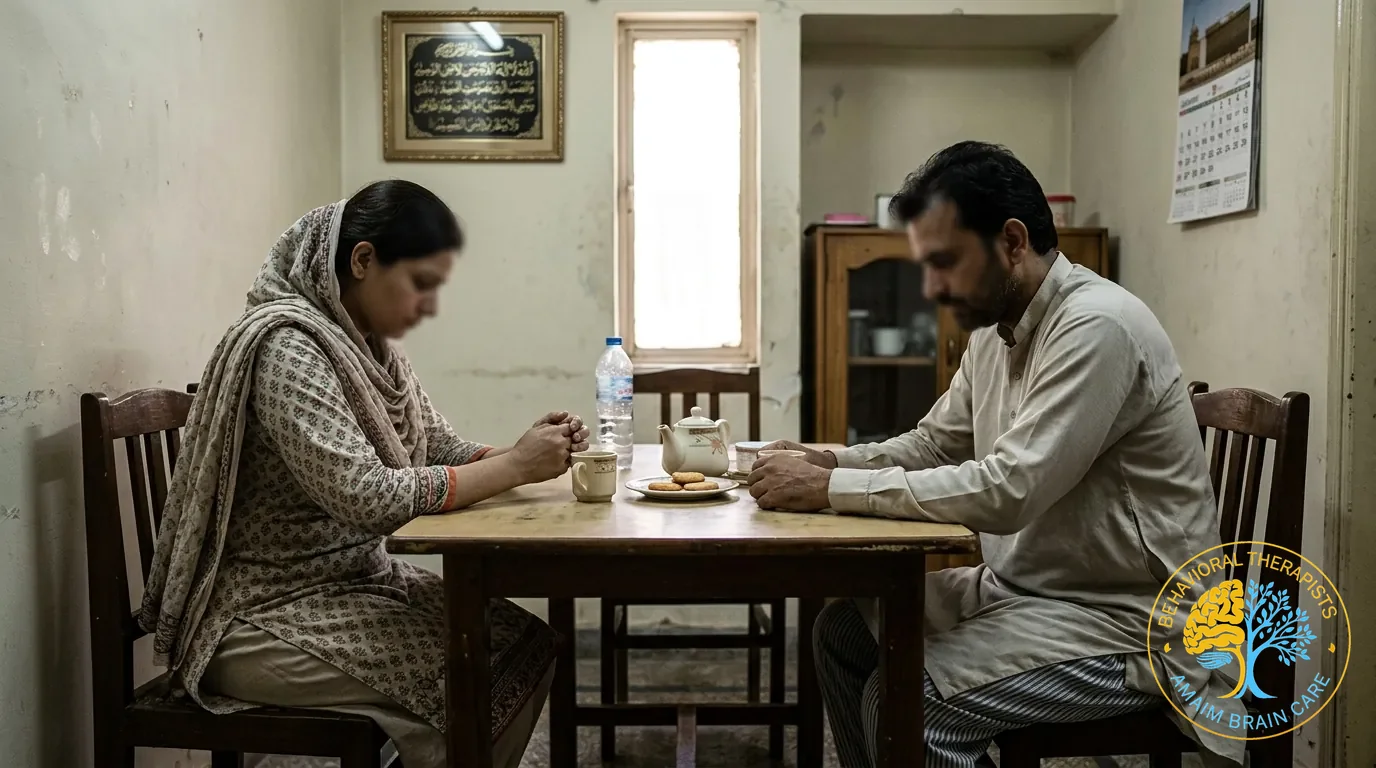
Jab tak samne wala har baat mane wo dunya ka sab se pyara insan hota hai (idealization). Lekin jahan usne kisi baat se inkaar kiya ya late hua, mareez foran samajhta hai ke wo dhokay baz hai aur dushman ban chuka hai (devaluation). Yeh achanak badalta rawaiyya sharik-e-hayat ko zehni mareez bana deta hai.
جب تک سامنے والا ہر بات مانے تو وہ دنیا کا بہترین انسان لگتا ہے، لیکن جہاں اس نے کوئی جائز حد قائم کی یا ذرا سی تاخیر ہوئی، مریض پلک جھپکتے میں اسے بے رحم اور مکار سمجھنے لگتا ہے۔ محبت اور نفرت کا یہ اچانک اور غیر متوقع اتار چڑھاؤ شریکِ حیات کو مستقل الجھن اور شدید ذہنی دباؤ میں مبتلا رکھتا ہے۔
The Neurobiology of Attachment Terror: Oxytocin, Endogenous Opioids, and Amygdala Alarms
The overwhelming intensity of abandonment fears in BPD is not an exaggerated theatrical act; it is powered by profound neurochemical and neuroanatomical dysfunctions. Cutting-edge psychiatric research demonstrates that social rejection and physical injury share identical neural pathways in the human brain.
BPD mein judai ka yeh khauf koi banawat nahi hai balki dimagh ke andar chemicals aur asbi circuits ki shadeed kharabi ki wajah se hota hai. Jadeed tehqeeq se pata chalta hai ke dil tootne aur jism zakhmi hone ka dard dimagh ke ek hi hissay mein mehsoos hota hai.
بارڈر لائن پرسنلٹی میں جدائی کا یہ خوف کوئی ڈرامہ یا دکھاوا نہیں ہے بلکہ اس کے پیچھے دماغ کی پیچیدہ اعصابی کیمسٹری اور ساخت کے نقائص کارفرما ہیں۔ سائنسی تحقیقات نے ثابت کیا ہے کہ کسی قریبی رشتے کا ٹوٹنا یا دوری دماغ کے اسی حصے میں درد پیدا کرتی ہے جو جسم کے شدید جلنے یا زخمی ہونے پر تڑپ اٹھتا ہے۔
In individuals with BPD, the endogenous opioid system—responsible for modulating physical pain and promoting feelings of safety in social bonds—is chronically depleted. When a perceived threat of separation occurs, the sudden deficit of endogenous opioids triggers hyperactivation of the dorsal anterior cingulate cortex (dACC) and anterior insula. Consequently, perceived abandonment causes biological agony comparable to severe physical burns.
BPD ke mareezon mein Endogenous Opioids chemicals ki shadeed kami hoti hai jo dard ko roknay ka kaam karte hain. Jab dori ka darr lagta hai toh dimagh ka wahi hissa cheekh uthta hai jo jism par aag lagne par cheekhta hai. Is liye mareez ki takleef haqeeqi aur intehai shadeed hoti hai.
ایسے مریضوں میں اینڈوجینس اوپیئائڈز (Endogenous Opioids) کا قدرتی نظام شدید کمی کا شکار ہوتا ہے جو درد کو کم کرنے اور تحفظ کا احساس دلانے کے لیے ضروری ہے۔ جب علیحدگی کا ذرا سا بھی اندیشہ ہو تو دماغ کا ڈورسل اینٹیریئر سنگولیٹ کورٹیکس شدید تڑپ اٹھتا ہے، جس سے مریض کو روح اور جسم میں شدید تکلیف محسوس ہوتی ہے۔
Furthermore, oxytocin receptor dysregulation impairs the capacity to maintain baseline interpersonal trust, while the hyper-reactive amygdala constantly scans social environments for threat cues, misinterpreting neutral faces as hostile or contemptuous. This is intensified by prefrontal-limbic disconnect, where the ventromedial prefrontal cortex fails to downregulate the alarm, leaving the patient trapped in a neurochemical state of panic.
Iske sath sath Oxytocin chemical ki kharabi rishton mein aetimad nahi banne deti aur Amygdala har aam baat ko dushmani samajhta hai. Prefrontal cortex break nahi laga pata, jis ki wajah se mareez ka poora jism darr ke shikanjay mein phans jata hai.
اس کے ساتھ ساتھ آکسیٹوسن (Oxytocin) کا بگاڑ تعلقات میں پائیدار اعتماد قائم نہیں ہونے دیتا اور امیگڈالا سامنے والے کے پرسکون چہرے کو بھی نفرت یا بے رخی تعبیر کرتا ہے۔ پری فرنٹل کورٹیکس کی کمزوری اس الارم کو روک نہیں پاتی، جس سے مریض شدید اعصابی خوف کی گرفت میں آ جاتا ہے۔
BPD vs. Bipolar Disorder in Interpersonal Dynamics
It is vital to distinguish BPD relationship crises from the interpersonal difficulties seen in Bipolar Disorder. While both disorders can cause significant marital strain, their psychological roots and time courses are fundamentally distinct.
BPD ke rishton ke masail ko Bipolar Disorder se alag samajhna behad zaroori hai. Agarche dono bimarion mein ghar mein laraiyan hoti hain, lekin dono ke asbaab aur rawaiye bilkul mukhtalif hote hain.
بارڈر لائن پرسنلٹی کے رشتوں کے مسائل کو بائی پولر ڈس آرڈر سے الگ سمجھنا انتہائی اہم ہے۔ اگرچہ دونوں بیماریوں میں گھریلو کشیدگی جنم لیتی ہے، لیکن ان دونوں کے پیدا ہونے کے اسباب اور بنیادی محرکات میں زمین آسمان کا فرق ہے۔
In Borderline Personality Disorder, relationship turbulence is driven on a daily basis by hypersensitivity to abandonment, splitting, and frantic attachment behaviors in direct reaction to interpersonal cues. In contrast, in Bipolar Disorder, interpersonal conflict typically emerges during distinct, prolonged mood episodes—such as irritability, grandiosity, or hypersexuality during mania, or complete emotional withdrawal during clinical depression. Between episodes, individuals with bipolar disorder usually maintain stable relational attachments without the chronic terror of abandonment characteristic of BPD.
BPD mein larai jhagray har roz dori ke darr aur shak ki wajah se hote hain jo kisi baat par achanak phoot parte hain. Jabke Bipolar Disorder mein masail tab aate hain jab mareez par hafton lamba mania (hadd se zyada josh) ya depression ka daura parta hai. Dauray ke ilawa bipolar ka mareez aam tor par rishtay theek se nibha leta hai.
بارڈر لائن پرسنلٹی میں رشتوں کا انتشار روزمرہ کی بنیاد پر تنہائی کے خوف، شک اور فوری جذباتی ردعمل سے جنم لیتا ہے۔ جبکہ بائی پولر ڈس آرڈر میں تعلقات کے مسائل ہفتوں یا مہینوں پر محیط مینس یا شدید ڈپریشن کے دوروں کے دوران پیدا ہوتے ہیں۔ دورے ختم ہونے کے بعد بائی پولر کا مریض عام طور پر تعلقات میں استحکام قائم رکھنے کی صلاحیت رکھتا ہے۔
Pakistani Cultural Realities: Marital Insecurity, Joint Families, and “Narazgi”
In Pakistan, the fear of abandonment in BPD is profoundly aggravated by societal expectations, family structures, and gender inequalities. Within the traditional joint-family system, young married women with BPD are particularly vulnerable. Entering a new household with multiple in-laws intensifies hypervigilance; any private conversation between the husband and his mother is perceived as a covert conspiracy to reject or cast her out.
Hamare Pakistani mushtarka khandani nizam (joint family) mein BPD ka marz aur zyada sangeen shakal ikhtiyar kar leta hai. Nayi shadi shuda larki jab sasural aati hai toh usay har waqt darr rehta hai ke sasur ya saas uske shohar ke kaan bhar rahe hain aur usay ghar se nikal diya jayega. Yeh weham aur darr usay har waqt bechain rakhta hai.
پاکستانی معاشرے اور مشترکہ خاندانی نظام میں BPD کا شکار خواتین کے لیے تنہائی کا خوف مزید شدت اختیار کر جاتا ہے۔ سسرال کے ماحول میں معمولی سی سرگوشی یا ساس بہو کا روایتی تناؤ بھی مریضہ کے دل میں یہ خوف بٹھا دیتا ہے کہ اس کے خلاف سازش ہو رہی ہے اور اسے گھر سے بے دخل کر دیا جائے گا۔
Furthermore, the widespread cultural tactic of “narazgi” (giving the silent treatment to express disapproval) is psychologically toxic for someone with BPD. Silence is processed by the BPD brain not as a cooling-off period, but as total abandonment, driving the individual into frantic hysterics, screaming, or self-harm. Coupled with the perpetual societal threat of divorce (“talaq ka khauf”) and the crushing stigma of “log kya kahenge,” patients remain trapped in chronic terror of abandonment.
Hamare han jab narazgi mein baat cheet band kar di jati hai (silent treatment), toh BPD ke mareez ke liye yeh azaab ban jata hai. Usay lagta hai ke sab khatam ho gaya aur wo ro ro kar cheekhne lagti hai. Talaq aur badnami ka darr uske jazbati toofan ko aur zyada bhadkawa deta hai.
ہمارے معاشرے میں “ناراضگی” یا بول چال بند کرنے کا روایتی رویہ BPD کے مریض کے لیے زہرِ قاتل ثابت ہوتا ہے۔ خاموشی کو مریض کا دماغ مکمل جدائی اور بے دخلی تعبیر کرتا ہے جس سے وہ چیخ و پکار یا خود کو نقصان پہنچانے پر مجبور ہو جاتا ہے۔ ساتھ ہی طلاق اور بدنامی کا مستقل خوف اس کی جذباتی کیفیت کو مزید بگاڑ دیتا ہے۔

The Destructive Cycle: How Fear of Abandonment Drives People Away
The greatest tragedy of Borderline Personality Disorder is the self-fulfilling prophecy it frequently creates. In a desperate, frantic bid to prevent abandonment, individuals with BPD often engage in behaviors that inadvertently drive their loved ones away:
BPD ka sab se bara almiya yeh hai ke insaan judai ke darr se aisi harkatein kar baithta hai jin ki wajah se samne wala waqai door hone par majboor ho jata hai:
بارڈر لائن پرسنلٹی ڈس آرڈر کا سب سے المناک پہلو وہ المیہ ہے جس میں مریض جدائی کے خوف میں مبتلا ہو کر خود ہی ایسے اقدامات کر بیٹھتا ہے جو بالآخر رشتے کو توڑنے کا سبب بن جاتے ہیں:
- Constant Interrogation and Accusations: Demanding constant proof of love, checking phones, and accusing partners of infidelity or deceit at the slightest delay.
Bar bar phone check karna, shaq karna aur har waqt mohabbat ka saboot mangna.
بار بار فون چیک کرنا، بے جا شک کرنا اور ذرا سی دیر پر بے وفائی کے الزامات لگانا۔
- Frantic Clinging and Suffocating Demands: Inability to allow the partner any solitary space, calling dozens of times in an hour if an answer is delayed.
Samne wale ko bilkul akele na chhorna aur jawab na milne par darjanon calls kar daalna.
شریکِ حیات کو سانس لینے کی مہلت نہ دینا اور جواب نہ ملنے پر درجنوں کالز کر کے دباؤ ڈالنا۔
- Preemptive Rejection and Rage: Attacking or breaking up with the partner first (“I’ll leave you before you can hurt me”) to avoid the vulnerability of being rejected.
Is darr se ke samne wala chhor na de, khud pehle larai kar ke rishta todne ki dhamki dena.
اس خوف سے کہ سامنے والا نہ چھوڑ دے، خود پہلے لڑائی کر کے علیحدگی کی دھمکیاں دینا تاکہ خود کو بچایا جا سکے۔
- Caregiver Burnout: Over months and years, partners become emotionally exhausted, depressed, and overwhelmed by constant crises, eventually pulling away—manifesting the very abandonment the patient feared.
Sharik-e-hayat musalsal laraiyon se thak jata hai aur aakhir kar door ho jata hai jiska mareez ko darr tha.
مسلسل الزامات اور جذباتی طوفانوں سے تھک ہار کر شریکِ حیات بالآخر کنارہ کشی اختیار کر لیتا ہے جس سے مریض کا خوف سچ ثابت ہو جاتا ہے۔
Evidence-Based Solutions: DBT Interpersonal Effectiveness, Schema Therapy, and MBT
Breaking the cycle of abandonment fears requires specialized, evidence-based psychotherapeutic interventions. Modern psychiatric modalities teach individuals with BPD how to achieve internal security and navigate intimate relationships with confidence:
Judai ke is darr se nijat pane ke liye jadeed therapies nihayat mufeed hain jo mareez ko pur-aetimad aur rishton ko mazboot banati hain:
تنہائی اور جدائی کے اس خوف سے نجات کے لیے جدید سائنسی سائیکو تھراپی کے طریقے انتہائی کامیاب ثابت ہوتے ہیں جو مریض کے اندر خود اعتمادی اور رشتوں میں استحکام پیدا کرتے ہیں:
- DBT Interpersonal Effectiveness (DEAR MAN & GIVE Skills): Teaches structured communication frameworks. DEAR MAN (Describe, Express, Assert, Reinforce, Mindful, Appear confident, Negotiate) trains patients to ask for their relational needs assertively without emotional outbursts. GIVE skills (Gentle, Interested, Validate, Easy manner) foster warmth and de-escalate marital conflict.
DBT therapy mareez ko DEAR MAN aur GIVE skills sikhati hai taake wo lare baghair aur cheezain tooray baghair tameez se apne dil ki baat manwa sakay.
ڈی بی ٹی کی انٹرپرسنل ایفیکٹیو نیس کی تکنیکیں (DEAR MAN اور GIVE) مریض کو بغیر جھگڑے اور غصے کے اپنے جذبات کا اظہار کرنا اور شریکِ حیات کے ساتھ وقار سے بات کرنا سکھاتی ہیں۔
- Schema Therapy for the Abandonment Schema: Uncovers and heals the deep-rooted “Abandonment/Instability” schema formed in childhood. Patients learn “limited reparenting,” allowing the Healthy Adult mode to comfort and protect the Vulnerable Child mode rather than resorting to panicked attacks.
Schema Therapy bachpan ke un khauf aur zakhmon ko theek karti hai jahan insaan ko akela chhor diya gaya tha, taake wo apne andar khud aitmad mehsoos kar sakay.
اسکیما تھراپی بچپن کے احساسِ تنہائی اور محرومی کو دور کر کے انسان کے اندر اندرونی تحفظ اور خود انحصاری کا جذبہ بیدار کرتی ہے۔
- Mentalization-Based Therapy (MBT): Develops the capacity to “mentalize”—helping patients pause before assuming that a partner’s quietness or busy schedule is driven by hatred or rejection.
MBT therapy ke zariye mareez yeh samajhna seekhta hai ke sharik-e-hayat ki khamoshi ka matlab nafrat nahi balki uski thakan ya masroofiyat ho sakti hai.
مینٹلائزیشن بیسڈ تھراپی (MBT) مریض کو سکھاتی ہے کہ شریکِ حیات کی خاموشی یا تھکن کا مطلب بے رخی نہیں بلکہ اس کی ذاتی مصروفیات ہو سکتی ہیں۔
Rebuilding Safe Attachments at Amaim Brain Care
At Amaim Brain Care, Dr. Ahsan Tariq Dogar, an esteemed Neuro-Psychiatrist, Behavioral Therapist, and Life Coach, provides specialized, compassionate care for couples and individuals struggling with BPD and relationship crises. We believe that no marriage or relationship is beyond repair when guided by scientific psychiatric expertise.
Amaim Brain Care Faisalabad mein Dr. Ahsan Tariq Dogar (Neuro-Psychiatrist & Behavioral Therapist) couples aur khandanon ke liye jadeed tareeqon se ilaj faraham karte hain. Hamara clinic aapke rishton ko tootne se bachane aur pur-sukoon mahol qayam karne mein mukammal madad karta hai.

عمائم برین کیئر فیصل آباد میں معروف نیورو سائیکاٹرسٹ و بیہیویئرل تھراپسٹ ڈاکٹر احسن طارق ڈوگر کی زیرِ نگرانی شادی شدہ جوڑوں اور خاندانی رشتوں کی بحالی کے لیے بین الاقوامی معیار کی تھراپی اور کونسلنگ فراہم کی جاتی ہے۔ ہمارا ادارہ ٹوٹتے ہوئے رشتوں کو بچانے اور اعتماد کی فضا بحال کرنے کے لیے پرعزم ہے۔
Our comprehensive Personality Disorders Treatment services include dedicated couples psychoeducation, DBT skills coaching, and personalized medical stabilization. We create a safe, neutral space where couples learn to dismantle toxic blame cycles, communicate authentic needs, and build a lasting foundation of mutual trust and secure love.
Hamare Personality Disorders Treatment program mein miyan biwi ki kounceling, DBT therapy aur zarurat ke mutabiq adwiyat shamil hain taake ghar ka sukoon wapas lout sakay.
ہمارے خصوصی پرسنلٹی ڈس آرڈرز ٹریٹمنٹ میں میاں بیوی کی مشترکہ کونسلنگ، ڈی بی ٹی سیشنز اور باہمی اعتماد کی بحالی کے عملی اقدامات شامل ہیں تاکہ ازدواجی زندگی خوشگوار بن سکے۔
Practical Steps for Couples and Families Navigating BPD
Transforming relationship dynamics affected by BPD takes patience, structured boundaries, and consistent effort. Here are practical strategies both partners can implement immediately:
BPD ke masail se nimatne aur rishton ko mazboot karne ke liye darj zail amli tareeqay fori tor par apnayein:
بارڈر لائن پرسنلٹی کے زیرِ اثر رشتوں کو بچانے اور مضبوط کرنے کے لیے درج ذیل عملی اصولوں پر عمل کریں:
- Ban the Silent Treatment: Agree as a couple that silence will never be used as a punishment. If a partner needs space, explicitly state: “I love you, I am not leaving, but I need 30 minutes to calm down before we talk.”
Narazgi mein khamoshi ka hathyar band karein. Agar waqt chahiye toh saaf kahein ke main aapse pyar karta hoon lekin 30 minute baad baat karenge.
خاموشی یا بول چال بند کرنے کی روایت ختم کریں۔ اگر وقفہ درکار ہو تو واضح کہیں کہ میں ساتھ ہوں لیکن آدھے گھنٹے بعد پرسکون ہو کر بات کریں گے۔
- Validate Emotional Fears First: Before explaining facts or defending yourself, validate the partner’s feelings: “I understand you are feeling scared and anxious right now, and I am here with you.”
Behas karne se pehle samne wale ke darr ko samjhein aur kahein ke main aapki pareshani samajhta hoon.
بحث میں الجھنے سے پہلے شریکِ حیات کے خوف کی توثیق کریں کہ میں آپ کے اضطراب کو سمجھتا ہوں اور آپ کے ساتھ ہوں۔
- Establish Scheduled Connection Check-Ins: Replace unpredictable interrogation with structured, daily 15-minute connection check-ins to share feelings calmly without distractions.
Rozana 15 minute nikal kar bina phone ke aapas mein pyar aur sakoon se baat cheet karein.
روزانہ 15 منٹ کا وقت مقرر کریں جس میں موبائل فون کے بغیر پرسکون ماحول میں باہمی گفتگو کی جا سکے۔
- Commit to Professional Guidance: Do not let relationship resentment fester. Work with a qualified psychiatrist to heal attachment wounds and restore harmony to your home.
Laraiyon ko barhne na dein. Mahir psychiatrist se rabta karein aur apne rishtay ko nayi zindagi dein.
معاملات کو حد سے بڑھنے نہ دیں بلکہ بروقت ماہرِ نفسیات سے رجوع کر کے رشتوں کو ٹوٹنے سے بچائیں۔
For dedicated clinical assessment, personalized medical consultation, and confidential psychological support, professional psychiatric care provides a compassionate, evidence-based roadmap toward lasting well-being.

Frequently Asked Questions
Why does fear of abandonment feel like a life-or-death emergency in BPD?
In BPD, the brain’s endogenous opioid deficits and amygdala hyper-reactivity cause emotional rejection to activate the dorsal anterior cingulate cortex—the exact neural center that registers severe physical pain, triggering an intense biological survival alarm.
BPD mein dimagh ke chemicals ki kami ki wajah se judai ka darr bilkul wahi dard paida karta hai jo jism par aag lagne par hota hai, is liye mareez ki saans phoolne lagti hai.
What is “splitting” in BPD relationships and can it be cured?
Splitting is a cognitive defense where partners are viewed as all-good (idealized) or all-bad (devalued). Through Dialectical Behavior Therapy (DBT) and Schema Therapy, patients learn to integrate positive and negative qualities, developing stable, realistic perceptions of loved ones.
Splitting ka matlab hai ya toh kisi ko farishta samajhna ya achanak dushman samajhna. DBT aur Schema therapy ke zariye mareez is soch ko badal kar mutawazin banta hai.
How can DBT Interpersonal Effectiveness skills help save a marriage?
DBT Interpersonal Effectiveness (DEAR MAN and GIVE skills) teaches individuals how to express emotional needs clearly and assertively, manage boundaries without screaming or accusing, and preserve relationship harmony without sacrificing self-respect.
DBT therapy sikhata hai ke bina cheekhe aur bina lare apni baat kaise manwayi jaye aur shohar ya biwi ke sath pur-sukoon taluq kaise qayam rakha jaye.
Why does the silent treatment (“narazgi”) trigger extreme crises in BPD?
Because individuals with BPD lack internal object constancy, silence and withdrawal are perceived as permanent abandonment and annihilation, pushing the patient into frantic panic, rage, or self-destructive behaviors to break the silence.
Jab koi naraz ho kar baat band karta hai toh BPD ke mareez ko lagta hai ke wo hamesha ke liye akela reh gaya hai, jis se wo cheekhne aur rone par majboor ho jata hai.
How can a spouse support a partner experiencing intense BPD abandonment panic?
Spouses should remain calm, validate the underlying emotional terror before debating logical facts, avoid punitive silence, and offer verbal reassurance of their ongoing commitment while maintaining healthy, compassionate personal boundaries.
Sharik-e-hayat ko chahiye ke wo gussa na karein, pehle uske darr ko samjhein, khamoshi ki saza na dein aur pyar se yaqeen dilayein ke hum sath hain.
How can I book an appointment with Dr. Ahsan Tariq Dogar?
You can book an in-person or online neuro-psychiatric consultation via reaching out via WhatsApp at 0333-6986464 for a confidential appointment.
فیصل آباد میں کلینک وزٹ یا آن لائن مشورے کے لیے آپ عمائم برین کیئر کے آفیشل واٹس ایپ لنک کے ذریعے رابطہ کر کے اپنی اپائنٹمنٹ باآسانی بک کروا سکتے ہیں، جہاں آپ کی معلومات کو مکمل صیغہ راز میں رکھا جاتا ہے۔
Sources & References
Medical & Educational Disclaimer
This content is for educational and informational purposes only and is not a substitute for professional medical advice, diagnosis, or treatment. Always consult a qualified psychiatrist or healthcare provider for any mental health concerns.