
Introduction: The Common Diagnostic Dilemma Between BPD and Bipolar Disorder
Emotional volatility, dramatic mood swings, impulsive behaviors, and intense interpersonal crises frequently bring individuals and their distressed families to psychiatric clinics seeking urgent answers. Within clinical psychiatry, two distinct conditions are most commonly confused by patients, families, and even general healthcare providers: Borderline Personality Disorder (BPD) and Bipolar Disorder. While both disorders share overlapping symptoms of emotional dysregulation, affective instability, and erratic behavior, they stem from fundamentally different neurobiological mechanisms, follow different temporal courses, and require entirely distinct therapeutic strategies. An accurate differential diagnosis is not merely an academic exercise; it determines whether a patient receives life-saving psychotherapy or inappropriate polypharmacy.
Jazbaati utaar charhao, achanak gusse ki lehar, be-qaboo rawaiye aur rishton mein shadeed larai jhagray aksar mareezon aur unke ghar walon ko shadeed zehni aziyat mein mubtila kar dete hain. Nafsiat ki dunya mein do bimarion ko aksar ek jesa samajh kar ghalat fehmi ka shikar ho jaya jata hai: Borderline Personality Disorder (BPD) aur Bipolar Disorder. Agarche dono bimarion mein mood ka bigarna aur be-sabri numaya hoti hai, lekin in dono ki asbi buniyad, mood tabdeel hone ki muddat aur ilaj ka tareeqa bilkul mukhtalif hai. Sahi tashkhees is liye behad zaroori hai taake mareez ko be-faida dawayon ke bojh ke bajaye sahi psychotherapy aur asar-daar ilaj mil sakay.
جذباتی ہیجان، اچانک موڈ کا بدل جانا، شدید غصہ اور رشتوں میں مسلسل تلخی اکثر مریض اور اس کے پورے خاندان کو شدید پریشانی میں مبتلا کر دیتی ہے۔ طبی نفسیات اور نیورو سائیکاٹری میں دو امراض کو اکثر باہم خلط ملط کر دیا جاتا ہے: بارڈر لائن پرسنلٹی ڈس آرڈر (BPD) اور بائی پولر ڈس آرڈر۔ اگرچہ دونوں حالتوں میں مریض کا موڈ غیر مستحکم دکھائی دیتا ہے، مگر ان کی اعصابی ساخت، موڈ میں تبدیلی کے دورانیے اور علاج کے اصولوں میں زمین آسمان کا فرق ہے۔ درست تفریقی تشخیص اس لیے ناگزیر ہے تاکہ مریض کو بے جا ادویات کے بوجھ سے بچا کر موثر سائیکو تھراپی اور سائنسی علاج فراہم کیا جا سکے۔
Diagnostic Foundations: DSM-5 Definitions and Core Clinical Profiles
According to the Diagnostic and Statistical Manual of Mental Disorders, Fifth Edition (DSM-5), Borderline Personality Disorder is classified as a Cluster B personality disorder. It is defined as a pervasive and enduring pattern of instability in interpersonal relationships, self-image, and affects, accompanied by marked impulsivity, beginning by early adulthood. The clinical hallmark of BPD is hyper-reactivity to environmental and relational triggers—especially perceived abandonment, social rejection, or interpersonal criticism. In contrast, Bipolar Disorder is classified as an episodic mood disorder. It is characterized by discrete, autonomous episodes of mania or hypomania (elevated, expansive, or irritable mood with grandiosity and decreased need for sleep) alternating with episodes of major depressive despair, existing as Bipolar I or Bipolar II disorder.
DSM-5 ke mutabiq Borderline Personality Disorder shakhsiyat ka ek mustaqil masla hai jo Cluster B personality disorders mein shamil hai. BPD ka mareez rishton ke tootnay ke khauf, apni zaat ke baray mein ghair yaqeeni soch, aur jazbaat par qaboo na paane ki wajah se har waqt bechain rehta hai. Jabke Bipolar Disorder ek daura-daar (episodic) zehni marz hai jis mein mareez ka mood achanak hafte ya maheenon ke liye intehai high (mania ya hypomania) ho jata hai ya phir shadeed depression ki gehraiyon mein gir jata hai.
امریکن سائیکاٹرک ایسوسی ایشن کے تشخیصی مینوئل (DSM-5) کے مطابق بارڈر لائن پرسنلٹی ڈس آرڈر شخصیت کے کلسٹر بی (Cluster B) کا ایک دیرینہ اور مستقل مرض ہے۔ اس کا مریض تنہائی، رشتوں کے ٹوٹنے کے شدید خوف، اپنی ذات کی شناخت کے بحران اور لمحہ بہ لمحہ بدلتے جذباتی طوفانوں میں گھرا رہتا ہے۔ دوسری طرف بائی پولر ڈس آرڈر ایک موڈ ڈس آرڈر ہے جس میں مریض پر ہفتوں یا مہینوں پر محیط انماد (Mania/Hypomania) کے طویل دورے پڑتے ہیں جس میں وہ ضرورت سے زیادہ بولتا ہے، کم سوتا ہے اور خود کو بہت بڑی ہستی سمجھتا ہے، جس کے بعد وہ شدید یاسیت و ڈپریشن کے طویل اندھیروں میں چلا جاتا ہے۔
A fundamental distinction lies in the stability of the baseline personality. In Bipolar Disorder, the patient experiences periods of euthymia (a normal, stable baseline mood) between manic and depressive episodes where their personality and daily functioning return to baseline. In BPD, however, affective instability, identity disturbance, and chronic feelings of emptiness represent an ongoing, daily personality trait that persists continuously across years without prolonged intervals of symptom-free baseline functioning.
Bipolar Disorder mein jab mania ya depression ka daura khatam hota hai, toh mareez mahino ya saalon tak bilkul aam insaan ki tarah pur-sukoon zindagi guzar sakta hai jise euthymia kehte hain. Lekin BPD ka shikar shakhs har roz, har ghantay jazbaati bechaini, androni khalapan aur rishton ke darr mein mubtila rehta hai aur uski shakhsiyat mein koi lamba pur-sukoon waqfa nahi aata.
بائی پولر ڈس آرڈر کی سب سے بڑی خاصیت یہ ہے کہ جب انماد یا ڈپریشن کا دورہ ختم ہوتا ہے تو مریض مہینوں یا برسوں تک بالکل نارمل اور پرسکون حالت (Euthymia) میں رہتا ہے۔ اس کے برعکس بی پی ڈی کا شکار فرد روزمرہ کی زندگی میں مسلسل اندرونی کھوکھلے پن، جذباتی عدم استحکام اور عدم تحفظ کا شکار رہتا ہے اور اس کی شخصیت میں طویل پرسکون وقفے شاذ و نادر ہی دیکھنے کو ملتے ہیں۔
Mood Shift Dynamics: Ultra-Rapid Affective Reactivity vs Episodic Mood Cycles
The temporal pattern and triggering mechanisms of mood fluctuations serve as the most crucial clinical discriminator between Borderline Personality Disorder and Bipolar Disorder. The nature of these shifts diverges significantly across several dimensions:
Mood ke badalne ki muddat aur uske peechay mojood wajoohaat se BPD aur Bipolar ke farq ko asaani se samjha ja sakta hai. In dono ke buniyadi pehlu darj zail hain:
موڈ میں تبدیلی کے دورانیے، اس کی رفتار اور محرکات کا تفصیلی مطالعہ دونوں امراض کے فرق کو واضح ترین انداز میں سامنے لاتا ہے:
- Duration of Mood Fluctuations: In BPD, mood shifts are ultra-rapid, lasting from a few minutes to several hours, and rarely persisting beyond a day or two. A person with BPD can experience intense euphoria, crushing despair, searing shame, and explosive rage all within a single afternoon. In Bipolar Disorder, mood episodes are sustained: a manic episode lasts at least 7 consecutive days (or requires hospitalization), a hypomanic episode lasts at least 4 consecutive days, and a major depressive episode persists for a minimum of 2 weeks or several months.
BPD mein mood din mein kayi martaba ghanton ya minute ke hisaab se badalta hai; ek hi din mein khushi, shadeed rona aur aag bagoola ghussa dekha ja sakta hai. Jabke Bipolar mein mood ka ek daura kam az kam kayi hafton ya maheenon tak mustaqil qaim rehta hai.
بارڈر لائن پرسنلٹی ڈس آرڈر میں موڈ منٹوں اور گھنٹوں کے اندر بجلی کی تیزی سے بدلتا ہے، جہاں ایک ہی دوپہر میں مریض خوشی، غصے اور گہری اداسی کے درجنوں جھٹکے سہتا ہے۔ جبکہ بائی پولر میں ایک کیفیت کم از کم ایک سے دو ہفتے یا مہینوں تک مسلسل طاری رہتی ہے۔
- Trigger Mechanisms: BPD mood shifts are almost exclusively reactive, triggered by real or perceived interpersonal events such as an unanswered phone call, a perceived cold glance, mild constructive criticism, or temporary separation from a partner. Bipolar mood episodes, while sometimes precipitated by severe biological stressors or sleep disruption, develop autonomously and do not shift instantly in response to moment-to-moment conversational dynamics.
BPD ka mood kisi qareebi shakhs ke la-parwah rawaiye, phone na uthane ya baat na sunne se foran kharab ho jata hai. Bipolar ke dauray aam tor par kisi mamooli guftagu ke mohtaj nahi hote balki dimaghi chemical aur neend ki kharabi se achanak shuru hote hain.
بی پی ڈی میں موڈ کا اچانک خراب ہونا رشتوں کے معمولی کھنچاؤ، فون کال کا جواب نہ ملنے یا ہلکی سی تنقید پر منحصر ہوتا ہے۔ اس کے برعکس بائی پولر کے دورے گفتگو کے فوری محرکات کے محتاج نہیں ہوتے بلکہ اعصابی حیاتیاتی بگاڑ سے جنم لیتے ہیں۔
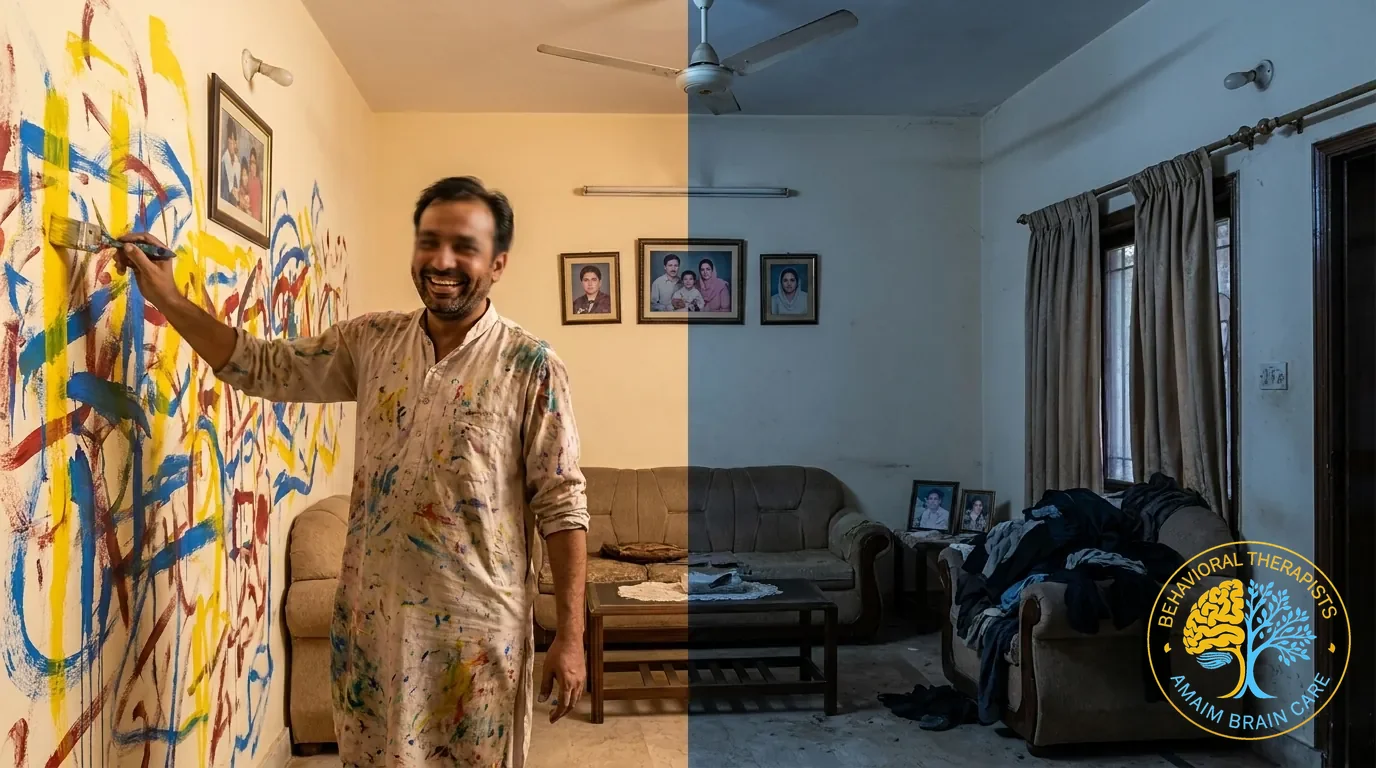
- Quality of Affect: The elevated mood in BPD is typically characterized by intense relief, excitement, or idealized passion when feeling accepted. In Bipolar mania or hypomania, the elevated mood is expansive, grandiose, and accompanied by accelerated physiological drive, flight of ideas, pressured speech, and a profound reduction in the subjective biological need for sleep.
BPD ki khushi kisi ki tawajjah milne par temporary josh hoti hai. Bipolar mania mein insaan baghair soye 24 ghante be-tahasha bolta hai, ajeeb mansoobay banata hai aur khud ko dunya ka sab se taqatwar shakhs samajhta hai.
بی پی ڈی کی خوشی وقتی تسلی یا کسی کی محبت ملنے پر جوش کی شکل میں ہوتی ہے۔ جبکہ بائی پولر کے مینیا میں مریض کئی راتیں سوئے بغیر گزار دیتا ہے، تیز تیز بولتا ہے، ہوائی منصوبے بناتا ہے اور غیر حقیقی توانائی محسوس کرتا ہے۔
Neurobiological Underpinnings: Brain Circuits, Neurotransmitters, and Biological Rhythms
Modern neuroimaging, electrophysiology, and neuroendocrinology demonstrate distinct neuropathological mechanisms driving BPD versus Bipolar Disorder, explaining why their clinical trajectories and pharmacological responses diverge so sharply.
Jadeed dimaghi tehqeeqat aur MRI scans se saaf zahir hota hai ke BPD aur Bipolar Disorder dono dimagh ke alag alag hisson aur keemiyai nizam ki kharabi se peda hote hain, jis ki wajah se dono ke ilaj mein dawayon ka asar bhi mukhtalif hota hai.
جدید ترین نیورو سائنس اور ایم آر آئی اسکینز نے ثابت کیا ہے کہ بارڈر لائن پرسنلٹی ڈس آرڈر اور بائی پولر ڈس آرڈر دماغ کے بالکل مختلف سرکٹس اور حیاتیاتی نظاموں کے بگاڑ کا نتیجہ ہیں، یہی وجہ ہے کہ دونوں کے علاج میں یکساں دوائیں کام نہیں کرتیں۔
In Bipolar Disorder, the core pathophysiological engine involves profound circadian rhythm dysregulation and intrinsic instability within the biological clock network centered in the suprachiasmatic nucleus (SCN) of the hypothalamus. Disruptions in clock genes (such as CLOCK and ARNTL) alter cellular metabolic cycles, causing severe sleep-wake architecture breakdowns. During manic switches, the brain exhibits marked dopaminergic hyper-transmission across mesolimbic and striatal pathways, coupled with abnormal cellular signaling cascades (including inositol triphosphate, glycogen synthase kinase-3 beta / GSK-3beta, and protein kinase C / PKC), driving hyper-arousal, psychomotor agitation, and grandiosity.
Bipolar Disorder mein dimagh ki biological clock jo hamari neend aur jaagne ke nizam ko sambhalti hai, buri tarah mutasir ho jati hai. Hypothalamus aur suprachiasmatic nucleus mein kharabi ki wajah se neend ka nizam toot jata hai. Mania ke dauran dimagh mein dopamine chemical ka tufan barpa ho jata hai, jis se mareez ki harkat, bolnay ki raftaar aur be-khauf rawaiyya hadd se barh jata hai.
بائی پولر ڈس آرڈر میں دماغ کے ہائپوتھیلامس میں واقع بائیولوجیکل کلاک (Suprachiasmatic Nucleus) کا نظام تباہ ہو جاتا ہے جو نیند اور بیداری کے قدرتی توازن کو چلاتا ہے۔ مینیا کے دورے کے دوران ڈوپامائن (Dopamine) کا غیر معمولی اخراج اور خلیاتی سگنلز کا بگاڑ مریض کو بے خوابی کے باوجود بے انتہا جسمانی اور ذہنی توانائی فراہم کرتا ہے۔
Conversely, the neurobiology of Borderline Personality Disorder is anchored in limbic hyper-reactivity coupled with fronto-limbic decoupling. Functional MRI studies reveal an overactive amygdala and insula that generate intense emotional distress in response to neutral or ambiguous social stimuli, while the top-down regulatory regions—specifically the ventromedial prefrontal cortex (vmPFC), orbitofrontal cortex (OFC), and dorsal anterior cingulate cortex (dACC)—exhibit severe hypoactivity and structural grey matter reductions. Furthermore, BPD is characterized by neuroendocrine abnormalities in the hypothalamic-pituitary-adrenal (HPA) axis stemming from early developmental trauma, alongside central serotonergic and oxytocinergic system deficits that severely compromise interpersonal trust, affective stabilization, and social threat processing.
BPD mein dimagh ka jazbaati hissa jise amygdala kehte hain, hadd se zyada garam aur hassas ho jata hai, jabke agla hissa (prefrontal cortex) jo jazbaat par break lagata hai, kamzor ho jata hai. Bachpan ke sadmaat ki wajah se stress hormone (cortisol) aur serotonin ka nizam kharab ho jata hai, jis se mareez ko har waqt darr lagta hai ke usay koi chhor kar chala jaye ga ya dhoka de ga.
اس کے برعکس بی پی ڈی میں خوف اور خطرے کا مرکز یعنی امیگڈالا (Amygdala) حد درجہ حساس ہو جاتا ہے، جبکہ عقل اور ضبط کا مرکز پری فرنٹل کورٹیکس (Prefrontal Cortex) جذباتی بریک لگانے میں ناکام رہتا ہے۔ بچپن کے نفسیاتی صدمات کی وجہ سے کارٹیسول، سیروٹونن اور آکسی ٹوسن کا اعصابی نظام بگڑ جاتا ہے، جس کے نتیجے میں مریض اپنے پیاروں کے معمولی رویے کو بھی شدید بے رخی اور دھوکہ سمجھ لیتا ہے۔
Pakistani Sociocultural Context: Stigma, Family Friction, and Misdiagnosis
In Pakistan, navigating emotional and mood disorders involves confronting deeply entrenched cultural misconceptions, religious misattributions, and systemic healthcare shortcomings. Rapidly shifting emotions, explosive temper tantrums, and self-injurious crises in BPD are frequently dismissed in joint families as “nakhray” (theatrical tantrums), “ziddi aurat” (stubborn woman), or “bad-mizaji” (ill-tempered nature). When mood swings become unbearable, families often attribute the condition to supernatural origins—such as “jinnat ka asar” (demonic possession), “kala jadoo” (black magic), or “nazar-e-bad” (evil eye)—spending precious years visiting unverified spiritual healers (amils and peers) while the patient’s emotional world deteriorates.
Hamare Pakistani muashray aur joint family system mein BPD ke shadeed jazbaati ghusse aur rone dhonay ko aksar “nakhray”, “zidd”, “nakhre-baz bahu” ya “bad-tameezi” keh kar radd kar diya jata hai. Jab halat zyada kharab ho jayein toh log isay “jinnat”, “saya” ya “kala jadoo” samajh kar amils aur peers ke chakkar kaatnay lagte hain. Is dauran mareez ki asli bimari chup jati hai aur uski takleef din ba din barhti rehti hai.
پاکستانی معاشرے اور مشترکہ خاندانی نظام میں بی پی ڈی کے جذباتی طوفانوں کو اکثر “ضد”، “نخرے”، “بد مزاجی” یا “لاڈ پیار کا بگاڑ” قرار دے کر نظر انداز کر دیا جاتا ہے۔ سنگین علامات ظاہر ہونے پر اسے “جنات کا سایہ”، “کالا جادو” یا “نظرِ بد” سمجھ کر عاملوں اور پیروں کے پاس لے جایا جاتا ہے۔ اس توہم پرستی اور معاشرتی بدنامی (Log Kya Kahenge) کے ڈر سے مریض بروقت مستند ڈاکٹر کے پاس جانے سے محروم رہتا ہے۔
Furthermore, marital dynamics in Pakistani society present profound vulnerabilities for individuals with BPD. The pervasive fear of real or imagined abandonment triggers intense relationship conflict, frequent demands for reassurance, and accusatory outbursts that destabilize marriages, often leading to threats of divorce (talaq) or domestic estrangement. Crucially, a major clinical challenge across Pakistan is the rampant misdiagnosis of BPD as Bipolar II or Treatment-Resistant Major Depression in non-specialized settings. Patients with BPD are frequently subjected to heavy, irrational polypharmacy—prescribed high doses of antipsychotics, mood stabilizers, and sedatives—which fail to resolve the core psychological trauma and identity disturbance while producing severe metabolic side effects, simply because the clinician failed to recognize the personality structure.
Shadi shuda zindagi mein BPD ka mareez har waqt talaq ya alaidgi ke khauf mein mubtila rehta hai aur shohar ya biwi par shak kar ke rishtay ko tabah kar leta hai. Pakistan mein ek bara masla yeh hai ke aam clinics mein BPD ko ghalati se Bipolar samajh kar be-tahasha dawayian (mood stabilizers aur heavy pills) likh di jati hain, jo mareez ke maslay ko hal karne ke bajaye uske jism aur dimagh ko mazeed sust kar deti hain.
ازدواجی رشتوں میں بی پی ڈی کا مریض طلاق اور علیحدگی کے مستقل وسوسوں کی وجہ سے شریکِ حیات پر بے جا شک اور شدید مطالبات کرتا ہے، جس سے گھر کا سکون برباد ہو جاتا ہے۔ پاکستان میں سب سے بڑا المیہ یہ ہے کہ غیر مستند کلینکس پر بی پی ڈی کو غلطی سے بائی پولر سمجھ کر بھاری ادویات اور نشہ آور گولیاں دے دی جاتی ہیں، جو اصل نفسیاتی مرض کو ٹھیک کرنے کے بجائے مریض کو مستقل سستی اور دیگر جسمانی امراض میں مبتلا کر دیتی ہیں۔
Detailed Comparison: BPD vs Bipolar Disorder at a Glance
To provide immediate clarity for patients, caregivers, and medical practitioners, the contrasting dimensions of Borderline Personality Disorder and Bipolar Disorder are summarized below:
BPD aur Bipolar Disorder ke farq ko asaani se samajhne ke liye in ahem pehluon ka jaiza lein:
مریضوں اور ان کے اہل خانہ کی آسانی کے لیے بارڈر لائن پرسنلٹی ڈس آرڈر اور بائی پولر کے بنیادی تفریقی نکات درج ذیل ہیں:
- Diagnostic Classification: BPD is a chronic Cluster B Personality Disorder rooted in developmental trauma and relational attachment deficits; Bipolar Disorder is an Episodic Mood Disorder driven by circadian and neurochemical dysregulation.
BPD shakhsiyat aur bachpan ke sadmaat ka marz hai; Bipolar dimaghi chemical aur neend ke nizam ka daura-daar marz hai.
بی پی ڈی شخصیت اور بچپن کے صدمات سے جڑا مرض ہے، جبکہ بائی پولر دماغی کیمیکلز اور نیند کے حیاتیاتی نظام کا دورہ دار مرض ہے۔
- Episode Duration: BPD affective shifts last minutes to hours; Bipolar manic/depressive episodes persist for consecutive weeks or months.
BPD ka mood ghanton mein badalta hai; Bipolar ka mood hafton ya maheenon tak ek jesa rehta hai.
بی پی ڈی کے موڈ کا دورانیہ منٹوں اور گھنٹوں پر محیط ہوتا ہے، جبکہ بائی پولر کے دورے مسلسل کئی ہفتوں یا مہینوں تک طاری رہتے ہیں۔
- Interpersonal Sensitivity & Identity: BPD features chronic fear of abandonment, unstable self-image, and black-and-white (splitting) perceptions of loved ones; Bipolar patients generally maintain a stable baseline identity and interpersonal attachment style during euthymic periods.
BPD mein zaati shanakht aur rishton ka khauf musalsal rehta hai; Bipolar ka mareez daura khatam hone par bilkul normal rishtay nibhata hai.
بی پی ڈی میں انسان اپنی پہچان کے بحران اور رشتوں کے شدید خوف میں رہتا ہے، جبکہ بائی پولر کا مریض دورہ ختم ہونے پر رشتوں کو بخوبی نبھاتا ہے۔
- Sleep Architecture: In Bipolar mania, there is a biological decrease in the need for sleep (feeling fully energized after 2 hours of sleep); in BPD, sleep disturbance presents as emotional insomnia (inability to sleep due to racing anxious thoughts or distress, followed by exhaustion).
Bipolar mania mein mareez baghair soye taro-taza rehta hai; BPD mein mareez bechaini aur gham ki wajah se so nahi pata aur thak jata hai.
بائی پولر مینیا میں مریض کو نیند کی ضرورت ہی محسوس نہیں ہوتی اور وہ تروتازہ رہتا ہے، جبکہ بی پی ڈی میں مریض ذہنی بے چینی کے باعث سونے کے لیے تڑپتا ہے۔
- Self-Harm and Impulsivity: In BPD, non-suicidal self-injury (cutting, burning) and suicidal gestures are frequently utilized as maladaptive coping mechanisms to regulate overwhelming emotional agony or communicate distress; in Bipolar Disorder, suicidality occurs primarily during profound depressive episodes or mixed affective states, and impulsivity is linked to manic disinhibition.
BPD mein mareez takleef kam karne ke liye khud ko zakhmi karta hai; Bipolar mein khud-kushi ka khatra shadeed depression ke dauran paida hota hai.
بی پی ڈی میں مریض جذباتی درد کو کم کرنے کے لیے اپنے جسم کو کاٹتا یا زخم لگاتا ہے، جبکہ بائی پولر میں خودکشی کے خیالات شدید ڈپریشن کے دوران جنم لیتے ہیں۔
- Primary Treatment Modality: BPD is treated primarily with specialized psychotherapy (such as DBT), with medications playing only an adjunctive, symptom-targeted role; Bipolar Disorder requires lifelong pharmacotherapy with mood stabilizers as the primary foundation, supported by psychoeducation.
BPD ka buniyadi ilaj psychotherapy (DBT) hai; Bipolar ka buniyadi ilaj mood stabilizer dawayian hain.

بی پی ڈی کا بنیادی اور حتمی علاج سائیکو تھراپی (DBT) ہے، جبکہ بائی پولر کا بنیادی علاج عمر بھر باقاعدگی سے ادویات کا استعمال ہے۔
When Should You or Your Family Seek Expert Psychiatric Evaluation?
Distinguishing between personality-driven affective instability and a cyclical mood disorder requires a sophisticated clinical assessment by a trained specialist. Families should not wait until severe crises—such as severe self-harm, suicide attempts, disastrous financial bankruptcies during manic binges, or catastrophic divorce proceedings—shatter the household. Seeking a comprehensive psychiatric evaluation early ensures that the correct diagnostic formulation is established and the appropriate, life-saving therapeutic interventions are initiated promptly.
Ghar walon ko chahiye ke wo kisi barray nuqsan, khud-kushi ki koshish, jaidad ki tabahi ya talaq ki naubat aane se pehle kisi mahir neuro-psychiatrist se rabta karein. Barwaqt checkup se sahi bimari ka pata chalta hai aur mareez ki zindagi ko mehfooz banaya ja sakta hai.
اہلِ خانہ کو چاہیے کہ وہ کسی بڑے سانحے، خودکشی کی کوشش، مالی بربادی یا طلاق کی نوبت آنے کا انتظار نہ کریں بلکہ پہلی فرصت میں ماہر امراضِ نفسیات سے رجوع کریں۔ بروقت اور درست تشخیص سے نہ صرف مریض کی جان بچائی جا سکتی ہے بلکہ خاندان کو ایک مستقل اذیت سے نجات مل سکتی ہے۔
Evidence-Based Treatment Pathways at Amaim Brain Care
At Amaim Brain Care in Faisalabad, Dr. Ahsan Tariq Dogar, a prominent Neuro-Psychiatrist, Behavioral Therapist, and Life Coach, provides gold-standard diagnostic precision and individualized treatment plans. Our clinic utilizes advanced psychiatric interviewing, psychometric assessments, and neurochemical profiling to clearly separate BPD from Bipolar Disorder, ensuring that each patient receives targeted, evidence-based care.
Amaim Brain Care Faisalabad mein, Dr. Ahsan Tariq Dogar (Neuro-Psychiatrist & Behavioral Therapist) jadeed tareeqon se BPD aur Bipolar ki mukammal tashkhees aur behtareen ilaj faraham karte hain. Hamara maqsad mareez ko be-ja dawayon se bacha kar uski bimari ke mutabiq sahi ilaj faraham karna hai.
عمائم برین کیئر فیصل آباد میں معروف ماہرِ امراضِ نفسیات و اعصابی صحت ڈاکٹر احسن طارق ڈوگر کی زیرِ نگرانی تفصیلی طبی جانچ اور سائنسی علاج کیا جاتا ہے۔ ہمارا ادارہ جدید سائیکاٹرک اسیسمنٹ کے ذریعے بی پی ڈی اور بائی پولر کے باریک فرق کو واضح کر کے ہر مریض کے لیے مخصوص اور جامع پلان ترتیب دیتا ہے۔
Our dedicated Personality Disorders Treatment and mood disorder management protocols offer specialized interventions:
Hamare clinic par dastiyab Personality Disorders Treatment aur mood disorder clinic mein darj zail jadeed sahuliyat mojood hain:
ہمارے کلینک پر دستیاب خصوصی پرسنلٹی ڈس آرڈرز ٹریٹمنٹ اور موڈ کلینک میں درج ذیل جدید علاج فراہم کیے جاتے ہیں:
- Dialectical Behavior Therapy (DBT) for BPD: Developed specifically for borderline pathology, DBT is the global gold-standard psychotherapy. It trains patients in four vital modular skill sets: Mindfulness (present-moment awareness), Distress Tolerance (surviving emotional crises without self-harm), Emotion Regulation (identifying and modifying intense feelings), and Interpersonal Effectiveness (asserting boundaries and sustaining relationships).
DBT therapy BPD ke mareezon ko jazbaat par qaboo pane, khud ko zakhmi karne se roknay aur rishton ko sanbhalne ki ahem maharatain sikhati hai.
ڈائلیکٹیکل بیہیوریل تھراپی (DBT) بارڈر لائن پرسنلٹی ڈس آرڈر کا سب سے موثر اور مستند علاج ہے۔ اس کے ذریعے مریض کو جذبات پر قابو پانے، خود کو نقصان پہنچانے سے رکنے اور رشتوں کو اعتماد کے ساتھ نبھانے کی عملی تربیت دی جاتی ہے۔
- Mentalization-Based Therapy (MBT) and Schema Therapy: MBT assists patients in understanding their own and others’ mental states, reducing relational paranoia and catastrophic assumptions. Schema Therapy targets deeply ingrained childhood schemas of abandonment, defectiveness, and vulnerability.
Schema Therapy aur MBT ke zariye bachpan ke khauf aur galat fehmiyon ko door kiya jata hai taake mareez doosron ke rawaiyon ko thanday dimagh se samajh sakay.
اسکیما تھراپی اور مینٹلائزیشن تھراپی (MBT) کے ذریعے بچپن کے پرانے صدمات اور عدم تحفظ کا خاتمہ کیا جاتا ہے تاکہ مریض دوسروں کی باتوں کا منفی مطلب نکالنے سے باز رہے۔
- Evidence-Based Pharmacotherapy for Bipolar Disorder: Precision psychopharmacology utilizing first-line mood stabilizers (Lithium carbonate, Sodium Valproate, Lamotrigine) and second-generation atypical antipsychotics (Quetiapine, Aripiprazole, Lurasidone, Olanzapine) to stabilize biological rhythms, abort acute manic/depressive episodes, and prevent future recurrences.
Bipolar Disorder ke liye behtareen mood stabilizer dawayian (Lithium, Valproate waghera) di jati hain jo dimagh ke chemical ko balance kar ke dauron ko rokti hain.
بائی پولر ڈس آرڈر کے لیے جدید موڈ اسٹیبلائزرز (لیتھیم، سوڈیم ویلپرویٹ، لیمو ٹریجین) اور جدید اینٹی سائیکوٹک ادویات کا محفوظ استعمال کر کے دماغی دوروں کی مکمل روک تھام کی جاتی ہے۔
- Interpersonal and Social Rhythm Therapy (IPSRT): Designed for Bipolar patients to stabilize circadian rhythms by establishing consistent daily routines, regular sleep-wake schedules, and managing interpersonal stressors that trigger manic or depressive episodes.
Neend aur rozmarrah ke mamoolat ko theek karne ke liye IPSRT therapy di jati hai taake neend kharab hone se bimari ka daura na paray.
سوشل ردھم تھراپی (IPSRT) کے ذریعے بائی پولر کے مریض کی نیند کے معمولات اور روزمرہ کی مصروفیات کو منظم کیا جاتا ہے تاکہ بیماری کا حملہ دوبارہ نہ ہو۔
- Family Psychoeducation and Crisis Planning: Structured guidance for spouses and family members to dismantle destructive enabling patterns, establish healthy boundaries, recognize early warning signs of relapses, and construct emergency safety plans.
Ghar walon ko bimari ki mukammal maloomat di jati hai taake wo mareez ki behtar dekh bhaal kar sakein aur gharelu larai jhagron se bach sakein.
اہلِ خانہ کو بیماری کے اتار چڑھاؤ کو سمجھنے اور ہنگامی حالات میں مریض کو سنبھالنے کے لیے تفصیلی فیملی کونسلنگ اور رہنمائی فراہم کی جاتی ہے۔
Long-Term Prognosis, Emotional Stability, and Family Recovery
Receiving an accurate diagnosis marks the beginning of genuine healing and emotional liberation. With structured Dialectical Behavior Therapy, individuals with Borderline Personality Disorder can achieve enduring symptom remission, develop emotional mastery, build flourishing relationships, and forge a stable self-identity. Similarly, with consistent pharmacological management and circadian rhythm support, individuals with Bipolar Disorder can lead extraordinarily successful, creative, and fulfilling personal and professional lives. Compassionate, scientific care is always within reach.
Sahi tashkhees ke baad dono bimarion ka ilaj mumkin hai. DBT therapy se BPD ke mareez apne jazbaat par mukammal qaboo pa kar pur-sukoon zindagi guzar sakte hain, aur Bipolar ke mareez sahi dawayon se kamyab aur khush-haal zindagi guzar sakte hain. Umeed hamesha mojood hai.
درست تشخیص ہی مریض کی حقیقی نجات اور شفا کا پہلا قدم ہے۔ سائنسی تھراپی (DBT) کے ذریعے بی پی ڈی کا مریض جذباتی ضبط حاصل کر کے پرسکون زندگی گزار سکتا ہے، اور بائی پولر کا مریض باقاعدہ ادویات کی مدد سے ایک انتہائی کامیاب اور پرمسرت زندگی کا مالک بن سکتا ہے۔ شفایابی کی امید ہمیشہ موجود ہے۔

Frequently Asked Questions
Can a person have both Borderline Personality Disorder and Bipolar Disorder simultaneously?
Yes. Clinical studies indicate that approximately 15% to 20% of individuals diagnosed with Borderline Personality Disorder also suffer from comorbid Bipolar Disorder (most commonly Bipolar II). In such dual-diagnosis cases, an integrated treatment approach combining both daily mood-stabilizing medication and specialized Dialectical Behavior Therapy (DBT) is required for comprehensive stability.
Ji haan, taqreeban پندرہ se بیس feesad mareezon mein yeh dono bimariyan ek sath ho sakti hain. Aisi soorat mein mood stabilizer dawayon ke sath sath DBT therapy lena behad zaroori hota hai taake dono masail hal ho sakein.
Why do mood swings in BPD happen so much faster than in Bipolar Disorder?
BPD mood swings are driven by hyper-reactive limbic brain circuits that trigger instantaneous emotional reactions to interpersonal stressors, such as perceived rejection or criticism, lasting only minutes to hours. In contrast, Bipolar mood episodes are driven by profound biological and circadian rhythm disruptions that alter baseline brain physiology for sustained periods of weeks or months.
BPD ka mood kisi ke rawaiye ya mamooli baat par foran asar leta hai aur ghanton mein badalta hai. Jabke Bipolar dimagh ke biological nizam ki kharabi hai jo kayi hafton ya maheenon tak mustaqil rehti hai.
Can medications alone cure Borderline Personality Disorder?
No. There are no FDA-approved medications specifically for BPD, and medications cannot alter underlying personality architecture, fear of abandonment, or relational schemas. While medications can help manage comorbid depression, severe anxiety, or impulsive aggression, structured psychotherapy like Dialectical Behavior Therapy (DBT) remains the primary and indispensable curative treatment.
Nahi, sirf dawayian BPD ko theek nahi kar saktin. Dawayian sirf shadeed ghusse ya depression ko thora kam karti hain, jabke asil ilaj DBT therapy ke zariye zehni soch ko badalna hai.
Why is BPD frequently misdiagnosed as Bipolar Disorder in Pakistan?
Due to limited specialized psychiatric training and brief clinic consultations, clinicians often hear complaints of “mood swings” and hastily diagnose Bipolar Disorder. Without taking a detailed developmental history, evaluating fear of abandonment, and assessing the hourly duration of affective shifts, clinicians mistakenly prescribe heavy mood stabilizers instead of recommending psychotherapy.
Pakistan mein aksar doctor jaldi mein mood swings ki baat sun kar Bipolar likh dete hain aur BPD ke bachpan ke sadmaat aur ghanton mein badalne wale mood ko gehrai se nahi parkhte, jis se ghalat dawayian shuru ho jati hain.
How does sleep disturbance differ between BPD and Bipolar mania?
In Bipolar mania, patients experience a decreased biological need for sleep, sleeping only 2 or 3 hours yet waking with abundant energy and feeling fully rested. In BPD, patients suffer from severe insomnia caused by emotional distress, racing anxious worries, and rumination, feeling physically exhausted, drained, and distressed during the day.
Bipolar mania mein mareez thori der so kar bhi be-panah taqat mehsoos karta hai aur sona nahi chahta. BPD mein mareez dukh aur fikar ki wajah se so nahi pata aur aglay din shadeed thakawat mehsoos karta hai.
How can I book an appointment with Dr. Ahsan Tariq Dogar?
You can book an in-person or online neuro-psychiatric consultation via reaching out via WhatsApp at 0333-6986464 for a confidential appointment.
فیصل آباد میں کلینک وزٹ یا آن لائن مشورے کے لیے آپ عمائم برین کیئر کے آفیشل واٹس ایپ لنک کے ذریعے رابطہ کر کے اپنی اپائنٹمنٹ باآسانی بک کروا سکتے ہیں، جہاں آپ کی معلومات کو مکمل صیغہ راز میں رکھا جاتا ہے۔
Sources & References
Medical & Educational Disclaimer
This content is for educational and informational purposes only and is not a substitute for professional medical advice, diagnosis, or treatment. Always consult a qualified psychiatrist or healthcare provider for any mental health concerns.