Introduction: Unraveling the Confusion Around ASPD and Psychopathy
In popular culture, crime documentaries, and cinema, terms like “psychopath,” “sociopath,” and “antisocial personality” are frequently thrown around as dramatic synonyms for cold-blooded villains, serial offenders, or remorseless manipulators. However, within the rigorous domain of clinical psychiatry and neuropsychology, these terms are neither interchangeable nor merely descriptive insults. Antisocial Personality Disorder (ASPD) is a formal, diagnostic psychiatric condition recognized by international diagnostic classifications such as the DSM-5 and ICD-11. Psychopathy, on the other hand, represents a specialized neuropsychological construct defined by a profound constellation of emotional, interpersonal, and behavioral traits. Understanding the precise distinctions between these concepts is vital for clinical diagnosis, legal responsibility, family safety, and evidence-based treatment.
Aam guftagu, filmon aur social media par lafz “psychopath” aur “antisocial” ko aksar baghair samjhe har uss shakhs ke liye istemal kiya jata hai jo gusse wala, chalak ya jurm pesha ho. Lekin tibbi nafsiat aur dimaghi sehat ki roshni mein yeh dono alag alag mafhoom rakhte hain. Antisocial Personality Disorder (ASPD) ek rasmi zehni bimari hai jisay international psychiatric manuals tasleem karte hain, jabke Psychopathy ek gehra nafsiati aur asbi masla hai jis mein insaan duli hamdardi, ehsas-e-jurm aur sharmindagi ke jazbaat se mukammal mehroom hota hai. Pakistan mein in dono ke farq ko samajhna khandani sukoon aur mareez ki durust tashkhees ke liye behad zaroori hai.
فلمی کہانیوں، ڈراموں اور عوامی گفتگو میں لفظ “سائیکوپیتھ” اور “اینٹی سوشل” کو اکثر بے رحمی، مکاری اور جرائم پیشہ افراد کے لیے ایک دوسرے کے متبادل کے طور پر استعمال کیا جاتا ہے۔ تاہم طبی نفسیات اور نیورو سائیکاٹری کے اصولوں کے مطابق یہ دونوں اصطلاحات یکساں نہیں ہیں۔ اینٹی سوشل پرسنلٹی ڈس آرڈر (ASPD) ایک باقاعدہ تسلیم شدہ دماغی و نفسیاتی مرض ہے جس کی تشخیص بین الاقوامی مینوئلز کے تحت کی جاتی ہے، جبکہ سائیکوپیتھی (Psychopathy) ایک مخصوص اعصابی اور نفسیاتی کیفیت ہے جس میں دلی ہمدردی، ندامت اور اخلاقی احساسات کا مکمل فقدان پایا جاتا ہے۔ ان دونوں کے مابین سائنسی فرق کو جاننا درست طبی رہنمائی اور خاندانی تحفظ کے لیے ناگزیر ہے۔
Diagnostic Definitions: DSM-5 ASPD vs The Clinical Construct of Psychopathy
The Diagnostic and Statistical Manual of Mental Disorders, Fifth Edition (DSM-5), classifies Antisocial Personality Disorder as a Cluster B personality disorder characterized by a pervasive and chronic pattern of disregard for, and violation of, the rights of others occurring since age 15. The diagnosis requires evidence of Conduct Disorder with onset before the age of 15 and emphasizes observable, behavioral criteria: chronic deceitfulness, impulsivity, irritability, aggressive physical fights, reckless disregard for personal or public safety, persistent financial and occupational irresponsibility, and a rationalizing lack of remorse. The DSM-5 criteria are predominantly behavioral because observable actions are easier to measure reliably in clinical and forensic environments.
DSM-5 ke mutabiq Antisocial Personality Disorder ka taalluq Cluster B personality disorders se hai. Is mein mubtila shakhs 15 saal ki umar se hi doosron ke huqooq ko pamal karna, qawaneen torna aur jhoot bolna shuru kar deta hai. Is marz ki tashkhees ke liye bachpan mein Conduct Disorder ki tareekh dekhi jati hai jese school se bhagna, jaanwaron ko satana, ya chori karna. Bare ho kar yeh log be-parwahi se gaari chalate hain, qarz wapis nahi karte, aur larai jhagray mein doosron ko zakhmi kar ke bhi koi afsos mehsoos nahi karte.
امریکن سائیکاٹرک ایسوسی ایشن کے تشخیصی مینوئل (DSM-5) کے مطابق اینٹی سوشل پرسنلٹی ڈس آرڈر کلسٹر بی (Cluster B) کے امراض میں شامل ہے، جس کا بنیادی خاصہ پندرہ سال کی عمر سے دوسروں کے حقوق کی پامالی، دھوکہ دہی اور سماجی قوانین سے کھلی سرکشی ہے۔ اس کی تشخیص کے لیے بچپن میں کنڈکٹ ڈس آرڈر (Conduct Disorder) کی تاریخ کا ہونا لازمی ہے۔ ایسے افراد مستقل جھوٹ بولتے ہیں، جذباتی غصے میں لڑائی جھگڑے کرتے ہیں، مالی و خاندانی ذمہ داریوں سے راہِ فرار اختیار کرتے ہیں، اور اپنے ظالمانہ رویوں پر کوئی ندامت محسوس نہیں کرتے۔
In contrast, psychopathy is conceptualized primarily as an affective and interpersonal deficit rather than merely a list of criminal or disruptive behaviors. While individuals with ASPD frequently exhibit hot-tempered, erratic, and disinhibited impulsivity, individuals with high psychopathic traits display cold calculation, superficial charm, pathological grandiosity, and an intrinsic inability to experience authentic emotional empathy. Consequently, while virtually all individuals with high psychopathy meet the behavioral criteria for ASPD, only a minority (estimated between 15% and 25%) of individuals diagnosed with ASPD meet the clinical threshold for psychopathy.
Iske bar-aks, Psychopathy sirf qanoon torne ka naam nahi balki dil aur jazbaat ki aisi sardi hai jahan insaan doosron ke dukh dard ko samajhne ki salahiyat hi nahi rakhta. ASPD ka mareez aksar gusse mein aakar be-qaboo ho jata hai, lekin ek psychopath intehai pur-sukoon reh kar, meethi baatein kar ke doosron ko apna shikar banata hai. Yahi wajah hai ke har psychopath ko ASPD zaroor hota hai, lekin ASPD ke tamam mareez psychopath nahi hote, balki un mein se sirf 15 se 25 feesad afrad hi is intehai darjay par pohanchte hain.
اس کے برعکس، سائیکوپیتھی محض ظاہری جرائم کا نام نہیں بلکہ یہ جذبات اور انسانی تعلقات کا ایک گہرا خلل ہے۔ جہاں اینٹی سوشل پرسنلٹی ڈس آرڈر کا مریض غصے میں بے قابو ہو کر ہنگامہ کھڑا کر دیتا ہے، وہیں سائیکوپیتھ فرد بظاہر پرکشش، خوش اخلاق اور پراعتماد دکھائی دیتا ہے مگر اندر سے مکمل طور پر بے حس اور شاطر ہوتا ہے۔ طبی اعداد و شمار کے مطابق اگرچہ تمام سائیکوپیتھ افراد اینٹی سوشل پرسنلٹی ڈس آرڈر کے معیارات پر پورا اترتے ہیں، لیکن اے ایس پی ڈی کے تمام مریض سائیکوپیتھ نہیں ہوتے، بلکہ ان میں سے صرف 15 سے 25 فیصد ہی سائیکوپیتھی کی مکمل تعریف پر پورے اترتے ہیں۔
The Hare Psychopathy Checklist-Revised (PCL-R): Factor 1 vs Factor 2 Dimensions
The gold standard for assessing psychopathy in clinical, psychiatric, and forensic settings is the Hare Psychopathy Checklist-Revised (PCL-R), developed by Canadian psychologist Dr. Robert D. Hare. The PCL-R evaluates 20 specific psychological and behavioral items through a detailed semi-structured clinical interview combined with comprehensive collateral records. The checklist is divided into two primary overarching factors, each capturing distinct dimensions of personality and behavior:
Psychopathy ki tibbi aur qanooni tashkhees ke liye duniya bhar mein Dr. Robert Hare ka tayyar kardah PCL-R pemana sab se zyada mustanad mana jata hai. Is mein 20 mukhtalif nafsiati aur ravaiyye ke pehluon ko gehrai se parkha jata hai. PCL-R ko do buniyadi factors mein taqseem kiya gaya hai jo insani shakhsiyat ke mukhtalif hisson ko wazeh karte hain:
سائیکوپیتھی کی باقاعدہ اور مستند جانچ کے لیے دنیا بھر کے ماہرین ڈاکٹر رابرٹ ڈی ہیئر کے تیار کردہ سائیکوپیتھی چیک لسٹ ریوائزڈ (Hare PCL-R) کو معیار تسلیم کرتے ہیں۔ اس تشخیصی نظام میں 20 مخصوص نکات کی مدد سے مریض کے تفصیلی انٹرویو اور سابقہ ریکارڈ کا جائزہ لیا جاتا ہے۔ پی سی ایل آر کو دو بنیادی فیکٹرز (Factors) میں تقسیم کیا گیا ہے جو شخصیت کے الگ الگ پہلوؤں کو نمایاں کرتے ہیں:
- Factor 1: Interpersonal and Affective Traits (Core Psychopathy): Encompasses superficial charm and glibness, grandiose sense of self-worth, pathological lying, conning and manipulative behavior, lack of remorse or guilt, emotionally shallow affect, callousness and total lack of empathy, and failure to accept personal responsibility for actions.
Factor 1 mein shakhsiyat ki chalaki, meethi zuban se dhoka dena, khud ko bohot aala samajhna, musalsal jhoot bolna, kisi ke marne ya nuqsan par koi afsos na hona, aur doosron ke ehsaasaat ka mazaq urana shamil hai.
فیکٹر 1 (Factor 1) میں ظاہری چرب زبانی، جھوٹا وقار، جھوٹ بولنے کی بیماری، دوسروں کا جذباتی استحصال، گناہ اور شرمندگی کا نہ ہونا، پتھر دلی اور اپنی غلطیوں کی ذمہ داری دوسروں پر ڈالنے کی عادات شامل ہیں۔
- Factor 2: Lifestyle and Antisocial Behavioral Traits (Social Deviance / ASPD Overlap): Encompasses a constant need for stimulation and proneness to boredom, a parasitic lifestyle dependent on exploiting family or friends, poor behavioral controls, early childhood behavioral problems, lack of realistic long-term life goals, impulsivity, chronic irresponsibility, juvenile delinquency, and revocation of conditional supervision or parole.
Factor 2 mein be-sabri, har waqt nayi thrill ya khatray ki talash, ghar walon ke paison par aish karna, be-qaboo ghussa, bachpan mein awaragardi, aur mustaqbil ki kisi mansooba bandi ke baghair zindagi guzarna shamil hai.
فیکٹر 2 (Factor 2) میں مسلسل سنسنی کی تلاش، جلد اکتا جانا، خاندان کے پیسوں پر مفت خوری کی عادت، کمزور قوتِ ارادی، بچپن میں اسکول اور گھر سے فرار، مستقبل کے واضح اہداف کا فقدان اور لاپرواہ مجرمانہ سرگرمیاں شامل ہیں۔
While an individual diagnosed with standard ASPD often scores moderately on Factor 2 due to impulsive, unruly, and aggressive behaviors, they may score low on Factor 1 if they retain the capacity to feel occasional remorse, love for specific family members, or intense emotional distress. A true psychopath scores exceptionally high on both Factor 1 and Factor 2, possessing a cold, unflinching emotional detachment that makes their antisocial behaviors uniquely calculated, predatory, and resistant to conventional social feedback.
Ek aam ASPD ka mareez Factor 2 par zyada score karta hai kyun ke wo be-qaboo ghusse aur larai mein mulawis hota hai, lekin wo apne bachon ya kisi qareebi rishtedar ke liye thori bohot hamdardi mehsoos kar sakta hai. Jabke ek psychopath Factor 1 aur Factor 2 dono mein intehai aala score karta hai, jiska matlab hai ke uske dil mein kisi ke liye bhi koi sachha jazba ya dard maujood nahi hota aur wo baghair kisi jhijhak ke logon ka istihsaal karta hai.
اے ایس پی ڈی کا عام مریض فیکٹر 2 میں اونچا اسکور حاصل کرتا ہے کیونکہ وہ غصے اور بے قابو طرزِ عمل کا شکار ہوتا ہے، مگر ممکن ہے کہ وہ فیکٹر 1 میں کم نمبر لے کیونکہ اس کے اندر اپنے خاص رشتے داروں کے لیے معمولی محبت یا غصے کے بعد وقتی ندامت موجود ہو سکتی ہے۔ اس کے برعکس ایک حقیقی سائیکوپیتھ فیکٹر 1 اور فیکٹر 2 دونوں میں بلند ترین اسکور کرتا ہے، جس کی بدولت اس کے اندر ایک مکمل اور سرد مہر لاتعلقی جنم لیتی ہے جو اسے انتہائی خطرناک اور بے رحم بنا دیتی ہے۔
The Neurobiology of Empathy and Aggression: Brain Circuits and Neurochemistry
Modern functional neuroimaging, structural MRI studies, and neuropsychological assessments demonstrate that both ASPD and psychopathy are rooted in profound neurobiological dysfunctions within the brain’s fronto-limbic and paralimbic circuits. However, the neural architecture underlying each condition exhibits distinct physiological signatures, explaining why their emotional expressions and patterns of aggression diverge so significantly.
Jadeed dimaghi scans aur MRI tehqeeqat se yeh baat saaf zahir hoti hai ke ASPD aur Psychopathy dono dimagh ke makhsoos hisson aur keemiyai nizam ki kharabi ki wajah se janam lete hain. Lekin in dono bimarion mein dimagh ke asbi circuits mukhtalif tareeqay se mutasir hote hain, jis ki wajah se unka ghussa aur rawaiyya ek doosray se kafi mukhtalif hota hai.
جدید ترین نیورو امیجنگ اور ایم آر آئی اسکینز نے ثابت کیا ہے کہ اینٹی سوشل پرسنلٹی ڈس آرڈر اور سائیکوپیتھی دونوں کے پیچھے دماغ کے مخصوص فرونٹو لِمبک (Fronto-Limbic) سرکٹس اور کیمیائی مادوں کا شدید بگاڑ کارفرما ہوتا ہے۔ تاہم دونوں حالتوں میں دماغی نیٹ ورکس کی خرابی کا انداز مختلف ہوتا ہے، جو ان کے رویوں اور جارحیت کے فرق کو واضح کرتا ہے۔
The ventromedial prefrontal cortex (vmPFC) is the neurological hub responsible for moral decision-making, weighing the emotional consequences of actions, evaluating risk versus reward, and generating social emotions such as guilt, empathy, and shame. In both ASPD and psychopathy, structural grey matter reductions and functional hypoactivity in the vmPFC impair the individual’s ability to inhibit socially destructive urges. Simultaneously, the insular cortex (insula)—which processes somatic sensations and allows humans to experience vicarious emotional pain when witnessing others suffer—shows profound hypofunction, particularly in individuals with high psychopathic traits, effectively blinding them to the emotional agony of their victims.
Dimagh ka agla hissa jise ventromedial prefrontal cortex (vmPFC) kehte hain, hamare akhlaqi faislon, gunaah ke ehsas aur sharmindagi ko sambhalta hai. In mareezon mein yeh hissa kamzor ho jata hai jis ki wajah se wo apne galat iradon ko roknay mein nakam rehte hain. Iske sath sath insula namak hissa, jo doosron ki takleef dekh kar dil mein dard mehsoos karwata hai, psychopath afrad mein bilkul kaam nahi karta, jis ki wajah se wo doosron ko aziyat de kar bhi pur-sukoon rehte hain.
دماغ کا وینٹرومیڈیل پری فرنٹل کورٹیکس (vmPFC) وہ نازک مرکز ہے جو اخلاقی فیصلوں، نیکی و بدی کی تمیز، اور شرم و ندامت کے احساسات کو کنٹرول کرتا ہے۔ اے ایس پی ڈی اور سائیکوپیتھی دونوں کے شکار افراد میں اس حصے کا حجم اور کارکردگی گھٹ جاتی ہے، جس کے نتیجے میں وہ برے کاموں سے رکنے سے قاصر رہتے ہیں۔ اسی طرح انسولر کورٹیکس (Insula)، جو دوسروں کی تکلیف کو دیکھ کر انسان کے دل میں ہمدردی پیدا کرتا ہے، سائیکوپیتھ افراد میں غیر فعال ہو جاتا ہے جس سے وہ مظلوم کی چیخ و پکار پر بھی بے حس رہتے ہیں۔
A crucial neurobiological divergence lies in the functioning of the amygdala, the almond-shaped structure that mediates fear conditioning, threat detection, and emotional salience. In primary psychopathy, the amygdala displays marked hypo-reactivity; the individual fails to register autonomic fear responses when faced with impending punishment, physical danger, or distress cues (such as crying faces or screams) in others. This emotional blunting forms the bedrock of callous-unemotional (CU) traits. In contrast, individuals with non-psychopathic ASPD frequently display an over-reactive amygdala coupled with weak prefrontal inhibition, resulting in explosive, emotionally volatile, and reactive aggression when they feel challenged, frustrated, or threatened.
Amygdala dimagh ka wo hissa hai jo khauf aur khatray ko pehchanta hai. Ek psychopath ke dimagh mein amygdala bilkul thanda aur be-hiss hota hai; usay na saza ka darr hota hai aur na hi kisi ke ronay dhonay se uske dil par koi asar parta hai. Iske bar-aks, ASPD ke mareez ka amygdala hadd se zyada garam hota hai, jis ki wajah se mamooli baat par bhi usay aag bagoola ghussa aa jata hai aur wo foran larai shuru kar deta hai.
دماغ کے خوف والے مرکز یعنی امیگڈالا (Amygdala) کا فرق دونوں کیفیات کو بالکل الگ کر دیتا ہے۔ ایک حقیقی سائیکوپیتھ کا امیگڈالا سست اور غیر متحرک ہوتا ہے؛ اسے سزا، جیل یا بدنامی کا کوئی خوف نہیں ستاتا اور نہ ہی مظلوم کے آنسو اس پر اثر کرتے ہیں۔ دوسری طرف اے ایس پی ڈی کا عام مریض ضرورت سے زیادہ حساس امیگڈالا رکھتا ہے، جو معمولی اشتعال پر بھی بے پناہ غصے اور ہنگامی مار پیٹ کا باعث بنتا ہے۔
At the neurochemical level, dysregulation of the central serotonergic system impairs impulse control and behavioral inhibition, predisposing individuals to violent outbursts. Concurrently, altered dopamine transmission across the mesolimbic reward pathways—specifically within the nucleus accumbens—drives hyper-responsiveness to immediate rewards, sensations, and monetary gains, completely blinding the individual to future legal, social, or personal consequences.
Dimagh mein serotonin chemical ki kami insaan ke jazbaat par qaboo ko khatam kar deti hai aur wo foran ghusse mein aa jata hai. Doosri taraf dopamine chemical ki zyadti har waqt fori lalach, paisay aur maze ki talash mein insaan ko andha kar deti hai, aur wo mustaqbil ke nuqsanat ko bhula deta hai.
اعصابی کیمیکلز کے اعتبار سے سیروٹونن (Serotonin) کی کمی قوتِ برداشت کو ختم کر کے وقتی جارحیت کو بھڑکاتی ہے، جبکہ ڈوپامائن (Dopamine) کا غیر متوازن اخراج مریض کو فوری لالچ، نشے اور جوئے کی لت میں مبتلا کر کے مستقبل کے تمام قانونی اور سماجی نقصانات سے اندھا کر دیتا ہے۔
Causes and Pakistani Cultural Realities: Stigma, Misconceptions, and Family Dynamics
The etiology of antisocial pathology arises from a multifaceted bio-psycho-social interaction. Genetic heritability accounts for approximately 40% to 50% of the variance in antisocial behaviors, with specific gene-environment interactions (such as low-activity MAOA gene polymorphisms interacting with childhood maltreatment) significantly multiplying the risk. Severe developmental adversity, including chronic physical abuse, emotional neglect, witnessing domestic violence, erratic and harsh discipline, and early parental abandonment, critically disrupts the formation of secure attachment and neurobiological emotional regulation.
In bimarion ki wajoohaat mein jism ke andar jiniati asraat (genetics) aur mahol ka dabao dono shamil hain. Bachpan mein shadeed maar peet, ghar mein baap ya walidain ka ghussa, la-parwahi, aur gharelu larai jhagray bachay ke dimagh ko sakht chot pohanchate hain. Aise mahol mein parwarish paane wale bachay baray ho kar ya toh ASPD ka shikar ho jate hain ya unke andar doosron ke liye nafrat aur be-hisi paida ho jati hai.
اینٹی سوشل پرسنلٹی ڈس آرڈر اور سائیکوپیتھی کی وجوہات میں جینیاتی عوامل اور ماحولیاتی دباؤ دونوں اہم ہیں۔ بچپن میں شدید جسمانی تشدد، والدین کی طرف سے لاپرواہی، گھریلو جھگڑے اور عدم تحفظ بچے کے نازک دماغ پر مستقل زخم چھوڑتے ہیں۔ اگر جینیاتی طور پر حساس بچے کو پرتشدد اور بے حس ماحول میں پالا جائے تو اس کے اندر قانون شکنی، ہمدردی سے عاری سوچ اور جارحانہ عادات پختہ ہو جاتی ہیں۔
In Pakistan, socioeconomic stresses, joint-family dynamics, and pervasive cultural stigmas create unique challenges in recognizing and managing these conditions. Families frequently mislabel severe antisocial behaviors in young men as mere “ziddi mizaj” (stubborn temperament), “bachpana” (immaturity), or “shokh tabiyat” (adventurous nature), effectively excusing and enabling chronic exploitation. In conservative or rural settings, cold and destructive behaviors are often attributed to supernatural forces such as “jinnat ka asar” (demonic possession), “kala jadoo” (black magic), or “nazar-e-bad” (evil eye). Families may spend years and substantial financial resources visiting unverified spiritual healers (amils and peers), delaying crucial psychiatric assessment while the individual accumulates devastating debts, inflicts severe domestic abuse, or enters the criminal justice system.
Hamare Pakistani muashray mein aksar aisi khatarnak aadaton ko “ladla beta”, “ziddi mizaj” ya “jawani ka josh” keh kar nazar andaz kar diya jata hai. Jabke shadeed be-hisi aur destructive rawaiyon ko “jinnat”, “kala jadoo” ya “nazar” samajh kar amils aur peers ke paas le jaya jata hai. Is jahalat aur “log kya kahenge” ke darr se saalon guzar jate hain, aur is dauran mareez khandan ki izzat, paisay aur rishton ko tabah kar chuka hota hai.
پاکستانی معاشرے میں اکثر ایسے خطرناک رویوں کو محض “بگڑا ہوا لاڈلا”، “ضد” یا “جوانی کا خون” کہہ کر نظر انداز کر دیا جاتا ہے۔ سنگین جرائم اور بے حس رویوں کو “جنات کا سایہ”، “کالا جادو” یا “نظرِ بد” قرار دے کر عاملوں اور پیروں کے پاس وقت اور پیسہ برباد کیا جاتا ہے۔ معاشرتی بدنامی کے ڈر سے ماہر امراض نفسیات کے پاس جانے میں سالہا سال تاخیر کی جاتی ہے، جس دوران مریض خاندانی جائیداد کو نقصان پہنچاتا ہے اور قریبی رشتوں پر ناقابلِ تلافی ظلم ڈھاتا ہے۔
Symptoms and Key Differences: Impulsive vs Instrumental Aggression
Distinguishing between ASPD and psychopathy is most clearly observed through their divergent styles of aggression, emotional expression, and social manipulation. The following points summarize the core clinical differences:
ASPD aur Psychopathy ke darmiyan farq unke ghusse, guftagu aur lalach ke tareeqon se saaf nazar aata hai. In dono ke buniyadi farq darj zail hain:
اینٹی سوشل پرسنلٹی ڈس آرڈر اور سائیکوپیتھی کے درمیان بنیادی فرق ان کے غصے کی نوعیت، گفتگو کے انداز اور مقاصد کے حصول کے طریقوں سے واضح ہوتا ہے:
- Nature of Aggression: Individuals with ASPD predominantly exhibit reactive, “hot-blooded” aggression triggered by frustration, perceived slights, or intoxication. In contrast, individuals with high psychopathy display instrumental, “cold-blooded,” predatory aggression—carefully planned, executed without emotional turmoil, and used as a tool to achieve wealth, power, or control.
ASPD ka ghussa jazbaati aur hungami hota hai jo fori larai par utar aata hai, jabke Psychopathy ka tashaddud thanda aur socha samjha hota hai jo faiday ke liye kiya jata hai.
اے ایس پی ڈی کا غصہ ہنگامی اور جذباتی ہوتا ہے جو کسی بات پر اچانک بھڑک اٹھتا ہے، جبکہ سائیکوپیتھ کی جارحیت سوچی سمجھی، ٹھنڈے دماغ سے کی گئی اور اپنے ذاتی فائدے یا تسلط کے لیے ہوتی ہے۔
- Interpersonal Presentation: While individuals with ASPD often appear visibly erratic, defensive, hostile, and struggle to hold down employment, those with high psychopathic traits can project a polished facade of charm, intelligence, and reliability, often excelling in corporate or social hierarchies while secretly exploiting those around them.
ASPD ka shakhs aksar gusse wala, badtameez aur be-tartib dikhta hai, jabke psychopath shakhs nihayat tameezdar, khush ikhlaq aur hoshiyar ban kar logon ko dhoka deta hai.
اے ایس پی ڈی کا مریض اکثر چڑچڑا، بدتمیز اور بے روزگار نظر آتا ہے، جبکہ سائیکوپیتھ ظاہری طور پر انتہائی مہذب، پرکشش اور کامیاب دکھائی دیتا ہے اور پسِ پردہ لوگوں کو برباد کرتا ہے۔
- Emotional Experience: Persons with ASPD may experience genuine subjective anxiety, chronic dysphoria, rage, and intermittent feelings of regret after an impulsive outburst. In stark contrast, individuals with psychopathy lack subjective anxiety, physiological fear, and any capacity for authentic guilt or emotional bonding.
ASPD ka mareez gusse ke baad kabhi kabhar parishani ya pachtawa mehsoos kar sakta hai, jabke psychopath ke dil mein kisi kism ka darr, sharmindagi ya dukh paida nahi hota.
اے ایس پی ڈی کے مریض میں وقتی طور پر بے چینی، خوف اور غصے کے بعد معمولی ندامت ہو سکتی ہے، جبکہ سائیکوپیتھ انسان کے اندر سچا خوف، ندامت اور دلی محبت کا مادہ سرے سے ہوتا ہی نہیں۔
Impact on Marriages, Family Wealth, and Workplace Functioning
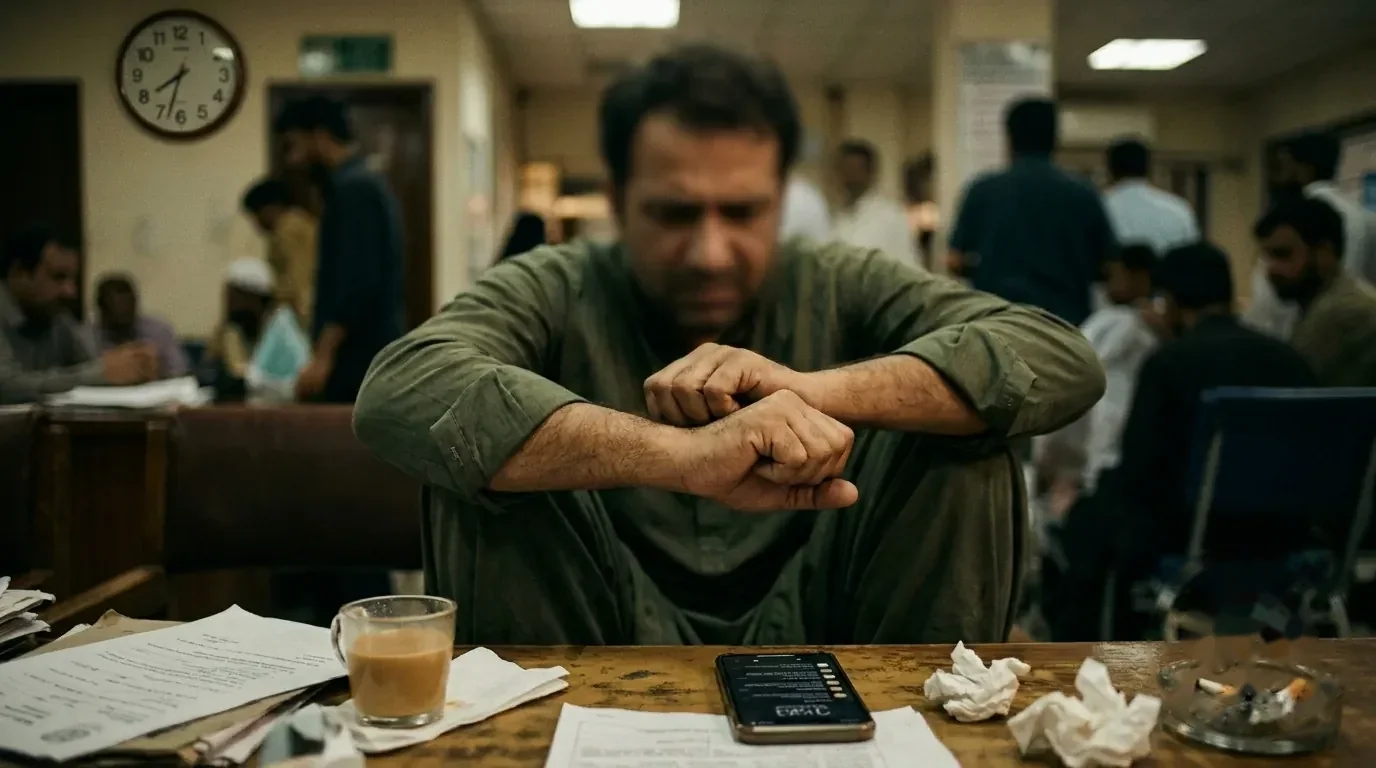
Living alongside an individual with ASPD or high psychopathy leaves a devastating trail of emotional trauma, financial ruin, and domestic instability. In marital relationships, spouses are subjected to continuous gaslighting, coercive control, pathologically dishonest infidelities, and domestic violence. Partners often develop severe clinical depression, generalized anxiety disorder, and complex post-traumatic stress disorder (C-PTSD) due to living in constant hypervigilance.
Aise afrad ke sath zindagi guzarna ghar walon ke liye ek musalsal azaab ban jata hai. Shadi shuda zindagi mein biwi ya shohar ko musalsal jhoot, maali dhokay aur gharelu tashaddud ka samna karna parta hai. Sharik-e-hayat shadeed depression, khauf aur bechaini ka shikar ho kar apni zehni sehat kho bethte hain.
ایسے افراد کے ساتھ زندگی گزارنا اہل خانہ کے لیے ایک نہ ختم ہونے والا عذاب بن جاتا ہے۔ ازدواجی زندگی میں شریکِ حیات کو مستقل جھوٹ، مالی دھوکہ دہی اور جسمانی و ذہنی تشدد کا سامنا کرنا پڑتا ہے۔ مسلسل خوف اور دباؤ کے ماحول میں رہنے کی وجہ سے شریکِ حیات شدید ڈپریشن، اینگزائٹی اور شدید نفسیاتی صدمے (PTSD) میں مبتلا ہو جاتے ہیں۔
In family and business spheres, these individuals frequently manipulate elderly parents into signing over inheritance deeds, drain family savings through reckless speculative gambling or luxury expenditures, and borrow massive sums from relatives that are never repaid. In professional settings, their chronic disregard for ethical boundaries and tendency to blame colleagues for failures cause severe organizational sabotage, fraud, and sudden workplace termination.
Khandani aur karobari maamlat mein yeh log walidain ko dhoka de kar jaidad apne naam karwate hain, juway aur fazool kharchi mein khandan ke bachaye hue paisay ura dete hain, aur rishtedaron se udhaar le kar mukar jate hain. Dafter mein sath kaam karne walon par jhoote ilzamat lagana aur fraud karna inki aadat hoti hai.
خاندانی اور کاروباری معاملات میں یہ لوگ بزرگ والدین کو بلیک میل کر کے جائیداد اپنے نام کرواتے ہیں، جوئے اور عیاشی میں خاندان کی جمع پونجی برباد کر دیتے ہیں اور رشتے داروں سے ادھار لے کر ہڑپ کر جاتے ہیں۔ دفاتر میں ساتھیوں کے خلاف سازشیں کرنا اور مالی خرد برد کرنا ان کی مستقل خصلت بن جاتی ہے۔
When Should Families Seek Professional Psychiatric Intervention?
Families must recognize that antisocial pathology does not resolve spontaneously with age, marriage, or moral lecturing. Waiting for a crisis—such as severe physical harm, criminal incarceration, or total financial bankruptcy—only magnifies the tragedy. Seeking early, structured psychiatric evaluation is an essential step to protect both the family and the patient from catastrophic outcomes.
Khandan walon ko yeh baat zehan nasheen kar leni chahiye ke yeh masla umar guzarne, naseehat karne ya shadi karwane se theek nahi hota. Kisi barray qanooni ya jani nuqsan ka intezar kiye baghair barwaqt kisi mahir psychiatrist se rabta karna chahiye taake khandan ki salamti aur mareez ki durust nigrani mumkin ho sakay.
اہلِ خانہ کو یہ حقیقت تسلیم کر لینی چاہیے کہ یہ مرض نصیحتوں، منت سماجت یا شادی کروا دینے سے خود بخود حل نہیں ہوتا۔ کسی بڑے جانی نقصان، جیل یا معاشی تباہی کا انتظار کیے بغیر بروقت مستند ماہرِ نفسیات سے رجوع کرنا چاہیے تاکہ خاندان کے تحفظ اور مریض کے علاج کے لیے ٹھوس اقدامات کیے جا سکیں۔
Evidence-Based Interventions at Amaim Brain Care
At Amaim Brain Care, Dr. Ahsan Tariq Dogar, a leading Neuro-Psychiatrist, Behavioral Therapist, and Life Coach, provides comprehensive psychiatric evaluations and evidence-based therapeutic interventions. While treating antisocial pathology presents profound clinical challenges, an individualized, boundary-focused clinical framework produces meaningful behavioral stabilization, impulse control, and family harm reduction.
Amaim Brain Care Faisalabad mein, Dr. Ahsan Tariq Dogar (Neuro-Psychiatrist & Behavioral Therapist) jadeed tareeqon aur mukammal mehfooz mahol mein mareezon ki tashkhees aur ilaj faraham karte hain. Agarche is marz ka ilaj aasan nahi, lekin sakht qawaneen, behtar dawayi aur koshish se mareez ke ghusse aur jurm ko kafi hadd tak kam kiya ja sakta hai.
عمائم برین کیئر فیصل آباد میں معروف ماہرِ امراضِ نفسیات و اعصابی صحت ڈاکٹر احسن طارق ڈوگر کی زیرِ نگرانی مریضوں کی مکمل طبی تشخیص اور علاج کیا جاتا ہے۔ اگرچہ اس مرض کے علاج میں خاصی مشکلات درپیش ہوتی ہیں، تاہم سخت اصولوں اور سائنسی تھراپی کے ذریعے مریض کے رویے کو بہتر اور پرامن بنایا جا سکتا ہے۔
Our dedicated Personality Disorders Treatment program incorporates specialized therapeutic modalities:
Hamari clinic par dastiyab Personality Disorders Treatment mein darj zail jadeed tareeqay shamil hain:
ہمارے کلینک پر دستیاب خصوصی پرسنلٹی ڈس آرڈرز ٹریٹمنٹ میں درج ذیل جدید سائنسی طریقے شامل ہیں:
- Cognitive Behavioral Therapy (CBT): Tailored CBT targets cognitive distortions, helping patients recognize how their automatic beliefs of entitlement and hostility lead to self-defeating legal and social consequences, while training them in concrete anger management and consequential thinking skills.
CBT therapy ke zariye mareez ko sikhaya jata hai ke uski soch kis tarah usay nuqsan pohancha rahi hai aur wo apne ghusse par kaise qaboo pa sakta hai.
کاگنیٹو بیہیوریل تھراپی (CBT) کے ذریعے مریض کو اپنے منفی خیالات کی اصلاح، غصے پر قابو اور فیصلوں کے ممکنہ نتائج پر غور کرنے کی عملی تربیت دی جاتی ہے۔
- Schema Therapy: Focuses on identifying and modifying Early Maladaptive Schemas (such as Mistrust/Abuse, Defectiveness, and Entitlement). It works to weaken dysfunctional schema modes such as the “Bully and Attack” mode and build emotional awareness.
Schema Therapy bachpan ke un ghalat ravaiyon aur darr ko khatam karti hai jo baray ho kar shadeed be-hisi aur larai ki shakal ikhtiyar kar lete hain.
اسکیما تھراپی (Schema Therapy) کے ذریعے بچپن کے پرانے صدمات اور عدم تحفظ کا علاج کیا جاتا ہے جو بڑے ہو کر ظلم اور جارحیت کی شکل اختیار کرتے ہیں۔
- Structured Group Psychotherapy with Firm Boundaries: Conducted in structured settings where clear rules of conduct and peer accountability prevent manipulative behaviors and foster awareness of interpersonal impact.
Group therapy mein sakht qawaneen ke teht mareezon ko zimmadari aur doosron ki izzat karne ka sabaq sikhaya jata hai.
گروپ سائیکو تھراپی کے منظم ماحول میں سخت قواعد و ضوابط کے تحت مریضوں کو باہمی احترام اور ذاتی ذمہ داری کا احساس دلایا جاتا ہے۔
- Integrated Dual-Diagnosis Addiction Treatment: Because antisocial pathology is heavily compounded by substance abuse (including methamphetamine, alcohol, and cannabis), our specialized Addiction Treatment protocol ensures simultaneous medical detoxification, relapse prevention, and behavioral stabilization.
Agar mareez nashay (ice, charas, sharab) ka aadi ho toh hamara Addiction Treatment program nashay se chutkara dilane ke sath sath zehni bimari ka mukammal ilaj karta hai.
اگر مریض نشے کی لت میں مبتلا ہو تو ہمارے کلینک کا خصوصی نشے کا علاج پروگرام نشے سے نجات کے ساتھ ساتھ نفسیاتی بحالی کی مکمل سہولت فراہم کرتا ہے۔
- Targeted Pharmacotherapy: While no medication cures the underlying personality structure, carefully monitored medications—including mood stabilizers (such as sodium valproate), second-generation atypical antipsychotics, and SSRIs—effectively mitigate explosive aggression, severe impulsivity, and comorbid mood disorders.
Shadeed ghusse, be-qaboo jazbaat aur bechaini ko kam karne ke liye doctor ki nigrani mein munasib adwiyat tajweez ki jati hain.
شدید غصے، بے قابو اشتعال اور بے چینی پر قابو پانے کے لیے ماہر ڈاکٹر کی زیرِ نگرانی محفوظ اور جدید ادویات تجویز کی جاتی ہیں۔
- Family Boundary Coaching: We educate family members on ending enabling behaviors, establishing firm emotional and financial boundaries, and utilizing contingency management contracts to protect the household.
Ghar walon ko sikhaya jata hai ke wo mareez ke galat mutalbat ko na manein aur apne ghar ke sukoon ko mehfooz banayein.
اہلِ خانہ کو مریض کے ناجائز مطالبات کے آگے جھکنے سے روکنے اور گھر کا پرامن ماحول بحال رکھنے کے لیے فیملی کونسلنگ فراہم کی جاتی ہے۔
Recovery, Safety, and Long-Term Outlook
Managing individuals with ASPD and psychopathy requires realistic expectations centered on behavioral control, harm reduction, and legal safety rather than expecting an instantaneous transformation of character. With dedicated psychotherapy, consistent family boundaries, and management of co-occurring substance use, individuals with ASPD can reduce aggressive offenses, maintain employment, and establish peaceful boundaries. Professional guidance is available to help families find safety and clarity.
In masail ke ilaj mein sabar aur haqeeqat pasandi behad zaroori hai. Mukammal ilaj se mareez ke larai jhagray khatam ho sakte hain aur wo ek pur-aman zindagi ki taraf laut sakta hai. Hamari team aapki aur aapke khandan ki mukammal rehnumai ke liye har waqt tayyar hai.
اس مرض کے علاج میں حقیقت پسندی اور صبر کی ضرورت ہوتی ہے۔ باقاعدہ تھراپی اور خاندانی تعاون سے مریض کے پرتشدد رویوں کو ختم کر کے اسے ایک پرامن اور قانونی دائرے میں زندگی گزارنے کے قابل بنایا جا سکتا ہے۔ آپ اور آپ کی فیملی تنہا نہیں ہے، بروقت مدد ہمیشہ میسر ہے۔

Frequently Asked Questions
What is the primary difference between Antisocial Personality Disorder (ASPD) and psychopathy?
ASPD is a formal DSM-5 diagnostic category defined largely by persistent behavioral rule-breaking, impulsivity, and criminal acts. Psychopathy is a specialized neuropsychological construct that requires severe emotional and interpersonal deficits, including superficial charm, complete lack of empathy, and cold calculation. All psychopaths meet ASPD criteria, but only about 15% to 25% of individuals with ASPD are true psychopaths.
ASPD qanoon torne, ghussa karne aur be-parwah rawaiye ka naam hai jo DSM-پانچ mein darj hai. Psychopathy dil ki aisi sardi aur be-hisi hai jahan insaan kisi ke dukh par koi afsos mehsoos nahi karta. Har psychopath ko ASPD hota hai, lekin ASPD ke tamam mareez psychopath nahi hote.
Is every person diagnosed with Antisocial Personality Disorder violent or a criminal?
No. While individuals with ASPD frequently engage in impulsive or illegal actions, the disorder exists on a spectrum. Some individuals manifest the disorder through chronic financial deceit, workplace exploitation, emotional manipulation, and marital unfaithfulness rather than overt physical violence or serious criminal activity.
Nahi, har ASPD ka mareez qatil ya jurm pesha nahi hota. Bohat se afrad maali dhokay, jhoot bolne, shadi mein bewafai aur doosron ka faida uthane jese rawaiyon ke zariye is marz ka shikar hote hain.
What is the Hare PCL-R and how does it assess psychopathy?
The Hare Psychopathy Checklist-Revised (PCL-R) is a 20-item diagnostic instrument scored by a trained clinician through semi-structured interviews and institutional records. It assesses Factor 1 traits (interpersonal charm, grandiosity, pathological lying, callousness) and Factor 2 traits (impulsivity, parasitic lifestyle, early behavioral issues, criminal versatility).
Hare PCL-R ek بیس sawalaat par mushtamil scientific test hai jise mahir doctor interview aur record dekh kar score karte hain. Yeh test chalaki, be-hisi aur jurm pesha aadaton ko parkhta hai.
Can psychopathic traits or ASPD be identified during childhood?
Yes. ASPD cannot be formally diagnosed before age 18, but its childhood precursor is Conduct Disorder (CD). Children exhibiting callous-unemotional (CU) traits—such as repeated cruelty to animals, intentional fire-setting, lack of remorse for hurting peers, and persistent deceit—are at elevated risk and require early psychiatric intervention.
ایکآٹھ saal se pehle isay Conduct Disorder kaha jata hai. Agar bacha jaanwaron par zulm kare, aag lagaye, ya doosron ko maar kar sharminda na ho, toh foran bache ke zehni ilaj ki zaroorat hoti hai.
How should families in Pakistan protect themselves from a manipulative relative with ASPD?
Families must establish strict, non-negotiable boundaries. Cease paying off their debts or rescuing them from legal trouble, avoid handing over control of family assets, refuse to tolerate domestic violence, and seek professional guidance from a neuro-psychiatrist to establish contingency management plans.
Ghar walon ko chahiye ke wo unke jurm aur udhaar ko apne sar na lein, jaidad par unka qabza na hone dein, aur unke zulm ko chup chaap sehne ke bajaye mustanad doctor aur kanoon se madad lein.
How can I book an appointment with Dr. Ahsan Tariq Dogar?
You can book an in-person or online neuro-psychiatric consultation via reaching out via WhatsApp at 0333-6986464 for a confidential appointment.
فیصل آباد میں کلینک وزٹ یا آن لائن مشورے کے لیے آپ عمائم برین کیئر کے آفیشل واٹس ایپ لنک کے ذریعے رابطہ کر کے اپنی اپائنٹمنٹ باآسانی بک کروا سکتے ہیں، جہاں آپ کی معلومات کو مکمل صیغہ راز میں رکھا جاتا ہے۔
Sources & References
Medical & Educational Disclaimer
This content is for educational and informational purposes only and is not a substitute for professional medical advice, diagnosis, or treatment. Always consult a qualified psychiatrist or healthcare provider for any mental health concerns.