Introduction
Among all psychiatric conditions, few are as widely misunderstood, heavily stigmatized, or portrayals as distorted by popular media as Antisocial Personality Disorder (ASPD). Often sensationalized through cinematic depictions of remorseless villains and criminals, ASPD is in reality a complex and profoundly destructive neuropsychiatric personality disorder. Characterized by a pervasive pattern of disregard for the rights of others, chronic deceitfulness, impulsivity, and an absence of empathy or remorse, ASPD inflicts severe trauma upon families, intimate partners, workplaces, and the broader legal and social fabric.
Nafsiati bimaroyon mein Antisocial Personality Disorder (ASPD) ek aisa masla hai jise aam log bohat ghalat samajhte hain. Filmon aur dramon mein isay sirf khoon-kharaba karne wale mujrimon ke tor par dikhaya jata hai, jabke haqeeqat mein yeh dimagh aur shakhsiyat ka ek shadeed bighar hai. Is marz mein mubtila shakhs doosron ke huqooq ko pamaal karta hai, musalsal jhoot bolta hai, be-baak aur ghusal hota hai, aur usay kisi ko nuqsan pohanchane par koi pachtawa ya sharmindgi mehsoos nahi hoti. Yeh bimari ghar walon aur pure mashray ke liye shadeed takleef ka sabab banti hai.
نفسیات اور طبِ دماغی کی دنیا میں اینٹی سوشل پرسنلٹی ڈس آرڈر (ASPD) ان چند امراض میں شمار ہوتا ہے جن کے بارے میں سب سے زیادہ غلط فہمیاں پائی جاتی ہیں۔ فلموں اور میڈیا میں اسے محض سفاک مجرموں کے روپ میں دکھایا جاتا ہے، جبکہ حقیقت میں یہ شخصیت اور اعصابی نظام کی ایک گہری اور پیچیدہ خرابی ہے۔ اس عارضے میں مبتلا فرد دوسروں کے حقوق، جذبات اور عزت کو پامال کرتا ہے، مسلسل دھوکہ دہی اور جھوٹ کا سہارا لیتا ہے، جذباتی طور پر بے قابو ہوتا ہے، اور دوسروں کو نقصان پہنچا کر کسی قسم کی شرمندگی یا ندامت محسوس نہیں کرتا۔ یہ رویہ خاندانوں اور پورے سماجی نظام کو شدید صدمے سے دوچار کرتا ہے۔
Understanding Antisocial Personality Disorder from an evidence-based clinical perspective is vital. It enables families to identify destructive behavioral trajectories early, establish essential psychological and legal boundaries, and access specialized psychiatric support rather than suffering in silence or relying on punitive measures that only aggravate antisocial defiance.
ASPD ko doctori aur scientific nuqta-e-nazar se samajhna nihayat zaroori hai. Is se khandan walon ko bache ya nojawan ke bigarte rawaiye ko pehchan’ne mein madad milti hai taake wo apne aap ko nuqsan se bacha sakein aur saza ya daant dapat ki bajaye sahi nafsiati ilaj ki taraf rujoo karein.
اس ڈس آرڈر کو جدید طبی اور سائنسی نقطہ نظر سے سمجھنا انتہائی ضروری ہے تاکہ اہلِ خانہ بچوں یا نوجوانوں میں بگڑتے ہوئے رویوں کو بروقت پہچان سکیں، اپنی حفاظت کے لیے ضروری حدود قائم کر سکیں اور محض سختی یا سزاؤں پر انحصار کرنے کے بجائے مستند نفسیاتی رہنمائی حاصل کریں۔
What Is Antisocial Personality Disorder (ASPD)?
Antisocial Personality Disorder is classified in the DSM-5 and ICD-11 as a Cluster B (“dramatic, emotional, or erratic”) personality disorder. The diagnostic cornerstone of ASPD is a pervasive pattern of disregard for and violation of the rights of others, manifesting across diverse interpersonal, professional, and civic domains since at least 15 years of age.
Antisocial Personality Disorder shakhsiyat ka ek aisa muzmin marz hai jise Cluster B (jazbati aur be-qaabu mizaj) mein rakha jata hai. Iski sab se badi nishani yeh hai ke shakhs 15 saal ki umar se hi qanoon, qawaid aur doosre logon ke huqooq ko toorta aa raha hota hai aur rozmarra zindagi ke har maamlay mein apni manmani aur chalaki se doosron ka faida uthata hai.
اینٹی سوشل پرسنلٹی ڈس آرڈر کو کلسٹر بی (جذباتی اور بے قابو امراض) کا حصہ مانا جاتا ہے۔ اس عارضے کی بنیادی شناخت یہ ہے کہ انسان 15 سال کی عمر سے ہی مسلسل سماجی ضوابط، ملکی قوانین اور دوسروں کے حقوق کی کھلم کھلا خلاف ورزی کرتا ہے اور زندگی کے ہر شعبے میں خود غرضی اور فریب کاری کا مظاہرہ کرتا ہے۔
A crucial diagnostic requirement is that the individual must show evidence of Conduct Disorder during childhood or adolescence (prior to age 15). Children who later develop adult ASPD typically display severe behavioral disturbances early in life, including persistent aggressive behavior toward people or animals, destruction of property, deceitfulness, theft, and chronic violation of essential rules (such as truancy and running away from home). While a formal diagnosis of ASPD cannot be made before age 18, the behavioral trajectory is deeply rooted in early developmental years.
ASPD ki tashkhees ke liye zaroori hai ke shakhs ke bachpan mein bhi Conduct Disorder ki alamaat mojood rahi hon. Aise bachay bachpan mein janwaron par zulm karte hain, doosre bachon ko maarte hain, chori karte hain, school se bhagte hain, aur ghar ki cheezein tortay hain. Agarche 18 saal ki umar se pehle is bimari ka pakka naam nahi diya jata, lekin iski jarein bachpan ke rawaiyon mein hi phoot chuki hoti hain.
اس مرض کی باقاعدہ تشخیص کے لیے لازمی ہے کہ بچپن یا لڑکپن (15 سال کی عمر سے قبل) میں مریض کے اندر کنڈکٹ ڈس آرڈر (Conduct Disorder) کی علامات موجود رہی ہوں۔ ایسے بچے چھوٹی عمر میں جانوروں پر تشدد کرتے ہیں، لڑائی جھگڑا، چوری چکاری، اسکول سے غیر حاضری اور گھریلو اشیاء کو توڑنے پھوڑنے میں ملوث ہوتے ہیں۔ اگرچہ 18 سال سے پہلے اس مرض کی حتمی تشخیص نہیں کی جاتی، مگر اس کے بیج بچپن ہی میں بوئے جا چکے ہوتے ہیں۔
Clinical Signs and Behavioral Characteristics
To meet clinical criteria for Antisocial Personality Disorder, an individual must exhibit persistent, pervasive traits that impair relationships and societal functioning. The characteristic behavioral markers include:
ASPD ki alamaat shakhs ke rawaiyon mein saaf dikhayi deti hain jo darj zail hain:
اینٹی سوشل پرسنلٹی ڈس آرڈر کی طبی علامات مریض کے روزمرہ رویوں اور اعمال سے واضح ہوتی ہیں جن میں درج ذیل شامل ہیں:
- Chronic Deceitfulness and Manipulation: Repeated lying, the use of aliases, conning others for personal profit or pleasure, and smooth, superficial charm used to exploit vulnerable individuals.
Musalsal jhoot bolna, logon ko dhoka de kar unse paise ya faida nikalwana, aur upar se intehai meetha aur pur-kashish ban kar chalaki dikhana.
مسلسل جھوٹ بولنا، نام بدل کر دھوکہ دہی کرنا، ذاتی فائدے یا لطف کے لیے دوسروں کا استحصال کرنا اور ظاہری چکنی چپڑی باتوں سے لوگوں کو پھانسنا۔
- Impulsivity and Failure to Plan Ahead: Inability to anticipate consequences, making reckless spur-of-the-moment decisions, frequent sudden job abandonments, and moving without plans.
Bina soche samjhe achanak faislay karna, anjaam ki parwah na karna, aur nokri ya karobar ko achanak chhor dena.
بغیر سوچے سمجھے اچانک فیصلے کرنا، مستقبل کی منصوبہ بندی کا مکمل فقدان اور بغیر کسی وجہ کے نوکریاں اور کاروبار چھوڑ دینا۔
- Irritability and Aggressiveness: Repeated physical fights, assaults, domestic violence, and intense explosive anger triggered by minor frustrations.
Baat baat par ghusse mein aana, maar peet karna, gharelu larai jhagray, aur choti si baat par hathapai par utar aana.
شدید چڑچڑاپن، معمولی باتوں پر شدید غصہ، مار پیٹ، گھریلو تشدد اور بار بار لڑائی جھگڑوں میں ملوث ہونا۔
- Reckless Disregard for Safety: Dangerous driving, speeding under the influence, extreme substance abuse, and putting children or dependents in hazardous situations without concern.
Khatarnak driving karna, nasha kar ke gari chalana, aur apne bacho ya sathiyon ki jaan ko khatray mein daalna.
اپنی اور دوسروں کی جان و مال سے کھلم کھلا لاپرواہی، نشے کی حالت میں تیز رفتار ڈرائیونگ اور اہل و عیال کو خطرات میں جھونکنا۔
- Consistent Irresponsibility: Repeated failure to sustain steady work behavior, chronic defaults on financial obligations, and abandoning parental or marital duties.
Zimmedari na uthana, udhar le kar wapas na karna, aur biwi bachon ke kharche aur parwarish se be-parwah ho jana.
مسلسل غیر ذمہ داری، نوکری پر نہ ٹکنا، ادھار لے کر واپس نہ کرنا اور بیوی بچوں کی بنیادی نان و نفقہ اور کفالت سے مکمل چشم پوشی۔
- Lack of Remorse: Indifference to or rationalization of having hurt, mistreated, or stolen from another person (e.g., claiming “they deserved it” or “life is survival of the fittest”).
Kisi ka nuqsan kar ke bhi bilkul sharminda na hona aur yeh kehna ke samne wale ki apni ghalti thi.
کسی کو مالی، جسمانی یا جذباتی نقصان پہنچا کر بھی مطلق پچھتاوا نہ ہونا اور یہ تاویل گھڑنا کہ سامنے والا اسی سلوک کا مستحق تھا۔
The Neurobiology and Causes: Brain Dysfunction, Genetics, and Under-Arousal
Antisocial Personality Disorder is not merely a moral failing or deliberate wickedness; it is underpinned by profound, measurable neurobiological and physiological abnormalities. Cutting-edge psychiatric neuroimaging demonstrates structural and functional deficits in the prefrontal cortex, specifically the orbitofrontal cortex (OFC) and ventromedial prefrontal cortex (vmPFC). These regions are responsible for moral judgment, evaluating risk, processing social feedback, and inhibiting impulsive aggressive urges. In individuals with ASPD, hypofunction in these frontal circuits impairs top-down behavioral inhibition.
ASPD sirf kisi ki tarbiyat ya bad-ikhlaqi ka masla nahi hai, balki iske peeche dimagh ke asbi nizam ki shadeed kharabi hoti hai. Dimagh ka agla hissa (prefrontal cortex), jo insan ko ghalat aur sahi ka farq samjhata hai aur jazbaat par qaboo rakhta hai, ASPD ke mareezon mein theek se kaam nahi karta. Is hissay ki kamzori ki wajah se insan apne gusse aur lalach par qaboo nahi pa sakta.
اینٹی سوشل پرسنلٹی ڈس آرڈر محض کوئی اخلاقی برائی یا بگڑا ہوا مزاج نہیں ہے، بلکہ اس کے پیچھے دماغ کی ساخت اور اعصابی کیمسٹری کی گہری خرابیاں کارفرما ہوتی ہیں۔ دماغ کا سامنے والا حصہ، خاص طور پر آربائٹو فرنٹل کارٹیکس، جو اخلاقی فہم، نفع و نقصان کے ادراک اور غصے کو قابو میں رکھنے کا ذمہ دار ہوتا ہے، ایسے افراد میں صحیح طور پر متحرک نہیں ہوتا، جس سے ان کی ضبطِ نفس کی صلاحیت ختم ہو جاتی ہے۔
Furthermore, structural neuroimaging reveals marked volume reductions and hypoactivity in the amygdala—the brain’s emotional processing hub. Unlike healthy individuals who exhibit increased amygdala activation and sympathetic arousal in response to another person’s distress, suffering, or fear, individuals with ASPD display blunted amygdala reactivity. This neural indifference directly underlies their callousness and inability to experience genuine affective empathy.
Dimagh ka woh hissa jo doosron ki takleef aur dukh ko mehsoos karta hai (amygdala), ASPD ke mareezon mein bohat sust hota hai. Jab wo kisi ko roti hui halat mein ya takleef mein dekhte hain, toh unke dimagh mein hamdardi ka koi asar paida nahi hota, jis ki wajah se wo doosron par zulm karte hue bilkul hichkichate nahi hain.
مزید برآں، دماغ کا جذباتی مرکز امیگڈالا (Amygdala) حجم میں چھوٹا اور غیر متحرک پایا جاتا ہے۔ جب ایک عام انسان کسی دوسرے کو تکلیف یا روتے ہوئے دیکھتا ہے تو اس کا امیگڈالا ہمدردی کا ردعمل دیتا ہے، جبکہ ASPD کے مریض میں یہ مرکز بالکل خاموش رہتا ہے۔ یہی وجہ ہے کہ وہ دوسروں کی چیخ و پکار یا درد سے قطعی متاثر نہیں ہوتے اور بے رحمی کا مظاہرہ کرتے ہیں۔
Physiologically, ASPD is characterized by autonomic nervous system under-arousal. Individuals with ASPD consistently demonstrate lower baseline resting heart rates, reduced skin conductance (electrodermal hypo-reactivity), and blunted physiological responses to stress and threat. This chronic under-arousal fosters fearlessness, making them insensitive to punishment, and drives sensation-seeking behavior in pursuit of internal physiological stimulation. At the molecular level, genetic research highlights the Monoamine Oxidase A (MAOA) gene polymorphism (frequently termed the “warrior gene”). Individuals inheriting low-activity MAOA variants who simultaneously experience severe childhood physical abuse, emotional neglect, or trauma face an exponentially heightened risk of developing adult antisocial phenotypes due to aberrant serotonin and dopamine degradation.
Jism ke andar asbi nizam ki susti ki wajah se ASPD ke mareezon ka dil aam halaat mein bohat aahista dharakta hai aur unhe khauf mehsoos nahi hota. Wo saza ya jail ke darr se nahi rukte balki khatarnaak kaamon mein maza dhoondte hain. Iske sath sath MAOA gene ki kharabi aur bachpan mein shadeed maar peet ya tashaddud ka shikar hona is bimari ke imkanaat ko kayi guna barha deta hai.
جسمانی اعتبار سے ایسے افراد کا خودکار اعصابی نظام (Autonomic Nervous System) شدید سستی کا شکار ہوتا ہے۔ ان کے دل کی دھڑکن اور نبض عام حالات میں بھی انتہائی سست ہوتی ہے اور انہیں خوف کا احساس نہیں ہوتا۔ وہ سزا، بدنامی یا جیل کی سختیوں سے بالکل بے خوف ہوتے ہیں اور اپنے اندرونی ہیجان کو تسکین دینے کے لیے خطرناک اور پرتشدد جرائم میں ملوث ہوتے ہیں۔ جینیاتی طور پر MAOA جین کی خرابی اور بچپن میں ہونے والا شدید گھریلو تشدد اور بدسلوکی اس بیماری کے پیدا ہونے میں مرکزی کردار ادا کرتے ہیں۔
Causes and the Pakistani Cultural Context: Family Dynamics and Social Ramifications
In Pakistan, the manifestation and progression of Antisocial Personality Disorder are deeply intertwined with familial structures, patriarchal norms, and societal stigma. Within joint-family households, early behavioral red flags in young boys—such as aggressive defiance, stealing money from relatives, animal abuse, or school truancy—are frequently rationalized or dismissed by parents as “ziddi larka” (stubborn boy), “bachpana hai” (it is just childhood), or the result of “buri sohbat” (bad company). Rather than recognizing a developing conduct disorder requiring psychiatric evaluation, families often vacillate between extreme denial and excessively harsh, punitive corporal punishment, both of which severely worsen antisocial trajectories.

Pakistan ke mashray mein jab kisi larke mein bachpan se aisi alamaat aati hain, toh walidain shuru mein isay “ziddi bacha” ya “jawani ka josh” samajh kar nazar-andaz kar dete hain. Rishtedaron se paise churana, school se bhagna, ya janwaron ko marna aam tor par “buri dosti” par daal diya jata hai. Ghar wale ya toh bache ke har jurm par parda daalte hain ya phir usay be-rehmi se peette hain. Yeh dono tareeqay bache ko mazeed dheet aur badmaash bana dete hain.
پاکستانی معاشرے اور مشترکہ خاندانی نظام میں جب کسی لڑکے کے اندر بچپن سے یہ منفی علامات پیدا ہوتی ہیں، تو والدین اکثر اسے “ضدی مزاج”، “بچپنا” یا محض “بری صحبت” کہہ کر نظر انداز کر دیتے ہیں۔ رشتہ داروں کے پیسے چرانا، گلی محلے کے بچوں پر تشدد کرنا اور اسکول سے فرار ہونے کو وقتی غفلت سمجھا جاتا ہے۔ والدین یا تو بچے کی غلطیوں پر پردہ ڈال کر اسے شے دیتے ہیں یا پھر اس پر اندھا دھند تشدد کرتے ہیں، جس کے نتیجے میں بچہ مزید سفاک، باغی اور بے خوف ہو جاتا ہے۔
As the individual enters adulthood, untreated ASPD unleashes severe familial, marital, and legal crises. Within marriages, ASPD manifests as coercive control, chronic infidelity, financial devastation through deceit or gambling, and severe domestic abuse. Spouses and children suffer profound psychological trauma. Families often exhaust substantial fortunes settling illicit debts, bribing authorities to avoid criminal charges, or concealing scandals under the crushing fear of “log kya kahenge” and family honor (“izzat”). Supernatural misattributions—such as claiming the individual is under the influence of “kala jadoo” or “jinnat”—further divert families to unverified faith healers (amils and peers), delaying evidence-based psychiatric containment while the individual’s destructive behavior escalates unchecked.
Baray ho kar ASPD ka shikar shakhs ghar walon ki zindagi azaab bana deta hai. Shadi ke baad biwi par tashaddud, juye aur nashe ki aadat, aur jhoot bol kar jaidad bechna aam baat ban jati hai. Khandan wale “izzat” bachane aur police ke maamlat ko dabanay ke liye lakhon rupay zaya karte hain. Aksar log samajhte hain ke kisi ne “kala jadoo” karwa diya hai ya “jinnat” ka asar hai, jis ki wajah se amils ke chakkar mein mazeed tabahi hoti hai jabke asal dimaghi ilaj nahi ho pata.
جوانی کی دہلیز پر پہنچ کر یہ بیماری خاندانی، ازدواجی اور قانونی تباہی کا پیش خیمہ بن جاتی ہے۔ شادی کے بعد بیوی پر شدید جسمانی و ذہنی تشدد، مسلسل بدکرداری، جوئے اور نشے کی لت اور دھوکے سے خاندانی جائیدادیں ہڑپ کرنا اس مرض کے لازمی نتائج ہوتے ہیں۔ خاندان والے “خاندانی عزت” اور “لوگ کیا کہیں گے” کے خوف سے پولیس مقدمات اور جیل سے بچانے کے لیے اپنی جمع پونجی لٹا دیتے ہیں۔ مریض کو کسی جعلی عامل کے پاس لے جا کر “جادو ٹونے” کا علاج کروایا جاتا ہے، جس سے وقت اور دولت دونوں ضائع ہوتے ہیں اور اصل بیماری خطرناک حد تک بڑھ جاتی ہے۔
When Should Families Seek Psychiatric Intervention?
Recognizing the boundary between difficult personality traits and severe Antisocial Personality Disorder is crucial for family safety and legal survival. Professional psychiatric evaluation is urgently required when:
Darj zail halaat mein fori tor par kisi mahir psychiatrist se mashwara karna zaroori ho jata hai:
درج ذیل خطرناک علامات سامنے آنے پر اہلِ خانہ کو بغیر کسی تاخیر کے ماہرِ امراضِ نفسیات سے رجوع کرنا چاہیے:
- Chronic, dangerous violation of the law, including fraud, assault, theft, and weapon use.
Bar bar qanoon torna, dhoka dahi, chori aur hathyar chalane ke waqiyat.
بار بار ملکی قوانین کو توڑنا، دھوکہ دہی، چوری چکاری اور اسلحہ کے استعمال جیسے سنگین جرائم میں ملوث ہونا۔
- Severe domestic abuse and threats of violence against parents, spouses, or children.
Walidain, biwi ya bachon par hath uthana aur unhe qatal ya nuqsan ki dhamkiyan dena.
والدین، شریکِ حیات یا بچوں پر شدید جسمانی تشدد کرنا اور انہیں جان سے مارنے یا نقصان پہنچانے کی دھمکیاں دینا۔
- Severe concurrent substance addiction (such as ice/methamphetamine, opioids, or alcohol) fueling aggression.
Shadeed nashe (jaise Ice ya sharab) ki aadat jis se ghussa aur tashaddud hadd se barh jaye.
آئس (شیشہ/میتھ)، ہیروئن، چرس یا شراب کے شدید نشے میں مبتلا ہو کر حواس کھو بیٹھنا اور پرتشدد وارداتیں کرنا۔
- Systematic financial exploitation, fraudulent debt accumulation, and extortion of family assets.
Ghar walon ko dara dhamka kar jaidad apne naam karwana ya unke naam par udhar lena.
اہلِ خانہ کو بلیک میل کر کے جائیداد اپنے نام کروانا اور ان کے نام پر بھاری اور جعلی قرضے لینا۔
Evidence-Based Treatment at Amaim Brain Care
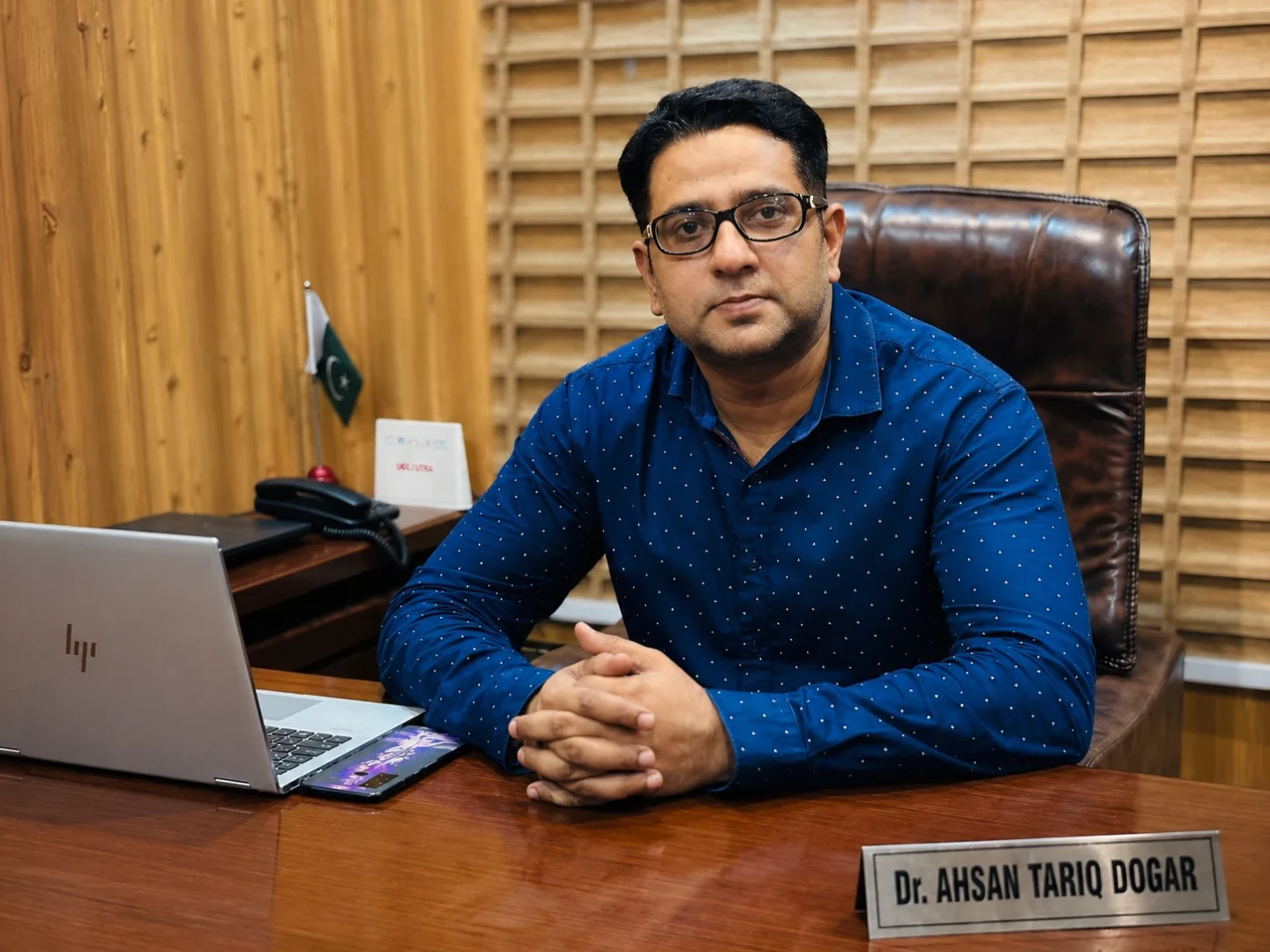
At Amaim Brain Care, Dr. Ahsan Tariq Dogar, an experienced Neuro-Psychiatrist, Behavioral Therapist, and Life Coach, provides comprehensive psychiatric evaluations, specialized risk management, and clinical intervention for personality disorders and impulse dysregulation.
Amaim Brain Care Faisalabad mein, Dr. Ahsan Tariq Dogar (Neuro-Psychiatrist & Behavioral Therapist) jadeed tehqeeq aur mukammal tajarbay ke sath shakhsiyat ke masail aur ghusse ke bighar ka mukammal ilaj aur rehnumai faraham karte hain.
عمائم برین کیئر فیصل آباد میں، معروف ماہر امراضِ نفسیات و دماغی صحت ڈاکٹر احسن طارق ڈوگر اپنے وسیع کلینیکل تجربے اور جدید سائنسی طریقوں سے شخصیت کے عوارض، شدید غصے اور جذباتی بے اعتدالی کی جامع تشخیص اور مؤثر ترین علاج فرماتے ہیں۔
Treating Antisocial Personality Disorder requires a highly structured, boundary-driven clinical framework. Our specialized Personality Disorders Treatment integrates evidence-based therapeutic modalities:
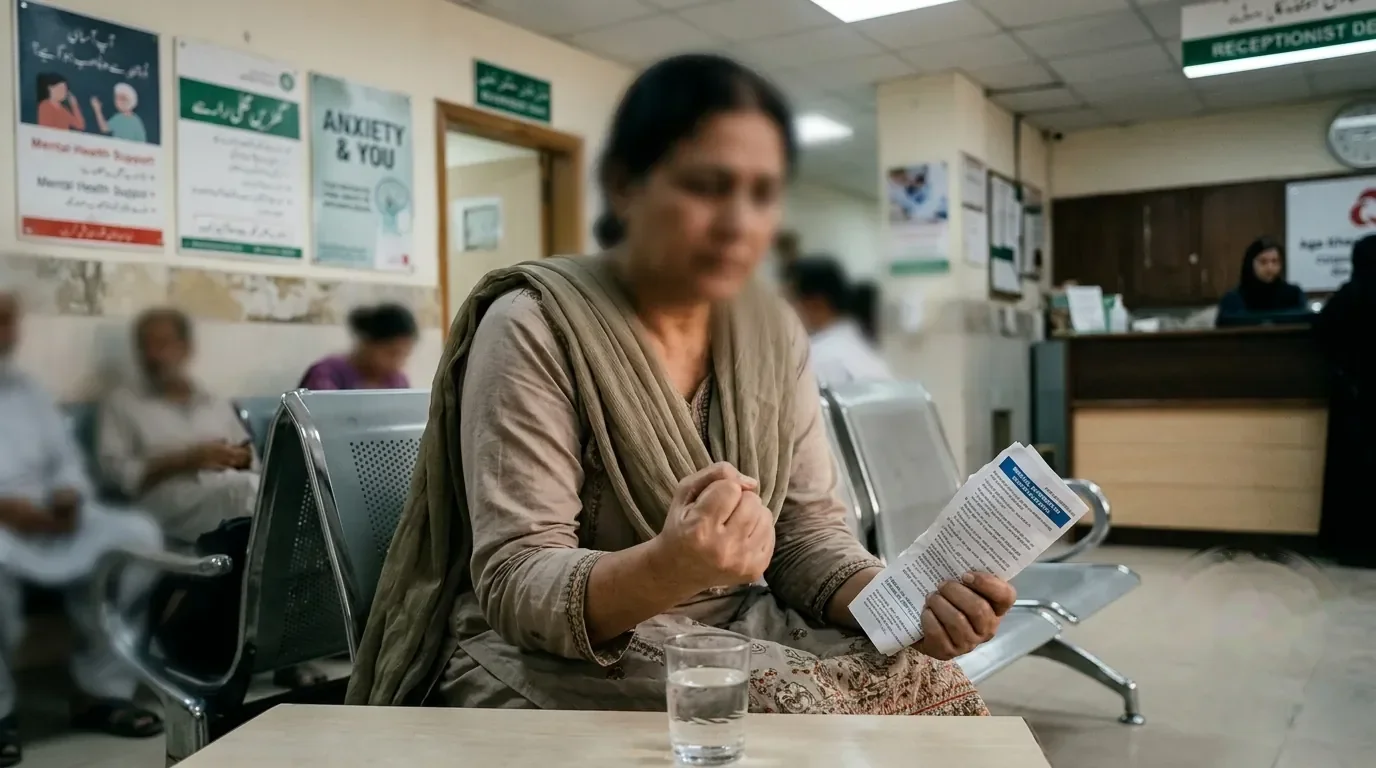
Hamare clinic par dastiyab Personality Disorders Treatment mein darj zail ahem tareeqay shamil hain:
ہمارے کلینک پر دستیاب خصوصی پرسنلٹی ڈس آرڈرز ٹریٹمنٹ پروگرام میں درج ذیل سائنسی طریقے شامل ہیں:
- Mentalization-Based Therapy (MBT): Adapted specifically for antisocial patterns, MBT helps individuals develop cognitive empathy—teaching them to recognize their own internal emotional triggers and consciously contemplate the mental and emotional states of other people before reacting.
Mentalization-Based Therapy (MBT) mareez ko yeh sikhata hai ke wo doosron ke jazbaat aur dard ko zehni tor par samjhe aur faisla karne se pehle sochna seekhay.
مینٹلائزیشن بیسڈ تھراپی (MBT) کے ذریعے مریض کو اپنے جذبات کو پہچاننے اور دوسروں کے احساسات اور درد کو سمجھنے کی شعوری تربیت دی جاتی ہے۔
- Cognitive Behavioral Therapy (CBT) for Impulse and Anger Control: Focuses on restructuring cognitive distortions (such as beliefs that everyone is predatory), teaching impulse-delay techniques, anger inoculation, and moral problem-solving skills.
CBT therapy ke zariye ghusse par qaboo pane aur achanak jazbati faislay rokne ki amli mashq karwai jati hai.
کاگنیٹو بیہیوریل تھراپی (CBT) کے ذریعے مریض کے جارحانہ خیالات کی اصلاح کی جاتی ہے اور غصے و اشتعال پر قابو پانے کے عملی طریقے سکھائے جاتے ہیں۔
- Contingency Management & Behavioral Contracting: Utilizes explicit, structured reward-and-consequence systems that align the patient’s self-interest with prosocial, non-violent, and law-abiding behaviors.
Makhsoos sharait aur inamat ke zariye mareez ko achay aur qanooni ravaiye apnane ka aadi banaya jata hai.
کنٹیجنسی مینجمنٹ اور طرزِ عمل کے معاہدوں کے ذریعے مریض کو مثبت، پرامن اور قانونی حدود میں رہنے کا پابند بنایا جاتا ہے۔
- Targeted Pharmacotherapy: While medications cannot alter antisocial personality traits directly, psychiatric pharmacotherapy is critical for treating co-occurring psychiatric drivers. Second-generation antipsychotics (e.g., quetiapine, risperidone) and mood stabilizers (e.g., valproate, lithium) effectively reduce severe impulsive aggression and irritability. Comorbid major depression or severe anxiety is managed with modern SSRIs.
Shadeed ghusse, bechaini aur tashaddud ko kam karne ke liye doctor ki dekh bhaal mein munasib adwiyat di jati hain jo dimagh ke keemiyai tawan ko durust karti hain.
شدید غصے، چڑچڑاپن اور پرتشدد جھنجھلاہٹ کو قابو میں رکھنے کے لیے ماہرِ نفسیات کی زیرِ نگرانی موڈ سٹیبلائزرز اور اینٹی سائیکوٹک ادویات تجویز کی جاتی ہیں۔
- Comprehensive Family Support and Boundary Setting: Empowering parents and spouses with psychoeducation, safety planning, and firm emotional and financial boundary strategies to halt enabling cycles.
Ghar walon ko sikhaya jata hai ke wo mareez ki chalakion se kaise bachein aur kis tarah sakht aur munasib hudood qayam karein.
اہلِ خانہ کی کونسلنگ کر کے انہیں سکھایا جاتا ہے کہ وہ مریض کی فریب کاریوں اور بلیک میلنگ سے کیسے محفوظ رہیں اور واضح حدود کیسے قائم کریں۔
Prognosis, Age-Related Shifts, and Hope for Families
While Antisocial Personality Disorder is one of the most challenging conditions in clinical psychiatry, clinical evidence reveals that overt physical aggression and reckless impulsivity often begin to moderate after the fourth decade of life (the “burnout effect”). With early, structured psychiatric treatment, intensive behavioral therapy, and robust family boundaries, individuals can learn to manage impulsivity, avoid legal destruction, and develop sustainable, prosocial adaptations.
Agarche is marz ka ilaj lamba aur sabr-azma hota hai, lekin sahi doctori madad aur sakht nizam ke sath mareez ke ravaiye mein wazeh behtari aa sakti hai. 40 saal ki umar ke baad aam tor par ghussa aur tashaddud kam hone lagta hai. Sahi rehnumai se khandan ko sakoon aur mareez ko nayi zindagi mil sakti hai.
اگرچہ اس مرض کا علاج صبر آزما اور طویل عمل ہے، تاہم مستقل علاج اور خاندانی حدود کے قیام سے مریض کے پرتشدد رویوں میں نمایاں کمی لائی جا سکتی ہے۔ عام طور پر 40 سال کی عمر کے بعد جسمانی جارحیت میں قدرتی ٹھہراؤ آنے لگتا ہے۔ جدید نفسیاتی طریقوں کے ذریعے مریض کو تباہی کے راستے سے موڑ کر ایک پرامن شہری بنایا جا سکتا ہے۔
Frequently Asked Questions
What is the difference between being antisocial and having Antisocial Personality Disorder?
In colloquial language, “antisocial” is often mistakenly used to describe introverted individuals who prefer solitude. In clinical psychiatry, Antisocial Personality Disorder specifically refers to active antagonism, deceit, lawbreaking, exploitation, and callous violation of the rights of other people.
Aam guftagu mein log akele rehne wale ya kam bolnay wale shakhs ko antisocial keh dete hain jo ke ghalat hai. Doctori zaban mein ASPD ka matlab doosron par zulm karna, jhoot bolna, qanoon torna aur unke huqooq pamaal karna hai.
Can Antisocial Personality Disorder be diagnosed in children or adolescents?
No, a formal diagnosis of ASPD cannot be given before the age of 18. However, children and adolescents who display severe aggressive and deceitful behaviors are diagnosed with Conduct Disorder or Oppositional Defiant Disorder (ODD), which serves as a developmental precursor to adult ASPD.
Nahi, ایکآٹھ saal ki umar se pehle ASPD ki pakki tashkhees nahi ki jati. Aise bacho mein Conduct Disorder ki tashkhees hoti hai jismein maar peet, chori aur school se bhagna shamil hota hai.
Is there a cure for Antisocial Personality Disorder?
While personality architecture cannot be “cured” overnight, ASPD can be managed effectively. Evidence-based therapies like Mentalization-Based Therapy (MBT), Cognitive Behavioral Therapy (CBT), contingency management, and targeted pharmacotherapy significantly reduce aggression, legal violations, and impulsivity.
Agarche yeh bimari raat o raat khatam nahi hoti, lekin makhsoos psychotherapy, CBT aur adwiyat se mareez ke ghusse, tashaddud aur jhoot bolnay ki aadat ko kafi hadd tak qaboo kiya ja sakta hai.
What causes someone to develop Antisocial Personality Disorder?
ASPD results from a complex interaction of genetic predispositions (such as MAOA gene variants), prefrontal and amygdala brain dysfunction, autonomic under-arousal, and adverse childhood experiences including severe physical abuse, neglect, and exposure to domestic violence.
Yeh marz khandani jiniyat (genetics), dimagh ke agle hissay ki kamzori, aur bachpan mein shadeed maar peet, be-rukhi aur gharelu larai jhagron ke aapas mein milne se paida hota hai.
How does ASPD impact families and marriages in Pakistani society?
In Pakistan, ASPD frequently leads to severe domestic violence, financial extortion of relatives, marital breakdown, and legal entanglements. Families often suffer severe financial and emotional depletion trying to shield the individual from criminal consequences due to societal stigma.
Pakistan mein ASPD ke mareez ghar mein shadeed larai, biwi par tashaddud, jhoote qarzay aur police case banwate hain. Ghar wale izzat bachane ke chakkar mein maali aur nafsiati tor par tabah ho jate hain.
How can I book an appointment with Dr. Ahsan Tariq Dogar?
You can book an in-person or online neuro-psychiatric consultation via reaching out via WhatsApp at 0333-6986464 for a confidential appointment.
فیصل آباد میں کلینک وزٹ یا آن لائن مشورے کے لیے آپ عمائم برین کیئر کے آفیشل واٹس ایپ لنک کے ذریعے رابطہ کر کے اپنی اپائنٹمنٹ باآسانی بک کروا سکتے ہیں، جہاں آپ کی معلومات کو مکمل صیغہ راز میں رکھا جاتا ہے۔
Sources & References
Medical & Educational Disclaimer
This content is for educational and informational purposes only and is not a substitute for professional medical advice, diagnosis, or treatment. Always consult a qualified psychiatrist or healthcare provider for any mental health concerns.