
Introduction
The human mind operates along a vast and intricate spectrum of perception, thought, and personality. Within psychiatric medicine, distinguishing between subtle eccentricities, stable personality variations, and debilitating psychotic disorders represents one of the most critical diagnostic challenges. Among these conditions, Schizotypal Personality Disorder (STPD) and Schizophrenia frequently cause profound confusion for patients, families, and even general healthcare providers. While both reside along what clinical science identifies as the schizophrenia spectrum, their symptoms, neurological underpinnings, functional prognosis, and day-to-day realities differ markedly.
Insani zehan aur shakhsiyat ki banawat intehai pecheeda hai. Nafsiat ki dunya mein ajeeb o ghareeb khayalat, anokhe rawaiye, aur shadeed zehni bimarion ke darmiyan farq ko samajhna nihayat zaroori hai. Schizotypal Personality Disorder (STPD) aur Schizophrenia do aisi bimaroyan hain jin mein log aksar farq nahi kar paate aur unhe ek hi cheez samajh baithte hain. Agarche yeh dono ek hi zehni silsilay (schizophrenia spectrum) ka hissa hain, lekin inki alamaat, dimaghi asraat, aur mareez ki amli zindagi par asar mein wazeh aur bunyadi farq hota hai.
انسانی ذہن اور شخصیت کے اندرونی گوشے بے شمار پیچیدگیوں اور وسعتوں کے حامل ہیں۔ علمِ نفسیات اور طبِ دماغی میں انوکھی عادات، غیر معمولی خیالات اور شدید دماغی امراض کے درمیان فرق کو واضح کرنا درست تشخیص کے لیے ازحد ضروری ہے۔ شیزوٹائپل پرسنلٹی ڈس آرڈر (STPD) اور شیزوفرینیا (Schizophrenia) دو ایسی نفسیاتی کیفیات ہیں جن کے بارے میں مریض اور ان کے اہلِ خانہ اکثر مغالطے کا شکار رہتے ہیں۔ اگرچہ جدید میڈیکل سائنس ان دونوں کو ایک ہی تسلسل کا حصہ قرار دیتی ہے، مگر ان کی بنیادی علامات، اعصابی اثرات، سوچنے کے انداز اور روزمرہ زندگی کی صلاحیتوں میں زمین آسمان کا فرق ہے۔
Understanding these differences is not merely an academic exercise; it carries profound implications for treatment pathways, long-term expectations, and reducing the heavy social stigma that surrounds psychiatric conditions. When an individual displays odd speech, social detachment, or unconventional beliefs, arriving at an accurate diagnosis ensures that evidence-based therapies are deployed early, preventing severe deterioration and restoring personal well-being.
In do bimarion ke farq ko samajhna sirf kitabi baat nahi hai, balki is se mareez ke ilaj aur uske mustaqbil ka faisla hota hai. Hamare mashray mein zehni masail ke sath bohat si ghalat fehmiyan juri hain. Jab kisi shakhs ke ravaiye mein anokha-pan, akele rehne ki aadat, ya ajeeb baatein dekhne ko milain, toh fori sahi tashkhees karwana zaroori hota hai taake usay behtareen ilaj aur rehnumai mil sakay.
ان دو امراض کے مابین بنیادی امتیاز کو جاننا محض کوئی علمی بحث نہیں، بلکہ یہ مریض کے بروقت علاج اور بحالی کی راہ متعین کرنے کے لیے ناگزیر ہے۔ ہمارے معاشرے میں ذہنی امراض کے گرد جڑے خوف اور غلط فہمیوں کو دور کرنا اسی وقت ممکن ہے جب علامات کی درست شناخت ہو۔ جب کوئی فرد غیر معمولی عقائد، تنہائی پسندی یا اکھڑے ہوئے اندازِ گفتگو کا مظاہرہ کرے تو مستند معائنے کے ذریعے درست تشخیص مریض کی زندگی کو تباہی سے بچا سکتی ہے۔
What Is Schizotypal Personality Disorder (STPD)?
Schizotypal Personality Disorder (STPD) is classified in psychiatric diagnostic systems (such as DSM-5 and ICD-11) as a Cluster A (“eccentric or odd”) personality disorder. It is defined by a pervasive and enduring pattern of intense discomfort with close interpersonal relationships, cognitive or perceptual distortions, and eccentricities in behavior, communication, and appearance that typically begins by early adulthood.
Schizotypal Personality Disorder (STPD) shakhsiyat ka ek aisa masla hai jise nafsiati kanoon mein Cluster A (anokhe mizaj wale amraaz) mein shamil kiya jata hai. Is marz mein mubtila shakhs doosron ke qareeb hone se ghabrata hai, ajeeb o ghareeb khayalat aur weham rakhta hai, aur uska libas, bolnay ka dhang aur aam rawaiya aam logon se numayan tor par mukhtalif hota hai. Yeh alamaat aam tor par nojawani ke aaghaz se hi zahir hone lagti hain.
شیزوٹائپل پرسنلٹی ڈس آرڈر (STPD) ایک مستقل اور ہمہ گیر شخصیت کا عارضہ ہے جسے کلینیکل سائیکاٹری میں کلسٹر اے (انوکھے اور غیر روایتی امراض) کا حصہ مانا جاتا ہے۔ اس عارضے میں مبتلا شخص قریبی اور گہرے سماجی تعلقات استوار کرنے میں شدید بے چینی محسوس کرتا ہے، اس کے سوچنے اور چیزوں کو سمجھنے کے انداز میں خامیاں ہوتی ہیں، اور اس کا لباس، حرکات و سکنات اور بول چال روایتی معاشرتی اصولوں سے الگ دکھائی دیتی ہے۔
Individuals living with STPD often hold unconventional or “magical” beliefs—such as a deep conviction in telepathy, clairvoyance, sixth senses, or idiosyncratic superstitions that are not shared by their cultural background. They frequently experience “ideas of reference,” wherein they believe that unrelated external events, newspaper headlines, or casual gestures have a hidden, personal meaning specifically intended for them. Crucially, however, unlike active psychotic delusions, individuals with STPD can generally entertain alternative explanations when gently challenged and do not lose complete touch with objective reality.
STPD ke mareez aksar ajeeb o ghareeb ya tilismi (magical) baaton par yaqeen rakhte hain, jaise ke wo doosron ke zehan ki baat parh sakte hain, unke paas koi ghaibi taqat hai, ya aam ittefaqat unke liye koi makhsoos paigham hain. Wo aam waqiyat ko apne sath jor dete hain (ideas of reference). Lekin ahem baat yeh hai ke agar unhe tehqeeq ya daleel se samjhaya jaye toh wo daleel ko kisi hadd tak sunte hain aur haqeeqat se poori tarah be-khabar nahi hotay.
اس ڈس آرڈر کا شکار افراد اکثر ماورائی اور پرسرار عقائد کے زیرِ اثر رہتے ہیں، مثلاً یہ سمجھنا کہ وہ دوسروں کے ذہن پڑھ سکتے ہیں، ان کے پاس کوئی خاص باطنی قوت ہے، یا دنیا میں ہونے والے عام واقعات ان کے لیے کوئی خفیہ اشارہ ہیں۔ وہ اکثر غیر متعلقہ باتوں کا تعلق اپنی ذات سے جوڑ لیتے ہیں۔ تاہم، شیزوفرینیا کے برعکس، ان کے یہ خیالات مکمل طور پر غیر لچکدار وہم (Fixed Delusions) کی شکل اختیار نہیں کرتے، اور وہ منطقی بات سن کر کسی حد تک حقیقت پسندی کا مظاہرہ کر سکتے ہیں۔
What Is Schizophrenia? The Chronic Psychotic Illness
Schizophrenia is a severe, chronic, and disabling neuropsychiatric disorder characterized by fundamental disruptions in thinking, perception, emotional responsiveness, and reality testing. Unlike a personality disorder, which represents a stable, lifelong personality architecture, schizophrenia is a full clinical illness marked by acute psychotic episodes, neurocognitive decline, and significant functional deterioration across personal, academic, and occupational spheres.
Schizophrenia dimagh ki ek shadeed, muzmin aur mushkil tareen nafsiati bimari hai jis mein insan ka haqeeqat se rabta toot jata hai. Yeh sirf shakhsiyat ka koi pehlu nahi balki ek aisi bimari hai jismein mareez par baqaida dauray (psychotic episodes) parte hain, uski sochne samajhne ki salahiyat mutasir hoti hai, aur wo parhai, nokri aur rozmarra ke kaamon ke qabil nahi rehta.
شیزوفرینیا دماغ اور اعصاب کا ایک شدید اور پیچیدہ مرض ہے جو انسان کے سوچنے، محسوس کرنے، دنیا کو دیکھنے اور حقیقت کو جانچنے کے پورے نظام کو درہم برہم کر دیتا ہے۔ یہ محض شخصیت کی کوئی انوکھی عادت نہیں بلکہ ایک باقاعدہ دماغی بیماری ہے جس میں انسان حقیقت کی دنیا سے کٹ کر خیالی اور خوفناک دنیا کا قیدی بن جاتا ہے، جس کے نتیجے میں اس کی ذاتی، تعلیمی اور پیشہ ورانہ زندگی مفلوج ہو جاتی ہے۔
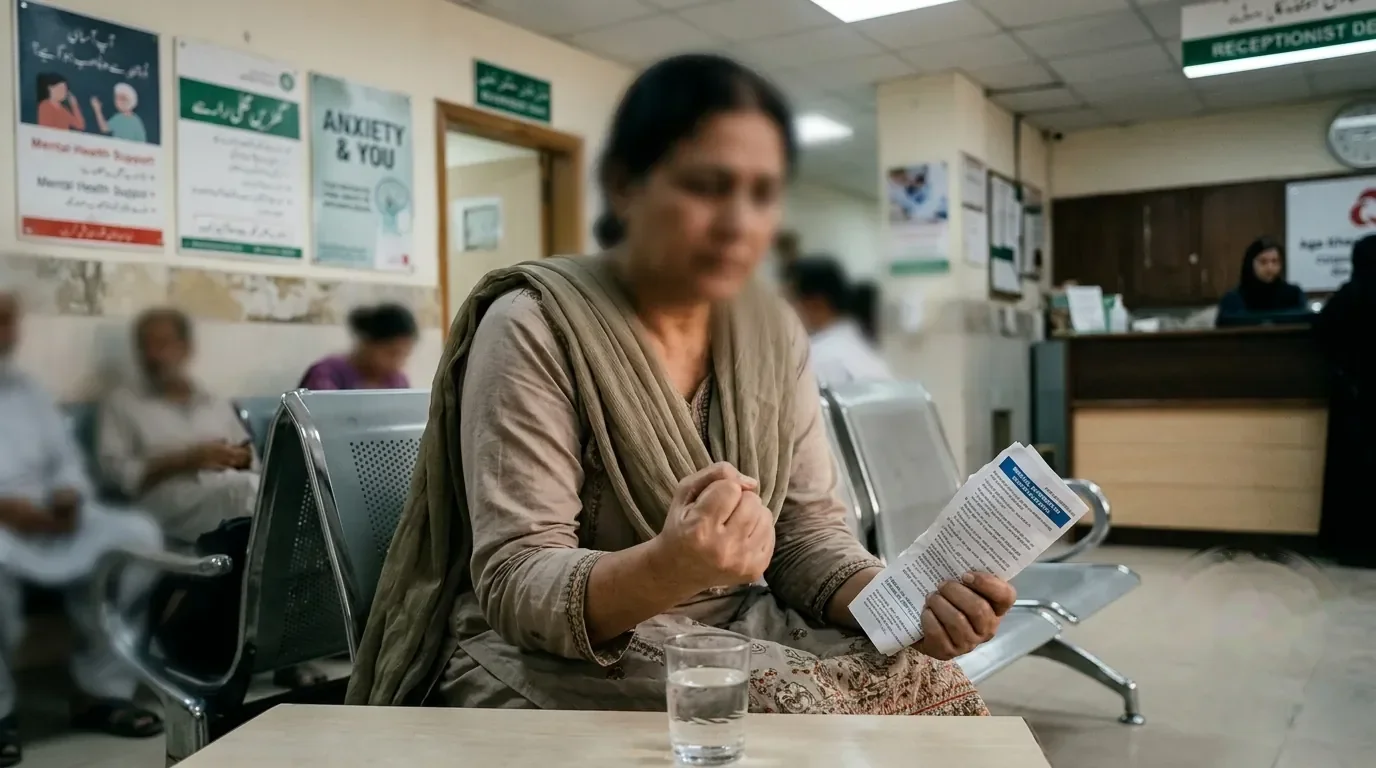
The clinical presentation of schizophrenia involves two primary clusters of symptoms: positive symptoms and negative symptoms. Positive symptoms represent an excess or distortion of normal psychological functioning, including vivid auditory or visual hallucinations (such as hearing running commentary voices when alone), fixed and unshakeable delusions (such as believing government agencies or external forces control their organs), and severely disorganized speech or catatonic behavior. Negative symptoms involve a loss of normal functioning, including profound emotional flattening (affective blunting), severe loss of motivation (avolition), speech poverty (alogia), and an inability to experience pleasure (anhedonia).
Schizophrenia ki alamaat ko do baray hisson mein taqseem kiya jata hai: Positive aur Negative alamaat. Positive alamaat mein mareez ko aisi aawazein sunayi deti hain jo wajood nahi rakhtin (hallucinations), shadeed aur pukhta jhoote yaqeen ban jate hain jaise koi usay qatal karna chahta hai (delusions), aur baat cheet bilkul be-tarteeb ho jati hai. Negative alamaat mein mareez ke jazbaat bilkul khatam ho jate hain, wo kisi se baat nahi karta, bistar se uthne ki himmat nahi pata, aur dunya se poori tarah kat jata hai.
شیزوفرینیا کی علامات کو طبی طور پر مثبت اور منفی علامات میں تقسیم کیا جاتا ہے۔ مثبت علامات میں وہ کیفیات شامل ہیں جو عام انسان کے تجربے سے زیادہ ہوں، مثلاً ایسی آوازیں سننا جو حقیقت میں موجود نہ ہوں (ہیلوسینیشنز)، شدید اور ناقابلِ شکست غلط عقائد قائم کر لینا مثلاً یہ سمجھنا کہ کوئی بیرونی طاقت ان کے اعضاء پر قابض ہے (ڈیلیوژنز)، اور بے ربط گفتگو۔ دوسری طرف منفی علامات میں انسان کی فطری صلاحیتیں ختم ہو جاتی ہیں، چہرے کے تاثرات بے جان ہو جاتے ہیں، گفتگو سمٹ جاتی ہے اور خود سے کوئی کام کرنے کی امنگ ختم ہو جاتی ہے۔
Key Clinical Differences: STPD vs Schizophrenia
Although both conditions exist on the schizophrenia spectrum and share certain cognitive vulnerabilities, critical clinical criteria clearly distinguish Schizotypal Personality Disorder from Schizophrenia:
Agarche yeh dono bimaroyan ek hi silsilay ka hissa hain, lekin chand ahem aur wazeh clinical farq in dono ko alag karte hain:
اگرچہ یہ دونوں عارضے ایک ہی اعصابی تسلسل کا حصہ ہیں، لیکن درج ذیل اہم اور واضح طبی فرق شیزوٹائپل پرسنلٹی ڈس آرڈر اور شیزوفرینیا کے درمیان حدِ فاصل قائم کرتے ہیں:
- Hallucinations vs Perceptual Illusions: In schizophrenia, patients experience distinct, persistent hallucinations (most commonly auditory hallucinations of distinct third-person voices). In STPD, frank hallucinations are absent; instead, individuals experience bodily illusions (e.g., feeling a presence in the room, sensing vibrations, or seeing shadows in peripheral vision) while retaining the cognitive capacity to question whether the sensation was real.
Schizophrenia mein mareez ko saaf aur wazeh aawazein aati hain ya roohein nazar aati hain. STPD mein aisi pukhta aawazein nahi aatin balki ajeeb ehsasat hotay hain jaise kamray mein koi saya hai, lekin mareez ko shak hota hai ke shayad yeh mera weham ho.
شیزوفرینیا میں مریض کو واضح اور مستقل غیبی آوازیں سنائی دیتی ہیں یا باقاعدہ مورتیں دکھائی دیتی ہیں۔ جبکہ STPD میں مریض کو محض بصری یا حسی دھوکے (Illusions) ہوتے ہیں، مثلاً سائے کا احساس یا ہوا کی سرسراہٹ، اور وہ خود بھی اس بات کو تسلیم کرتا ہے کہ شاید یہ اس کا وہم ہو۔
- Fixed Delusions vs Ideas of Reference: Schizophrenia is characterized by bizarre, rigid delusions that defy all logic and cannot be shaken by contradictory evidence. In STPD, individuals experience ideas of reference or unusual magical thinking, but when presented with objective logic, they can reflect upon and acknowledge the implausibility of their thoughts.
Schizophrenia ka mareez apne ghalat yaqeen (delusion) par itna pukhta hota hai ke kisi daleel ko nahi manta. STPD mein mareez aam waqiyat ko apne sath jorta zaroor hai, lekin baat karne par wo maan leta hai ke yeh ittefaq bhi ho sakta hai.
شیزوفرینیا کے مریض کا غلط عقیدہ (Delusion) اس قدر پختہ اور غیر معقول ہوتا ہے کہ دنیا کی کوئی دلیل اسے نہیں بدل سکتی۔ اس کے برعکس STPD کا مریض اگرچہ واقعات سے ذاتی معنی نکالتا ہے مگر نرمی سے سمجھانے پر وہ اپنے خیال پر نظرِ ثانی کرنے کی ذہنی صلاحیت رکھتا ہے۔
- Reality Testing and Insight: In schizophrenia, active psychosis involves a catastrophic collapse of reality testing—the patient cannot differentiate internal pathology from external reality. In STPD, reality testing remains fundamentally intact, and the individual generally recognizes that others perceive them as odd or eccentric.
Schizophrenia mein mareez ko bilkul samajh nahi aati ke kya sach hai aur kya uske dimagh ka khel hai. STPD ka mareez haqeeqat aur khayal mein farq janta hai aur usay andaza hota hai ke log usay ajeeb samajhte hain.
شیزوفرینیا میں انسان کی حقیقت کو پرکھنے کی صلاحیت (Reality Testing) مکمل طور پر ختم ہو جاتی ہے۔ جب کہ STPD میں حقیقت پسندی بنیادی طور پر برقرار رہتی ہے اور مریض کو بخوبی احساس ہوتا ہے کہ معاشرہ اس کے انداز کو انوکھا سمجھ رہا ہے۔
- Course and Functional Progression: Schizophrenia often follows an episodic trajectory with prodromal, active psychotic, and residual phases, often leading to marked socioeconomic and cognitive decline without intensive treatment. STPD represents a lifelong, relatively stable personality structure with steady, chronic interpersonal and social idiosyncrasies that do not progress into severe dementia praecox.
Schizophrenia waqt ke sath sath dauron ki shakal mein barhta hai aur zehni salahiyaton ko kamzor karta jata hai. STPD bachpan ya nojawani se shuru ho kar ta-hayat ek jaisi rehti hai aur is mein achanak shadeed pagalpan ke dauray nahi parte.
شیزوفرینیا کے مریض پر بیماری کے باقاعدہ دورے پڑتے ہیں جو وقت گزرنے کے ساتھ انسان کی سوچنے سمجھنے کی صلاحیتوں کو گہرا نقصان پہنچاتے ہیں۔ اس کے برعکس STPD ایک مستقل مزاجی خصوصیت ہے جو جوانی سے لے کر عمر بھر ایک جیسی سطح پر برقرار رہتی ہے اور اچانک شدید جنون کی شکل اختیار نہیں کرتی۔
- Speech and Thought Architecture: Schizophrenic speech can deteriorate into severe incoherence (“word salad”) and loose associations. STPD speech is grammatically intact and communicative, though it may be idiosyncratic, elaborate, circumstantial, or overly metaphorical.
Schizophrenia mein mareez ke alfaaz ka aapas mein koi rabt nahi rehta aur baat be-maani ho jati hai. STPD mein mareez ki baat samajh aati hai magar wo bohat ghuma phira kar aur ajeeb misalein de kar baat karta hai.
شیزوفرینیا میں گفتگو مکمل طور پر بے ربط اور بے معنی ہو سکتی ہے جس کا سمجھنا ناممکن ہوتا ہے۔ جبکہ STPD میں کلام کے بنیادی قواعد درست ہوتے ہیں، مگر گفتگو غیر ضروری طور پر طویل، علامتی، مبہم اور گھماؤ پھراؤ والی ہوتی ہے۔
Neurobiological Mechanisms and the Spectrum Continuum
Modern neuroscience and neuroimaging have clarified the physiological links and divergences between these two disorders. Genetic epidemiology demonstrates a shared hereditary foundation: first-degree relatives of individuals with schizophrenia have a significantly heightened risk of developing Schizotypal Personality Disorder, indicating shared endophenotypes and overlapping risk alleles.
Jadeed neurobiology ne yeh wazeh kiya hai ke yeh dono amraaz dimaghi nizam ke aitbar se aapas mein kitne munsalik hain. Tehqeeq se pata chalta hai ke jin khandan mein schizophrenia ke mareez hotay hain, unke qareebi rishtedaron mein STPD hone ke imkanaat aam logon se kahin zyada hotay hain. Is se sabit hota hai ke dono bimaroyon ki jiniyati (genetic) jarein aapas mein mili hui hain.
جدید اعصابی سائنس اور نیورو امیجنگ نے ان دونوں عارضوں کے حیاتیاتی تعلق کو پوری طرح واضح کر دیا ہے۔ جینیاتی تحقیقات کے مطابق جن خاندانوں میں شیزوفرینیا کی تاریخ پائی جاتی ہے، ان کے خونی رشتہ داروں میں شیزوٹائپل پرسنلٹی ڈس آرڈر کی شرح عام آبادی سے کہیں زیادہ ہوتی ہے۔ یہ امر ثابت کرتا ہے کہ دونوں عارضے ایک مشترکہ موروثی بنیاد اور مشترکہ جینز کے تسلسل پر قائم ہیں۔
At the structural and neurotransmitter levels, however, critical protective factors distinguish STPD. While schizophrenia involves severe temporal lobe atrophy, prefrontal cortex hypofunction, and rampant hyperdopaminergic activity along mesolimbic pathways, individuals with STPD exhibit milder frontal alterations and more preserved temporal volume. Crucially, dopaminergic dysregulation in STPD remains moderated, preventing the massive dopamine surges that trigger full-blown psychotic hallucinations and delusions. Furthermore, electrophysiological studies reveal that while both groups show deficits in sensory gating (such as impaired P50 auditory event-related potential suppression), individuals with STPD retain greater prefrontal cognitive reserve to compensate for anomalous sensory inputs.
Dimagh ke andar dopamine chemical ka tawazun in dono mein sab se ahem kirdar ada karta hai. Schizophrenia mein dopamine ki miqdar hadd se zyada barh jati hai jo dimagh ke andar jhoote manazir aur aawazein paida karti hai. STPD mein yeh dopamine ka bighar mamooli hota hai jis ki wajah se mareez par shadeed dauray nahi parte. STPD ke mareez ka dimagh un ajeeb ehsasat ko kisi hadd tak sambhalne ki salahiyat rakhta hai.
دماغ کے کیمیائی مادے ڈوپامائن (Dopamine) کا توازن ان دونوں میں تفریق کا بنیادی نکتہ ہے۔ شیزوفرینیا میں میسولمبک راستوں پر ڈوپامائن کا بے تحاشہ اخراج شدید فریبِ نظر اور وہم کو جنم دیتا ہے۔ دوسری طرف STPD کے مریضوں میں ڈوپامائن کا بگاڑ محدود رہتا ہے اور دماغ کے ٹیمپورل اور پری فرنٹل حصے نسبتاً محفوظ رہتے ہیں، جس کی بدولت مریض دماغی حواس اور سنسنی خیز تجربات کو کسی حد تک سنبھالنے اور کنٹرول کرنے کی صلاحیت برقرار رکھتا ہے۔
Pakistani Cultural Context: Stigma and Misattribution
In Pakistan, distinguishing between eccentric personality traits, spiritual convictions, and psychiatric illness is deeply complicated by cultural and societal dynamics. Pakistani society is rich in spiritual traditions, Sufi philosophies, and mystical beliefs. Consequently, an individual with Schizotypal Personality Disorder—who speaks in metaphors, claims intuitive sixth senses, and dresses unconventionally—is frequently misidentified through a spiritual lens. Families may label the person as a “dervish,” “majzoob,” or spiritually gifted, inadvertently delaying medical evaluation until distress becomes insurmountable.
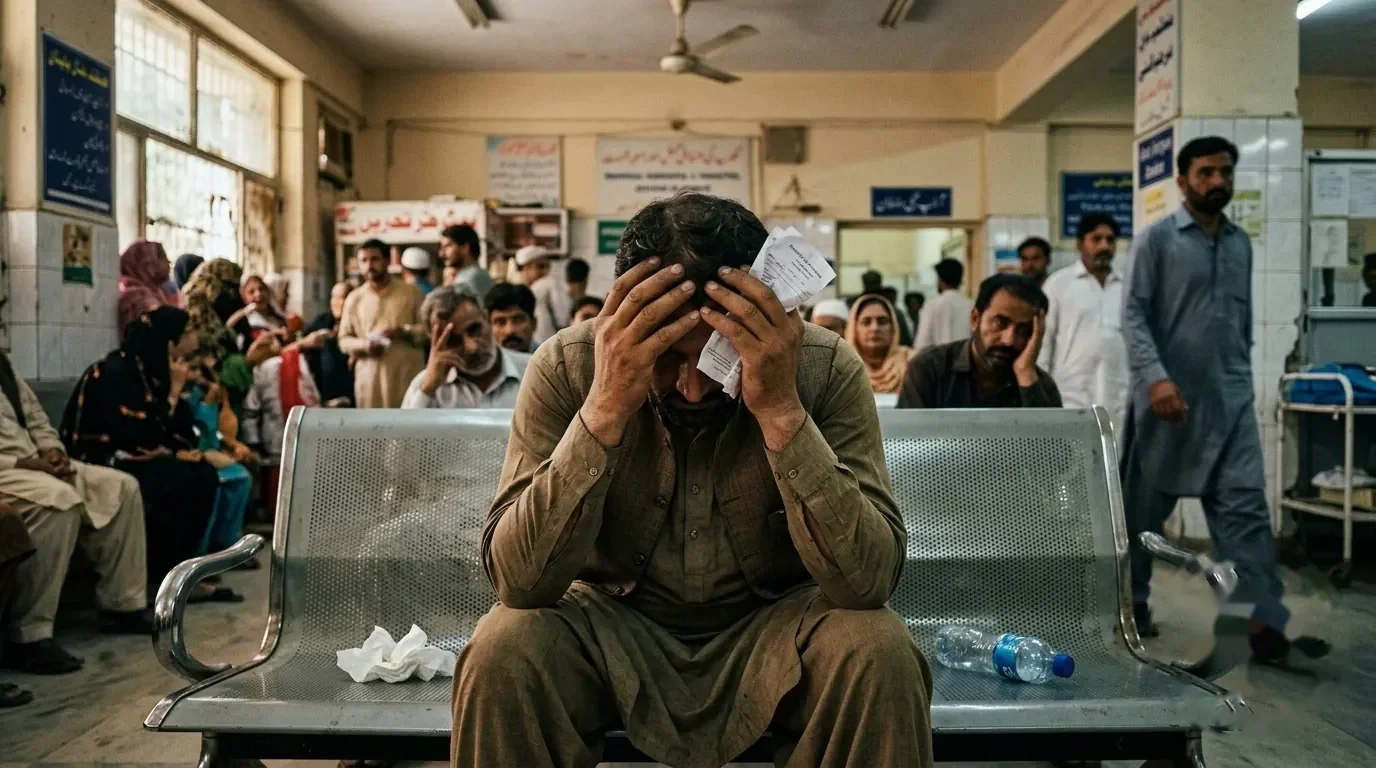
Pakistan ke mashray mein aisi bimaroyon ko samajhna mazeed mushkil ho jata hai kyunke yahan roohaniyat aur ajeeb ravaiyon ko aapas mein mila diya jata hai. Agar koi shakhs akele baithta hai, ajeeb libas pehanta hai, ya ghaibi taqaton ki baat karta hai, toh log usay aksar “dervish mizaj” ya “khandani roohaniyat” samajh baithte hain. Is tarah ke ravaiyon ki wajah se sahi doctor se rabta karne mein saalon zaya ho jate hain.
پاکستانی معاشرے میں صوفیانہ روایات اور روحانی عقائد کی گہری جڑیں ہونے کی وجہ سے ایسی ذہنی کیفیات کی تشخیص مزید پیچیدہ ہو جاتی ہے۔ شیزوٹائپل پرسنلٹی ڈس آرڈر کا شکار شخص جو تنہائی پسند ہو، استعاروں میں گفتگو کرے، انوکھا لباس پہنے اور ماورائی قوتوں کا دعویٰ کرے، اسے اکثر “درویش صفت”، “مجذوب” یا پہنچا ہوا بزرگ سمجھ لیا جاتا ہے۔ لوگ اس کے نفسیاتی عارضے کو روحانی رتبہ قرار دے کر مستند میڈیکل علاج میں برسوں کی تاخیر کر دیتے ہیں۔
Conversely, when odd behaviors escalate or when schizophrenia strikes with acute psychosis, the societal reaction shifts rapidly to fear and superstitious panic. Hallucinations and paranoid delusions are almost universally attributed to “jinnat” (possession), “kala jadoo” (black magic), “taweezat,” or “nazar-e-bad” (evil eye). Families endure immense emotional and financial exploitation by visiting unverified faith healers (amils and peers), subjecting vulnerable patients to physical restraint or isolation. Compounding this tragedy is the suffocating fear of “log kya kahenge” (what will people say), which drives families to hide the affected individual, fearing damage to family reputation and marriage prospects of siblings.
Doosri taraf, jab marz barh kar schizophrenia ki shakal ikhtiyar karta hai aur mareez aawazon ya shadeed khauf ka shikar hota hai, toh ghar wale foran isay “jinnat ka saya”, “kala jadoo”, ya “taweezat” ka asar qarar de dete hain. Naqli amils aur peers ke chakkar mein lakhon rupay aur qeemti waqt zaya hota hai aur mareez ko zanjeeron mein bandh diya jata hai. “Log kya kahenge” ke khauf se bimari ko chupaya jata hai jis se mareez ki halat intehai kharab ho jati hai.
اس کے برعکس، جب شیزوفرینیا کا شدید حملہ ہوتا ہے اور مریض کو غیبی آوازیں سنائی دینے لگتی ہیں، تو اہلِ خانہ اسے فوری طور پر “جنات کا سایہ”، “کالا جادو” یا “تعویذات کا اثر” سمجھ لیتے ہیں۔ جعلی عاملوں اور پیروں کے پاس جا کر نہ صرف لاکھوں روپے اور قیمتی وقت ضائع کیا جاتا ہے بلکہ بعض اوقات مریض کو زنجیروں سے باندھ کر غیر انسانی تشدد کا نشانہ بھی بنایا جاتا ہے۔ “لوگ کیا کہیں گے” اور خاندانی بدنامی کے ڈر سے مرض کو چھپانے کی یہ کوششیں مریض کے دماغ کو ناقابلِ تلافی نقصان پہنچاتی ہیں۔
When Should You Seek Professional Psychiatric Help?
Navigating the boundary between eccentric behavior and psychiatric pathology requires experienced clinical judgment. You should seek an urgent professional psychiatric evaluation if you or a family member exhibit any of the following warning signs:
Agar aapko ya aapke kisi aziz ko darj zail alamaat mehsoos hon, toh foran kisi mahir psychiatrist se rabta karna chahiye:
اگر آپ یا آپ کے اہلِ خانہ میں سے کوئی فرد درج ذیل خطرے کی علامات کا شکار ہو، تو کسی توہم پرستی میں وقت ضائع کیے بغیر فوری طور پر مستند ماہرِ نفسیات سے رجوع کریں:
- Persistent auditory or visual perceptions that feel completely real, especially voices commenting on actions.
Aisi aawazein sunayi dena jo doosron ko na sunayi dein ya akele mein aawazon se baatein karna.
ایسی آوازیں سننا جو کسی دوسرے کو سنائی نہ دیں یا تنہائی میں غیر مرئی وجودوں سے محوِ گفتگو رہنا۔
- Severe social withdrawal, dropping out of school or work, and deteriorating self-care or hygiene.
Doston aur parhai se bilkul kat jana, nahane dhone aur safai ka khayal na rakhna.
تعلیم یا ملازمت چھوڑ کر گھر کے ایک کونے میں بند ہو جانا اور ذاتی صفائی اور لباس سے مکمل لاپرواہی برتنا۔
- Increasingly bizarre or paranoid beliefs that close friends and family are plotting harm or spying.
Apne hi ghar walon aur doston par shuba karna ke wo zehar de rahe hain ya sazish kar rahe hain.
گھر والوں اور دوستوں پر یہ پختہ وہم قائم کر لینا کہ وہ زہر دینے یا نقصان پہنچانے کے درپے ہیں۔
- Marked cognitive disorganization where conversations become incomprehensible and fragmented.
Baat cheet ka be-rabt ho jana ke sunne wale ko samajh hi na aaye ke kya kaha ja raha hai.
گفتگو کا اتنا منتشر اور بے ربط ہو جانا کہ سننے والا سر اور پیر نہ سمجھ سکے۔
Evidence-Based Treatment at Amaim Brain Care
At Amaim Brain Care, Dr. Ahsan Tariq Dogar, an esteemed Neuro-Psychiatrist, Behavioral Therapist, and Life Coach, provides compassionate, state-of-the-art diagnostic evaluations to accurately differentiate Schizotypal Personality Disorder from Schizophrenia and other psychotic spectrum conditions. An accurate differential diagnosis is the foundational cornerstone of clinical recovery.
Amaim Brain Care Faisalabad mein, Dr. Ahsan Tariq Dogar (Neuro-Psychiatrist & Behavioral Therapist) jadeed tareen sائنسی tareeqon aur mukammal hamdardi ke sath mareez ki tashkhees karte hain taake STPD aur Schizophrenia ke darmiyan sahi farq kar ke munasib ilaj shuru kiya ja sake.
عمائم برین کیئر فیصل آباد میں، معروف ماہر امراضِ نفسیات و دماغی صحت ڈاکٹر احسن طارق ڈوگر جدید ترین سائنسی طریقہ کار اور مکمل رازداری کے ساتھ مریضوں کی جامع تشخیص فرماتے ہیں تاکہ شیزوٹائپل پرسنلٹی ڈس آرڈر اور شیزوفرینیا کے مابین دقیق فرق کو سمجھ کر مؤثر ترین علاج تجویز کیا جا سکے۔
Our multidisciplinary Personality Disorders Treatment and psychosis intervention programs utilize tailored, evidence-based modalities:
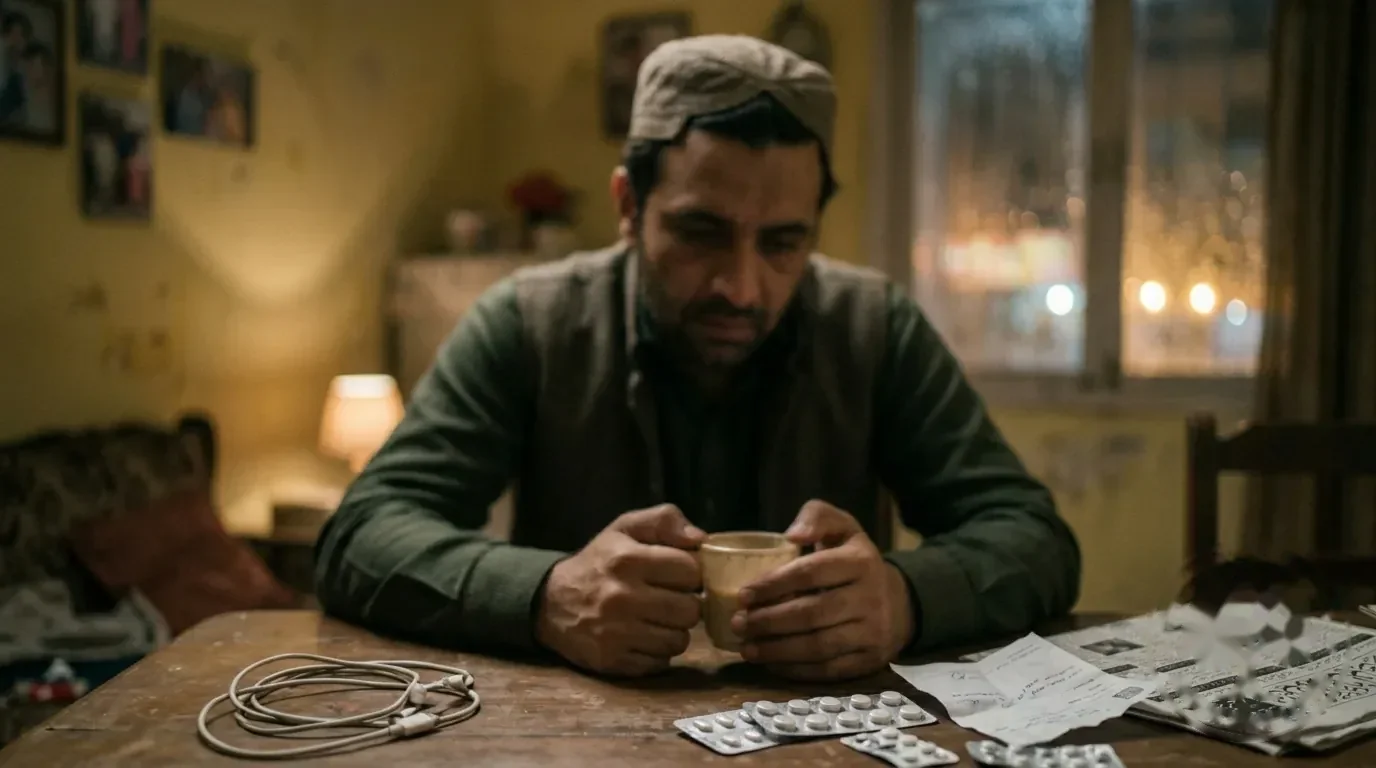
Hamare clinic par dastiyab Personality Disorders Treatment aur zehni amraaz ke ilaj mein darj zail jadeed tareeqay shamil hain:
ہمارے کلینک پر دستیاب خصوصی پرسنلٹی ڈس آرڈرز ٹریٹمنٹ اور شیزوفرینیا کیئر پروگرام میں درج ذیل سائنسی طریقے شامل ہیں:
- Mentalization-Based Therapy (MBT): Specifically adapted for personality disorders, MBT enhances the patient’s capacity to understand their own mental states and accurately interpret the intentions of others, dramatically reducing social paranoia and interpersonal friction.
Mentalization-Based Therapy (MBT) ke zariye mareez doosron ki niyat aur jazbaat ko sahi samajhna seekhta hai taake aapas ke talluqaat behtar ho sakein.
مینٹلائزیشن بیسڈ تھراپی (MBT) کے ذریعے مریض اپنے اور دوسروں کے جذبات اور ارادوں کو درست طور پر سمجھنا سیکھتا ہے جس سے سماجی غلط فہمیاں دور ہوتی ہیں۔
- Cognitive Behavioral Therapy (CBT): Helps clients evaluate idiosyncratic thinking patterns, reality-test perceptual distortions, reduce social anxiety, and build pragmatic coping skills for day-to-day challenges.
CBT therapy mareez ko ajeeb khayalat ko parakhne aur aam zindagi ke masail se nimatne ki amli tarbiyat deti hai.
کاگنیٹو بیہیوریل تھراپی (CBT) کے ذریعے مریض اپنے غیر روایتی خیالات کو پرکھتا ہے اور سماجی خوف پر قابو پا کر حقیقت پسندانہ زندگی گزارنا سیکھتا ہے۔
- Social Skills and Communication Training: Structured coaching to improve social nuance recognition, nonverbal communication, and conversational ease in professional and family settings.
Ghar aur daftar mein logon ke sath behtar andaz mein baat cheet karne aur milne julne ki mashq karwai jati hai.
سماجی مہارتوں کی تربیت (Social Skills Training) کے ذریعے مریض کو گفتگو کے آداب اور باہمی تعلقات کو خوشگوار بنانے کے عملی طریقے سکھائے جاتے ہیں۔
- Precise Pharmacotherapy: While psychotherapy is the mainstay for STPD, low-dose second-generation atypical antipsychotics (such as aripiprazole, risperidone, or olanzapine) may be used during periods of intense stress or transient quasi-psychotic episodes. For schizophrenia, continuous, carefully calibrated antipsychotic therapy is essential to prevent relapses. Comorbid depression or severe social anxiety is addressed with modern SSRIs.
STPD ke mareezon ke liye makhsoos waqt par halki adwiyat di jati hain, jabke schizophrenia ke liye mustaqil adwiyat zaroori hoti hain taake dauray dobara na padhein.
ایس ٹی پی ڈی کے مریضوں میں شدید دباؤ یا وقتی وسوسوں کو دور کرنے کے لیے کم مقدار میں اینٹی سائیکوٹک ادویات دی جاتی ہیں، جبکہ شیزوفرینیا میں باقاعدہ ادویات بیماری کے حملوں کو روکنے کے لیے ناگزیر ہوتی ہیں۔
- Family Psychoeducation & Support: Educating relatives regarding the nature of the condition, dismantling superstitions, and establishing structured, calm, and supportive home environments.
Ghar walon ko bimari ke bare mein mukammal aagahi di jati hai taake wo mareez ke sath hamdardi aur sabr se pesh aayein.
خاندانی تربیت اور رہنمائی کے ذریعے اہلِ خانہ کو بیماری کی حقیقت سمجھائی جاتی ہے تاکہ وہ مریض کے ساتھ صبر اور محبت سے پیش آ سکیں۔
Recovery, Prognosis, and Long-Term Stability
With timely psychiatric intervention and tailored psychotherapy, individuals with Schizotypal Personality Disorder can lead fulfilling, creative, and socially connected lives. Therapy empowers them to leverage their unique cognitive perspectives without succumbing to debilitating paranoia or isolation. Similarly, patients diagnosed with schizophrenia who receive consistent medical care, family support, and rehabilitation can achieve long-term symptom remission and regain their place in society.
Barwaqt ilaj aur munasib dekh bhaal ke sath STPD ke mareez ek kamyab aur pur-sukoon zindagi guzar sakte hain. Wo apni anokhi soch ko مثبت kaamon mein istemal karna seekh jate hain. Isi tarah schizophrenia ke mareez bhi baqaida dawai aur doctor ki nigrani mein theek ho kar apne khandan ka sahara ban sakte hain.
بروقت علاج، مستقل تھراپی اور ہمدردانہ دیکھ بھال سے شیزوٹائپل پرسنلٹی ڈس آرڈر کے مریض ایک باوقار اور پرسکون زندگی گزار سکتے ہیں۔ وہ اپنے منفرد تخیل کو مثبت اور تخلیقی کاموں میں ڈھالنا سیکھ لیتے ہیں۔ اسی طرح شیزوفرینیا کے مریض بھی باقاعدہ ادویات اور خاندانی تعاون کے بل بوتے پر دوبارہ صحت مند اور فعال زندگی کی طرف لوٹ سکتے ہیں۔

Frequently Asked Questions
What is the primary difference between Schizotypal Personality Disorder and Schizophrenia?
The primary difference lies in the presence of frank psychosis and reality testing. Schizophrenia involves persistent auditory hallucinations, fixed bizarre delusions, and a severe break from reality. Schizotypal Personality Disorder involves eccentric beliefs, magical thinking, and social awkwardness, but the individual maintains baseline reality testing and does not experience chronic psychosis.
Bunyadi farq haqeeqat ke idraak ka hai. Schizophrenia mein mareez haqeeqat ki dunya se kat jata hai aur usay ghayabi aawazein aati hain. STPD mein aisi aawazein nahi aatin balki ajeeb khayalat aur anokhi aadaat hoti hain jin mein mareez ko haqeeqat ka hosh rehta hai.
Can Schizotypal Personality Disorder turn into full-blown Schizophrenia?
In most individuals, Schizotypal Personality Disorder remains a stable, lifelong personality pattern rather than progressing to schizophrenia. However, a small minority (approximately 10% to 20%) may develop a full psychotic disorder, particularly under severe environmental stress or genetic vulnerability, making early psychiatric monitoring crucial.
Aksar afrad mein STPD ta-hayat ek jaisi rehti hai aur schizophrenia mein tabdeel nahi hoti. Lekin taqreeban دس se بیس feesad mareezon mein shadeed zehni dabao ya khandani asraat ki wajah se yeh schizophrenia ban sakti hai, is liye doctor se rabta zaroori hai.
Do people with Schizotypal Personality Disorder hear voices?
No, individuals with STPD do not experience true, persistent auditory hallucinations. They may experience transient perceptual illusions—such as misinterpreting the sound of wind as someone whispering their name or sensing a presence in the room—but they recognize upon reflection that it may be their imagination.
Nahi, STPD ke mareezon ko saaf aawazein nahi sunayi detin. Unhe waqti tor par hawa ya aam aawaz sun kar lag sakta hai ke kisi ne pukara hai, lekin wo foran samajh jate hain ke yeh unka weham tha.
How is magical thinking in STPD differentiated from cultural or religious beliefs in Pakistan?
Psychiatrists evaluate whether beliefs are normative within the individual’s religious or cultural community. Magical thinking in STPD involves idiosyncratic, personal convictions (such as believing their specific thoughts control streetlights or that they possess telepathic control over strangers) that are outside cultural or religious norms and cause functional impairment.
Doctor dekhte hain ke kya yeh aqeeda unke khandani aur mazhab ka aam hissa hai ya nahi. STPD ka jadooee weham aam mazhabi baton se alag hota hai, jaise mareez ka yeh samajhna ke wo doosron ke zehan ko control kar raha hai.
What treatments are most effective for Schizotypal Personality Disorder?
The most effective treatment is specialized psychotherapy, particularly Mentalization-Based Therapy (MBT) and Cognitive Behavioral Therapy (CBT), coupled with social skills training. Low-dose atypical antipsychotics or SSRIs are prescribed judiciously to manage acute distress, micro-psychotic symptoms, or co-occurring anxiety and depression.
STPD ke liye sab se behtareen ilaj makhsoos psychotherapy (MBT aur CBT) aur social skills ki training hai. Zaroorat parne par bechaini aur weham ko kam karne ke liye doctor halki adwiyat tajweez karte hain.
How can I book an appointment with Dr. Ahsan Tariq Dogar?
You can book an in-person or online neuro-psychiatric consultation via reaching out via WhatsApp at 0333-6986464 for a confidential appointment.
فیصل آباد میں کلینک وزٹ یا آن لائن مشورے کے لیے آپ عمائم برین کیئر کے آفیشل واٹس ایپ لنک کے ذریعے رابطہ کر کے اپنی اپائنٹمنٹ باآسانی بک کروا سکتے ہیں، جہاں آپ کی معلومات کو مکمل صیغہ راز میں رکھا جاتا ہے۔
Sources & References
Medical & Educational Disclaimer
This content is for educational and informational purposes only and is not a substitute for professional medical advice, diagnosis, or treatment. Always consult a qualified psychiatrist or healthcare provider for any mental health concerns.