In the socio-cultural landscape of Pakistan, where body shaming (“body-shaming”) and aggressive remarks about weight are shockingly normalized within families, Eating Disorders have emerged as a silent, lethal epidemic among young women and adolescents. Tragically, these severe psychiatric conditions are almost universally dismissed by parents as “dieting fads,” stubbornness, or a foolish obsession with fashion. In stark clinical reality, Eating Disorders are not lifestyle choices; they are profound, devastating psychiatric illnesses with the highest mortality rate of any mental health condition. They are fundamentally rooted in severe neurobiological dysfunction, deep-seated psychological trauma, and a catastrophic distortion of self-worth that literally drives the patient to starve themselves to death. The cultural context of Pakistan often exacerbates these conditions; comments from relatives about a girl’s complexion or weight at weddings, the pressure to conform to unrealistic beauty standards for marriage proposals (rishtas), and the lack of mental health literacy create an incredibly toxic environment. The pathogenesis of eating disorders heavily involves the dysregulation of key neurotransmitters, including dopamine and serotonin, which regulate reward and satiety pathways in the brain. Furthermore, neuroimaging often reveals abnormalities in the prefrontal cortex and the amygdala, areas responsible for decision-making, impulse control, and emotional regulation.
پاکستان کے معاشرتی نظام میں جہاں وزن پر طعنے دینا، لڑکیوں کو موٹا کہنا اور رنگ روپ پر کڑی تنقید کرنا ایک عام سی بات سمجھی جاتی ہے، وہاں ایٹنگ ڈس آرڈرز (Eating Disorders) یا کھانے کی بیماریاں نوجوان لڑکیوں میں ایک خاموش اور جان لیوا وبا بن چکی ہیں۔ بدقسمتی سے، والدین ان سنگین نفسیاتی بیماریوں کو محض “ڈائٹنگ کا شوق”، فیشن کا بخار یا ضدی پن سمجھ کر نظر انداز کر دیتے ہیں۔ خاندانی تقریبات اور شادیوں میں رشتہ داروں کے طعنے یا رشتے کے لیے پتلا اور گورا نظر آنے کا شدید دباؤ اس صورتحال کو مزید بگاڑ دیتا ہے۔ طبی حقیقت یہ ہے کہ یہ کوئی شوق یا فیشن نہیں ہیں؛ یہ انتہائی سنگین اور ہولناک نفسیاتی بیماریاں ہیں، اور تمام دماغی بیماریوں میں سب سے زیادہ اموات انہی کی وجہ سے ہوتی ہیں۔ ان بیماریوں کی اصل جڑ دماغ کے نظام کی خرابی ہے، خاص طور پر ڈوپامائن (Dopamine) اور سیروٹونن (Serotonin) جیسے کیمیکلز کا غیر متوازن ہونا، جو دماغ میں خوشی اور بھوک کے احساس کو کنٹرول کرتے ہیں۔ اس کے علاوہ، دماغ کے وہ حصے جو جذبات اور فیصلوں کو کنٹرول کرتے ہیں جیسے ایمگڈالا (Amygdala) اور پری فرنٹل کورٹیکس (Prefrontal Cortex)، وہ بھی صحیح طرح کام نہیں کر پاتے۔ یہ کوئی معمولی ضد نہیں بلکہ ایک شدید صدمہ اور احساسِ کمتری ہے جو مریض کو اس حد تک مجبور کر دیتی ہے کہ وہ خود کو بھوکا مار ڈالے۔
The Clinical Spectrum: Anorexia and Bulimia Nervosa | بیماری کی دو انتہائی خطرناک اقسام
Eating disorders are complex pathologies of control. When a patient feels their life, emotions, or trauma are completely out of their control, they violently hyper-fixate on the only thing they can control: their caloric intake and their body. This obsession provides a false sense of mastery and emotional numbing. Patients often experience significant cognitive distortions and anhedonia, meaning they lose the ability to feel pleasure from normally enjoyable activities, isolating themselves further from their support systems.
کھانے کی یہ بیماریاں دراصل اپنی زندگی پر قابو پانے کی ایک خطرناک کوشش ہوتی ہیں۔ جب مریض کو لگتا ہے کہ اس کے جذبات، اس کی زندگی یا اس کے صدمات اس کے کنٹرول سے باہر ہیں، تو وہ اپنے جسم اور کھانے پر ایک ظالمانہ حد تک کنٹرول قائم کر لیتا ہے۔ یہ کنٹرول انہیں ایک جھوٹی تسلی اور جذباتی بے حسی فراہم کرتا ہے۔ مریض اکثر معاشرتی کٹاؤ کا شکار ہو جاتے ہیں اور ان چیزوں سے بھی خوشی محسوس نہیں کر پاتے جو پہلے انہیں پسند تھیں۔
Anorexia Nervosa: The Pathology of Starvation | اینوریکسیا: خود کو بھوکا مارنے کی بیماری
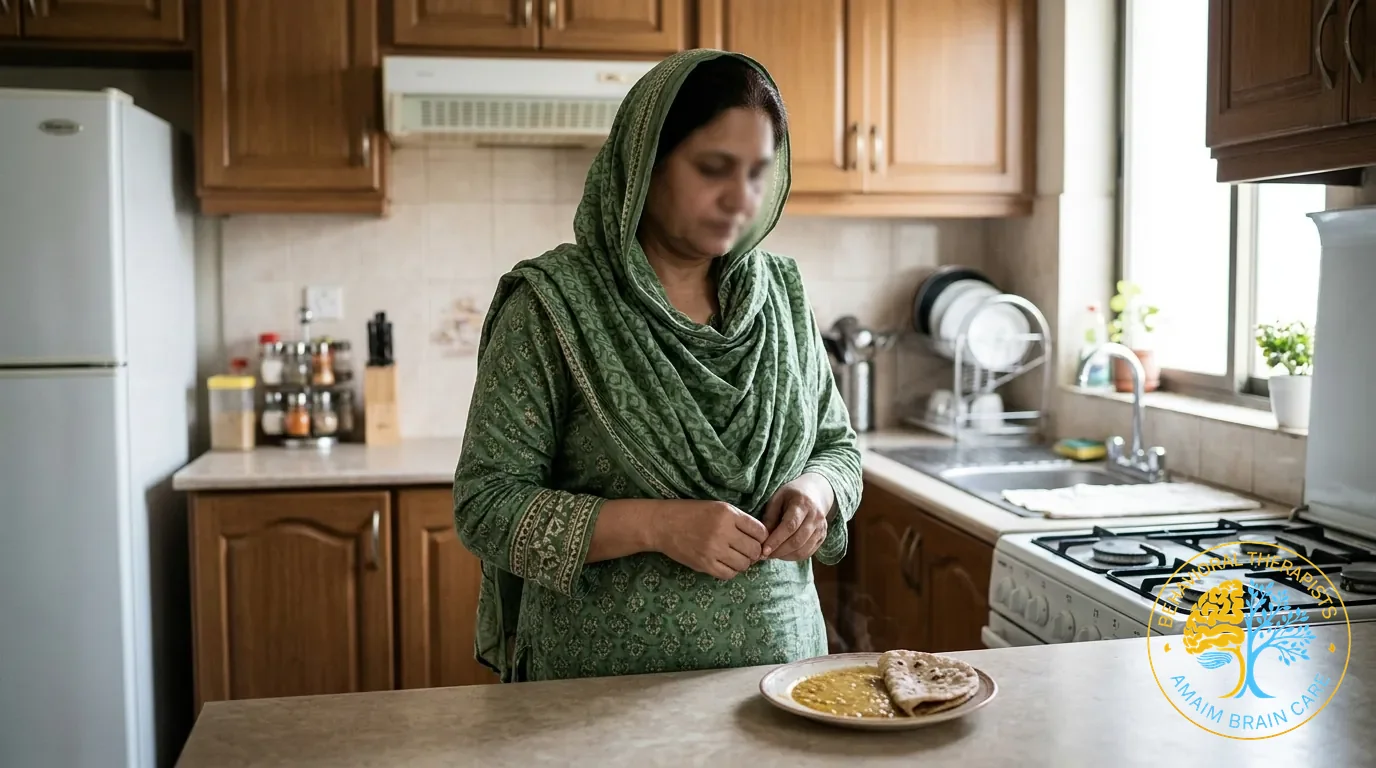
Anorexia is characterized by a severe, delusional distortion of body image. A patient weighing a critically dangerous 35 kg will look in the mirror and genuinely, neurologically perceive a severely obese person staring back. Driven by an absolute terror of gaining weight, they strictly limit their food intake to a few hundred calories, exercise obsessively to the point of collapse, and frequently hide food to deceive their family. This severe starvation aggressively destroys the heart muscle, halts menstruation (amenorrhea), and causes sudden cardiac arrest. From a psychiatric perspective, the brain’s reward circuitry is fundamentally altered; the deprivation of food paradoxically triggers an anxiolytic (anxiety-reducing) effect for the patient. Chronic malnutrition leads to severe structural brain changes, including gray matter volume loss, which further entrenches the disease rigidity. Comorbid conditions such as Obsessive-Compulsive Disorder (OCD) traits often manifest, compelling the patient into strict, ritualistic eating behaviors.
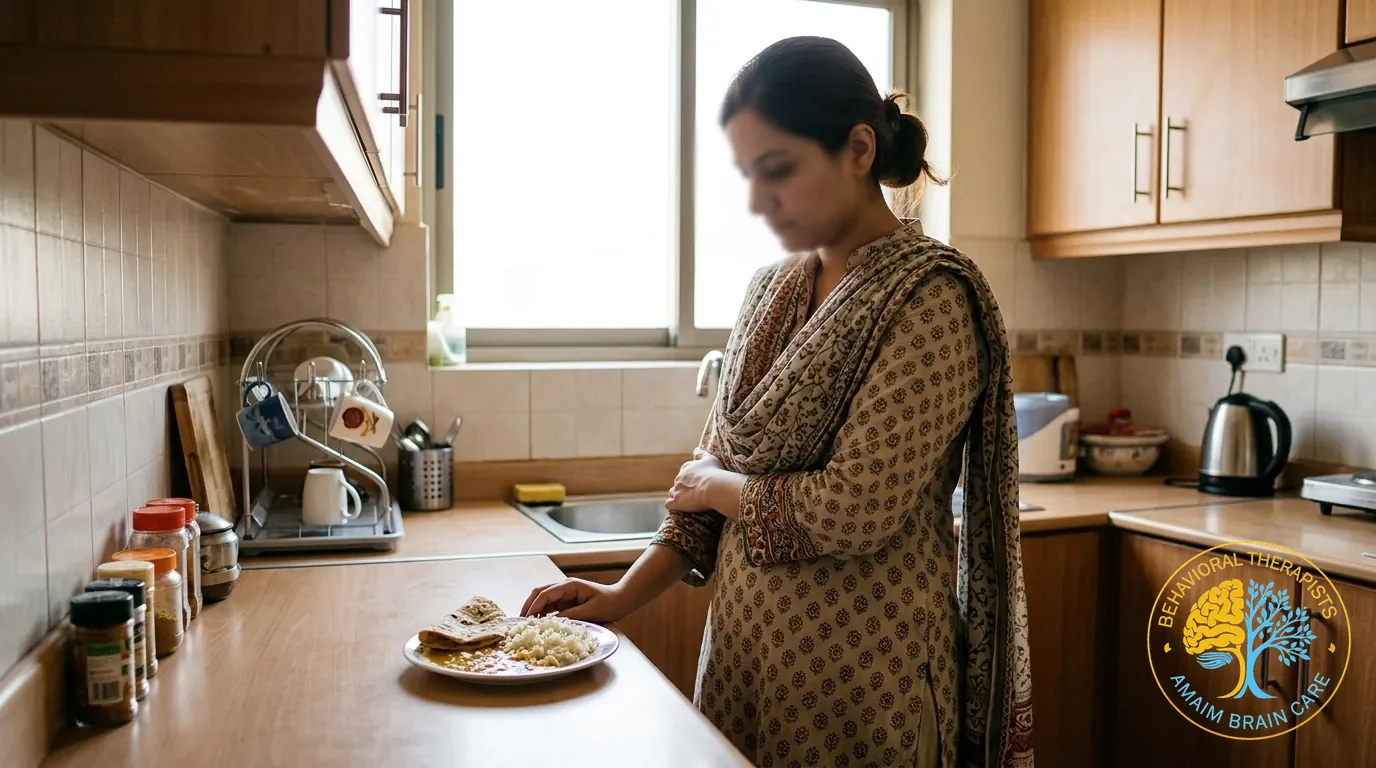
اینوریکسیا (Anorexia) میں مریض کے دماغ کا وہ حصہ خراب ہو جاتا ہے جو جسم کی شکل کو پہچانتا ہے۔ ایک مریض جس کا وزن محض 35 کلو رہ گیا ہو اور ہڈیاں نکلی ہوں، وہ شیشے میں خود کو دیکھ کر واقعی ایک انتہائی موٹا انسان محسوس کرتا ہے۔ وزن بڑھنے کے جان لیوا ڈر سے وہ کھانا بالکل چھوڑ دیتے ہیں، بے ہوش ہونے تک ورزش کرتے ہیں اور گھر والوں سے جھوٹ بول کر کھانا چھپاتے ہیں۔ نفسیاتی نقطہ نظر سے، مریض کو بھوکا رہنے سے وقتی طور پر ذہنی سکون ملتا ہے کیونکہ اس کے دماغ کا نظام الٹ چکا ہوتا ہے۔ یہ شدید بھوک دل کے پٹھوں کو کھا جاتی ہے، لڑکیوں کے مخصوص ایام بند ہو جاتے ہیں (Amenorrhea) اور اکثر دل کا دورہ پڑنے سے اچانک موت واقع ہو جاتی ہے۔ مسلسل غذائیت کی کمی سے دماغ سکڑنا شروع ہو جاتا ہے، جس کی وجہ سے مریض کی ضد اور وہم کی بیماری (OCD) مزید شدت اختیار کر لیتی ہے اور وہ کھانے پینے کے عجیب و غریب اصول بنا لیتا ہے۔
Bulimia Nervosa: The Binge and Purge Cycle | بولیمیا: بے تحاشا کھانا اور زبردستی الٹی کرنا
Bulimia operates on a devastating cycle of shame and punishment. The patient experiences uncontrollable episodes of “binge eating,” rapidly consuming massive quantities of food in secret to soothe severe underlying Clinical Depression or intense psychological distress. Instantly consumed by paralyzing guilt and self-hatred, they violently “purge” the calories by forcing themselves to vomit, abusing laxatives, or enduring extreme fasting. The constant stomach acid from purging completely rots their teeth and creates fatal electrolyte imbalances in the heart, particularly hypokalemia (dangerously low potassium levels). This condition frequently masks underlying Borderline Personality traits or severe emotional dysregulation, requiring intensive psychiatric evaluation. The neurobiology of bulimia often shows reduced responsiveness to serotonin, which normally provides a feeling of fullness and satisfaction.
بولیمیا (Bulimia) شرمندگی اور خود کو سزا دینے کا ایک خطرناک چکر ہے۔ مریض اپنے اندر کی شدید مایوسی اور ڈیپریشن کو چھپانے کے لیے چھپ کر بے تحاشا مقدار میں کھانا (Binge eating) کھاتا ہے۔ لیکن کھاتے ہی اس پر شدید احساسِ جرم اور خود سے نفرت طاری ہو جاتی ہے، جس کے بعد وہ زبردستی گلے میں انگلی ڈال کر الٹی کرتا ہے یا پیٹ صاف کرنے کی گولیاں کھاتا ہے۔ روزانہ الٹی کرنے کی وجہ سے معدے کا تیزاب ان کے دانتوں کو گلا دیتا ہے اور جسم میں نمکیات کی اتنی خطرناک کمی ہو جاتی ہے کہ دل کام کرنا چھوڑ دیتا ہے، بالخصوص پوٹاشیم کی شدید کمی جسے ہائپوکلیمیا (Hypokalemia) کہتے ہیں۔ اس بیماری میں دماغ کا وہ حصہ جو تسکین کا احساس دلاتا ہے (سیروٹونن)، وہ صحیح طور پر کام نہیں کر رہا ہوتا، جس کی وجہ سے مریض کو کبھی پیٹ بھرنے کا احساس نہیں ہوتا اور یہ ایک خطرناک چکر بن جاتا ہے۔
Binge Eating Disorder: The Hidden Crisis | بنج ایٹنگ ڈس آرڈر: بے قابو بھوک کی بیماری
A less discussed but equally prevalent condition is Binge Eating Disorder (BED). Unlike Bulimia, patients with BED consume extremely large amounts of food in a short period but do not engage in compensatory behaviors like purging. This leads to profound feelings of shame, disgust, and severe psychological distress. BED is deeply linked with emotional trauma, chronic stress, and metabolic dysregulation. Patients often suffer from co-occurring mood disorders and are at a significantly higher risk for severe cardiovascular diseases, Type 2 Diabetes, and metabolic syndrome. Treatment requires breaking the neurochemical dependency on food as a coping mechanism and stabilizing the mood circuits.
بنج ایٹنگ ڈس آرڈر (Binge Eating Disorder) ایک ایسی بیماری ہے جس میں مریض شدید ذہنی دباؤ اور صدمے کی وجہ سے بے تحاشا اور تیزی سے کھانا کھاتا ہے، لیکن وہ بولیمیا کی طرح الٹی نہیں کرتا۔ اس کی وجہ سے مریض شدید شرمندگی، احساسِ جرم اور ڈپریشن کا شکار ہو جاتا ہے۔ اس بیماری کا سیدھا تعلق جذباتی صدمات اور سٹریس سے ہے۔ مریض عموماً موٹاپے کا شکار ہو جاتے ہیں جس سے دل کی بیماریاں، ذیابیطس (Diabetes) اور دیگر خطرناک جسمانی مسائل پیدا ہوتے ہیں۔ اس بیماری کے علاج کے لیے ضروری ہے کہ مریض کے دماغ کا کھانے پر انحصار ختم کیا جائے اور اس کے ذہنی دباؤ کا سائنسی بنیادوں پر علاج کیا جائے۔
Frequently Asked Questions
Why do girls from good, educated families develop these severe eating disorders? | اچھے اور پڑھے لکھے گھرانوں کی لڑکیاں بھی اس جان لیوا بیماری کا شکار کیوں ہو جاتی ہیں؟
Eating disorders do not discriminate by class. In fact, high-achieving perfectionists are at massive risk. The intense pressure to excel academically, coupled with the toxic societal standards of extreme thinness often reinforced by mothers, aunts, or relatives at social gatherings, creates a perfect neurobiological storm. The girl uses extreme dieting as a desperate way to gain a sense of perfect control over her chaotic life. The lack of mental health awareness in many educated families leads to delayed diagnosis, as early signs are mistaken for mere discipline or a healthy lifestyle choice.
کھانے کی بیماریاں امیر یا غریب نہیں دیکھتیں۔ درحقیقت، وہ لڑکیاں جو پڑھائی میں بہت لائق اور ہر کام میں پرفیکٹ (Perfectionist) ہونا چاہتی ہیں، ان میں اس کا خطرہ سب سے زیادہ ہوتا ہے۔ پڑھائی کا شدید دباؤ، اور معاشرے یا خاندان کی طرف سے پتلا اور خوبصورت نظر آنے کی خطرناک شرط، لڑکی کے دماغ کو مفلوج کر دیتی ہے۔ شادی بیاہ اور خاندانی تقریبات میں رشتہ داروں کی کڑی تنقید اس مسئلے کو مزید سنگین بنا دیتی ہے۔ وہ اپنی زندگی پر قابو پانے کے لیے کھانا چھوڑنے کو ایک ہتھیار کے طور پر استعمال کرتی ہے۔ بدقسمتی سے، پڑھے لکھے گھرانوں میں بھی نفسیاتی بیماریوں کے بارے میں شعور نہ ہونے کی وجہ سے اس بیماری کو محض ڈائٹنگ سمجھا جاتا ہے۔
How can I tell if my teenage daughter is just dieting or if she has Anorexia? | مجھے کیسے پتا چلے گا کہ میری بیٹی محض ڈائٹنگ کر رہی ہے یا اسے خطرناک اینوریکسیا کی بیماری ہو گئی ہے؟
A normal diet is flexible and aims for health. Anorexia is rigid and aims for starvation. Red flags include: extreme, sudden weight loss, sudden adoption of “strict vegan” or highly restrictive diets, absolute refusal to eat meals with the family, spending hours exercising even when sick, and wearing heavy sweaters in summer to hide the profound skeletal weight loss. Additionally, you may notice obsessive calorie counting, extreme mood swings, a sudden withdrawal from social activities, and a distorted self-perception where they constantly express feeling overweight despite being severely underweight.
ایک نارمل ڈائٹنگ صحت کے لیے ہوتی ہے اور انسان اس میں لچک دکھاتا ہے۔ جبکہ اینوریکسیا ایک جنون ہے۔ اگر لڑکی کا وزن اچانک خطرناک حد تک گر جائے، وہ اچانک صرف سلاد کھانے کی ضد کرے، گھر والوں کے ساتھ بیٹھ کر کھانا چھوڑ دے، بخار میں بھی گھنٹوں ورزش کرے، اور گرمیوں میں بھی موٹے کپڑے پہنے تاکہ اس کی ہڈیاں چھپ سکیں، تو یہ خطرے کی شدید گھنٹی ہے۔ اس کے علاوہ، مریض ہر وقت کیلوریز (Calories) گننے میں مگن رہتا ہے، چڑچڑاپن کا شکار ہو جاتا ہے اور دوستوں اور محفلوں سے کٹ کر تنہائی پسند بن جاتا ہے۔
Is Bulimia physically dangerous since the person still looks normal weight? | کیا بولیمیا (الٹی کرنے کی بیماری) جسم کے لیے خطرناک ہے، کیونکہ اس میں تو مریض کا وزن بالکل نارمل نظر آتا ہے؟
Yes, it is highly lethal. Because their weight appears “normal,” their severe illness remains completely hidden. The continuous cycle of bingeing and purging aggressively destroys the stomach lining, rots the tooth enamel due to gastric acid exposure, and induces massive Hypokalemia (severe lack of potassium). This critical electrolyte imbalance can suddenly trigger a fatal cardiac arrhythmia (heart attack) at any moment. The chronic purging can also lead to esophageal tears, severe chronic dehydration, and irreversible kidney damage.
جی ہاں، یہ انتہائی جان لیوا ہے۔ چونکہ ان کا وزن بظاہر “نارمل” نظر آتا ہے، اس لیے ان کی بیماری گھر والوں سے بالکل چھپی رہتی ہے۔ روزانہ زبردستی الٹی کرنے سے معدے اور خوراک کی نالی میں تیزاب کی وجہ سے خطرناک زخم ہو جاتے ہیں، دانت گل جاتے ہیں، اور جسم میں پوٹاشیم (Potassium) کی اتنی شدید کمی ہو جاتی ہے کہ کسی بھی وقت اچانک دل کی دھڑکن رکنے سے مریض کی موت واقع ہو سکتی ہے۔ اس کے علاوہ، یہ مسلسل الٹیاں خوراک کی نالی کو پھاڑ سکتی ہیں اور گردوں کو ہمیشہ کے لیے ناکارہ بنا سکتی ہیں۔
Can severe trauma or sexual abuse cause an eating disorder? | کیا بچپن میں ہونے والی کوئی زیادتی، تشدد یا صدمہ کھانے کی بیماری کی وجہ بن سکتا ہے؟
Absolutely. There is a profound clinical correlation between severe childhood trauma, emotional neglect, or sexual abuse and the development of Eating Disorders. The patient unconsciously attempts to make their body “disappear” or become highly unattractive to protect themselves from further assault. Alternatively, they use the extreme physical pain of starvation or the violent act of purging to numb the agonizing emotional trauma. The neurobiology of PTSD and complex trauma deeply intertwines with eating disorders, making trauma-informed psychiatric care absolutely vital for recovery.
بالکل جی ہاں۔ طبی لحاظ سے بچپن کی کسی زیادتی، جذباتی عدم توجہی، مار پیٹ یا سنگین صدمے کا ان بیماریوں کے ساتھ بہت گہرا تعلق ہے۔ مریض لاشعوری طور پر اپنے جسم کو اتنا کمزور اور بدصورت بنانا چاہتا ہے تاکہ وہ مزید کسی کی درندگی کا نشانہ نہ بنے۔ یا پھر وہ بھوکا رہنے کی جسمانی اذیت اور زبردستی الٹی کرنے کی تکلیف کو اپنے اندر کے نفسیاتی صدمے کو دبانے کے لیے استعمال کرتا ہے۔ بچپن کے ان شدید صدمات اور خوف (PTSD) کا علاج کیے بغیر ان بیماریوں سے مکمل چھٹکارا پانا ناممکن ہے، اس لیے ایک ماہر نفسیات کا کردار انتہائی اہم ہوتا ہے۔
Where can young women receive confidential, expert treatment for eating disorders in Pakistan? | پاکستان میں نوجوان لڑکیاں ایٹنگ ڈس آرڈرز کا انتہائی ماہرانہ اور رازدارانہ علاج کہاں سے کروا سکتی ہیں؟
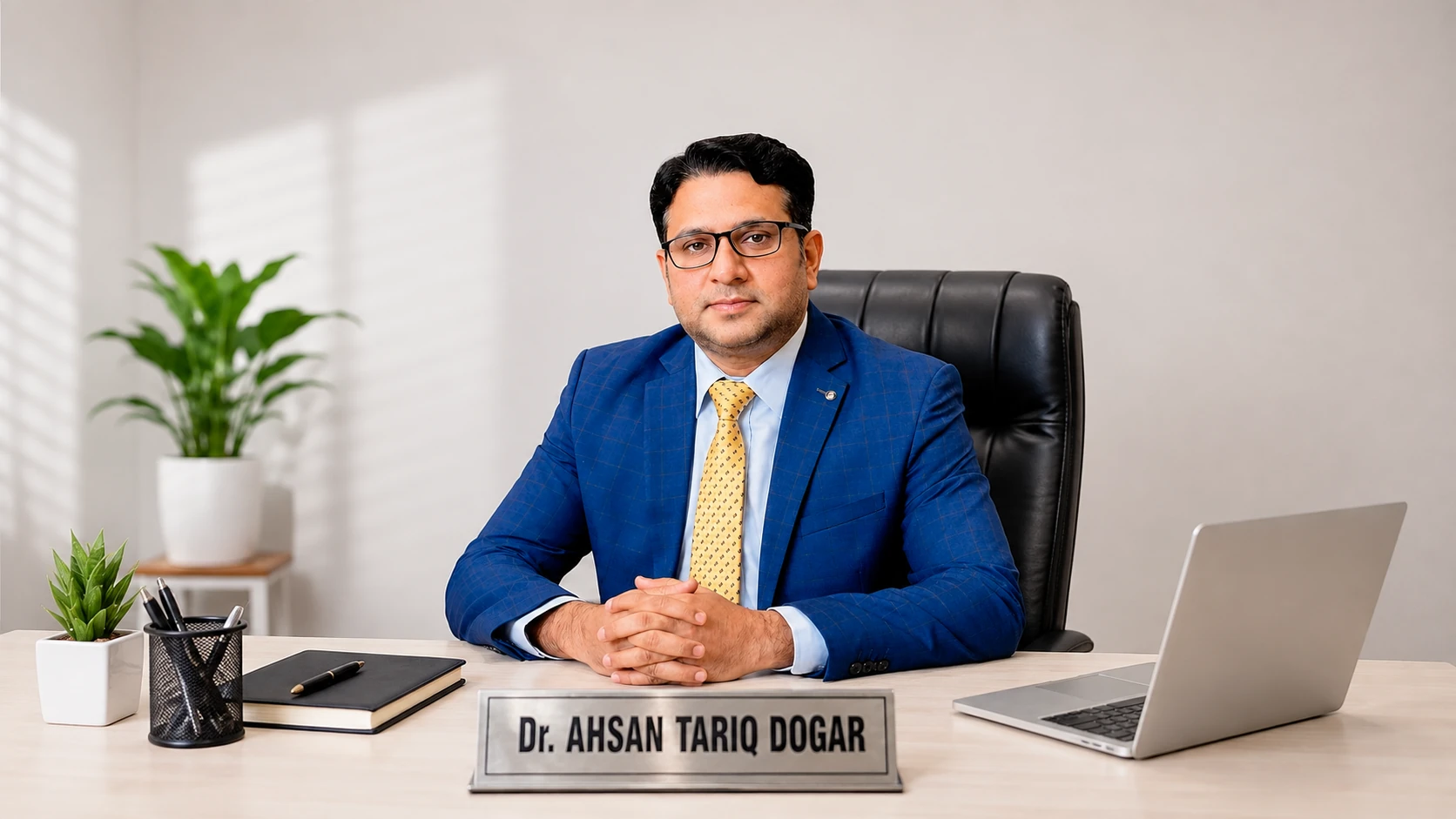
Amaim Brain Care, led by Dr. Ahsan Tariq Dogar, specializes in elite, strictly confidential psychiatric rehabilitation for all severe Eating Disorders. We utilize targeted pharmacological intervention to stabilize comorbid anxiety and neurochemical imbalances. We deploy advanced psychotherapies like Cognitive Behavioral Therapy (CBT) and Dialectical Behavior Therapy (DBT) to rebuild the patient’s psychological foundation. This world-class treatment is available safely at our Faisalabad clinic or via highly secure, private online telepsychiatry across Pakistan.
امیم برین کیئر فیصل آباد میں ڈاکٹر احسن طارق ڈوگر کی زیر نگرانی کھانے کی تمام خطرناک بیماریوں کا انتہائی خفیہ، محفوظ اور عالمی معیار کا علاج کیا جاتا ہے۔ ہم جدید ادویات کے ذریعے دماغ کے کیمیکلز کو متوازن کرتے ہیں اور شدید بے چینی (Anxiety) کا علاج کرتے ہیں۔ خاص تھراپیز (CBT اور DBT) کے ذریعے مریض کے دماغ سے خوف اور احساسِ کمتری کو جڑ سے ختم کیا جاتا ہے۔ یہ جدید سہولت کلینک میں اور پورے پاکستان کے مریضوں کے لیے رازدارانہ آن لائن ویڈیو کنسلٹیشن کے ذریعے دستیاب ہے، تاکہ وہ گھر بیٹھے بہترین علاج حاصل کر سکیں۔
How can I book an appointment with Dr. Ahsan Tariq Dogar?
You can book an in-person or online neuro-psychiatric consultation via reaching out via WhatsApp at 0333-6986464 for a confidential appointment.
فیصل آباد میں کلینک وزٹ یا آن لائن مشورے کے لیے آپ عمائم برین کیئر کے آفیشل واٹس ایپ لنک کے ذریعے رابطہ کر کے اپنی اپائنٹمنٹ باآسانی بک کروا سکتے ہیں، جہاں آپ کی معلومات کو مکمل صیغہ راز میں رکھا جاتا ہے۔
Sources & References
- American Psychiatric Association. Diagnostic and Statistical Manual of Mental Disorders (DSM-5-TR).
- World Health Organization (WHO). Mental Health Guidelines & Clinical Management Protocols.
- Pakistan Psychiatric Society (PPS). Clinical Practice Standards and Regional Mental Health Guidance.
Medical & Educational Disclaimer
The medical and psychiatric information provided on Amaim Brain Care is for educational purposes only. It is not intended to replace formal in-person psychiatric diagnosis, clinical assessment, or tailored prescription therapy. If you or a loved one are experiencing acute psychological distress or symptoms of a mental health condition, please seek professional evaluation from a certified psychiatrist.