In Pakistani society, a woman’s psychological distress is frequently dismissed as mere “emotional weakness,” physical exhaustion from household chores, or a supposed lack of gratitude. The cultural context in Pakistan often places an overwhelming burden on women to be perfect mothers, obedient daughters, and resilient wives, leaving almost no room for their emotional vulnerability. When a woman experiences episodes of crying without reason, severe irritability, or a profound feeling of emptiness, she is often advised to simply rest, pray more, or ignore her feelings. However, in clinical psychiatry, these are not signs of weakness or a lack of faith; they are highly specific neurobiological markers of severe Clinical Depression and Anxiety Disorders. Women statistically experience these psychiatric conditions at twice the rate of men. This disparity is driven by a complex intersection of fluctuating neuro-endocrinology—such as shifts in estrogen and progesterone—intense sociocultural pressures, and unique physiological stressors that profoundly alter the brain’s delicate chemical balance. Without proper medical intervention, the sustained hyperactivation of the brain’s fear center, the amygdala, alongside a severe disruption in neurotransmitters like serotonin and dopamine, can lead to chronic suffering and a severe decline in cognitive and physical functioning.
پاکستانی معاشرے میں عورتوں کی ذہنی اور نفسیاتی تکلیف کو اکثر محض “جذباتی کمزوری”، گھر کے کاموں کی تھکاوٹ یا ناشکری کہہ کر نظر انداز کر دیا جاتا ہے۔ پاکستان کے ثقافتی پس منظر میں عورتوں پر ایک بہترین ماں، فرمانبردار بیٹی اور صابر بیوی بننے کا شدید دباؤ ہوتا ہے، جس میں ان کے اپنے جذبات کے لیے کوئی جگہ نہیں بچتی۔ جب کوئی عورت بغیر کسی وجہ کے رونے لگتی ہے، بات بات پر شدید چڑچڑاپن دکھاتی ہے یا اندر سے ایک گہرا خالی پن محسوس کرتی ہے، تو اسے عموماً آرام کرنے یا زیادہ عبادات کرنے کا مشورہ دیا جاتا ہے۔ لیکن میڈیکل سائنس اور کلینیکل سائیکاٹری کی نظر میں، یہ کوئی کمزوری یا ایمان کی کمی نہیں ہے؛ بلکہ یہ شدید ڈیپریشن (Clinical Depression) اور اینگزائٹی (Anxiety Disorders) کی انتہائی واضح اور خطرناک طبی علامات ہیں۔ سائنسی اعداد و شمار کے مطابق، عورتوں میں ان دماغی بیماریوں کی شرح مردوں کی نسبت دو گنا زیادہ ہوتی ہے۔ اس کی بڑی وجہ عورتوں کے ہارمونز (جیسے ایسٹروجن اور پروجیسٹرون) کی پیچیدہ تبدیلیاں، معاشرے کا شدید دباؤ، اور ان کی مخصوص جسمانی اور ذہنی ذمہ داریاں ہیں جو دماغ کے کیمیائی توازن کو بری طرح بگاڑ دیتی ہیں۔ اگر بروقت علاج نہ کیا جائے تو دماغ کے خوف کے مرکز (Amygdala) کا مسلسل فعال رہنا اور سیروٹونن اور ڈوپامین جیسے کیمیکلز کی کمی ایک دائمی عذاب اور جسمانی اور ذہنی صلاحیتوں کی تباہی کا سبب بن سکتی ہے۔
The Clinical Presentation and Neurobiology of Female Depression | عورتوں میں ڈیپریشن کی خاص علامات اور دماغی تبدیلیاں
Male depression often manifests as explosive anger, aggression, or substance abuse. Female depression, however, frequently presents as a profound depletion of emotional energy and a complete collapse of the brain’s reward system. The symptoms are pervasive, agonizing, and fundamentally rooted in neurobiology. The prefrontal cortex, responsible for decision-making and emotional regulation, becomes underactive, while the amygdala becomes hyper-reactive. This neurological imbalance creates a constant state of psychological distress and hypervigilance. Moreover, chronic stress leads to elevated cortisol levels, which physically damages the hippocampus, the area of the brain vital for memory and learning. This is why women suffering from depression often complain of brain fog, forgetfulness, and an inability to concentrate on even the most routine tasks. The societal expectation to mask this immense internal struggle further exacerbates the deterioration of their mental health.
مردوں میں ڈیپریشن اکثر شدید غصے، جارحیت یا نشے کی شکل میں ظاہر ہوتا ہے۔ لیکن عورتوں میں ڈیپریشن ان کی جذباتی توانائی کو بالکل نچوڑ لیتا ہے اور ان کے دماغ میں خوشی محسوس کرنے والا نظام مکمل طور پر تباہ ہو جاتا ہے۔ اس کی علامات انتہائی تکلیف دہ ہوتی ہیں اور ان کی جڑیں دماغ کی ساخت اور کیمیکلز میں پیوست ہوتی ہیں۔ دماغ کا وہ حصہ جو فیصلوں اور جذبات کو کنٹرول کرتا ہے (Prefrontal Cortex) سست پڑ جاتا ہے، جبکہ خوف کا مرکز (Amygdala) ضرورت سے زیادہ حساس ہو جاتا ہے۔ اس دماغی بگاڑ کی وجہ سے عورت ہر وقت ایک نفسیاتی دباؤ اور نامعلوم خوف کا شکار رہتی ہے۔ مسلسل ذہنی دباؤ سے کارٹیسول (Cortisol) ہارمون کی مقدار بڑھ جاتی ہے، جو یادداشت کے مرکز (Hippocampus) کو نقصان پہنچاتی ہے۔ یہی وجہ ہے کہ ڈیپریشن کی شکار عورتیں اکثر دماغی دھند، بھولنے کی بیماری اور روزمرہ کے کاموں پر توجہ نہ دے پانے کی شکایت کرتی ہیں۔ اس اندرونی جنگ کو معاشرے سے چھپانے کا دباؤ ان کی ذہنی صحت کو مزید تباہ کر دیتا ہے۔
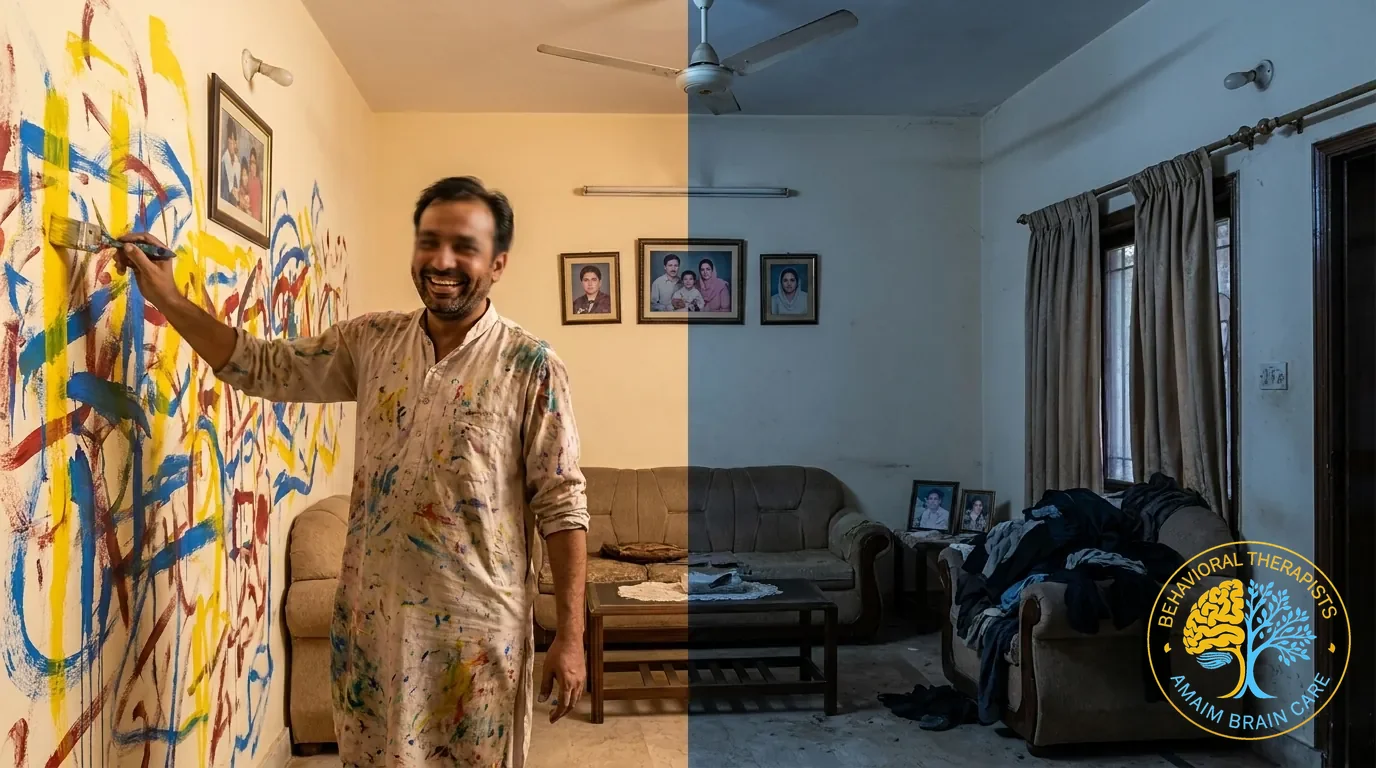
1. Unprovoked Crying Spells, Limbic Overload, and Severe Irritability | بغیر وجہ کے رونا، جذباتی بوجھ اور شدید چڑچڑاپن
A primary and profoundly distressing symptom is the sudden, uncontrollable urge to cry, even when there is no acute tragedy occurring. The brain’s limbic system, which governs emotions, is chemically overwhelmed and cannot regulate sadness. Simultaneously, the woman experiences severe irritability, snapping at her children or husband over trivial matters like a spilled glass of water or a loud television. This irritability is a direct consequence of a depleted central nervous system that has zero emotional reserves left to process everyday stimuli. Immediately following these outbursts, she is consumed by an immense, paralyzing guilt, which feeds the depressive cycle. Family members often misinterpret this as a bad temper, further isolating the patient instead of recognizing it as a symptom of a serious psychiatric emergency that requires professional care.
اس کی سب سے بڑی اور تکلیف دہ علامت یہ ہے کہ عورت کو بیٹھے بیٹھے اچانک رونے کے دورے پڑتے ہیں، حالانکہ کوئی فوری صدمہ یا دکھ نہیں ہوتا۔ دماغ کا جذباتی نظام (Limbic System) کیمیکلز کے دباؤ سے پھٹ رہا ہوتا ہے اور اداسی کو کنٹرول نہیں کر پاتا۔ اس کے ساتھ ہی اسے شدید چڑچڑاپن ہوتا ہے، وہ بچوں یا شوہر پر چھوٹی چھوٹی باتوں (جیسے پانی گر جانا یا ٹی وی کی آواز) پر غصہ کرتی ہے۔ یہ چڑچڑاپن دراصل اس کے اعصابی نظام کی تھکاوٹ کا نتیجہ ہے جس میں روزمرہ کی باتوں کو برداشت کرنے کی کوئی طاقت نہیں بچی ہوتی۔ غصہ کرنے کے فوراً بعد اسے شدید ندامت اور احساسِ جرم ہونے لگتا ہے، جو ڈیپریشن کو مزید بڑھا دیتا ہے۔ گھر والے اکثر اسے بدتمیزی سمجھ لیتے ہیں، جس سے مریضہ مزید تنہا ہو جاتی ہے، جبکہ حقیقت میں یہ ایک سنگین دماغی بیماری کی علامت ہے جسے فوری علاج کی ضرورت ہوتی ہے۔

2. Anhedonia and the Collapse of Emotional Resonance | خوشی کا ختم ہونا اور جذبات کا مر جانا (Anhedonia)
The neurochemical depletion of serotonin (the mood stabilizer) and dopamine (the reward and pleasure neurotransmitter) leads to a state called “Anhedonia”—a complete and agonizing inability to feel pleasure or joy. A mother may look at her newborn baby or her beloved children and feel absolutely nothing. She may attend a family wedding or a joyous occasion and feel entirely disconnected, as if watching the world through a thick pane of glass. This profound emotional numbness makes her feel like a “defective” mother or a “failed” wife, creating a deep sense of self-loathing. The cultural expectation in Pakistan that women must always be nurturing and joyful makes this anhedonia particularly devastating. She suffers in silence, smiling outwardly while her brain completely fails to process positive emotions, eventually leading to severe social withdrawal and a profound sense of isolation.
دماغ میں خوشی اور سکون کے کیمیکلز (سیروٹونن اور ڈوپامین) کے ختم ہونے کو ‘اینہیڈونیا’ (Anhedonia) کہتے ہیں—یعنی خوشی محسوس کرنے کی صلاحیت کا بالکل ختم ہو جانا۔ ایک ماں اپنے نوزائیدہ بچے یا پیارے بچوں کو دیکھتی ہے، لیکن اسے اپنے اندر کوئی جذبہ یا پیار محسوس نہیں ہوتا۔ وہ کسی شادی یا خوشی کی تقریب میں جاتی ہے لیکن اندر سے بالکل کٹی ہوئی اور بے حس محسوس کرتی ہے، جیسے دنیا کو کسی شیشے کے پیچھے سے دیکھ رہی ہو۔ یہ جذباتی موت اور سن پن اسے اندر سے توڑ دیتی ہے کہ شاید وہ ایک “بری ماں” یا “ناکام بیوی” ہے، جس سے اس کے اندر خود سے نفرت پیدا ہو جاتی ہے۔ پاکستان میں عورت سے ہمیشہ مسکراتے اور خیال رکھنے کی توقع کی جاتی ہے، جس کی وجہ سے یہ بیماری مزید جان لیوا بن جاتی ہے۔ وہ اندر ہی اندر گھٹتی رہتی ہے، بظاہر مسکراتی ہے لیکن اس کا دماغ خوشی محسوس کرنے سے مکمل طور پر قاصر ہو چکا ہوتا ہے، جس کا انجام شدید تنہائی اور لوگوں سے کٹ جانا ہوتا ہے۔
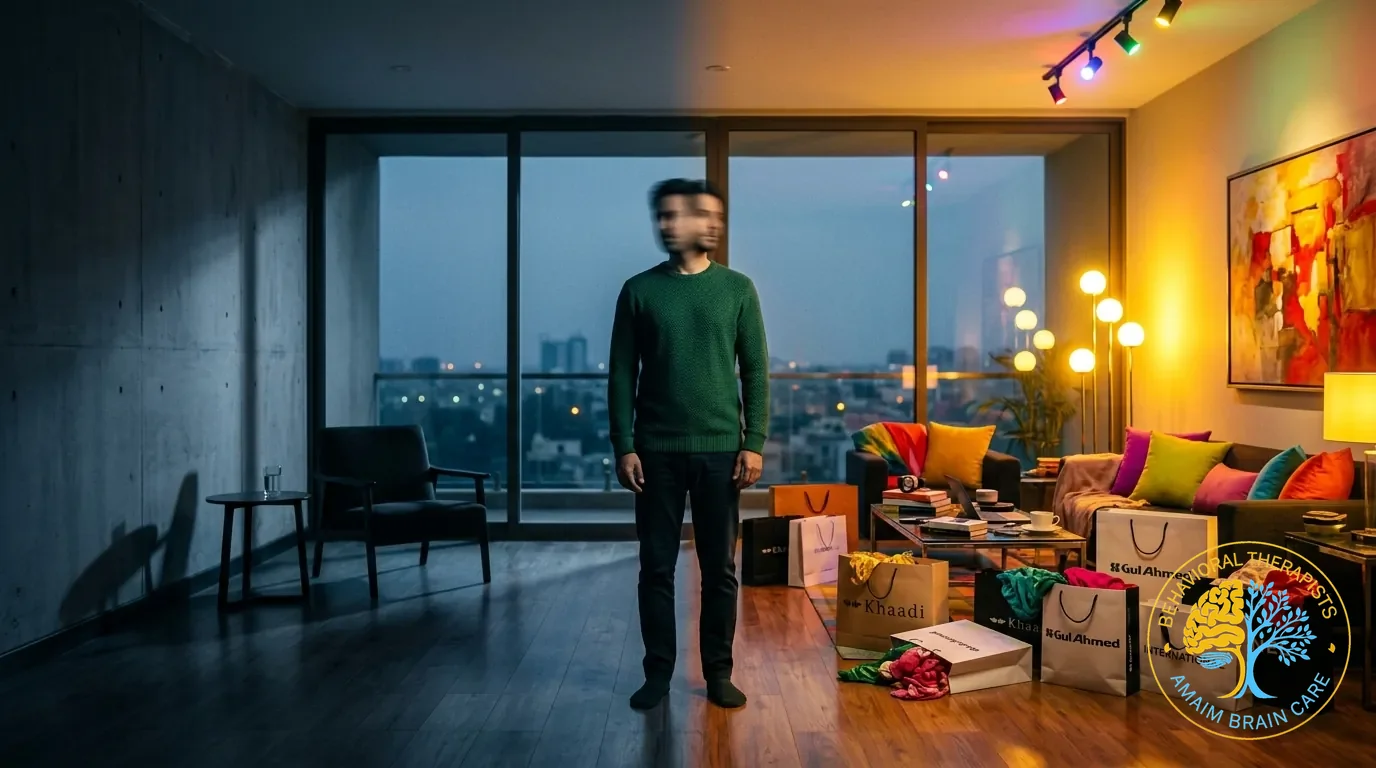
3. Psychomotor Retardation and Crushing Neurological Fatigue | شدید اعصابی تھکاوٹ اور کچھ نہ کرنے کی ہمت
The patient experiences a bone-deep, neurological exhaustion that hours or even days of sleep cannot fix. Simple, routine tasks like washing a few dishes, taking a shower, or making breakfast for the family feel like climbing Mount Everest. The family often labels this as laziness, a lack of willpower, or trying to escape responsibilities. However, clinically, this is known as psychomotor retardation. The depressed brain literally slows down the transmission of nerve impulses to the muscles, making physical movements heavy and excruciatingly difficult. Energy production at a cellular level is compromised due to the immense physiological toll of chronic depression. The woman is trapped in a body that refuses to move, dictated by a brain that is starving for essential neurotransmitters.
مریضہ کو ہڈیوں کے اندر تک ایک ایسی شدید اعصابی تھکاوٹ محسوس ہوتی ہے جو گھنٹوں یا دنوں کی نیند سے بھی دور نہیں ہوتی۔ چھوٹے چھوٹے روزمرہ کے کام جیسے چند برتن دھونا، نہانا یا گھر والوں کے لیے ناشتہ بنانا انہیں ایک پہاڑ سر کرنے جیسا مشکل لگتا ہے۔ گھر والے اکثر اسے سستی، کاہلی، یا کام سے جان چھڑانا قرار دیتے ہیں۔ لیکن میڈیکل سائنس میں اسے ‘سائیکو موٹر ریٹارڈیشن’ (Psychomotor Retardation) کہا جاتا ہے۔ ڈیپریشن کے باعث دماغ جسم کے پٹھوں تک سگنل بھیجنے کے عمل کو انتہائی سست کر دیتا ہے، جس سے جسمانی حرکت بھاری اور تکلیف دہ ہو جاتی ہے۔ دائمی ڈیپریشن کی وجہ سے خلیوں کے اندر توانائی بننے کا عمل بھی متاثر ہوتا ہے۔ عورت ایک ایسے جسم میں قید ہو کر رہ جاتی ہے جو حرکت کرنے سے انکاری ہوتا ہے، کیونکہ اس کے دماغ میں ضروری کیمیکلز کی شدید کمی ہو چکی ہوتی ہے۔
The Imperative for Elite Psychiatric Care and Evidence-Based Treatment | ماہر نفسیات کے علاج اور سائنسی طریقہ کار کی اشد ضرورت
Telling a severely depressed woman to “stay busy,” “try harder,” or “be grateful for your husband and family” is clinically absurd and profoundly damaging. Her brain chemistry is fundamentally broken, and willpower alone cannot fix a neurobiological deficit. Treating female-specific clinical depression and anxiety requires an elite, highly nuanced psychiatric intervention by a recognized specialist. The treatment architecture involves advanced, highly targeted, and remarkably safe neuro-pharmacology—such as Selective Serotonin Reuptake Inhibitors (SSRIs) and Serotonin-Norepinephrine Reuptake Inhibitors (SNRIs)—to biologically restore the depleted serotonin and dopamine pathways. This pharmacological foundation is then seamlessly integrated with advanced psychotherapy, primarily Cognitive Behavioral Therapy (CBT), and occasionally Exposure Therapy for anxiety components. CBT actively restructures negative thought patterns, teaching the prefrontal cortex to regain control over the hyperactive amygdala. This dual approach of medication and therapy breaks the cycle of paralyzing guilt, alleviates the crushing emotional numbness, and completely restores her quality of life. In many cases, specialized psychiatric consultation is the only bridge back to a normal, fulfilling life.
ایک شدید ڈیپریشن کی شکار عورت کو یہ کہنا کہ “خود کو مصروف رکھو”، “ہمت کرو” یا “اپنے شوہر اور بچوں کی نعمت پر شکر کرو”، ایک انتہائی جاہلانہ اور خطرناک مشورہ ہے۔ اس کے دماغ کے کیمیکلز حقیقتاً ٹوٹ چکے ہیں، اور صرف قوتِ ارادی سے دماغی بیماری کو ٹھیک نہیں کیا جا سکتا۔ عورتوں کے مخصوص کلینیکل ڈیپریشن اور اینگزائٹی کے علاج کے لیے ایک ماہر اور مستند ماہرِ نفسیات کی اشد ضرورت ہوتی ہے۔ اس جدید علاج میں انتہائی محفوظ اور خاص ادویات (جیسے SSRIs اور SNRIs) کا استعمال کیا جاتا ہے تاکہ دماغ میں خوشی اور سکون کے کیمیکلز (سیروٹونن اور ڈوپامین) کو سائنسی بنیادوں پر دوبارہ پیدا کیا جا سکے۔ دواؤں کے اس علاج کے ساتھ ساتھ خاص اور جدید تھراپی—جیسے کاگنیٹو بیہیویئرل تھراپی (CBT) اور بعض اوقات اینگزائٹی کے لیے ایکسپوژر تھراپی (Exposure Therapy)—کو شامل کیا جاتا ہے۔ سی بی ٹی (CBT) انسان کی منفی سوچوں کو تبدیل کرتی ہے اور دماغ کے کنٹرول سینٹر کو خوف کے مرکز پر قابو پانا سکھاتی ہے۔ دواؤں اور تھراپی کا یہ مشترکہ علاج عورت کے دماغ سے احساسِ جرم اور سن پن کو ہمیشہ کے لیے ختم کر دیتا ہے، اور انہیں دوبارہ ایک خوشگوار زندگی جینے کے قابل بناتا ہے۔ اکثر صورتوں میں، ایک ماہر نفسیات کا علاج ہی ایک معمول کی اور خوشحال زندگی کی طرف لوٹنے کا واحد راستہ ہوتا ہے۔

Frequently Asked Questions
Why do I feel so angry and irritable when I’m actually sad inside? | ایسا کیوں ہوتا ہے کہ اندر سے شدید اداسی ہونے کے باوجود مجھے ظاہر میں بہت غصہ اور چڑچڑاپن آتا ہے؟
This is a hallmark of atypical depression. When the brain’s emotional bandwidth is completely exhausted by severe underlying sadness and anxiety, it has zero tolerance left for minor daily stresses. A crying child or a loud noise instantly overloads the system, causing an explosive outburst of irritability, which is essentially the brain’s “check engine” light flashing. | یہ ڈیپریشن کی ایک خاص علامت ہے۔ جب دماغ کی جذباتی طاقت اندر کی شدید اداسی اور فکر کی وجہ سے بالکل ختم ہو چکی ہوتی ہے، تو وہ روزمرہ کے چھوٹے مسئلوں کو برداشت کرنے کے قابل نہیں رہتا۔ بچے کا رونا یا کوئی تیز آواز دماغ کے سسٹم پر شدید بوجھ ڈالتی ہے، جس سے آپ کو ایک دم شدید غصہ آ جاتا ہے۔ یہ چڑچڑاپن دراصل دماغ کی مدد کی پکار ہے۔
ذہنی اور نفسیاتی صحت کے مسائل کے حوالے سے بروقت طبی تشخیص اور مستند ڈاکٹر کی رہنمائی انتہائی ضروری ہے۔ اگر آپ یا آپ کا کوئی پیارا اس مسئلے کا سامنا کر رہا ہے تو مناسب علاج اور رہنمائی کے لیے مستند ماہر نفسیات سے فوری رجوع کریں۔
Can taking vitamins or iron supplements cure my constant fatigue and crying spells? | کیا خون کی کمی پوری کرنے، ڈرپ لگوانے یا وٹامنز کھانے سے میری یہ شدید تھکاوٹ اور رونے کی کیفیت ٹھیک ہو سکتی ہے؟
No. While anemia can cause physical tiredness, it does not cause profound emotional numbness, unprovoked crying, or clinical hopelessness. This “tiredness” originates in the brain’s neurochemistry, not the muscles. Wasting months on generic vitamins while a severe psychiatric illness rapidly deteriorates is a highly dangerous medical error. | بالکل نہیں۔ اگرچہ خون کی کمی سے جسمانی تھکاوٹ ہو سکتی ہے، لیکن اس سے اندرونی خالی پن، بلاوجہ رونا یا جینے کی امید ختم نہیں ہوتی۔ یہ تھکاوٹ آپ کے پٹھوں کی نہیں بلکہ دماغ کے کیمیکلز کی ہے۔ کسی خطرناک دماغی بیماری میں مہینوں تک صرف وٹامنز کھا کر وقت ضائع کرنا ایک انتہائی خطرناک غلطی ہے جو بیماری کو لاعلاج بنا سکتی ہے۔
ذہنی اور نفسیاتی صحت کے مسائل کے حوالے سے بروقت طبی تشخیص اور مستند ڈاکٹر کی رہنمائی انتہائی ضروری ہے۔ اگر آپ یا آپ کا کوئی پیارا اس مسئلے کا سامنا کر رہا ہے تو مناسب علاج اور رہنمائی کے لیے مستند ماہر نفسیات سے فوری رجوع کریں۔
Why do I feel extremely lonely even when I am sitting with my whole family? | مجھے پورے خاندان اور رشتے داروں کے بیچ بیٹھ کر بھی اتنی شدید اور جان لیوا تنہائی کیوں محسوس ہوتی ہے؟
Clinical Depression severely damages the brain’s ability to process social connection. Even surrounded by loved ones, your depressed brain tricks you into believing that nobody understands your pain, that you are a burden, and that you are entirely isolated. This is a symptom of the disease, not a reality of your relationships. | ڈیپریشن کی بیماری دماغ کے اس حصے کو تباہ کر دیتی ہے جو لوگوں سے تعلق محسوس کرتا ہے۔ اپنوں کے بیچ بیٹھ کر بھی آپ کا بیمار دماغ آپ کو یہ دھوکہ دیتا ہے کہ کوئی آپ کی تکلیف کو نہیں سمجھتا، آپ سب پر ایک بوجھ ہیں اور آپ اس دنیا میں بالکل اکیلی ہیں۔ یہ تنہائی آپ کے رشتوں کی حقیقت نہیں، بلکہ بیماری کی ایک علامت ہے۔
ذہنی اور نفسیاتی صحت کے مسائل کے حوالے سے بروقت طبی تشخیص اور مستند ڈاکٹر کی رہنمائی انتہائی ضروری ہے۔ اگر آپ یا آپ کا کوئی پیارا اس مسئلے کا سامنا کر رہا ہے تو مناسب علاج اور رہنمائی کے لیے مستند ماہر نفسیات سے فوری رجوع کریں۔
Is it normal for a woman to completely lose interest in intimacy and her husband? | کیا ڈیپریشن کی وجہ سے ایک عورت کا اپنے شوہر سے دوری اختیار کرنا اور ازدواجی تعلق سے مکمل طور پر کٹ جانا نارمل ہے؟
Yes, loss of libido is a primary diagnostic criteria for severe depression. The brain’s pleasure and reward centers are biochemically shut down, and the physical exhaustion makes intimacy feel like an impossible chore rather than a connection. This often causes severe marital strain if the husband does not understand it is a medical illness. | جی ہاں، ازدواجی تعلق سے مکمل دوری شدید ڈیپریشن کی سب سے بڑی علامت ہے۔ دماغ میں خوشی اور رغبت کے مراکز کیمیکلز کی کمی سے بند ہو جاتے ہیں، اور شدید تھکاوٹ کی وجہ سے قربت ایک بوجھ لگنے لگتی ہے۔ اگر شوہر کو یہ علم نہ ہو کہ یہ ایک سچی میڈیکل بیماری ہے، تو یہ غلط فہمی اکثر شادی کے ٹوٹنے کا باعث بن جاتی ہے۔
ذہنی اور نفسیاتی صحت کے مسائل کے حوالے سے بروقت طبی تشخیص اور مستند ڈاکٹر کی رہنمائی انتہائی ضروری ہے۔ اگر آپ یا آپ کا کوئی پیارا اس مسئلے کا سامنا کر رہا ہے تو مناسب علاج اور رہنمائی کے لیے مستند ماہر نفسیات سے فوری رجوع کریں۔
Where can women get highly confidential and effective treatment for depression in Pakistan? | پاکستان میں عورتیں اپنے ڈیپریشن کا انتہائی رازدارانہ اور سو فیصد مستند علاج کہاں سے کروا سکتی ہیں؟
Amaim Brain Care, under the highly specialized direction of Dr. Ahsan Tariq Dogar, provides elite, stigma-free psychiatric treatment exclusively tailored for women’s mental health. We utilize precision psychopharmacology and advanced CBT to permanently restore your emotional well-being. This life-saving treatment is available at our Faisalabad clinic and via strictly confidential online video consultations across Pakistan. | امیم برین کیئر فیصل آباد میں ڈاکٹر احسن طارق ڈوگر کی زیر نگرانی عورتوں کے ڈیپریشن اور دماغی امراض کا انتہائی محفوظ اور معاشرتی دباؤ سے پاک علاج کیا جاتا ہے۔ ہم جدید ادویات اور خاص تھراپی کے ذریعے عورت کی جذباتی اور دماغی صحت کو دوبارہ بحال کرتے ہیں۔ یہ علاج کلینک اور پورے پاکستان کے لیے رازدارانہ آن لائن کنسلٹیشن کے ذریعے دستیاب ہے۔
ذہنی اور نفسیاتی صحت کے مسائل کے حوالے سے بروقت طبی تشخیص اور مستند ڈاکٹر کی رہنمائی انتہائی ضروری ہے۔ اگر آپ یا آپ کا کوئی پیارا اس مسئلے کا سامنا کر رہا ہے تو مناسب علاج اور رہنمائی کے لیے مستند ماہر نفسیات سے فوری رجوع کریں۔
How can I book an appointment with Dr. Ahsan Tariq Dogar?
You can book an in-person or online neuro-psychiatric consultation via reaching out via WhatsApp at 0333-6986464 for a confidential appointment.
فیصل آباد میں کلینک وزٹ یا آن لائن مشورے کے لیے آپ عمائم برین کیئر کے آفیشل واٹس ایپ لنک کے ذریعے رابطہ کر کے اپنی اپائنٹمنٹ باآسانی بک کروا سکتے ہیں، جہاں آپ کی معلومات کو مکمل صیغہ راز میں رکھا جاتا ہے۔
Sources & References
- American Psychiatric Association. Diagnostic and Statistical Manual of Mental Disorders (DSM-5-TR).
- World Health Organization (WHO). Mental Health Guidelines & Clinical Management Protocols.
- Pakistan Psychiatric Society (PPS). Clinical Practice Standards and Regional Mental Health Guidance.
Medical & Educational Disclaimer
The medical and psychiatric information provided on Amaim Brain Care is for educational purposes only. It is not intended to replace formal in-person psychiatric diagnosis, clinical assessment, or tailored prescription therapy. If you or a loved one are experiencing acute psychological distress or symptoms of a mental health condition, please seek professional evaluation from a certified psychiatrist.