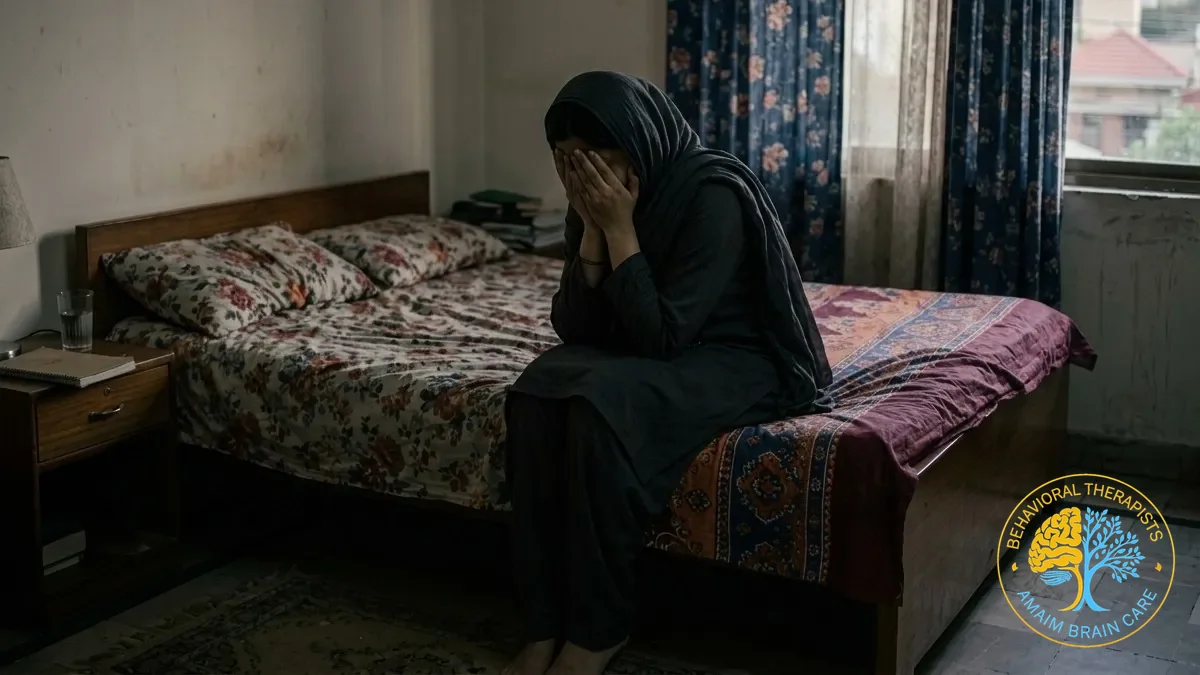
In Pakistan, the cultural archetype of the “perfect housewife” and the “sacrificing mother” is deeply ingrained and heavily romanticized across generations. A woman is expected to single-handedly manage the entire household, raise academically and socially perfect children, and cater to the extended family seamlessly—all while maintaining a perpetually smiling face and completely suppressing her own desires and exhaustion. From early childhood, young girls are conditioned to believe that their ultimate worth lies in their ability to serve others without complaint. Tragically, this immense, unrelenting societal pressure creates a highly toxic psychological environment that is profoundly harmful to a woman’s mental health. When a mother finally breaks down and expresses profound physical exhaustion or immense, unexplainable sadness, society rapidly weaponizes guilt against her. She is frequently told that she has a comfortable home, a providing husband, healthy children, and should simply be grateful instead of “complaining.” In the realm of clinical psychiatry, this relentless, invisible labor causes severe “Maternal Burnout”—a catastrophic neurobiological collapse that makes housewives and mothers statistically the most vulnerable demographic for severe Clinical Depression and extreme Anxiety Disorders. This burnout is not merely psychological; it physically alters brain structures. Chronic stress impacts the amygdala, the brain’s fear center, keeping it in a state of hyperarousal, while simultaneously shrinking the prefrontal cortex, which is responsible for executive function, emotional regulation, and rational decision-making.
پاکستان میں “ایک بہترین گھریلو عورت” اور “قربانی دینے والی ماں” کے تصور کو نسل در نسل بہت زیادہ اہمیت دی گئی ہے اور اسے انتہائی بڑھا چڑھا کر پیش کیا جاتا ہے۔ ایک عورت سے یہ امید کی جاتی ہے کہ وہ اکیلی پورے گھر کا نظام بخوبی سنبھالے، بچوں کی ایسی تربیت کرے کہ وہ ہر لحاظ سے مکمل ہوں، اور پورے خاندان کی ہر ضرورت کو بغیر کسی شکایت کے پورا کرے، وہ بھی ہر وقت مسکراتے چہرے کے ساتھ اور اپنی جسمانی و ذہنی تھکاوٹ کو مکمل طور پر دباتے ہوئے۔ بچپن سے ہی لڑکیوں کے ذہنوں میں یہ بات بٹھا دی جاتی ہے کہ ان کی اصل قدر دوسروں کی خدمت کرنے میں ہے۔ بدقسمتی سے، معاشرے کا یہ شدید اور نہ ختم ہونے والا دباؤ ایک انتہائی زہریلا اور نقصان دہ نفسیاتی ماحول پیدا کرتا ہے جو عورت کی ذہنی صحت کو تباہ کر دیتا ہے۔ جب کوئی ماں آخر کار ہمت ہار کر اپنی شدید تھکاوٹ یا ناقابلِ بیان اداسی کا اظہار کرتی ہے، تو معاشرہ فوراً اسے احساسِ جرم کا نشانہ بناتا ہے۔ اسے طعنے دیے جاتے ہیں کہ اس کے پاس ایک آرام دہ گھر، کمانے والا شوہر، اور صحت مند بچے ہیں، اس لیے اسے “شکایت” کرنے کے بجائے شکر گزار ہونا چاہیے۔ ماہرین نفسیات کی نظر میں، عورت کی یہ ان دیکھی اور مسلسل مشقت اسے “میٹرنل برن آؤٹ” (Maternal Burnout) کا شکار کر دیتی ہے—یعنی دماغ کا مکمل طور پر تھک کر ٹوٹ جانا۔ اسی وجہ سے گھریلو عورتیں خطرناک کلینیکل ڈیپریشن اور شدید خوف (Anxiety Disorders) کے امراض کا سب سے زیادہ شکار ہوتی ہیں۔ یہ دباؤ صرف نفسیاتی نہیں ہوتا بلکہ یہ دماغی ساخت کو بھی بدل دیتا ہے، خاص طور پر امیگڈالا (Amygdala) جو خوف کو کنٹرول کرتا ہے، اور پری فرنٹل کورٹیکس (Prefrontal Cortex) کو سکیڑ دیتا ہے جو جذبات پر قابو پانے اور فیصلے کرنے کی طاقت دیتا ہے۔
The Neurobiological Reality of Unrelenting Stress | مسلسل ذہنی دباؤ کی سائنسی اور دماغی حقیقت
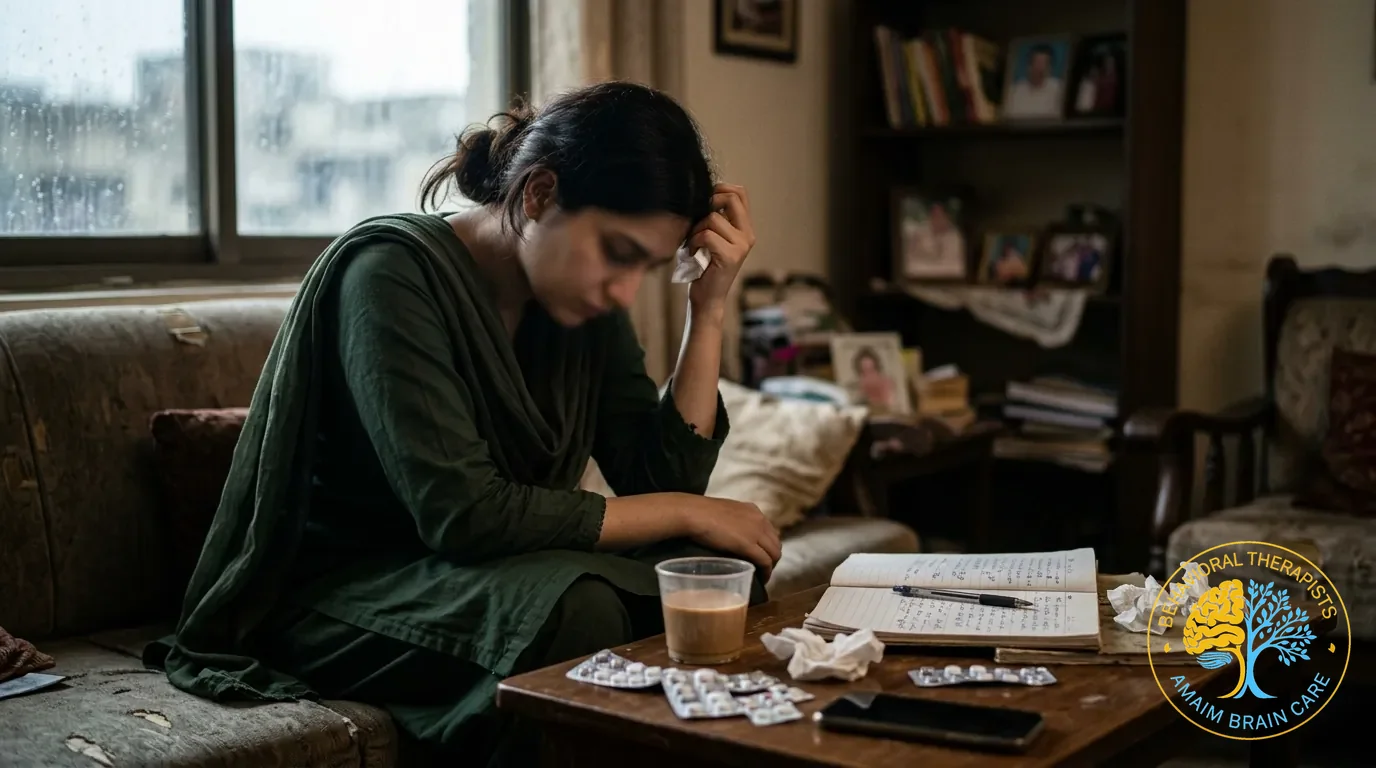
To truly understand why housewives suffer at such disproportionately high rates, we must look beyond traditional behavioral psychology and examine the severe neurobiology of chronic stress. The human brain relies on a highly delicate balance of neurotransmitters to function optimally. Key among these are dopamine (the reward, motivation, and pleasure chemical) and serotonin (the mood-stabilizing and calming chemical). When a mother faces non-stop, 24/7 demands without adequate physical rest, emotional validation, or personal time, her brain’s hypothalamic-pituitary-adrenal (HPA) axis becomes chronically hyperactive. This overdrive floods her entire nervous system with cortisol, the body’s primary stress hormone. Over time, continuous cortisol toxicity leads to a severe, pathological depletion of both serotonin and dopamine reserves. This neurochemical starvation does not just cause “sadness”—it manifests as intense, paralyzing lethargy, profound anhedonia (the absolute inability to feel pleasure or joy in previously loved activities), and crippling emotional numbness. The mother may stare blankly at her children, unable to feel the love she knows she possesses. In clinical terms, her brain is functionally malfunctioning. Overcoming this requires targeted pharmacological intervention. Medications such as Selective Serotonin Reuptake Inhibitors (SSRIs) or Serotonin-Norepinephrine Reuptake Inhibitors (SNRIs) are often essential to biologically halt the damage and restore the brain’s chemical equilibrium, laying the groundwork for recovery.
یہ مکمل طور پر سمجھنے کے لیے کہ گھریلو عورتیں اتنی بڑی تعداد میں ان نفسیاتی بیماریوں کا شکار کیوں ہوتی ہیں، ہمیں صرف رویوں کو نہیں بلکہ شدید ذہنی دباؤ کے دماغ پر پڑنے والے سائنسی اثرات (Neurobiology) کو بھی دیکھنا ہوگا۔ انسانی دماغ مختلف کیمیکلز کے انتہائی نازک توازن پر کام کرتا ہے۔ ان میں سب سے اہم ڈوپامین (Dopamine) جو انعام اور خوشی کا احساس دلاتا ہے، اور سیروٹونن (Serotonin) جو موڈ کو پرسکون اور بہتر رکھتا ہے، شامل ہیں۔ جب ایک ماں کو بغیر کسی جسمانی آرام، جذباتی حوصلہ افزائی، یا ذاتی وقت کے مسلسل کام کرنا پڑتا ہے، تو اس کے دماغ کا الارم سسٹم حد سے زیادہ دباؤ کا شکار ہو کر خون میں کورٹیسول (Cortisol) نامی سٹریس ہارمون بھر دیتا ہے۔ وقت گزرنے کے ساتھ، کورٹیسول کا یہ زہر دماغ میں موجود ڈوپامین اور سیروٹونن کے ذخائر کو مکمل طور پر تباہ کر دیتا ہے۔ اس کیمیائی کمی کے نتیجے میں عورت صرف “اداس” نہیں ہوتی، بلکہ وہ شدید اور مفلوج کر دینے والی سستی، کسی بھی چیز میں خوشی محسوس نہ کرنے (Anhedonia) اور مکمل جذباتی موت کا شکار ہو جاتی ہے۔ ماں اپنے بچوں کو دیکھتی ہے مگر وہ پیار محسوس نہیں کر پاتی جو وہ جانتی ہے کہ اس کے دل میں ہے۔ طبی لحاظ سے، اس کا دماغ صحیح کام کرنا چھوڑ دیتا ہے۔ اس صورتحال سے نکلنے کے لیے مخصوص اور مستند ادویات کی ضرورت ہوتی ہے۔ دوائیاں جیسے Selective Serotonin Reuptake Inhibitors (SSRIs) یا Serotonin-Norepinephrine Reuptake Inhibitors (SNRIs) دماغ کے کیمیائی توازن کو بحال کرنے اور اس تباہی کو روکنے کے لیے انتہائی ضروری ثابت ہوتی ہیں۔
The Clinical Drivers of Maternal Burnout | دماغ کو تباہ کرنے والی اہم وجوہات
It is vital to recognize that depression in housewives is not a sign of emotional weakness, lack of religious faith, or simple boredom resulting from “having too much free time.” It is a severe, debilitating psychiatric condition triggered by chronic, unmanaged neuro-physiological stress. The following are the primary drivers of this condition.
یہ سمجھنا انتہائی ضروری ہے کہ گھریلو عورتوں میں ڈیپریشن کوئی جذباتی کمزوری، ایمان کی کمی، یا “فارغ بیٹھنے” کا نتیجہ نہیں ہے۔ یہ ایک انتہائی سنگین اور انسان کو معذور کر دینے والی نفسیاتی بیماری ہے جو دماغ پر مسلسل سائنسی اور جسمانی دباؤ پڑنے کی وجہ سے پیدا ہوتی ہے۔ اس بیماری کی چند سب سے بڑی وجوہات درج ذیل ہیں:
1. The Trauma of Invisible, Unrelenting Labor | ان دیکھی مشقت کا دماغی صدمہ
A housewife’s daily work is cyclical, endless, and fundamentally invisible to the rest of the family. Cleaning the house to perfection, preparing three hot meals a day, managing household finances, nursing sick family members, and providing constant, vigilant childcare are monumental tasks that are instantly undone the very next day. This complete lack of concrete, permanent achievement and perpetual repetition chemically starves the brain’s dopamine reward system. In a traditional professional workplace, an employee receives regular promotions, financial bonuses, formal recognition, and designated days off. In the domestic sphere, the housewife receives none of these; her reward for completing her tasks is simply more demands. Without the necessary dopamine hits from recognized accomplishments, the brain rapidly spirals into severe clinical apathy, chronic physical pain (psychosomatic symptoms like unexplained backaches or migraines), and crushing fatigue that no amount of sleep or rest can fix.
گھریلو عورت کا روزمرہ کا کام ایک نہ ختم ہونے والا چکر ہے اور گھر کے باقی افراد کے لیے یہ کام بالکل پوشیدہ ہوتا ہے۔ گھر کو چمکانا، دن میں تین بار کھانا بنانا، گھر کا بجٹ سنبھالنا، بیماروں کی دیکھ بھال، اور بچوں کی ہر وقت نگرانی کرنا—یہ وہ مشکل ترین کام ہیں جو اگلے ہی دن پھر نئے سرے سے کرنے پڑتے ہیں۔ چونکہ اس مشقت کا کوئی مستقل نتیجہ یا انعام نظر نہیں آتا، اس لیے دماغ کو خوشی کا کیمیکل (ڈوپامین) ملنا بالکل بند ہو جاتا ہے۔ ایک دفتر میں کام کرنے والے شخص کو باقاعدگی سے ترقی، بونس، تعریف اور چھٹیاں ملتی ہیں۔ لیکن گھر کی چار دیواری میں عورت کو ان میں سے کچھ نہیں ملتا؛ اس کے کام کا انعام صرف “مزید کام” ہوتا ہے۔ اپنی محنت کی پہچان اور ڈوپامین کے بغیر، انسان کا دماغ شدید مایوسی، جسمانی دردوں (جیسے بغیر کسی وجہ کے کمر درد یا آدھے سر کا درد) اور ایسی ہڈیاں توڑ دینے والی تھکاوٹ کا شکار ہو جاتا ہے جو کسی بھی نیند یا آرام سے دور نہیں ہوتی۔
2. Profound Social Isolation and Joint Family Dynamics | خطرناک تنہائی اور خاندانی نظام کا دباؤ
Many housewives spend up to 90% of their day interacting exclusively with non-verbal toddlers or performing solitary, monotonous chores in the kitchen. The human brain is a highly evolved social organ that absolutely requires reciprocal, intellectually stimulating adult communication to thrive. This extreme isolation deprives the brain of essential adult intellectual stimulation and oxytocin (the connection and bonding hormone). Interestingly, in the context of Pakistani culture, even living in a densely crowded joint-family system can induce profound loneliness. In these complex domestic settings, a mother or daughter-in-law is frequently treated as a tireless service-provider rather than a unique individual with emotional and psychological needs. She is constantly surrounded by people, yet feels completely unvalued, unheard, and chronically judged by in-laws. This painful paradox of being surrounded by family yet feeling utterly alone directly plunges the mother into a state of agonizing emotional isolation and despair.
بہت سی مائیں اپنے دن کا 90 فیصد حصہ صرف چھوٹے بچوں (جو ابھی ٹھیک سے بول بھی نہیں سکتے) کے ساتھ یا باورچی خانے میں اکیلے بیزار کن کام کرتے ہوئے گزارتی ہیں۔ انسانی دماغ کو صحت مند رہنے کے لیے دوسرے سمجھدار بڑوں سے بامقصد بات چیت کی سخت ضرورت ہوتی ہے۔ یہ شدید تنہائی دماغ کو ضروری آکسیٹوسن (Oxytocin – محبت اور تعلق کا ہارمون) اور ذہنی ورزش سے محروم کر دیتی ہے۔ دلچسپ اور تلخ حقیقت یہ ہے کہ پاکستانی ثقافت میں مشترکہ خاندانی نظام (Joint Family System) کی بھیڑ اور ہجوم میں رہ کر بھی عورتیں شدید تنہائی کا شکار ہو جاتی ہیں۔ ایسے خاندانی ماحول میں، ایک ماں یا بہو کو اکثر صرف ایک کام کرنے والی مشین اور خادمہ سمجھا جاتا ہے، نہ کہ ایک ایسا انسان جس کی اپنی جذباتی اور نفسیاتی ضروریات بھی ہیں۔ وہ ہر وقت لوگوں میں گھری رہتی ہے لیکن پھر بھی خود کو بے وقعت اور تنہا محسوس کرتی ہے، جہاں سسرال والے اس کی کوئی بات نہیں سنتے بلکہ صرف اس پر تنقید کرتے ہیں۔ خاندان کے بیچ رہ کر بھی بالکل اکیلے ہونے کا یہ درد عورت کو ایک جان لیوا تنہائی اور شدید مایوسی کے اندھیرے میں دھکیل دیتا ہے۔

3. Toxic Maternal Guilt and the Eradication of Identity | احساسِ جرم اور اپنی پہچان کا مکمل خاتمہ
علاج اور سکون ممکن ہے۔ آج ہی اپنا پہلا قدم اٹھائیں۔

Frequently Asked Questions
Why do I feel like running away from my home and my children, even though I love them? | مجھے اپنے شوہر اور بچوں سے بے پناہ پیار ہے، لیکن پھر بھی مجھے ایسا کیوں لگتا ہے کہ میں یہ سب کچھ چھوڑ کر کہیں دور بھاگ جاؤں؟
This is a severe symptom of Maternal Burnout and Depression. Your brain’s “fight or flight” system is completely overloaded by endless stress and no psychological recovery time. Your brain is desperately screaming for survival. It does not mean you are a bad mother; it means you are experiencing a severe psychiatric medical emergency and require immediate clinical intervention. | یہ میٹرنل برن آؤٹ (Maternal Burnout) اور شدید ڈیپریشن کی ایک خطرناک علامت ہے۔ مسلسل مشقت اور دباؤ کی وجہ سے آپ کا دماغ ہار مان چکا ہے اور وہ خود کو بچانے کے لیے وہاں سے بھاگنے کا سگنل دے رہا ہے۔ اس کا مطلب یہ ہرگز نہیں کہ آپ ایک بری ماں ہیں۔ اس کا مطلب صرف یہ ہے کہ آپ کا دماغ ایک انتہائی خطرناک میڈیکل ایمرجنسی سے گزر رہا ہے اور آپ کو فوراً ڈاکٹر کی مدد چاہیے۔
ذہنی اور نفسیاتی صحت کے مسائل کے حوالے سے بروقت طبی تشخیص اور مستند ڈاکٹر کی رہنمائی انتہائی ضروری ہے۔ اگر آپ یا آپ کا کوئی پیارا اس مسئلے کا سامنا کر رہا ہے تو مناسب علاج اور رہنمائی کے لیے مستند ماہر نفسیات سے فوری رجوع کریں۔
Can living in a joint family system cause Clinical Depression in housewives? | کیا مشترکہ خاندانی نظام (Joint Family) میں رہنے والی گھریلو عورتوں کو ڈیپریشن کی بیماری زیادہ ہوتی ہے؟
Yes, statistically, it carries a massive risk. While joint families offer support, they frequently obliterate a woman’s psychological boundaries and privacy. The constant scrutiny, the relentless pressure to serve multiple demanding adults, and the lack of autonomy over her own child’s upbringing create chronic, toxic stress that rapidly destroys her neurochemistry. | جی ہاں، میڈیکل ریسرچ کے مطابق اس کا خطرہ بہت زیادہ ہوتا ہے۔ اگرچہ جوائنٹ فیملی میں کچھ سہولیات ہوتی ہیں، لیکن عورت کی اپنی کوئی پرائیویسی اور ذاتی زندگی نہیں رہتی۔ ہر وقت لوگوں کی تنقید کا ڈر، کئی بڑوں کی مسلسل خدمت کا دباؤ، اور اپنے ہی بچوں کی تربیت میں اپنی مرضی نہ چلنا—یہ سب مل کر عورت کے دماغ کے کیمیکلز کو بہت تیزی سے تباہ کر دیتے ہیں۔
ذہنی اور نفسیاتی صحت کے مسائل کے حوالے سے بروقت طبی تشخیص اور مستند ڈاکٹر کی رہنمائی انتہائی ضروری ہے۔ اگر آپ یا آپ کا کوئی پیارا اس مسئلے کا سامنا کر رہا ہے تو مناسب علاج اور رہنمائی کے لیے مستند ماہر نفسیات سے فوری رجوع کریں۔
Why do I constantly feel guilty no matter how much I do for my family? | میں اپنے گھر اور بچوں کے لیے اپنی جان بھی مار دوں، پھر بھی مجھے اندر سے ہر وقت یہ احساسِ جرم کیوں کھاتا رہتا ہے کہ میں کچھ نہیں کر رہی؟
This “Toxic Guilt” is a core cognitive distortion driven by Depression. The illness physically warps how your brain processes reality. Even if you work 18 hours a day, the depressed brain acts like a broken mirror, reflecting only your perceived “failures” and completely erasing your massive achievements. Therapy (CBT) is required to smash this broken mirror. | یہ “زہریلا احساسِ جرم” ڈیپریشن کی بیماری کا پیدا کردہ ایک جھوٹ ہے۔ ڈیپریشن آپ کے دماغ کے سوچنے کے نظام کو اندھا کر دیتا ہے۔ آپ دن میں 18 گھنٹے بھی کام کریں، تو یہ بیمار دماغ آپ کو صرف یہ دکھائے گا کہ آپ میں کیا کمی رہ گئی ہے، اور آپ کی ساری محنت کو بالکل زیرو کر دے گا۔ اس جھوٹی سوچ کو توڑنے کے لیے صرف اور صرف تھراپی (CBT) کی ضرورت ہوتی ہے۔
ذہنی اور نفسیاتی صحت کے مسائل کے حوالے سے بروقت طبی تشخیص اور مستند ڈاکٹر کی رہنمائی انتہائی ضروری ہے۔ اگر آپ یا آپ کا کوئی پیارا اس مسئلے کا سامنا کر رہا ہے تو مناسب علاج اور رہنمائی کے لیے مستند ماہر نفسیات سے فوری رجوع کریں۔
Is it just normal tiredness, or should I see a psychiatrist? | میں کیسے پہچانوں کہ میری حالت محض عام جسمانی تھکاوٹ ہے یا مجھے ایک ماہر نفسیات کے علاج کی ضرورت ہے؟
Normal tiredness is cured by a good night’s sleep or a weekend break. Clinical Depression is not. If your exhaustion is accompanied by an absolute inability to feel joy (anhedonia), unprovoked crying spells, a desire to isolate yourself, or thoughts that your family would be “better off without you” (suicidal ideation), you must see a psychiatrist immediately. | عام جسمانی تھکاوٹ ایک اچھی نیند یا دو دن آرام کرنے سے بالکل ختم ہو جاتی ہے۔ لیکن ڈیپریشن آرام کرنے سے ٹھیک نہیں ہوتا۔ اگر تھکاوٹ کے ساتھ ساتھ آپ کو کسی چیز میں خوشی محسوس نہ ہو، آپ بلاوجہ روئیں، لوگوں سے ملنا بند کر دیں، یا آپ کو یہ خیال آئے کہ “اگر میں مر جاؤں تو میرے گھر والوں کا بھلا ہو گا”، تو آپ کو فوراً اپنی جان بچانے کے لیے ماہر امراضِ نفسیات کے پاس جانا چاہیے۔
ذہنی اور نفسیاتی صحت کے مسائل کے حوالے سے بروقت طبی تشخیص اور مستند ڈاکٹر کی رہنمائی انتہائی ضروری ہے۔ اگر آپ یا آپ کا کوئی پیارا اس مسئلے کا سامنا کر رہا ہے تو مناسب علاج اور رہنمائی کے لیے مستند ماہر نفسیات سے فوری رجوع کریں۔
Where can housewives in Pakistan receive stigma-free, highly confidential treatment for Burnout and Depression? | پاکستان میں گھریلو عورتیں معاشرے کے طعنوں سے بچ کر اپنا مستند اور رازدارانہ علاج کہاں سے کروا سکتی ہیں؟
Amaim Brain Care, led by Dr. Ahsan Tariq Dogar, specializes in elite, strictly confidential psychiatric care for women suffering from Maternal Burnout and severe Depression. We utilize targeted pharmacology to quickly restore your brain’s energy levels and advanced CBT to rebuild your mental resilience. Reclaim your life at our Faisalabad clinic or through highly secure, private online video consultations anywhere in Pakistan. | امیم برین کیئر فیصل آباد میں ڈاکٹر احسن طارق ڈوگر کی زیر نگرانی گھریلو عورتوں کے ڈیپریشن اور دماغی تھکاوٹ کا اعلیٰ ترین اور انتہائی خفیہ علاج کیا جاتا ہے۔ ہم معاشرے کی باتوں کی پرواہ کیے بغیر، جدید دوائیوں اور تھراپی سے آپ کے دماغ کو دوبارہ زندہ کرتے ہیں تاکہ آپ ایک خوشگوار زندگی جی سکیں۔ یہ مستند علاج کلینک اور پورے پاکستان کے لیے رازدارانہ آن لائن کنسلٹیشن کے ذریعے دستیاب ہے۔
ذہنی اور نفسیاتی صحت کے مسائل کے حوالے سے بروقت طبی تشخیص اور مستند ڈاکٹر کی رہنمائی انتہائی ضروری ہے۔ اگر آپ یا آپ کا کوئی پیارا اس مسئلے کا سامنا کر رہا ہے تو مناسب علاج اور رہنمائی کے لیے مستند ماہر نفسیات سے فوری رجوع کریں۔
How can I book an appointment with Dr. Ahsan Tariq Dogar?
You can book an in-person or online neuro-psychiatric consultation via reaching out via WhatsApp at 0333-6986464 for a confidential appointment.
فیصل آباد میں کلینک وزٹ یا آن لائن مشورے کے لیے آپ عمائم برین کیئر کے آفیشل واٹس ایپ لنک کے ذریعے رابطہ کر کے اپنی اپائنٹمنٹ باآسانی بک کروا سکتے ہیں، جہاں آپ کی معلومات کو مکمل صیغہ راز میں رکھا جاتا ہے۔
Sources & References
- American Psychiatric Association. Diagnostic and Statistical Manual of Mental Disorders (DSM-5-TR).
- World Health Organization (WHO). Mental Health Guidelines & Clinical Management Protocols.
- Pakistan Psychiatric Society (PPS). Clinical Practice Standards and Regional Mental Health Guidance.
Medical & Educational Disclaimer
The medical and psychiatric information provided on Amaim Brain Care is for educational purposes only. It is not intended to replace formal in-person psychiatric diagnosis, clinical assessment, or tailored prescription therapy. If you or a loved one are experiencing acute psychological distress or symptoms of a mental health condition, please seek professional evaluation from a certified psychiatrist.