
Fear is a fundamental, biological survival mechanism designed to protect the human organism from genuine danger. It is governed by a complex neural network primarily involving the amygdala, a small almond-shaped structure deep within the brain’s temporal lobe. However, when this neurological alarm system becomes profoundly broken and dysregulated, it evolves into a Phobia Disorder—an intense, paralyzing, and highly irrational terror of a specific object, situation, or animal that poses absolutely no actual threat. The brain erroneously associates the harmless trigger with imminent death. This is often linked to an imbalance of critical neurochemicals, specifically an excess of excitatory neurotransmitters like glutamate and a severe deficiency in gamma-aminobutyric acid (GABA), which normally acts as the brain’s natural tranquilizer. In Pakistani society, individuals suffering from severe phobias are frequently mocked for being “cowards” or “weak-hearted.” Families may dismiss their paralyzing fear as a mere behavioral choice or an excuse to avoid responsibilities. In clinical reality, a phobia is a severe Anxiety Disorder. When exposed to their trigger, the patient’s prefrontal cortex—the logical, reasoning part of the brain—is entirely overridden by the hyperactive amygdala. The brain genuinely believes it is about to be destroyed, plunging the body into an agonizing physiological panic attack that completely disrupts their daily life and occupational functioning.
ڈر اور خوف انسان کے دماغ کا ایک قدرتی بقا کا نظام ہے جو ہمیں سچے خطرات سے بچانے کے لیے بنایا گیا ہے۔ اس کا کنٹرول دماغ کے ایک خاص حصے کے پاس ہوتا ہے جسے ایمگڈالا (Amygdala) کہتے ہیں۔ لیکن جب دماغ کا یہ الارم سسٹم بالکل خراب اور بے قابو ہو جاتا ہے، تو یہ فوبیا (Phobia) یعنی ایک انتہائی خطرناک اور بے بنیاد خوف کی بیماری بن جاتا ہے۔ دماغ کسی بے ضرر چیز کو موت کا پیغام سمجھنے لگتا ہے۔ طبی زبان میں یہ دماغ کے اندر کیمیکلز (جیسے گلوٹامیٹ اور گابا – GABA) کے عدم توازن کی وجہ سے ہوتا ہے، جس سے دماغ کا سکون ختم ہو جاتا ہے۔ پاکستان میں فوبیا کے مریضوں کا اکثر یہ کہہ کر مذاق اڑایا جاتا ہے کہ یہ “بزدل” ہیں یا ان کا “دل کمزور” ہے۔ گھر والے اکثر اسے محض ڈرامہ یا ذمہ داریوں سے بھاگنے کا بہانہ سمجھتے ہیں۔ طبی حقیقت میں فوبیا ایک انتہائی شدید اور جان لیوا گھبراہٹ (Anxiety Disorder) کی بیماری ہے۔ جب مریض اپنے فوبیا والی چیز کے سامنے آتا ہے، تو اس کے دماغ کا سوچنے سمجھنے والا حصہ (Prefrontal Cortex) کام کرنا چھوڑ دیتا ہے اور دماغ کو واقعی یہ یقین ہو جاتا ہے کہ وہ مرنے والا ہے۔ اس سے اسے گھبراہٹ کا ایک ایسا خوفناک دورہ (Panic Attack) پڑتا ہے جو اس کی روزمرہ کی زندگی کو مکمل طور پر مفلوج کر دیتا ہے۔
The Clinical Pathology of a Phobic Reaction | فوبیا کے دورے کی طبی کیفیت
A phobic reaction is not merely “feeling scared” or being slightly nervous. It is an involuntary, explosive release of catecholamines—primarily adrenaline (epinephrine) and noradrenaline (norepinephrine)—directed by the hyperaroused amygdala directly into the bloodstream. This triggers a massive activation of the sympathetic nervous system, initiating the primal “fight, flight, or freeze” response, but entirely out of context. The physiological symptoms are catastrophic, sudden, and completely beyond the patient’s conscious control. Upon encountering the trigger, the patient immediately experiences intense somatic symptoms that mimic severe medical emergencies.
فوبیا کا دورہ پڑنا محض “ڈر لگنے” یا تھوڑی سی گھبراہٹ کا نام نہیں ہے۔ یہ دماغ کے اندر ڈر پیدا کرنے والے حصے کی جانب سے خون میں اچانک اور بے تحاشا ایڈرینالین (Adrenaline) نامی کیمیکل کا شامل ہونا ہے۔ اس سے جسم کا خودکار نظام (Sympathetic Nervous System) پوری طاقت سے چالو ہو جاتا ہے، اور انسان کا جسم لڑنے یا بھاگنے (Fight or Flight) کی کیفیت میں آ جاتا ہے۔ اس کی جسمانی علامات انتہائی بھیانک، اچانک اور مریض کے اپنے کنٹرول سے بالکل باہر ہوتی ہیں۔ اپنے ڈر کا سامنا کرتے ہی مریض کو فوراً ایسی جسمانی علامات محسوس ہوتی ہیں جو کسی جان لیوا ایمرجنسی کی طرح لگتی ہیں۔
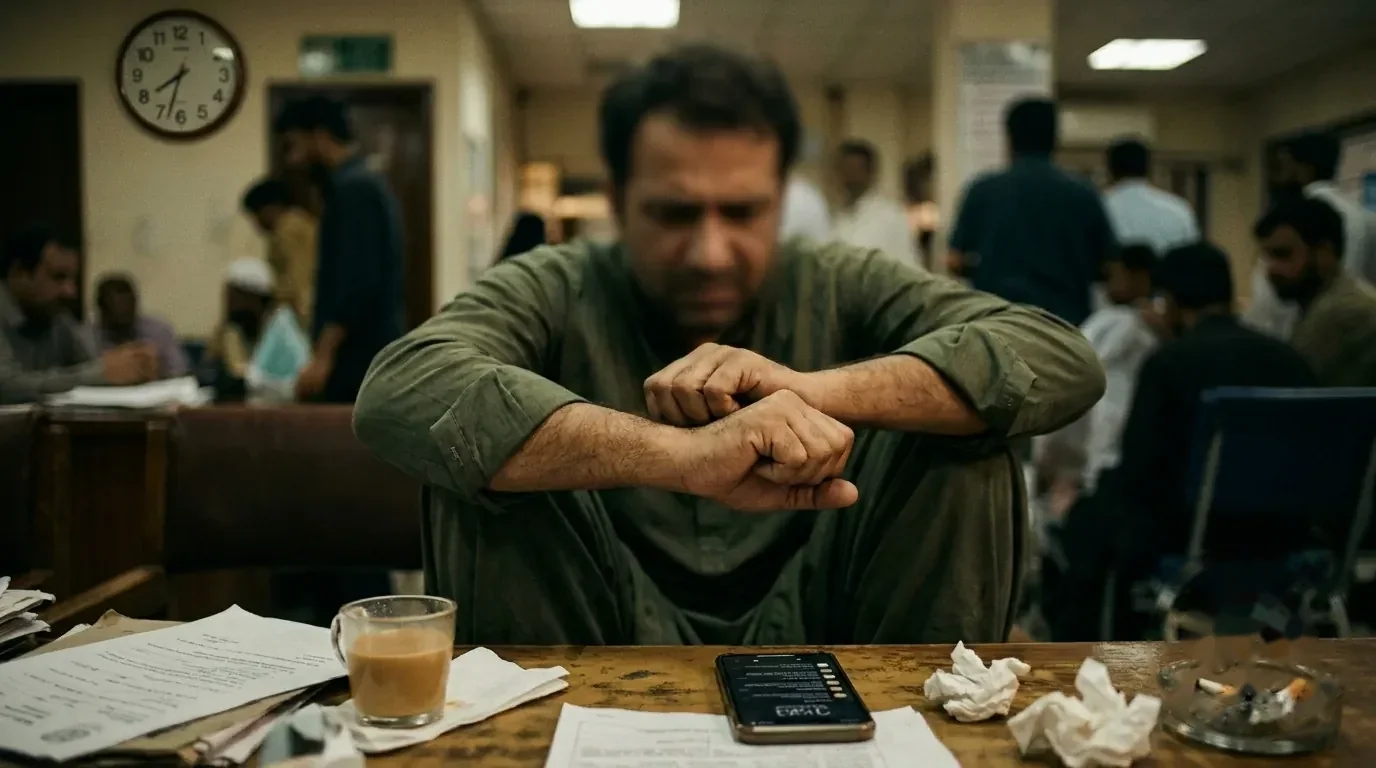
- Severe Tachycardia and Palpitations: The heart beats so violently and rapidly that the patient often believes they are suffering a massive myocardial infarction (heart attack). The sudden spike in blood pressure can cause intense chest pain and a crushing sensation over the sternum.
دل کا انتہائی تیزی سے دھڑکنا (Tachycardia): مریض کا دل اتنی زور اور تیزی سے دھڑکتا ہے کہ اسے پکا یقین ہو جاتا ہے کہ اسے دل کا جان لیوا دورہ (ہارٹ اٹیک) پڑ رہا ہے۔ بلڈ پریشر کے اچانک بڑھنے سے سینے میں شدید درد اور دباؤ محسوس ہوتا ہے۔ - Hyperventilation and Asphyxiation Sensation: Profound shortness of breath, a tightening of the chest muscles, and the terrifying sensation of choking to death. The hyperventilation disrupts the oxygen-carbon dioxide balance in the blood, leading to dizziness, tingling in the extremities (paresthesia), and muscle spasms.
سانس کا گھٹنا اور تیز تیز سانس لینا (Hyperventilation): سینہ اتنی بری طرح جکڑا جاتا ہے کہ مریض کو لگتا ہے کہ اس کا سانس رک گیا ہے اور اس کی موت ہونے والی ہے۔ تیز سانس لینے کی وجہ سے خون میں آکسیجن کا توازن بگڑ جاتا ہے جس سے ہاتھ پاؤں سن ہونے لگتے ہیں۔ - Extreme Vertigo, Nausea, and Depersonalization: The room spins violently. Blood is rapidly shunted away from the stomach to the major muscle groups, causing severe gastrointestinal distress, nausea, and the urge to vomit. Psychologically, patients often experience “depersonalization”—a terrifying feeling that they are detached from their own body or that reality itself is slipping away.
چکر آنا، متلی اور خود سے بیگانگی (Depersonalization): مریض کو شدید چکر آتے ہیں اور متلی ہوتی ہے کیونکہ خون معدے سے ہٹ کر پٹھوں کی طرف دوڑنے لگتا ہے۔ ذہنی طور پر مریض کو ایسا محسوس ہوتا ہے جیسے وہ اپنے جسم سے الگ ہو گیا ہے یا دنیا حقیقت نہیں رہی۔
Common Clinical Phobias in Pakistan | پاکستان میں پائے جانے والے عام اور خطرناک فوبیا
Psychiatrists categorize phobias based on the specific nature of the trigger. These are not mere dislikes; they are clinical irrational terrors that force the patient to build their entire life around avoiding the trigger. This avoidance behavior acts as a negative reinforcement cycle—the more the trigger is avoided, the stronger the phobia grows in the brain. Over time, this leads to severe social withdrawal, occupational dysfunction, and potentially comorbid major depressive episodes. Let us examine the most pervasive types of phobias observed in Pakistani clinical settings.

ماہرین نفسیات ڈر کی وجوہات کے حساب سے فوبیا کو مختلف اقسام میں بانٹتے ہیں۔ یہ محض ناپسندیدگی نہیں ہے؛ یہ طبی طور پر خطرناک ڈر ہیں جو مریض کو مجبور کر دیتے ہیں کہ وہ اپنی پوری زندگی ان چیزوں سے چھپنے میں گزار دے۔ جتنا زیادہ مریض اس چیز سے بچتا ہے، دماغ میں وہ فوبیا اتنا ہی مضبوط ہوتا جاتا ہے۔ وقت کے ساتھ، اس کی وجہ سے مریض بالکل کٹ کر رہ جاتا ہے، نوکری چھوٹ سکتی ہے، اور وہ شدید ڈیپریشن کا شکار ہو سکتا ہے۔ آئیے پاکستان میں پائے جانے والے سب سے عام فوبیاز کا جائزہ لیتے ہیں۔
1. Agoraphobia (Fear of Unescapable Places) | ایگورافوبیا (ہجوم یا کھلی جگہوں کا جان لیوا خوف)
Agoraphobia is highly debilitating and complex. The patient develops a profound terror of places or situations from which escape might be difficult, or where help might not be available if they suddenly suffer a severe panic attack. In Pakistan, this often manifests as a paralyzing fear of crowded bazaars (like Anarkali or Raja Bazaar), travelling on public transport (buses, trains), or simply standing in a long line at a bank. The anticipation of panic is so severe that it triggers the panic itself. In severe, untreated cases, the patient becomes entirely housebound, utterly terrified to step outside their front door. They lose their independence and become entirely reliant on family members, which drastically reduces their quality of life.
یہ ایک انتہائی معذور کر دینے والا اور پیچیدہ فوبیا ہے۔ مریض کو ہجوم والی جگہوں سے اتنا شدید ڈر لگتا ہے جہاں سے بھاگنا مشکل ہو یا جہاں اسے دورہ پڑنے پر مدد نہ مل سکے۔ پاکستان میں اس کی عام مثالوں میں رش والے بازاروں (جیسے انارکلی یا راجہ بازار) میں جانے سے ڈرنا، پبلک ٹرانسپورٹ میں سفر کرنے سے ڈرنا یا بینک کی لمبی لائن میں کھڑا ہونا شامل ہے۔ دورہ پڑنے کا خوف ہی دورے کا باعث بن جاتا ہے۔ بیماری کے آخری اور شدید مراحل میں مریض گھر کے اندر ہی قید ہو کر رہ جاتا ہے اور دروازے سے باہر قدم رکھنے سے بھی موت کا خوف کھاتا ہے۔ وہ اپنی آزادی کھو بیٹھتے ہیں اور مکمل طور پر گھر والوں پر بوجھ بن جاتے ہیں۔
2. Claustrophobia (Fear of Enclosed Spaces) | کلاسٹروفوبیا (بند جگہوں کا خوف)
Claustrophobia is the intense, irrational fear of confined spaces. It is triggered by the brain’s erroneous perception of a lack of oxygen or a restriction of freedom to move. A claustrophobic patient cannot enter an elevator, sit in the back seat of a small car, or undergo critical medical procedures like an MRI scan without experiencing an explosive panic attack. They genuinely believe they will suffocate to death as the walls “close in” on them. This phobia often necessitates the use of fast-acting benzodiazepines or anxiolytics just to complete basic medical imaging or flights.
بند یا تنگ جگہوں کا انتہائی شدید خوف۔ اس کی وجہ دماغ کا یہ غلط اندازہ ہوتا ہے کہ آکسیجن ختم ہو رہی ہے یا حرکت کرنے کی آزادی چھن گئی ہے۔ کلاسٹروفوبیا کا مریض کسی لفٹ میں نہیں جا سکتا، چھوٹی گاڑی کی پچھلی سیٹ پر نہیں بیٹھ سکتا یا ایم آر آئی (MRI) مشین میں نہیں جا سکتا۔ انہیں پکا یقین ہوتا ہے کہ دیواریں انہیں دبا دیں گی اور ان کا دم گھٹ کر موت ہو جائے گی۔ اس فوبیا کی وجہ سے مریضوں کو اکثر ہوائی سفر یا ضروری میڈیکل ٹیسٹ کروانے کے لیے فوری اثر کرنے والی سکون آور ادویات کی ضرورت پڑتی ہے۔
3. Specific Phobias (Animals, Heights, Blood) | مخصوص چیزوں کا فوبیا (جانور، اونچائی، خون)
Specific phobias are highly focused terrors of distinct stimuli. Common clinical presentations include Arachnophobia (spiders), Cynophobia (dogs), Acrophobia (heights), and Trypanophobia (fear of medical needles or injections). While a mild aversion or healthy caution is normal, a phobic patient’s reaction is entirely disproportionate. For example, a cynophobic patient might recklessly run into heavy, dangerous traffic just to avoid a small sleeping street dog. A trypanophobic patient may completely refuse life-saving medical treatment, vaccines, or necessary blood work because of their absolute, unwavering terror of needles. These phobias are deeply ingrained neural pathways that require systematic desensitization.
یہ کسی ایک خاص چیز کے بارے میں خطرناک حد تک مرکوز ڈر ہوتے ہیں۔ ان میں چھپکلی، مکڑی یا کتے کا خوف، اونچائی کا خوف، یا خون اور میڈیکل ٹیکے کا شدید فوبیا شامل ہے۔ اگرچہ کسی حد تک احتیاط کرنا ایک فطری بات ہے، لیکن فوبیا کے مریض کا ردعمل بہت ہی غیر معمولی ہوتا ہے۔ مثال کے طور پر، کتے کے فوبیا کا مریض ایک سوئے ہوئے کتے سے بچنے کے لیے چلتی ٹریفک میں چھلانگ لگا دے گا، یا ٹیکے کے ڈر سے اپنا جان بچانے والا علاج، ویکسین یا ضروری بلڈ ٹیسٹ کروانے سے ہی انکار کر دے گا۔ یہ ڈر دماغ میں اتنی گہرائی تک سرایت کر چکے ہوتے ہیں کہ انہیں ختم کرنے کے لیے باقاعدہ نفسیاتی طریقہ کار کی ضرورت ہوتی ہے۔

Frequently Asked Questions
Is a Phobia just a habit of overreacting? | کیا فوبیا محض ذرا ذرا سی بات پر ڈرامہ کرنے یا ڈرنے کی عادت ہے؟
No. A phobia is a severe neuro-chemical malfunction, not a behavioral choice or “overreacting.” When a phobic patient sees their trigger, their brain’s fear center (amygdala) physically hijacks the body, pumping massive amounts of adrenaline and suppressing the logical cortex. The terror they feel is as real as if someone were holding a loaded gun to their head. It requires profound psychiatric intervention, not just “calming down.” | بالکل نہیں۔ فوبیا دماغ کے کیمیکلز کا ایک شدید بگاڑ ہے، یہ کوئی جان بوجھ کر کیا جانے والا ڈرامہ یا عادت نہیں۔ جب مریض اپنے فوبیا کا سامنا کرتا ہے، تو اس کا دماغ جسم کے کنٹرول پر قبضہ کر کے بے تحاشا ڈر کا کیمیکل خارج کرتا ہے اور سوچنے سمجھنے کی صلاحیت کو دبا دیتا ہے۔ اس وقت مریض کو جو موت کا خوف محسوس ہوتا ہے، وہ اتنا ہی سچا ہوتا ہے جیسے کسی نے ان کی کنپٹی پر گن رکھی ہو۔ اسے محض “پرسکون” ہونے سے نہیں، بلکہ ماہرانہ علاج سے ٹھیک کیا جاتا ہے۔
ذہنی اور نفسیاتی صحت کے مسائل کے حوالے سے بروقت طبی تشخیص اور مستند ڈاکٹر کی رہنمائی انتہائی ضروری ہے۔ اگر آپ یا آپ کا کوئی پیارا اس مسئلے کا سامنا کر رہا ہے تو مناسب علاج اور رہنمائی کے لیے مستند ماہر نفسیات سے فوری رجوع کریں۔
Can extreme trauma in childhood cause a lifelong phobia? | کیا بچپن میں کسی کتے کے کاٹنے یا بند کمرے میں ڈرنے کی وجہ سے ساری عمر کا فوبیا ہو سکتا ہے؟
Yes, absolutely. This is classical conditioning and neuroplasticity at work. If a child is severely bitten by a dog, or locked in a dark closet as punishment, the rapidly developing brain permanently links that specific stimulus (dogs, enclosed spaces) to imminent death to protect the organism. Without specialized psychiatric trauma therapy like CBT to break this neurological link, this fear crystallizes into a permanent, lifelong phobia. | جی بالکل۔ اگر بچپن میں کسی بچے کو کتا بری طرح کاٹ لے، یا سزا کے طور پر اسے کسی اندھیرے بند کمرے میں بند کر دیا جائے، تو بچے کا تیزی سے نشوونما پانے والا دماغ اس چیز کو موت کے خطرے کے ساتھ ہمیشہ کے لیے جوڑ لیتا ہے تاکہ اسے آئندہ بچا سکے۔ اگر ماہر نفسیات کے ذریعے اس صدمے کی کڑی کو نہ توڑا جائے، تو یہ ڈر ساری زندگی کے لیے ایک لاعلاج فوبیا بن جاتا ہے۔
ذہنی اور نفسیاتی صحت کے مسائل کے حوالے سے بروقت طبی تشخیص اور مستند ڈاکٹر کی رہنمائی انتہائی ضروری ہے۔ اگر آپ یا آپ کا کوئی پیارا اس مسئلے کا سامنا کر رہا ہے تو مناسب علاج اور رہنمائی کے لیے مستند ماہر نفسیات سے فوری رجوع کریں۔
Can Agoraphobia cause severe Clinical Depression? | کیا گھر سے باہر نکلنے کے خوف (Agoraphobia) کی وجہ سے انسان شدید ڈیپریشن کا شکار ہو سکتا ہے؟
Yes, it is highly common and biologically predictable. As Agoraphobia forces the patient to avoid more and more places, their world violently shrinks. They stop going to work, lose their friends, and become literal prisoners in their own homes. This profound isolation, loss of purpose, and chronic state of heightened anxiety deplete serotonin and dopamine levels, directly triggering severe Clinical Depression. | جی ہاں، یہ بہت عام ہے۔ چونکہ یہ فوبیا مریض کو گھر سے باہر نکلنے سے روکتا ہے، اس لیے مریض کی دنیا بالکل سکڑ جاتی ہے۔ ان کی نوکری چھوٹ جاتی ہے، دوست ختم ہو جاتے ہیں اور وہ اپنے ہی گھر میں قیدی بن کر رہ جاتے ہیں۔ یہ شدید تنہائی، بے مقصدی اور مسلسل گھبراہٹ دماغ میں خوشی کے کیمیکلز کو ختم کر دیتی ہے، جو انہیں فوراً بدترین ڈیپریشن کی طرف دھکیل دیتی ہے۔
ذہنی اور نفسیاتی صحت کے مسائل کے حوالے سے بروقت طبی تشخیص اور مستند ڈاکٹر کی رہنمائی انتہائی ضروری ہے۔ اگر آپ یا آپ کا کوئی پیارا اس مسئلے کا سامنا کر رہا ہے تو مناسب علاج اور رہنمائی کے لیے مستند ماہر نفسیات سے فوری رجوع کریں۔
Is it safe to just push a claustrophobic person into an elevator to “cure” them? | کیا کسی فوبیا کے مریض کو زبردستی اس چیز کا سامنا کروا کر (جیسے زبردستی لفٹ میں دھکا دے کر) اسے ٹھیک کیا جا سکتا ہے؟
No! This is known as “Flooding,” and doing it forcefully without medical preparation and a robust therapeutic alliance is highly dangerous. It will cause a catastrophic panic attack, a dangerous spike in blood pressure, and severely re-traumatize the patient, making the phobia exponentially worse and potentially causing PTSD. Exposure must only be done incrementally by a trained psychotherapist in a highly controlled environment. | بالکل نہیں! اسے زبردستی ڈرانا (Flooding) کہتے ہیں اور ایسا کرنا انتہائی خطرناک ہے۔ اس سے مریض کو گھبراہٹ کا جان لیوا دورہ پڑے گا، بلڈ پریشر خطرناک حد تک بڑھ سکتا ہے اور اس کا صدمہ مزید گہرا ہو جائے گا، جس سے فوبیا پہلے سے کئی گنا زیادہ بگڑ جائے گا۔ ڈر کا سامنا صرف اور صرف ایک ماہر تھراپسٹ کی نگرانی میں انتہائی آہستہ آہستہ اور ایک محفوظ ماحول میں کیا جاتا ہے۔
ذہنی اور نفسیاتی صحت کے مسائل کے حوالے سے بروقت طبی تشخیص اور مستند ڈاکٹر کی رہنمائی انتہائی ضروری ہے۔ اگر آپ یا آپ کا کوئی پیارا اس مسئلے کا سامنا کر رہا ہے تو مناسب علاج اور رہنمائی کے لیے مستند ماہر نفسیات سے فوری رجوع کریں۔
Where can I get highly effective medical treatment for severe phobias in Pakistan? | پاکستان میں کسی بھی خطرناک فوبیا کا 100 فیصد مستند علاج کہاں سے کروایا جا سکتا ہے؟
Amaim Brain Care, under the specialized direction of Dr. Ahsan Tariq Dogar, provides elite, evidence-based psychiatric treatment for all severe Anxiety and Phobia disorders. We integrate powerful, targeted pharmacological stabilization (using anxiolytics and SSRIs) with advanced Cognitive Behavioral Therapy (CBT) and Exposure Therapy at our Faisalabad clinic and via completely secure online telepsychiatry consultations across Pakistan. | امیم برین کیئر فیصل آباد میں ڈاکٹر احسن طارق ڈوگر کی زیر نگرانی ہر قسم کے شدید فوبیا اور ڈر کا مکمل اور اعلیٰ ترین طبی علاج کیا جاتا ہے۔ ہم جدید ادویات کے ذریعے مریض کی گھبراہٹ کو ختم کرتے ہیں اور خاص تھراپی (CBT) اور ایکسپوژر تھراپی کے ذریعے ان کے خوف کو جڑ سے اکھاڑتے ہیں۔ یہ سہولت کلینک اور پورے پاکستان میں آن لائن ویڈیو کنسلٹیشن کے ذریعے دستیاب ہے۔
ذہنی اور نفسیاتی صحت کے مسائل کے حوالے سے بروقت طبی تشخیص اور مستند ڈاکٹر کی رہنمائی انتہائی ضروری ہے۔ اگر آپ یا آپ کا کوئی پیارا اس مسئلے کا سامنا کر رہا ہے تو مناسب علاج اور رہنمائی کے لیے مستند ماہر نفسیات سے فوری رجوع کریں۔
How can I book an appointment with Dr. Ahsan Tariq Dogar?
You can book an in-person or online neuro-psychiatric consultation via reaching out via WhatsApp at 0333-6986464 for a confidential appointment.
فیصل آباد میں کلینک وزٹ یا آن لائن مشورے کے لیے آپ عمائم برین کیئر کے آفیشل واٹس ایپ لنک کے ذریعے رابطہ کر کے اپنی اپائنٹمنٹ باآسانی بک کروا سکتے ہیں، جہاں آپ کی معلومات کو مکمل صیغہ راز میں رکھا جاتا ہے۔
Sources & References
- American Psychiatric Association. Diagnostic and Statistical Manual of Mental Disorders (DSM-5-TR).
- World Health Organization (WHO). Mental Health Guidelines & Clinical Management Protocols.
- Pakistan Psychiatric Society (PPS). Clinical Practice Standards and Regional Mental Health Guidance.
Medical & Educational Disclaimer
The medical and psychiatric information provided on Amaim Brain Care is for educational purposes only. It is not intended to replace formal in-person psychiatric diagnosis, clinical assessment, or tailored prescription therapy. If you or a loved one are experiencing acute psychological distress or symptoms of a mental health condition, please seek professional evaluation from a certified psychiatrist.