Understanding Phobia Disorders: Beyond the Misconceptions | فوبیا کی حقیقت: غلط فہمیوں سے آگے
A deeply entrenched misconception regarding Phobia Disorders is that they are permanent afflictions—that a person terrified of heights (Acrophobia), enclosed spaces (Claustrophobia), or specific animals must simply suffer in silence for the rest of their life. In Pakistan, these severe psychological conditions are frequently misunderstood as spiritual afflictions, personal weakness, or the result of the ‘evil eye’ (Nazar). This is scientifically and medically false. Modern clinical psychiatry recognizes phobias as specific neurobiological dysfunctions. They are not mere fears; they are intense, irrational, and paralyzing terror responses triggered by a hyperactive amygdala—the brain’s primordial fear center. When this alarm system misfires, it completely overrides the prefrontal cortex, the area responsible for logical reasoning and executive function. However, the field of psychiatry has developed exceptionally precise, evidence-based protocols that completely eradicate these irrational fears. Treating a severe phobia does not involve “brainwashing” or magically erasing memories. It is a highly strategic, neurological restructuring process that utilizes targeted pharmacological interventions to calm the neurochemical storm, seamlessly integrated with the absolute gold standard of psychological treatment: Cognitive Behavioral Therapy (CBT) and Exposure and Response Prevention (ERP) Therapy.
پاکستان میں فوبیا (کسی خاص چیز کے شدید اور غیر معقول خوف) کے بارے میں سب سے بڑی اور عام غلط فہمی یہ ہے کہ یہ ایک لاعلاج بیماری ہے یا کسی روحانی سائے، نظرِ بد اور ذاتی کمزوری کا نتیجہ ہے۔ یعنی اگر کسی کو اونچائی (Acrophobia) یا بند جگہوں (Claustrophobia) کا ڈر ہے تو اسے ساری زندگی اس اذیت کے ساتھ ہی گزارنی پڑے گی۔ طبی سائنس کی روشنی میں یہ بات بالکل غلط ہے۔ جدید ماہرین نفسیات کے نزدیک فوبیا دماغ کے کیمیائی اور اعصابی نظام کی ایک خرابی ہے۔ یہ کوئی عام ڈر نہیں ہے، بلکہ دماغ کے اس حصے (Amygdala) کا انتہائی حد تک متحرک ہو جانا ہے جو خطرے کا الارم بجاتا ہے۔ جب یہ الارم بلاوجہ بجتا ہے، تو یہ دماغ کے سوچنے سمجھنے والے حصے (Prefrontal Cortex) کو مکمل طور پر بند کر دیتا ہے۔ لیکن خوشخبری یہ ہے کہ جدید نفسیات کے پاس فوبیا کو جڑ سے اکھاڑ پھینکنے کے انتہائی مستند اور کامیاب سائنسی طریقے موجود ہیں۔ کسی شدید فوبیا کا علاج کوئی جادو یا یادداشت مٹانے کا عمل نہیں ہے۔ یہ ایک انتہائی باقاعدہ اور سائنسی طریقہ کار ہے جس میں جدید ادویات (Pharmacotherapy) کے ذریعے پہلے دماغ کے الارم سسٹم اور کیمیکلز کو پرسکون کیا جاتا ہے، اور پھر تھراپی کی سب سے کامیاب اقسام جیسے (CBT) اور “ایکسپوژر تھراپی” کے ذریعے دماغ میں بیٹھے ہوئے خوف کو ہمیشہ کے لیے ختم کر دیا جاتا ہے۔
Phase 1: Precision Pharmacological Intervention & Neurochemical Stabilization | پہلا مرحلہ: جدید ادویات سے دماغ کو پرسکون کرنا
When a phobia is so severe that the mere thought of the trigger induces a violent panic attack, attempting psychotherapy immediately is fundamentally futile. The patient’s sympathetic nervous system is in extreme overdrive, flooding the body with cortisol and adrenaline. The amygdala is locked in a state of hyperarousal, rendering the brain completely incapable of neuroplasticity and new learning. In such acute states, an elite psychiatrist like Dr. Ahsan Tariq Dogar must first biochemically stabilize the patient. This stabilization is the foundational bedrock upon which successful therapy is built.

جب فوبیا اتنا خطرناک ہو کہ محض اس چیز کا تصور کرنے سے ہی مریض کی دل کی دھڑکن رکنے لگے اور اسے گھبراہٹ کا شدید دورہ (Panic Attack) پڑ جائے، تو اس وقت سیدھا تھراپی شروع کرنا بالکل بے کار ہوتا ہے۔ اس کیفیت میں مریض کا اعصابی نظام (Sympathetic Nervous System) قابو سے باہر ہوتا ہے اور جسم میں کارٹیسول اور ایڈرینالین جیسے کیمیکلز کا سیلاب آ جاتا ہے۔ اس وقت دماغ کا خوف پیدا کرنے والا حصہ (Amygdala) اتنا تیز ہوتا ہے کہ وہ کچھ بھی نیا سیکھنے یا سمجھنے کے قابل نہیں رہتا۔ سب سے پہلے ڈاکٹر احسن طارق ڈوگر جیسے ماہرین مخصوص اور جدید ادویات کے ذریعے مریض کے دماغ کو کیمیائی طور پر نارمل حالت میں لاتے ہیں۔ یہ ابتدائی سکون ہی اس کامیاب علاج کی بنیاد بنتا ہے۔
Dampening the Neurochemical Fire: SSRIs and Beta-Blockers | خوف کے کیمیکلز کو کنٹرول کرنا
To safely bridge the patient towards therapy, psychiatrists utilize specialized psychotropic medications such as Selective Serotonin Reuptake Inhibitors (SSRIs) or beta-blockers. SSRIs (like Sertraline or Escitalopram) fundamentally elevate synaptic serotonin levels, which gradually lowers the baseline severity of the underlying Anxiety. This neurochemical adjustment significantly reduces the intensity and frequency of panic attacks over time. Conversely, Beta-blockers (such as Propranolol) act instantly as sympathetic antagonists. They are utilized to surgically block the peripheral physiological symptoms of terror—stopping the violently racing heart (tachycardia), excessive sweating (diaphoresis), and severe tremors. By inhibiting the binding of adrenaline to beta receptors, the body stops physically panicking. Once somatic hyperarousal is muted, the patient feels physically secure enough to engage the prefrontal cortex and begin the difficult psychological work.
ماہرین نفسیات دماغ میں سیروٹونن کی مقدار کو متوازن کرنے والی ادویات (SSRIs) یا بیٹا بلاکرز استعمال کرتے ہیں۔ یہ ادویات اس چھپی ہوئی شدید بے چینی (Anxiety) کو جڑ سے ختم کرتی ہیں جو فوبیا کو ایندھن فراہم کرتی ہے۔ اس کے ساتھ، بیٹا بلاکرز نامی ادویات جسم میں ایڈرینالین کے اثر کو روکتی ہیں، جس سے مریض کے دل کی بے قابو دھڑکن، پسینہ آنا، اور کپکپاہٹ فوراً رک جاتی ہے۔ جب مریض کا جسم ڈرنا بند کر دیتا ہے اور اعصابی طوفان تھم جاتا ہے، تو وہ اتنا پرسکون اور محفوظ محسوس کرتا ہے کہ وہ دماغی طور پر خوف کا سامنا کرنے کی تھراپی کے لیے مکمل تیار ہو سکے۔
Phase 2: The Psychology of Avoidance and Systematic Desensitization | دوسرا مرحلہ: خوف سے بچنے کی نفسیات اور جدید تھراپی (ERP)
Avoidance is the psychological fuel that keeps a phobia alive and thriving. According to the principles of operant conditioning, avoiding the phobic stimulus provides immediate negative reinforcement. The brain rapidly learns, “Escaping the elevator kept me alive,” permanently reinforcing the faulty neural pathway and deepening the phobia. To cure this debilitating disease, the psychiatrist must employ Systematic Desensitization, commonly integrated into Exposure and Response Prevention (ERP) Therapy, to forcibly overwrite this neurological error. Through repeated, safe exposure without the feared catastrophic outcome, the brain undergoes “extinction learning,” forging new neural circuits of safety.
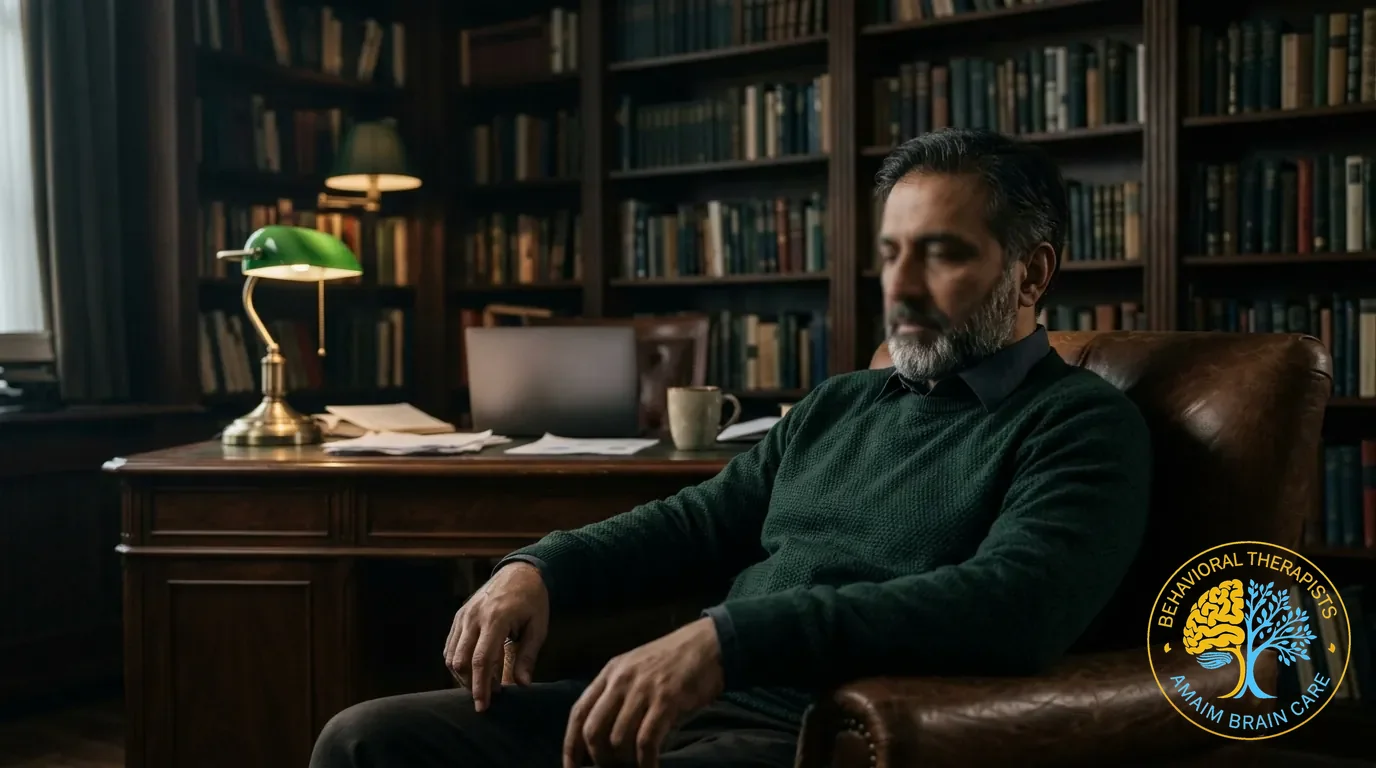
اس خوفناک چیز سے بچنا یا بھاگنا (Avoidance) ہی وہ ایندھن ہے جو فوبیا کو زندہ اور توانا رکھتا ہے۔ نفسیاتی اصولوں کے مطابق، جب انسان کسی ڈر والی چیز سے بچتا ہے تو اسے فوری سکون ملتا ہے۔ مریض کا دماغ یہ سیکھ لیتا ہے کہ “چونکہ میں لفٹ میں نہیں گیا، اس لیے میری جان بچ گئی”، اور یہ سوچ دماغ میں فوبیا کی جڑیں مزید مضبوط کر دیتی ہے۔ اس بیماری کو جڑ سے ختم کرنے کے لیے ماہر ڈاکٹر “ایکسپوژر تھراپی” (Exposure Therapy) کا استعمال کرتے ہیں تاکہ دماغ کے اس غلط اعصابی نیٹ ورک کو دوبارہ سے ٹھیک کیا جا سکے۔ بار بار محفوظ طریقے سے خوف کا سامنا کرنے سے دماغ یہ سیکھ جاتا ہے کہ اصل میں کوئی خطرہ نہیں ہے، جسے طبی زبان میں (Extinction Learning) کہتے ہیں۔
The Step-by-Step Clinical Process: Extinction Learning in Action | تھراپی کا محتاط طریقہ کار
Exposure therapy is never forced, traumatic, or rushed; it is an incredibly gradual, highly controlled clinical ladder based on a constructed Subjective Units of Distress Scale (SUDS). The goal is to promote habituation—the gradual decrease in response to a stimulus after repeated presentations.
ایکسپوژر تھراپی میں مریض کو کبھی بھی زبردستی یا اچانک ڈرایا نہیں جاتا، بلکہ یہ ایک انتہائی آہستہ، محفوظ اور قدم بہ قدم چلنے والا طبی طریقہ کار ہے۔ اس کا مقصد مریض کو اس حد تک عادی بنانا ہے کہ خوف پیدا کرنے والی چیز اس کے لیے بالکل عام سی بات بن جائے۔
- Step 1: Imaginal Exposure (آغاز اور تصور): The therapist asks the patient to simply close their eyes and vividly imagine the feared object or scenario. During this, the patient utilizes strict clinical relaxation techniques, such as diaphragmatic breathing or progressive muscle relaxation, to regulate their autonomic nervous system and prevent a panic attack. | پہلا قدم: تھراپسٹ مریض کو پرسکون رہنے کی خاص مشقیں (جیسے گہری سانسیں لینا) کرواتا ہے اور اسے صرف آنکھیں بند کر کے اس خوفناک چیز (مثلاً چھپکلی یا اونچائی) کا تصور کرنے کا کہتا ہے، تاکہ وہ گھبراہٹ کے دورے کو خود کنٹرول کر سکے۔
- Step 2: Visual and Virtual Exposure (تصویر یا وی آر دیکھنا): Once the patient can mentally picture the object without terror, they are shown highly realistic pictures, videos, or even subjected to Virtual Reality Exposure Therapy (VRET) of the trigger in a completely safe, controlled clinical setting. | دوسرا قدم: جب مریض کا دماغ محض تصور کرنے سے ڈرنا چھوڑ دیتا ہے، تو اسے کلینک کے محفوظ ماحول میں اس چیز کی تصاویر، ویڈیوز، یا جدید وی آر (VR) ٹیکنالوجی کے ذریعے وہ مناظر دکھائے جاتے ہیں۔
- Step 3: In-Vivo Exposure (حقیقی سامنا): This is the ultimate phase of clinical triumph. The patient is gradually and physically exposed to the real-world trigger (e.g., standing near a closed elevator, touching the doors, and finally stepping inside with the therapist). Because the brain has been systematically trained to stay neurochemically calm and the avoidance behavior is blocked, the panic response simply fails to trigger. The faulty neural circuits are rewritten, and the phobia is clinically eradicated. | آخری قدم: حقیقی اور بالمشافہ سامنا کرنا: اس آخری اور فیصلہ کن مرحلے میں مریض کو حقیقت میں اس چیز کے سامنے لایا جاتا ہے (جیسے تھراپسٹ کی موجودگی میں لفٹ کے قریب جانا اور پھر اس کے اندر کھڑا ہونا)۔ چونکہ دماغ کو پہلے ہی پرسکون رہنے کی اعصابی تربیت دی جا چکی ہوتی ہے، اس لیے مریض کو گھبراہٹ کا دورہ پڑتا ہی نہیں، اور یوں فوبیا ہمیشہ کے لیے شکست کھا جاتا ہے۔
Phase 3: Cognitive Restructuring via CBT | تیسرا مرحلہ: زہریلی اور تباہ کن سوچوں کی اصلاح (CBT)
Simultaneously with behavioral exposure, Cognitive Behavioral Therapy (CBT) is employed to systematically demolish the catastrophic cognitive distortions feeding the phobia. Phobias thrive on cognitive biases—specifically “catastrophizing” (expecting the absolute worst-case scenario) and “fortune-telling” (believing one can predict a disastrous future). For instance, if a patient has a severe fear of flying (Aviophobia), the therapist utilizes Socratic questioning to aggressively challenge their irrational, deeply held belief that the plane will inevitably crash. These distortions are identified, deconstructed, and replaced with objective, statistical logic and realistic appraisals. This robust cognitive restructuring ensures that the logical mind can constantly supervise the emotional centers, preventing the phobia from ever returning or manifesting in a different form.
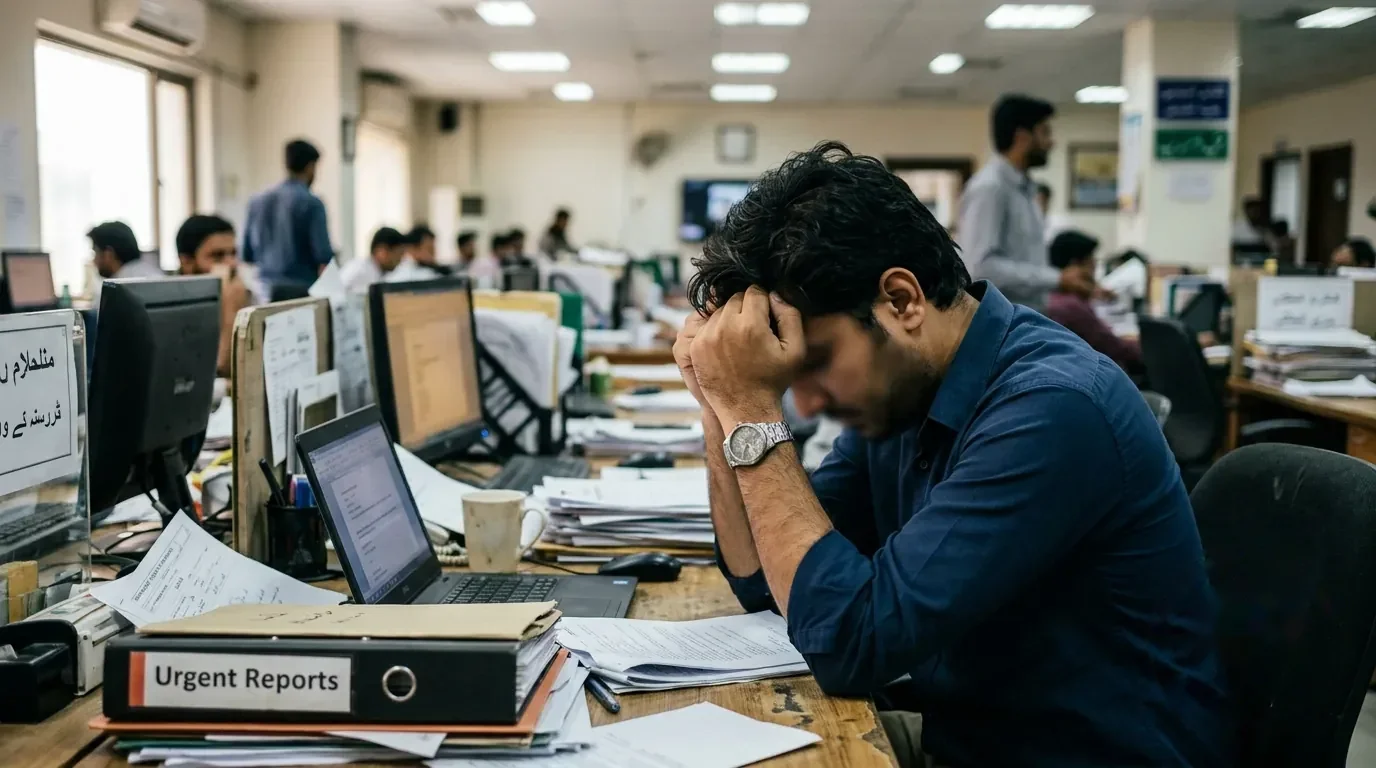
خوف کا عملی سامنا کرنے کے ساتھ ساتھ، خاص قسم کی گفتگو کی تھراپی یعنی (Cognitive Behavioral Therapy – CBT) کے ذریعے مریض کے دماغ میں بیٹھی ہوئی ان جھوٹی اور تباہ کن سوچوں کو توڑا جاتا ہے جو خوف پیدا کرتی ہیں۔ فوبیا ہمیشہ غلط فہمیوں اور منفی خیالات (جیسے کہ لازمی کچھ برا ہوگا) پر زندہ رہتا ہے۔ مثال کے طور پر، اگر کسی کو ہوائی جہاز کا فوبیا (Aviophobia) ہے، تو تھراپسٹ اس کے اس جھوٹے اور خطرناک یقین کو منطقی سوالات کے ذریعے ختم کرتا ہے کہ جہاز لازمی گر جائے گا، اور اس کی جگہ سچی، حقیقت پسندانہ اور اعداد و شمار پر مبنی سوچ پیدا کرتا ہے۔ اس سوچ کی مستقل تبدیلی سے فوبیا زندگی میں دوبارہ کبھی واپس نہیں آتا۔
Neurological relief and freedom from paralyzing fear is completely possible. Take the very first step toward clinical recovery today.

Frequently Asked Questions
Is Exposure Therapy dangerous? Will the intense anxiety cause a heart attack or permanent trauma? | کیا خوف کا سامنا کرنے والی یہ تھراپی خطرناک ہے؟ کیا اس سے مریض کو واقعی ہارٹ اٹیک ہو سکتا ہے؟
No, not when performed by a specialized, licensed psychiatrist or clinical psychologist. A severe panic attack heavily mimics a myocardial infarction (heart attack) due to the massive release of adrenaline—causing chest pain and palpitations—but it cannot physically damage a structurally healthy heart. In clinical Exposure Therapy, the exposure is extremely gradual (graded exposure) and strictly controlled using a distress scale. The therapist never forces the patient into a situation they are not neurologically and psychologically prepared for. | بالکل نہیں، خاص طور پر جب یہ کسی مستند اور ماہر ڈاکٹر یا ماہر نفسیات کے ذریعے کی جا رہی ہو۔ فوبیا کے دورے میں دل کی دھڑکن اتنی تیز ہو جاتی ہے کہ وہ ہارٹ اٹیک محسوس ہوتا ہے مگر اس سے ایک صحت مند دل کو کوئی جسمانی نقصان نہیں پہنچتا۔ کلینک میں کی جانے والی تھراپی انتہائی آہستہ اور محفوظ ہوتی ہے۔ تھراپسٹ کبھی بھی مریض کو زبردستی ایسی حالت میں نہیں ڈالتا جس کے لیے اس کا دماغ پوری طرح تیار نہ ہو۔
ذہنی اور نفسیاتی صحت کے مسائل کے حوالے سے بروقت طبی تشخیص اور مستند ڈاکٹر کی رہنمائی انتہائی ضروری ہے۔ اگر آپ یا آپ کا کوئی پیارا اس مسئلے کا سامنا کر رہا ہے تو مناسب علاج اور رہنمائی کے لیے مستند ماہر نفسیات سے فوری رجوع کریں۔
Do I have to take anti-anxiety medicine for the rest of my life to cure my phobia? | کیا اپنا فوبیا ختم کرنے کے لیے مجھے ساری زندگی یہ سکون آور ادویات کھانی پڑیں گی؟
No. Medication is utilized purely as a temporary neurochemical “scaffold” to support the patient during the most difficult phases of treatment. It stabilizes the severe panic and lowers autonomic arousal so you can successfully complete the Exposure Therapy without avoiding the triggers. Once the brain is permanently rewired through therapy (achieving neuroplasticity) and the fear response is extinguished, the psychiatrist will gradually and safely taper off the medication completely. You will be free from both the phobia and the medication. | جی نہیں۔ ادویات کا استعمال صرف ایک وقتی “سہارے” کے طور پر کیا جاتا ہے تاکہ علاج کے مشکل ترین مراحل میں مریض کی مدد کی جا سکے۔ یہ دوائی آپ کی جان لیوا گھبراہٹ کو اس وقت تک دبا کر رکھتی ہے جب تک آپ تھراپی کے ذریعے اپنے ڈر پر قابو پانا نہ سیکھ لیں۔ جب تھراپی سے دماغ کا ڈر ہمیشہ کے لیے نکل جاتا ہے اور نئے اعصابی راستے بن جاتے ہیں، تو ماہر ڈاکٹر انتہائی احتیاط سے دوائی مکمل طور پر بند کر دیتے ہیں۔ آپ فوبیا اور دوائی دونوں سے آزاد ہو جاتے ہیں۔
ذہنی اور نفسیاتی صحت کے مسائل کے حوالے سے بروقت طبی تشخیص اور مستند ڈاکٹر کی رہنمائی انتہائی ضروری ہے۔ اگر آپ یا آپ کا کوئی پیارا اس مسئلے کا سامنا کر رہا ہے تو مناسب علاج اور رہنمائی کے لیے مستند ماہر نفسیات سے فوری رجوع کریں۔
Can Virtual Reality (VR) be realistically used to treat severe phobias? | کیا ورچوئل رئیلٹی (VR) گلاسز کے ذریعے واقعی فوبیا کا مستند علاج کیا جاتا ہے؟
Yes, Virtual Reality Exposure Therapy (VRET) is a cutting-edge, empirically validated clinical tool. For extreme phobias like the fear of flying (Aviophobia), heights (Acrophobia), or driving (Amaxophobia), the patient wears a high-definition VR headset in the absolute safety of the clinic. The brain’s visual cortex processes the highly realistic, immersive simulation as real, triggering the same neurobiological response. This allows the therapist to safely conduct exposure training, monitor physiological responses, and build the patient’s tolerance without ever leaving the medical office. | جی ہاں، یہ جدید طبی سائنس کا ایک انتہائی کامیاب اور مستند شاہکار ہے۔ ہوائی جہاز میں بیٹھنے، ڈرائیونگ کرنے یا اونچائی کے خوف جیسے فوبیا کے لیے، مریض کو کلینک میں بیٹھے بٹھائے وی آر (VR) گلاسز پہنائے جاتے ہیں۔ دماغ کا بصری حصہ اس نقلی منظر کو بالکل اصلی سمجھتا ہے اور بالکل ویسا ہی ردعمل دیتا ہے۔ جس سے ڈاکٹر کو کلینک کے محفوظ ماحول میں بیٹھے ہی مریض کا ڈر ختم کرنے اور اس کی برداشت بڑھانے میں زبردست مدد ملتی ہے۔
ذہنی اور نفسیاتی صحت کے مسائل کے حوالے سے بروقت طبی تشخیص اور مستند ڈاکٹر کی رہنمائی انتہائی ضروری ہے۔ اگر آپ یا آپ کا کوئی پیارا اس مسئلے کا سامنا کر رہا ہے تو مناسب علاج اور رہنمائی کے لیے مستند ماہر نفسیات سے فوری رجوع کریں۔
What happens if someone self-medicates their phobia with alcohol or unprescribed drugs? | اگر کوئی فوبیا کا مریض ڈاکٹر کے پاس جانے کے بجائے نشے یا شراب سے اپنا ڈر بھگانے کی کوشش کرے تو کیا ہوتا ہے؟
This is a catastrophic, potentially lethal decision. Self-medicating with central nervous system depressants rapidly leads to severe Substance Abuse and physiological dependency. The drug briefly numbs the brain’s fear centers by artificially increasing GABA, but the moment it wears off, the brain compensates, and the phobia returns significantly stronger—a phenomenon known as “rebound anxiety.” This creates a deadly dual-diagnosis crisis (co-occurring mental health and substance use disorders) requiring complex, immediate rehabilitation. | یہ ایک انتہائی خطرناک اور خودکشی کے مترادف فیصلہ ہے۔ نشے اور الکحل کا استعمال مریض کو بہت جلد ایک لاعلاج نشئی (Substance Abuse) بنا دیتا ہے۔ نشہ وقتی طور پر دماغ کے ڈر والے حصے کو سن تو کر دیتا ہے، لیکن جیسے ہی نشہ اترتا ہے، فوبیا پہلے سے کئی گنا زیادہ خطرناک ہو کر واپس آتا ہے جسے طبی زبان میں ریباؤنڈ اینگزائٹی کہتے ہیں۔ پھر مریض کو فوبیا کے ساتھ ساتھ نشے کی خطرناک لت کا بھی مشکل ترین علاج کروانا پڑتا ہے۔
ذہنی اور نفسیاتی صحت کے مسائل کے حوالے سے بروقت طبی تشخیص اور مستند ڈاکٹر کی رہنمائی انتہائی ضروری ہے۔ اگر آپ یا آپ کا کوئی پیارا اس مسئلے کا سامنا کر رہا ہے تو مناسب علاج اور رہنمائی کے لیے مستند ماہر نفسیات سے فوری رجوع کریں۔
Where can I get highly specialized CBT and Exposure Therapy for Phobias in Pakistan? | پاکستان میں فوبیا کے لیے یہ جدید تھراپی (Exposure Therapy) اور مستند علاج کہاں سے ملے گا؟
Amaim Brain Care, led by Dr. Ahsan Tariq Dogar, specializes in elite Anxiety and Phobia eradication protocols. We integrate highly precise pharmacological management with gold-standard Cognitive Behavioral Therapy (CBT) and Exposure Therapy, completely tailored to your specific phobia presentation. This state-of-the-art, life-changing treatment is available at our Faisalabad clinic and via strictly confidential, high-definition online telepsychiatry across Pakistan and internationally. | امیم برین کیئر فیصل آباد میں ڈاکٹر احسن طارق ڈوگر کی زیر نگرانی شدید فوبیا، بے چینی اور ڈر کو جڑ سے اکھاڑنے کا اعلیٰ ترین علاج کیا جاتا ہے۔ ہم آپ کے مخصوص ڈر کے لحاظ سے جدید ترین تھراپی (CBT اور Exposure Therapy) اور مستند ادویات فراہم کرتے ہیں۔ یہ زندگی بدل دینے والا علاج ہمارے کلینک اور پورے پاکستان بشمول بیرون ملک کے لیے انتہائی رازدارانہ آن لائن کنسلٹیشن کے ذریعے باآسانی دستیاب ہے۔
ذہنی اور نفسیاتی صحت کے مسائل کے حوالے سے بروقت طبی تشخیص اور مستند ڈاکٹر کی رہنمائی انتہائی ضروری ہے۔ اگر آپ یا آپ کا کوئی پیارا اس مسئلے کا سامنا کر رہا ہے تو مناسب علاج اور رہنمائی کے لیے مستند ماہر نفسیات سے فوری رجوع کریں۔
How can I book an appointment with Dr. Ahsan Tariq Dogar?
You can book an in-person or online neuro-psychiatric consultation via reaching out via WhatsApp at 0333-6986464 for a confidential appointment.
فیصل آباد میں کلینک وزٹ یا آن لائن مشورے کے لیے آپ عمائم برین کیئر کے آفیشل واٹس ایپ لنک کے ذریعے رابطہ کر کے اپنی اپائنٹمنٹ باآسانی بک کروا سکتے ہیں، جہاں آپ کی معلومات کو مکمل صیغہ راز میں رکھا جاتا ہے۔
Sources & References
- American Psychiatric Association. Diagnostic and Statistical Manual of Mental Disorders (DSM-5-TR).
- World Health Organization (WHO). Mental Health Guidelines & Clinical Management Protocols.
- Pakistan Psychiatric Society (PPS). Clinical Practice Standards and Regional Mental Health Guidance.
Medical & Educational Disclaimer
The medical and psychiatric information provided on Amaim Brain Care is for educational purposes only. It is not intended to replace formal in-person psychiatric diagnosis, clinical assessment, or tailored prescription therapy. If you or a loved one are experiencing acute psychological distress or symptoms of a mental health condition, please seek professional evaluation from a certified psychiatrist.