In the highly communal, densely interconnected society of Pakistan, where social gatherings, grand weddings, and constant family interactions are not just common but cultural cornerstones, suffering from Social Anxiety Disorder (SAD) is a uniquely agonizing clinical experience. In our culture, an individual is constantly expected to engage with extended family, attend elaborate ceremonies, and perform in highly scrutinized social settings. Tragically, Social Anxiety is consistently misinterpreted in Pakistan as mere “extreme shyness” (sharam), introversion, weakness of character, or even arrogance. In clinical reality, Social Anxiety—also known as Social Phobia—is a severe, paralyzing psychiatric condition. It is characterized by an absolute, terrifying fear of being judged, humiliated, or scrutinized by others. For a patient suffering from this severe Phobia Disorder, simply entering a room full of relatives, attending a “rishta” meeting, or speaking in a professional setting triggers a massive, debilitating neurochemical panic attack. The brain’s neural circuitry essentially misfires, turning a benign social interaction into a perceived life-or-death survival scenario.
پاکستان کے معاشرے میں، جہاں بڑی خاندانی تقریبات، شادیاں اور مسلسل لوگوں سے ملنا جلنا ہماری ثقافت کا لازمی حصہ ہے، سوشل اینگزائٹی ڈس آرڈر (لوگوں سے ملنے کا خوف) کا شکار ہونا ایک انتہائی اذیت ناک کلینیکل بیماری ہے۔ ہماری ثقافت میں انسان سے مسلسل یہ توقع کی جاتی ہے کہ وہ رشتہ داروں سے ملے، بڑی تقریبات میں شرکت کرے اور سماجی دباؤ کا سامنا کرے۔ پاکستان میں بدقسمتی سے اس شدید بیماری کو محض “بہت زیادہ شرمیلا پن”، کمزوری یا پھر انسان کا مغرور ہونا سمجھ لیا جاتا ہے۔ طبی حقیقت میں، سوشل اینگزائٹی (جسے سوشل فوبیا بھی کہتے ہیں) ایک مفلوج کر دینے والی خطرناک نفسیاتی بیماری ہے۔ اس میں مریض کو لوگوں کے سامنے جانے، ان کی نظروں کا سامنا کرنے اور بے عزت ہونے کا ایک انتہائی خوفناک ڈر ہوتا ہے۔ اس سنگین فوبیا کے مریض کے لیے محض رشتہ داروں سے بھرے کمرے میں داخل ہونا، رشتے کی میٹنگ میں بیٹھنا، یا کسی میٹنگ میں بات کرنا گھبراہٹ کے ایک ایسے دورے کا باعث بنتا ہے جو اسے جسمانی طور پر مفلوج کر دیتا ہے۔ دماغ کا اعصابی نظام بری طرح خراب ہو جاتا ہے اور ایک عام سی ملاقات کو موت اور زندگی کا مسئلہ بنا دیتا ہے۔
The Clinical Architecture and Neurobiology of Social Phobia | سوشل فوبیا کی خطرناک طبی علامات اور دماغی کیمسٹری
Social Anxiety is not simply feeling nervous before a big speech; that is normal human physiology. Social Anxiety Disorder involves a profound malfunction of the brain’s threat-detection system, specifically the hyperactivation of the amygdala. The amygdala is the brain’s primitive alarm bell. In a healthy brain, the prefrontal cortex—the logical, reasoning center—downregulates the amygdala when a threat is assessed as non-lethal. However, in Social Phobia, there is a severe deficit in this prefrontal-amygdala connectivity. When exposed to a social trigger, the brain erroneously perceives the situation as a mortal threat. Furthermore, this condition is heavily linked to severe dysregulation of critical neurotransmitters, primarily serotonin and dopamine, which are responsible for mood regulation and social reward processing. This neurochemical imbalance induces severe physiological and psychological symptoms that the patient cannot control through willpower alone.
سوشل اینگزائٹی محض کسی تقریر سے پہلے والی عام گھبراہٹ کا نام نہیں ہے؛ وہ ایک عام انسانی کیفیت ہے۔ سوشل اینگزائٹی ڈس آرڈر دماغ کے اس نظام (Amygdala) کی مکمل خرابی ہے جو خطرے کو بھانپتا ہے۔ ایک صحت مند دماغ میں، سامنے والا حصہ (Prefrontal Cortex) اس خطرے کے الارم کو بند کر دیتا ہے جب اسے پتہ چلتا ہے کہ کوئی جان لیوا خطرہ نہیں ہے۔ لیکن سوشل فوبیا میں دماغ کا یہ کنکشن ٹوٹ جاتا ہے۔ جب مریض کو لوگوں کا سامنا کرنا پڑتا ہے، تو اس کا دماغ اس صورتحال کو موت کے خطرے جیسا سمجھ لیتا ہے۔ مزید برآں، یہ بیماری دماغ کے اہم کیمیکلز، جیسے سیروٹونن اور ڈوپامین کی شدید کمی اور خرابی سے جڑی ہے، جو موڈ اور خوشی کو کنٹرول کرتے ہیں۔ اس کیمیکل خرابی کی وجہ سے انتہائی شدید جسمانی اور ذہنی علامات ظاہر ہوتی ہیں جنہیں مریض صرف اپنی قوتِ ارادی سے کنٹرول نہیں کر سکتا۔
1. Extreme Physiological Panic and Sympathetic Overdrive | شدید جسمانی گھبراہٹ اور کیمیکل طوفان
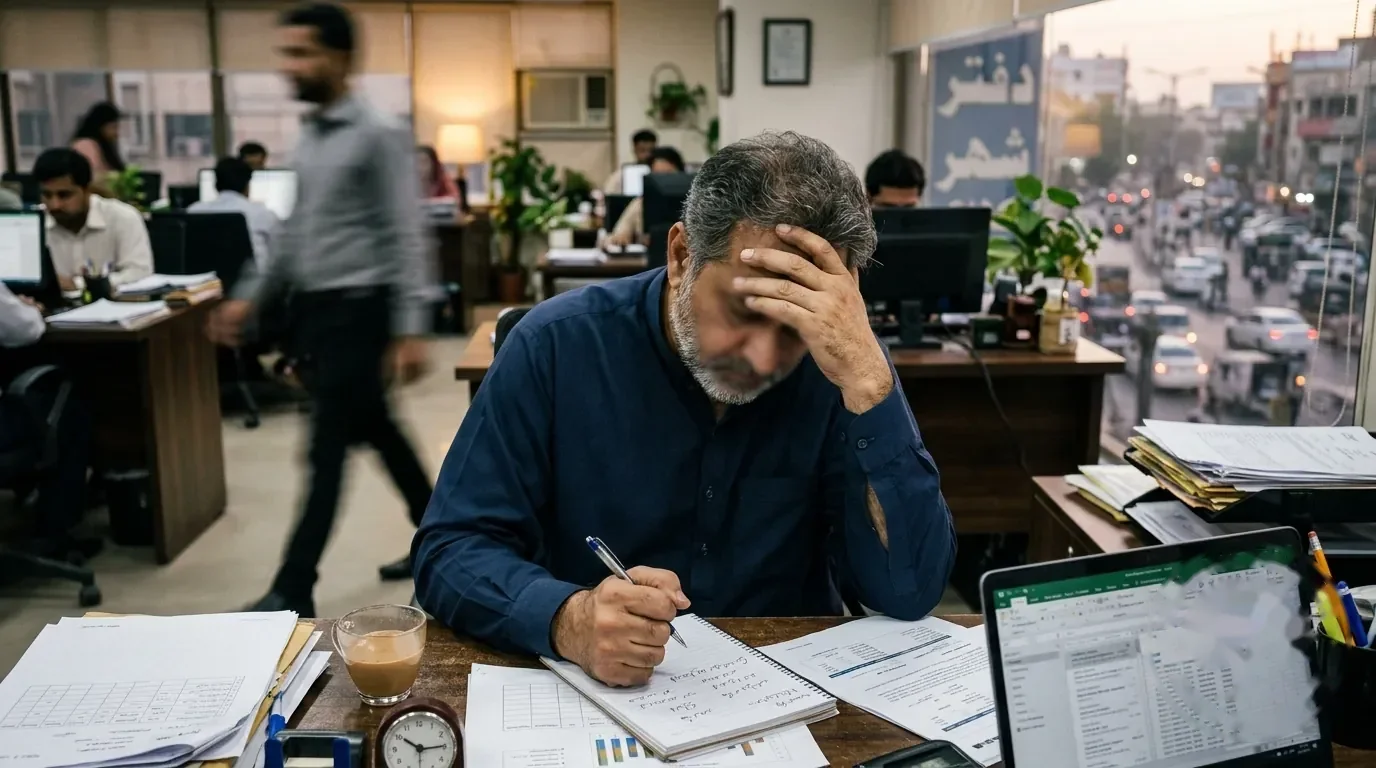
The moment the patient is required to interact socially—whether answering a phone call, eating in front of others, or attending a densely packed family wedding—their sympathetic nervous system explodes into an uncontrollable overdrive. The brain floods the bloodstream with massive surges of adrenaline (epinephrine) and cortisol. The patient experiences severe physiological manifestations: intense facial blushing caused by rapid vasodilation, uncontrollable tremors and trembling of the hands and voice, profound tachycardia (rapid, pounding heartbeat), excessive diaphoresis (profuse sweating), and crippling gastrointestinal distress or nausea. The psychological terror of others noticing these visible physical symptoms creates a vicious, self-sustaining cycle of panic that massively intensifies the anxiety.
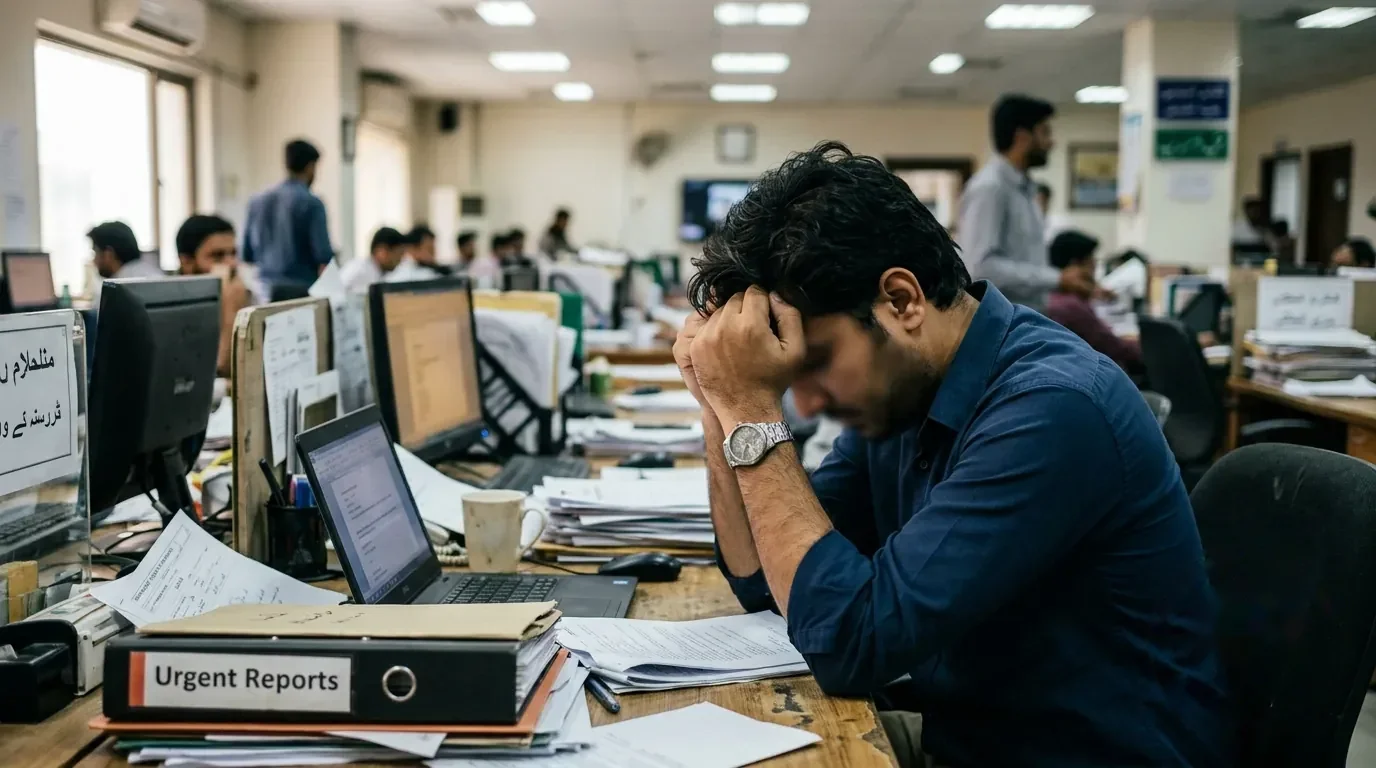
جیسے ہی مریض کو لوگوں کا سامنا کرنا پڑتا ہے—چاہے وہ فون سننا ہو، دوسروں کے سامنے کھانا کھانا ہو یا کسی ہجوم والی شادی میں جانا ہو—ان کے جسم کا اعصابی نظام (Sympathetic Nervous System) بری طرح بے قابو ہو جاتا ہے۔ دماغ خون میں ایڈرینالین اور کورٹیسول جیسے کیمیکلز کا ایک بڑا طوفان بھیج دیتا ہے۔ مریض شدید جسمانی علامات سے گزرتا ہے: خون کی نالیوں کے پھیلنے سے چہرہ شرم سے شدید سرخ ہو جاتا ہے، ہاتھ اور آواز بری طرح کانپنے لگتی ہے، دل کی دھڑکن خطرناک حد تک تیز ہو جاتی ہے (Tachycardia)، بے تحاشا پسینہ آتا ہے اور معدے میں شدید تکلیف یا متلی ہونے لگتی ہے۔ اور یہ خوف کہ “لوگ میری اس کانپتی ہوئی حالت کو دیکھ لیں گے”، ایک ایسا چکر بنا دیتا ہے جو اس گھبراہٹ کو کئی گنا مزید بڑھا دیتا ہے۔
2. Anticipatory Anxiety and Agonizing Rumination | واقعے سے کئی دن پہلے کا خوف اور ذہنی اذیت
The clinical torture of Social Anxiety extends far beyond the actual duration of the social event. A patient may suffer from severe anticipatory anxiety, insomnia, agonizing rumination, and excruciating panic attacks for weeks leading up to a scheduled presentation, a university class, or a family dinner. Their brain’s cognitive pathways continuously run catastrophic scenarios of absolute public humiliation and intense embarrassment. Following a social interaction, the patient engages in “post-event processing,” ruthlessly analyzing every single word spoken, every micro-expression made, and convincing themselves that they were judged harshly by everyone present. This chronic state of hyperarousal damages the nervous system over time.
سوشل اینگزائٹی کی کلینیکل اذیت صرف لوگوں کے سامنے جانے کے وقت تک محدود نہیں رہتی۔ اگر مریض نے دو ہفتے بعد کسی میٹنگ میں بولنا ہے، یونیورسٹی کی کلاس میں جانا ہے یا کسی دعوت پر جانا ہے، تو وہ ان دو ہفتوں تک خوف کے مارے سو نہیں پاتا، مسلسل سوچوں (Rumination) اور گھبراہٹ کے دوروں کا شکار رہتا ہے۔ اس کا دماغ اسے مسلسل وہ ڈراؤنے مناظر دکھاتا رہتا ہے کہ تم لوگوں کے سامنے کیسے بری طرح بے عزت ہو گے۔ اور کسی تقریب سے واپس آنے کے بعد بھی، مریض اپنے بولے گئے ایک ایک لفظ اور اپنی حرکات کا بے رحمی سے تجزیہ کرتا ہے، اور خود کو یقین دلاتا ہے کہ سب لوگوں نے اسے برا بھلا کہا ہوگا۔ دباؤ کی یہ دائمی کیفیت وقت کے ساتھ ساتھ اعصابی نظام کو تباہ کر دیتی ہے۔
3. Severe Social Avoidance and Psychiatric Co-morbidities | لوگوں سے مکمل کٹ جانا اور دوسری بیماریاں
To survive the unbearable psychological pain and the exhaustion of chronic physiological arousal, the patient inevitably adopts absolute avoidance behaviors. They will skip vital job interviews, drop out of higher education, sever all friendships, decline essential medical appointments, and remain completely isolated within the confines of their bedrooms. In a society like Pakistan, this withdrawal is often met with harsh criticism from family members, which further deepens the trauma. This profound, forced isolation inevitably breeds severe Clinical Depression. Additionally, without professional intervention, many patients develop secondary disorders, such as turning to self-medication to numb the fear.
اس ناقابلِ برداشت ذہنی عذاب اور مسلسل جسمانی دباؤ سے بچنے کے لیے مریض ہر اس جگہ سے بھاگنے لگتا ہے جہاں لوگ ہوں۔ وہ نوکری کے اہم انٹرویو چھوڑ دیتے ہیں، اعلیٰ تعلیم ادھوری چھوڑ دیتے ہیں، دوستوں سے ملنا بند کر دیتے ہیں، ڈاکٹر کے پاس جانے سے کتراتے ہیں اور خود کو کمرے میں قید کر لیتے ہیں۔ پاکستان جیسے معاشرے میں، اس طرح کٹ جانے پر اکثر گھر والوں کی طرف سے سخت تنقید کا سامنا کرنا پڑتا ہے، جو اس صدمے کو مزید گہرا کر دیتا ہے۔ یہ انتہائی اور زبردستی کی تنہائی بہت جلد انہیں بدترین کلینیکل ڈیپریشن (Clinical Depression) میں دھکیل دیتی ہے۔ مزید برآں، باقاعدہ علاج کے بغیر، بہت سے مریض اس ڈر کو سن کرنے کے لیے خود ساختہ دوائیوں یا نشے کا سہارا لینے لگتے ہیں۔
Frequently Asked Questions
Is Social Anxiety just another name for being an introvert? | کیا سوشل اینگزائٹی صرف “انٹروورٹ” (تنہائی پسند) ہونے کا دوسرا نام ہے؟
Absolutely not. An introvert genuinely enjoys solitude and finds social gatherings draining but not neurologically terrifying. Their preference for alone time is a stable personality trait. In stark contrast, a person with Social Anxiety Disorder intensely desires to make friends, build relationships, and participate in societal life, but they are physically and psychologically paralyzed by an excruciating fear of judgment and negative evaluation. It is a severe psychiatric phobia driven by amygdala hyper-reactivity, not a simple personality trait or lifestyle choice.
بالکل نہیں۔ ایک تنہائی پسند انسان (Introvert) اپنی مرضی سے اکیلا رہتا ہے اور اسے لوگوں سے ڈر نہیں لگتا؛ اس کی شخصیت ہی ایسی ہوتی ہے۔ لیکن سوشل اینگزائٹی کا مریض اندر سے شدید چاہتا ہے کہ اس کے دوست ہوں، وہ رشتے بنائے اور تقریبات میں جائے، لیکن بے عزت ہونے اور تنقید کا جان لیوا خوف اسے جسمانی اور ذہنی طور پر مفلوج کر دیتا ہے۔ یہ دماغ کے خوف کے نظام کی خرابی پر مبنی ایک سنگین دماغی بیماری ہے، کوئی ذاتی پسند یا شخصیت کی قسم نہیں۔
Why does my mind go completely blank when a teacher or boss asks me a simple question? | جب کوئی ٹیچر یا باس مجھ سے کوئی عام سا سوال پوچھ لے تو میرا دماغ بالکل سن (Blank) کیوں ہو جاتا ہے؟
This is a classic neurological panic response. The sudden, unexpected focus on you triggers your amygdala to initiate a massive, instantaneous “fight, flight, or freeze” response. The massive surge of stress hormones (cortisol and adrenaline) literally redirects blood flow and metabolic energy away from your prefrontal cortex—the advanced brain region responsible for active thinking, logic, and memory retrieval. Consequently, your mind physically “goes blank” because the higher cognitive functions are temporarily shut down under the extreme stress of perceived survival threat.
یہ گھبراہٹ کے دورے کا ایک انتہائی عام دماغی ردعمل (Neurological Response) ہے۔ جب اچانک سب کی نظریں آپ پر پڑتی ہیں تو آپ کے دماغ کا الارم بج جاتا ہے اور وہ “لڑو یا بھاگو” کی کیفیت میں آ جاتا ہے۔ ڈر کے کیمیکلز (کورٹیسول اور ایڈرینالین) کا طوفان تیزی سے جسم میں دوڑتا ہے جو دماغ کے سوچنے اور یادداشت والے حصے (Prefrontal Cortex) سے خون کھینچ لیتا ہے۔ اس دباؤ کی وجہ سے آپ کا دماغ بالکل کام کرنا چھوڑ دیتا ہے اور “سن” (Blank) ہو جاتا ہے کیونکہ دماغ اسے زندگی اور موت کا مسئلہ سمجھ رہا ہوتا ہے۔
Can forcing someone to give speeches cure their Social Anxiety? | کیا زبردستی تقریریں کروانے یا لوگوں میں بھیجنے سے مریض کا ڈر ختم ہو سکتا ہے؟
No, doing this forcefully without medical intervention is highly destructive and clinically contraindicated. Pushing a severely anxious, unmedicated patient into public speaking will trigger a catastrophic physiological panic attack. This will completely humiliate them, reinforce the trauma, and strengthen the phobic neural pathways, making the condition significantly worse. Exposure therapy must only be done clinically by an expert psychotherapist using systematic desensitization—a highly controlled process of gradual exposure combined with cognitive restructuring and pharmacological support.
نہیں، بغیر ڈاکٹر کے زبردستی ایسا کرنا انتہائی خطرناک اور طبّی لحاظ سے نقصان دہ ہے۔ اگر آپ ایک شدید مریض کو زبردستی سٹیج پر یا لوگوں میں بھیجیں گے تو اسے گھبراہٹ کا بدترین جسمانی دورہ پڑے گا اور وہ سب کے سامنے بے عزت ہو گا۔ اس سے اس کا ڈر ہمیشہ کے لیے مزید پکا ہو جائے گا اور دماغی صدمہ گہرا ہو گا۔ ڈر کا سامنا (Exposure Therapy) صرف اور صرف ماہر تھراپسٹ کے محفوظ اور سائنسی طریقے (Systematic Desensitization) سے کروانا چاہیے، جس میں دوائیوں کی مدد اور درجہ بدرجہ علاج شامل ہو۔
Why do people with social anxiety often become alcoholics or drug addicts? | جن لوگوں کو سوشل اینگزائٹی ہوتی ہے وہ اکثر شراب یا خطرناک نشوں کا شکار کیوں ہو جاتے ہیں؟
Because the internal terror and chronic hyperarousal are unbearable. Without professional psychiatric help, patients desperately seek relief and often discover that alcohol, sedatives, or illicit substances artificially and temporarily paralyze their hyperactive fear center (amygdala), allowing them to attend a party, a wedding, or a meeting. This dangerous self-medication rapidly spirals into severe tolerance and dependence, leading to a complex dual-diagnosis of Social Phobia combined with severe Substance Abuse, which requires intensive specialized detoxification and psychiatric care.
کیونکہ ان کا اندرونی خوف اور مسلسل دباؤ ناقابل برداشت ہوتا ہے۔ باقاعدہ ماہر نفسیات کے پاس جانے کے بجائے، مریض اکثر دیکھتے ہیں کہ شراب، سکون آور ادویات یا خطرناک نشہ وقتی طور پر ان کے دماغ کے خوف کے مرکز کو سن کر دیتا ہے، جس سے وہ کسی پارٹی یا محفل میں جا پاتے ہیں۔ اپنے علاج کا یہ خطرناک طریقہ بہت جلد انہیں ایک سنگین اور لاعلاج نشئی (Substance Abuse) بنا دیتا ہے۔ پھر مریض کو فوبیا اور نشے کی لت، دونوں کے لیے انتہائی پیچیدہ علاج کی ضرورت پڑتی ہے۔
Where can I get highly effective medical treatment for Social Anxiety in Pakistan? | پاکستان میں سوشل اینگزائٹی کا 100 فیصد مستند اور کامیاب علاج کہاں دستیاب ہے؟
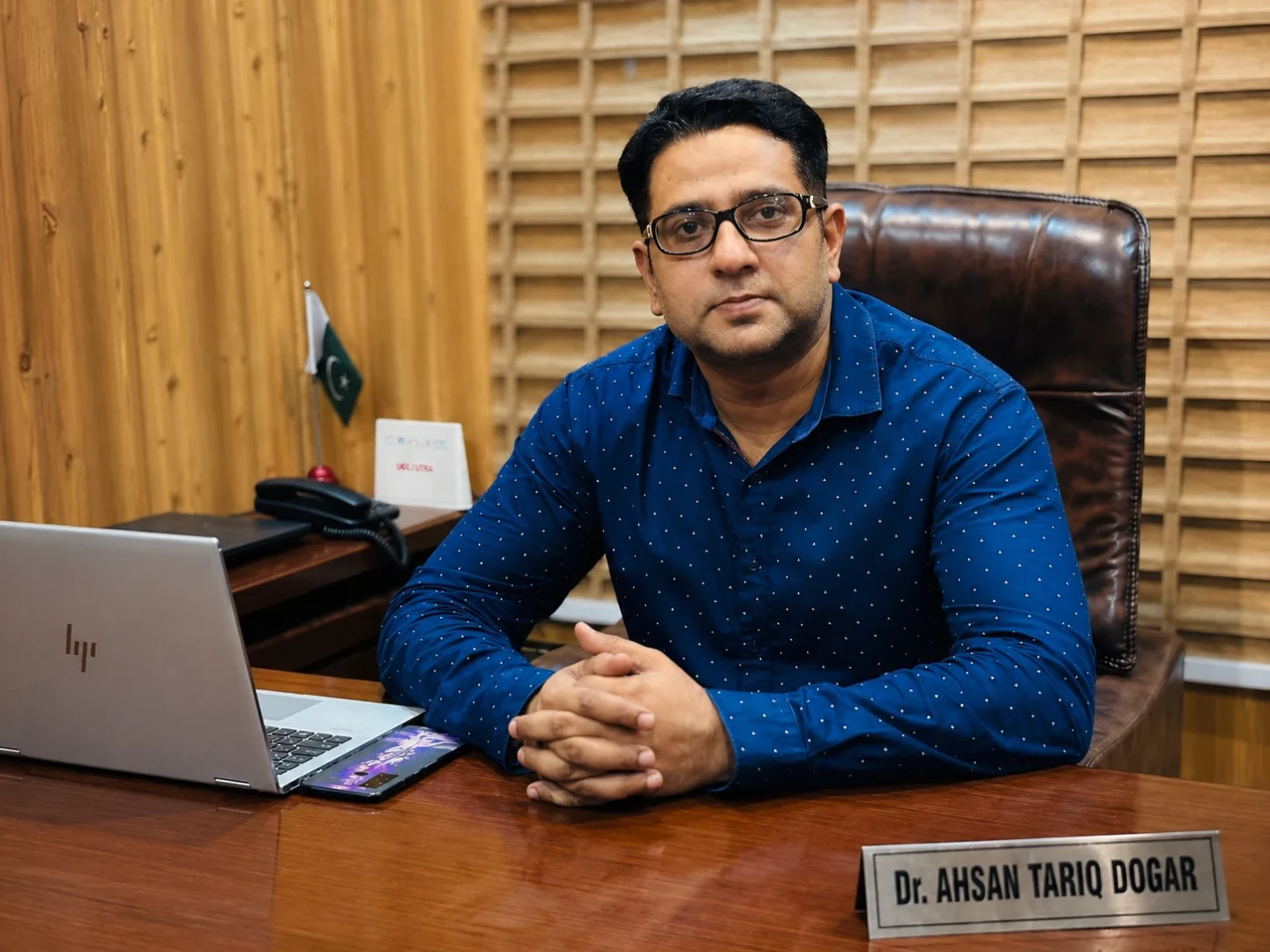
Amaim Brain Care, led by Dr. Ahsan Tariq Dogar, specializes in elite, evidence-based Anxiety and Phobia eradication protocols. We integrate powerful, targeted pharmacological stabilization (using FDA-approved medications) with gold-standard Cognitive Behavioral Therapy (CBT), completely tailored to dismantle and eradicate your specific social fears. This life-changing, comprehensive psychiatric treatment is available at our state-of-the-art Faisalabad clinic and via strictly confidential, high-quality online telepsychiatry consultations for patients across all of Pakistan.
امیم برین کیئر فیصل آباد میں ڈاکٹر احسن طارق ڈوگر کی زیر نگرانی ہر قسم کی شدید گھبراہٹ اور سوشل فوبیا کا بین الاقوامی معیار کے مطابق اعلیٰ ترین علاج کیا جاتا ہے۔ ہم جدید اور منظور شدہ ادویات کے ذریعے آپ کی گھبراہٹ کے کیمیکلز کو کنٹرول کرتے ہیں اور خاص تھراپی (CBT) کے ذریعے آپ کا چھینا ہوا اعتماد بحال کرتے ہیں۔ زندگی کو بدل دینے والا یہ بہترین علاج کلینک کے ساتھ ساتھ پورے پاکستان میں انتہائی رازدارانہ آن لائن ویڈیو کنسلٹیشن (Telepsychiatry) کے ذریعے بھی دستیاب ہے۔
How can I book an appointment with Dr. Ahsan Tariq Dogar?
You can book an in-person or online neuro-psychiatric consultation via reaching out via WhatsApp at 0333-6986464 for a confidential appointment.
فیصل آباد میں کلینک وزٹ یا آن لائن مشورے کے لیے آپ عمائم برین کیئر کے آفیشل واٹس ایپ لنک کے ذریعے رابطہ کر کے اپنی اپائنٹمنٹ باآسانی بک کروا سکتے ہیں، جہاں آپ کی معلومات کو مکمل صیغہ راز میں رکھا جاتا ہے۔
Sources & References
- American Psychiatric Association. Diagnostic and Statistical Manual of Mental Disorders (DSM-5-TR).
- World Health Organization (WHO). Mental Health Guidelines & Clinical Management Protocols.
- Pakistan Psychiatric Society (PPS). Clinical Practice Standards and Regional Mental Health Guidance.
Medical & Educational Disclaimer
The medical and psychiatric information provided on Amaim Brain Care is for educational purposes only. It is not intended to replace formal in-person psychiatric diagnosis, clinical assessment, or tailored prescription therapy. If you or a loved one are experiencing acute psychological distress or symptoms of a mental health condition, please seek professional evaluation from a certified psychiatrist.