Understanding Post-Traumatic Stress Disorder (PTSD) in the Pakistani Context | پاکستان میں پوسٹ ٹرامیٹک سٹریس ڈس آرڈر (PTSD) کو سمجھنا
Post-Traumatic Stress Disorder (PTSD) is one of the most profoundly misunderstood and misdiagnosed psychiatric conditions in Pakistan. Public perception erroneously confines PTSD exclusively to soldiers returning from active combat zones. In clinical reality, PTSD is a severe neurobiological injury that can shatter the mind of any individual—civilian, child, or adult—who has experienced or witnessed an overwhelmingly terrifying event. Whether stemming from a catastrophic traffic accident on the bustling streets of Karachi, severe domestic violence behind closed doors, a violent robbery in Lahore, or childhood abuse, the trauma physically alters the brain’s architecture, trapping the victim in a perpetual, agonizing state of existential threat. In the cultural context of Pakistan, where mental health is often stigmatized as a spiritual failing or weakness of character, victims of PTSD suffer in silence. This silence exacerbates the condition, leading to chronic suffering that permeates every aspect of the individual’s life, from their ability to maintain employment to their capacity for sustaining meaningful relationships.
پوسٹ ٹرامیٹک سٹریس ڈس آرڈر (PTSD) یعنی کسی بڑے صدمے کے بعد ہونے والی ذہنی بیماری، پاکستان میں سب سے زیادہ غلط سمجھی جانے والی اور غلط تشخیص ہونے والی بیماریوں میں سے ایک ہے۔ عام تاثر یہ ہے کہ پی ٹی ایس ڈی صرف جنگ سے واپس آنے والے فوجیوں کو ہوتا ہے۔ لیکن طبی حقیقت میں یہ دماغ کی ایک انتہائی خطرناک چوٹ ہے جو کسی بھی انسان—عورت، مرد یا بچے—کو تباہ کر سکتی ہے جس نے کوئی انتہائی خوفناک واقعہ دیکھا یا سہا ہو۔ چاہے وہ کراچی کی مصروف سڑکوں پر کوئی خطرناک ٹریفک حادثہ ہو، بند دروازوں کے پیچھے گھر میں ہونے والا بدترین تشدد، لاہور میں کوئی مسلح ڈکیتی یا بچپن کی کوئی زیادتی، یہ صدمہ دماغ کی ساخت کو بدل دیتا ہے اور مریض کو ہمیشہ کے لیے ایک جان لیوا خوف اور خطرے کے احساس میں قید کر دیتا ہے۔ پاکستان کے ثقافتی پس منظر میں، جہاں دماغی صحت کو اکثر روحانی کمزوری یا کردار کی خامی سمجھا جاتا ہے، پی ٹی ایس ڈی کے شکار افراد خاموشی سے اس اذیت کو برداشت کرتے ہیں۔ یہ خاموشی اس بیماری کو مزید بگاڑ دیتی ہے، جس سے ایک ایسا دائمی دکھ پیدا ہوتا ہے جو انسان کی زندگی کے ہر پہلو کو متاثر کرتا ہے، چاہے وہ نوکری برقرار رکھنے کی صلاحیت ہو یا بامقصد رشتے قائم رکھنے کی۔
The Neurobiology of Trauma: The Hijacked Brain | صدمے کی دماغی سائنس: مفلوج دماغ
To comprehensively understand PTSD, one must recognize that it is unequivocally not a psychological weakness; rather, it is a profound physiological malfunction of the central nervous system. During a traumatic event, the amygdala—the brain’s primordial fear center—initiates a massive “fight or flight” response. This triggers the hypothalamic-pituitary-adrenal (HPA) axis, flooding the body with stress hormones such as cortisol and adrenaline (epinephrine), while simultaneously disrupting the balance of critical neurotransmitters like serotonin and dopamine. In a healthy brain, once the acute threat dissipates, the prefrontal cortex—the region responsible for logical reasoning and executive function—signals the amygdala to stand down, restoring neurochemical equilibrium. However, in a brain afflicted by PTSD, this crucial “off switch” is permanently broken. The hippocampus, which is essential for memory consolidation and distinguishing between past and present, often shrinks and malfunctions. Consequently, the brain remains in a state of hyper-vigilance, falsely perceiving imminent, life-threatening danger even in completely safe, mundane environments.
اس بیماری کو مکمل طور پر سمجھنے کے لیے یہ جاننا ضروری ہے کہ یہ کوئی نفسیاتی کمزوری نہیں، بلکہ یہ دماغی اعصابی نظام (central nervous system) کی ایک طبعی خرابی ہے۔ کسی خوفناک واقعے کے دوران، دماغ کا وہ حصہ جو ڈر کو کنٹرول کرتا ہے (Amygdala)، جسم میں خوف کے کیمیکلز کا سیلاب لے آتا ہے تاکہ انسان اپنی جان بچا سکے۔ یہ عمل تناؤ پیدا کرنے والے ہارمونز جیسے کورٹیسول (cortisol) اور ایڈرینالین (adrenaline) کو خارج کرتا ہے، اور ساتھ ہی سیروٹونن اور ڈوپامائن جیسے اہم نیورو ٹرانسمیٹرز کے توازن کو بگاڑ دیتا ہے۔ ایک نارمل دماغ میں خطرہ ٹلنے کے بعد پری فرنٹل کورٹیکس (دماغ کا وہ حصہ جو منطق کو کنٹرول کرتا ہے) ایمگڈالا کو خطرہ ختم ہونے کا سگنل دیتا ہے۔ لیکن پی ٹی ایس ڈی کے مریض کے دماغ کا یہ “آف سوئچ” ہمیشہ کے لیے ٹوٹ جاتا ہے۔ ہپپوکیمپس (hippocampus)، جو یادداشت کو محفوظ کرنے اور ماضی اور حال میں فرق کرنے کے لیے ضروری ہے، اکثر سکڑ جاتا ہے اور صحیح کام نہیں کرتا۔ اس کے نتیجے میں، دماغ ہر وقت چوکنا رہتا ہے اور بالکل محفوظ ماحول میں بھی انہیں ایسا لگتا ہے جیسے ان کی جان جانے والی ہے۔
Primary Clinical Manifestations and Triggers | پی ٹی ایس ڈی کی اہم علامات اور اسباب
The symptomology of PTSD is exceptionally severe, directly impeding the individual’s ability to maintain employment, foster relationships, or engage in basic daily functions. In Pakistan, these symptoms are frequently misinterpreted as symptoms of demonic possession or black magic, delaying crucial psychiatric intervention. It is vital to recognize these symptoms as manifestations of a severe neurochemical imbalance that requires immediate, evidence-based psychiatric care.
پی ٹی ایس ڈی کی علامات اتنی شدید ہوتی ہیں کہ یہ انسان کی نوکری، رشتے اور روزمرہ کے عام کام کرنے کی صلاحیت کو بھی مکمل طور پر تباہ کر دیتی ہیں۔ پاکستان میں ان علامات کو اکثر جنات یا کالے جادو کا اثر سمجھ لیا جاتا ہے، جس سے انتہائی ضروری نفسیاتی علاج میں تاخیر ہوتی ہے۔ یہ تسلیم کرنا بہت ضروری ہے کہ یہ علامات ایک شدید دماغی کیمیائی عدم توازن کا نتیجہ ہیں جن کے لیے فوری اور مستند نفسیاتی علاج کی ضرورت ہوتی ہے۔
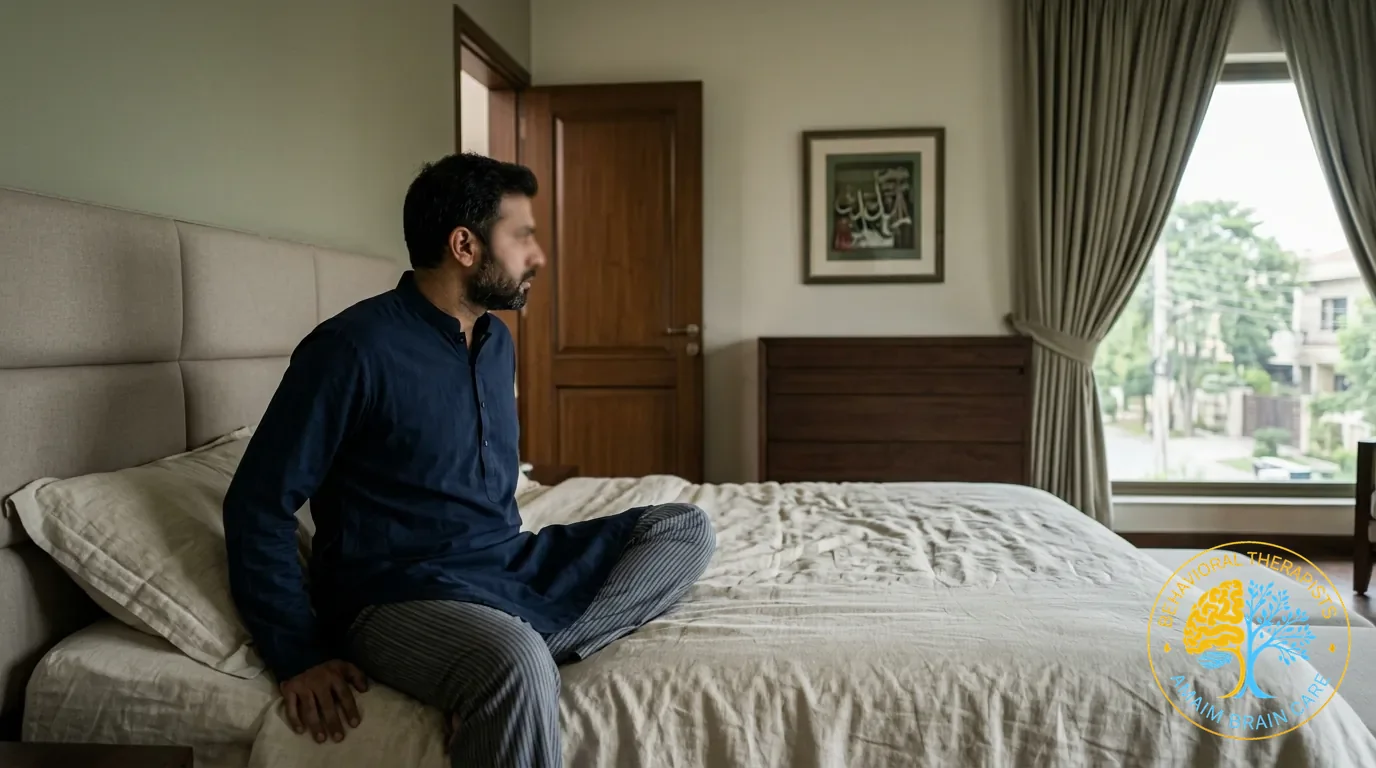
1. Intrusive Re-experiencing (Flashbacks) | پرانے خوفناک مناظر کا بار بار آنکھوں کے سامنے آنا
These are not mere memories; they are severe dissociative episodes. A specific trigger—such as the sound of a braking car reminiscent of a fatal accident, the smell of a particular cologne associated with an attacker, or a sudden loud noise mimicking a gunshot—violently forces the brain to replay the traumatic event as if it is happening right now in real-time. Because the hippocampus cannot contextualize the memory as being in the past, the physiological panic is absolute. The patient experiences tachycardia (rapid heartbeat), hyperventilation, and acute diaphoresis (sweating), often mirroring a severe cardiac event or a panic attack.
یہ صرف پرانی یادیں نہیں ہوتیں، بلکہ دماغ کا ایک خطرناک اور شدید دورہ ہوتا ہے۔ کوئی بھی چھوٹی سی چیز—جیسے بریک لگنے کی آواز جو کسی جان لیوا حادثے کی یاد دلائے، حملہ آور سے جڑی کسی خاص عطر کی خوشبو، یا گولی چلنے جیسی کوئی تیز آواز—مریض کے دماغ کو مجبور کرتی ہے کہ وہ اس خوفناک واقعے کو بالکل اسی طرح دوبارہ محسوس کرے جیسے وہ ابھی اس کے ساتھ ہو رہا ہے۔ چونکہ ہپپوکیمپس اس یاد کو ماضی کا حصہ سمجھنے میں ناکام رہتا ہے، اس لیے مریض کے جسم پر ایسا ہی خوف طاری ہوتا ہے جیسے اسے دل کا دورہ پڑ رہا ہو۔ اس دوران دل کی دھڑکن بہت تیز ہو جاتی ہے، سانس پھولنے لگتی ہے اور شدید پسینہ آتا ہے۔
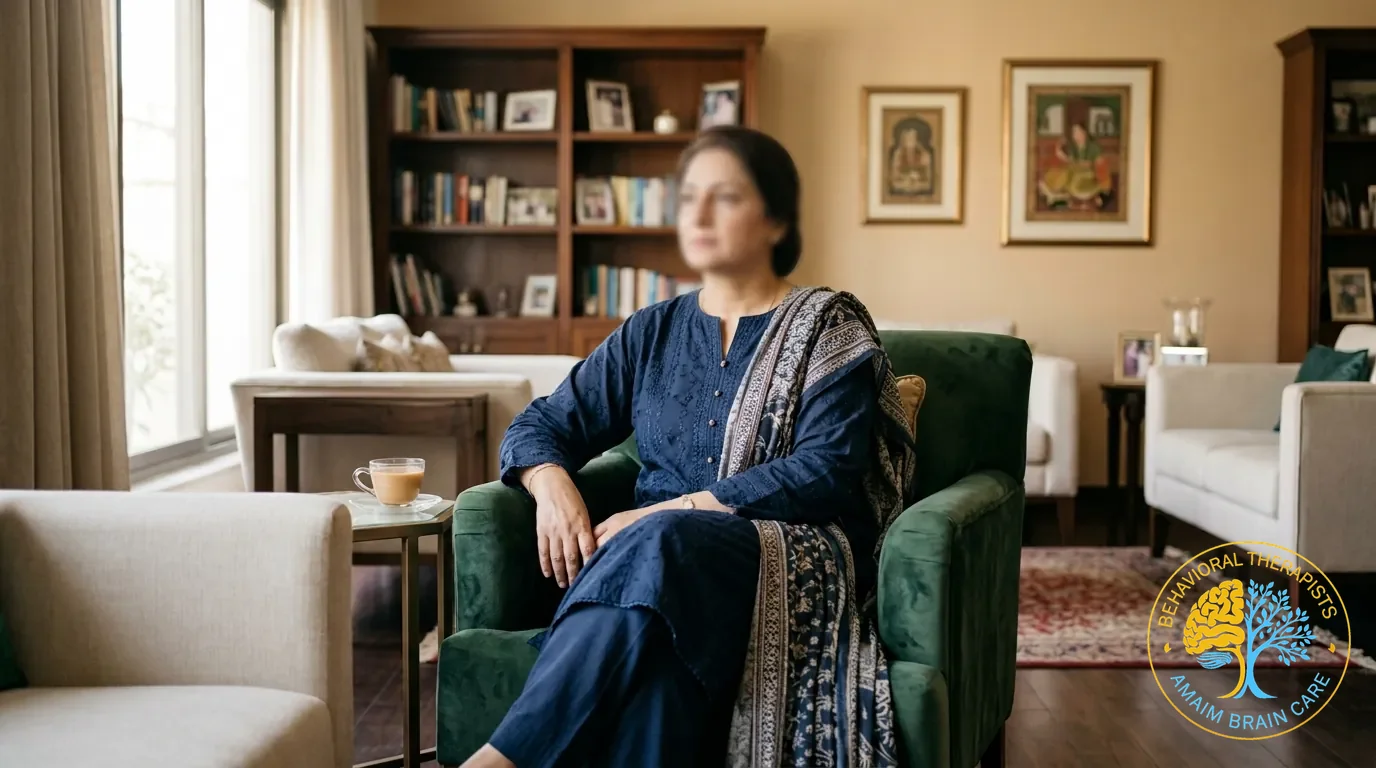
2. Pervasive Avoidance Behaviors | ہر چیز سے خوفزدہ ہو کر بچنا
To survive the sheer terror of flashbacks and intrusive thoughts, the patient constructs a severely restricted lifestyle. A victim of a severe accident on the Motorway may absolutely refuse to enter a vehicle again. A victim of assault may isolate themselves entirely, refusing to leave their bedroom or interact with family members. This profound, self-imposed isolation rapidly breeds severe Clinical Depression, anhedonia (the inability to feel pleasure), and a complete detachment from reality. The avoidance acts as a maladaptive coping mechanism that only strengthens the fear response in the amygdala over time.
ان خوفناک یادوں اور خیالات سے بچنے کے لیے مریض اپنی زندگی کو انتہائی محدود کر لیتا ہے۔ موٹروے پر کسی شدید ایکسیڈنٹ کا شکار ہونے والا شخص کبھی گاڑی میں بیٹھنے کے لیے تیار نہیں ہوتا۔ زیادتی یا تشدد کا شکار فرد خود کو کمرے میں بند کر لیتا ہے اور گھر والوں سے بھی ملنا چھوڑ دیتا ہے۔ یہ انتہائی تنہائی بہت جلد انہیں شدید کلینیکل ڈیپریشن اور ہر طرح کی خوشی محسوس کرنے کی صلاحیت سے محروم (anhedonia) کر دیتی ہے۔ یہ بچاؤ کا طریقہ دراصل ایک غلط حکمت عملی ہے جو وقت کے ساتھ ساتھ دماغ کے ایمگڈالا میں خوف کے احساس کو مزید مضبوط کر دیتی ہے۔
3. Severe Hyperarousal and Emotional Numbing | شدید چڑچڑاپن اور جذباتی موت
The constant, unrelenting surge of adrenaline and noradrenaline results in chronic, devastating insomnia, exaggerated startle responses, and unpredictable outbursts of aggressive rage. The nervous system is essentially stuck in overdrive. Concurrently, to protect itself from the overwhelming psychological pain, the brain frequently induces “emotional numbing.” This state of profound dissociation means the patient becomes incapable of feeling love, joy, or empathy. For spouses and children, this emotional withdrawal is often perceived as rejection, causing catastrophic, sometimes irreparable damage to marriages and family dynamics.
جسم میں ایڈرینالین اور نوراینڈرینالین جیسے خوف کے کیمیکلز کے مسلسل بہاؤ کی وجہ سے مریض کی نیند بالکل اڑ جاتی ہے، وہ چھوٹی سی آہٹ پر بھی بری طرح ڈر جاتا ہے، اور اس میں شدید غصہ اور چڑچڑاپن آ جاتا ہے۔ دماغ کا اعصابی نظام مسلسل اوور ڈرائیو (overdrive) میں پھنس جاتا ہے۔ اس کے ساتھ ساتھ، اس شدید ذہنی درد سے بچنے کے لیے دماغ اکثر خود کو جذباتی طور پر بالکل سن (numb) کر لیتا ہے۔ مریض محبت، خوشی یا ہمدردی محسوس کرنے کے قابل نہیں رہتا۔ شریک حیات اور بچوں کے لیے یہ جذباتی دوری اکثر مسترد کیے جانے کے مترادف ہوتی ہے، جو شادیوں اور خاندانی رشتوں کو تباہ کر دیتی ہے۔
Evidence-Based Treatments: Pharmacotherapy and Psychotherapy | مستند علاج: ادویات اور سائیکو تھراپی
Treating PTSD requires a multi-pronged, specialized approach to repair the damaged neurobiology and reprocess the traumatic memories. Selective Serotonin Reuptake Inhibitors (SSRIs) and Serotonin-Norepinephrine Reuptake Inhibitors (SNRIs) are frequently the first line of pharmacological defense. These medications help stabilize the neurochemical environment, reducing the intensity of hyperarousal and depressive symptoms. In cases where nightmares are exceptionally severe, medications like Prazosin (an alpha-1 blocker) may be prescribed to suppress the adrenergic surges that disrupt REM sleep.
پی ٹی ایس ڈی کے علاج کے لیے ایک کثیر الجہتی اور ماہرانہ طریقہ کار کی ضرورت ہوتی ہے تاکہ تباہ شدہ دماغی نظام کو ٹھیک کیا جا سکے اور صدمے کی یادوں کو پروسیس کیا جا سکے۔ اس میں (SSRIs) اور (SNRIs) جیسی ادویات کا استعمال سب سے پہلے کیا جاتا ہے۔ یہ ادویات دماغ میں کیمیائی توازن کو بحال کرنے میں مدد کرتی ہیں، جس سے شدید گھبراہٹ اور ڈیپریشن کی علامات میں کمی آتی ہے۔ اگر مریض کو انتہائی خوفناک خواب آتے ہوں تو پرازوسن (Prazosin) جیسی ادویات تجویز کی جا سکتی ہیں تاکہ نیند کے دوران خوف پیدا کرنے والے کیمیکلز کے اخراج کو روکا جا سکے۔

Frequently Asked Questions
Can a person get PTSD from an event that happened many years ago? | کیا کسی انسان کو کئی سال پرانے واقعے کی وجہ سے اب پی ٹی ایس ڈی ہو سکتا ہے؟
Absolutely. This is known as Delayed-Onset PTSD. A person may suppress a severe childhood trauma or a horrific accident for decades, only for the psychological defenses to shatter later in life due to extreme stress or a specific trigger, causing the PTSD symptoms to manifest violently. | بالکل۔ اسے تاخیر سے ہونے والا (Delayed-Onset) پی ٹی ایس ڈی کہتے ہیں۔ ایک شخص اپنے بچپن کے صدمے یا کسی پرانے حادثے کو سالوں تک دبا کر رکھ سکتا ہے۔ لیکن زندگی میں کسی بڑے دباؤ کے وقت ان کا یہ دماغی دفاع ٹوٹ جاتا ہے اور پرانے صدمے کی علامات اچانک انتہائی خوفناک شکل میں ظاہر ہو جاتی ہیں۔
ذہنی اور نفسیاتی صحت کے مسائل کے حوالے سے بروقت طبی تشخیص اور مستند ڈاکٹر کی رہنمائی انتہائی ضروری ہے۔ اگر آپ یا آپ کا کوئی پیارا اس مسئلے کا سامنا کر رہا ہے تو مناسب علاج اور رہنمائی کے لیے مستند ماہر نفسیات سے فوری رجوع کریں۔
Is a flashback just a bad memory? | کیا فلیش بیک (Flashback) صرف ایک بری یاد ہوتی ہے؟
No, a flashback is a profound dissociative hallucination. The brain loses its connection to the present reality. The patient genuinely feels, sees, hears, and smells the traumatic event as if it is physically occurring to them in that exact second. It is a terrifying neurological malfunction. | نہیں، فلیش بیک ایک خوفناک دماغی دورہ ہے۔ دماغ موجودہ وقت سے اپنا رابطہ بالکل توڑ دیتا ہے۔ مریض کو واقعتاً ایسا محسوس ہوتا ہے، دکھائی دیتا ہے اور سنائی دیتا ہے جیسے وہ خوفناک واقعہ بالکل اسی سیکنڈ اس کے ساتھ دوبارہ ہو رہا ہے۔ یہ محض یاد نہیں، دماغ کی شدید خرابی ہے۔
ذہنی اور نفسیاتی صحت کے مسائل کے حوالے سے بروقت طبی تشخیص اور مستند ڈاکٹر کی رہنمائی انتہائی ضروری ہے۔ اگر آپ یا آپ کا کوئی پیارا اس مسئلے کا سامنا کر رہا ہے تو مناسب علاج اور رہنمائی کے لیے مستند ماہر نفسیات سے فوری رجوع کریں۔
Why do people with PTSD often turn to drugs or alcohol? | پی ٹی ایس ڈی کے مریض اکثر نشے کی طرف کیوں چلے جاتے ہیں؟
Because the internal psychological agony, chronic insomnia, and the sheer terror of flashbacks are unbearable. Without professional psychiatric help, they desperately turn to strong sedatives, alcohol, or opioids to artificially paralyze their hyperactive brain, leading rapidly to severe Substance Abuse. | کیونکہ ان کی اندرونی ذہنی اذیت، نیند کی کمی اور خوفناک خواب ناقابل برداشت ہوتے ہیں۔ جب انہیں ڈاکٹر کی مدد نہیں ملتی تو وہ اپنے دماغ کو زبردستی سن کرنے اور سلانے کے لیے خطرناک نشے یا شراب کا سہارا لیتے ہیں، جو بعد میں ایک لاعلاج لت بن جاتی ہے۔
ذہنی اور نفسیاتی صحت کے مسائل کے حوالے سے بروقت طبی تشخیص اور مستند ڈاکٹر کی رہنمائی انتہائی ضروری ہے۔ اگر آپ یا آپ کا کوئی پیارا اس مسئلے کا سامنا کر رہا ہے تو مناسب علاج اور رہنمائی کے لیے مستند ماہر نفسیات سے فوری رجوع کریں۔
Can PTSD make a previously loving person aggressive and violent? | کیا پی ٹی ایس ڈی کی وجہ سے کوئی پیار کرنے والا انسان بھی غصے والا اور پرتشدد ہو سکتا ہے؟
Yes. The constant state of neurological “hyperarousal” drastically lowers their tolerance for stress. Because their brain constantly believes it is under mortal threat, minor arguments trigger a “fight” survival response, resulting in extreme, uncharacteristic rage that deeply hurts their family. | جی ہاں۔ ان کے دماغ میں ہر وقت خطرے کی گھنٹی بجتی رہتی ہے جس کی وجہ سے ان میں برداشت بالکل ختم ہو جاتی ہے۔ چونکہ ان کے دماغ کو ہر وقت جان کا خطرہ محسوس ہوتا ہے، اس لیے کسی بھی معمولی بات پر ان کا دماغ “لڑنے” کا سگنل دیتا ہے اور وہ انتہائی شدید غصہ کرتے ہیں۔
ذہنی اور نفسیاتی صحت کے مسائل کے حوالے سے بروقت طبی تشخیص اور مستند ڈاکٹر کی رہنمائی انتہائی ضروری ہے۔ اگر آپ یا آپ کا کوئی پیارا اس مسئلے کا سامنا کر رہا ہے تو مناسب علاج اور رہنمائی کے لیے مستند ماہر نفسیات سے فوری رجوع کریں۔
Where can trauma victims receive specialized PTSD treatment in Pakistan? | پاکستان میں صدمے کے شکار افراد کے لیے پی ٹی ایس ڈی کا مستند علاج کہاں موجود ہے؟
Amaim Brain Care, led by Dr. Ahsan Tariq Dogar, provides elite, highly confidential psychiatric intervention specifically designed for severe trauma. We offer advanced pharmacological stabilization and trauma-focused therapy via our Faisalabad clinic and secure telepsychiatry across Pakistan. | امیم برین کیئر فیصل آباد میں ڈاکٹر احسن طارق ڈوگر کی زیر نگرانی صدمے اور پی ٹی ایس ڈی کا ایک انتہائی رازدارانہ اور عالمی معیار کا علاج کیا جاتا ہے۔ ہم جدید ادویات اور مخصوص تھراپی کے ذریعے مریض کو اس خوفناک قید سے نکالتے ہیں، جو کلینک اور آن لائن دونوں طرح دستیاب ہے۔
ذہنی اور نفسیاتی صحت کے مسائل کے حوالے سے بروقت طبی تشخیص اور مستند ڈاکٹر کی رہنمائی انتہائی ضروری ہے۔ اگر آپ یا آپ کا کوئی پیارا اس مسئلے کا سامنا کر رہا ہے تو مناسب علاج اور رہنمائی کے لیے مستند ماہر نفسیات سے فوری رجوع کریں۔
How can I book an appointment with Dr. Ahsan Tariq Dogar?
You can book an in-person or online neuro-psychiatric consultation via reaching out via WhatsApp at 0333-6986464 for a confidential appointment.
فیصل آباد میں کلینک وزٹ یا آن لائن مشورے کے لیے آپ عمائم برین کیئر کے آفیشل واٹس ایپ لنک کے ذریعے رابطہ کر کے اپنی اپائنٹمنٹ باآسانی بک کروا سکتے ہیں، جہاں آپ کی معلومات کو مکمل صیغہ راز میں رکھا جاتا ہے۔
Sources & References
- American Psychiatric Association. Diagnostic and Statistical Manual of Mental Disorders (DSM-5-TR).
- World Health Organization (WHO). Mental Health Guidelines & Clinical Management Protocols.
- Pakistan Psychiatric Society (PPS). Clinical Practice Standards and Regional Mental Health Guidance.
Medical & Educational Disclaimer
The medical and psychiatric information provided on Amaim Brain Care is for educational purposes only. It is not intended to replace formal in-person psychiatric diagnosis, clinical assessment, or tailored prescription therapy. If you or a loved one are experiencing acute psychological distress or symptoms of a mental health condition, please seek professional evaluation from a certified psychiatrist.