Comprehensive Management of PTSD in Pakistan | پاکستان میں پی ٹی ایس ڈی کا مکمل اور ماہرانہ علاج
The clinical management of Post-Traumatic Stress Disorder (PTSD) in Pakistan requires an extraordinarily sophisticated, multi-disciplinary psychiatric protocol. A profound misconception within the general populace is that time alone heals trauma, or that simply “forgetting” the event is a viable cure. In neurological reality, untreated PTSD is a progressive, neurodegenerative disease that embeds itself deeply within the brain’s architecture, relentlessly eroding the victim’s sanity. In Pakistani culture, well-meaning family members often advise victims of severe trauma—whether from catastrophic accidents, domestic abuse, or violent crimes—to simply “pray it away” or “be strong.” However, attempting to force a patient to “move on” without formal medical intervention is both futile and highly dangerous. Curing PTSD requires a synchronized attack on two fronts: stabilizing the chaotic neurochemistry with targeted psychopharmacology, and systematically dismantling the terror circuits through advanced trauma-focused psychotherapy.
پاکستان میں پوسٹ ٹرامیٹک سٹریس ڈس آرڈر (PTSD) یعنی کسی بڑے صدمے کے بعد ہونے والی ذہنی بیماری کا علاج ایک انتہائی پیچیدہ اور ماہرانہ طبی عمل ہے۔ عام لوگوں میں ایک بہت بڑی غلط فہمی یہ پائی جاتی ہے کہ وقت گزرنے کے ساتھ صدمہ خود ہی بھر جاتا ہے، یا محض اس واقعے کو “بھول جانے” کی کوشش کرنا ہی اس کا علاج ہے۔ طبی حقیقت میں، بغیر علاج کے پی ٹی ایس ڈی ایک بڑھنے والی بیماری ہے جو دماغ کی ساخت میں جڑیں مضبوط کر لیتی ہے اور مریض کی ذہنی صحت کو مکمل تباہ کر دیتی ہے۔ پاکستانی کلچر میں اکثر گھر والے صدمے کے شکار افراد کو مشورہ دیتے ہیں کہ وہ صرف “دعا کریں” یا “مضبوط بنیں”۔ لیکن مریض کو بغیر طبی علاج کے زبردستی “آگے بڑھنے” کا کہنا بالکل بے کار اور خطرناک ہے۔ اس بیماری کے خاتمے کے لیے دو طرفہ وار کی ضرورت ہوتی ہے: مخصوص ادویات کے ذریعے دماغ کے بگڑے ہوئے کیمیکلز کو مستحکم کرنا، اور جدید تھراپی کے ذریعے دماغ میں بیٹھے ہوئے خوف کو جڑ سے نکالنا۔
Phase 1: Pharmacological Stabilization of the Brain | پہلا مرحلہ: ادویات کے ذریعے دماغی استحکام
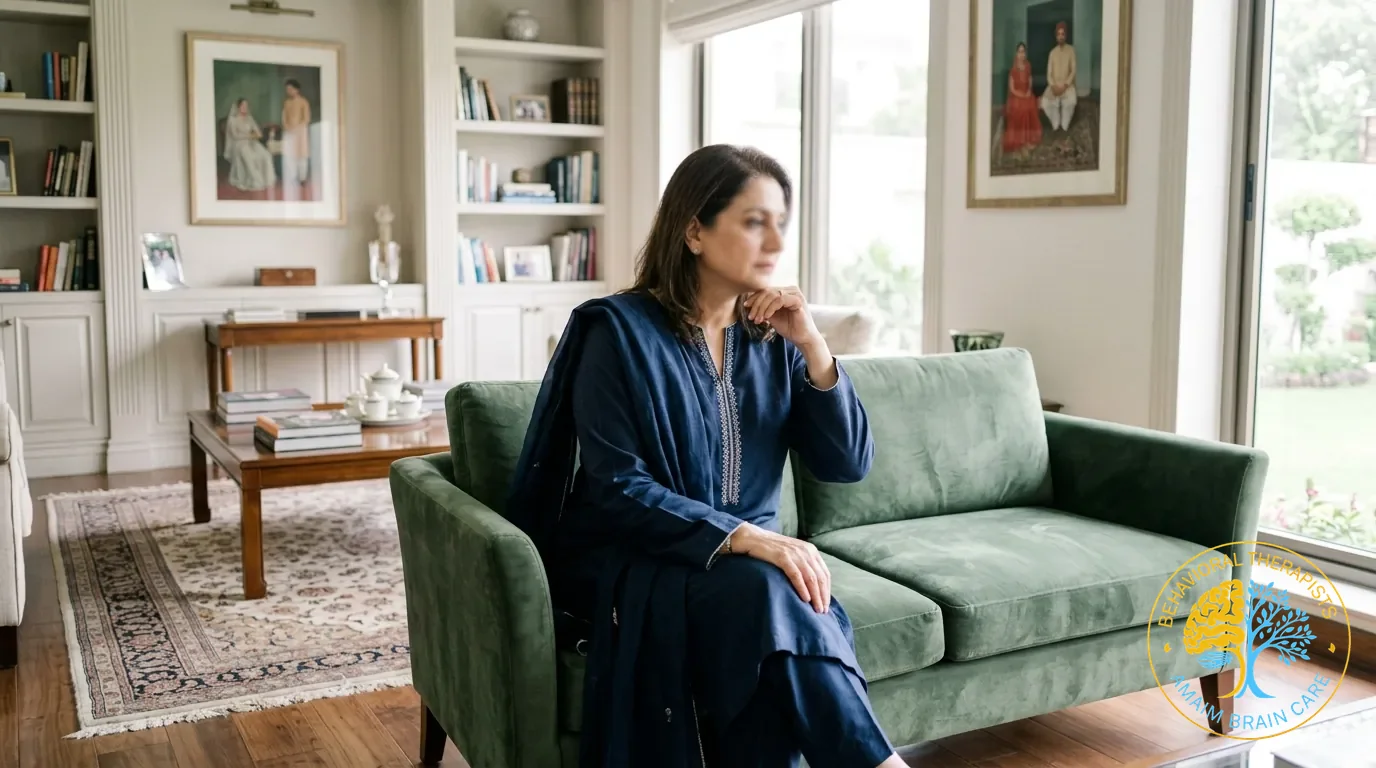
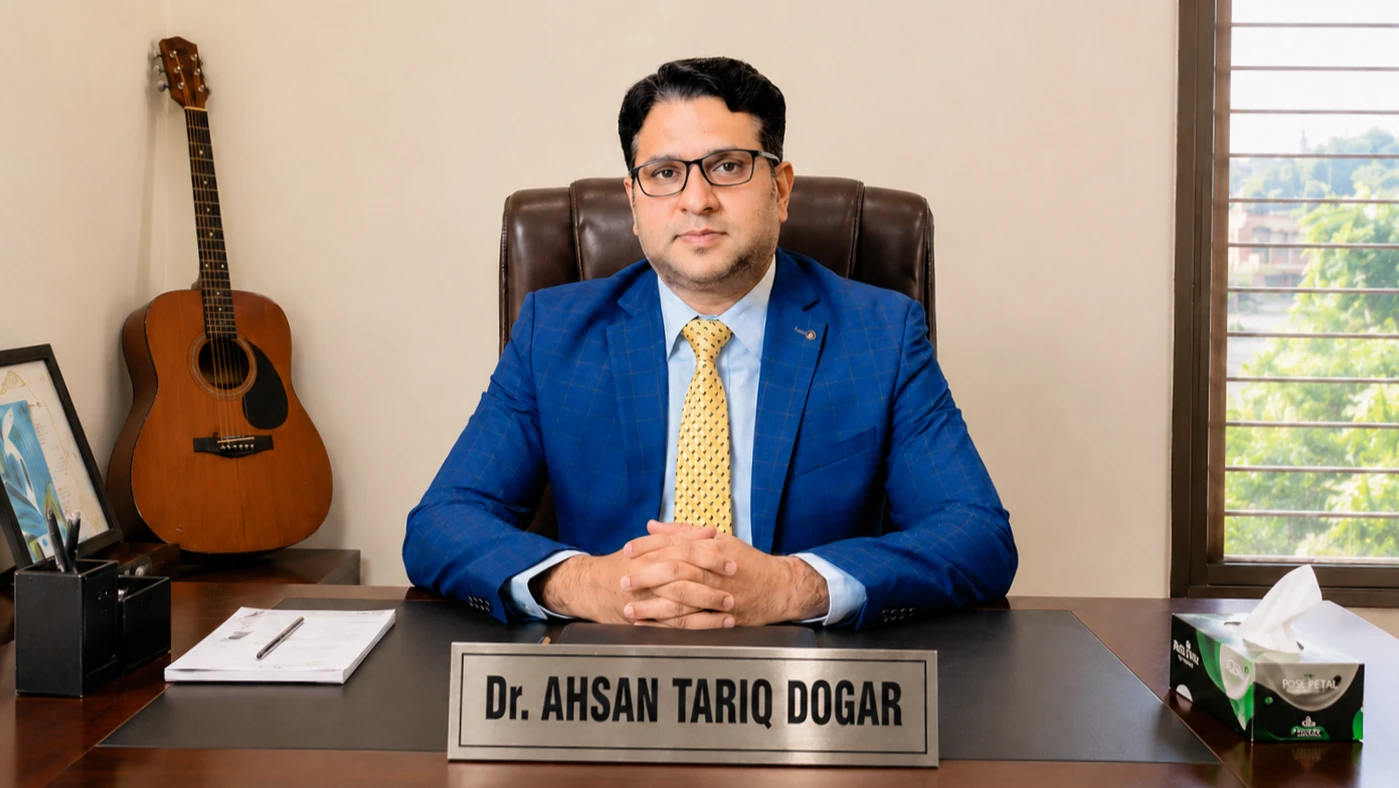
The immediate clinical priority in treating severe PTSD is physiological stabilization. The brain of a PTSD patient is drowning in a continuous flood of cortisol and adrenaline (epinephrine). The hyperactive amygdala continuously signals life-threatening danger, making restorative sleep impossible and ensuring severe panic attacks are a daily reality. Before any therapeutic cognitive progress can be made, the neurochemical environment must be brought under strict control by an elite specialist like Dr. Ahsan Tariq Dogar. Attempting psychotherapy on a brain overwhelmed by fight-or-flight hormones is clinically ineffective.
شدید پی ٹی ایس ڈی کے علاج میں سب سے پہلی ترجیح مریض کے جسم اور دماغ کو پرسکون کرنا ہے۔ پی ٹی ایس ڈی کے مریض کا دماغ ہر وقت کورٹیسول اور ایڈرینالین جیسے خوف کے کیمیکلز کے سیلاب میں ڈوبا رہتا ہے۔ ان کا دماغ (Amygdala) ہر وقت خطرے کا سگنل دیتا رہتا ہے جس کی وجہ سے ان کا سونا ناممکن ہو جاتا ہے اور اسے روزانہ گھبراہٹ کے شدید دورے پڑتے ہیں۔ اس سے پہلے کہ کوئی تھراپی کام کرے، ڈاکٹر احسن طارق ڈوگر جیسے ماہر کے ذریعے دماغ کے ان کیمیکلز کو ادویات سے کنٹرول کرنا سب سے لازمی قدم ہے۔ ڈر سے کانپتے ہوئے دماغ پر تھراپی کبھی اثر نہیں کر سکتی۔
Targeted Neurotransmitter Modulation | دماغی کیمیکلز کا ماہرانہ علاج
Psychiatrists primarily utilize specific, highly refined classes of medications to restructure the brain’s neurochemistry. Selective Serotonin Reuptake Inhibitors (SSRIs) and Serotonin-Norepinephrine Reuptake Inhibitors (SNRIs) are frequently the first line of defense. These are not mere sedatives or tranquilizers; they actively repair the neural pathways regulating mood and fear by increasing the synaptic availability of serotonin and norepinephrine. By doing so, the medication significantly reduces the intensity of the autonomic “fight or flight” response, halts the paralyzing panic attacks, and lifts the profound Clinical Depression that almost invariably accompanies severe trauma. This neurochemical stabilization allows the prefrontal cortex to regain control over the panicked amygdala.
ماہرین نفسیات خاص قسم کی جدید ادویات (جیسے SSRIs اور SNRIs) کا استعمال کرتے ہیں تاکہ دماغ کے کیمیائی نظام کو ٹھیک کیا جا سکے۔ یہ محض نیند کی گولیاں یا نشہ آور دوائیں نہیں ہوتیں؛ یہ باقاعدہ دماغ کے ان حصوں کی مرمت کرتی ہیں جو انسان کے مزاج اور ڈر کو کنٹرول کرتے ہیں۔ دماغ میں سیروٹونن اور نوراینڈرینالین کی مقدار کو بڑھا کر، یہ دوائی دماغ کی اس “ہر وقت لڑنے یا بھاگنے” والی کیفیت کو ختم کرتی ہے، گھبراہٹ کے دوروں کو روکتی ہے، اور اس شدید کلینیکل ڈیپریشن کو ختم کرتی ہے جو عموماً صدمے کے بعد لازمی ہو جاتا ہے۔ اس سے دماغ کا سوچنے سمجھنے والا حصہ (prefrontal cortex) دوبارہ اپنا کنٹرول سنبھال لیتا ہے۔
Suppressing Adrenergic Night Terrors | خوفناک خوابوں کا سائنسی علاج
A debilitating hallmark of PTSD is the presence of devastating night terrors, which are biologically distinct from normal nightmares. These terrors are severe adrenergic storms occurring during REM sleep. To combat this, psychiatrists often prescribe specific alpha-1 adrenergic receptor blockers, such as Prazosin. These highly specialized medications aggressively block the adrenaline receptors in the brain specifically during the sleep cycle, physically preventing the central nervous system from generating the intense autonomic response that creates the terror. This finally allows the patient to achieve restorative, uninterrupted sleep, which is critical for neurogenesis and healing.
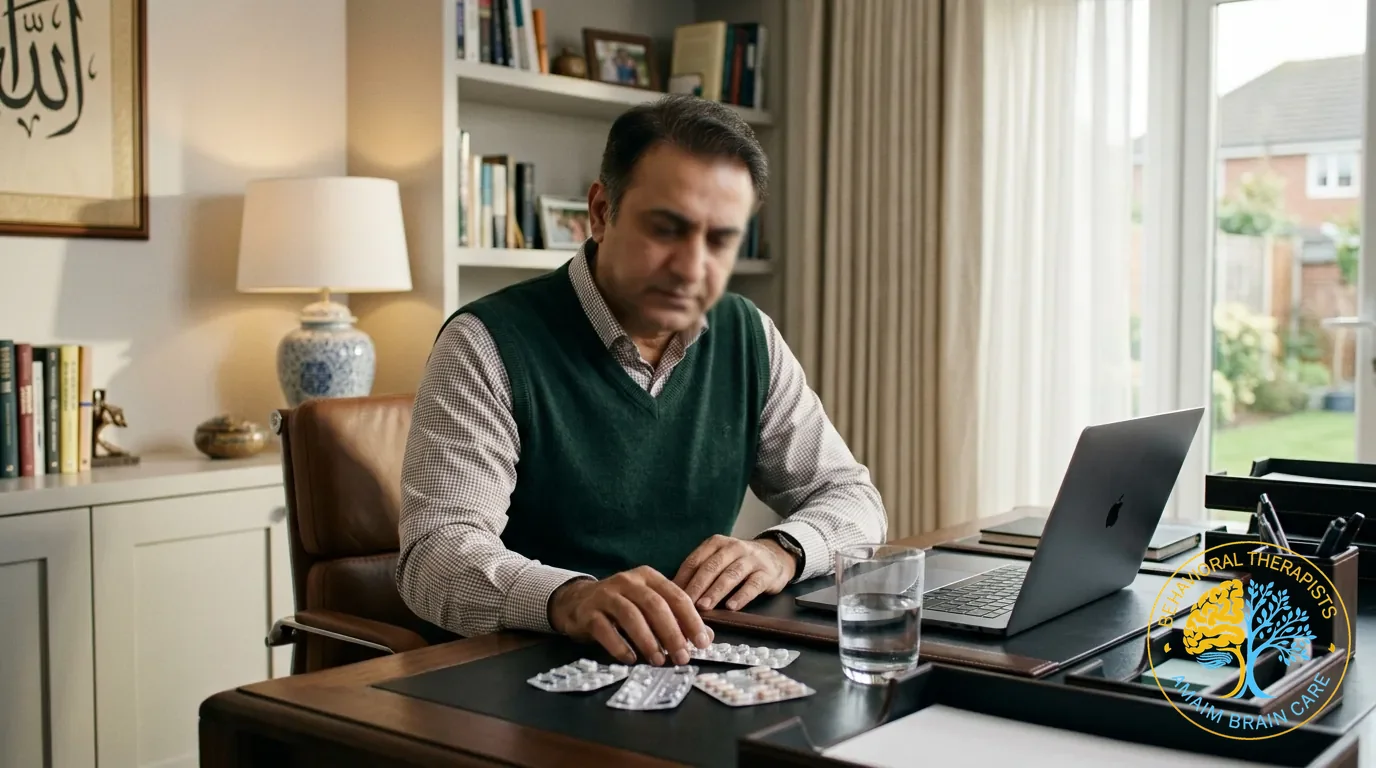
پی ٹی ایس ڈی کی ایک بہت بڑی علامت رات کے خوفناک خواب (Night Terrors) ہیں۔ یہ عام ڈراؤنے خوابوں سے بالکل مختلف اور حیاتیاتی لحاظ سے انتہائی خطرناک ہوتے ہیں۔ یہ نیند کے دوران دماغ میں آنے والے خوف کے طوفان ہیں۔ اس سے بچانے کے لیے ڈاکٹر پرازوسن (Prazosin) جیسی خاص ادویات دیتے ہیں جو نیند کے دوران دماغ میں خوف پیدا کرنے والے ریسیپٹرز کو بلاک کر دیتی ہیں۔ اس کی وجہ سے دماغ کا اعصابی نظام وہ شدید ڈر پیدا ہی نہیں کر پاتا، اور یوں مریض صدمے کے بعد پہلی بار ایک پرسکون اور گہری نیند سو پاتا ہے، جو دماغ کی مرمت کے لیے انتہائی ضروری ہے۔
Phase 2: Advanced Trauma-Focused Psychotherapy | دوسرا مرحلہ: صدمے کی مخصوص تھراپی (CBT)
While targeted medication drastically lowers the volume of the fear and stabilizes the neurochemistry, psychotherapy is required to remove the fear itself and reprocess the traumatic memory. The absolute gold standard for PTSD treatment globally is Trauma-Focused Cognitive Behavioral Therapy (TF-CBT) and associated specialized modalities.
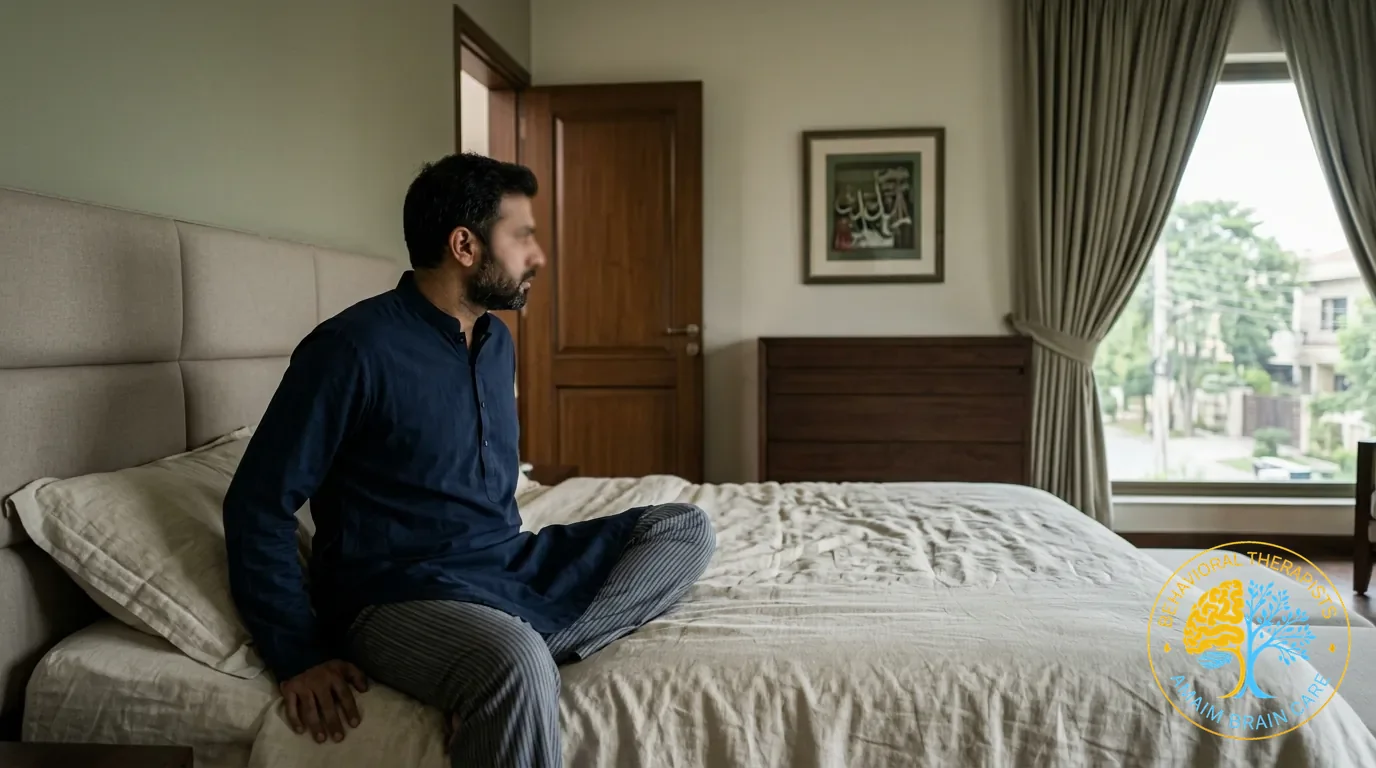
اگرچہ دوائی مریض کے دماغ میں موجود خوف کی آواز کو بہت دھیما کر دیتی ہے اور کیمیکلز کو کنٹرول کر لیتی ہے، لیکن اس ڈر کو جڑ سے اکھاڑ پھینکنے کے لیے تھراپی کی ضرورت ہوتی ہے۔ پوری دنیا میں پی ٹی ایس ڈی کے علاج کا سب سے مستند اور کامیاب طریقہ “ٹراما فوکسڈ کاگنیٹو بیہیویئرل تھراپی” (TF-CBT) اور اس سے جڑے جدید طریقے ہیں۔
Prolonged Exposure Therapy (PE) & EMDR | خوف کا سامنا کرنے کی تھراپی اور EMDR
Avoidance is the psychological fuel that keeps PTSD burning indefinitely. In Prolonged Exposure (PE) Therapy, conducted in a highly secure, clinically controlled environment, the psychotherapist guides the patient to safely and gradually confront their trauma memories. By systematically revisiting the memory under expert professional supervision, the brain’s neural networks gradually learn that the memory itself is not physically dangerous in the present moment. Similarly, Eye Movement Desensitization and Reprocessing (EMDR) utilizes bilateral stimulation to help the brain naturally process the traumatic memory, moving it from the hyperactive amygdala into long-term storage in the neocortex. Over several sessions, the traumatic event loses its intense emotional power; it successfully transitions from a “current, terrifying threat” to a simple “sad memory from the past.”
صدمے سے بھاگنا ہی وہ نفسیاتی ایندھن ہے جو پی ٹی ایس ڈی کو زندہ رکھتا ہے۔ پرولونگڈ ایکسپوژر (PE) تھراپی میں، ایک انتہائی محفوظ اور طبی ماحول کے اندر، تھراپسٹ مریض کی رہنمائی کرتا ہے کہ وہ اپنے صدمے کی یادوں کا محفوظ طریقے سے سامنا کرے۔ ایک ماہر کی نگرانی میں جب مریض بار بار ان یادوں کا سامنا کرتا ہے، تو دماغ کو آہستہ آہستہ یہ سمجھ آنے لگتی ہے کہ اب وہ واقعہ گزر چکا ہے اور یادیں بذات خود جان لیوا نہیں ہیں۔ اسی طرح EMDR تھراپی دماغ کو قدرتی طور پر صدمے کی یاد کو پروسیس کرنے میں مدد دیتی ہے، تاکہ وہ خوفزدہ کرنے والے حصے سے نکل کر عام یادداشت میں محفوظ ہو جائے۔ کچھ سیشنز کے بعد، اس واقعے کی شدت ختم ہو جاتی ہے، اور وہ ایک “موجودہ خطرے” کے بجائے محض ایک “ماضی کی تلخ یاد” بن کر رہ جاتا ہے۔
Cognitive Processing Therapy (CPT) | خیالات کی اصلاح کی تھراپی
Severe trauma violently shatters a person’s core foundational beliefs about safety, trust, and self-worth. Victims often develop catastrophic cognitive distortions, such as “the entire world is inherently dangerous” or “the abuse was completely my fault.” Cognitive Processing Therapy (CPT) strictly targets these toxic, deeply ingrained beliefs. The therapist helps the patient dismantle these irrational, trauma-induced thoughts and systematically replace them with logical, balanced perspectives. This process completely eradicates the crippling Severe Anxiety and misplaced guilt, allowing the patient to finally reclaim their identity.
بڑا صدمہ انسان کی دنیا کے محفوظ ہونے اور اپنے بارے میں سوچ کو بری طرح تباہ کر دیتا ہے۔ صدمے کے شکار افراد اکثر یہ انتہائی منفی سوچ بنا لیتے ہیں کہ “پوری دنیا خطرناک ہے” یا “اس زیادتی میں میری اپنی ہی غلطی تھی”۔ سی پی ٹی (CPT) کا مقصد ان زہریلی سوچوں کا علاج کرنا ہے۔ تھراپسٹ مریض کی مدد کرتا ہے کہ وہ ان بے بنیاد اور خوفناک خیالات کو توڑے اور ان کی جگہ حقیقت پسندانہ اور متوازن سوچ لے کر آئے، جس سے مریض کی شرمندگی اور شدید گھبراہٹ (Anxiety) مکمل طور پر ختم ہو جاتی ہے اور وہ اپنی زندگی دوبارہ شروع کر پاتے ہیں۔
Frequently Asked Questions
Is it possible to completely cure PTSD, or is it a lifelong disease? | کیا پی ٹی ایس ڈی کو مکمل طور پر ختم کیا جا سکتا ہے، یا یہ ساری عمر کی بیماری ہے؟
Yes, PTSD is highly treatable. While the trauma itself cannot be erased from history, the severe psychiatric symptoms—the flashbacks, the panic, the insomnia—can be completely eradicated through rigorous pharmacological and psychotherapeutic intervention. The patient can return to a fully functional, happy life. | جی ہاں، پی ٹی ایس ڈی کا مکمل علاج ممکن ہے۔ اگرچہ ماضی میں ہونے والے واقعے کو مٹایا نہیں جا سکتا، لیکن اس کی وجہ سے پیدا ہونے والی نفسیاتی علامات—یعنی فلیش بیکس، شدید گھبراہٹ اور بے خوابی—کو مستند ادویات اور تھراپی کے ذریعے بالکل جڑ سے ختم کیا جا سکتا ہے۔ مریض دوبارہ ایک بالکل نارمل اور خوشگوار زندگی گزارنے کے قابل ہو جاتا ہے۔
ذہنی اور نفسیاتی صحت کے مسائل کے حوالے سے بروقت طبی تشخیص اور مستند ڈاکٹر کی رہنمائی انتہائی ضروری ہے۔ اگر آپ یا آپ کا کوئی پیارا اس مسئلے کا سامنا کر رہا ہے تو مناسب علاج اور رہنمائی کے لیے مستند ماہر نفسیات سے فوری رجوع کریں۔
How long does a patient need to take PTSD medication? | پی ٹی ایس ڈی کے مریض کو کتنے عرصے تک ادویات کھانی پڑتی ہیں؟
This is highly individualized. Typically, pharmacological stabilization takes 6 to 12 months. Once the trauma has been successfully processed through intensive CBT, the psychiatrist will execute a meticulously controlled, gradual tapering of the medication until the patient is completely drug-free. | اس کا انحصار مریض کی حالت پر ہوتا ہے۔ عام طور پر دماغ کو مستحکم کرنے میں 6 سے 12 مہینے لگتے ہیں۔ جب تھراپی کے ذریعے صدمے کا ڈر نکل جاتا ہے، تو ماہر نفسیات انتہائی احتیاط کے ساتھ آہستہ آہستہ دوائی کی مقدار کم کر کے اسے بالکل بند کر دیتا ہے، اور مریض دوائیوں سے آزاد ہو جاتا ہے۔
ذہنی اور نفسیاتی صحت کے مسائل کے حوالے سے بروقت طبی تشخیص اور مستند ڈاکٹر کی رہنمائی انتہائی ضروری ہے۔ اگر آپ یا آپ کا کوئی پیارا اس مسئلے کا سامنا کر رہا ہے تو مناسب علاج اور رہنمائی کے لیے مستند ماہر نفسیات سے فوری رجوع کریں۔
Can we cure PTSD just by making the patient talk about it at home? | کیا ہم مریض سے گھر میں بات چیت کر کے اس کا پی ٹی ایس ڈی ٹھیک کر سکتے ہیں؟
No, and attempting this is highly dangerous. Forcing a patient to recount a severe trauma without clinical protocols will trigger massive flashbacks and re-traumatize them. Trauma therapy must exclusively be conducted by a specialized psychotherapist in a secure clinical setting. | بالکل نہیں، اور ایسا کرنے کی کوشش کرنا انتہائی خطرناک ہے۔ اگر آپ بغیر کسی طبی طریقے کے مریض کو وہ واقعہ سنانے پر مجبور کریں گے، تو اسے شدید فلیش بیک کا دورہ پڑے گا اور اس کا صدمہ مزید گہرا ہو جائے گا۔ صدمے کی تھراپی صرف اور صرف ایک ماہر تھراپسٹ کو محفوظ کلینک کے ماحول میں کرنی چاہیے۔
ذہنی اور نفسیاتی صحت کے مسائل کے حوالے سے بروقت طبی تشخیص اور مستند ڈاکٹر کی رہنمائی انتہائی ضروری ہے۔ اگر آپ یا آپ کا کوئی پیارا اس مسئلے کا سامنا کر رہا ہے تو مناسب علاج اور رہنمائی کے لیے مستند ماہر نفسیات سے فوری رجوع کریں۔
Why do some doctors prescribe sleeping pills instead of PTSD medication? | کچھ ڈاکٹر پی ٹی ایس ڈی کے علاج کے لیے اصل دوائی کی بجائے صرف نیند کی گولیاں کیوں دیتے ہیں؟
This is a catastrophic clinical error often made by non-specialists. Heavy sedatives (like benzodiazepines) temporarily force sleep but do nothing to repair the brain’s trauma circuits. Worse, they carry an extremely high risk of severe Substance Abuse and dependency. A specialist must be consulted. | یہ ایک بہت بڑی طبی غلطی ہے جو اکثر غیر ماہر ڈاکٹر کرتے ہیں۔ بھاری نیند کی گولیاں وقتی طور پر مریض کو سلا تو دیتی ہیں، لیکن وہ دماغ کے ٹوٹے ہوئے نظام کی کوئی مرمت نہیں کرتیں۔ اس سے بھی بری بات یہ ہے کہ ان گولیوں کی بہت جلد خطرناک لت لگ جاتی ہے۔ اس لیے ہمیشہ ماہر نفسیات سے رابطہ کرنا چاہیے۔
ذہنی اور نفسیاتی صحت کے مسائل کے حوالے سے بروقت طبی تشخیص اور مستند ڈاکٹر کی رہنمائی انتہائی ضروری ہے۔ اگر آپ یا آپ کا کوئی پیارا اس مسئلے کا سامنا کر رہا ہے تو مناسب علاج اور رہنمائی کے لیے مستند ماہر نفسیات سے فوری رجوع کریں۔
Where is advanced PTSD treatment and CBT available in Pakistan? | پاکستان میں پی ٹی ایس ڈی کا جدید علاج اور سی بی ٹی تھراپی کہاں دستیاب ہے؟
Amaim Brain Care, under the specialized direction of Dr. Ahsan Tariq Dogar, provides elite PTSD rehabilitation. We integrate sophisticated pharmacological treatment with evidence-based trauma therapy (CBT), ensuring comprehensive recovery through our Faisalabad clinic and completely secure online telepsychiatry options across Pakistan. | امیم برین کیئر فیصل آباد میں ڈاکٹر احسن طارق ڈوگر کی زیر نگرانی پی ٹی ایس ڈی کی مکمل بحالی کا اعلیٰ ترین علاج کیا جاتا ہے۔ ہم جدید ادویات اور انتہائی مستند تھراپی (CBT) کے ذریعے مریض کو اس اذیت سے نکالتے ہیں، جو کلینک اور آن لائن ویڈیو کنسلٹیشن کے ذریعے پورے پاکستان میں دستیاب ہے۔
ذہنی اور نفسیاتی صحت کے مسائل کے حوالے سے بروقت طبی تشخیص اور مستند ڈاکٹر کی رہنمائی انتہائی ضروری ہے۔ اگر آپ یا آپ کا کوئی پیارا اس مسئلے کا سامنا کر رہا ہے تو مناسب علاج اور رہنمائی کے لیے مستند ماہر نفسیات سے فوری رجوع کریں۔
How can I book an appointment with Dr. Ahsan Tariq Dogar?
You can book an in-person or online neuro-psychiatric consultation via reaching out via WhatsApp at 0333-6986464 for a confidential appointment.
فیصل آباد میں کلینک وزٹ یا آن لائن مشورے کے لیے آپ عمائم برین کیئر کے آفیشل واٹس ایپ لنک کے ذریعے رابطہ کر کے اپنی اپائنٹمنٹ باآسانی بک کروا سکتے ہیں، جہاں آپ کی معلومات کو مکمل صیغہ راز میں رکھا جاتا ہے۔
Sources & References
- American Psychiatric Association. Diagnostic and Statistical Manual of Mental Disorders (DSM-5-TR).
- World Health Organization (WHO). Mental Health Guidelines & Clinical Management Protocols.
- Pakistan Psychiatric Society (PPS). Clinical Practice Standards and Regional Mental Health Guidance.
Medical & Educational Disclaimer
The medical and psychiatric information provided on Amaim Brain Care is for educational purposes only. It is not intended to replace formal in-person psychiatric diagnosis, clinical assessment, or tailored prescription therapy. If you or a loved one are experiencing acute psychological distress or symptoms of a mental health condition, please seek professional evaluation from a certified psychiatrist.