Drug addiction is a serious medical condition affecting thousands of families across Pakistan. Understanding the signs early can save lives.
منشیات کی لت ایک سنگین طبی حالت ہے جو پاکستان بھر میں ہزاروں خاندانوں کو متاثر کرتی ہے۔ ابتدائی علامات کو پہچاننا زندگیاں بچا سکتا ہے۔
Addiction Is a Medical Condition — Not a Moral Failure | لت ایک طبی حالت ہے — اخلاقی کمزوری نہیں
One of the most harmful misconceptions in Pakistani society is that drug addiction is a sign of weak character, sinfulness, or bad upbringing. This belief causes immense shame, delays treatment, and destroys families. Modern medicine and psychiatry are clear: addiction is a chronic brain disease. It changes the brain’s structure, chemistry, and function in ways that make quitting extremely difficult without professional help.
پاکستانی معاشرے میں سب سے نقصاندہ غلط فہمی یہ ہے کہ منشیات کی لت کمزور کردار، گناہ یا بری تربیت کی نشانی ہے۔ یہ سوچ شرمندگی پیدا کرتی ہے، علاج میں تاخیر کرتی ہے اور خاندانوں کو تباہ کرتی ہے۔ جدید طب اور نفسیات واضح ہیں: لت ایک دائمی دماغی بیماری ہے۔ یہ دماغ کی ساخت، کیمیا اور کام کرنے کے طریقے کو اس طرح بدل دیتی ہے کہ پیشہ ورانہ مدد کے بغیر چھوڑنا انتہائی مشکل ہو جاتا ہے۔
Understanding the Chemical Hijack | دماغ کا کیمیکل کنٹرول
When a person abuses drugs, it floods the brain’s reward pathway with dopamine, creating an artificial ‘high’. Over time, the brain adapts by reducing its natural dopamine production. This means the person can no longer feel pleasure from normal activities and must continue using the drug just to feel normal. This neurological hijack is why willpower alone is rarely enough to break the cycle of dependency and why consulting a psychiatric specialist is essential.
جب کوئی شخص منشیات کا استعمال کرتا ہے، تو یہ دماغ میں ڈوپامین کی کیمیکل لہر دوڑاتا ہے، جس سے ایک مصنوعی سرور پیدا ہوتا ہے۔ وقت کے ساتھ، دماغ اپنے قدرتی ڈوپامین کی پیداوار کو کم کر کے خود کو اس کا عادی بنا لیتا ہے۔ اس کا مطلب یہ ہے کہ مریض اب عام سرگرمیوں سے خوشی محسوس نہیں کر پاتا اور اسے صرف نارمل محسوس کرنے کے لیے منشیات کا استعمال جاری رکھنا پڑتا ہے۔ یہی وجہ ہے کہ صرف قوت ارادی کے سہارے اس چکر کو توڑنا ممکن نہیں ہوتا اور ماہر نفسیات سے مشورہ کرنا ضروری ہے۔
No one chooses to become addicted. What may begin as curiosity, peer pressure, or an attempt to cope with pain gradually becomes a compulsion the person cannot control. Blaming and shaming the addicted person only pushes them further away from help.
کوئی بھی جان بوجھ کر لت میں مبتلا نہیں ہوتا۔ جو شروع میں تجسس، دوستوں کے دباؤ یا درد سے نمٹنے کی کوشش سے شروع ہوتا ہے وہ آہستہ آہستہ ایک ایسی مجبوری بن جاتا ہے جس پر انسان قابو نہیں رکھ سکتا۔ مبتلا شخص کو الزام دینا اور شرمندہ کرنا انہیں مدد سے اور دور کر دیتا ہے۔
Physical Signs of Drug Addiction | منشیات کی لت کی جسمانی علامات
The body often shows visible changes when someone is struggling with substance use. These physical signs vary depending on the drug used but commonly include:
جب کوئی شخص منشیات کے استعمال سے جدوجہد کر رہا ہو تو جسم اکثر واضح تبدیلیاں دکھاتا ہے۔ یہ جسمانی علامات استعمال کی جانے والی دوا کے مطابق مختلف ہوتی ہیں لیکن عام طور پر ان میں شامل ہیں:
- Changes in sleep patterns: Sleeping too much or too little, unusual hours, inability to wake up or staying awake for days.
نیند کے نمونوں میں تبدیلی: بہت زیادہ یا بہت کم سونا، غیر معمولی اوقات، جاگنے میں ناکامی یا کئی دن جاگتے رہنا۔
- Weight changes: Rapid weight loss (common with stimulants like ice/meth) or weight gain; loss of appetite or constant hunger.
وزن میں تبدیلی: تیزی سے وزن کم ہونا (آئس/میتھ جیسی محرک دواؤں کے ساتھ عام) یا وزن بڑھنا؛ بھوک نہ لگنا یا مسلسل بھوک لگنا۔
- Neglected hygiene: Stopping bathing, brushing teeth, wearing dirty clothes — signs that basic self-care has broken down.
صفائی کا خیال نہ رکھنا: نہانا، دانت صاف کرنا بند کرنا، گندے کپڑے پہننا — یہ نشانیاں کہ بنیادی خود کی دیکھ بھال ختم ہو گئی ہے۔
- Red, glassy, or bloodshot eyes: Very common with cannabis, alcohol, and some opioids. Pinpoint pupils can indicate opioid use; very dilated pupils may indicate stimulant use.
سرخ، چمکدار یا خون آلود آنکھیں: چرس، شراب اور کچھ افیونی دواؤں کے ساتھ بہت عام۔ چھوٹی پتلیاں افیونی استعمال کی نشاندہی کر سکتی ہیں؛ بہت پھیلی ہوئی پتلیاں محرک استعمال کی نشاندہی کر سکتی ہیں۔
- Track marks or skin changes: Injection marks on arms (heroin); sores on face or arms from obsessive picking (common with meth); pale or jaundiced skin.
نشانات یا جلد کی تبدیلیاں: بازوؤں پر انجیکشن کے نشانات (ہیروئن)؛ چہرے یا بازوؤں پر زخم (میتھ کے ساتھ عام)؛ پیلی یا زردی والی جلد۔
- Tremors or shaking: Common with alcohol dependence or during withdrawal.
لرزش یا کانپنا: شراب کی لت یا واپسی کے دوران عام۔
Behavioral Signs of Drug Addiction | منشیات کی لت کی رویے کی علامات
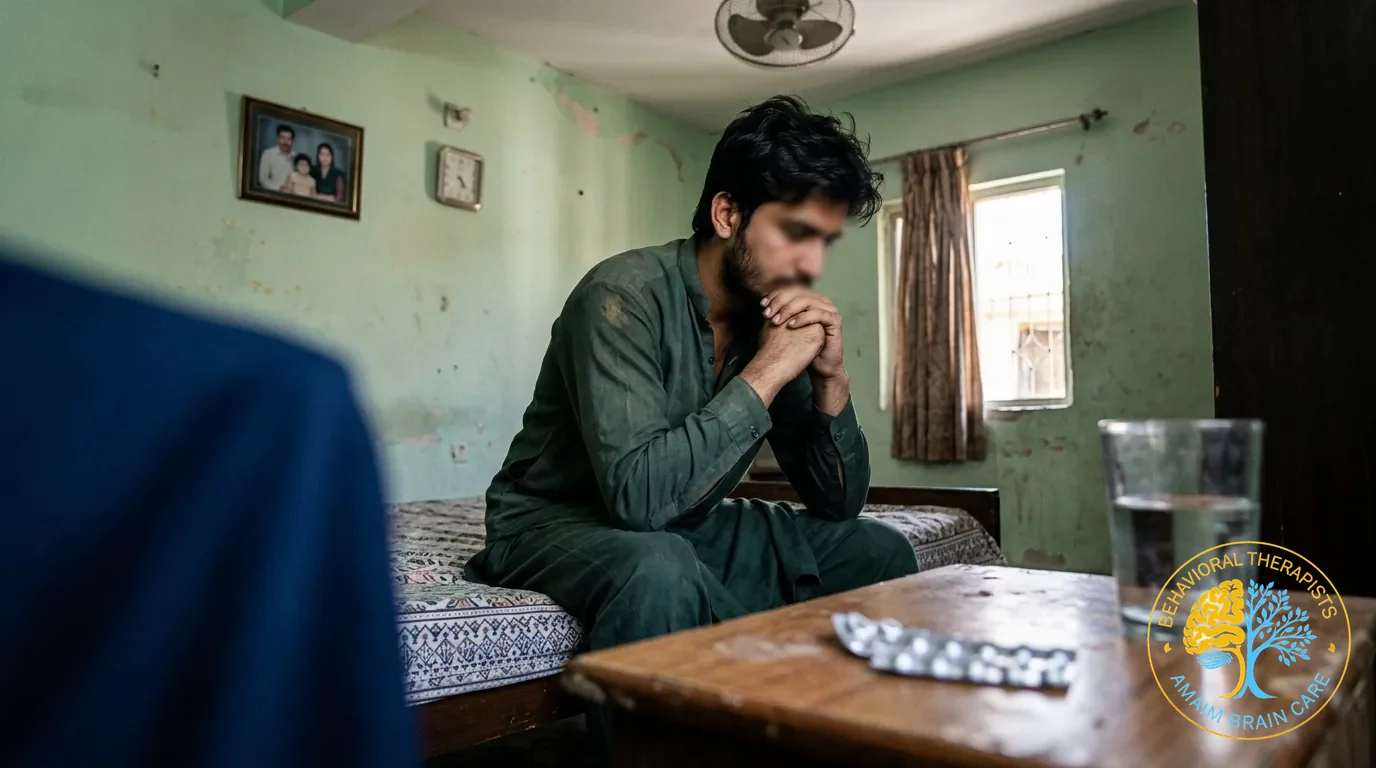
Behavioral changes are often the first signs that family members notice. These changes happen because addiction hijacks the brain’s reward and decision-making systems.
رویے کی تبدیلیاں اکثر پہلی علامات ہوتی ہیں جو خاندان کے افراد نوٹ کرتے ہیں۔ یہ تبدیلیاں اس لیے ہوتی ہیں کیونکہ لت دماغ کے انعام اور فیصلہ سازی کے نظاموں کو قبضے میں لے لیتی ہے۔
- Withdrawal from family and friends: Avoiding loved ones, spending more time alone or with new, unknown companions.
خاندان اور دوستوں سے دوری: پیاروں سے بچنا، اکیلے یا نئے، انجان ساتھیوں کے ساتھ زیادہ وقت گزارنا۔
- Lying and deception: Constantly lying about whereabouts, money spent, and activities; becoming defensive or aggressive when questioned.
جھوٹ اور دھوکہ دہی: ٹھکانے، خرچ کیے گئے پیسے اور سرگرمیوں کے بارے میں مسلسل جھوٹ بولنا؛ سوال کیے جانے پر دفاعی یا جارحانہ ہونا۔
- Financial problems and stealing: Constantly asking for money, borrowing and not repaying, selling personal belongings, or stealing from the home.
مالی مسائل اور چوری: مسلسل پیسے مانگنا، ادھار لے کر واپس نہ کرنا، ذاتی اشیاء بیچنا، یا گھر سے چوری کرنا۔
- Extreme secrecy: Locking room doors, hiding phone, becoming extremely private and suspicious of anyone asking questions.
انتہائی رازداری: کمرے کے دروازے بند کرنا، فون چھپانا، انتہائی نجی اور سوال پوچھنے والوں پر شک کرنا۔
- Neglecting responsibilities: Missing work or school, failing to fulfill family duties, neglecting children or household obligations.
ذمہ داریوں کو نظر انداز کرنا: کام یا اسکول سے غیر حاضر رہنا، خاندانی فرائض پورے کرنے میں ناکامی، بچوں یا گھریلو ذمہ داریوں کو نظر انداز کرنا۔
Psychological Signs of Drug Addiction | منشیات کی لت کی نفسیاتی علامات
- Mood swings — high then low: Extreme euphoria after using, followed by crashes of depression, irritability, or anxiety.
موڈ میں تبدیلیاں — اونچا پھر نیچا: استعمال کے بعد انتہائی خوشی، اس کے بعد افسردگی، چڑچڑاپن یا بے چینی کا بحران۔
- Paranoia and suspicion: Believing people are watching or out to get them — particularly common with methamphetamine (ice) use.
پاگل پن اور شک: یہ یقین کرنا کہ لوگ انہیں دیکھ رہے ہیں یا ان کے پیچھے پڑے ہیں — میتھ ایمفیٹامین (آئس) کے استعمال کے ساتھ خاص طور پر عام۔
- Depression and anxiety: Feeling hopeless, worthless, or chronically anxious — both as symptoms of addiction and as withdrawal effects.
افسردگی اور بے چینی: بے امید، بیکار یا دائمی طور پر بے چین محسوس کرنا — لت کی علامات کے طور پر اور واپسی کے اثرات کے طور پر بھی۔
- Memory and concentration problems: Forgetting conversations, appointments, or recent events; inability to focus on tasks.
یاداشت اور توجہ کے مسائل: گفتگو، ملاقاتوں یا حالیہ واقعات کو بھول جانا؛ کاموں پر توجہ دینے میں ناکامی۔
- Intense cravings: An overwhelming, uncontrollable urge to use the substance — often described as the body and mind screaming for the drug.
شدید خواہش: منشیات استعمال کرنے کی بھاری، بے قابو خواہش — اکثر جسم اور دماغ کی دوا کے لیے چیخ کے طور پر بیان کی جاتی ہے۔
Commonly Abused Substances in Pakistan | پاکستان میں عام طور پر غلط استعمال ہونے والے مادے
Understanding which substances are most prevalent helps families recognize specific warning signs:
یہ سمجھنا کہ کون سے مادے سب سے زیادہ عام ہیں خاندانوں کو مخصوص انتباہی علامات پہچاننے میں مدد کرتا ہے:
Ice (Crystal Methamphetamine) | آئس (کرسٹل میتھ ایمفیٹامین)
Ice has become alarmingly common among young men in Pakistan, particularly in Punjab and urban areas. Signs include: extreme weight loss, days without sleep, paranoia, hallucinations, aggressive behavior, teeth grinding, and sores on the skin from picking.
آئس پاکستان میں نوجوان مردوں میں خطرناک حد تک عام ہو گئی ہے، خاص طور پر پنجاب اور شہری علاقوں میں۔ علامات میں شامل ہیں: انتہائی وزن کم ہونا، کئی دن بغیر نیند کے، پاگل پن، خیالی پرچے، جارحانہ رویہ، دانت پیسنا، اور جلد پر زخم۔
Heroin and Opioids | ہیروئن اور افیونی ادویات
Pakistan has one of the highest rates of heroin use in the world. Signs include: extreme drowsiness (‘nodding off’), very small pupils, slow breathing, slurred speech, injection marks, severe constipation, and withdrawal involving intense vomiting and body pain when supply is interrupted.
پاکستان دنیا میں ہیروئن کے استعمال کی سب سے زیادہ شرح رکھنے والے ممالک میں سے ہے۔ علامات میں شامل ہیں: انتہائی غنودگی، بہت چھوٹی پتلیاں، سانس کی سستی، لڑکھڑاتی تقریر، انجیکشن کے نشانات، شدید قبض، اور سپلائی میں رکاوٹ پر شدید قے اور جسمانی درد کے ساتھ واپسی۔
Cannabis (Charas/Marijuana) | چرس/گانجا
Widely used and often dismissed as ‘harmless,’ cannabis can cause significant mental health problems with heavy use, especially in young people. Signs: red eyes, increased appetite, slow reactions, paranoia, reduced motivation, and memory problems.
وسیع پیمانے پر استعمال اور اکثر ‘بے ضرر’ قرار دی جاتی ہے، چرس بھاری استعمال سے، خاص طور پر نوجوانوں میں، اہم ذہنی صحت کے مسائل پیدا کر سکتی ہے۔ علامات: سرخ آنکھیں، بھوک میں اضافہ، سست ردعمل، پاگل پن، محرکیت میں کمی، اور یاداشت کے مسائل۔
Prescription Pills (Tramadol, Benzodiazepines) | نسخے کی گولیاں (ٹرامادول، بینزوڈایازپائنز)
Misuse of easily available prescription medications is a growing crisis. Tramadol misuse causes euphoria and agitation; benzodiazepine (like Diazepam/Valium) misuse causes sedation, slurred speech, and dangerous withdrawal seizures.
آسانی سے دستیاب نسخے کی ادویات کا غلط استعمال ایک بڑھتا ہوا بحران ہے۔ ٹرامادول کا غلط استعمال خوشی اور اضطراب کا سبب بنتا ہے؛ بینزوڈایازپائن (جیسے ڈائزپام/ویلیم) کا غلط استعمال سکون آوری، لڑکھڑاتی تقریر، اور خطرناک واپسی دورے کا سبب بنتا ہے۔
The Silent Risk of Inhalants and Solvents | سانس کے ذریعے لیے جانے والے نشے
Often overlooked in urban centers, the abuse of inhalants (like glue, solvents, and gasoline) is a devastating reality among street children and vulnerable youth in Pakistan. These substances are highly toxic and enter the bloodstream rapidly through the lungs. Chronic use causes immediate and often irreversible brain damage, affecting memory, coordination, and executive functions. Recognizing early signs like chemical odors on breath or sudden behavioral changes is critical for early intervention.
شہری علاقوں میں اکثر نظر انداز کی جانے والی ایک اور حقیقت پیٹرول، گوند (سلوشن) اور دیگر کیمیکلز کو سونگھ کر نشہ کرنے کی لت ہے۔ یہ مادے انتہائی زہریلے ہوتے ہیں اور پھیپھڑوں کے ذریعے تیزی سے خون میں شامل ہو جاتے ہیں۔ ان کا مسلسل استعمال دماغ کو ناقابل تلافی نقصان پہنچاتا ہے جس سے یادداشت اور فیصلے کی صلاحیت شدید متاثر ہوتی ہے۔ سانس سے کیمیکل کی بو آنا یا رویے میں اچانک تبدیلی اس کی اہم نشانیاں ہیں۔
Warning Signs That Help Is Needed Urgently | انتباہی علامات کہ فوری مدد کی ضرورت ہے
Seek emergency help immediately if you see:
اگر آپ یہ دیکھیں تو فوری طور پر ہنگامی مدد طلب کریں:
- Overdose signs: Unresponsive or unconscious, very slow or stopped breathing, blue-tinged lips or fingertips, vomiting while unconscious, seizures.
اوور ڈوز کی علامات: بے ردعمل یا بے ہوش، بہت سست یا رکی ہوئی سانس، نیلے رنگ کے ہونٹ یا انگلیوں کے سرے، بے ہوشی کے دوران قے، دورے۔
- Extreme behavioral changes: Sudden psychosis (seeing things that aren’t there), extreme aggression or violence, expressing suicidal thoughts.
انتہائی رویے کی تبدیلیاں: اچانک نفسیاتی عارضہ (وہ چیزیں دیکھنا جو وہاں نہیں ہیں)، انتہائی جارحیت یا تشدد، خودکشی کے خیالات ظاہر کرنا۔
- Complete physical collapse: Unable to eat, drink, or care for themselves at all.
مکمل جسمانی خرابی: بالکل کھانے، پینے یا اپنا خیال رکھنے میں ناکام۔
The Psychological Toll on Family Members | خاندان پر نفسیاتی اثرات
Addiction is never a solitary disease; it profoundly impacts the mental health of family members who often experience chronic anxiety, depression, and codependency. Caring for an addicted individual without professional support leads to caregiver burnout. Seeking therapy for the family is just as vital as securing medical detox for the patient to ensure a sustainable recovery environment.
نشے کی لت کبھی بھی ایک فرد تک محدود نہیں رہتی، بلکہ یہ پورے خاندان کی ذہنی صحت کو متاثر کرتی ہے جہاں گھر والے مسلسل بے چینی، ڈپریشن اور ذہنی دباؤ کا شکار رہتے ہیں۔ پیشہ ورانہ مدد کے بغیر مریض کی دیکھ بھال کرنا گھر والوں کو بھی بیمار کر دیتا ہے۔ اس لیے پورے خاندان کے لیے مشاورت اتنی ہی ضروری ہے جتنا کہ مریض کے لیے سم ربائی کا علاج۔
If you notice several of the signs described above in a family member, do not wait and hope it goes away. Early intervention leads to significantly better recovery outcomes. The longer addiction goes untreated, the deeper the brain changes become and the harder recovery is.
اگر آپ کسی خاندان کے فرد میں اوپر بیان کردہ کئی علامات نوٹ کریں، تو انتظار نہ کریں اور یہ امید نہ رکھیں کہ یہ خود ختم ہو جائے گا۔ ابتدائی مداخلت سے صحت یابی کے نتائج نمایاں طور پر بہتر ہوتے ہیں۔ لت جتنی دیر تک بغیر علاج کے رہے، دماغی تبدیلیاں اتنی گہری ہوتی جاتی ہیں اور صحت یابی اتنی مشکل ہو جاتی ہے۔
If you suspect a loved one is struggling, reviewing Drug Addiction Treatment Options is a crucial first step. Because addiction often co-occurs with other mental health issues, it is important to explore related areas like Depression Management or Anxiety Support. For patients needing acute detox or those in a severe crisis, our Inpatient Addiction Admission Facility offers a safe, monitored environment. Comprehensive, compassionate care is directed by Dr. Ahsan Tariq Dogar to help patients reclaim their lives.
اگر آپ کو شک ہے کہ آپ کا کوئی پیارا اس مشکل سے گزر رہا ہے، تو علاج کے مختلف طریقوں کا جائزہ لینا پہلا قدم ہے۔ چونکہ نشے کی لت اکثر دیگر دماغی مسائل کے ساتھ جنم لیتی ہے، اس لیے ڈپریشن اور اینگزائٹی (خوف) کے علاج جیسے متعلقہ شعبوں کو بھی سمجھنا ضروری ہے۔ ایسے مریض جنہیں فوری ڈیٹوکس (سم ربائی) کی ضرورت ہو، ہمارا ان ڈور داخلہ کلینک ایک محفوظ اور زیر نگرانی ماحول فراہم کرتا ہے۔ ڈاکٹر احسن طارق ڈوگر کی سربراہی میں مریضوں کی مکمل صحت یابی کے لیے جامع اور ہمدردانہ علاج فراہم کیا جاتا ہے۔
Relief is possible. Take the first step today.
Book Appointment | اپوائنٹمنٹ بک کریں
Frequently Asked Questions
Can addiction happen to anyone, or only ‘weak’ people? | کیا لت کسی کو بھی ہو سکتی ہے، یا صرف ‘کمزور’ لوگوں کو؟
Yes, addiction can happen to anyone regardless of intelligence, willpower, or moral character. Genetic factors, trauma, mental health conditions, and social environment all play roles. Addiction is a disease of the brain, not a character flaw.
ہاں، لت کسی کو بھی ہو سکتی ہے چاہے ذہانت، قوت ارادی یا اخلاقی کردار کچھ بھی ہو۔ جینیاتی عوامل، صدمہ، ذہنی صحت کی حالتیں اور معاشرتی ماحول سب کردار ادا کرتے ہیں۔ لت دماغ کی بیماری ہے، کردار کی خامی نہیں۔
How do I know if someone is addicted or just using occasionally? | میں کیسے جانوں کہ کوئی عادی ہے یا صرف کبھی کبھار استعمال کرتا ہے؟
Key differences include: loss of control over how much they use, continued use despite negative consequences (health, relationships, work), craving and withdrawal symptoms when they stop, and reorganizing life around obtaining and using the substance.
اہم فرق یہ ہیں: وہ کتنا استعمال کرتے ہیں اس پر قابو کھو دینا، منفی نتائج (صحت، تعلقات، کام) کے باوجود استعمال جاری رکھنا، خواہش اور واپسی کی علامات جب وہ بند کریں، اور مادہ حاصل کرنے اور استعمال کرنے کے گرد زندگی ترتیب دینا۔
My family member says they can stop any time. Should I believe them? | میرا خاندان کا فرد کہتا ہے کہ وہ کسی بھی وقت بند کر سکتے ہیں۔ کیا مجھے یقین کرنا چاہیے؟
This is a very common statement among addicted people and is usually not accurate. The inability to stop, even when they want to, is a core feature of addiction. It’s not lying — the brain’s control systems are genuinely impaired. Compassionate professional help, not arguments, is what’s needed.
یہ لت میں مبتلا لوگوں میں بہت عام بیان ہے اور عام طور پر درست نہیں ہوتا۔ بند نہ کر پانا، چاہے وہ چاہیں بھی، لت کی بنیادی خصوصیت ہے۔ یہ جھوٹ نہیں ہے — دماغ کے کنٹرول سسٹم واقعتاً خراب ہو گئے ہیں۔ جو ضرورت ہے وہ دلیل نہیں، ہمدردانہ پیشہ ورانہ مدد ہے۔
Is ice (crystal meth) addiction especially dangerous? | کیا آئس (کرسٹل میتھ) کی لت خاص طور پر خطرناک ہے؟
Yes. Ice is one of the most addictive and destructive substances. It causes severe dopamine system damage, leading to psychosis, extreme aggression, paranoia, and long-term cognitive problems. It is also highly addictive after just a few uses. Treatment is possible but requires specialized care.
ہاں۔ آئس سب سے زیادہ لت لگانے والے اور تباہ کن مادوں میں سے ایک ہے۔ یہ شدید ڈوپامین سسٹم کو نقصان پہنچاتی ہے، جس سے نفسیاتی عارضہ، انتہائی جارحیت، پاگل پن اور طویل مدتی ادراکی مسائل ہوتے ہیں۔ یہ صرف چند استعمال کے بعد بھی انتہائی لت لگا دینے والی ہے۔ علاج ممکن ہے لیکن خصوصی دیکھ بھال کی ضرورت ہے۔
Can someone hide their addiction for a long time? | کیا کوئی اپنی لت کو لمبے عرصے تک چھپا سکتا ہے؟
Yes, especially in the early stages. High-functioning addicts maintain jobs and relationships while hiding their use. Over time, however, the physical, behavioral, and financial toll makes complete concealment impossible. Knowing the signs helps families detect problems earlier.
ہاں، خاص طور پر ابتدائی مراحل میں۔ اعلی کارکردگی والے لت میں مبتلا لوگ اپنے استعمال کو چھپاتے ہوئے نوکریاں اور تعلقات برقرار رکھتے ہیں۔ تاہم، وقت کے ساتھ، جسمانی، رویے اور مالی نقصان مکمل چھپانا نامکن بنا دیتا ہے۔ علامات جاننے سے خاندانوں کو مسائل جلد پکڑنے میں مدد ملتی ہے۔
Where can families in Faisalabad get help for a loved one with addiction? | فیصل آباد میں خاندان لت میں مبتلا اپنے پیاروں کے لیے مدد کہاں سے لے سکتے ہیں؟
Dr. Ahsan Tariq Dogar at Amaim Brain Care, Faisalabad offers comprehensive addiction assessment and treatment including detox management, medication-assisted treatment, and behavioral therapy. Online consultations are also available for patients across Pakistan.
ڈاکٹر احسان طارق ڈوگر، عمائم برین کیئر، فیصل آباد میں ڈیٹوکس مینجمنٹ، دوا سے مدد یافتہ علاج، اور رویے کی تھراپی سمیت جامع لت کی تشخیص اور علاج فراہم کرتے ہیں۔ آن لائن مشاورت پاکستان بھر کے مریضوں کے لیے بھی دستیاب ہے۔
Sources & References
- World Health Organization (WHO)
- American Psychiatric Association (APA)
- National Health Service (NHS)
- National Institute of Mental Health (NIMH)
The information on this page is for educational purposes only. It is not a substitute for professional psychiatric advice. If you are experiencing mental health symptoms, it is important to consult a qualified psychiatrist in Faisalabad or book an online consultation across Pakistan. Every person’s condition is different and requires proper evaluation and treatment by an experienced specialist like Dr Ahsan Tariq Dogar.