Addressing Methamphetamine (Ice) Neurotoxicity in Pakistan
Crystal methamphetamine (“ice”) abuse has surged dramatically across Pakistan, presenting unique clinical challenges due to its extreme neurotoxic effects on dopamine and serotonin transporters. Chronic ice abuse produces severe paranoid delusions, visual and tactile hallucinations (formication, or “meth bugs”), and explosive aggressive outbursts. At Amaim Brain Care, our dedicated addiction unit utilizes neuroleptic stabilization, intensive neuroprotective hydration, and cognitive restructuring to reverse stimulant-induced brain damage and restore mental clarity. To learn more, explore our specialized co-occurring depression services.
Pakistan mein ice ke nashe ka shadeed phailao aik qiyamat-khez masla ban chuka hai. Ice dimagh ke naazuk khuliyon ko tabah karke shadeed shuk, waham aur ajeeb aawazein peda karta hai. Amaim Brain Care mein ice ke mareezon ke liye khas neuroprotective ilaj mojood hai jo dimaghi nuqsan ko theek karke unhein hosh-o-hawaas mein lata hai.
پاکستان میں آئس (کرسٹل میتھ) کا بڑھتا ہوا استعمال ایک سنگین اعصابی المیہ ہے۔ آئس دماغ کے ریشوں کو جلا کر شدید شک، وہم اور پرتشدد رویے پیدا کرتی ہے۔ امائم برین کیئر میں آئس کے مریضوں کے لیے خصوصی اعصابی بحالی اور محفوظ داخلے کی سہولت موجود ہے جو دماغی سوزش کو ختم کر کے مریض کو معمول کی زندگی میں واپس لاتی ہے۔

Continuous Medical Monitoring and Vital Sign Stabilization
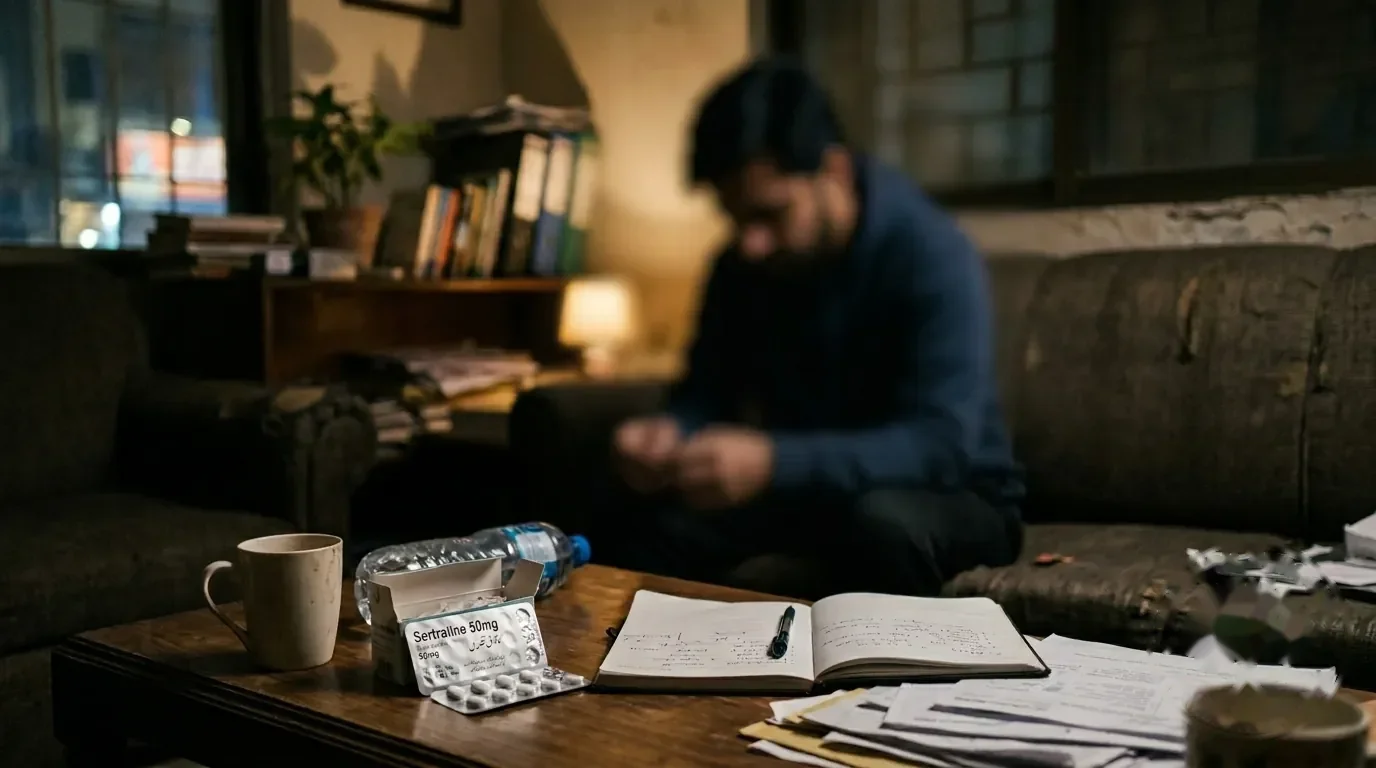
During acute medical detoxification, patients experience severe autonomic instability, marked by unpredictable blood pressure spikes, cardiac arrhythmias, and acute fluid loss. Our clinical medical team continuously tracks vital signs, administering IV fluid hydration, essential electrolytes, and targeted neuroprotective medications. This rigorous clinical monitoring ensures that the patient transitions through the most dangerous physiological withdrawal window safely and comfortably.
Detox ke doran mareez ka blood pressure aur dil ki dharkan achanak upar neeche ho sakti hai. Hamari medical team 24 ghante mareez ke vital signs check karti hai aur drips aur zaroori minerals deti hai taake mareez ka jism fori tor par mustahkam ho sake aur kisi baray nuqsan se bacha ja sakay.
ڈی ٹاکسیفکیشن کے دوران مریض کا بلڈ پریشر اور نبض شدید غیر متوازن ہو سکتے ہیں۔ امائم برین کیئر کی ماہر طبی ٹیم چوبیس گھنٹے مریض کے جسمانی اشاریوں کی نگرانی کرتی ہے اور فوری اثر ادویات اور ڈرپس کے ذریعے اس کے جسمانی نظام کو مستحکم رکھتی ہے۔
Specialized Addiction & Detox Services at Amaim Brain Care
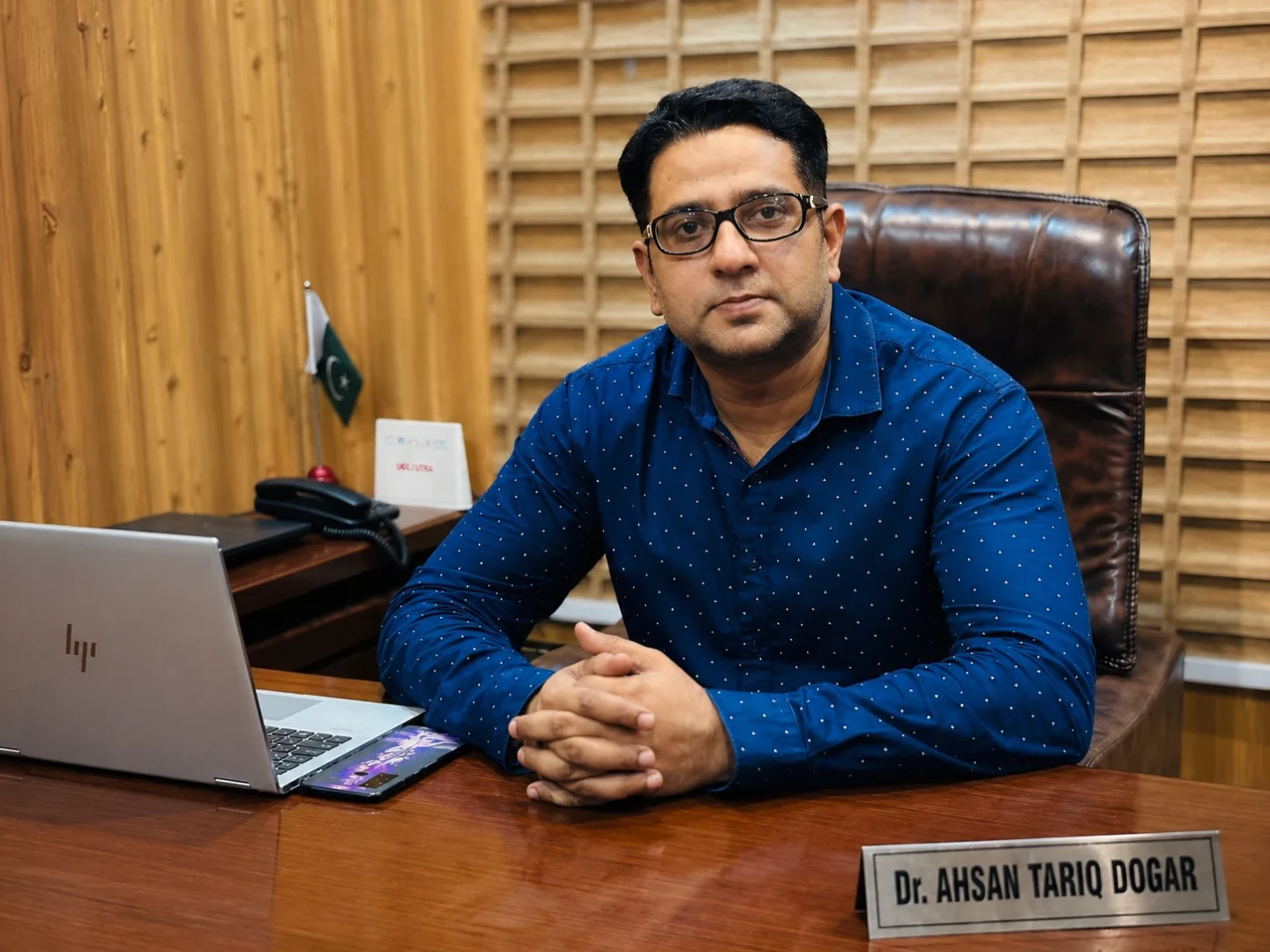
Under the leadership of Dr. Ahsan Tariq Dogar, Amaim Brain Care provides state-of-the-art addiction treatment in Faisalabad. Our comprehensive Addiction Treatment Services combine medically supervised detox, dual diagnosis management through Clinical Psychiatry, intensive Psychotherapy Services, and 24/7 inpatient recovery at our secure Psychiatric Admission Facility.
Amaim Brain Care Faisalabad mein Dr. Ahsan Tariq Dogar ki zer-e-sarparasti har qisam ke nashe ka mukammal, mehfooz aur raazdarana tareeqay se ilaj kiya jata hai taake aap ka pyara aik pur-waqar aur sehat-mand zindagi ki taraf wapas laut sakay.
امائم برین کیئر فیصل آباد میں ڈاکٹر احسن طارق ڈوگر کی سربراہی میں نشے کے مکمل اور محفوظ علاج کے لیے جدید ترین ہسپتال داخلے، ڈی ٹاکس اور کونسلنگ کی سہولیات میسر ہیں تاکہ مریض دوبارہ معاشرے کا ایک باوقار فرد بن سکے۔
Frequently Asked Questions
Can drug addiction be cured permanently? / Kya nashe se mukammal nijaat mumkin hai?
Yes. With structured medical detoxification, inpatient psychiatric rehabilitation, and ongoing relapse-prevention therapy, individuals achieve permanent, lifelong recovery.
Jee haan, sahi hospital mein mukammal detox aur counseling karwane se nasha hamesha ke liye chhot jata hai.
Why is home cold-turkey detox dangerous for crystal meth or opioids? / Ghar par achanak nasha chorhna kyun khatarnak hai?
Abrupt unmanaged withdrawal causes severe autonomic instability, dehydration, seizures, and cardiovascular collapse that requires immediate hospital management.
Ghar par bagher dawai ke achanak nasha band karne se jism mein shadeed jhatkay aur cardiac attack ka khatra hota hai.
How long does an inpatient addiction rehabilitation program last? / Rehab mein kitna arsa lagta hai?
Standard medically supervised programs range from 30 to 90 days depending on the substance, dependency duration, and comorbid psychiatric conditions.
Nashe ki shiddat ke mutabiq mukammal rehab course aam tor par ایک se تین maheene ka hota hai.
What is dual diagnosis in addiction medicine? / Dual diagnosis kya hota hai?
Dual diagnosis refers to the co-occurrence of substance addiction alongside an underlying psychiatric condition (such as depression, anxiety, or bipolar disorder).
Jab mareez ko nashe ke sath sath koi zehni bimari jese depression ya anxiety bhi ho to usey dual diagnosis kehte hain.
Is patient confidentiality maintained during addiction treatment? / Kya ilaj mein raazdari rakhi jati hai?
Yes. Amaim Brain Care enforces absolute medical confidentiality and privacy for all addiction inpatient and outpatient treatments.
Hamare han mareez ki shanakht aur ilaj ki mukammal سو% raazdari rakhi jati hai.
How can I book an appointment with Dr. Ahsan Tariq Dogar?
You can book an in-person or online neuro-psychiatric consultation via reaching out via WhatsApp at 0333-6986464 for a confidential appointment.
فیصل آباد میں کلینک وزٹ یا آن لائن مشورے کے لیے آپ عمائم برین کیئر کے آفیشل واٹس ایپ لنک کے ذریعے رابطہ کر کے اپنی اپائنٹمنٹ باآسانی بک کروا سکتے ہیں، جہاں آپ کی معلومات کو مکمل صیغہ راز میں رکھا جاتا ہے۔
Sources & References
- American Psychiatric Association. Diagnostic and Statistical Manual of Mental Disorders (DSM-5-TR).
- World Health Organization (WHO). Mental Health Guidelines & Clinical Management Protocols.
- Pakistan Psychiatric Society (PPS). Clinical Practice Standards and Regional Mental Health Guidance.
Medical & Educational Disclaimer
The medical and psychiatric information provided on Amaim Brain Care is for educational purposes only. It is not intended to replace formal in-person psychiatric diagnosis, clinical assessment, or tailored prescription therapy. If you or a loved one are experiencing acute psychological distress or symptoms of a mental health condition, please seek professional evaluation from a certified psychiatrist.