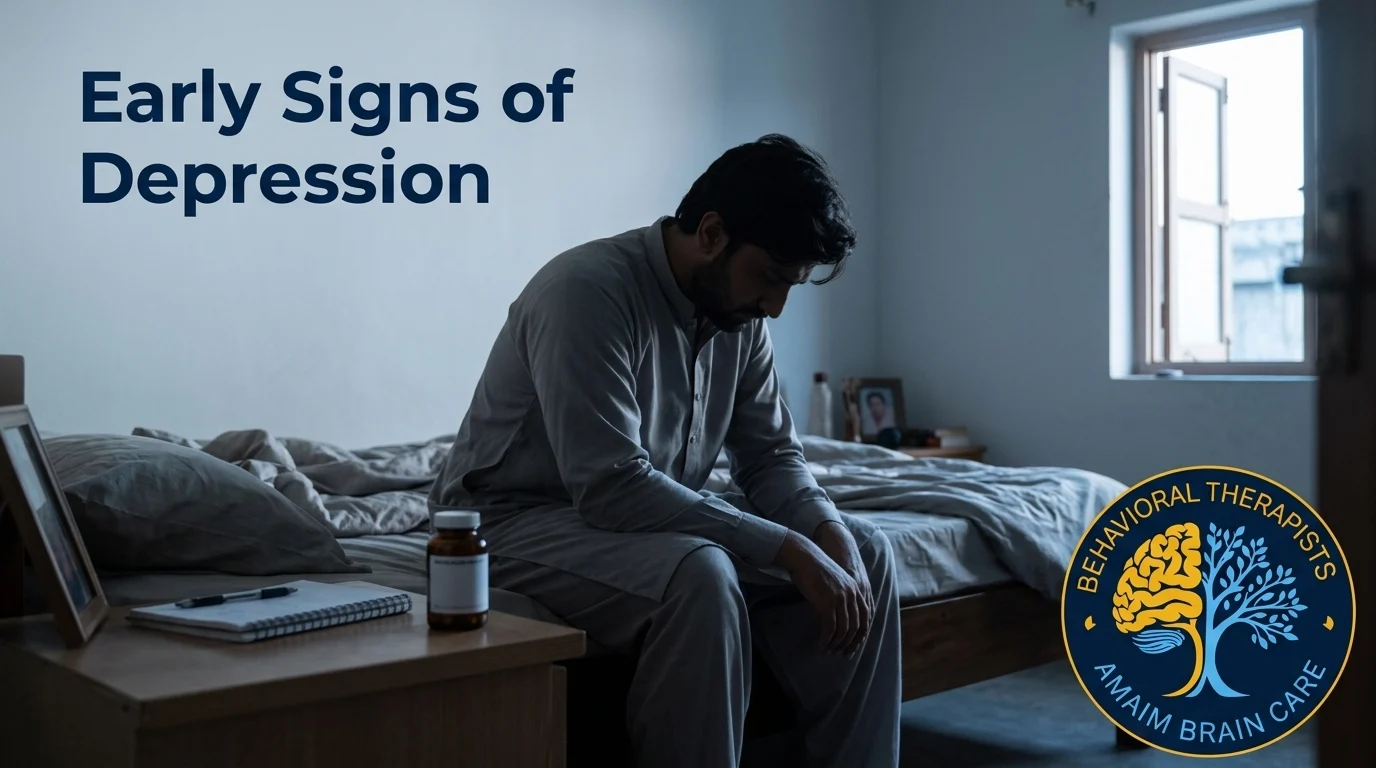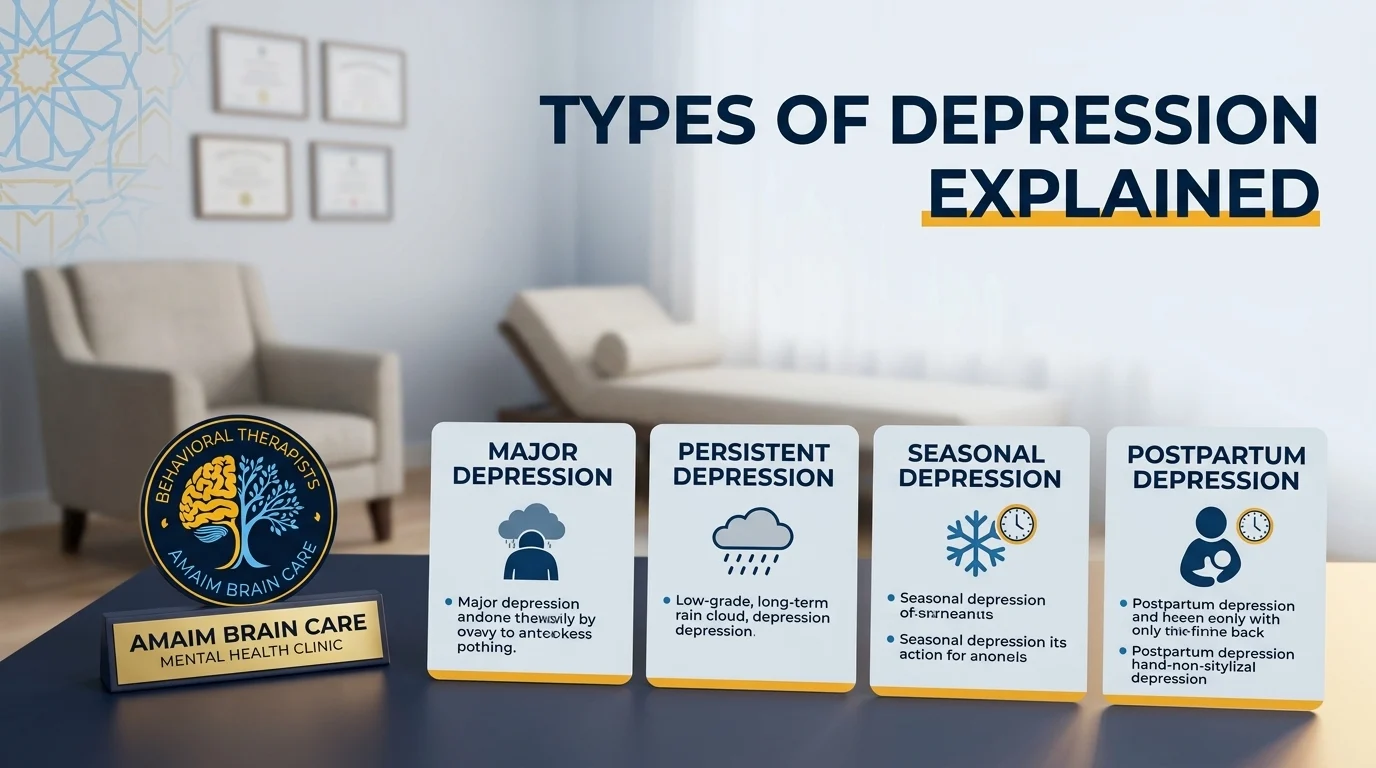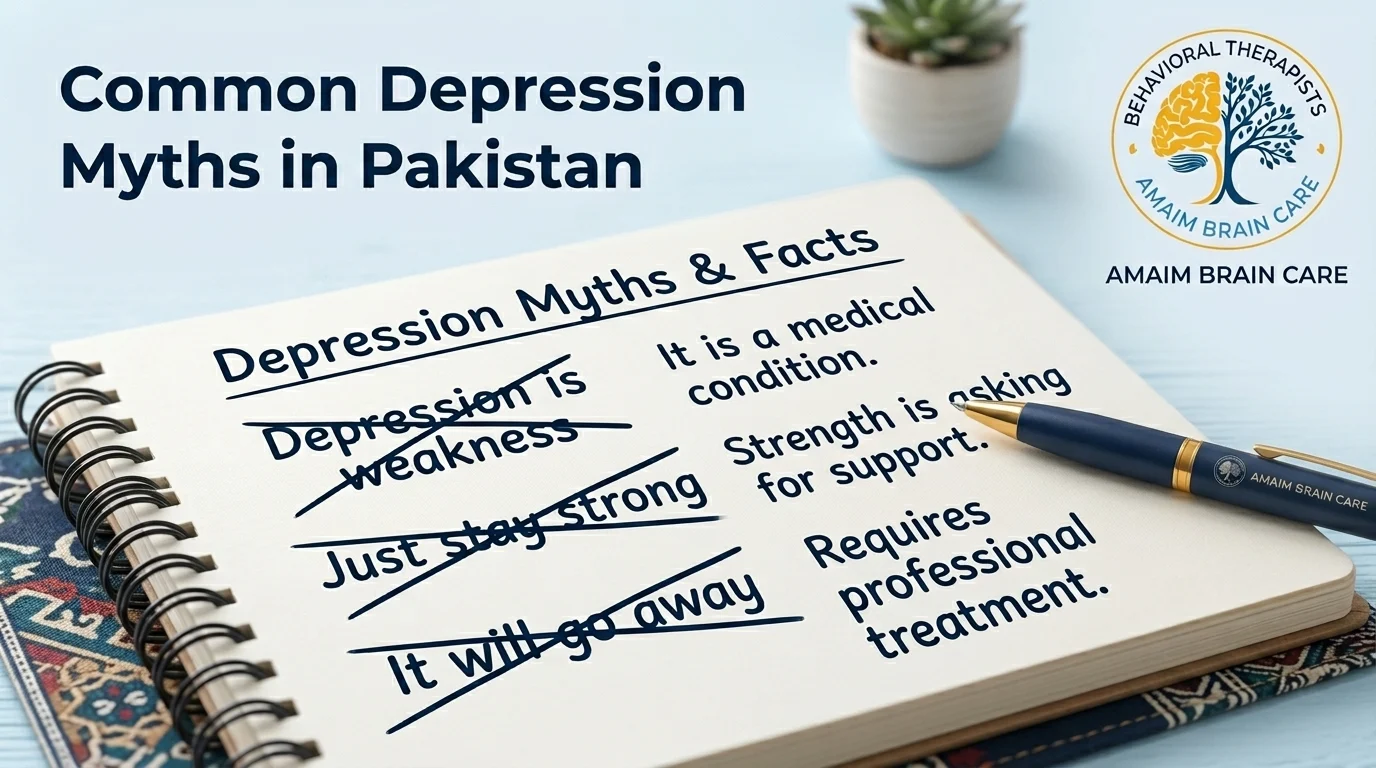
Watching a husband, wife, parent, child, or sibling suffer from Clinical Depression, Severe Anxiety, or related mood disorders is an profoundly agonizing experience. In many Pakistani families, the immediate cultural instinct is often to offer aggressive advice, urge the individual to “be strong,” or remind them of their religious duties and the blessings they possess. While deeply well-intentioned and rooted in a desire to help, this approach is clinically disastrous. A patient suffering from a severe neurobiological psychiatric illness cannot simply “snap out of it” any more than a person with a broken leg can simply walk it off. Their brain chemistry is fundamentally injured, often involving severe dysregulation of crucial neurochemicals like dopamine, serotonin, and norepinephrine. Furthermore, advanced neuroimaging studies show that in depressed or highly anxious states, there is hyperactivation of the amygdala—the brain’s primal fear center—paired with suppressed neural activity in the prefrontal cortex, which is responsible for logical reasoning, emotional regulation, and executive planning. This makes it biologically impossible for the patient to simply “think positive.” The words you choose to use as a caregiver can either be a powerful psychological anchor that guides them toward life-saving medical treatment, or a toxic trigger that plunges them deeper into paralyzing guilt and suicidal isolation. Knowing exactly what to say—and critically, what never to say—is the most vital role a family member plays in the recovery process. Proper psychiatric assessment and interventions, including medications like Selective Serotonin Reuptake Inhibitors (SSRIs), serotonin-norepinephrine reuptake inhibitors (SNRIs), or evidence-based psychotherapies like Cognitive Behavioral Therapy (CBT), are absolutely essential for stabilizing the neurochemical environment and facilitating true healing.
اپنے شوہر، بیوی، والدین، بچے یا بہن بھائی کو شدید ڈیپریشن، خوف (Anxiety) یا موڈ کی خرابی کے عذاب میں تڑپتے دیکھنا ایک انتہائی تکلیف دہ تجربہ ہے۔ ہمارے ہاں پاکستانی خاندانوں میں پہلی کوشش عموماً یہی ہوتی ہے کہ وہ مریض کو طعنے دے کر، سخت نصیحتیں کر کے، یا ان کی نعمتیں گنوا کر ٹھیک کرنے کی کوشش کریں۔ لوگ اکثر کہتے ہیں “ہمت کرو، مضبوط بنو” یا انہیں عبادات کی کمی کا طعنہ دیتے ہیں۔ اگرچہ ان کی نیت ٹھیک ہوتی ہے، لیکن میڈیکل سائنس اور جدید تحقیق کے مطابق یہ طریقہ مریض کی جان کے لیے انتہائی خطرناک ثابت ہو سکتا ہے۔ نفسیاتی بیماری کا شکار انسان اپنی مرضی سے اس کیفیت سے باہر نہیں آ سکتا، بالکل اسی طرح جیسے ٹوٹی ہوئی ٹانگ والا شخص خود چل کر ٹھیک نہیں ہو سکتا۔ ان کے دماغ کا کیمیکل سسٹم، خاص طور پر سیروٹونن اور ڈوپامین کی سطح، بری طرح متاثر ہو چکی ہوتی ہے۔ دماغ کے خوف اور الارم کے مرکز (Amygdala) کے حد سے زیادہ فعال ہونے اور سوچنے سمجھنے والے حصے (Prefrontal Cortex) کے کمزور پڑ جانے کی وجہ سے مریض کے لیے مثبت سوچنا حیاتیاتی طور پر ناممکن ہو جاتا ہے۔ آپ کے منہ سے نکلے ہوئے الفاظ یا تو ان کے لیے ایک ایسی رسی بن سکتے ہیں جو انہیں اندھے کنویں سے باہر نکال لے، یا پھر وہ ایسا زہر بن سکتے ہیں جو انہیں ہمیشہ کے لیے تنہائی اور موت کے اندھیرے میں دھکیل دے۔ اس بیماری میں گھر والوں کا یہ جاننا سب سے اہم ہے کہ مریض سے کیا بات کرنی ہے، اور اس سے بھی زیادہ اہم یہ ہے کہ کون سی بات بالکل نہیں کرنی۔ صحیح میڈیکل علاج جیسے کہ SSRIs ادویات یا Cognitive Behavioral Therapy (CBT) کے ذریعے ہی دماغ کی اس خرابی کو دور کر کے مریض کو مکمل صحت یابی کی طرف لایا جا سکتا ہے۔
The Clinical Danger of Toxic Positivity: What NOT to Say | زہریلی تسلیاں: وہ باتیں جو مریض سے ہرگز نہیں کرنی چاہئیں
The depressed or highly anxious brain is extremely hyper-sensitive to perceived rejection, failure, and guilt. When the prefrontal cortex is compromised by illness, the brain struggles to process nuance or well-meaning reassurances, instead locking onto potential threats or criticisms. Common cultural phrases that sound helpful or encouraging to a healthy person actually function as severe psychological attacks on a patient’s diseased brain. This phenomenon, often referred to as “toxic positivity,” denies the harsh biological reality of their suffering and significantly exacerbates their feelings of intense isolation and hopelessness.
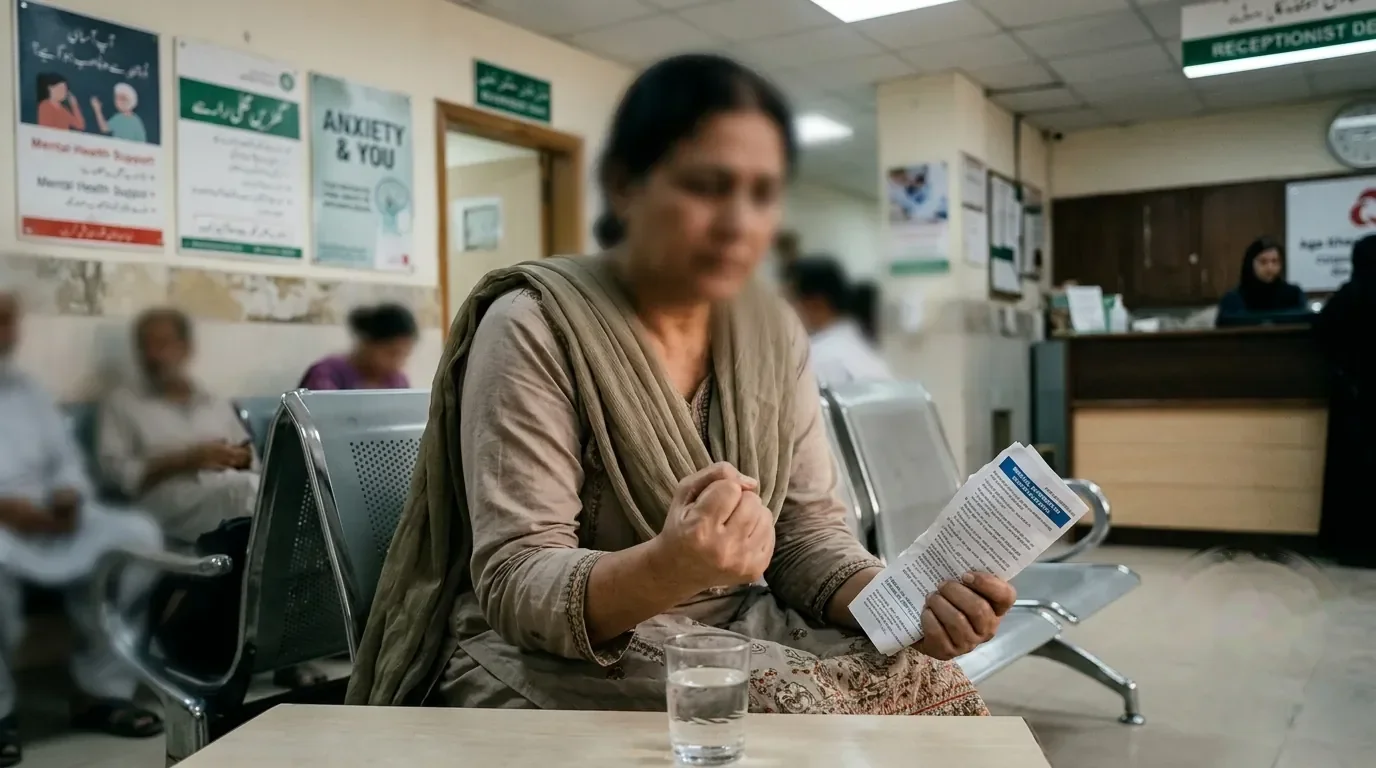
ڈیپریشن اور وہم (Anxiety) کے مارے ہوئے مریض کا دماغ طعنوں، ناکامی کے احساس اور احساسِ جرم کے معاملے میں بہت زیادہ حساس ہو چکا ہوتا ہے۔ جب بیماری کی وجہ سے دماغ کا سوچنے سمجھنے والا حصہ (پری فرنٹل کارٹیکس) کمزور پڑ جاتا ہے، تو مریض اچھی باتوں اور تسلیوں کو بھی تنقید سمجھنے لگتا ہے۔ وہ عام سی باتیں جو ایک صحت مند انسان کو تسلی لگتی ہیں، وہ بیمار دماغ پر ایک خطرناک حملے اور بم کی طرح گرتی ہیں۔ اسے “زہریلی تسلیاں” (Toxic Positivity) کہا جاتا ہے، جو ان کی سچی اور جسمانی تکلیف کو جھٹلا دیتی ہیں اور ان کے اندر مایوسی اور اکیلے پن کے احساس کو کئی گنا بڑھا دیتی ہیں۔
- DO NOT SAY: “You have so much to be grateful for. Look at people who have it worse off than you.”
The Medical Reality: Clinical Depression is emphatically not a sign of ungratefulness or poor character; it is a profound deficiency in neurotransmitters such as dopamine, which governs the brain’s motivation and reward pathways, and serotonin, which stabilizes mood and emotional regulation. Telling a patient to “look at those who have it worse” instantly triggers massive “pathological guilt.” Their brain misinterprets this comparison, translating it as: “You are a terrible, selfish, and weak person for feeling sad when you have a good life.” This guilt is a classic cognitive distortion that can dangerously accelerate severe suicidal ideation. Instead of forcing an impossible sense of gratitude, recognize that their altered neurobiology temporarily prevents them from experiencing joy or appreciation, a symptom known as anhedonia.
یہ کبھی مت کہیں: “تمہارے پاس تو سب کچھ ہے۔ ناشکری مت کرو، ان لوگوں کو دیکھو جن کے پاس کھانے کو روٹی بھی نہیں”۔
طبی حقیقت: ڈیپریشن کا مطلب ناشکری یا کردار کی خرابی ہرگز نہیں ہے، بلکہ یہ دماغ میں خوشی اور سکون کے کیمیکلز (جیسے ڈوپامین اور سیروٹونن) کا ختم ہو جانا ہے۔ جب آپ انہیں دوسروں سے موازنہ کر کے شکر کرنے کا کہتے ہیں، تو یہ بات سن کر مریض کے اندر خطرناک حد تک احساسِ جرم پیدا ہوتا ہے۔ ان کا بیمار دماغ انہیں کہتا ہے کہ “تم واقعی ایک بہت برے، کمزور اور خودغرض انسان ہو کہ سب کچھ ہونے کے باوجود تم اداس ہو”۔ یہ احساسِ جرم ان میں خودکشی اور موت کے خیالات کو خطرناک حد تک بڑھا سکتا ہے۔ انہیں زبردستی شکر گزار بننے کا کہنے کے بجائے، یہ سمجھیں کہ ان کی دماغی حالت انہیں خوشی محسوس کرنے کی اجازت نہیں دے رہی، جسے میڈیکل کی زبان میں اینہیڈونیا (Anhedonia) کہتے ہیں۔
- DO NOT SAY: “You have so much to be grateful for. Look at people who have it worse off than you.”
- DO NOT SAY: “It’s all in your head. Just don’t think about it and try to stay busy.”
The Medical Reality: Yes, it is literally in their head—specifically, it is a structural and neurochemical injury in their central nervous system and neuro-circuitry. You wouldn’t tell a diabetic to “just not think about” their low insulin levels, nor would you tell a heart patient to ignore their escalating blood pressure. This dismisses their agonizing psychological pain as a fake or voluntary choice. In conditions like Severe Anxiety, Panic Disorder, or OCD, the brain’s danger-detection system is severely malfunctioning, constantly misfiring adrenaline and cortisol to create false panic signals. Distraction does not cure a deep chemical imbalance. Professional interventions, such as Exposure and Response Prevention (ERP) therapy, trauma-focused cognitive therapy, or anti-anxiety pharmacological treatments, are medically required to retrain and soothe these overactive neural pathways.
یہ کبھی مت کہیں: “یہ سب تمہارا وہم ہے۔ زیادہ سوچا مت کرو، خود کو کام میں مصروف رکھو”۔
طبی حقیقت: جی ہاں، یہ ان کے دماغ ہی کا مسئلہ ہے، لیکن یہ ایک حقیقی سائنسی خرابی ہے، بالکل اسی طرح جیسے شوگر لبلبے کا مسئلہ ہے۔ جس طرح آپ کسی شوگر کے مریض کو یہ نہیں کہہ سکتے کہ “تم اپنے خون میں شوگر کم ہونے کے بارے میں نہ سوچا کرو”، اسی طرح ذہنی مریض کا اپنی سوچ پر کوئی اختیار نہیں ہوتا۔ وہم، شدید گھبراہٹ (Anxiety) اور OCD کی صورت میں دماغ کا خطرے کا الارم سسٹم خراب ہو چکا ہوتا ہے اور وہ بلاوجہ جسم میں ایڈرینالین (Adrenaline) کیمیکل چھوڑ کر گھبراہٹ پیدا کر رہا ہوتا ہے۔ صرف دھیان بٹانے سے دماغی کیمیکلز کا توازن ٹھیک نہیں ہوتا۔ اس کے لیے باقاعدہ دوائیوں اور تھراپی (جیسے ERP تھراپی) کی ضرورت ہوتی ہے تاکہ دماغ کے ان سرکٹس کو دوبارہ ٹھیک کیا جا سکے۔
- DO NOT SAY: “It’s all in your head. Just don’t think about it and try to stay busy.”
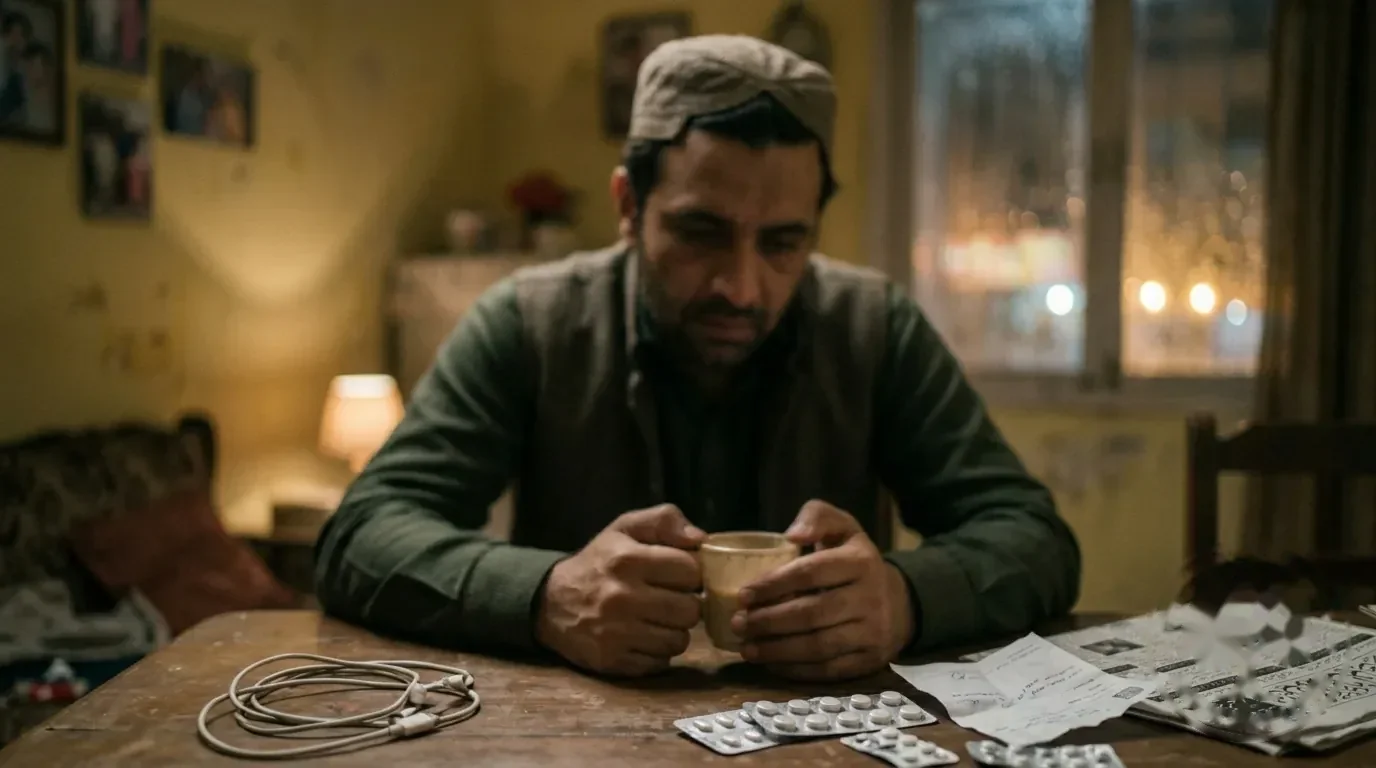
- DO NOT SAY: “You are just weak and need to pray more. Your faith is lacking.”
The Medical Reality: Equating a highly complex psychiatric illness with spiritual weakness is profoundly damaging and scientifically inaccurate. Just as pneumonia requires antibiotics to clear a bacterial infection, clinical depression requires targeted medical treatment to repair neural pathways. While faith, prayer, and spirituality are undeniably vital support systems and coping mechanisms in our culture, they are not a substitute for addressing severe neurochemical deficits. Suggesting that their illness is a divine punishment or a direct sign of weak faith only drives the patient further into debilitating despair and effectively prevents them from seeking the life-saving medical help they desperately need.
یہ کبھی مت کہیں: “تم کمزور ہو گئے ہو، نماز پڑھا کرو اور اللہ کو یاد کرو۔ تمہارا ایمان کمزور پڑ گیا ہے”۔
طبی حقیقت: کسی پیچیدہ نفسیاتی بیماری کو روحانی کمزوری سمجھنا ایک بہت بڑی اور خطرناک غلط فہمی ہے۔ جس طرح نمونیا کے لیے اینٹی بائیوٹکس کا استعمال ضروری ہے، اسی طرح ڈیپریشن کے لیے میڈیکل علاج ضروری ہے۔ اگرچہ ہماری ثقافت میں عبادات اور دعا انسان کو بہت سکون دیتی ہیں اور ایک بہترین سہارا ہیں، لیکن یہ دماغی کیمیکلز کی کمی کا مکمل میڈیکل متبادل نہیں ہیں۔ مریض کو یہ احساس دلانا کہ یہ بیماری ان کے گناہوں کی سزا ہے یا ان کے ایمان کی کمزوری کا نتیجہ ہے، انہیں مزید مایوسی اور اندھیرے میں دھکیل دیتا ہے اور وہ شرمندگی کے باعث علاج کروانے سے دور بھاگنے لگتے ہیں۔
Psychiatric First Aid: What to Actually Say and Do | سچی مدد: کیا کہیں اور کیا کریں؟
To genuinely help a loved one navigate the darkest phases of a mental health crisis, you must completely remove the immense pressure of expectation. You must firmly validate their invisible pain as a highly real, biological illness. Your approach should mimic what experts call “psychiatric first aid”: providing a stable, calm, and non-judgmental environment that physically lowers the cortisol (stress hormone) levels circulating in their brain. Empathy, active listening, and unconditional positive regard are your most effective therapeutic tools.
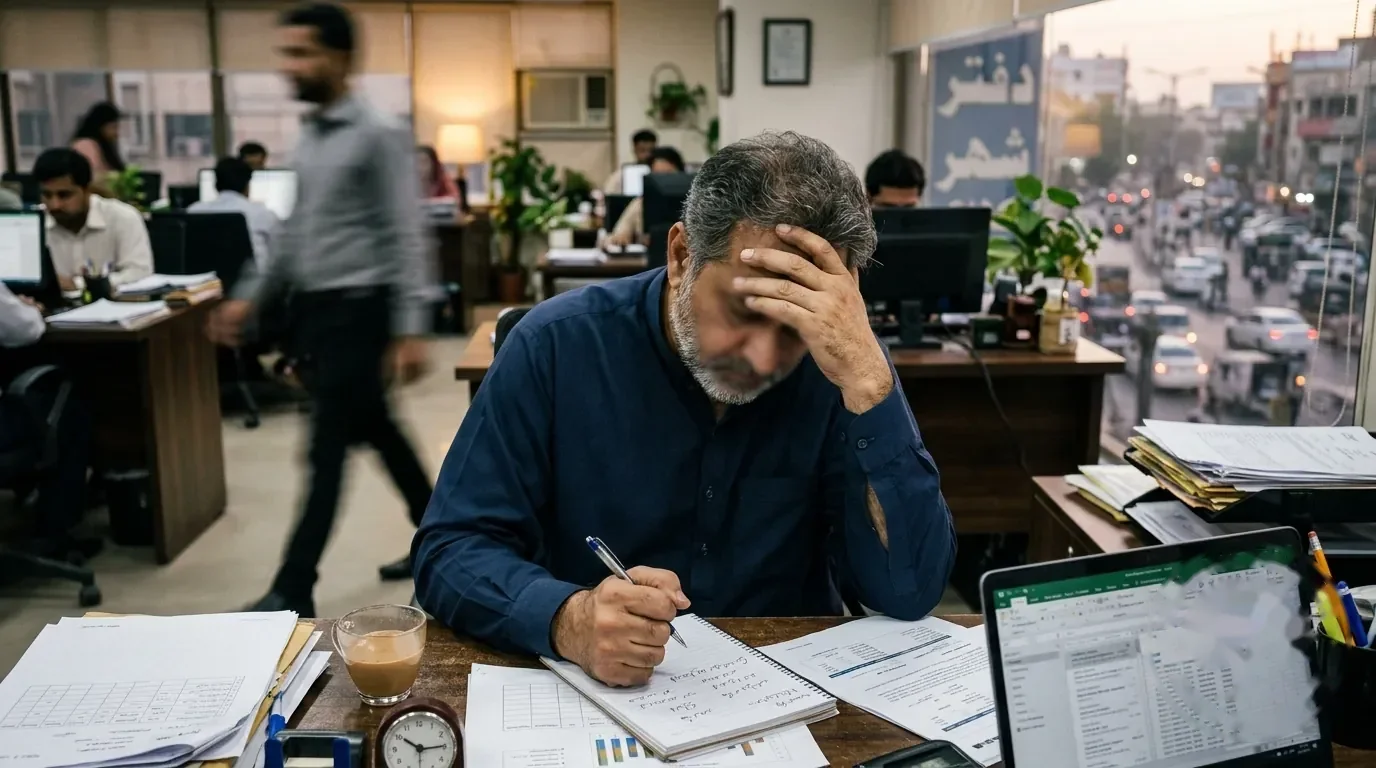
اپنے پیاروں کی سچی مدد کرنے اور انہیں اس ذہنی عذاب سے نکالنے کے لیے آپ کو ان پر سے ہر قسم کا دباؤ ہٹانا ہوگا۔ آپ کو انہیں یہ یقین دلانا ہوگا کہ ان کی نظر نہ آنے والی تکلیف ایک سچی اور قدرتی بیماری ہے، کوئی ڈرامہ نہیں۔ آپ کا رویہ ماہرین کے بتائے ہوئے “نفسیاتی فرسٹ ایڈ” (Psychiatric First Aid) کی طرح ہونا چاہیے، جس سے ان کے دماغ میں موجود تناؤ اور ڈر کے کیمیکلز (Cortisol) کی سطح فوراً کم ہو۔ ہمدردی، ان کی بات کو غور سے سننا اور بغیر کسی تنقید کے ان کا ساتھ دینا آپ کا سب سے بڑا ہتھیار ہے۔
- SAY: “I can see how much pain you are in. This is a real illness, and I am here for you. I am not leaving you.”
This simple statement immediately dismantles the severe isolation of the illness. It reassures their paranoid and exhausted brain that they are not a burden on the family and that you will not abandon them. Validating their struggle helps decrease the overactivity in the amygdala, offering a brief but critical respite from their constant internal fight-or-flight response.
انہیں یہ کہیں: “مجھے پتا ہے کہ آپ بہت شدید تکلیف میں ہیں، یہ ایک سچی بیماری ہے اور میں ہر حال میں آپ کے ساتھ کھڑا ہوں۔ میں آپ کو کبھی تنہا نہیں چھوڑوں گا”۔
یہ الفاظ فوراً ان کی تنہائی کا خوف توڑ دیتے ہیں۔ اس سے ان کے ڈرے ہوئے اور تھکے ہوئے دماغ کو یہ تسلی ملتی ہے کہ وہ اپنے خاندان پر بوجھ نہیں ہیں اور آپ انہیں کبھی چھوڑ کر نہیں جائیں گے۔ ان کی تکلیف کو تسلیم کرنے سے ان کے دماغ کا الارم سسٹم اور خوف کچھ دیر کے لیے پرسکون ہو جاتا ہے۔
- SAY: “I can see how much pain you are in. This is a real illness, and I am here for you. I am not leaving you.”
- TAKE ACTION: Remove the Logistics of Getting Help.
Severe depression causes a symptom known as extreme psychomotor retardation; the patient physically and mentally cannot muster the energy or cognitive focus required to research doctors, make phone calls, or plan a clinic visit. Do not passively say, “Tell me if you want to see a doctor.” Instead, take the lead and provide robust executive function support. Say, “I have booked an appointment with a highly respected specialist for Tuesday. I will drive you there, I will handle the reception paperwork, and I will sit with you in the doctor’s room if you want.” This concrete action is a lifeline for a patient whose own executive functioning is currently paralyzed by illness.
عملی قدم اٹھائیں: ڈاکٹر تک جانے کا سارا بوجھ خود اٹھائیں۔
شدید ڈیپریشن کی وجہ سے مریض کا جسم اور دماغ اتنے تھک چکے ہوتے ہیں کہ وہ خود ڈاکٹر کو ڈھونڈنے یا اپوائنٹمنٹ لینے کے قابل نہیں رہتے۔ ان پر یہ بوجھ ہرگز نہ ڈالیں کہ “جب دل کرے بتا دینا، ڈاکٹر کو دکھا لیں گے”۔ بلکہ تمام ذمہ داری خود لیں۔ انہیں کہیں، “میں نے منگل کے دن شہر کے سب سے بڑے دماغی ڈاکٹر کا ٹائم لے لیا ہے۔ میں آپ کو خود گاڑی میں لے کر جاؤں گا، ہسپتال کے سارے کام خود کروں گا اور اگر آپ چاہیں تو آپ کے ساتھ کمرے میں موجود رہوں گا”۔ یہ عملی مدد اس مریض کے لیے زندگی بچانے والی ثابت ہوتی ہے جس کا دماغ فیصلہ کرنے کی صلاحیت پوری طرح کھو چکا ہو۔
- TAKE ACTION: Remove the Logistics of Getting Help.
- PRACTICE PATIENCE: Understand the Biological Timeline of Recovery.
Psychiatric healing is never an overnight process. When a patient begins taking psychotropic medications like antidepressants, mood stabilizers, or anxiolytics, it often takes 3 to 6 weeks for the neuroreceptors in the brain to up-regulate and adapt to the new chemical environment. Do not ask them every single day, “Are you feeling better yet?” This creates immense performance anxiety and makes them feel like they are failing at recovery. Instead, quietly support their daily functioning, ensure they take their prescribed medication consistently, and celebrate micro-victories like getting out of bed, taking a shower, or eating a full meal.
صبر سے کام لیں: صحت یابی کے قدرتی وقت کو سمجھیں۔
نفسیاتی علاج راتوں رات اثر نہیں کرتا۔ جب مریض ڈیپریشن یا گھبراہٹ کی دوائیاں شروع کرتا ہے، تو دماغ کے کیمیکلز کو اپنا توازن بحال کرنے اور دوائی کے اثرات کو قبول کرنے میں 3 سے 6 ہفتے لگ سکتے ہیں۔ ان سے روزانہ بار بار یہ نہ پوچھیں، “کیا اب تم ٹھیک محسوس کر رہے ہو؟” اس سے ان پر جلدی ٹھیک ہونے کا شدید دباؤ پڑتا ہے اور وہ مزید پریشان ہو جاتے ہیں۔ اس کے بجائے، خاموشی سے ان کی مدد کریں، اس بات کو یقینی بنائیں کہ وہ وقت پر پابندی سے دوائی کھائیں، اور ان کی چھوٹی چھوٹی کامیابیوں مثلاً بستر سے اٹھنے، نہانے یا ٹھیک سے کھانا کھانے پر خوشی اور اطمینان کا اظہار کریں۔
The Ultimate Support: Professional Psychiatric Intervention | سب سے بڑی مدد: ماہر ڈاکٹر کا علاج
Love, patience, and family support are absolutely vital, but they cannot biologically synthesize missing neurotransmitters in a diseased brain. Your absolute priority as a caregiver is to get them to an elite psychiatric specialist like Dr. Ahsan Tariq Dogar. A qualified psychiatrist provides the critical pharmacological tools and neuro-medications needed to physically repair the brain’s broken chemistry. Evidence-based treatments, whether they involve carefully managed medication protocols to boost serotonin and dopamine or advanced psychotherapeutic techniques like Cognitive Behavioral Therapy (CBT), are the only proven ways to arrest the progression of the disease and prevent devastating outcomes.
Once the psychiatric medication stabilizes the most severe and life-threatening symptoms, restoring a baseline level of neurochemical balance, the doctor will guide the entire family through targeted psychoeducation. This equips you with the exact communication strategies, environmental adjustments, and relapse-prevention techniques needed to support your loved one’s full return to a healthy, vibrant life. Do not wait for a full-blown crisis or a suicide attempt to seek professional help; early psychiatric intervention dramatically improves the long-term prognosis and saves lives.

Frequently Asked Questions
My husband gets furious and defensive when I mention seeing a psychiatrist. How do I convince him? | جب میں اپنے شوہر کو ماہر نفسیات (Psychiatrist) کے پاس جانے کا کہتی ہوں تو وہ شدید غصہ کرنے لگتے ہیں۔ میں انہیں کیسے راضی کروں؟
Do not attack his “mental health,” as that triggers male defensiveness and cultural stigma. Frame it as a physical optimization issue. Say, “You have been working so hard and I can see your sleep is ruined and you are physically exhausted. Let’s see a doctor to get some medicine for your sleep and energy so you can feel strong again.” This bypasses his pride and focuses on a highly acceptable physical symptom. | ان کی “دماغی خرابی” پر ہرگز حملہ نہ کریں، کیونکہ اس سے مرد کی انا اور غصہ جاگتا ہے۔ اس بات کو جسمانی کمزوری کا نام دیں۔ انہیں کہیں، “آپ اتنی محنت کرتے ہیں، مجھے نظر آ رہا ہے کہ آپ کی نیند بالکل خراب ہو گئی ہے اور جسم تھک گیا ہے۔ چلیں ڈاکٹر سے نیند اور طاقت کی کوئی دوائی لے لیتے ہیں تاکہ آپ دوبارہ فریش ہو سکیں”۔ یہ طریقہ ان کی انا کو مجروح کیے بغیر انہیں علاج کے لیے راضی کر لیتا ہے۔
ذہنی اور نفسیاتی صحت کے مسائل کے حوالے سے بروقت طبی تشخیص اور مستند ڈاکٹر کی رہنمائی انتہائی ضروری ہے۔ اگر آپ یا آپ کا کوئی پیارا اس مسئلے کا سامنا کر رہا ہے تو مناسب علاج اور رہنمائی کے لیے مستند ماہر نفسیات سے فوری رجوع کریں۔
Is it helpful to forcefully drag a depressed teenager out of their dark room? | اگر میرا بچہ ڈیپریشن کی وجہ سے کمرے میں بند رہے، تو کیا اسے زبردستی کھینچ کر باہر لانا یا مارنا پیٹنا ٹھیک ہے؟
No, this is deeply traumatizing. Their room is their only perceived safe zone from an overwhelmingly painful world. Forcing them out triggers extreme panic and destroys their trust in you. Instead, go into their dark room. Sit on the floor quietly. Bring them food. Show them that you are willing to enter their darkness with them, rather than violently forcing them into your light. Then, get professional psychiatric help. | بالکل نہیں، یہ ایک انتہائی ظالمانہ حرکت ہے۔ اس وقت باہر کی دنیا ان کے لیے ایک عذاب ہے، اور ان کا کمرہ ان کے لیے واحد محفوظ جگہ ہے۔ انہیں زبردستی باہر کھینچنے سے ان کے دماغ کا خوف مزید بڑھ جائے گا اور وہ آپ سے نفرت کرنے لگیں گے۔ اس کی بجائے، آپ خود ان کے اندھیرے کمرے میں جائیں، ان کے پاس چپ چاپ بیٹھیں۔ انہیں کھانا لا کر دیں۔ انہیں بتائیں کہ آپ ان کے ساتھ ان کے اندھیرے میں بیٹھنے کو تیار ہیں۔ پھر پیار سے انہیں ڈاکٹر کے پاس لے جائیں۔
ذہنی اور نفسیاتی صحت کے مسائل کے حوالے سے بروقت طبی تشخیص اور مستند ڈاکٹر کی رہنمائی انتہائی ضروری ہے۔ اگر آپ یا آپ کا کوئی پیارا اس مسئلے کا سامنا کر رہا ہے تو مناسب علاج اور رہنمائی کے لیے مستند ماہر نفسیات سے فوری رجوع کریں۔
What should I do if my loved one says they want to die right now? | اگر میرا پیارا روتے ہوئے مجھے کہے کہ وہ ابھی مرنا چاہتا ہے، تو مجھے فوراً کیا کرنا چاہیے؟
This is a Code Red Psychiatric Emergency. Do not debate with them. Do not tell them they are being selfish. Stay with them physically. Say, “I hear you, and I know the pain is unbearable, but I am not going to let you die. We are getting medical help right this second.” Immediately take them to a psychiatric clinic or contact a crisis doctor. Treat it with the exact same urgency as a massive heart attack. | یہ ایک انتہائی خطرناک میڈیکل ایمرجنسی ہے۔ اس وقت ان سے بحث نہ کریں کہ مرنا گناہ ہے، اور نہ انہیں خودغرض کہیں۔ ان کا ہاتھ پکڑ کر ان کے پاس بیٹھیں۔ انہیں کہیں، “مجھے پتا ہے تمہارا درد برداشت سے باہر ہے، لیکن میں تمہیں مرنے نہیں دوں گا۔ ہم اسی وقت علاج کے لیے جا رہے ہیں”۔ جس طرح آپ ہارٹ اٹیک کے مریض کو فوراً ہسپتال لے کر بھاگتے ہیں، بالکل اسی طرح انہیں فوراً ایک ماہر امراضِ نفسیات کے کلینک لے کر پہنچیں۔
ذہنی اور نفسیاتی صحت کے مسائل کے حوالے سے بروقت طبی تشخیص اور مستند ڈاکٹر کی رہنمائی انتہائی ضروری ہے۔ اگر آپ یا آپ کا کوئی پیارا اس مسئلے کا سامنا کر رہا ہے تو مناسب علاج اور رہنمائی کے لیے مستند ماہر نفسیات سے فوری رجوع کریں۔
Can I give my depressed wife my own sleeping pills just to help her rest? | کیا میں اپنی ڈیپریشن کی شکار بیوی کو اپنی نیند کی گولیاں کھلا سکتا ہوں تاکہ اسے تھوڑا آرام مل سکے؟
Never. This is highly dangerous. Psychiatric medications interact heavily with individual neurochemistry. Giving an unprescribed sedative to a severely depressed patient can dangerously slow their breathing or interact fatally with the underlying chemical imbalance, potentially inducing a coma or escalating suicidal impulsivity. Only an elite psychiatrist can safely prescribe neuro-medication. | ہرگز نہیں۔ یہ ایک انتہائی سنگین اور جان لیوا غلطی ہے۔ دماغی دوائیاں ہر انسان کے دماغ کے مطابق مختلف کام کرتی ہیں۔ کسی شدید ڈیپریشن کے مریض کو اپنی مرضی سے نیند کی گولی دینے سے ان کا سانس رک سکتا ہے، یا ان کے دماغ کا کیمیکل اتنا خطرناک حد تک گر سکتا ہے کہ وہ کوما میں جا سکتے ہیں یا فوری خودکشی کر سکتے ہیں۔ صرف اور صرف ایک مستند ماہر نفسیات ہی یہ فیصلہ کر سکتا ہے کہ کس مریض کو کون سی دوائی دینی ہے۔
ذہنی اور نفسیاتی صحت کے مسائل کے حوالے سے بروقت طبی تشخیص اور مستند ڈاکٹر کی رہنمائی انتہائی ضروری ہے۔ اگر آپ یا آپ کا کوئی پیارا اس مسئلے کا سامنا کر رہا ہے تو مناسب علاج اور رہنمائی کے لیے مستند ماہر نفسیات سے فوری رجوع کریں۔
Where can families in Pakistan get professional training on how to handle a mentally ill relative? | پاکستان میں گھر والوں کو یہ سائنسی اور مستند تربیت کہاں سے مل سکتی ہے کہ وہ اپنے نفسیاتی مریض کو کیسے سنبھالیں؟
Amaim Brain Care, led by Dr. Ahsan Tariq Dogar, is highly specialized in Family Psychoeducation. We do not just dispense pills; we deeply educate the family. We teach you the exact, medically sound communication protocols to stabilize your loved one at home and ensure they comply with their life-saving treatment. Access this crucial family support at our Faisalabad clinic or privately via online telepsychiatry across Pakistan. | امیم برین کیئر فیصل آباد میں ڈاکٹر احسن طارق ڈوگر کی زیر نگرانی صرف مریض کا علاج نہیں کیا جاتا، بلکہ خاندان کی باقاعدہ تربیت کی جاتی ہے۔ ہم آپ کو بتاتے ہیں کہ مریض کو گھر پر کیسے سنبھالنا ہے، کن باتوں سے پرہیز کرنا ہے اور اسے دوائی پر کیسے راضی رکھنا ہے۔ گھر والوں کی یہ انتہائی ضروری کونسلنگ کلینک کے ساتھ ساتھ پورے پاکستان کے لیے آن لائن ویڈیو کے ذریعے بھی دستیاب ہے۔
ذہنی اور نفسیاتی صحت کے مسائل کے حوالے سے بروقت طبی تشخیص اور مستند ڈاکٹر کی رہنمائی انتہائی ضروری ہے۔ اگر آپ یا آپ کا کوئی پیارا اس مسئلے کا سامنا کر رہا ہے تو مناسب علاج اور رہنمائی کے لیے مستند ماہر نفسیات سے فوری رجوع کریں۔
How can I book an appointment with Dr. Ahsan Tariq Dogar?
You can book an in-person or online neuro-psychiatric consultation via reaching out via WhatsApp at 0333-6986464 for a confidential appointment.
فیصل آباد میں کلینک وزٹ یا آن لائن مشورے کے لیے آپ عمائم برین کیئر کے آفیشل واٹس ایپ لنک کے ذریعے رابطہ کر کے اپنی اپائنٹمنٹ باآسانی بک کروا سکتے ہیں، جہاں آپ کی معلومات کو مکمل صیغہ راز میں رکھا جاتا ہے۔
Sources & References
- American Psychiatric Association. Diagnostic and Statistical Manual of Mental Disorders (DSM-5-TR).
- World Health Organization (WHO). Mental Health Guidelines & Clinical Management Protocols.
- Pakistan Psychiatric Society (PPS). Clinical Practice Standards and Regional Mental Health Guidance.
Medical & Educational Disclaimer
The medical and psychiatric information provided on Amaim Brain Care is for educational purposes only. It is not intended to replace formal in-person psychiatric diagnosis, clinical assessment, or tailored prescription therapy. If you or a loved one are experiencing acute psychological distress or symptoms of a mental health condition, please seek professional evaluation from a certified psychiatrist.