In Pakistan’s high-pressure, constantly demanding society, exhaustion is often worn like a badge of honor, an expected and sometimes celebrated sacrifice for success or familial duty. Whether you are a medical or engineering student drowning in severe academic pressure and debilitating exam anxiety, a dedicated corporate employee contemplating quitting a high-stress, lucrative job due to toxic workplace dynamics, or a housewife feeling completely drained by relentless, invisible daily chores and the complex expectations of joint-family living, the complaint of being “burnt out” is incredibly common across all demographics in cities like Lahore, Karachi, and Faisalabad. However, our society frequently makes a catastrophic medical error by confusing severe, debilitating “Burnout” with Clinical Depression. This distinction is not merely semantic; it is the fundamental difference between a temporary lifestyle issue and a severe neurobiological crisis. While acute stress is the body’s natural, evolutionary response to excessive pressure—characterized by the immediate activation of the sympathetic nervous system and the fight-or-flight response—Burnout is the slow, agonizing collapse of the mind under that sustained, unrelenting pressure. If left entirely untreated and ignored, Burnout physically mutates the brain’s delicate neurochemistry. The chronic overproduction of stress hormones damages key cognitive structures like the prefrontal cortex, plunging the individual into Major Depressive Disorder (MDD)—a lethal, systemic psychiatric illness where simply taking a break, sleeping in, or going on vacation no longer fixes the underlying biological structural problem.
پاکستان کے موجودہ دباؤ والے، اور ہمیشہ کچھ نیا مانگنے والے معاشرے میں ہر وقت تھکا رہنا اور خود کو قربان کرنا اکثر ایک عام سی بات اور کامیابی یا خاندانی فرض کی علامت سمجھا جاتا ہے۔ چاہے کوئی میڈیکل یا انجینئرنگ کا طالب علم امتحانات کی شدید ٹینشن میں الجھا ہو، کوئی محنتی کارپوریٹ ملازم اپنی نوکری کے زہریلے ماحول سے تنگ آ کر لاکھوں کی نوکری سے استعفیٰ دینے کا سوچ رہا ہو، یا کوئی گھریلو عورت روزمرہ کے نہ ختم ہونے والے، نظر نہ آنے والے کاموں اور مشترکہ خاندانی نظام کی توقعات کی وجہ سے مکمل طور پر نڈھال ہو چکی ہو، “برن آؤٹ” (دماغی تھکاوٹ) کی شکایت لاہور، کراچی اور فیصل آباد جیسے شہروں میں ہر طبقے میں بہت عام ہے۔ لیکن ہمارا معاشرہ ایک بہت بڑی اور جان لیوا طبی غلطی کرتا ہے کہ وہ اس شدید دماغی تھکاوٹ اور اصلی خطرناک ڈیپریشن کو ایک ہی چیز سمجھ لیتا ہے۔ یہ محض الفاظ کا ہیر پھیر نہیں، بلکہ ایک وقتی طرز زندگی کے مسئلے اور ایک انتہائی خطرناک اعصابی بیماری کے درمیان بنیادی فرق ہے۔ ٹینشن محض کام کی زیادتی کے خلاف جسم کا قدرتی، ارتقائی ردعمل ہے، جبکہ برن آؤٹ اس مسلسل اور نہ ختم ہونے والے دباؤ کے نیچے دماغ کے مکمل طور پر ٹوٹ جانے کو کہتے ہیں۔ اگر اس کیفیت کا بروقت علاج نہ کیا جائے اور اسے نظر انداز کر دیا جائے، تو یہ مسلسل پریشانی دماغ کے نازک کیمیکلز کو جلا کر راکھ کر دیتی ہے۔ دباؤ والے ہارمونز (کورٹیسول) کی زیادتی دماغ کے اہم حصوں کو مستقل نقصان پہنچاتی ہے، اور انسان ایک ایسے لاعلاج ڈیپریشن (MDD) کا شکار ہو جاتا ہے جو صرف دو دن چھٹی کرنے، زیادہ سونے یا آرام کرنے سے ٹھیک نہیں ہوتا، کیونکہ اب یہ ایک اندرونی بائیولوجیکل خرابی بن چکا ہے۔
The Clinical Spectrum: Stress ➔ Burnout ➔ Depression | پریشانی سے ڈیپریشن تک کا خطرناک سفر
A specialized psychiatrist carefully analyzes the depth of your cognitive impairment, executive dysfunction (such as a severe lack of focus, poor decision-making, and memory lapses), and profound emotional numbness to pinpoint exactly where you are on this dangerous clinical spectrum. Understanding this neurobiological progression is absolutely crucial for deploying the correct medical interventions, whether that involves simple stress management techniques, lifestyle modifications, or advanced psychopharmacological treatments. If you suspect you or a loved one are rapidly progressing towards severe depression, exploring professional evaluation options like those found in our Clinical Depression clinic is an essential, life-saving step.
ایک ماہر نفسیات آپ کے دماغ کے کام کرنے کی صلاحیت، فیصلہ کرنے کی قوت میں کمی (جیسے توجہ کا مکمل ختم ہونا، غلط فیصلے کرنا اور یادداشت کا کمزور ہونا)، اور جذبات کے مکمل طور پر سن ہو جانے کا بغور جائزہ لیتا ہے تاکہ یہ پتا چل سکے کہ آپ اس وقت بیماری کی کس خطرناک سٹیج پر کھڑے ہیں۔ اس اعصابی سفر کو سمجھنا اس لیے انتہائی ضروری ہے تاکہ صحیح وقت پر صحیح طبی علاج شروع کیا جا سکے، چاہے وہ محض ٹینشن کو کنٹرول کرنے کے طریقے ہوں، طرز زندگی میں تبدیلی ہو یا پھر جدید نفسیاتی ادویات کا استعمال۔ اگر آپ کو لگتا ہے کہ آپ یا آپ کا کوئی پیارا تیزی سے شدید ڈیپریشن کی طرف جا رہا ہے، تو ہمارے Clinical Depression کلینک جیسی پیشہ ورانہ تشخیص کی سہولیات سے فائدہ اٹھانا ایک انتہائی ضروری اور جان بچانے والا قدم ہے۔
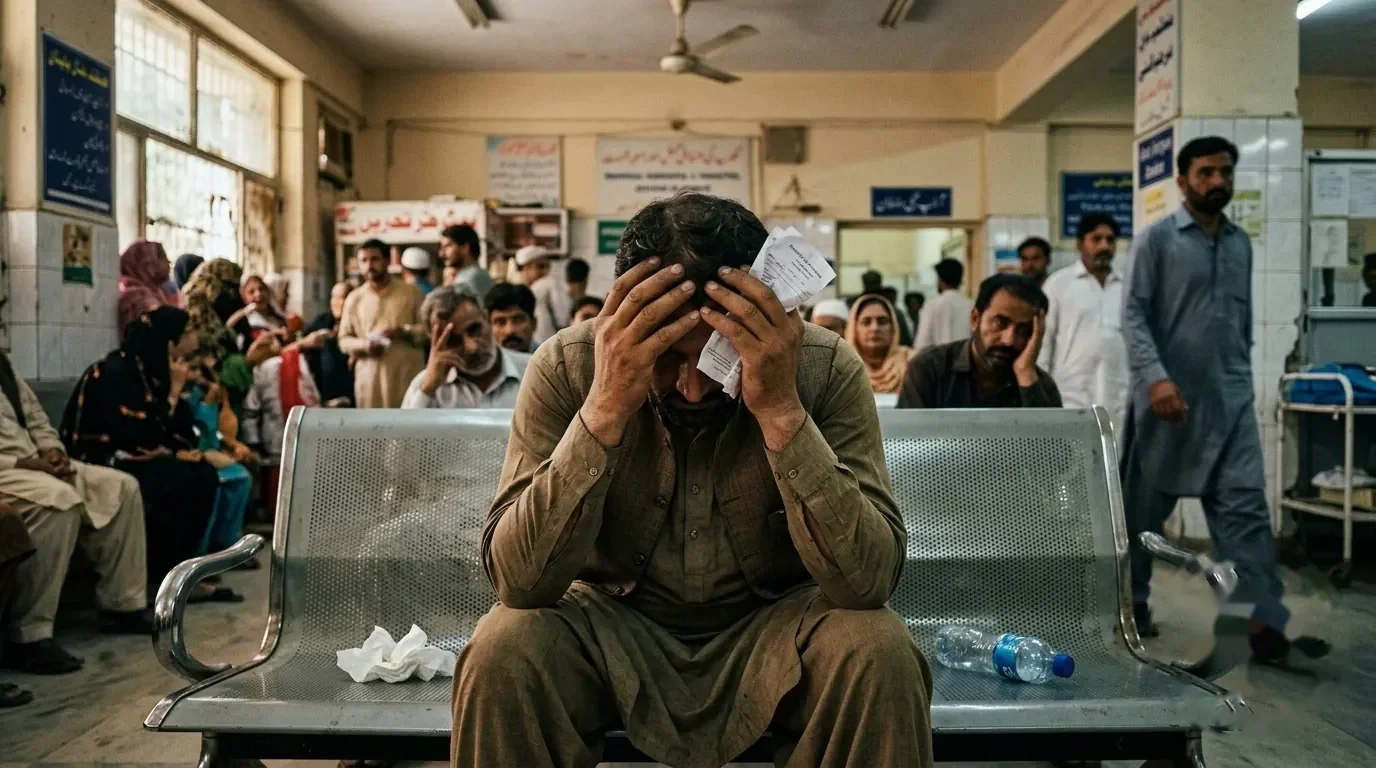
1. Acute Stress & Exam Anxiety | وقتی ٹینشن اور امتحانات کا شدید خوف
Stress is clinically characterized by the overwhelming feeling of “too much.” You feel you have too much to do, too much generalized anxiety, and an overactive adrenal gland continuously pumping out too much adrenaline and cortisol. For example, a student in Pakistan facing high-stakes board exams or university entrance tests may feel their heart pounding uncontrollably (a condition known as tachycardia), suffer from severe, treatment-resistant insomnia, and experience a hyper-focused, agitated state driven entirely by the intense fear of failure. Biologically, the amygdala (the brain’s primitive fear and threat-detection center) is highly active and dominating cognitive function. However, the defining clinical marker of acute stress is its temporary, situational nature: once the external stressor is removed (the exam period ends, or the difficult project deadline successfully passes), the anxiety vanishes almost immediately. The parasympathetic nervous system kicks in to regulate the body, resting heart rate normalizes, and your normal baseline of energy, motivation, and emotional stability naturally returns without medical intervention.
ٹینشن اور پریشانی میں انسان کو کلینیکل طور پر لگتا ہے کہ سب کچھ “بہت زیادہ” ہو رہا ہے۔ آپ کو لگتا ہے کہ بہت زیادہ کام ہے، بہت زیادہ ڈر ہے اور جسم میں دباؤ والے کیمیکلز (ایڈرینالین اور کورٹیسول) بڑی تیزی سے بن رہے ہیں۔ مثال کے طور پر، بورڈ کے امتحانات یا یونیورسٹی کے ٹیسٹ دینے والے ایک طالب علم کا دل بے قابو ہو کر زور زور سے دھڑک سکتا ہے، اس کی نیند اڑ جاتی ہے اور وہ فیل ہونے کے شدید ڈر کی وجہ سے ایک عجیب سی بے چینی کا شکار ہوتا ہے۔ اعصابی لحاظ سے دماغ کا ڈر پیدا کرنے والا حصہ (Amygdala) بہت متحرک ہوتا ہے اور سوچنے سمجھنے کی صلاحیت پر حاوی ہو جاتا ہے۔ لیکن وقتی ٹینشن کی سب سے بڑی پہچان یہ ہے کہ جیسے ہی وہ امتحان ختم ہوتا ہے یا مشکل کام پورا ہوتا ہے، انسان کی پریشانی فوراً غائب ہو جاتی ہے۔ جسم کا سکون دینے والا نظام حرکت میں آتا ہے، دل کی دھڑکن نارمل ہو جاتی ہے، اور انسان کا سکون اور پرانی توانائی قدرتی طور پر ادویات کے بغیر ہی واپس آ جاتی ہے۔
2. Burnout: The System Overload | برن آؤٹ: دماغ کے سرکٹ کا اڑ جانا
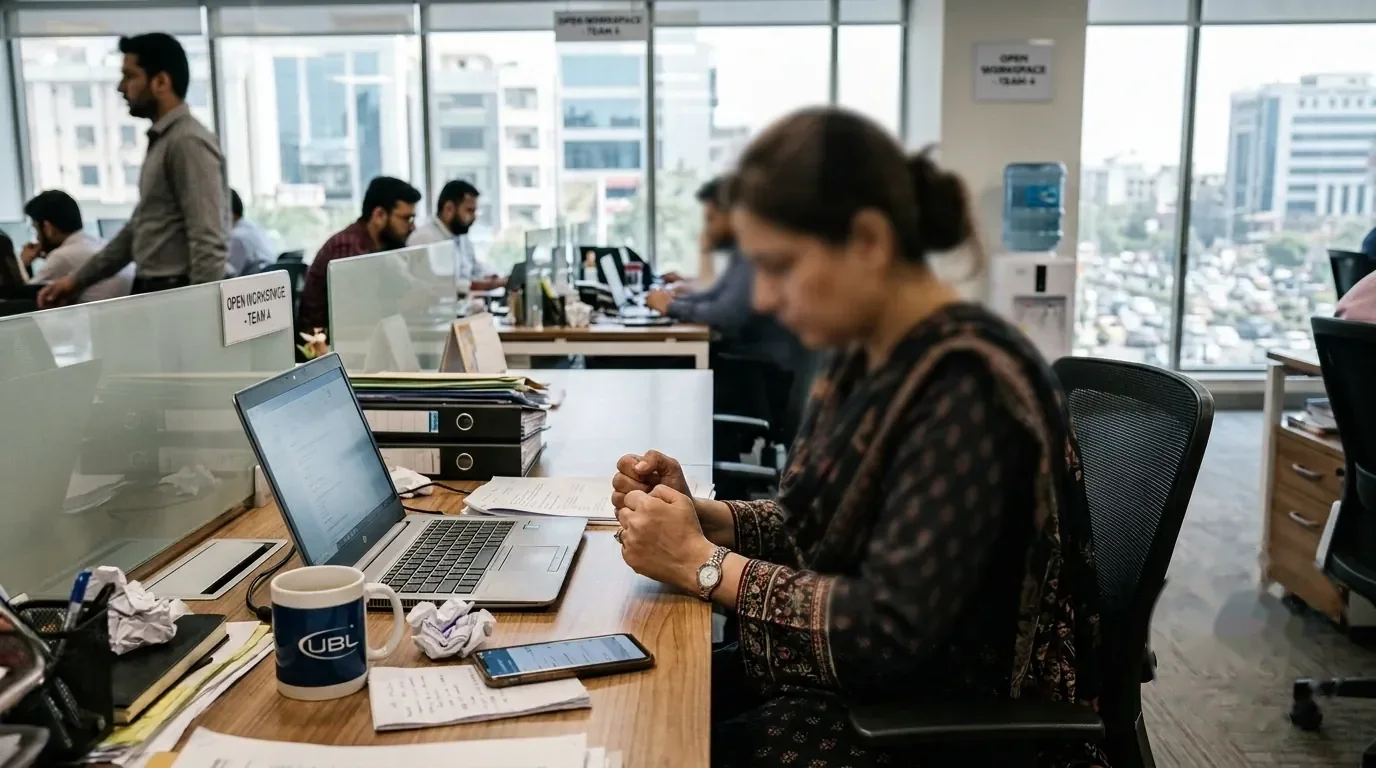
In stark, dangerous contrast to stress, burnout is characterized by the devastating, hollow feeling of “not enough.” It is the direct neurological consequence of prolonged, unmanaged, and relentless stress over months or years. The brain’s cognitive and emotional reserves are entirely depleted. You feel emotionally hollow, profoundly cynical, irritable, and completely lack the physical and mental energy to care about your professional responsibilities, your academic goals, or your daily household duties. In the cultural context of Pakistani society, a housewife experiencing severe burnout often feels a crushing, suffocating sense of under-appreciation and entrapment amidst endless hospitality demands and familial obligations. Similarly, a seasoned corporate professional might abruptly and irrationally quit a highly lucrative, stable job because their prefrontal cortex—the area of the brain responsible for logical planning and emotional regulation—simply refuses to process complex tasks or manage workplace stress anymore. This cognitive paralysis means your focus, working memory, and concentration are entirely shattered. If you are experiencing these alarming neurocognitive symptoms, an immediate, comprehensive evaluation by a qualified specialist in General Psychiatry is strongly recommended before you make any permanent, life-altering decisions based on a temporary chemical imbalance.

اس کے بالکل برعکس، برن آؤٹ کی حالت میں انسان کو اندر سے خالی پن اور “کچھ نہیں بچا” کا خوفناک احساس ہوتا ہے۔ یہ مہینوں یا سالوں تک مسلسل اور شدید پریشانی برداشت کرنے کا سیدھا اعصابی نتیجہ ہوتا ہے۔ اس میں آپ کا دماغ مکمل طور پر خالی اور سن ہو جاتا ہے۔ آپ چڑچڑے ہو جاتے ہیں اور آپ کو اپنی پیشہ ورانہ ذمہ داریوں، پڑھائی یا گھر کے روزمرہ کاموں سے کوئی ہمدردی یا دلچسپی نہیں رہتی۔ پاکستانی معاشرے کے تناظر میں، برن آؤٹ کی شکار ایک گھریلو عورت اکثر مہمان نوازی اور گھر والوں کی خدمت کے نہ ختم ہونے والے بوجھ تلے گھٹن کا شکار ہوتی ہے اور اسے لگتا ہے کہ اس کی کوئی قدر نہیں۔ اسی طرح، دفتر میں کام کرنے والا ایک تجربہ کار انسان اچانک اپنی لاکھوں کی نوکری چھوڑ دیتا ہے کیونکہ اس کے دماغ کا وہ حصہ جو فیصلے کرنے اور جذبات کو کنٹرول کرنے کا ذمہ دار ہے (Prefrontal Cortex)، مزید کوئی پیچیدہ بات سوچنے، سمجھنے یا دباؤ برداشت کرنے سے مکمل انکار کر دیتا ہے۔ اس حالت میں آپ کی یادداشت اور کسی بھی کام پر توجہ دینے کی صلاحیت مکمل طور پر تباہ ہو چکی ہوتی ہے۔ اگر آپ ان خطرناک علامات کا شکار ہیں، تو اس سے پہلے کہ آپ کوئی ایسا بڑا فیصلہ کریں جو آپ کی زندگی بدل دے، General Psychiatry کے کسی ماہر ڈاکٹر سے مکمل معائنہ کروانا بے حد ضروری ہے۔
3. Clinical Depression: The Biological Collapse | خطرناک ڈیپریشن: جب چھٹیوں سے بھی فرق نہ پڑے
If the glaring warning signs of burnout are consistently ignored and pushed through with sheer willpower, the constant, toxic flood of neurotoxic cortisol permanently damages the brain’s critical neurotransmitter pathways. Specifically, it severely depletes serotonin (the neurochemical heavily responsible for mood stabilization, sleep, and appetite) and dopamine (the vital neurochemical responsible for motivation, pleasure, and reward anticipation). This biological collapse triggers Major Clinical Depression. At this dangerous stage, you are no longer just tired of your job or your studies; you are fundamentally tired of life itself. Patients experience deep, pervasive, and unyielding hopelessness, an absolute biological inability to feel joy or pleasure (a severe clinical condition known as anhedonia), and intrusive, terrifying suicidal ideation. Brain imaging studies even show that the hippocampus, the region crucial for memory formation and learning, may physically shrink in volume due to cortisol toxicity. In this advanced pathological stage, well-meaning advice to simply quit your job, sleep more, or go on a relaxing vacation to northern areas provides absolutely zero therapeutic relief. The disease has progressed from a situational stressor into a structural neurochemical injury that strictly requires professional medical and psychiatric intervention to survive and recover.
اگر برن آؤٹ کی واضح علامات کو مسلسل نظر انداز کیا جائے اور زبردستی کام جاری رکھا جائے، تو دماغ میں جمع ہونے والا زہریلا کیمیکل (کورٹیسول) بالآخر دماغ کی اہم نالیوں کو ہمیشہ کے لیے تباہ کر دیتا ہے۔ خاص طور پر یہ موڈ، نیند اور بھوک کو کنٹرول کرنے والے کیمیکل (Serotonin) اور خوشی، لگن اور انعام کا احساس دلانے والے کیمیکل (Dopamine) کو مکمل طور پر ختم کر دیتا ہے۔ اس بائیولوجیکل تباہی کو شدید کلینیکل ڈیپریشن کہتے ہیں۔ اس خطرناک سٹیج پر آپ صرف کام یا پڑھائی سے نہیں، بلکہ زندگی سے ہی تھک جاتے ہیں۔ مریض کو شدید اور نہ ختم ہونے والی مایوسی، کسی بھی چیز میں خوشی یا مزہ محسوس نہ ہونے کی بیماری (Anhedonia)، اور موت کے خوفناک خیالات گھیر لیتے ہیں۔ دماغی سکینز سے یہ بھی ثابت ہوا ہے کہ اس زہریلے دباؤ کی وجہ سے دماغ کا وہ حصہ جو یادداشت بناتا ہے (Hippocampus)، سکڑنا شروع ہو جاتا ہے۔ اس خطرناک سٹیج پر نیک نیتی سے دیے گئے مشورے جیسے نوکری چھوڑ دینا، زیادہ سونا، یا شمالی علاقہ جات کی سیر پر جانے سے رتی بھر بھی سکون نہیں ملتا۔ کیونکہ اب بیماری حالات کی خرابی نہیں رہی، بلکہ آپ کے دماغ کے اندر کیمیکلز کی ایک خطرناک چوٹ بن چکی ہے جس کے علاج کے لیے ماہر نفسیات کی طبی مداخلت لازمی ہے۔
The Protocol for Neurological Recovery | دماغ کو دوبارہ زندہ کرنے کا سائنسی علاج
Telling a severely burnt-out university student facing massive academic pressure, or a clinically depressed corporate employee, to “just try harder,” “pray more,” “be positive,” or “be grateful for what you have” is medically dangerous, deeply invalidating, and fundamentally misunderstands the biological pathology of the disease. Their brain chemistry has essentially crashed, much like a diabetic’s pancreas failing to produce insulin. Rescuing a patient from the depths of severe burnout or clinical depression requires immediate, elite psychiatric intervention by a highly trained medical expert like Dr. Ahsan Tariq Dogar.
The standard clinical treatment protocol typically involves the careful application of specific, highly targeted, and entirely non-addictive psychopharmacology (such as Selective Serotonin Reuptake Inhibitors – SSRIs, or Serotonin-Norepinephrine Reuptake Inhibitors – SNRIs). These evidence-based medications work biologically to rapidly lower toxic cortisol levels, promote neurogenesis (the physical growth and repair of new brain cells in the hippocampus), and structurally rebuild the depleted dopamine and serotonin networks. This biological repair instantly begins to restore your cognitive concentration, executive focus, emotional regulation, and physical energy.
Furthermore, psychiatric medication is most effective when explicitly coupled with advanced, evidence-based psychotherapy techniques like Cognitive Behavioral Therapy (CBT). CBT is a structured psychological treatment that actively helps rewire maladaptive, catastrophic thought patterns, thereby reducing the chronic hyperactivity of the amygdala. For complex cases involving severe past trauma, PTSD, or paralyzing phobias, specialized clinical therapies like Exposure Therapy or EMDR may also be utilized to desensitize the brain to trauma triggers. This comprehensive, dual-pronged biopsychosocial approach physically and psychologically repairs your neurological resilience. It allows you to return to your demanding career, rigorous studies, or complex family life with total mastery, enduring emotional stability, and a profoundly renewed sense of hope. You do not have to suffer in silence; professional, evidence-based medical intervention genuinely works and can save your life.

Frequently Asked Questions
Why can’t I concentrate or remember simple things anymore? Is my brain damaged? | میں چھوٹی چھوٹی باتیں کیوں بھول جاتا ہوں اور کام پر بالکل توجہ نہیں دے پاتا، کیا میرا دماغ خراب ہو گیا ہے؟
This is a hallmark clinical symptom of severe Burnout and Depression, not permanent brain damage. Chronic stress floods the brain with cortisol, which temporarily paralyzes the hippocampus—the area responsible for memory and concentration. Your brain is not broken; it is simply locked in “survival mode.” Psychiatric medication rapidly reduces this toxic cortisol, fully restoring your sharp focus and memory. | یہ برن آؤٹ اور شدید ڈیپریشن کی سب سے پکی علامت ہے۔ مسلسل پریشانی دماغ میں ایک ایسا کیمیکل (کورٹیسول) بھر دیتی ہے جو یادداشت اور توجہ کے مرکز کو عارضی طور پر مفلوج کر دیتا ہے۔ آپ کا دماغ مستقل خراب نہیں ہوا، وہ صرف خطرے کی حالت میں الجھا ہوا ہے۔ ماہر نفسیات کی ادویات اس زہریلے کیمیکل کو ختم کرتی ہیں اور آپ کی یادداشت اور کام کرنے کی صلاحیت 100 فیصد دوبارہ واپس آ جاتی ہے۔
ذہنی اور نفسیاتی صحت کے مسائل کے حوالے سے بروقت طبی تشخیص اور مستند ڈاکٹر کی رہنمائی انتہائی ضروری ہے۔ اگر آپ یا آپ کا کوئی پیارا اس مسئلے کا سامنا کر رہا ہے تو مناسب علاج اور رہنمائی کے لیے مستند ماہر نفسیات سے فوری رجوع کریں۔
I want to quit my job immediately, but I know it will ruin me financially. What should I do? | میرا دل کرتا ہے کہ میں آج ہی استعفیٰ دے کر گھر بیٹھ جاؤں، حالانکہ مجھے پتا ہے کہ اس سے میرا گھر برباد ہو جائے گا۔ میں کیا کروں؟
Do not make major, life-altering decisions while your brain is experiencing a burnout crisis. Your prefrontal cortex (the logic center) is being overridden by the amygdala (the escape/fear center). You are seeking a desperate escape from neurological pain, not necessarily the job. See a psychiatrist immediately to stabilize your brain chemistry. Once your depression is treated, you will likely realize the job was manageable. | برن آؤٹ اور شدید ذہنی دباؤ کی حالت میں کبھی بھی نوکری چھوڑنے یا طلاق لینے جیسا بڑا فیصلہ مت کریں۔ اس وقت آپ کا دماغ سچ اور جھوٹ میں فرق کرنے کے قابل نہیں ہوتا، وہ صرف اندر کے عذاب سے بچنے کے لیے وہاں سے بھاگنے کا راستہ ڈھونڈ رہا ہے۔ آپ کو فوراً ماہر ڈاکٹر کی ضرورت ہے۔ جب دوائی سے آپ کے دماغ کا کیمیکل ٹھیک ہو گا، تو آپ خود حیران ہوں گے کہ جس نوکری کو آپ چھوڑنا چاہ رہے تھے، وہ اتنی بری نہیں تھی۔
ذہنی اور نفسیاتی صحت کے مسائل کے حوالے سے بروقت طبی تشخیص اور مستند ڈاکٹر کی رہنمائی انتہائی ضروری ہے۔ اگر آپ یا آپ کا کوئی پیارا اس مسئلے کا سامنا کر رہا ہے تو مناسب علاج اور رہنمائی کے لیے مستند ماہر نفسیات سے فوری رجوع کریں۔
Why do housewives get Burnout? They stay at home all day. | ایک گھریلو عورت کو برن آؤٹ اور ڈیپریشن کیوں ہوتا ہے جبکہ وہ تو سارا دن آرام سے گھر پر رہتی ہے؟
This is a highly toxic, entirely unscientific myth. A housewife’s labor is unrelenting, repetitive, and completely devoid of traditional reward mechanisms (like a paycheck, promotions, or days off). This massive lack of neurological reward—combined with intense isolation and serving multiple demanding family members—starves her brain of dopamine far faster than many corporate jobs, leading to devastating clinical depression. | یہ ایک انتہائی جاہلانہ اور زہریلی سوچ ہے۔ ایک گھریلو عورت کا کام کبھی ختم نہیں ہوتا۔ وہ ایک ہی کام روز کرتی ہے، جس پر نہ اسے کوئی تنخواہ ملتی ہے، نہ ترقی اور نہ کوئی چھٹی۔ دماغ کو زندہ رہنے کے لیے انعام اور خوشی (Dopamine) کی ضرورت ہوتی ہے۔ تنہائی اور ہر وقت دوسروں کی خدمت کرنے سے عورت کا دماغ کسی بھی بڑے افسر کی نوکری سے کہیں زیادہ تیزی سے تھک کر ٹوٹ جاتا ہے اور خطرناک ڈیپریشن میں بدل جاتا ہے۔
ذہنی اور نفسیاتی صحت کے مسائل کے حوالے سے بروقت طبی تشخیص اور مستند ڈاکٹر کی رہنمائی انتہائی ضروری ہے۔ اگر آپ یا آپ کا کوئی پیارا اس مسئلے کا سامنا کر رہا ہے تو مناسب علاج اور رہنمائی کے لیے مستند ماہر نفسیات سے فوری رجوع کریں۔
Will anti-depressants make me numb and affect my exam or work performance? | کیا دماغی سکون کی گولیاں کھانے سے میں سست ہو جاؤں گا اور میرے امتحانات یا نوکری پر برا اثر پڑے گا؟
This is a dangerous misconception. Untreated depression and severe anxiety are what paralyze your performance. Modern, precision psychiatric medications prescribed by an expert do not sedate you; they biologically repair the neural networks responsible for energy and cognition. Treatment actually significantly enhances your exam focus and work performance by clearing the neurological “brain fog.” | یہ ایک انتہائی خطرناک افواہ ہے۔ دراصل ڈیپریشن اور خوف کی بیماری ہے جو آپ کو سست اور ناکام کر رہی ہے۔ ماہر ڈاکٹر کی لکھی ہوئی جدید دوائیوں میں کوئی نشہ یا غنودگی نہیں ہوتی۔ وہ تو الٹا آپ کے دماغ کی بند نالیوں کو کھول کر آپ کی طاقت واپس لاتی ہیں۔ اس علاج کے بعد آپ کی یادداشت اور امتحانات میں پڑھنے کی رفتار پہلے سے کئی گنا تیز اور بہتر ہو جاتی ہے کیونکہ دماغ پر چھائی ہوئی دھند ختم ہو جاتی ہے۔
ذہنی اور نفسیاتی صحت کے مسائل کے حوالے سے بروقت طبی تشخیص اور مستند ڈاکٹر کی رہنمائی انتہائی ضروری ہے۔ اگر آپ یا آپ کا کوئی پیارا اس مسئلے کا سامنا کر رہا ہے تو مناسب علاج اور رہنمائی کے لیے مستند ماہر نفسیات سے فوری رجوع کریں۔
Where in Pakistan can I get an accurate diagnosis to see if I need to quit my job or if I just need treatment? | پاکستان میں اس بات کا درست فیصلہ اور علاج کہاں سے ملے گا کہ مجھے نوکری چھوڑنی چاہیے یا مجھے ڈیپریشن کا علاج کروانا چاہیے؟
Amaim Brain Care, led by Dr. Ahsan Tariq Dogar, specializes in elite diagnostic evaluation for high-functioning professionals, students, and overwhelmed mothers. We precisely determine the difference between occupational incompatibility and a treatable neurobiological illness like Burnout. We provide life-saving, highly confidential medical stabilization. Access our expert care at our Faisalabad clinic or securely through online telepsychiatry across Pakistan. | امیم برین کیئر فیصل آباد میں ڈاکٹر احسن طارق ڈوگر کی زیر نگرانی انتہائی باریک بینی سے اس بات کی سائنسی تشخیص کی جاتی ہے کہ کیا آپ کی نوکری واقعی بری ہے، یا آپ کا دماغ ڈیپریشن کی وجہ سے بیمار ہو چکا ہے۔ ہم بڑے افسران، طالبعلموں اور گھریلو عورتوں کا 100 فیصد رازدارانہ علاج کرتے ہیں تاکہ وہ اپنی زندگی کے اہم فیصلے برباد نہ کریں۔ یہ سہولت کلینک کے ساتھ ساتھ آن لائن ویڈیو کنسلٹیشن کے ذریعے پورے پاکستان میں دستیاب ہے۔
ذہنی اور نفسیاتی صحت کے مسائل کے حوالے سے بروقت طبی تشخیص اور مستند ڈاکٹر کی رہنمائی انتہائی ضروری ہے۔ اگر آپ یا آپ کا کوئی پیارا اس مسئلے کا سامنا کر رہا ہے تو مناسب علاج اور رہنمائی کے لیے مستند ماہر نفسیات سے فوری رجوع کریں۔
How can I book an appointment with Dr. Ahsan Tariq Dogar?
You can book an in-person or online neuro-psychiatric consultation via reaching out via WhatsApp at 0333-6986464 for a confidential appointment.
فیصل آباد میں کلینک وزٹ یا آن لائن مشورے کے لیے آپ عمائم برین کیئر کے آفیشل واٹس ایپ لنک کے ذریعے رابطہ کر کے اپنی اپائنٹمنٹ باآسانی بک کروا سکتے ہیں، جہاں آپ کی معلومات کو مکمل صیغہ راز میں رکھا جاتا ہے۔
Sources & References
- American Psychiatric Association. Diagnostic and Statistical Manual of Mental Disorders (DSM-5-TR).
- World Health Organization (WHO). Mental Health Guidelines & Clinical Management Protocols.
- Pakistan Psychiatric Society (PPS). Clinical Practice Standards and Regional Mental Health Guidance.
Medical & Educational Disclaimer
The medical and psychiatric information provided on Amaim Brain Care is for educational purposes only. It is not intended to replace formal in-person psychiatric diagnosis, clinical assessment, or tailored prescription therapy. If you or a loved one are experiencing acute psychological distress or symptoms of a mental health condition, please seek professional evaluation from a certified psychiatrist.