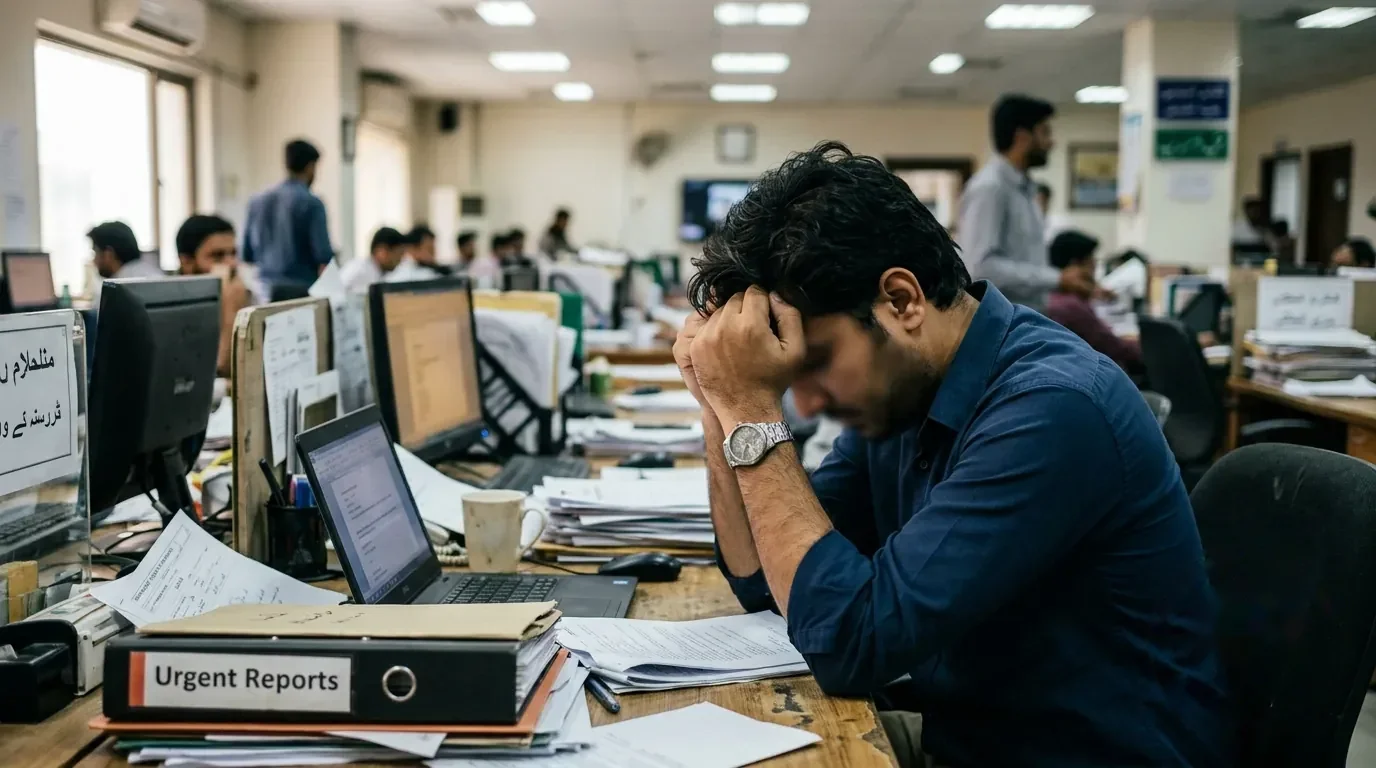
You dread the simple sound of your telephone ringing. You routinely cancel pre-arranged meetings with close friends or colleagues at the very last minute because the mere thought of socializing induces intense physical nausea and dizziness. You actively avoid attending family functions, retreat into the seclusion of your bedroom whenever guests arrive at your home, and experience profound, debilitating exhaustion after engaging in even a five-minute casual conversation. Within traditional Pakistani society and interconnected family structures, where frequent social gatherings, elaborate weddings, and joint-family interactions are treated as mandatory cultural obligations, this profound avoidance behavior is judged with severe moral condemnation. Relatives and acquaintances hastily label the suffering individual as “arrogant” (Mughroor), ill-mannered, disrespectful, or antisocial. Well-meaning family members frequently offer simplistic, unsolicited advice, instructing the individual to “just stop being shy, force yourself to go out, and mix with people.” However, what society and traditional culture fundamentally fail to comprehend is the vast, neurological distinction between being a natural introvert and suffering from an incapacitating psychiatric disorder. When the avoidance of human interaction is driven by overwhelming physical panic, gastrointestinal distress, rapid heartbeat, or profound emotional numbness, you are not displaying arrogance or bad manners. You are suffering from severe, clinically validated Social Anxiety Disorder (SAD) Treatment or Major Clinical Depression Treatment in Faisalabad. Your central nervous system is biologically incapable of processing social stimulation due to severe neurochemical dysregulation and hyper-reactive threat-detection circuitry.
جب آپ کے فون کی گھنٹی بجتی ہے تو آپ کے دل کی دھڑکن تیز ہو جاتی ہے اور آپ کو شدید گھبراہٹ ہونے لگتی ہے۔ آپ اکثر آخری وقت پر اپنے قریبی دوستوں یا ساتھیوں سے ملنے کے طے شدہ پروگرام کینسل کر دیتے ہیں کیونکہ محفل میں جانے یا لوگوں سے بات کرنے کے خیال سے ہی آپ کا جسم کانپنے لگتا ہے، سر چکراتا ہے اور الٹیاں آنے لگتی ہیں۔ آپ شادیوں اور خاندانی تقریبات سے بھاگتے ہیں، گھر میں مہمانوں کے آنے پر فوراً اپنے کمرے میں چھپ جاتے ہیں، اور اگر کسی سے پانچ منٹ کی عام سی گفتگو بھی کرنی پڑ جائے تو آپ اندر سے مکمل طور پر نڈھال اور تھک جاتے ہیں۔ ہمارے روایتی پاکستانی معاشرے اور مشترکہ خاندانی نظام میں، جہاں شادی بیاہ، دعوتیں اور محفلوں میں جانا ایک لازمی سماجی اور خاندانی فرض سمجھا جاتا ہے، وہاں انسان کے اس رویے پر انتہائی سخت اخلاقی تنقید کی جاتی ہے۔ رشتہ دار اور جاننے والے فوراً آپ پر “مغرور”، بدتمیز، مغرور یا کٹا ہوا انسان ہونے کا ٹھپہ لگا دیتے ہیں۔ گھر والے اکثر بغیر سوچے سمجھے یہ مفت مشورہ دینا شروع کر دیتے ہیں کہ “شرمانا چھوڑو، اپنے ڈر کا سامنا کرو، زبردستی باہر نکلو اور لوگوں میں بیٹھا کرو”۔ لیکن ہمارا روایتی معاشرہ یہ بنیادی حقیقت سمجھنے سے مکمل طور پر قاصر ہے کہ ایک عام شرمیلے انسان (Introvert) اور ایک سنگین دماغی بیماری میں مبتلا مریض کے درمیان زمین آسمان کا نیوروبائیولوجیکل (Neurobiological) فرق ہے۔ جب لوگوں سے ملنے کا یہ خوف آپ کو اندر سے مفلوج کر دے، معدے میں شدید درد اٹھنے لگے، دل باہر آنے کو کرے یا آپ جذبات سے بالکل خالی ہو جائیں، تو یہ مغرور ہونا یا بدتمیزی ہرگز نہیں ہے۔ حقیقت یہ ہے کہ آپ شدید اور مستند کلینیکل سوشل اینگزائٹی ڈس آرڈر (Social Anxiety Disorder) یا میجر کلینیکل ڈیپریشن (Major Clinical Depression) کا شکار ہیں۔ دماغی کیمیکلز کے شدید عدم توازن اور ڈر پیدا کرنے والے نظام کی خرابی کی وجہ سے آپ کا دماغ جسمانی طور پر لوگوں کا سامنا کرنے کی طاقت مکمل طور پر کھو چکا ہے۔
The Biology of Avoidance: The Amygdala’s False Alarms | لوگوں سے ملنا ایک عذاب کیوں لگتا ہے؟
To successfully overcome this crippling social paralysis and isolation, one must first examine the underlying clinical neurobiology. Your central nervous system is actively forcing you into social withdrawal as a desperate biological defense mechanism. In a neurologically healthy brain, the prefrontal cortex—the anatomical command center responsible for logical appraisal, executive decision-making, and emotional regulation—accurately evaluates ordinary social environments and confirms that they are safe and non-threatening. However, when an individual suffers from Social Anxiety Disorder, the brain’s primitive threat-detection command center, known as the amygdala, enters a state of chronic, hyper-reactive dysfunction. It erroneously categorizes benign social interactions—such as conversing with a superior, expressing an opinion in a meeting, or dining in a public restaurant—as imminent, life-threatening predatory attacks. The moment you even anticipate a social encounter, your hyperactive amygdala hijacks your autonomic nervous system. It triggers a massive sympathetic nerve discharge, flooding your bloodstream with high concentrations of Adrenaline (Epinephrine) and Cortisol. This sudden neuro-endocrine surge induces acute tachycardia (racing heartbeat), peripheral tremors, hyperventilation, and profuse sweating. Simultaneously, through the sensitive gut-brain axis, cortisol disrupts gastrointestinal motility, causing severe visceral nausea, abdominal cramping, and sudden bowel urgency. This intense physiological fight-or-flight cascade temporarily shuts down prefrontal cortex executive functioning, causing your mind to go completely “blank.” You actively avoid people because your amygdala is literally screaming through biochemical signals, “If you interact, you will be severely judged, publicly humiliated, and destroyed.” This avoidance is not a voluntary behavioral choice; it is your brain’s flawed evolutionary survival mechanism reacting to a perceived neurological threat.
اس مفلوج کر دینے والی تنہائی اور خوف سے نکلنے کے لیے ہمیں سب سے پہلے اس کے پیچھے چھپی سائنسی اور کلینیکل حقیقت (Neurobiology) کو سمجھنا ہوگا۔ درحقیقت، آپ کا اعصابی نظام خود کو ایک خیالی خطرے سے بچانے کے لیے آپ کو زبردستی لوگوں سے دور بھاگنے اور چھپنے پر مجبور کر رہا ہوتا ہے۔ ایک صحت مند دماغ میں پری فرنٹل کورٹیکس (Prefrontal Cortex)—جو کہ فیصلہ کرنے اور منطق کو سمجھنے والا حصہ ہے—لوگوں سے ملنے جلنے اور محفلوں کو ایک بالکل محفوظ اور عام عمل سمجھتا ہے۔ لیکن جب کوئی انسان سوشل اینگزائٹی (Social Anxiety Disorder) کا شکار ہوتا ہے، تو اس کے دماغ کا ڈر اور خطرہ محسوس کرنے والا قدرتی مرکز، جسے ‘امیگڈالا’ (Amygdala) کہتے ہیں، بہت زیادہ حساس اور ہائپر ایکٹو (Hyperactive) ہو جاتا ہے۔ وہ روزمرہ کی نارمل اور عام باتوں کو—جیسے دفتر میں کسی افسر سے بات کرنا، میٹنگ میں اپنی رائے دینا، یا لوگوں کے سامنے کھانا کھانا—ایک جان لیوا اور خوفناک حملہ سمجھ لیتا ہے۔ جیسے ہی آپ کو کسی محفل میں جانے کا خیال آتا ہے، یہ ہائپر ایکٹو امیگڈالا آپ کے پورے اعصابی نظام (Nervous System) کو ہائی جیک کر لیتا ہے۔ یہ جسم میں ایڈرینالین (Adrenaline) اور کارٹیسول (Cortisol) جیسے سٹریس ہارمونز کا ایک زبردست سیلاب چھوڑ دیتا ہے۔ اس کیمیائی طوفان کی وجہ سے دل کی دھڑکن انتہائی تیز (Tachycardia) ہو جاتی ہے، ہاتھ پاؤں کانپنے لگتے ہیں، سانس پھولنے لگتا ہے اور پسینے چھوٹ جاتے ہیں۔ اس کے ساتھ ساتھ، دماغ اور معدے کے حساس رابطے (Gut-Brain Axis) کی وجہ سے کارٹیسول ہاضمے کے نظام کو مفلوج کر دیتا ہے، جس سے پیٹ میں شدید مروڑ اٹھتے ہیں، الٹیاں آنے لگتی ہیں اور فوراً واش روم جانے کی ضرورت محسوس ہوتی ہے۔ بقا کی جنگ (Fight or Flight) کی اس شدید جسمانی کیفیت کی وجہ سے پری فرنٹل کورٹیکس کام کرنا بند کر دیتا ہے اور آپ کا دماغ بالکل بلینک (Blank) ہو جاتا ہے۔ آپ لوگوں سے اس لیے بھاگتے ہیں کیونکہ آپ کا دماغ کیمیائی سگنلز کے ذریعے چیخ رہا ہوتا ہے کہ “اگر تم لوگوں کے سامنے گئے تو تمہاری شدید بے عزتی ہوگی اور تم برباد ہو جاؤ گے”۔ یہ تنہائی آپ کی مرضی یا سستی نہیں ہے؛ یہ دماغ کا ایک خراب حفاظتی نظام ہے جو غلط فہمی میں آپ کو بچانے کی کوشش کر رہا ہے۔
The Emptiness of Depression and Neurochemical Exhaustion | ڈیپریشن کا کالا اندھیرا اور تھکاوٹ
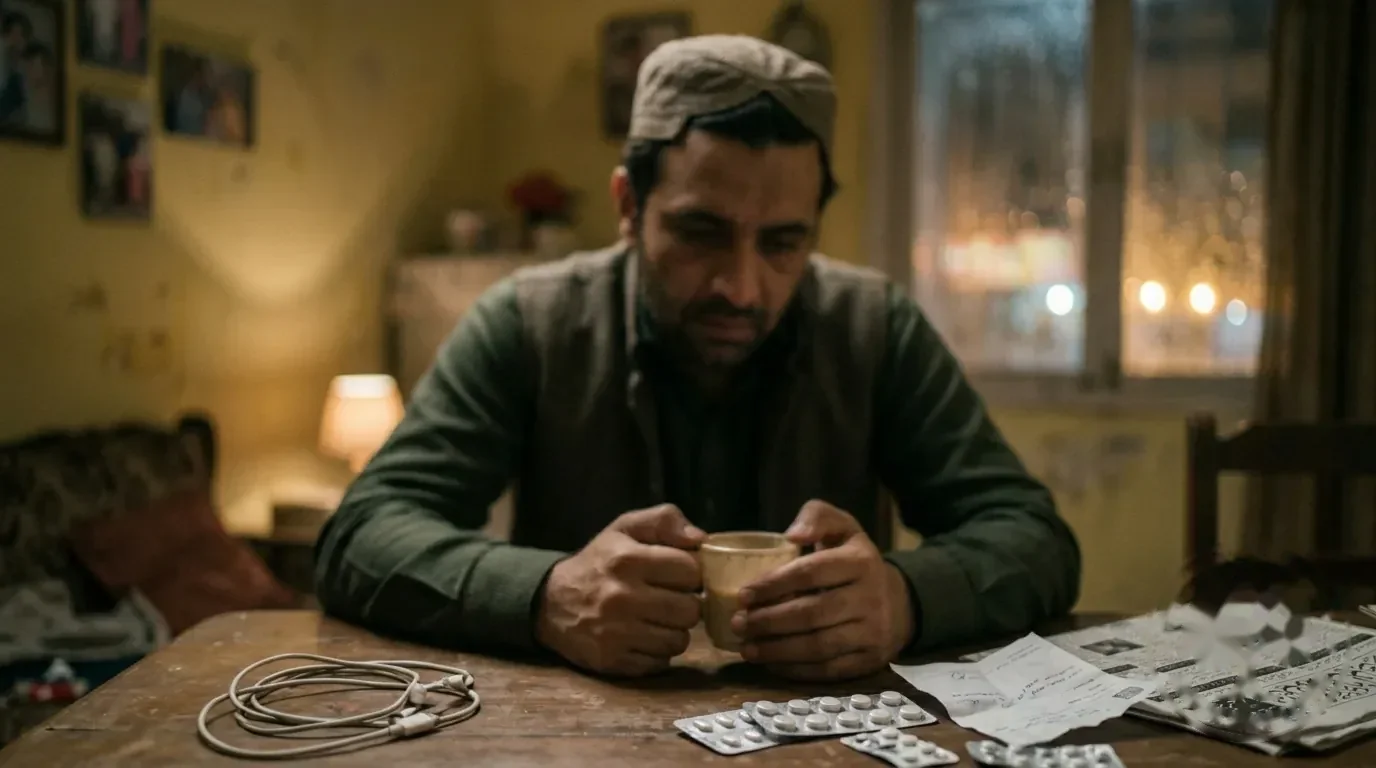
Alternatively, chronic social withdrawal and isolation may be fundamentally rooted in severe Clinical Depression and major mood dysregulation. While social anxiety avoidance is actively driven by terror and hyper-arousal, depressive isolation is driven by a profound, paralyzing deficit of neurochemical metabolic energy. Clinical depression physically depletes the central nervous system of indispensable neurotransmitters, most notably Dopamine, Serotonin, and Norepinephrine. Dopamine functions as the brain’s primary reward, motivation, and pleasure neurotransmitter within the mesolimbic pathway, while Serotonin regulates emotional equilibrium, social confidence, and sleep architecture. When these essential biochemicals experience a severe deficit across synaptic clefts, engaging in interpersonal communication becomes an agonizing, insurmountable burden. It requires a massive expenditure of cognitive bandwidth and executive energy to interpret facial expressions, formulate coherent verbal responses, and maintain socially expected eye contact. A depressed brain simply lacks the biological metabolic “fuel” required for this social performance, inducing a clinical state of Anhedonia—the complete biological inability to experience pleasure or social connection. You do not harbor a genuine hatred for humanity; rather, you find the act of forcing a smile and pretending to be functional excruciatingly exhausting. You isolate yourself because you literally lack the neurobiological reserves to sustain a conversation, retreating into solitude in a desperate attempt to conserve your remaining mental energy.
دوسری طرف، لوگوں سے مسلسل کٹے رہنا اور تنہائی کا شکار ہونا شدید کلینیکل ڈیپریشن اور موڈ کی خرابی کی وجہ سے بھی ہو سکتا ہے۔ جہاں سوشل اینگزائٹی میں انسان شدید خوف اور گھبراہٹ کی وجہ سے لوگوں سے بھاگتا ہے، وہیں ڈیپریشن میں انسان دماغی اور جسمانی توانائی ختم ہونے کی وجہ سے محفلوں سے کٹ جاتا ہے۔ کلینیکل ڈیپریشن آپ کے اعصابی نظام سے انتہائی اہم نیورو ٹرانسمیٹرز—خاص طور پر ڈوپامین (Dopamine)، سیروٹونن (Serotonin) اور نورایپینیفرین (Norepinephrine)—کو بالکل نچوڑ کر ختم کر دیتا ہے۔ ڈوپامین ہمارے دماغ کا وہ کیمیکل ہے جو ہمیں کام کرنے کا جوش، خوشی اور محفلوں میں بیٹھنے کا شوق دیتا ہے، جبکہ سیروٹونن ہمارے موڈ، خود اعتمادی اور ذہنی سکون کو برقرار رکھتا ہے۔ جب دماغ کی رگوں (Synapses) میں ان کیمیکلز کا شدید سوکھا پڑ جاتا ہے، تو کسی بھی انسان سے بات چیت کرنا ایک پہاڑ جیسا اور ناممکن کام بن جاتا ہے۔ لوگوں کے چہرے کے تاثرات سمجھنے، ان کی باتوں کا جواب سوچنے اور ان کی آنکھوں میں آنکھیں ڈال کر بات کرنے کے لیے بہت زیادہ دماغی طاقت اور انرجی چاہیے ہوتی ہے۔ ایک ڈیپریشن زدہ دماغ کے پاس اس محفل داری کے لیے حیاتیاتی پیٹرول اور ایندھن سرے سے موجود ہی نہیں ہوتا، جس کے نتیجے میں مریض ‘اینہیڈونیا’ (Anhedonia) کا شکار ہو جاتا ہے—یعنی خوشی، دلی محبت اور سکون محسوس کرنے کی صلاحیت کا مکمل خاتمہ۔ حقیقت یہ ہے کہ آپ کو انسانوں سے کوئی نفرت نہیں ہے؛ آپ صرف ان کے سامنے مسکرانے اور “سب ٹھیک ہے” کا ڈرامہ کرتے کرتے اندر سے ٹوٹ چکے ہیں۔ آپ اس لیے اکیلے رہتے ہیں کیونکہ آپ کے دماغ میں بات کرنے کی کیمیائی طاقت نہیں بچی، اور آپ اپنی بچی کھچی تھوڑی سی دماغی انرجی کو بچانے کے لیے تنہائی میں چھپ جاتے ہیں۔
The Danger of Unstructured Exposure in Pakistani Culture | پاکستانی معاشرے کی ایک عام اور خطرناک غلطی
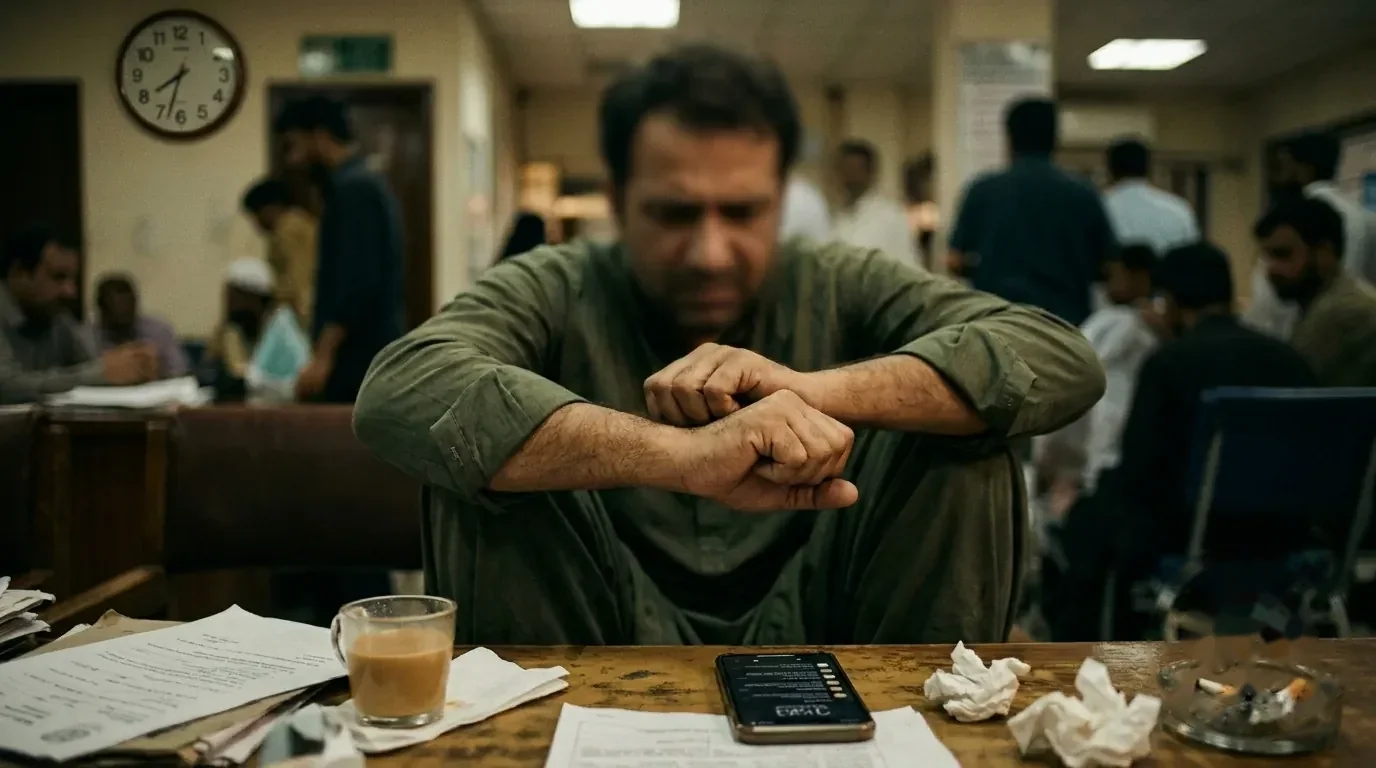
Within traditional Pakistani households, the most common, unsolicited advice proffered by well-meaning elders and relatives is to “just be brave, face your fears, and force yourself into crowded weddings and family gatherings.” However, forcibly pushing a terrified, neurochemically depleted, and cortisol-flooded brain into overwhelming social environments without prior medical stabilization is not simply ineffective—it is psychologically traumatizing and neurobiologically damaging. In clinical psychiatry, this crude tactic is known as “flooding.” When executed without the precise guidance of a trained specialist utilizing structured Cognitive Behavioral Therapy (CBT), uncontrolled flooding inevitably precipitates severe, acute panic attacks. This traumatic experience reinforces the amygdala’s erroneous belief that social environments are genuinely dangerous and predatory, causing the social anxiety disorder to become significantly more entrenched and treatment-resistant. Valid, scientific psychological recovery requires systematic desensitization and gradual, clinically supervised Exposure Therapy. In a controlled therapeutic setting, the patient learns to systematically re-wire maladaptive neural circuitry without triggering sympathetic nervous system collapse. You cannot cure an organic neurochemical deficit or an overactive amygdala by simply “trying harder” or enduring forced social torture. Attempting to sprint on a fractured femur will only shatter the bone into irreversible fragments.
ہمارے روایتی پاکستانی گھرانوں میں بزرگوں اور رشتہ داروں کی طرف سے سب سے زیادہ دیا جانے والا مفت مشورہ یہ ہوتا ہے کہ “بزدلی چھوڑو، بہادر بنو، اپنے ڈر کا سامنا کرو اور زبردستی شادیوں اور رش والی محفلوں میں جایا کرو”۔ لیکن ایک ڈرے ہوئے، کیمیکلز سے خالی اور کارٹیسول سے بھرے دماغ کو بغیر کسی طبی علاج اور ڈاکٹر کی نگرانی کے زبردستی لوگوں کے ہجوم میں دھکیلنا نہ صرف بے فائدہ ہے—بلکہ یہ انتہائی خطرناک اور دماغی طور پر صدمہ پہنچانے والا عمل ہے۔ کلینیکل نفسیات میں اس ظالمانہ طریقے کو “فلڈنگ” (Flooding) کہا جاتا ہے۔ جب یہ کام کسی ماہر ڈاکٹر اور مستند کاگنیٹو بیہیویورل تھراپی (CBT) کی رہنمائی کے بغیر کیا جائے، تو اس سے مریض کو گھبراہٹ اور خوف کے انتہائی شدید دورے (Panic Attacks) پڑتے ہیں۔ اس خطرناک صدمے سے دماغ کے امیگڈالا کو یہ پکا یقین ہو جاتا ہے کہ محفلیں واقعی جان لیوا اور خطرناک ہیں، جس سے سوشل اینگزائٹی پہلے سے ہزار گنا زیادہ بگڑ جاتی ہے اور علاج انتہائی مشکل ہو جاتا ہے۔ سائنسی اور مستند نفسیاتی علاج کے لیے باقاعدہ منصوبہ بندی اور ڈاکٹر کی نگرانی میں کی جانے والی ‘ایکسپوژر تھراپی’ (Exposure Therapy) کی ضرورت ہوتی ہے۔ اس محفوظ ماحول میں، ڈاکٹر مریض کو گھبراہٹ کا دورہ پڑے بغیر، آہستہ آہستہ اپنے دماغی سگنلز کو کنٹرول کرنا سکھاتا ہے۔ آپ محض “ہمت کر کے” یا زبردستی محفلوں کا عذاب سہہ کر دماغی کیمیکلز کی کمی یا ہائپر ایکٹو امیگڈالا کو ٹھیک نہیں کر سکتے۔ جس طرح ٹوٹی ہوئی ٹانگ کے ساتھ زبردستی دوڑنے سے ہڈی ہمیشہ کے لیے چور چور ہو جاتی ہے، اسی طرح زبردستی محفلوں میں جانے سے دماغ مزید ٹوٹ جاتا ہے۔
The Elite Medical Intervention: Reconnecting with the World | دوبارہ ایک نارمل اور پرسکون انسان بننے کا سائنسی علاج
Overcoming this debilitating social isolation and chronic avoidance requires a highly specialized, evidence-based neuro-psychiatry protocol. When social fear and exhaustion begin to destroy your professional aspirations, disrupt academic performance, or sever meaningful family relationships, it is imperative to seek elite medical intervention from an esteemed specialist such as Dr. Ahsan Tariq Dogar at Amaim Brain Care.
The international clinical standard for treating severe Social Anxiety Disorder and Clinical Depression involves precise, non-addictive psychopharmacology. Modern medications, specifically Selective Serotonin Reuptake Inhibitors (SSRIs) and Serotonin-Norepinephrine Reuptake Inhibitors (SNRIs), are meticulously prescribed to restore depleted neurotransmitter concentrations across synaptic clefts. These medications act as biological regulators; they systematically replenish frontal lobe Serotonin and Dopamine, which down-regulates amygdala hyper-reactivity and halts the chronic secretion of neurotoxic cortisol. Furthermore, for individuals suffering from acute performance anxiety or trembling during public interactions, specialized Beta-blockers (such as Propranolol) are strategically utilized. Beta-blockers temporarily block peripheral beta-adrenergic receptors, completely preventing the physical adrenaline response—stopping rapid heartbeat, trembling hands, and vocal tremors before a critical public event or social gathering without altering mental clarity.
As your internal neurochemistry is scientifically balanced and sympathetic hyper-arousal is clinically extinguished, the suffocating fear and bone-deep exhaustion evaporate naturally. You will stop hiding in seclusion. Synergistically combined with clinical psychotherapy protocols like CBT and gradual Exposure Therapy, you will fully regain the effortless cognitive ability to connect with loved ones, assertively pursue professional success, and experience genuine social joy, entirely liberated from the crushing weight of psychiatric distress.

Frequently Asked Questions
How do I know if I am just a natural introvert or if I have a psychiatric illness? | مجھے کیسے پتا چلے گا کہ میں صرف ایک شرمیلا (Introvert) انسان ہوں یا مجھے واقعی کوئی دماغی بیماری ہے؟
An introvert enjoys their alone time because it recharges their energy, and they can comfortably socialize when they choose to. However, if you are avoiding people because the thought of socializing causes you intense physical fear, heart palpitations, or profound exhaustion, that is not introversion. That is a clinical illness (Social Anxiety Disorder or Clinical Depression). If your isolation is ruining your career, your relationships, or causing you pain, you urgently need a psychiatric evaluation to assess your neurochemical state.
ایک عام شرمیلا (Introvert) انسان اکیلے رہنا پسند کرتا ہے کیونکہ اس سے اسے سکون ملتا ہے، اور جب وہ چاہے تو لوگوں سے نارمل طریقے سے مل بھی سکتا ہے۔ لیکن اگر آپ لوگوں سے اس لیے بھاگ رہے ہیں کیونکہ آپ کو ان سے ملنے کے نام سے ہی دل کی دھڑکن تیز ہو جاتی ہے، خوف آتا ہے، یا آپ اندر سے بالکل نڈھال ہو جاتے ہیں، تو یہ شرمیلا پن نہیں ہے۔ یہ ڈیپریشن اور سوشل اینگزائٹی کی پکی کلینیکل بیماری ہے۔ اگر آپ کی تنہائی آپ کا کیریئر اور رشتے خراب کر رہی ہے، تو آپ کو فوراً سائیکاٹرسٹ سے چیک اپ کروانا چاہیے۔
Why do I feel physically sick (nausea, stomach pain) right before I have to meet someone? | کسی سے ملنے یا کسی محفل میں جانے سے ٹھیک پہلے میرے پیٹ میں شدید درد کیوں شروع ہو جاتا ہے اور مجھے الٹیاں کیوں آنے لگتی ہیں؟
This physical reaction happens because your brain’s “fight or flight” center is severely malfunctioning. When you anticipate a social event, your hyperactive amygdala dumps massive amounts of the stress hormone cortisol into your bloodstream. The gut-brain axis is highly sensitive to cortisol. This chemical flood directly disrupts your digestion, disabling the parasympathetic nervous system and causing severe nausea, diarrhea, and stomach cramps. It is a very real, physiological symptom of severe Social Anxiety, treatable with targeted psychiatric medication like SSRIs.
کیونکہ آپ کے دماغ کا خطرے سے بچانے والا الارم بالکل خراب ہو چکا ہے۔ جب آپ کو کسی تقریب میں جانا ہوتا ہے، تو آپ کا ہائپر ایکٹو امیگڈالا فوراً خون میں سٹریس ہارمون (Cortisol) بھر دیتا ہے۔ ہمارا معدہ اس کیمیکل کا بہت تیزی سے اثر لیتا ہے۔ یہ کیمیکل سیدھا ہاضمے کے نظام کو روک دیتا ہے جس سے الٹیاں، موشن اور پیٹ میں شدید مروڑ اٹھتے ہیں۔ یہ کوئی بہانے نہیں ہیں؛ یہ شدید سوشل اینگزائٹی کا جسمانی درد ہے، جو SSRI ادویات سے بالکل ٹھیک ہو جاتا ہے۔
My family tells me I am arrogant because I don’t sit with guests. How do I explain this to them? | میرے گھر والے مجھے مغرور اور بدتمیز کہتے ہیں کیونکہ میں مہمانوں میں نہیں بیٹھتا۔ میں انہیں کیسے سمجھاؤں کہ میں بیمار ہوں؟
It is very difficult to explain neurochemistry and psychiatric disorders to a society that does not understand mental health. You cannot argue with them. You must understand for yourself that you have a biological illness, not a character flaw. The most effective way to change their mind is to engage in evidence-based treatments like Cognitive Behavioral Therapy (CBT) and psychopharmacology. Once the medication regulates your dopamine and serotonin, curing your anxiety, you will naturally start engaging with them again. They will see the proof that you were sick, not arrogant.
جن لوگوں کو ذہنی بیماریوں کی سائنس اور نیوروکیمسٹری کا پتا ہی نہیں، انہیں یہ سمجھانا بہت مشکل ہے۔ آپ ان سے بحث مت کریں۔ آپ کو اپنے اندر یہ یقین رکھنا ہوگا کہ آپ ایک جسمانی بیماری کا شکار ہیں، آپ برے انسان نہیں ہیں۔ ان کی سوچ بدلنے کا بہترین طریقہ یہ ہے کہ آپ اپنا مستند علاج اور سی بی ٹی (CBT) تھراپی شروع کروائیں۔ جب دوائی آپ کے ڈوپامین اور سیروٹونن کو نارمل کر کے ڈر نکال دے گی، تو آپ خود بخود ان میں ہنسنا بولنا شروع کر دیں گے، اور انہیں سچا ثبوت مل جائے گا۔
Will anti-depressants change my personality and make me extremely outgoing? | کیا ڈیپریشن کی گولیاں کھانے سے میری اصلی شخصیت بدل جائے گی اور کیا میں زبردستی بہت زیادہ بولنے لگوں گا؟
No. Standard evidence-based psychiatric medications do not change your fundamental personality; they remove the disease that is suppressing your true self. If you are naturally a quiet, thoughtful person, you will remain a quiet, thoughtful person. The difference is that you will no longer be paralyzed by fear or exhausted by depression. By restoring neurochemical balance to your prefrontal cortex, you will have the freedom to choose when to socialize without suffering debilitating panic attacks.
بالکل نہیں۔ ماہر ڈاکٹر کی دی ہوئی مستند ادویات آپ کی اصلی شخصیت کو نہیں بدلتیں، بلکہ وہ صرف اس بیماری کو ختم کرتی ہیں جس نے آپ کی اصلیت کو قید کر رکھا ہے۔ اگر آپ قدرتی طور پر کم بولنے والے اور سنجیدہ انسان ہیں، تو آپ علاج کے بعد بھی ویسے ہی رہیں گے۔ فرق صرف یہ ہوگا کہ آپ کے پری فرنٹل کورٹیکس کا توازن بحال ہونے سے آپ پر لوگوں کا خوف اور ڈیپریشن والی تھکاوٹ سوار نہیں ہوگی۔ آپ بغیر کسی پینک اٹیک (Panic Attack) کے محفلوں میں جا سکیں گے۔
Where in Pakistan can I get strictly confidential help to cure this extreme fear of socializing? | اگر میں لوگوں سے ملنے کے اس انتہائی خوف میں مبتلا ہوں، تو پاکستان میں مجھے 100 فیصد رازدارانہ علاج کہاں سے ملے گا؟
Amaim Brain Care, led by Dr. Ahsan Tariq Dogar, specializes in the highly confidential, non-judgmental treatment of severe Social Anxiety and Depression. We provide elite psychopharmacology designed to biologically turn off the panic signals in your brain, combined with guidance on Exposure Therapy principles. Rebuild your life and relationships by consulting us at our Faisalabad clinic or privately through online video telepsychiatry across Pakistan.
امیم برین کیئر فیصل آباد میں ڈاکٹر احسن طارق ڈوگر کی زیر نگرانی اس سوشل اینگزائٹی کا بالکل صیغہ راز میں عالمی معیار کا علاج کیا جاتا ہے۔ ہم خاص میڈیکل ادویات اور ایکسپوژر تھراپی کے ذریعے آپ کے دماغ کے اس گھبراہٹ والے الارم کو جڑ سے بند کر دیتے ہیں۔ اپنی تنہائی کو ختم کرنے اور شاندار زندگی شروع کرنے کے لیے ہمارے کلینک آئیں یا پورے پاکستان سے آن لائن کنسلٹیشن کے ذریعے یہ علاج حاصل کریں۔
How can I book an appointment with Dr. Ahsan Tariq Dogar?
You can book an in-person or online neuro-psychiatric consultation via reaching out via WhatsApp at 0333-6986464 for a confidential appointment.
فیصل آباد میں کلینک وزٹ یا آن لائن مشورے کے لیے آپ عمائم برین کیئر کے آفیشل واٹس ایپ لنک کے ذریعے رابطہ کر کے اپنی اپائنٹمنٹ باآسانی بک کروا سکتے ہیں، جہاں آپ کی معلومات کو مکمل صیغہ راز میں رکھا جاتا ہے۔
Sources & References
- American Psychiatric Association. Diagnostic and Statistical Manual of Mental Disorders (DSM-5-TR).
- World Health Organization (WHO). Mental Health Guidelines & Clinical Management Protocols.
- Pakistan Psychiatric Society (PPS). Clinical Practice Standards and Regional Mental Health Guidance.
Medical & Educational Disclaimer
The medical and psychiatric information provided on Amaim Brain Care is for educational purposes only. It is not intended to replace formal in-person psychiatric diagnosis, clinical assessment, or tailored prescription therapy. If you or a loved one are experiencing acute psychological distress or symptoms of a mental health condition, please seek professional evaluation from a certified psychiatrist.