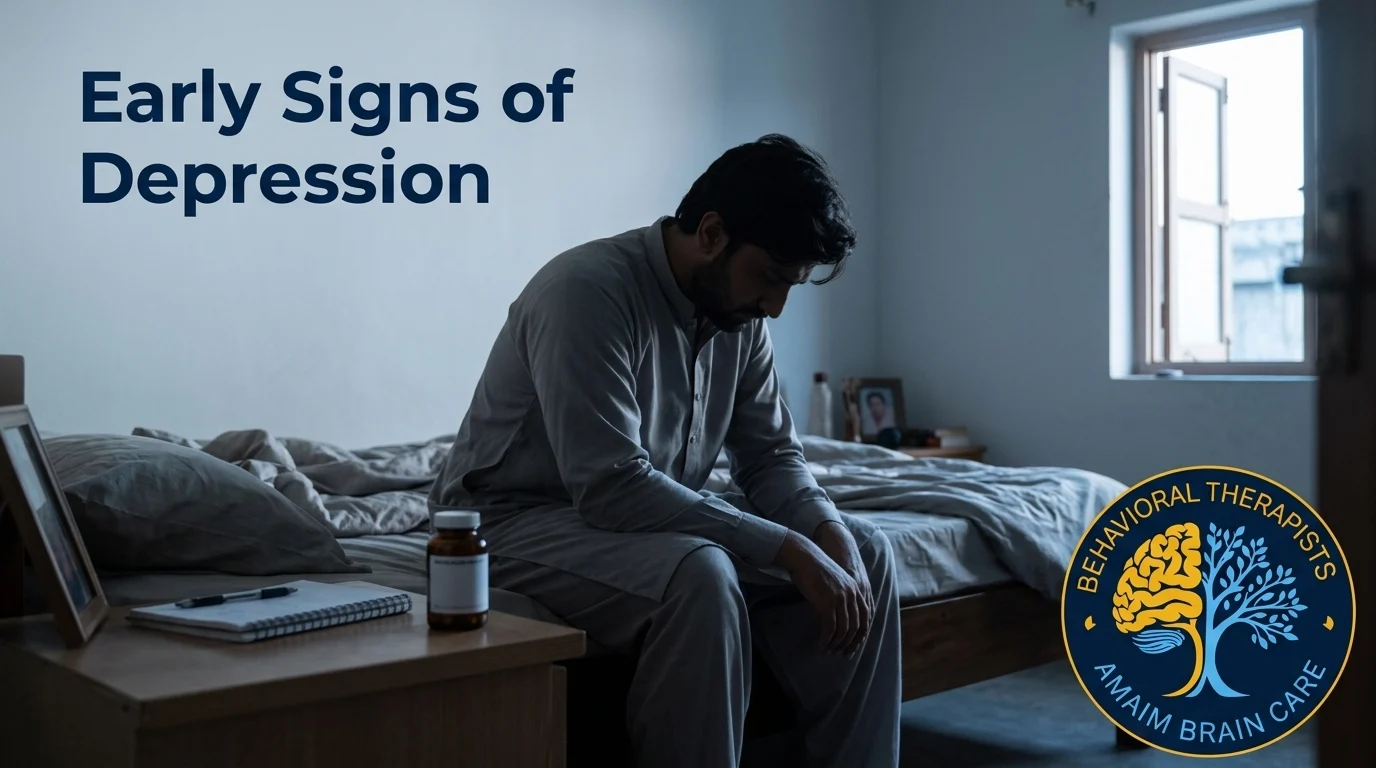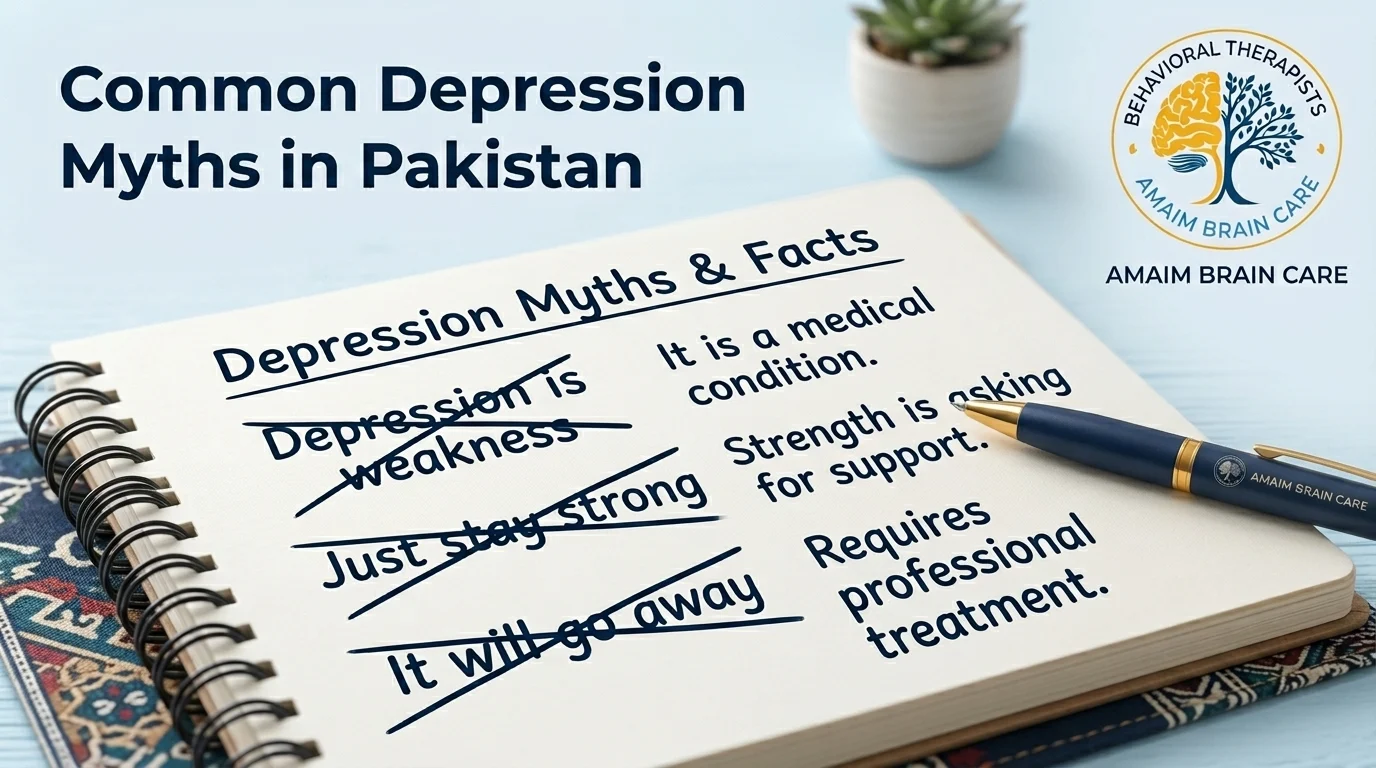
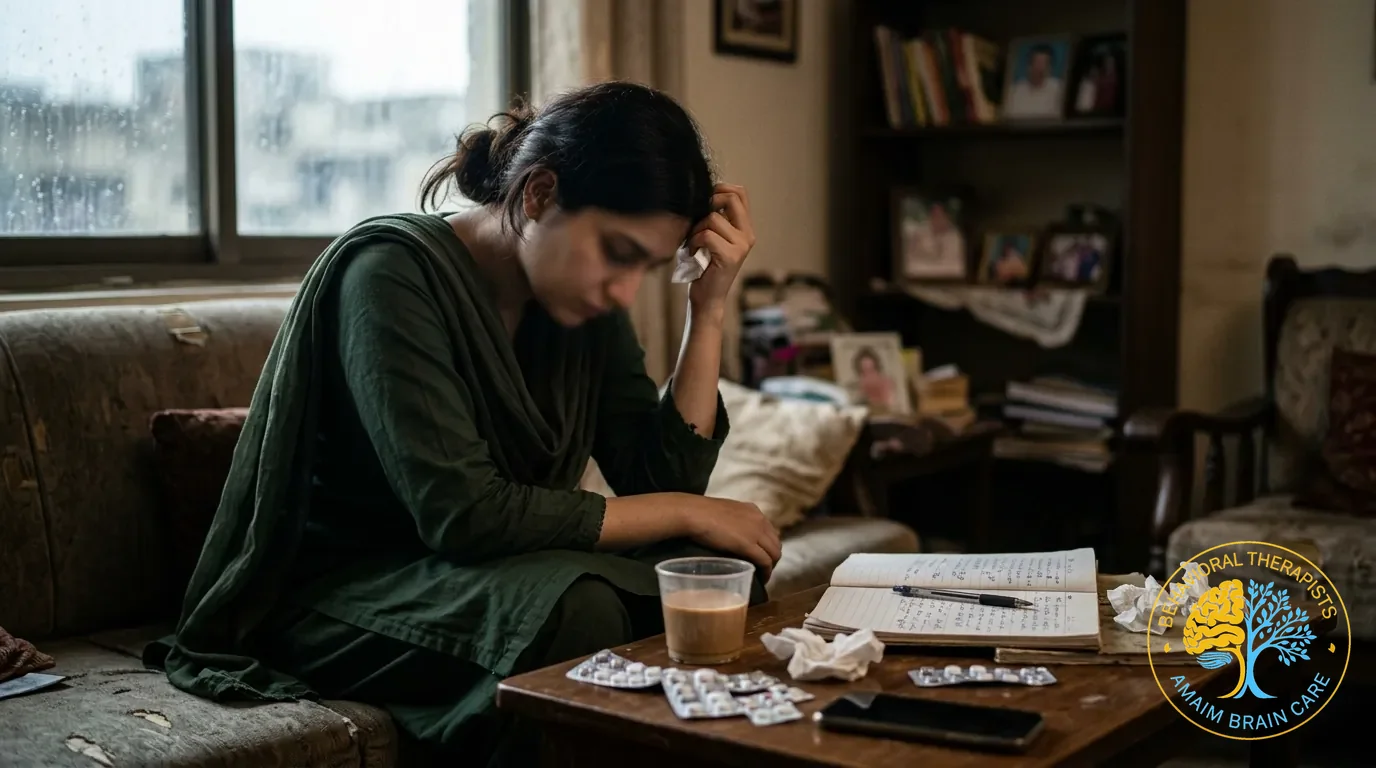
You have an excellent professional career, a supportive and loving family, financial stability, and on paper, your daily life appears absolutely immaculate and enviable. Yet, when you open your eyes in the morning, you are immediately confronted by an overwhelming, suffocating sense of internal emptiness. You feel completely and profoundly emotionally numb—neither genuinely joyful nor visibly tearful, but simply utterly blank, detached, and hollow. In Pakistani society and traditional family structures, confessing to this profound emotional emptiness is treated as a major social taboo and a personal failure. If an individual confides in parents, a spouse, or close friends that they feel empty despite possessing material comfort and family blessings, they are almost invariably met with harsh moral judgment. They are accused of being ungrateful to God (Nashukra), told they are suffering from a lack of religious faith, or lectured that millions of impoverished people endure far worse hardship. This toxic cultural misunderstanding and spiritual shaming forces the suffering individual into silent, isolated agony. However, within the scientific realm of modern clinical psychiatry, this profound emotional numbness is never recognized as ingratitude or moral deficiency; rather, it is the most deceptive, dangerous, and definitive diagnostic symptom of High-Functioning Clinical Depression Treatment in Faisalabad and persistent depressive disorder (Dysthymia). Your brain’s dorsolateral and ventromedial prefrontal cortex—the specialized anatomical command centers responsible for processing complex emotional resonance, self-awareness, and executive functioning—have physically shut down their biological capacity to generate the feeling of being alive.
آپ کے پاس ایک شاندار پروفیشنل کیریئر ہے، پیار کرنے والے اور خیال رکھنے والے گھر والے ہیں، معاشی استحکام ہے، اور بظاہر کاغذات اور معاشرے کی نظر میں آپ کی زندگی بالکل پرفیکٹ، مثالی اور قابلِ رشک ہے۔ لیکن اس سب کے باوجود، جب آپ صبح آنکھ کھولتے ہیں تو آپ کو اپنے اندر ایک دم گھونٹ دینے والا، شدید اور گہرا خالی پن محسوس ہوتا ہے۔ آپ اندر سے مکمل طور پر سن ہو چکے ہوتے ہیں—نہ آپ کو خوشی کا حقیقی احساس ہوتا ہے نہ ہی کوئی واضح غم یا رونا آتا ہے، بلکہ بس ایک عجیب سی بے حسی، خاموشی اور کھوکھلا پن آپ پر طاری رہتا ہے۔ ہمارے پاکستانی معاشرے اور روایتی خاندانی نظام میں اس شدید اور گہرے خالی پن کا ذکر کرنا ایک بہت بڑا سماجی جرم اور ذاتی خامی سمجھا جاتا ہے۔ اگر کوئی شخص اپنے والدین، شریکِ حیات یا قریبی دوستوں کو یہ بتانے کی ہمت کرے کہ مادی آسائشیں اور خاندانی نعمتیں ہونے کے باوجود وہ اندر سے بالکل خالی اور اداس ہے، تو اسے فوراً شدید طعنوں اور اخلاقی فیصلوں کا نشانہ بنایا جاتا ہے۔ اس پر فوراً ‘ناشکرا’ ہونے کا ٹھپہ لگا دیا جاتا ہے، طعنہ دیا جاتا ہے کہ اس کا ایمان کمزور ہو گیا ہے، یا پھر تقریر سنائی جاتی ہے کہ لاکھوں غریب لوگ اس سے کہیں زیادہ بدترین حالات میں جی رہے ہیں۔ یہ ثقافتی لاعلمی اور مذہبی طعنہ زنی مریض کو شدید شرمندگی میں مبتلا کر کے اندر ہی اندر گھٹنے اور چپ رہنے پر مجبور کر دیتی ہے۔ لیکن جدید میڈیکل سائنس اور کلینیکل سائیکاٹری کی دنیا میں اس خطرناک خالی پن کو ہرگز ناشکرا پن یا اخلاقی کمزوری نہیں سمجھا جاتا؛ بلکہ یہ اندر ہی اندر کھا جانے والے شدید اور خطرناک ہائی فنکشننگ کلینیکل ڈیپریشن (High-Functioning Clinical Depression) اور پرانی اداسی (Dysthymia) کی سب سے بڑی اور واضح علامت ہے۔ درحقیقت، آپ کے دماغ کا وہ خاص حصہ (Prefrontal Cortex) جو جذبات، خود آگاہی اور احساسات کو کنٹرول کرتا ہے، وہ حیاتیاتی اور جسمانی طور پر زندہ رہنے یا خوشی محسوس کرنے کی صلاحیت کو شٹ ڈاؤن (Shutdown) کر چکا ہوتا ہے۔
The Biology of Emptiness: Neurochemicals and Brain Structures | اس گہرے خالی پن کی سائنسی اور دماغی وجہ کیا ہے؟
To scientifically comprehend why an objectively successful and comfortable life can still feel completely hollow and meaningless, we must cease looking at external socio-economic circumstances and direct our investigative focus toward internal neurochemical architecture. Human emotional resonance, motivation, and feelings of fulfillment are strictly governed by specific neurotransmitters and complex interactions between specialized brain structures. Most notable is the continuous neurobiological dialogue between the amygdala—the primitive brain region responsible for processing emotional arousal, fear, and threat detection—and the prefrontal cortex, which regulates cognitive appraisal and emotional stability. When clinical psychiatric illness takes root, this delicate neuro-circuitry becomes severely dysregulated.
یہ سائنسی حقیقت سمجھنے کے لیے کہ ایک بظاہر کامیاب، پرسکون اور بہترین زندگی بھی اندر سے اتنی کھوکھلی، اندھیری اور بے معنی کیوں محسوس ہو سکتی ہے، ہمیں بیرونی حالات، دولت یا ظاہری آسائشوں کو دیکھنا بند کرنا ہوگا اور اپنی تمام تر توجہ دماغ کے اندرونی کیمیائی نظام (Neurochemical Architecture) پر مرکوز کرنی ہوگی۔ انسانی جذبات کی گہرائی، کام کرنے کا جوش، اور دلی سکون کا احساس مکمل طور پر مخصوص نیورو ٹرانسمیٹرز اور دماغ کے پیچیدہ حصوں کے باہمی رابطے پر منحصر ہوتا ہے۔ ان میں سب سے اہم کردار امیگڈالا (Amygdala)—جو دماغ میں جذبات، خوف اور خطرے کو پروسیس کرنے کا قدرتی مرکز ہے—اور پری فرنٹل کورٹیکس (Prefrontal Cortex) کے درمیان ہونے والی مسلسل نیوروبائیولوجیکل گفتگو کا ہے، جو جذبات کو توازن اور ثبات بخشتا ہے۔ جب کوئی کلینیکل نفسیاتی بیماری دماغ میں جڑ پکڑتی ہے، تو یہ نازک اعصابی نظام اور کیمیائی رابطے بری طرح درہم برہم ہو جاتے ہیں۔

1. The Phenomenon of Anhedonia and Dopamine Depletion | خوشی محسوس کرنے کی طاقت کا مر جانا اور ڈوپامین کی کمی (Anhedonia)
The human central nervous system relies upon a critical neurotransmitter known as Dopamine to process reward, anticipation, pleasure, and personal satisfaction within the mesolimbic pathway and the nucleus accumbens. Simultaneously, Serotonin functions across synaptic clefts to stabilize overall mood, emotional resonance, and internal feelings of well-being. When an individual develops hidden Clinical Depression or major mood dysregulation, the brain physically alters its enzymatic signaling and ceases producing adequate volumes of these essential biochemicals. This neurobiological deficit induces a severe clinical state known as “Anhedonia”—the complete, absolute biological inability to experience pleasure. Because your synapses literally lack the required concentrations of happiness neurotransmitters, external achievements become neurochemically irrelevant. It does not matter if you purchase a luxury vehicle, secure a prestigious corporate promotion, or embark on an exotic vacation; your brain’s reward circuitry physically lacks the chemical capacity to register the reward stimulus. You feel profoundly empty because the synaptic bridge connecting external positive experiences to internal emotional gratification is entirely broken.
ہمارے اعصابی نظام کو خوشی، کامیابی، انعام کے احساس اور دلی اطمینان کو محسوس کرنے کے لیے ڈوپامین (Dopamine) نامی ایک انتہائی اہم نیورو ٹرانسمیٹر کی ضرورت ہوتی ہے، جو دماغ کے ریوارڈ سسٹم (Mesolimbic Pathway) اور نیوکلیس ایکمبنس (Nucleus Accumbens) میں کام کرتا ہے۔ اس کے ساتھ ساتھ، سیروٹونن (Serotonin) دماغ کے خلیوں کے درمیان موڈ کو متوازن رکھنے، جذبات کو گہرائی دینے اور اندرونی سکون کا احساس پیدا کرنے کا کام کرتا ہے۔ جب کوئی انسان چھپے ہوئے خطرناک کلینیکل ڈیپریشن یا موڈ کی خرابی کا شکار ہوتا ہے، تو اس کا دماغ کیمیائی طور پر تبدیل ہو جاتا ہے اور ان اہم ترین کیمیکلز کی مناسب پیداوار بند کر دیتا ہے۔ اس نیوروبائیولوجیکل کمی کے نتیجے میں ایک انتہائی سنگین طبی کیفیت پیدا ہوتی ہے جسے کلینیکل زبان میں (Anhedonia) کہتے ہیں—یعنی خوشی محسوس کرنے کی حیاتیاتی اور جسمانی طاقت کا 100 فیصد مر جانا۔ چونکہ آپ کے دماغ کی رگوں (Synapses) میں خوشی کے کیمیکلز کا سرے سے وجود ہی نہیں ہوتا، اس لیے بیرونی کامیابیاں بے معنی ہو جاتی ہیں۔ اب چاہے آپ کوئی مہنگی ترین لگژری گاڑی خرید لیں، دفتر میں سب سے بڑی ترقی حاصل کر لیں، یا دنیا کے خوبصورت ترین مقام پر چھٹیاں گزارنے چلے جائیں؛ آپ کے دماغ کے ریوارڈ سینٹر کے پاس وہ کیمیائی صلاحیت ہی نہیں ہوتی کہ وہ اس خوشی کو رجسٹر کر سکے۔ آپ اندر سے شدید خالی اور کھوکھلے اس لیے ہیں کیونکہ بیرونی خوشی کو اندرونی اطمینان سے جوڑنے والا کیمیائی پل مکمل طور پر ٹوٹ چکا ہے۔
2. Emotional Numbness as a Defense Mechanism Against Cortisol | سن ہو جانا: کارٹیسول اور دماغ کا آخری دفاعی نظام
Frequently, this overwhelming, suffocating emptiness manifests after prolonged periods of extreme chronic stress, unexpressed emotional trauma, or relentless perfectionism in academic and professional arenas. When continuously subjected to psychological or environmental stress, the Hypothalamic-Pituitary-Adrenal (HPA) axis forces the adrenal glands to secrete high volumes of Cortisol—the body’s primary stress hormone. Over extended periods, the central nervous system becomes incapable of tolerating this sustained neuro-endocrine assault. Chronic cortisol elevation is biologically neurotoxic, threatening the structural integrity of dendritic spines and pyramidal neurons. To protect itself from catastrophic neurodegeneration, permanent excitotoxicity, or a total autonomic nervous breakdown, the brain initiates a radical biological defense mechanism: it effectively “pulls the plug” on emotional perception. It systematically down-regulates and numbs the amygdala, shutting down sensory sensitivity to both distressing pain and rewarding joy. This neurological shutdown leaves you in a state of complete emotional flatline. You mechanically survive each day, attend your corporate job, execute family responsibilities, and exhibit socially practiced smiles, but internally, your neurobiological emotional engine is completely silent and dead.
اکثر و بیشتر یہ بے پناہ، دم گھونٹ دینے والا خالی پن برسوں کی ان کہی اور شدید ٹینشن، دھیمے ذہنی صدمات، یا تعلیمی اور پروفیشنل زندگی میں ہر چیز کو پرفیکٹ کرنے کی انتحائی اور تھکا دینے والی دوڑ کے بعد ظاہر ہوتا ہے۔ جب انسان مسلسل ذہنی یا بیرونی دباؤ کا شکار رہتا ہے، تو جسم کا ایچ پی اے نظام (HPA Axis) غدودوں کو مجبور کرتا ہے کہ وہ کثیر مقدار میں کارٹیسول (Cortisol)—جو کہ ڈر اور ٹینشن کا بنیادی ہارمون ہے—خارج کریں۔ طویل عرصے تک، ہمارا اعصابی نظام اس مسلسل کیمیائی اور نیورو-اینڈوکرائن حملے کو برداشت کرنے کے قابل نہیں رہتا۔ کارٹیسول کی یہ دائمی زیادتی دماغ کے لیے ایک خطرناک حیاتیاتی زہر (Neurotoxin) بن جاتی ہے، جو اعصابی خلیات اور ان کے باہمی رابطوں کو تباہ کرنے لگتی ہے۔ اپنے آپ کو مکمل طور پر پاگل ہونے، دماغی خلیوں کو ہمیشہ کے لیے مرنے، یا اعصابی نظام کے مکمل بریک ڈاؤن سے بچانے کے لیے، ہمارا دماغ ایک انتہائی سخت اور آخری دفاعی نظام (Defense Mechanism) فعال کرتا ہے: وہ تمام احساسات اور جذبات کا سوئچ ہی آف کر دیتا ہے۔ دماغ امیگڈالا (Amygdala) کی حساسیت کو مکمل طور پر سن کر دیتا ہے، جس سے شدید تکلیف اور بے انتہا خوشی، دونوں کو محسوس کرنے کی صلاحیت بند ہو جاتی ہے۔ یہ دماغی شٹ ڈاؤن آپ کو مکمل طور پر بے حس اور سن کر دیتا ہے۔ آپ روزمرہ زندگی مشین کی طرح گزارتے ہیں، دفتر جاتے ہیں، خاندانی ذمہ داریاں نبھاتے ہیں، اور لوگوں کے سامنے مصنوعی مسکراہٹیں بھی بکھیرتے ہیں، لیکن اندر سے آپ کا نیوروبائیولوجیکل جذبات کا انجن بالکل خاموش اور مردہ ہو چکا ہوتا ہے۔
The Deception of High-Functioning Depression | ہائی فنکشننگ ڈیپریشن کا خطرناک فریب
The most deceptive and perilous aspect of this condition is its outward presentation as absolute normalcy, a clinical phenomenon termed High-Functioning Depression or persistent depressive disorder (Dysthymia). Unlike severe acute depression where an individual is visibly bedridden or non-functional, high-functioning patients utilize their entire remaining reservoir of executive cognitive energy to construct and maintain an elaborate social “mask” of competence and cheerfulness. In corporate boardrooms, university lecture halls, and family gatherings across Pakistan, these individuals appear immaculate, productive, and socially engaging, effectively deceiving colleagues and loved ones. However, maintaining this exhausting facade requires an immense metabolic toll. The moment the individual retreats into the solitude of their personal space, the social mask collapses, revealing a profound neurochemical bankruptcy and crushing exhaustion. This silent discrepancy between outward achievement and internal emptiness is hazardous; because the suffering is invisible, individuals rarely seek medical assistance until they experience sudden, catastrophic executive burnout, severe panic attacks, or profound suicidal ideation. Recognizing that emotional numbness is a valid, critical psychiatric symptom is essential for early clinical intervention and preventing long-term neurobiological disability.
اس بیماری کا سب سے خطرناک اور فریب دینے والا پہلو اس کا بظاہر بالکل نارمل اور ٹھیک نظر آنا ہے، جسے کلینیکل نفسیات میں ہائی فنکشننگ ڈیپریشن (High-Functioning Depression) یا پرانی اور مستقل اداسی (Dysthymia) کہا جاتا ہے۔ عام اور عام طور پر نظر آنے والے ڈیپریشن کے برعکس جس میں مریض بستر سے نہیں اٹھ پاتا یا کام چھوڑ دیتا ہے، ہائی فنکشننگ ڈیپریشن کے مریض اپنی بچی کھچی تمام تر دماغی توانائی اور صلاحیت کو استعمال کر کے لوگوں کے سامنے قابلیت، کامیابی اور خوش اخلاقی کا ایک انتہائی مضبوط اور مصنوعی ‘ماسک’ (Mask) پہن لیتے ہیں۔ پاکستان کے دفاتر، یونیورسٹیوں اور خاندانی محفلوں میں یہ افراد انتہائی مستعد، کامیاب اور خوش مزاج نظر آتے ہیں، جس سے ان کے ساتھی اور گھر والے مکمل طور پر دھوکے میں رہتے ہیں۔ لیکن اس تھکا دینے والے جھوٹے ماسک کو برقرار رکھنے کے لیے دماغ کو بہت بڑی میٹابولک قیمت چکانی پڑتی ہے۔ جیسے ہی ایسا انسان اپنے کمرے یا تنہائی میں واپس آتا ہے، وہ سماجی ماسک چھینٹ کر گر جاتا ہے اور پیچھے صرف ایک خوفناک کیمیائی کنگال پن اور ہڈیاں توڑ دینے والی تھکاوٹ رہ جاتی ہے۔ ظاہری کامیابی اور اندرونی خالی پن کے درمیان یہ خاموش تضاد انتہائی خطرناک ہے؛ چونکہ یہ بیماری کسی کو نظر نہیں آتی، اس لیے مریض تب تک ڈاکٹر کے پاس نہیں جاتے جب تک کہ ان کا دماغ اچانک اور مکمل طور پر کریش (Burnout) نہ کر جائے، انہیں شدید پینک اٹیک نہ ہونے لگیں، یا زندگی ختم کرنے کے خطرناک خیالات نہ آنے لگیں۔ اس بات کو تسلیم کرنا کہ اندرونی سن پن اور خالی پن ایک حقیقی اور سنگین نفسیاتی بیماری ہے، بروقت کلینیکل علاج اور دماغ کو مستقل خرابی سے بچانے کے لیے بے حد ضروری ہے۔

Frequently Asked Questions
I feel so guilty for not being happy with my perfect family. Does this mean I am a bad person? | میری فیملی بہت اچھی ہے لیکن میں پھر بھی خوش نہیں ہوں۔ مجھے خود پر شدید غصہ آتا ہے۔ کیا میں واقعی ایک برا اور ناشکرا انسان ہوں؟
No, you are not a bad person; you are suffering from a neurochemical imbalance. The immense guilt you are feeling is actively generated by the psychiatric illness itself, known clinically as Pathological Guilt. Depression impairs the prefrontal cortex and amygdala regardless of how rich, successful, or loved you are. Just like a physical illness like diabetes can attack anyone, clinical depression can attack a person with a “perfect” life due to depleted serotonin and dopamine levels. You cannot fix your neurobiology with sheer willpower. You require evidence-based medical treatment such as SSRIs or CBT, not moral judgment.
بالکل نہیں، آپ ایک برے انسان نہیں ہیں، آپ نیوروکیمیکل (Neurochemical) خرابی کا شکار ہیں۔ آپ کو جو یہ شدید احساسِ جرم ہو رہا ہے، یہ دراصل ڈیپریشن کی بیماری جان بوجھ کر پیدا کرتی ہے جسے کلینیکل زبان میں (Pathological Guilt) کہتے ہیں۔ ڈیپریشن آپ کے پری فرنٹل کورٹیکس (Prefrontal Cortex) اور امیگڈالا کو متاثر کرتا ہے، چاہے آپ کتنے ہی کامیاب کیوں نہ ہوں۔ جس طرح شوگر کی بیماری کسی کو بھی ہو سکتی ہے، اسی طرح ایک پرفیکٹ زندگی والے کو بھی سیروٹونن اور ڈوپامین کی کمی کی وجہ سے ڈیپریشن ہو سکتا ہے۔ آپ اپنے ارادے سے دماغی کیمیکلز کو ٹھیک نہیں کر سکتے۔ آپ کو طعنوں کی نہیں، بلکہ SSRIs اور تھراپی جیسے کلینیکل علاج کی ضرورت ہے۔
How can I have depression if I still go to work, laugh with friends, and look completely normal? | مجھے ڈیپریشن کیسے ہو سکتا ہے جبکہ میں روز دفتر بھی جاتا ہوں، دوستوں میں ہنستا بھی ہوں اور بالکل نارمل نظر آتا ہوں؟
This condition is known in modern psychiatry as “High-Functioning Depression” or persistent depressive disorder (Dysthymia) masking as normalcy. It is often the most dangerous kind because the patient uses all their remaining cognitive energy to wear a “mask” of functional stability in public, fooling their social circle. However, behind closed doors, their neurochemical reserves are utterly depleted, leaving them completely empty and exhausted. You do not have to be bedridden or visibly crying to have clinical depression. If you feel emotionally flatlined and dead inside due to chronic cortisol overload, the illness is already severe and requires urgent psychopharmacological intervention.
اسے جدید میڈیکل کی زبان میں (High-Functioning Depression) کہتے ہیں، یعنی ایک ایسا چھپا ہوا ڈیپریشن جو بظاہر نظر نہیں آتا۔ یہ سب سے خطرناک ہوتا ہے کیونکہ مریض اپنی بچی کھچی ساری دماغی طاقت لگا کر لوگوں کے سامنے نارمل ہونے کا ایک جھوٹا ماسک پہن لیتا ہے۔ لیکن جب وہ اکیلا ہوتا ہے تو اس کے دماغ کے کیمیکل ریزرو (Neurochemical Reserves) بالکل ختم ہو چکے ہوتے ہیں اور وہ اندر سے کھوکھلا محسوس کرتا ہے۔ ڈیپریشن کے لیے سارا دن بستر پر لیٹ کر رونا ضروری نہیں۔ اگر آپ مسلسل کارٹیسول (Cortisol) کی زیادتی کی وجہ سے اندر سے مر چکے ہیں، تو اس کا مطلب ہے بیماری آخری حد کو چھو رہی ہے اور فوراً کلینیکل علاج چاہتی ہے۔
I have lost interest in all my hobbies. I just want to sit and stare at a wall. Is this normal aging? | میری اپنے تمام مشاغل سے دلچسپی ختم ہو گئی ہے۔ میرا دل کرتا ہے کہ میں بس دیوار کو دیکھتا رہوں۔ کیا عمر بڑھنے کے ساتھ ایسا ہی ہوتا ہے؟
No, this is Anhedonia—a primary neurobiological symptom of Clinical Depression, not normal aging. When the brain’s dopamine pathways and reward structures shut down, the motivation to engage in any activity completely disappears. Hobbies that used to bring you genuine joy now feel like impossible, exhausting tasks. Staring at a wall is your neuro-exhausted brain’s defense mechanism to avoid any further sensory stimulation. Professional psychiatric treatment, including targeted psychopharmacology, will restore your dopamine receptor sensitivity and bring your passions back to life.
بالکل نہیں۔ یہ عمر کا تقاضا نہیں، بلکہ ڈیپریشن کی سب سے خطرناک نیوروبائیولوجیکل (Neurobiological) علامت (Anhedonia) ہے۔ جب دماغ میں ڈوپامین کی نالیاں اور ریوارڈ سینٹر (Reward Center) سوکھ جاتے ہیں، تو کچھ بھی کرنے کی ہمت اور دلچسپی مر جاتی ہے۔ جو مشغلے پہلے آپ کو خوشی دیتے تھے، وہ اب آپ کو ایک ناممکن بوجھ لگتے ہیں۔ دیوار کو گھورتے رہنا دراصل آپ کے تھکے ہوئے دماغ کا وہ دفاعی نظام (Defense Mechanism) ہے جس میں وہ مزید کوئی کام یا سنسری محرک (Sensory Stimulation) برداشت نہیں کرنا چاہتا۔ ماہر نفسیات کا علاج اور خاص ادویات آپ کے ڈوپامین کی سطح کو نارمل کر کے آپ کے شوق دوبارہ زندہ کر دے گی۔
Can anti-depressants fix this feeling of emptiness, or will they just make me a “zombie”? | کیا ڈیپریشن کی گولیاں واقعی اس خالی پن کو بھر سکتی ہیں، یا کیا ان سے میں بالکل سن اور پاگل ہو جاؤں گا؟
Advanced, expertly prescribed anti-depressants (like SSRIs or SNRIs) will not make you a zombie; the clinical depression has already made you a zombie by severely numbing your emotions and impairing your amygdala. Psychiatric medication specifically reverses this numbness. By restoring the correct synaptic chemical balance of serotonin and dopamine in your brain, the medication wakes up your dormant emotional centers. When managed by an expert psychiatrist, you will not feel “drugged” or sedated; you will simply feel your cognitive clarity return and feel like your old, normal, vibrant self again.
لوگ سمجھتے ہیں کہ دوائیاں انسان کو سن کر دیتی ہیں، لیکن حقیقت میں ڈیپریشن نے آپ کے امیگڈالا (Amygdala) کو متاثر کر کے آپ کو پہلے ہی اندر سے سن کر کے ‘زومبی’ بنا دیا ہے۔ ماہر ڈاکٹر کی تجویز کردہ جدید ادویات (جیسے SSRIs اور SNRIs) اس سن پن کا کلینیکل توڑ ہیں۔ یہ ادویات آپ کے دماغ میں سیروٹونن اور ڈوپامین کے توازن کو بحال کر کے خوشی محسوس کرنے والے حصوں کو دوبارہ جگاتی ہیں۔ ایک ماہر ڈاکٹر کے علاج سے آپ کو یہ دوائیاں کھا کر نشے یا غنودگی کا احساس نہیں ہوگا، بلکہ آپ کا دماغی توازن (Cognitive Clarity) واپس آئے گا اور آپ بالکل نارمل محسوس کریں گے۔
Where in Pakistan can I talk to a doctor who understands this hidden emptiness without judging me? | پاکستان میں ایسا کون سا مستند ڈاکٹر ہے جو مجھ پر ناشکرا ہونے کا طعنہ کسے بغیر میرے اس خالی پن کا سائنسی علاج کرے؟
Amaim Brain Care, directed by Dr. Ahsan Tariq Dogar, specializes in the elite, evidence-based medical treatment of High-Functioning Depression and Anhedonia. We understand that this profound emptiness is a severe neurochemical crisis requiring targeted psychopharmacology, not a lack of faith or gratitude. We provide precise medical interventions and modern psychotherapy approaches like Cognitive Behavioral Therapy (CBT) in a strictly confidential, non-judgmental environment. Bring the colors back to your life by consulting us at our Faisalabad clinic or through highly secure online video telepsychiatry anywhere in Pakistan.
امیم برین کیئر فیصل آباد میں ڈاکٹر احسن طارق ڈوگر کی زیر نگرانی اس چھپے ہوئے ڈیپریشن (High-Functioning Depression) اور خطرناک خالی پن (Anhedonia) کا سو فیصد سائنسی علاج کیا جاتا ہے۔ ہم سمجھتے ہیں کہ آپ کا یہ اندھیرا نیوروکیمیکل (Neurochemical) بحران ہے، ایمان کی کمزوری نہیں۔ ہم طعنے دینے کے بجائے، آپ کو جدید ادویات (Psychopharmacology) اور کاگنیٹو بیہیویئرل تھراپی (CBT) جیسی سہولیات فراہم کرتے ہیں۔ اپنی ہنستی کھیلتی زندگی کو واپس پانے کے لیے ہمارے کلینک آئیں یا پورے پاکستان سے آن لائن کنسلٹیشن کے ذریعے یہ مستند علاج حاصل کریں۔
How can I book an appointment with Dr. Ahsan Tariq Dogar?
You can book an in-person or online neuro-psychiatric consultation via reaching out via WhatsApp at 0333-6986464 for a confidential appointment.
فیصل آباد میں کلینک وزٹ یا آن لائن مشورے کے لیے آپ عمائم برین کیئر کے آفیشل واٹس ایپ لنک کے ذریعے رابطہ کر کے اپنی اپائنٹمنٹ باآسانی بک کروا سکتے ہیں، جہاں آپ کی معلومات کو مکمل صیغہ راز میں رکھا جاتا ہے۔
Sources & References
- American Psychiatric Association. Diagnostic and Statistical Manual of Mental Disorders (DSM-5-TR).
- World Health Organization (WHO). Mental Health Guidelines & Clinical Management Protocols.
- Pakistan Psychiatric Society (PPS). Clinical Practice Standards and Regional Mental Health Guidance.
Medical & Educational Disclaimer
The medical and psychiatric information provided on Amaim Brain Care is for educational purposes only. It is not intended to replace formal in-person psychiatric diagnosis, clinical assessment, or tailored prescription therapy. If you or a loved one are experiencing acute psychological distress or symptoms of a mental health condition, please seek professional evaluation from a certified psychiatrist.