In Pakistani households, introducing the concept of mental illness to older generations is often a monumental and emotionally draining struggle. Decades of deep-rooted cultural stigma have cemented the belief that severe psychiatric conditions—such as Major Depressive Disorder, Generalized Anxiety, or Schizophrenia—are merely signs of spiritual weakness, a lack of faith, or the direct result of black magic (Jadoo) and the evil eye (Nazar). When a young person, or even an elderly parent themselves, begins displaying severe behavioral changes, the family’s first instinct is often denial, anger, or turning to unscientific spiritual healers. Bridging this profound generational gap is clinically vital; family support is the strongest predictor of psychiatric recovery, while family hostility, criticism, and emotional over-involvement are primary catalysts for relapse. Educating the family about the neurobiological realities—such as how a lack of serotonin or dopamine causes these symptoms—is crucial.
پاکستانی گھرانوں میں، خاص طور پر بزرگوں کو ذہنی بیماریوں کے بارے میں سمجھانا ایک انتہائی کٹھن اور جذباتی طور پر تھکا دینے والا مرحلہ ہوتا ہے۔ ہماری ثقافت میں دہائیوں سے یہ غلط سوچ پختہ ہو چکی ہے کہ شدید نفسیاتی بیماریاں—جیسے ڈیپریشن، شدید خوف یا سکیزوفرینیا—دراصل ایمان کی کمزوری، ناشکری، یا پھر جادو، جنات اور نظرِ بد کا سایہ ہیں۔ جب گھر کا کوئی جوان فرد، یا خود کوئی بزرگ اپنے رویے میں انتہائی خطرناک تبدیلیاں دکھانے لگتا ہے، تو گھر والوں کا پہلا ردعمل عموماً غصہ، اس بات سے مکمل انکار یا عاملوں کے پاس بھاگنا ہوتا ہے۔ اس سوچ کے فرق کو مٹانا مریض کی جان بچانے کے لیے سب سے اہم ہے۔ میڈیکل سائنس یہ ثابت کرتی ہے کہ گھر والوں کا پیار اور ساتھ مریض کو جلدی ٹھیک کرتا ہے، جبکہ ان کے طعنے اور تنقید مریض کی بیماری کو دگنا کر دیتے ہیں۔ خاندان کو یہ سمجھانا ضروری ہے کہ یہ بیماریاں دماغ میں کیمیکلز (جیسے سیروٹونن) کی کمی کی وجہ سے ہوتی ہیں۔
Decoding the Family’s Resistance | گھر والوں کے انکار کی اصل وجہ سمجھیں
Parents and older relatives do not dismiss mental illness because they lack love or care for their children; they dismiss it out of profound fear and internalized societal shame. Admitting that a child requires psychiatric help feels, to them, like a public admission of personal failure in parenting. Understanding the psychological defense mechanisms behind their denial is essential before attempting to educate them.
ہمارے والدین یا رشتہ دار ذہنی بیماری کا مذاق اس لیے نہیں اڑاتے کہ انہیں ہم سے پیار نہیں ہوتا؛ دراصل وہ اس نام سے اور معاشرے کی باتوں سے شدید خوفزدہ ہوتے ہیں۔ کسی دماغی ڈاکٹر کے پاس جانے کا مطلب وہ یہ سمجھتے ہیں کہ شاید ہماری تربیت میں کوئی کمی رہ گئی تھی یا لوگ ہمارے بچے کو “پاگل” کہیں گے۔ انہیں سمجھانے سے پہلے ان کے اس اندرونی ڈر کو سمجھنا بہت ضروری ہے۔
1. The Fear of the “Pagal” Label | “پاگل خانے” کا روایتی ڈر
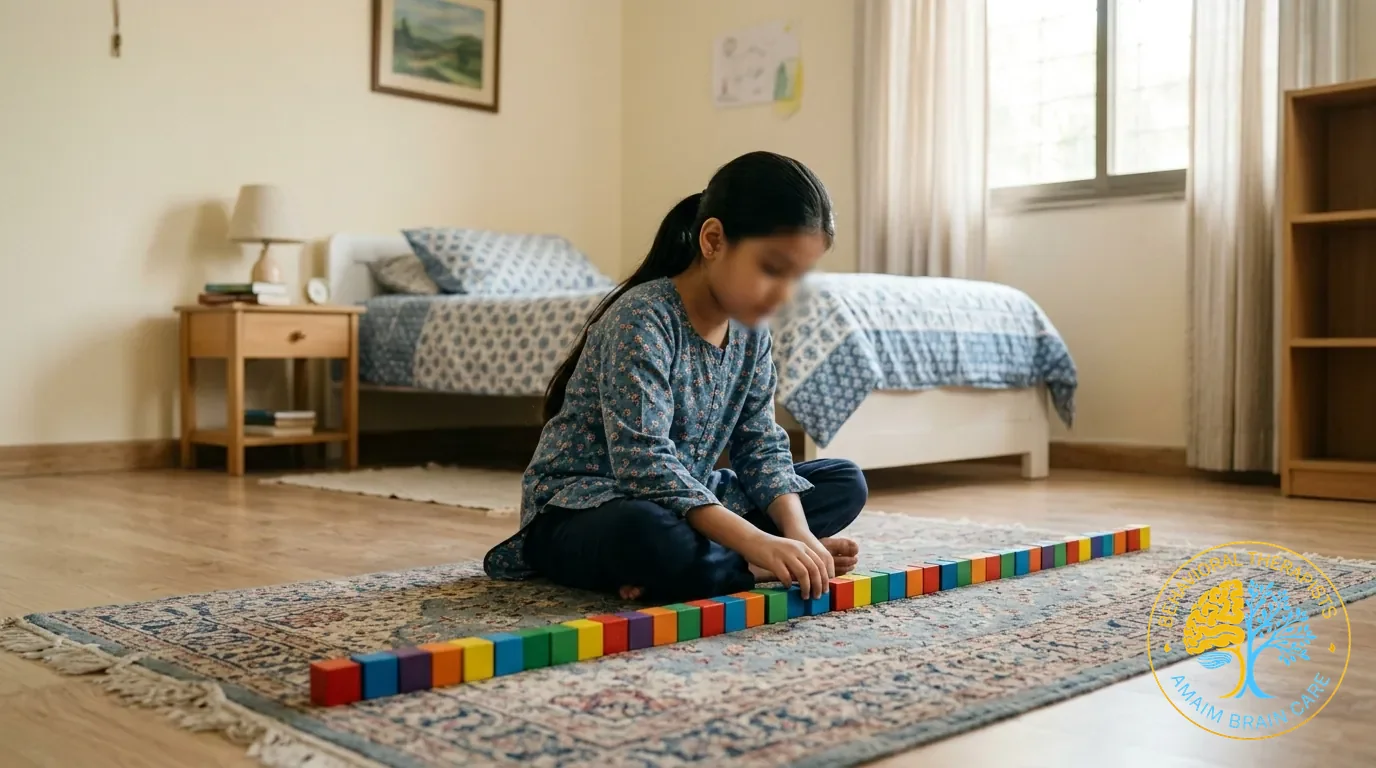
Historically, psychiatry in South Asia was brutally stigmatized and misunderstood. Older generations associate mental health clinics exclusively with archaic asylums, straightjackets, and absolute, irreversible insanity. When you suggest seeing a psychiatrist for severe insomnia, a panic attack, or a depressive episode, their brain immediately jumps to catastrophic, highly stigmatized scenarios, terrifying them into absolute denial. They fear the label of “pagal” will ruin marriage prospects and family honor. We must explain that modern psychiatry is about optimizing brain function, much like a cardiologist optimizes heart function.
ماضی میں ہمارے خطے میں دماغی علاج کو انتہائی حقارت سے دیکھا جاتا تھا۔ بزرگوں کے ذہن میں آج بھی دماغی کلینک کا مطلب تاریک “پاگل خانے” اور زنجیروں میں جکڑے مریض ہیں۔ جب آپ انہیں یہ کہتے ہیں کہ آپ کو گھبراہٹ کے دورے پڑتے ہیں اور آپ کو ڈاکٹر کے پاس جانا ہے، تو ان کا دماغ فوراً اس پاگل پن والے خوفناک منظر کی طرف چلا جاتا ہے، اور اسی ڈر کی وجہ سے وہ علاج کے سخت خلاف ہو جاتے ہیں۔ انہیں ڈر ہوتا ہے کہ اس ٹھپے سے بچوں کے رشتے نہیں ہوں گے۔ ہمیں انہیں بتانا ہو گا کہ آج کا دماغی علاج بالکل ویسا ہی ہے جیسے دل کا علاج۔
2. Spiritual Misinterpretation | بیماری کو روحانی کمزوری سمجھنا
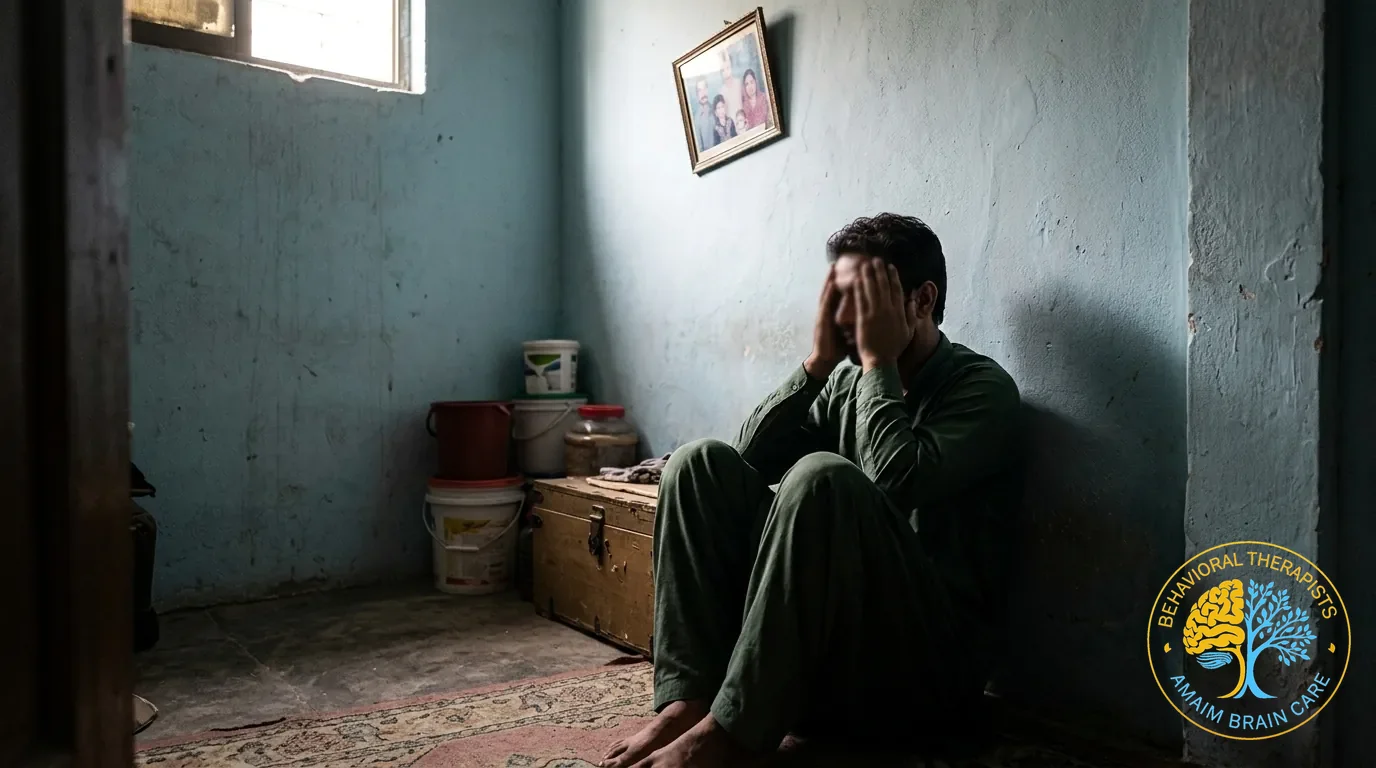
There is a deeply entrenched cultural habit of equating psychological distress with a lack of religious devotion. A severely depressed patient who is physically unable to get out of bed due to a collapse in their dopamine system is frequently lectured to “just pray more” or “stop being ungrateful.” While faith is a powerful coping mechanism and source of peace, treating a neurochemical imbalance exclusively with prayers is as biologically ineffective as treating a fractured bone without a physical cast. The brain is an organ, and like the liver or kidneys, it can get sick and require medication like SSRIs (Selective Serotonin Reuptake Inhibitors) to heal.
ہمارے ہاں ایک بہت عام اور پرانی عادت ہے کہ ہر دماغی تکلیف کو سیدھا مذہب اور عبادات کی کمی کے ساتھ جوڑ دیا جاتا ہے۔ جو مریض ڈیپریشن کی وجہ سے بستر سے اٹھنے کے قابل نہیں ہوتا، اسے اکثر یہ طعنہ دیا جاتا ہے کہ “تمہارا اللہ پر یقین کمزور ہے، تم ناشکرے ہو، اس لیے تم پر یہ عذاب ہے”۔ بے شک عبادات میں بے پناہ سکون ہے، لیکن جس طرح ٹوٹی ہوئی ہڈی کا علاج صرف دعا سے نہیں بلکہ پلاسٹر سے بھی کرنا پڑتا ہے، اسی طرح دماغ کے ٹوٹے ہوئے کیمیکلز کو جوڑنے کے لیے ڈاکٹر کی دوائی (Antidepressants) فرض ہے۔ دماغ بھی جسم کا ایک حصہ ہے، جو دل یا معدے کی طرح بیمار ہو سکتا ہے۔
3. Misinterpreting Elderly Behavioral Changes | بزرگوں کے اپنے رویے کی تبدیلی
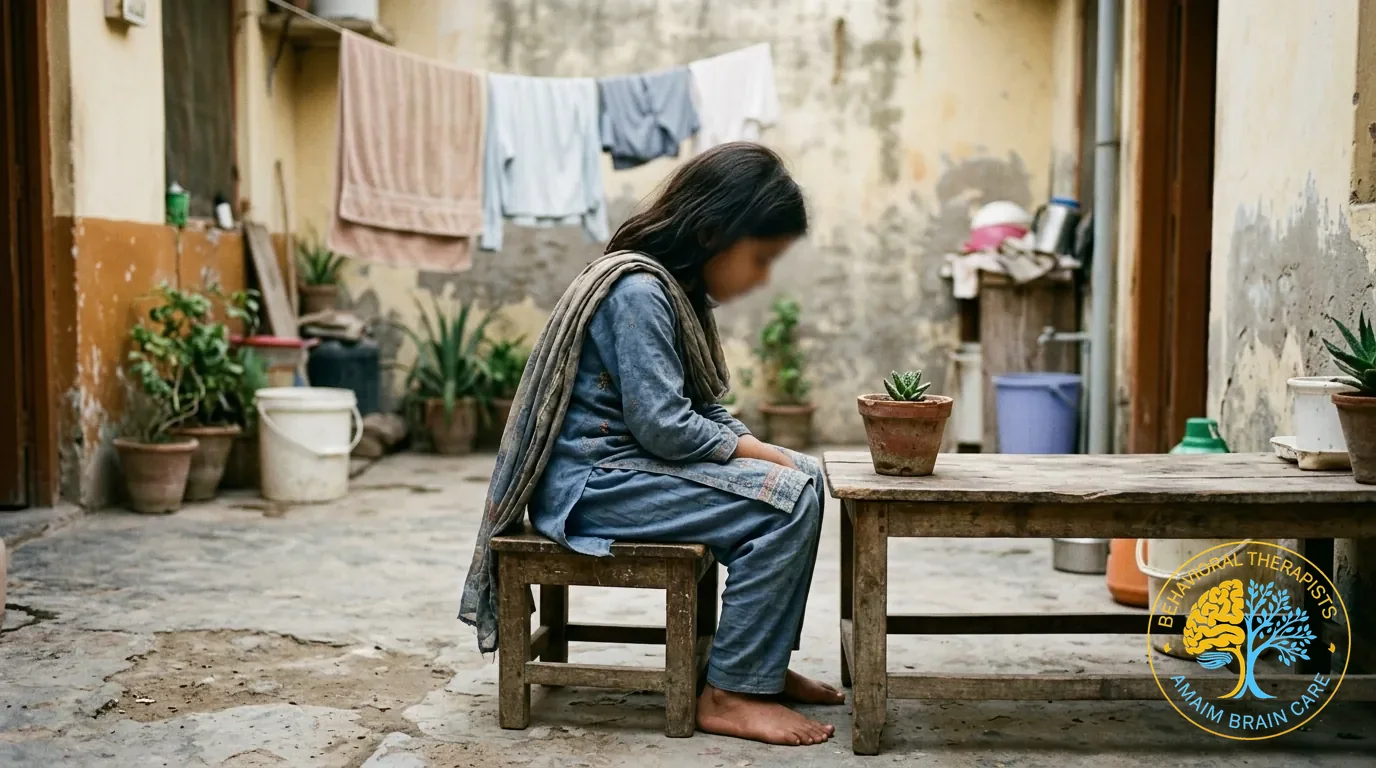
When elderly parents suddenly become excessively aggressive, deeply suspicious (paranoid), or extremely forgetful, families often assume it is just “normal aging” or stubbornness. In clinical reality, these are glaring red flags for Geriatric Psychiatric conditions, such as early-stage Alzheimer’s Dementia or late-life Depression. The brain regions responsible for memory (hippocampus) and emotional regulation (amygdala) may be structurally degrading. These conditions require immediate neuro-medical stabilization and specialized medication, not arguments or frustration from caregivers.
جب گھر کے بزرگ خود اچانک بہت زیادہ غصہ کرنے لگیں، شدید شکی ہو جائیں (پیرانویا) یا باتیں بھولنے لگیں، تو گھر والے اکثر اسے بڑھاپے کی عام ضد یا چڑچڑاپن سمجھ لیتے ہیں۔ طبی حقیقت میں، یہ دماغ کے سکڑنے، ڈیمینشیا (Dementia) یا بڑھاپے کے خطرناک ڈیپریشن کی واضح علامات ہیں۔ اس حالت میں دماغ کے خلیے مر رہے ہوتے ہیں، جس کی وجہ سے مریض کے رویے میں یہ سختی آتی ہے۔ اس حالت میں ان سے بحث کرنے یا ناراض ہونے کے بجائے انہیں فوراً دماغ کے ماہر ڈاکٹر کے علاج کی ضرورت ہوتی ہے۔
Strategic Communication: How to Bridge the Gap | والدین کو سمجھانے کا ماہرانہ طریقہ
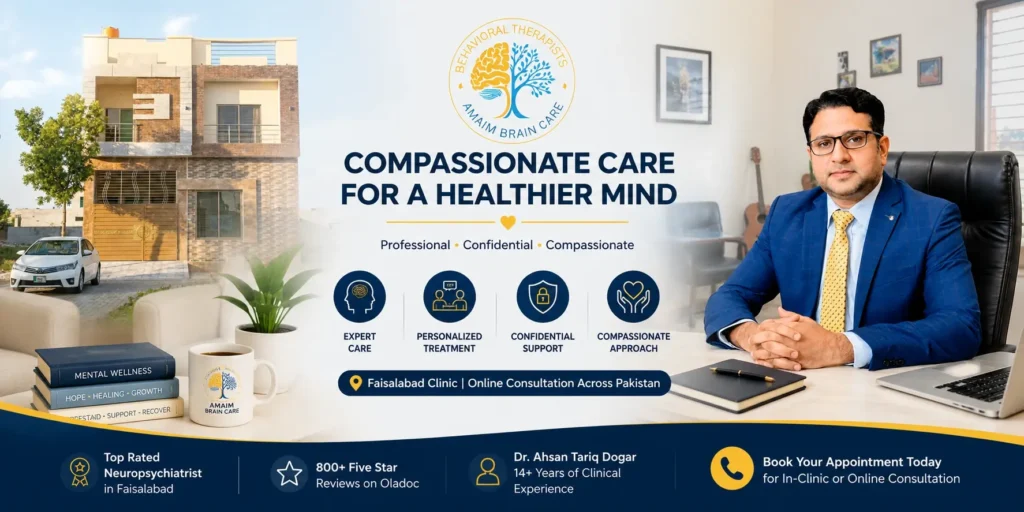
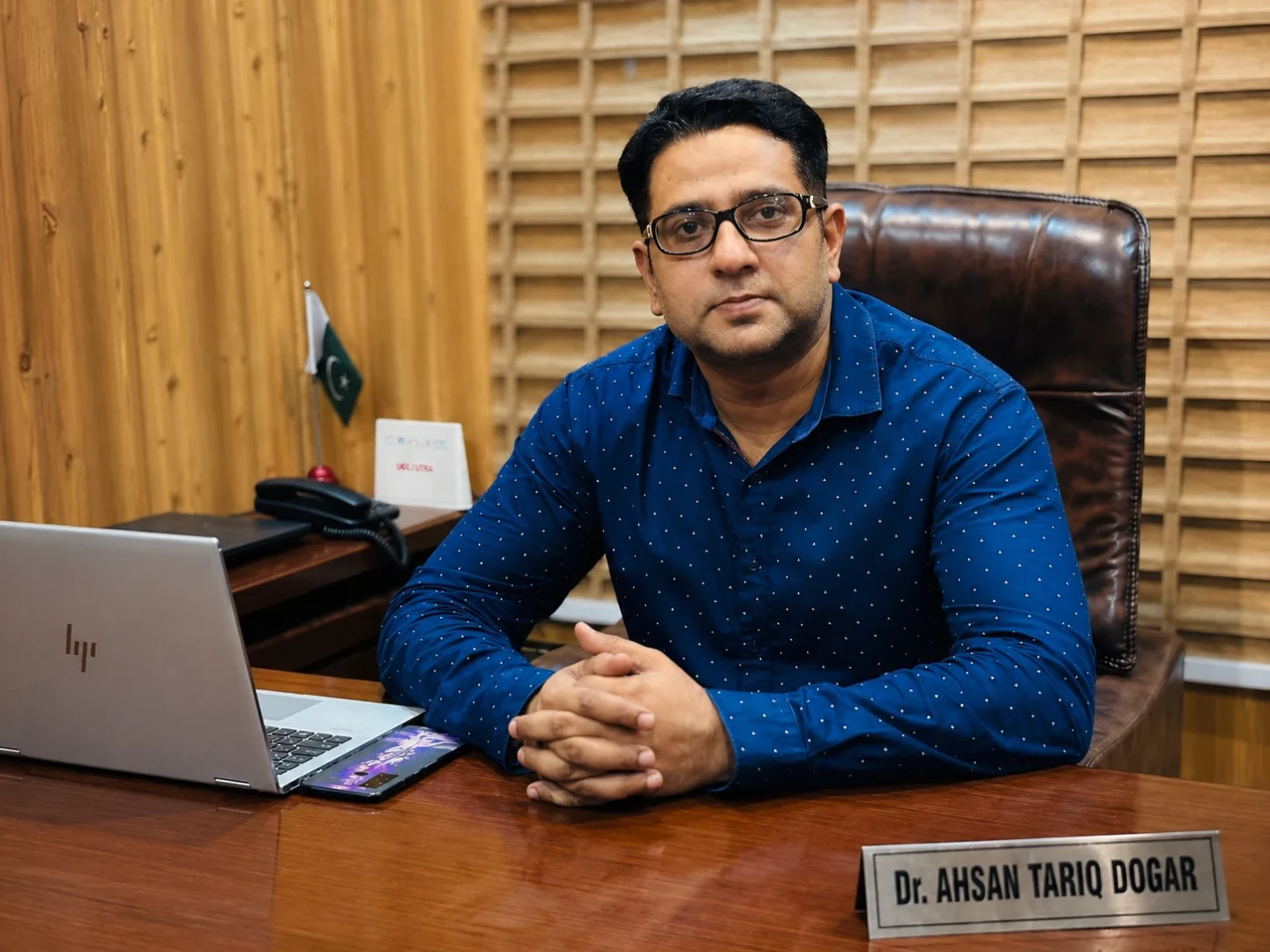
To successfully integrate your family into the treatment plan, you must strategically shift the narrative from a “mental or spiritual flaw” to a concrete “physical illness.” Elite psychiatric care, like that provided by Dr. Ahsan Tariq Dogar, heavily utilizes family psychoeducation to achieve this.
اپنے گھر والوں کو علاج کے لیے راضی کرنے اور ان کی غلط فہمی دور کرنے کے لیے، آپ کو بیماری کی تشریح بدلنی ہوگی۔ اسے کسی “دماغی خرابی” یا “روحانی کمزوری” کی بجائے خالصتاً ایک “جسمانی اور کیمیکل کی بیماری” کے طور پر پیش کریں۔ ڈاکٹر احسن طارق ڈوگر جیسے ماہر ڈاکٹر اس کام کے لیے خاندان کی باقاعدہ کونسلنگ (Psychoeducation) کرتے ہیں۔
Stop using heavily stigmatized words like “Depression,” “Psychiatrist,” or “Mental Illness” initially. Use physiological terms. Say, “The doctor explained that my brain is temporarily not producing enough serotonin, just like a diabetic’s pancreas doesn’t produce enough insulin. The medicine simply replaces the missing chemical to stop these physical panic attacks.” This biological framing aggressively strips away the cultural shame. Furthermore, invite a respected elder to accompany you to a consultation. An expert psychiatrist knows exactly how to respectfully and clinically translate the illness into terms the older generation can accept and support without feeling threatened.
شروع میں ان کے سامنے “ڈیپریشن” یا “ماہر نفسیات” جیسے بھاری الفاظ استعمال نہ کریں۔ انہیں سائنسی مگر آسان زبان میں سمجھائیں۔ ان سے کہیں، “ڈاکٹر نے بتایا ہے کہ جس طرح شوگر کے مریض کے خون میں انسولین کم ہو جاتی ہے، اسی طرح میرے دماغ میں ایک کیمیکل (سیروٹونن) وقتی طور پر کم ہو گیا ہے جس کی وجہ سے مجھے گھبراہٹ اور درد ہوتا ہے۔ دوائی صرف اس کمی کو پورا کرے گی”۔ اس طرح کی سائنسی مثال انہیں یہ تسلی دیتی ہے کہ یہ کوئی پاگل پن نہیں۔ اس کے علاوہ، کوشش کریں کہ گھر کے کسی سمجھدار بزرگ کو ڈاکٹر کے پاس ساتھ لے کر جائیں۔ ایک مستند ڈاکٹر کو بخوبی علم ہوتا ہے کہ بزرگوں کے دل سے یہ ڈر کیسے نکالنا ہے اور انہیں علاج کا حصہ کیسے بنانا ہے۔
Frequently Asked Questions
My parents say psychiatry is a “Western concept” and we don’t need it in Pakistan. How do I respond? | میرے والدین کہتے ہیں کہ ڈیپریشن وغیرہ سب “انگریزوں کی بیماریاں” ہیں، ہمیں ان ڈاکٹروں کی ضرورت نہیں، میں کیا کروں؟
Explain to them that neurochemistry is universal. An underactive thyroid gland causes the same disease in Pakistan as it does in America, and a depleted serotonin system in the brain functions exactly the same way. Psychiatric illnesses are documented in ancient Islamic medical texts (like those of Ibn Sina). It is purely a biological medical science, not a cultural fad. | انہیں پیار سے سمجھائیں کہ انسانی جسم کا نظام پوری دنیا میں ایک جیسا ہے۔ جس طرح بلڈ پریشر یا شوگر کی بیماری امریکہ میں بھی وہی ہے اور پاکستان میں بھی، اسی طرح دماغ کے کیمیکلز کی کمی بھی ایک سچی اور قدرتی بیماری ہے۔ خود مسلمانوں کے عظیم سائنسدان بو علی سینا (Ibn Sina) نے صدیوں پہلے ان دماغی بیماریوں اور ان کے علاج پر کتابیں لکھی تھیں۔ یہ خالص میڈیکل سائنس ہے، کوئی مغربی فیشن نہیں۔
ذہنی اور نفسیاتی صحت کے مسائل کے حوالے سے بروقت طبی تشخیص اور مستند ڈاکٹر کی رہنمائی انتہائی ضروری ہے۔ اگر آپ یا آپ کا کوئی پیارا اس مسئلے کا سامنا کر رہا ہے تو مناسب علاج اور رہنمائی کے لیے مستند ماہر نفسیات سے فوری رجوع کریں۔
Should I hide my psychiatric medication from my strict parents? | کیا مجھے اپنے غصے والے والدین سے اپنی دماغی سکون کی دوائیاں چھپا کر کھانی چاہئیں؟
If revealing your treatment will cause extreme, hostile conflict that actively worsens your depression, your primary clinical responsibility is to protect your own recovery. However, long-term secrecy is stressful. Discuss a disclosure strategy with your psychiatrist. They can often arrange a family session to safely break the news in a highly controlled, medically authoritative environment. | اگر آپ کو پکا یقین ہے کہ دوائیوں کا بتانے سے گھر میں ایسا شدید جھگڑا ہو گا جو آپ کی بیماری کو مزید بگاڑ دے گا، تو وقتی طور پر اپنی جان اور علاج کو بچانا زیادہ اہم ہے۔ لیکن ساری زندگی چھپ کر دوائی کھانا بھی ایک الگ دماغی دباؤ ہے۔ اپنے ڈاکٹر سے اس بارے میں مشورہ کریں۔ ماہر ڈاکٹر عموماً والدین کو اپنے کلینک بلا کر انہیں اپنے طبی رعب اور سائنسی دلیل سے اس طرح مطمئن کر دیتے ہیں کہ وہ آپ کا علاج روکنے کی بجائے آپ کا ساتھ دینے لگتے ہیں۔
ذہنی اور نفسیاتی صحت کے مسائل کے حوالے سے بروقت طبی تشخیص اور مستند ڈاکٹر کی رہنمائی انتہائی ضروری ہے۔ اگر آپ یا آپ کا کوئی پیارا اس مسئلے کا سامنا کر رہا ہے تو مناسب علاج اور رہنمائی کے لیے مستند ماہر نفسیات سے فوری رجوع کریں۔
Why does my mother get angry when I try to explain my panic attacks? | جب میں اپنی والدہ کو اپنے گھبراہٹ کے دوروں کا بتاتا ہوں تو وہ الٹا مجھ پر شدید غصہ کیوں کرنے لگتی ہیں؟
Anger is often a psychological mask for profound fear and helplessness. Your mother likely feels terrified because she does not understand the medical nature of a panic attack and feels entirely powerless to stop your suffering. Her anger is a defense mechanism against her own anxiety. Medicalizing the issue—having a doctor explain it as an “adrenaline surge”—often instantly defuses this parental anger. | غصہ دراصل اندر چھپے ہوئے شدید خوف اور بے بسی کا ایک چہرہ ہوتا ہے۔ آپ کی والدہ اس لیے غصہ کرتی ہیں کیونکہ انہیں یہ سمجھ نہیں آ رہا ہوتا کہ آپ کو ہو کیا رہا ہے اور وہ آپ کی تکلیف دور کرنے میں خود کو بے بس محسوس کرتی ہیں۔ ان کا غصہ دراصل ان کی اپنی گھبراہٹ کی ڈھال ہے۔ جب ڈاکٹر انہیں سمجھاتا ہے کہ یہ کوئی جن یا آسیب نہیں بلکہ صرف ایک “کیمیکل کا طوفان” ہے جو دوائی سے رک جائے گا، تو ان کا یہ غصہ فوراً تسلی میں بدل جاتا ہے۔
ذہنی اور نفسیاتی صحت کے مسائل کے حوالے سے بروقت طبی تشخیص اور مستند ڈاکٹر کی رہنمائی انتہائی ضروری ہے۔ اگر آپ یا آپ کا کوئی پیارا اس مسئلے کا سامنا کر رہا ہے تو مناسب علاج اور رہنمائی کے لیے مستند ماہر نفسیات سے فوری رجوع کریں۔
If an elderly parent has dementia and becomes violent, how do we handle them without being disrespectful? | اگر گھر کا کوئی بزرگ دماغ کے سکڑنے (ڈیمینشیا) کی وجہ سے مار پیٹ یا گالیاں دینے پر اتر آئے، تو ہم بدتمیزی کیے بغیر انہیں کیسے سنبھالیں؟
You must radically separate the disease from the parent. The violent outbursts are not their personality; they are neurological misfires from a dying brain. Never argue with them or try to correct their delusions—this only escalates their terror. You must seek urgent Geriatric Psychiatric care. Precise, low-dose medication can quickly calm their terrified brain, restoring peace without compromising their dignity. | آپ کو یہ بات سختی سے اپنے دماغ میں بٹھانی ہو گی کہ یہ گالیاں یا مار پیٹ آپ کا باپ یا ماں نہیں کر رہے، بلکہ یہ ان کے دماغ کی وہ بیماری ہے جو ان کے خلیوں کو کھا رہی ہے۔ ان سے بحث کرنا یا ان کی غلطی نکالنا انہیں مزید خوفزدہ اور پرتشدد کر دے گا۔ انہیں فوراً ایک ماہر ڈاکٹر کے علاج کی ضرورت ہے۔ دوائی کی انتہائی کم اور محفوظ مقدار ان کے بیمار دماغ کو پرسکون کر دیتی ہے، جس سے آپ کو بھی سکون ملتا ہے اور بزرگوں کی عزت بھی محفوظ رہتی ہے۔
ذہنی اور نفسیاتی صحت کے مسائل کے حوالے سے بروقت طبی تشخیص اور مستند ڈاکٹر کی رہنمائی انتہائی ضروری ہے۔ اگر آپ یا آپ کا کوئی پیارا اس مسئلے کا سامنا کر رہا ہے تو مناسب علاج اور رہنمائی کے لیے مستند ماہر نفسیات سے فوری رجوع کریں۔
Where can my family get professional, respectful counseling to understand mental illness in Pakistan? | پاکستان میں خاندان کی اس غلط فہمی کو دور کرنے اور انہیں پیار سے سائنسی حقائق سمجھانے کی سہولت کہاں موجود ہے؟
Amaim Brain Care, led by Dr. Ahsan Tariq Dogar, strongly emphasizes family psychoeducation. We do not just treat the patient; we educate the entire family system. We utilize culturally respectful, deeply authoritative medical explanations to shatter stigma and transform resistant relatives into powerful support systems. This vital family counseling is available at our Faisalabad clinic and seamlessly online across Pakistan. | امیم برین کیئر فیصل آباد میں ڈاکٹر احسن طارق ڈوگر کی زیر نگرانی علاج کے ساتھ ساتھ گھر والوں کی کونسلنگ پر انتہائی زور دیا جاتا ہے۔ ہم صرف مریض کو دوائی نہیں دیتے، بلکہ ان کے والدین اور رشتہ داروں کو بھی انتہائی عزت اور طبی دلیل کے ساتھ بیماری کی حقیقت سمجھاتے ہیں، تاکہ ان کے دل سے جادو یا پاگل پن کا وہم نکل سکے۔ یہ کونسلنگ کلینک کے ساتھ ساتھ پورے پاکستان کے لیے آن لائن ویڈیو کے ذریعے بھی دستیاب ہے۔
ذہنی اور نفسیاتی صحت کے مسائل کے حوالے سے بروقت طبی تشخیص اور مستند ڈاکٹر کی رہنمائی انتہائی ضروری ہے۔ اگر آپ یا آپ کا کوئی پیارا اس مسئلے کا سامنا کر رہا ہے تو مناسب علاج اور رہنمائی کے لیے مستند ماہر نفسیات سے فوری رجوع کریں۔
How can I book an appointment with Dr. Ahsan Tariq Dogar?
You can book an in-person or online neuro-psychiatric consultation via reaching out via WhatsApp at 0333-6986464 for a confidential appointment.
فیصل آباد میں کلینک وزٹ یا آن لائن مشورے کے لیے آپ عمائم برین کیئر کے آفیشل واٹس ایپ لنک کے ذریعے رابطہ کر کے اپنی اپائنٹمنٹ باآسانی بک کروا سکتے ہیں، جہاں آپ کی معلومات کو مکمل صیغہ راز میں رکھا جاتا ہے۔
Sources & References
- American Psychiatric Association. Diagnostic and Statistical Manual of Mental Disorders (DSM-5-TR).
- World Health Organization (WHO). Mental Health Guidelines & Clinical Management Protocols.
- Pakistan Psychiatric Society (PPS). Clinical Practice Standards and Regional Mental Health Guidance.
Medical & Educational Disclaimer
The medical and psychiatric information provided on Amaim Brain Care is for educational purposes only. It is not intended to replace formal in-person psychiatric diagnosis, clinical assessment, or tailored prescription therapy. If you or a loved one are experiencing acute psychological distress or symptoms of a mental health condition, please seek professional evaluation from a certified psychiatrist.