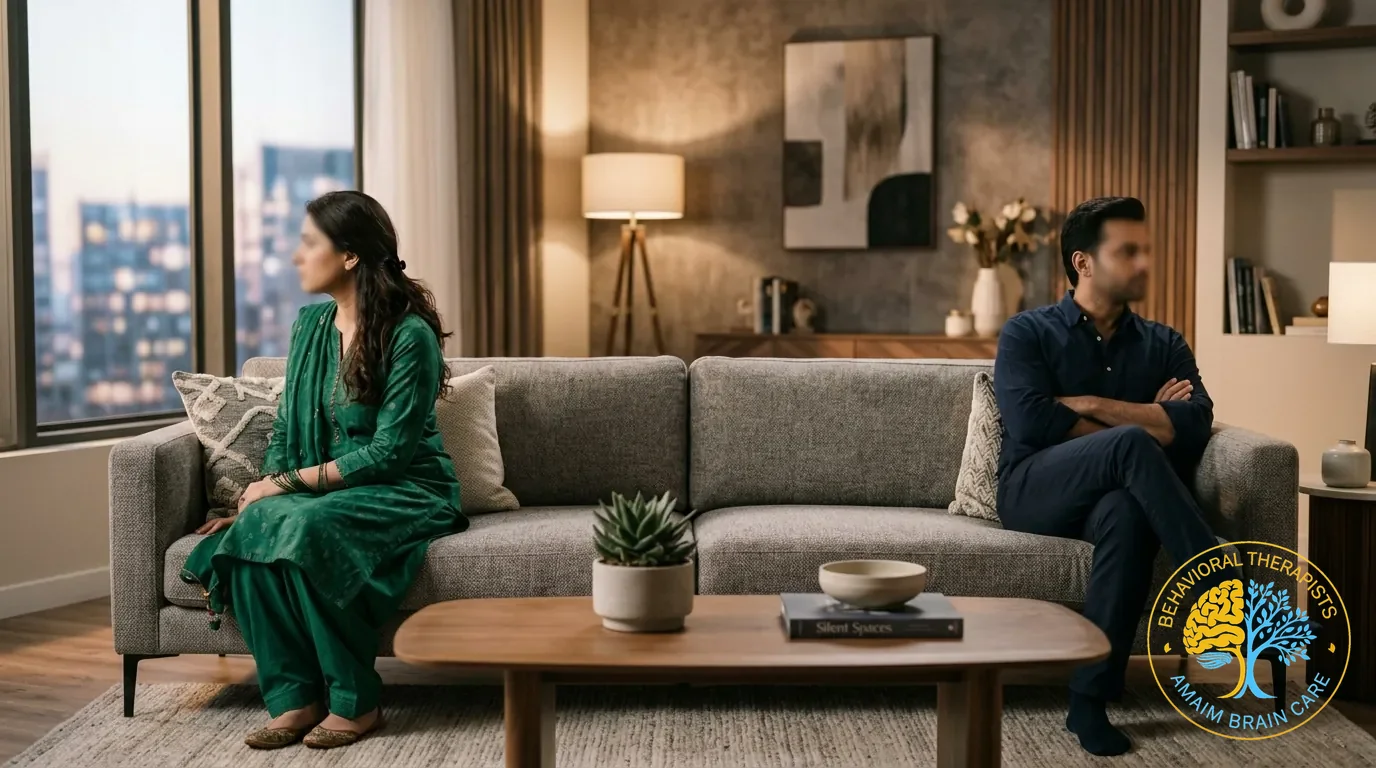
One of the most agonizing and helpless situations in a marriage is watching your spouse suffer from a severe psychiatric illness—such as Clinical Depression, Severe Anxiety, Obsessive-Compulsive Disorder (OCD), or Bipolar Disorder—while they adamantly refuse to see a psychiatrist. In Pakistan, the immense cultural stigma surrounding mental health creates a massive, often impenetrable barrier to treatment. Spouses often fiercely deny their illness, fearing they will be labeled “pagal” (crazy) by society, ostracized by friends, or shamed by their own family members. In other clinical cases, the illness itself directly destroys the patient’s “clinical insight,” making them genuinely believe that their severe paranoia, explosive anger, obsessive cleaning, or extreme isolation is completely normal and justified. Navigating this complex medical crisis requires extreme clinical strategy, endless patience, and a deep understanding of neuro-psychiatry to break through the psychological defenses without escalating the conflict.
شادی شدہ زندگی کا سب سے اذیت ناک اور بے بس کر دینے والا وقت وہ ہوتا ہے جب آپ اپنے شریکِ حیات کو شدید ڈیپریشن، خوف (Anxiety)، وہم کی بیماری (OCD) یا بائی پولر جیسی خطرناک دماغی بیماری میں تڑپتا ہوا دیکھیں، لیکن وہ کسی ماہر ڈاکٹر کے پاس جانے سے سختی سے انکار کر دے۔ پاکستان میں نفسیاتی بیماریوں کے ساتھ جڑی ہوئی شدید شرم اور معاشرتی ڈر (Stigma) علاج کی راہ میں سب سے بڑی رکاوٹ ہے۔ اکثر مریض یہ ماننے سے ہی انکار کر دیتے ہیں کہ وہ بیمار ہیں، کیونکہ انہیں ڈر ہوتا ہے کہ معاشرہ، دوست یا گھر والے انہیں “پاگل” کا طعنہ دیں گے۔ کئی دفعہ بیماری خود مریض کی سوچنے سمجھنے کی صلاحیت چھین لیتی ہے، اور اسے واقعی یہ لگتا ہے کہ اس کا غصہ، شک، بار بار ہاتھ دھونا اور خاموشی بالکل نارمل بات ہے۔ اس انتہائی نازک اور خطرناک صورتحال کو سنبھالنے کے لیے حد سے زیادہ حکمتِ عملی، صبر اور دماغی سائنس کو سمجھنے کی ضرورت ہوتی ہے۔
Understanding the Refusal | علاج سے انکار کے پیچھے چھپی طبی حقیقت
A refusal to seek treatment is rarely just simple stubbornness or an attempt to sabotage the marriage. It is usually deeply rooted in the clinical pathology of the disease itself, driven by neurobiological impairments in the prefrontal cortex (the brain’s reality-testing center), or driven by intense, paralyzing societal fear and internalized stigma. Understanding the physiological and psychological “why” behind the refusal is the first step in formulating an effective intervention.
علاج سے انکار کرنا محض کوئی ضدی پن، انا کا مسئلہ یا شادی کو خراب کرنے کی کوشش نہیں ہوتا۔ اس کی جڑیں عموماً خود اس بیماری کے اندر ہوتی ہیں، جہاں دماغ کا سچ اور جھوٹ پہچاننے والا حصہ (Prefrontal Cortex) کام کرنا چھوڑ دیتا ہے، یا پھر یہ معاشرے کے کسی خوفناک طعنے کا اندرونی ڈر ہوتا ہے۔ علاج کی طرف پہلا قدم اس انکار کی سائنسی اور نفسیاتی وجہ کو سمجھنا ہے۔
1. Lack of Clinical Insight (Anosognosia) | اپنی بیماری کا احساس مر جانا
In severe psychiatric conditions like Schizophrenia, Bipolar Disorder, or severe Paranoia, the patient experiences a clinical symptom known as “Anosognosia”—a neurological inability to recognize that their brain is malfunctioning. This is a physical deficit in the brain’s frontal lobe. To them, their catastrophic rage, bizarre delusions, or crushing depression feels entirely justified by the actions of those around them. They firmly believe they are not the problem; you, the neighbors, or the government are. You cannot simply argue logic with someone whose brain structure is actively misinterpreting reality. Attempting to force insight often leads to aggressive pushback.
بائی پولر، شیزوفرینیا یا شدید شک جیسی سنگین دماغی بیماریوں میں مریض ایک ایسی کلینکل کیفیت (Anosognosia) کا شکار ہو جاتا ہے جس میں اس کے دماغ کا اگلا حصہ (Frontal Lobe) یہ ماننے سے ہی انکاری ہو جاتا ہے کہ وہ بیمار ہے۔ اس کے دماغ میں اپنے ہی غصے، عجیب و غریب باتوں اور رونے کے لیے ہزاروں سچے اور پکے بہانے موجود ہوتے ہیں۔ انہیں سو فیصد یقین ہوتا ہے کہ مسئلہ ان کے دماغ میں نہیں، بلکہ آپ میں، پڑوسیوں میں یا باقی دنیا میں ہے۔ آپ ایسے انسان سے دلیل کے ساتھ بحث نہیں کر سکتے جس کا دماغ حقیقت کو سمجھنے کے قابل ہی نہ ہو۔ ان سے بحث کرنا الٹا ان کے غصے کو بڑھاتا ہے۔
2. Paralyzing Cultural Stigma and Family Resistance | معاشرے کا ڈر اور خاندان کی رکاوٹیں
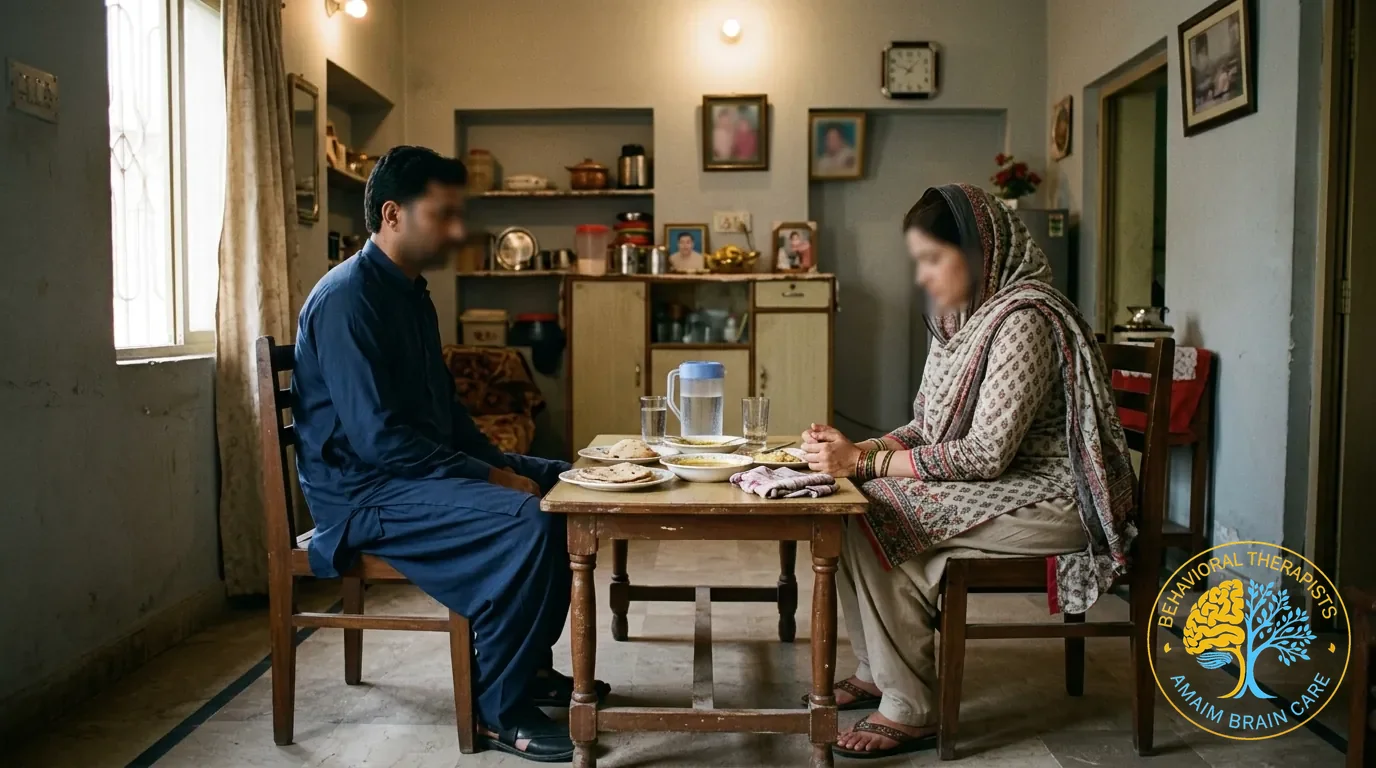
Often, the extended family fiercely resists the idea of psychiatric intervention, complicating the spouse’s willingness to get help. In Pakistani culture, older relatives may aggressively insist the spouse is just suffering from the “evil eye” (nazar), “jinn” possession, or black magic. Consequently, they force the patient to visit fake spiritual healers (Pirs) or undergo exhausting rituals instead of seeking evidence-based psychopharmacology. This toxic interference severely confuses the sick spouse, reinforces their delusion that they are not medically ill, and dramatically delays life-saving treatments like SSRIs or antipsychotics. Navigating these cultural landmines requires careful diplomacy.
بہت سی دفعہ گھر کے بڑے اور رشتہ دار نفسیاتی علاج کے سخت خلاف ہوتے ہیں، جس کی وجہ سے بیمار ساتھی بھی ڈاکٹر کے پاس جانے سے ڈرتا ہے۔ ہمارے پاکستانی کلچر میں بزرگ اکثر یہ ضد کرتے ہیں کہ “اسے نظر لگ گئی ہے، جنات کا سایہ ہے یا جادو ہو گیا ہے”، اور وہ میڈیکل علاج (جیسے ادویات) کی بجائے زبردستی جعلی عاملوں اور پیروں کے پاس لے جاتے ہیں۔ یہ خاندانی دباؤ بیمار انسان کو مزید الجھا دیتا ہے اور اسے یقین دلا دیتا ہے کہ وہ بیمار نہیں ہے، جس سے ان کی جان بچانے والے علاج میں کئی سال کی تاخیر ہو جاتی ہے۔ اس معاشرتی رکاوٹ کو بڑی حکمت سے پار کرنا پڑتا ہے۔
3. The Exhaustion of Depression | ڈیپریشن کی وجہ سے ہمت ہار جانا
Severe Clinical Depression mathematically eradicates the brain’s motivation and reward centers by drastically lowering dopamine levels. The spouse is not refusing treatment to punish you or because they enjoy being miserable; they physically do not have the neurochemical energy required to get out of bed, make an appointment, get dressed, and talk to a stranger. They are consumed by a pathological, disease-induced hopelessness that makes them believe no treatment, no therapy, and no doctor will ever work. This lethargy is a core symptom, not a personality flaw.
خطرناک ڈیپریشن دماغ کے اس حصے (Dopamine) کو بالکل ختم کر دیتا ہے جو انسان کو کچھ کرنے کا حوصلہ یا خوشی دیتا ہے۔ آپ کا ساتھی آپ کو سزا دینے کے لیے یا بیماری کے مزے لینے کے لیے ڈاکٹر کے پاس جانے سے انکار نہیں کر رہا؛ دراصل ان کے اندر اتنی کیمیائی طاقت ہی نہیں بچی کہ وہ بستر سے اٹھ کر کپڑے پہنیں اور کسی اجنبی ڈاکٹر کو اپنی تکلیف سنا سکیں۔ بیماری سے پیدا ہونے والی مایوسی انہیں یہ یقین دلا چکی ہوتی ہے کہ “اب میرا کوئی علاج، کوئی تھراپی اور کوئی ڈاکٹر دنیا میں نہیں بچا”۔ یہ تھکاوٹ بیماری کی سب سے بڑی علامت ہے، ان کی کمزوری نہیں۔
Strategic Steps to Secure Treatment | مریض کو ڈاکٹر تک لانے کی ماہرانہ حکمتِ عملی
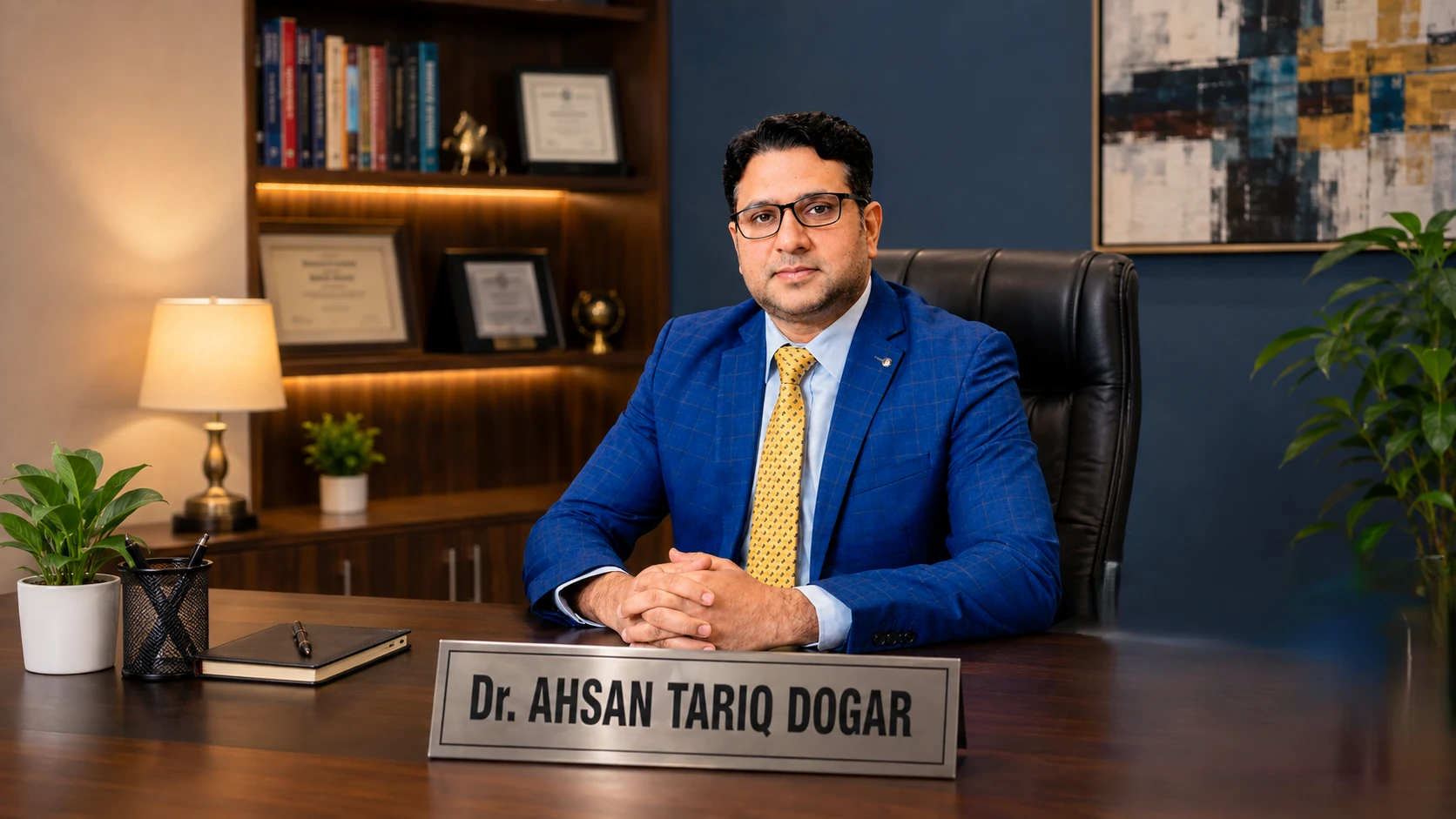
Forcing an ultimatum (“Go to the doctor or I want a divorce”) during a severe psychiatric episode is highly dangerous and counterproductive. It will likely trigger extreme paranoia, intense aggressive escalation, or even suicide attempts. Instead, you must utilize a deeply empathetic, calculated, and strategic approach guided by a professional psychiatric expert like Dr. Ahsan Tariq Dogar.
کسی شدید دماغی بیماری کے دوران مریض کو یہ دھمکی دینا کہ “اگر تم ڈاکٹر کے پاس نہ گئے تو میں طلاق لے لوں گی/گا”، ایک انتہائی خطرناک اور الٹا نقصان دینے والا قدم ہے۔ اس سے مریض کا شک بڑھ سکتا ہے، وہ پرتشدد ہو سکتا ہے، یا خودکشی کی طرف بھی جا سکتا ہے۔ اس کے بجائے، آپ کو ڈاکٹر احسن طارق ڈوگر جیسے ماہر ڈاکٹر کی بتائی ہوئی پیار اور انتہائی حکمتِ عملی کی تکنیک استعمال کرنی ہوگی۔
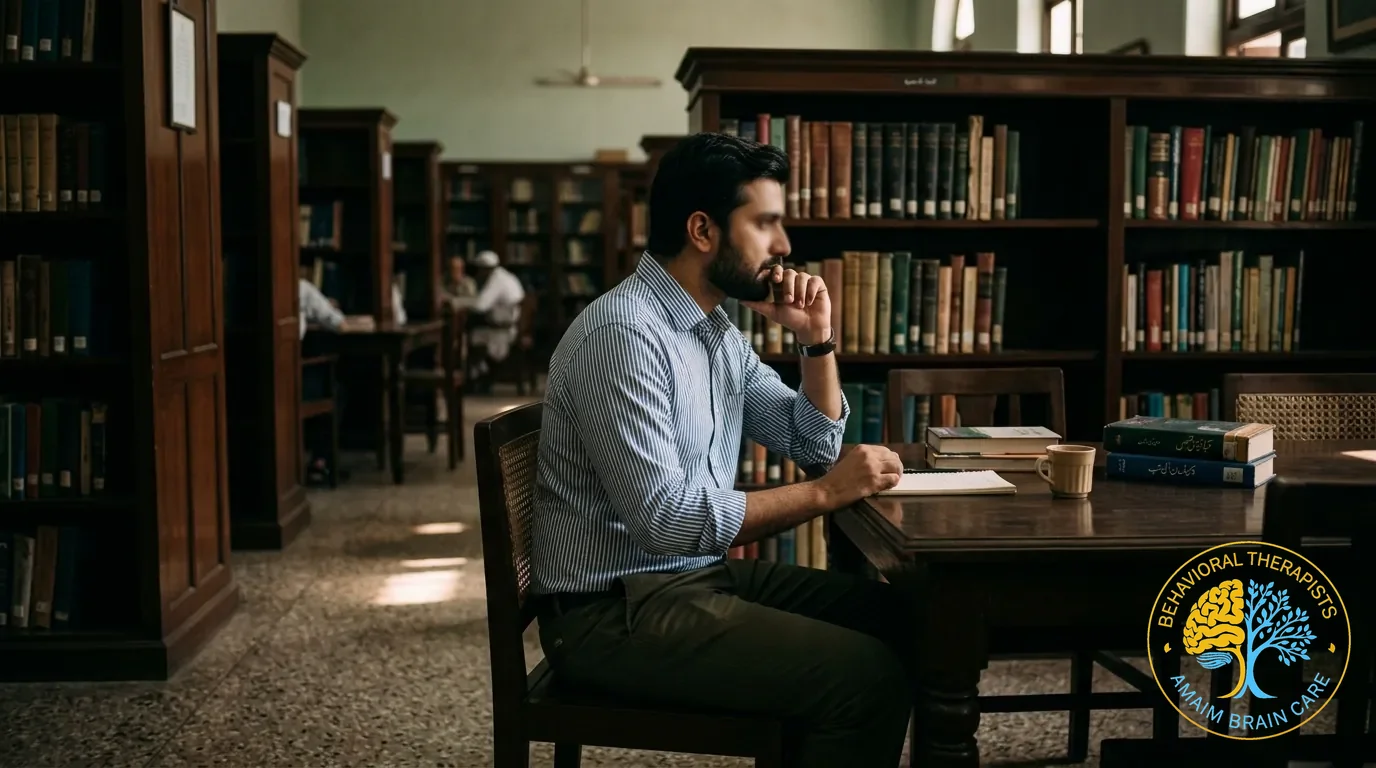
- Focus on Physical Symptoms (جسمانی علامات کا سہارا لیں): Do not attack their mental state or label them as crazy. Instead, suggest seeing a doctor for their “severe insomnia,” “chronic daily headaches,” “stomach issues,” or “extreme fatigue.” It is far easier and less stigmatizing for a patient to accept treatment for a physical ailment than to admit psychiatric failure. | دماغ کی بجائے جسمانی تکلیف کی بات کریں: کبھی بھی یہ نہ کہیں کہ “تمہارا دماغ خراب ہے”۔ ان سے کہیں کہ “آپ کو کئی دن سے نیند نہیں آ رہی”، یا “آپ کے سر اور معدے میں درد رہتا ہے، تھکاوٹ رہتی ہے، چلیں ڈاکٹر کو دکھا لیتے ہیں”۔ انسان کے لیے جسمانی بیماری کا ماننا، پاگل پن کا طعنہ سننے سے ہزار گنا زیادہ آسان ہوتا ہے۔
- Normalize the Experience (بیماری کو نارمل ظاہر کریں): Use language that severely reduces stigma and grounds the illness in biology. Say, “This is exactly like diabetes or high blood pressure. Your brain is temporarily lacking a chemical, and a doctor can fix it quickly with medicine. You don’t have to suffer like this.” | انہیں شرمندگی سے نکالیں: ان سے اس طرح بات کریں جس سے ان کا ڈر ختم ہو۔ کہیں، “یہ تو بالکل شوگر یا بلڈ پریشر کی طرح عام سی بات ہے۔ بس دماغ میں ایک کیمیکل کی کمی ہے جو دوائی سے فوراً ٹھیک ہو جائے گی۔ آپ کو خوامخواہ اتنی تکلیف سہنے کی ضرورت نہیں”۔
- Take the Burden Off Them (ساری ذمہ داری خود اٹھائیں): Do not ask them to make the appointment or figure out the logistics. The depressed brain cannot handle executive functioning tasks. Make the call yourself, arrange the transportation, and offer to go into the doctor’s office with them as their total support system. | ان کا بوجھ خود اٹھائیں: ان سے یہ نہ کہیں کہ وہ خود کلینک میں فون کر کے وقت لیں یا سوچیں کہ کیسے جانا ہے۔ ڈیپریشن کا مارا دماغ یہ فیصلے نہیں کر سکتا۔ آپ خود ڈاکٹر سے وقت لیں، گاڑی کا بندوبست کریں اور ان سے کہیں کہ “میں تمہارے ساتھ ڈاکٹر کے کمرے میں موجود رہوں گا، تمہیں کوئی اکیلا نہیں چھوڑے گا”۔
For dedicated clinical assessment, personalized medical consultation, and confidential psychological support, professional psychiatric care provides a compassionate, evidence-based roadmap toward lasting well-being.
Frequently Asked Questions
What if my husband flatly refuses to go to a psychiatrist because of society’s stigma? | اگر میرا شوہر معاشرے اور خاندان کے ڈر سے ماہر نفسیات (Psychiatrist) کے کلینک جانے سے بالکل صاف انکار کر دے تو میں کیا کروں؟
This is extremely common in Pakistan. A highly effective workaround is to utilize Online Telepsychiatry. The patient does not have to leave their bedroom or sit in a public waiting room. They can have a strictly confidential, highly secure video consultation with an elite psychiatrist via their smartphone. This entirely bypasses the cultural fear of being “seen” going to a mental health clinic. | پاکستان میں یہ مسئلہ بہت عام ہے۔ اس کا سب سے بہترین اور آسان حل “آن لائن ویڈیو کنسلٹیشن” (Telepsychiatry) ہے۔ مریض کو نہ تو اپنے کمرے سے باہر نکلنا پڑتا ہے اور نہ ہی کلینک کے ہجوم میں بیٹھنا پڑتا ہے۔ وہ اپنے ہی بیڈ پر بیٹھ کر، موبائل پر بالکل رازدارانہ اور محفوظ طریقے سے ایک بڑے ڈاکٹر سے علاج کروا سکتے ہیں۔ اس سے “لوگ کیا کہیں گے” کا سارا ڈر ہمیشہ کے لیے ختم ہو جاتا ہے۔
ذہنی اور نفسیاتی صحت کے مسائل کے حوالے سے بروقت طبی تشخیص اور مستند ڈاکٹر کی رہنمائی انتہائی ضروری ہے۔ اگر آپ یا آپ کا کوئی پیارا اس مسئلے کا سامنا کر رہا ہے تو مناسب علاج اور رہنمائی کے لیے مستند ماہر نفسیات سے فوری رجوع کریں۔
Is it safe to secretly mix psychiatric medication into my spouse’s food if they refuse to take it? | اگر میرا شریکِ حیات دوائی کھانے سے انکار کر دے، تو کیا میں چھپ کر اس کے کھانے یا چائے میں دوائی ملا سکتی ہوں؟
Absolutely not. This is a severe medical and ethical violation. Mixing psychiatric medication with certain foods or hot liquids can destroy the drug’s efficacy or cause dangerous chemical reactions. Furthermore, if a paranoid spouse discovers you are secretly drugging them, it will trigger an explosive, catastrophic crisis of trust that may permanently destroy the marriage. Always seek direct guidance from a psychiatrist on handling non-compliance. | بالکل بھی نہیں۔ میڈیکل سائنس اور اخلاقیات میں یہ ایک انتہائی خطرناک حرکت ہے۔ دماغ کی دوائی کو گرم چائے یا سالن میں ملانے سے دوائی کا کیمیکل تباہ ہو سکتا ہے یا کوئی خطرناک ری ایکشن ہو سکتا ہے۔ اس سے بھی بڑی بات، اگر شکی مریض کو یہ پتا چل گیا کہ آپ اسے چھپ کر نشہ یا دوائی دے رہی ہیں، تو اسے آپ پر اتنا بھیانک غصہ اور شک آئے گا کہ آپ کی شادی وہیں ٹوٹ جائے گی۔ اس نازک مسئلے پر ہمیشہ پہلے ڈاکٹر سے باقاعدہ مشورہ کریں۔
ذہنی اور نفسیاتی صحت کے مسائل کے حوالے سے بروقت طبی تشخیص اور مستند ڈاکٹر کی رہنمائی انتہائی ضروری ہے۔ اگر آپ یا آپ کا کوئی پیارا اس مسئلے کا سامنا کر رہا ہے تو مناسب علاج اور رہنمائی کے لیے مستند ماہر نفسیات سے فوری رجوع کریں۔
My in-laws insist my husband has “Nazar” (evil eye) and take him to Pirs instead of a doctor. What should I do? | میرے سسرال والے بضد ہیں کہ ان کے بیٹے کو نظر لگی ہے، اور وہ اسے ڈاکٹر کے بجائے زبردستی پیروں کے پاس لے جاتے ہیں۔ میں کیا کروں؟
You must stand firm to protect your spouse’s neurobiology. Frame the medical treatment as complementary, not contradictory. You can tell the family, “Let the spiritual healing continue, but let us also take the ‘Asbab’ (medical means) and see a doctor for his physical exhaustion and sleep.” This culturally diplomatic approach often reduces resistance, allowing you to secure the vital psychiatric intervention he desperately needs. | آپ کو اپنے شوہر کی جان اور دماغ بچانے کے لیے مضبوطی سے کھڑا ہونا پڑے گا۔ خاندان سے لڑنے کی بجائے ایک عقلمندانہ راستہ نکالیں۔ ان سے کہیں، “پیر صاحب کا دم بھی جاری رکھیں، لیکن شریعت نے اسباب (دوائی) اختیار کرنے کا بھی حکم دیا ہے، اس لیے ہم نیند اور تھکاوٹ کی دوائی کے لیے ڈاکٹر کو بھی دکھا لیتے ہیں”۔ یہ حکمتِ عملی اکثر سسرال والوں کی ضد کو کم کر دیتی ہے اور آپ کو اپنے شوہر کی جان بچانے کا موقع مل جاتا ہے۔
ذہنی اور نفسیاتی صحت کے مسائل کے حوالے سے بروقت طبی تشخیص اور مستند ڈاکٹر کی رہنمائی انتہائی ضروری ہے۔ اگر آپ یا آپ کا کوئی پیارا اس مسئلے کا سامنا کر رہا ہے تو مناسب علاج اور رہنمائی کے لیے مستند ماہر نفسیات سے فوری رجوع کریں۔
Can a psychiatrist speak to me first, before seeing my resistant spouse? | کیا کوئی ماہر نفسیات، میرے ضدی اور بیمار ساتھی کو دیکھنے سے پہلے مجھ سے اکیلے بات کر سکتا ہے تاکہ میں اسے سارا مسئلہ سمجھا سکوں؟
Yes, absolutely. Elite psychiatrists highly encourage this. Booking an initial “collateral consultation” allows you to fully explain the severity of the symptoms, the violence, or the depression without triggering your spouse’s anger. The psychiatrist can then guide you on the exact, medically sound strategies to gently coax your spouse into treatment. | جی ہاں، بالکل۔ بڑے اور مستند ماہرین اس بات کی سختی سے حوصلہ افزائی کرتے ہیں۔ آپ اپنے ساتھی کے بغیر ہی پہلا وقت (Consultation) بک کروا سکتے ہیں تاکہ آپ ڈاکٹر کو اپنے ساتھی کے غصے اور رونے دھونے کی ساری حقیقت اطمینان سے بتا سکیں۔ پھر ڈاکٹر آپ کو وہ خاص اور سائنسی طریقے سمجھائے گا جن پر عمل کر کے آپ اپنے ضدی ساتھی کو پیار اور آرام سے علاج کے لیے راضی کر سکیں گے۔
ذہنی اور نفسیاتی صحت کے مسائل کے حوالے سے بروقت طبی تشخیص اور مستند ڈاکٹر کی رہنمائی انتہائی ضروری ہے۔ اگر آپ یا آپ کا کوئی پیارا اس مسئلے کا سامنا کر رہا ہے تو مناسب علاج اور رہنمائی کے لیے مستند ماہر نفسیات سے فوری رجوع کریں۔
Where can I get highly specialized guidance on dealing with a deeply resistant psychiatric patient in Pakistan? | پاکستان میں کسی انتہائی ضدی اور علاج سے انکاری نفسیاتی مریض کو سنبھالنے کے لیے میں ایک ماہرانہ مشورہ کہاں سے لے سکتا ہوں؟
Amaim Brain Care, led by Dr. Ahsan Tariq Dogar, is highly experienced in navigating extreme patient resistance and severe cultural stigma. We offer dedicated family psychoeducation consultations. We provide you with the exact clinical strategies needed to bypass your spouse’s refusal and safely bring them into treatment. This vital support is available at our Faisalabad clinic and completely privately via online telepsychiatry. | امیم برین کیئر فیصل آباد میں ڈاکٹر احسن طارق ڈوگر کی زیر نگرانی اس انتہائی مشکل اور نازک صورتحال کو ہینڈل کرنے کا وسیع تجربہ موجود ہے۔ ہم خاندان والوں اور بیوی/شوہر کی خاص کونسلنگ کرتے ہیں تاکہ انہیں مریض کی ضد اور غصے سے نمٹنے کے درست طبی طریقے سکھائے جا سکیں۔ یہ انتہائی اہم اور رازدارانہ مدد کلینک کے ساتھ ساتھ پورے پاکستان کے لیے آن لائن ویڈیو کنسلٹیشن کے ذریعے بھی دستیاب ہے۔
ذہنی اور نفسیاتی صحت کے مسائل کے حوالے سے بروقت طبی تشخیص اور مستند ڈاکٹر کی رہنمائی انتہائی ضروری ہے۔ اگر آپ یا آپ کا کوئی پیارا اس مسئلے کا سامنا کر رہا ہے تو مناسب علاج اور رہنمائی کے لیے مستند ماہر نفسیات سے فوری رجوع کریں۔
How can I book an appointment with Dr. Ahsan Tariq Dogar?
You can book an in-person or online neuro-psychiatric consultation via reaching out via WhatsApp at 0333-6986464 for a confidential appointment.
فیصل آباد میں کلینک وزٹ یا آن لائن مشورے کے لیے آپ عمائم برین کیئر کے آفیشل واٹس ایپ لنک کے ذریعے رابطہ کر کے اپنی اپائنٹمنٹ باآسانی بک کروا سکتے ہیں، جہاں آپ کی معلومات کو مکمل صیغہ راز میں رکھا جاتا ہے۔
Sources & References
- American Psychiatric Association. Diagnostic and Statistical Manual of Mental Disorders (DSM-5-TR).
- World Health Organization (WHO). Mental Health Guidelines & Clinical Management Protocols.
- Pakistan Psychiatric Society (PPS). Clinical Practice Standards and Regional Mental Health Guidance.
Medical & Educational Disclaimer
The medical and psychiatric information provided on Amaim Brain Care is for educational purposes only. It is not intended to replace formal in-person psychiatric diagnosis, clinical assessment, or tailored prescription therapy. If you or a loved one are experiencing acute psychological distress or symptoms of a mental health condition, please seek professional evaluation from a certified psychiatrist.