Whether experiencing a traumatic divorce, a highly contentious marital separation, or the sudden, catastrophic death of a spouse, losing a life partner represents one of the most severe psychological and neurobiological stressors a human being can endure. In the immediate aftermath of such profound loss, the silence within the home becomes psychologically suffocating, and every familiar room or shared object triggers acute emotional distress. In Pakistani society, individuals undergoing marital separation, divorce, or widowhood are frequently subjected to intense social scrutiny, unsolicited judgment, and cultural stigma. Well-meaning relatives and friends often dispense unscientific, dismissive advice such as “just show patience (sabar)” or “time heals all wounds,” which completely invalidates the profound physiological trauma occurring within the central nervous system. For men in Pakistan, toxic patriarchal norms dictate that expressing grief is a sign of weakness (“mord roter nahi”), forcing them to suppress severe psychological agony and internalize toxic levels of neurochemical stress. For women, the societal stigma associated with divorce or widowhood frequently compounds their emotional bereavement with deep isolation and shame. However, when this overwhelming grief refuses to attenuate over time—when weeks evolve into months characterized by persistent crying spells, profound emotional numbness, severe sleep disruption, and a complete loss of the will to live—it ceases to be normal bereavement. It transforms into a life-threatening, clinical neuropsychiatric condition known as Major Depressive Disorder (MDD). At this stage, the brain has undergone measurable structural and neurochemical collapse under the burden of chronic stress, leading to neuro-degeneration in key brain structures such as the hippocampus and prefrontal cortex.
چاہے ایک تکلیف دہ طلاق ہو، تلخ علیحدگی ہو، یا شریکِ حیات کی اچانک اور دردناک موت؛ اس زندگی کے ساتھی کو کھو دینا جس کے گرد آپ نے اپنی پوری دنیا بسائی ہو، انسان پر گزرنے والے سب سے شدید نفسیاتی اور اعصابی صدمات میں سے ایک ہے۔ اس عظیم نقصان کے فوراً بعد، گھر کی خاموشی نفسیاتی طور پر دم گھونٹنے لگتی ہے، اور ہر جانی پہچانی چیز یا کمرہ شدید ذہنی اذیت کا سبب بنتا ہے۔ ہمارے پاکستانی معاشرے میں، طلاق یافتہ افراد یا بیواؤں کو اکثر کڑی سماجی تنقید، بے جا فیصلوں اور معاشرتی طعنوں کا سامنا کرنا پڑتا ہے۔ ہمدردی جتانے والے رشتہ دار اور دوست عموماً غیر سائنسی اور کھوکھلے مشورے دیتے ہیں جیسے کہ “بس صبر کرو” یا “وقت ہر زخم بھر دیتا ہے”، جو دماغ کے مرکزی اعصابی نظام (Central Nervous System) میں ہونے والی شدید جسمانی اور کیمیائی تباہی کو مکمل طور پر نظر انداز کر دیتے ہیں۔ پاکستان میں مردوں پر معاشرے کا یہ زہریلا دباؤ ہوتا ہے کہ غم کا اظہار کرنا کمزوری ہے (“مرد روتے نہیں”)، جس کی وجہ سے وہ اپنی شدید ذہنی اذیت کو اندر ہی اندر دبا کر زہریلے ذہنی دباؤ کا شکار ہو جاتے ہیں۔ خواتین کے لیے، طلاق یا بیوگی سے جڑا معاشرتی داغ ان کے غم کو مزید گہرا کر کے انہیں شدید تنہائی اور شرمندگی میں دھکیل دیتا ہے۔ تاہم، جب یہ شدید دکھ وقت کے ساتھ کم ہونے کا نام نہ لے—جب ہفتے مہینوں میں بدل جائیں اور مسلسل رونا، مکمل ذہنی و جسمانی سن پن، نیند کی شدید خرابی، اور جینے کی خواہش کا مکمل خاتمہ مقدر بن جائے—تو یہ کوئی عام سوگ نہیں رہتا۔ یہ ایک جان لیوا کلینیکل اعصابی بیماری کی شکل اختیار کر لیتا ہے جسے شدید ڈیپریشن (Major Depressive Disorder) کہتے ہیں۔ اس مرحلے پر، دائمی دباؤ کے بوجھ تلے آپ کا دماغ ساخت اور کیمیکلز کے اعتبار سے ٹوٹ پھوٹ کا شکار ہو چکا ہوتا ہے، جس سے ہپوکیمپس (Hippocampus) اور پری فرنٹل کورٹیکس (Prefrontal Cortex) جیسے اہم حصوں کے خلیات کو شدید نقصان پہنچتا ہے۔
The Neuroscience of Broken Hearts: How Extreme Grief Damages Brain Architecture
انتہائی دکھ دماغ کی ساخت اور کیمیکلز کو کیسے تباہ کرتا ہے؟
To survive the aftermath of relationship dissolution or spousal bereavement, patients and their families must understand that severe clinical depression is neither a personal moral failure nor a deficiency in religious faith; it is an acute neurochemical crisis occurring within the brain’s emotional, survival, and reward circuitry. The chronic emotional trauma of losing an attachment figure directly alters the brain’s neuroplasticity. It triggers systemic neuro-inflammation and causes structural atrophy in areas responsible for memory consolidation and emotional regulation while hyper-activating primitive fear centers.
اس شدید صدمے اور علیحدگی کے عذاب سے زندہ نکلنے کے لیے مریضوں اور ان کے اہل خانہ کو یہ سمجھنا بے حد ضروری ہے کہ کلینیکل ڈیپریشن نہ تو کوئی ذاتی کمزوری ہے اور نہ ہی ایمان کی کمی؛ بلکہ یہ دماغ کے جذباتی، بقا اور خوشی کو کنٹرول کرنے والے نظام میں پیدا ہونے والا ایک شدید کیمیائی بحران ہے۔ کسی قریبی رشتے کے کھو جانے کا دائمی صدمہ دماغ کی لچک (Neuroplasticity) کو براہِ راست بدل دیتا ہے۔ یہ دماغ میں سوزش (Neuro-inflammation) پیدا کرتا ہے اور یادداشت اور جذبات کو قابو میں رکھنے والے حصوں کو سکیڑ دیتا ہے، جبکہ ڈر اور خوف کے ابتدائی مراکز کو حد سے زیادہ متحرک کر دیتا ہے۔
1. The Cortisol Flood, Amygdala Hijack, and Somatic Pain
ڈر کے ہارمون (کورٹیسول) کا سیلاب، امیگڈالا کا ہائی جیک اور جسمانی درد
When an attachment bond is severed, the human brain perceives an acute threat to survival. The amygdala—the brain’s primitive fear and alarm center—initiates a violent “amygdala hijack,” stimulating the hypothalamic-pituitary-adrenal (HPA) axis to continuously pump toxic levels of cortisol, adrenaline, and norepinephrine into the bloodstream. This chronic neurochemical flood produces severe somatic (physical) symptoms. Patients frequently experience actual, crushing chest pain (clinically recognized in acute forms as Takotsubo cardiomyopathy or “broken heart syndrome”), gastrointestinal distress due to the disruption of the gut-brain axis, and debilitating chronic fatigue. Furthermore, sustained neurotoxic levels of cortisol inhibit the production of Brain-Derived Neurotrophic Factor (BDNF), literally destroying neurons in the hippocampus and preventing the brain from forming new emotional pathways or processing grief healthily. The nervous system processes severe emotional rejection or bereavement using the exact same neural pathways as physical trauma; to your brain, losing a partner feels like an ongoing physical assault.
جب کوئی قریبی رشتہ ٹوٹتا ہے، تو انسانی دماغ اسے اپنی بقا کے لیے ایک فوری اور سنگین خطرہ سمجھتا ہے۔ دماغ کا ڈر اور خوف پیدا کرنے والا حصہ (Amygdala) بے قابو ہو کر “امیگڈالا ہائی جیک” کر لیتا ہے، اور ایچ پی اے ایکسس (HPA Axis) کو مسلسل متحرک کر کے خون میں کورٹیسول (Cortisol)، ایڈرینالین (Adrenaline) اور نارایپی نیفرین (Norepinephrine) جیسے زہریلے ہارمونز کا سیلاب بہا دیتا ہے۔ کیمیکلز کا یہ دائمی طوفان شدید جسمانی علامات (Somatic Symptoms) پیدا کرتا ہے۔ مریضوں کو اکثر سینے میں اصلی اور کچل دینے والا درد محسوس ہوتا ہے (جسے طبی زبان میں “بروکن ہارٹ سنڈروم” کہتے ہیں)، دماغ اور معدے کے رابطے (Gut-Brain Axis) کی خرابی سے نظام ہضم تباہ ہو جاتا ہے، اور انسان نڈھال کر دینے والی تھکاوٹ کا شکار رہتا ہے۔ مزید یہ کہ، کورٹیسول کی زہریلی مقدار دماغ میں خلیات کی نشوونما کرنے والے پروٹین (BDNF) کو بننے سے روکتی ہے، جس سے ہپوکیمپس کے خلیات مرنے لگتے ہیں اور دماغ نئے جذباتی راستے بنانے یا دکھ سے باہر نکلنے کی صلاحیت کھو بیٹھتا ہے۔ اعصابی نظام کسی قریبی رشتے کے بچھڑنے کو بالکل اسی طرح محسوس کرتا ہے جیسے جسم پر کوئی شدید کاری ضرب لگی ہو؛ آپ کے دماغ کے لیے شریکِ حیات کو کھونا کسی جاری جسمانی حملے سے کم نہیں ہوتا۔

2. The Serotonin and Dopamine Collapse (Clinical Anhedonia)
خوشی اور سکون کے کیمیکلز کا خاتمہ اور مکمل بے حسی (Anhedonia)
In a long-term relationship, a partner serves as a primary biological regulator of your brain’s reward and mood stabilization systems. They stimulate the continuous release of dopamine (the neurotransmitter responsible for motivation, pleasure, and reward anticipation) and serotonin (the crucial neurotransmitter regulating mood, impulse control, and emotional stability). Following a divorce or bereavement, the production of dopamine and serotonin experiences a catastrophic collapse. This rapid neurotransmitter depletion plunges the patient into a state of profound clinical Anhedonia—the absolute biological inability to experience pleasure or satisfaction. The patient becomes entirely numb. Simultaneously, the prefrontal cortex—the seat of executive functioning, logical reasoning, and future planning—experiences hypo-activity and goes effectively offline. Patients lose basic executive drives: they cease eating, neglect personal hygiene, cannot initiate tasks, and feel zero joy from activities or relationships that previously brought happiness. You are functionally incapable of “cheering up” because the biological machinery responsible for mood regulation has suffered a mechanical failure.
ایک طویل مدتی رشتے میں، شریکِ حیات آپ کے دماغ کے خوشی اور مزاج کو متوازن رکھنے والے نظام کا ایک بنیادی ذریعہ ہوتا ہے۔ ان کی موجودگی سے دماغ میں مسلسل ڈوپامین (Dopamine—جو حوصلہ، خوشی اور انعام کا احساس دلاتا ہے) اور سیروٹونن (Serotonin—جو مزاج، جذبات اور سکون کو متوازن رکھتا ہے) پیدا ہوتا رہتا ہے۔ طلاق یا شریکِ حیات کی وفات کے بعد، ان کیمیکلز کی پیداوار میں خوفناک حد تک کمی واقع ہو جاتی ہے۔ کیمیکلز کی اس تیزی سے ہونے والی کمی کی وجہ سے مریض کلینیکل اینہیڈونیا (Anhedonia) یعنی خوشی محسوس کرنے کی صلاحیت کے مکمل خاتمے کا شکار ہو جاتا ہے۔ مریض اندر سے بالکل بے حس اور سن ہو جاتا ہے۔ اس کے ساتھ ہی، دماغ کا سامنے والا حصہ (Prefrontal Cortex)—جو فیصلے کرنے، منطقی سوچ اور مستقبل کی منصوبہ بندی کا ذمہ دار ہے—کام کرنا چھوڑ دیتا ہے۔ مریض اپنی بنیادی صلاحیتیں کھو بیٹھتا ہے: وہ کھانا پینا چھوڑ دیتا ہے، اپنی صفائی کا خیال نہیں رکھتا، بستر سے اٹھنے کی ہمت نہیں کر پاتا، اور کسی بھی چیز—یہاں تک کہ اپنے بچوں یا نوکری—سے کوئی خوشی محسوس نہیں کر پاتا۔ آپ سائنسی طور پر “خوش ہونے” کے قابل نہیں رہتے کیونکہ مزاج کو متوازن رکھنے والی اعصابی مشینری مکمل طور پر فیل ہو چکی ہوتی ہے۔
3. Circadian Rhythm Disruption and Intractable Insomnia
نیند کے اعصابی نظام کی مکمل تباہی اور شدید بے خوابی (Insomnia)
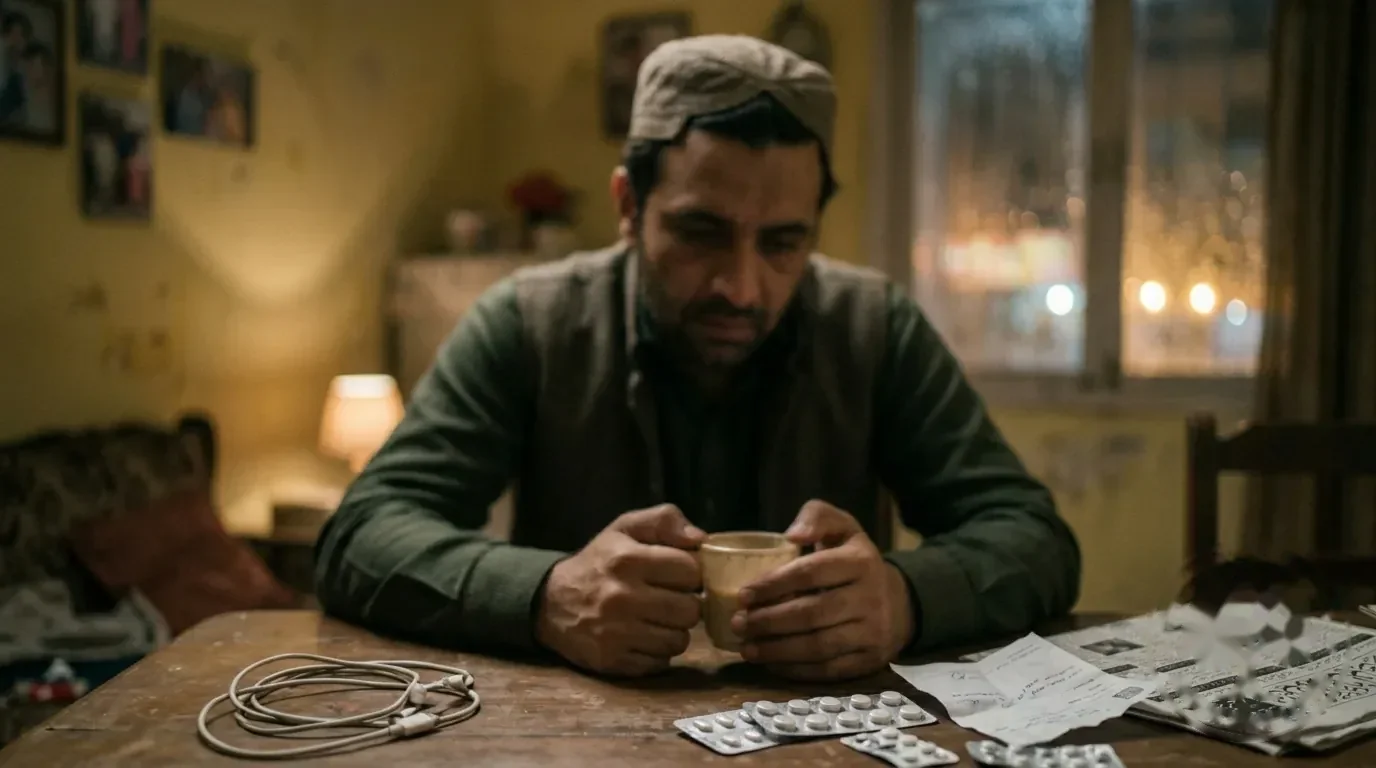
One of the most debilitating neurobiological consequences of this chemical collapse is severe, intractable insomnia. Because serotonin is the essential chemical precursor required to synthesize melatonin (the primary hormone regulating sleep-wake cycles), a plummet in serotonin inevitably leads to a complete cessation of natural sleep induction. Compounding this, the persistent elevated levels of circulating norepinephrine keep the sympathetic nervous system locked in a state of hyper-arousal and vigilance. Patients lie awake for days on end, trapped in a relentless neuro-cognitive loop of intrusive trauma memories, rumination, and catastrophic ideation. This severe sleep deprivation accelerates structural neuro-degeneration, severely impairs cognitive processing, and deepens the clinical depression, rendering spontaneous recovery virtually impossible without pharmacological intervention.
کیمیکلز کی اس تباہی کا ایک اور انتہائی خطرناک اور بھیانک نتیجہ شدید اور لاعلاج بے خوابی (Insomnia) ہے۔ چونکہ سیروٹونن وہ بنیادی کیمیکل ہے جس سے نیند کا ہارمون میلاٹونن (Melatonin) بنتا ہے، اس لیے سیروٹونن کی کمی سے قدرتی نیند کا نظام مکمل طور پر معطل ہو جاتا ہے۔ اس کے ساتھ ہی، خون میں موجود ڈر اور چوکنا رکھنے والا کیمیکل (Norepinephrine) اعصابی نظام کو ہر وقت ہائی الرٹ رکھتا ہے۔ مریض کئی کئی دن اور راتیں جاگتے رہتے ہیں اور ان کا دماغ پرانی یادوں، خود کلامی اور خوفناک خیالات کے ایک نہ رکنے والے چکر میں قید رہتا ہے۔ نیند کی یہ شدید کمی دماغ کی ساخت کو مزید تیزی سے تباہ کرتی ہے، سوچنے سمجھنے کی صلاحیت کو چھین لیتی ہے، اور ڈیپریشن کو اتنا گہرا کر دیتی ہے کہ طبی ادویات کے بغیر اس کیفیت سے باہر نکلنا ناممکن ہو جاتا ہے۔
The Pakistani Cultural Reality: Overcoming Societal Stigma and Isolation
پاکستانی معاشرتی حقیقت: سماجی دباؤ اور طعنوں سے آزادی
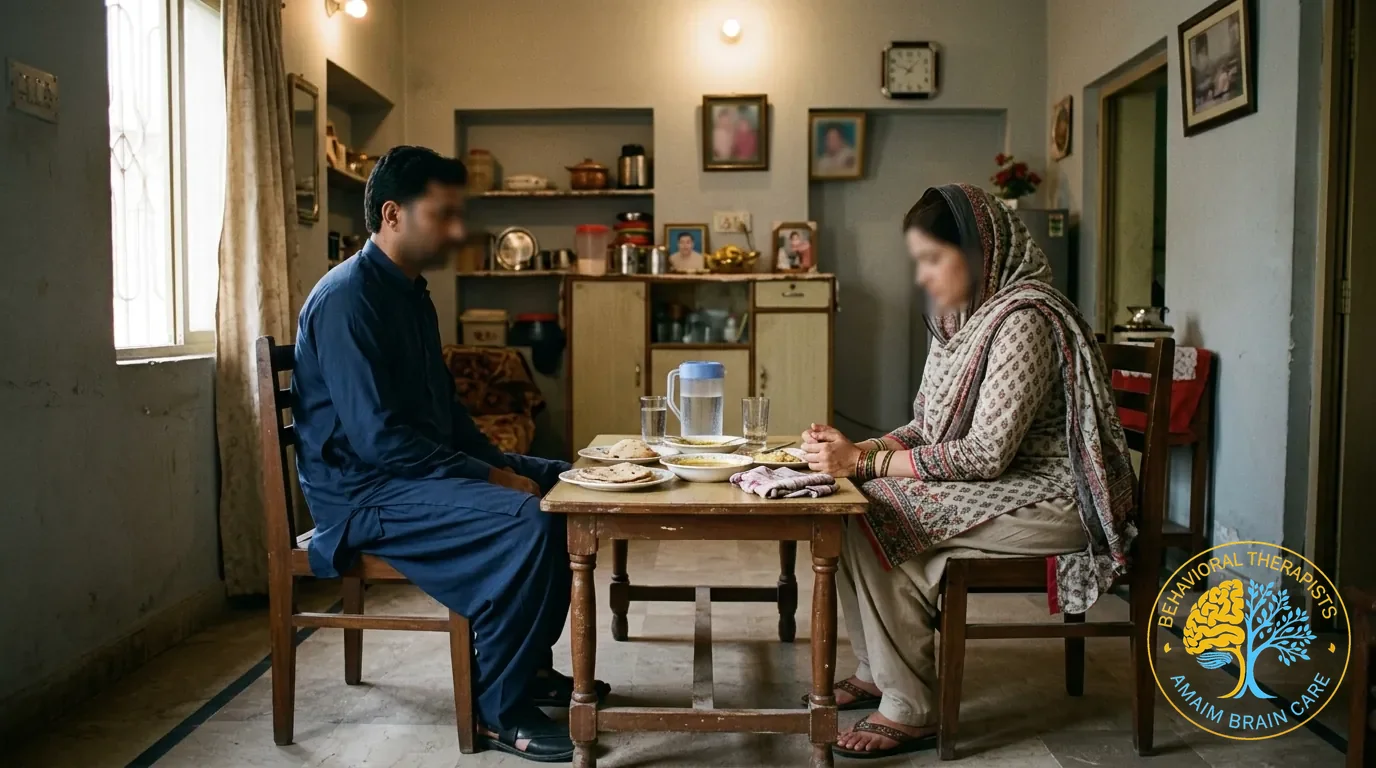
In Pakistan, psychiatric disorders remain heavily shrouded in cultural taboo, particularly when intersecting with marital dissolution or bereavement. Divorced individuals—and most specifically divorced women—regularly endure toxic victim-blaming, character assassination, and severe social ostracization. Widows are culturally pressured to mourn in perpetual silence, sacrificing their mental health and future aspirations to appease societal expectations. This overwhelming societal pressure forces individuals to conceal their psychological suffering, avoiding psychiatric clinics out of fear of being labeled “mad” (pagal) or bringing shame to the family. However, untreated major depressive disorder leads to severe somatic complications, including incapacitating panic attacks, chronic hypertension, cardiovascular deterioration, and a total collapse of immune system competency. It is essential for patients across Faisalabad and Pakistan to realize that seeking specialized psychiatric consultation is an act of supreme courage and a critical biological necessity, not a reflection of moral or spiritual weakness.
پاکستان میں نفسیاتی اور دماغی بیماریوں کو اب بھی ایک بہت بڑا معاشرتی داغ سمجھا جاتا ہے، خاص طور پر جب اس کا تعلق شادی کے ٹوٹنے یا کسی کی موت سے ہو۔ طلاق یافتہ افراد—اور بالخصوص خواتین—کو مسلسل معاشرے کے طعنوں، کردار کشی اور شدید سماجی بائیکاٹ کا سامنا کرنا پڑتا ہے۔ بیواؤں پر معاشرے کا یہ ظالمانہ دباؤ ہوتا ہے کہ وہ ساری زندگی خاموشی سے ماتم کرتی رہیں اور لوگوں کو خوش کرنے کے لیے اپنی ذہنی صحت اور مستقبل کی قربانی دے دیں۔ یہ شدید معاشرتی دباؤ مریضوں کو مجبور کرتا ہے کہ وہ اپنی ذہنی اذیت کو چھپائیں اور “پاگل” کہلائے جانے یا خاندان کی بدنامی کے ڈر سے ماہر نفسیات کے پاس جانے سے گریز کریں۔ تاہم، علاج کے بغیر چھوڑ دیا جانے والا شدید ڈیپریشن خطرناک جسمانی بیماریوں کا سبب بنتا ہے، جن میں جان لیوا پینک اٹیکس (Panic Attacks)، دائمی بلڈ پریشر، دل کے امراض، اور مدافعتی نظام کی مکمل تباہی شامل ہے۔ فیصل آباد اور پورے پاکستان کے مریضوں کے لیے یہ سمجھنا بے حد ضروری ہے کہ ماہر دماغی ڈاکٹر سے علاج کروانا انتہائی بہادری کا کام اور ایک سائنسی ضرورت ہے، یہ کسی قسم کی اخلاقی یا روحانی کمزوری نہیں ہے۔
The Medical Rescue: Evidence-Based Psychopharmacology and Psychotherapy
اس اندھیرے سے نکلنے کا راستہ: مستند سائنسی ادویات اور سائیکو تھراپی
You cannot repair shattered brain architecture or correct severe neurotransmitter deficits with mere time, patience, or motivational platitudes. Once traumatic grief has metastasized into Major Depressive Disorder, every unmedicated day accelerates structural neuro-degeneration. You urgently require elite, evidence-based psychiatric intervention from an experienced consultant neuropsychiatrist such as Dr. Ahsan Tariq Dogar at Amaim Brain Care. The clinical standard of care involves a combined, multimodal approach utilizing advanced psychopharmacology and targeted psychotherapy.
آپ محض وقت گزرنے کے انتظار، صبر کی تلقین، یا کھوکھلی تسلیوں سے دماغ کی ٹوٹی ہوئی ساخت اور کیمیکلز کی کمی کو ٹھیک نہیں کر سکتے۔ جب صدمہ ایک دفعہ کلینیکل ڈیپریشن کی بیماری بن جائے، تو علاج کے بغیر گزرنے والا ہر دن دماغ کو مستقل نقصان پہنچاتا ہے۔ آپ کو فوراً امیم برین کیئر میں ماہر امراضِ نفسیات ڈاکٹر احسن طارق ڈوگر جیسے مستند معالج سے عالمی معیار کے علاج کی ضرورت ہے۔ جدید علاج کے عالمی اصولوں کے مطابق، اس بیماری کو ختم کرنے کے لیے جدید ادویات اور سائنسی تھراپی کا ایک ساتھ استعمال ناگزیر ہے۔
1. Advanced Psychopharmacology: Restoring Neurochemical Balance
جدید نفسیاتی ادویات: دماغی کیمیکلز کا توازن اور بحالی
To arrest the neurochemical storm, a psychiatrist will prescribe specific, evidence-based medications designed to modulate brain chemistry. Selective Serotonin Reuptake Inhibitors (SSRIs) such as Escitalopram or Sertraline, and Serotonin-Norepinephrine Reuptake Inhibitors (SNRIs) such as Venlafaxine or Duloxetine, work by blocking the reabsorption of neurotransmitters in the synaptic cleft. This allows depleted levels of serotonin and norepinephrine to accumulate, restoring neural communication between the prefrontal cortex and the limbic system. In cases characterized by severe insomnia, acute agitation, or treatment-resistant symptoms, adjunctive pharmacotherapy—such as low-dose atypical antipsychotics (e.g., Quetiapine or Aripiprazole) or short-term sleep architecture modulators—may be utilized. As these medications stabilize the central nervous system over several weeks, the toxic flood of stress hormones ceases. The agonizing somatic chest pain evaporates, circadian sleep rhythms normalize, and the paralyzing emotional numbness thaws, allowing the patient to feel hope and vitality once again.
دماغ میں کیمیکلز کے اس طوفان کو روکنے کے لیے، ماہر امراضِ نفسیات مخصوص اور مستند ادویات تجویز کرتے ہیں جو دماغی کیمیکلز کو متوازن کرتی ہیں۔ ایس ایس آر آئیز (SSRIs جیسے کہ Escitalopram یا Sertraline) اور ایس این آر آئیز (SNRIs جیسے کہ Venlafaxine یا Duloxetine) دماغ کے خلیات کے درمیان سیروٹونن اور نارایپی نیفرین کو جذب ہونے سے روکتی ہیں۔ اس سے دماغ میں ان اہم کیمیکلز کی مقدار دوبارہ پوری ہو جاتی ہے اور پری فرنٹل کورٹیکس کا جذبات کے نظام سے رابطہ بحال ہو جاتا ہے۔ جن کیسز میں شدید بے خوابی، انتہائی بے چینی، یا پرانا ڈیپریشن ہو، وہاں معاون ادویات—جیسے کہ کم مقدار میں جدید اینٹی سائیکوٹکس (جیسے Quetiapine یا Aripiprazole) یا نیند کے نظام کو ٹھیک کرنے والی دوائیں—استعمال کی جاتی ہیں۔ جیسے ہی یہ ادویات چند ہفتوں میں اعصابی نظام کو مستحکم کرتی ہیں، ڈر کے ہارمونز کا زہریلا سیلاب رک جاتا ہے۔ سینے کا جان لیوا درد ختم ہو جاتا ہے، پرسکون نیند واپس آتی ہے، اور مفلوج کر دینے والا سن پن پگھلنے لگتا ہے، جس سے مریض میں دوبارہ امید اور زندگی کی رمق پیدا ہوتی ہے۔

Frequently Asked Questions
It has been over a year since my divorce, but I still cry every single day and cannot function. Why isn’t time healing me? | میری طلاق کو ایک سال سے زیادہ ہو گیا ہے، لیکن میں آج بھی روز روتا ہوں اور کوئی کام نہیں کر پاتا۔ وقت میرے زخم کیوں نہیں بھر رہا؟
Because time cannot heal a broken neurochemical pathway. Normal grief slowly fades over months. However, when grief triggers Clinical Depression, the brain’s Serotonin production physically breaks down. It becomes a self-sustaining biological illness. Waiting for “time” to cure clinical depression is like waiting for time to cure a broken leg that was never set in a cast. You require specific psychiatric medication to biologically repair the damage so true healing can begin. | کیونکہ محض وقت گزرنے سے دماغ کے خراب ہونے والے کیمیکلز خودبخود ٹھیک نہیں ہوتے۔ ایک عام دکھ مہینوں کے ساتھ آہستہ آہستہ کم ہو جاتا ہے۔ لیکن جب دکھ اتنا شدید ہو کہ وہ ڈیپریشن کی بیماری بن جائے، تو دماغ میں خوشی کا کیمیکل بننے والا سسٹم جسمانی طور پر ٹوٹ جاتا ہے۔ پھر یہ دکھ ایک سچی بیماری بن جاتا ہے۔ کیمیکلز کے ٹھیک ہونے کا انتظار کرنا ایسا ہی ہے جیسے بغیر پلاسٹر کے ٹوٹی ہوئی ہڈی کے جڑنے کا انتظار کرنا۔ آپ کو اپنے دماغ کو جوڑنے کے لیے فوراً ماہر ڈاکٹر کی دوائی کی ضرورت ہے۔
ذہنی اور نفسیاتی صحت کے مسائل کے حوالے سے بروقت طبی تشخیص اور مستند ڈاکٹر کی رہنمائی انتہائی ضروری ہے۔ اگر آپ یا آپ کا کوئی پیارا اس مسئلے کا سامنا کر رہا ہے تو مناسب علاج اور رہنمائی کے لیے مستند ماہر نفسیات سے فوری رجوع کریں۔
I feel an intense, crushing physical pain in my chest when I think of my deceased partner. Am I having a heart attack? | جب مجھے اپنے وفات پا جانے والے شریکِ حیات کی یاد آتی ہے تو میرے سینے میں درد کا ایک انتہائی شدید جھٹکا لگتا ہے۔ کیا مجھے دل کا دورہ پڑ رہا ہے؟
While you should always rule out cardiac issues with a doctor, this is most likely a massive Panic Attack triggered by severe grief. The emotional memory instantly floods your heart with adrenaline, causing a terrifying physical reaction that mimics a heart attack exactly. Elite psychiatric medication acts as a shield, completely blocking this adrenaline surge and stopping the agonizing chest pain instantly. | اگرچہ آپ کو دل کے ڈاکٹر سے لازمی چیک کروانا چاہیے، لیکن زیادہ تر صورتوں میں یہ شدید دکھ کی وجہ سے پڑنے والا پینک اٹیک (گھبراہٹ کا دورہ) ہوتا ہے۔ ان کی یاد اچانک آپ کے خون میں خوف کا کیمیکل (ایڈرینالین) بھر دیتی ہے، جس کا جھٹکا بالکل دل کے دورے جیسا درد ناک ہوتا ہے۔ ماہر دماغی ڈاکٹر کی دوائی ایک ڈھال بن کر اس زہریلے کیمیکل کو آپ کے دل تک پہنچنے سے روکتی ہے، جس سے یہ سینے کا جان لیوا درد فوراً بند ہو جاتا ہے۔
ذہنی اور نفسیاتی صحت کے مسائل کے حوالے سے بروقت طبی تشخیص اور مستند ڈاکٹر کی رہنمائی انتہائی ضروری ہے۔ اگر آپ یا آپ کا کوئی پیارا اس مسئلے کا سامنا کر رہا ہے تو مناسب علاج اور رہنمائی کے لیے مستند ماہر نفسیات سے فوری رجوع کریں۔
As a man in Pakistan, I am told I must be strong and not cry after my divorce. But I am dying inside. What should I do? | پاکستان میں ایک مرد ہونے کے ناطے مجھے طلاق کے بعد یہ طعنہ ملتا ہے کہ مرد روتے نہیں، مضبوط بنو۔ لیکن میں اندر سے مر رہا ہوں۔ مجھے کیا کرنا چاہیے؟
This cultural expectation is incredibly toxic and directly causes severe mental breakdowns in men. Emotional suppression forces the brain to internalize the massive stress, leading to dangerous levels of cortisol, high blood pressure, and explosive anger or silent depression. You do not have to suffer in silence. Seeing a highly confidential psychiatrist like Dr. Ahsan Tariq Dogar provides a safe, completely private medical intervention to stabilize your mind without societal judgment. | ہمارے معاشرے کی یہ سوچ انتہائی زہریلی ہے اور یہی وجہ ہے کہ مرد اندر ہی اندر خطرناک بیماریوں کا شکار ہو جاتے ہیں۔ اپنے آنسوؤں اور دکھ کو زبردستی دبانے سے دماغ سارا زہر اپنے اندر اتار لیتا ہے، جس سے بلڈ پریشر، ہارٹ اٹیک، یا خطرناک خاموش ڈیپریشن جنم لیتا ہے۔ آپ کو اندر ہی اندر گھٹنے کی کوئی ضرورت نہیں۔ ڈاکٹر احسن طارق ڈوگر جیسے ماہر ڈاکٹر کے پاس جانا ایک 100 فیصد رازدارانہ اور محفوظ طریقہ ہے جہاں آپ کو کوئی جج نہیں کرے گا اور جدید علاج سے آپ کو اس دکھ سے باہر نکالا جائے گا۔
ذہنی اور نفسیاتی صحت کے مسائل کے حوالے سے بروقت طبی تشخیص اور مستند ڈاکٹر کی رہنمائی انتہائی ضروری ہے۔ اگر آپ یا آپ کا کوئی پیارا اس مسئلے کا سامنا کر رہا ہے تو مناسب علاج اور رہنمائی کے لیے مستند ماہر نفسیات سے فوری رجوع کریں۔
I feel completely numb. I don’t cry, I don’t smile, I just stare at the wall. Is this normal after losing a partner? | میں اندر سے بالکل سن ہو گیا ہوں۔ نہ مجھے رونا آتا ہے نہ ہنسی، میں بس سارا دن دیوار کو گھورتا رہتا ہوں۔ کیا شریکِ حیات کے جانے کے بعد ایسا ہونا نارمل ہے؟
No, this is not normal grief; this is severe Anhedonia, a critical symptom of deep Clinical Depression. Your nervous system was so overwhelmed by the trauma that it entirely “pulled the plug” on all your emotions to protect you from the pain. You are surviving, but you are completely frozen. Advanced anti-depressants will safely reboot your emotional centers, allowing you to thaw out of this terrifying numbness and process your feelings naturally. | بالکل نہیں، یہ کوئی عام دکھ نہیں ہے؛ بلکہ یہ شدید ڈیپریشن کی سب سے خطرناک علامت (Anhedonia) ہے۔ صدمہ اتنا گہرا تھا کہ آپ کا دماغ اس درد کا بوجھ نہیں اٹھا سکا اور اس نے خود کو بچانے کے لیے تمام احساسات کا سوئچ ہی آف کر دیا۔ آپ زندہ تو ہیں، لیکن اندر سے بالکل جم چکے ہیں۔ ماہر ڈاکٹر کی ادویات آپ کے دماغ کے احساسات والے حصے کو دوبارہ آن کریں گی، تاکہ آپ اس سن پن سے باہر آ سکیں اور دوبارہ ایک نارمل انسان بن سکیں۔
ذہنی اور نفسیاتی صحت کے مسائل کے حوالے سے بروقت طبی تشخیص اور مستند ڈاکٹر کی رہنمائی انتہائی ضروری ہے۔ اگر آپ یا آپ کا کوئی پیارا اس مسئلے کا سامنا کر رہا ہے تو مناسب علاج اور رہنمائی کے لیے مستند ماہر نفسیات سے فوری رجوع کریں۔
Where in Pakistan can I get elite, private medical help to survive this devastating loss and rebuild my mind? | پاکستان میں مجھے اس جان لیوا صدمے اور ڈیپریشن سے نکلنے کے لیے انتہائی رازدارانہ اور مستند علاج کہاں سے ملے گا؟
Amaim Brain Care, led by Dr. Ahsan Tariq Dogar, specializes in the elite psychiatric treatment of severe grief, Trauma, and Depression. We understand that this is the hardest period of your life. We provide precise, highly effective neuro-medications to chemically stop the agonizing pain and stabilize your brain, totally free from societal judgment. Save your life by consulting us at our Faisalabad clinic or entirely privately through online telepsychiatry across Pakistan. | امیم برین کیئر فیصل آباد میں ڈاکٹر احسن طارق ڈوگر کی زیر نگرانی طلاق یا ساتھی کی موت کے بعد ہونے والے شدید صدمے اور ڈیپریشن کا عالمی معیار کا علاج کیا جاتا ہے۔ ہم جانتے ہیں کہ یہ آپ کی زندگی کا سب سے مشکل دور ہے۔ ہم لوگوں کے طعنوں سے بچا کر، جدید ادویات کے ذریعے آپ کے دماغ کے اس ناقابلِ برداشت درد کو بند کرتے ہیں۔ اپنی جان اور مستقبل کو بچانے کے لیے ہمارے کلینک آئیں یا پورے پاکستان سے آن لائن ویڈیو کنسلٹیشن کے ذریعے یہ مستند علاج فوراً حاصل کریں۔
ذہنی اور نفسیاتی صحت کے مسائل کے حوالے سے بروقت طبی تشخیص اور مستند ڈاکٹر کی رہنمائی انتہائی ضروری ہے۔ اگر آپ یا آپ کا کوئی پیارا اس مسئلے کا سامنا کر رہا ہے تو مناسب علاج اور رہنمائی کے لیے مستند ماہر نفسیات سے فوری رجوع کریں۔
How can I book an appointment with Dr. Ahsan Tariq Dogar?
You can book an in-person or online neuro-psychiatric consultation via reaching out via WhatsApp at 0333-6986464 for a confidential appointment.
فیصل آباد میں کلینک وزٹ یا آن لائن مشورے کے لیے آپ عمائم برین کیئر کے آفیشل واٹس ایپ لنک کے ذریعے رابطہ کر کے اپنی اپائنٹمنٹ باآسانی بک کروا سکتے ہیں، جہاں آپ کی معلومات کو مکمل صیغہ راز میں رکھا جاتا ہے۔
Sources & References
- American Psychiatric Association. Diagnostic and Statistical Manual of Mental Disorders (DSM-5-TR).
- World Health Organization (WHO). Mental Health Guidelines & Clinical Management Protocols.
- Pakistan Psychiatric Society (PPS). Clinical Practice Standards and Regional Mental Health Guidance.
Medical & Educational Disclaimer
The medical and psychiatric information provided on Amaim Brain Care is for educational purposes only. It is not intended to replace formal in-person psychiatric diagnosis, clinical assessment, or tailored prescription therapy. If you or a loved one are experiencing acute psychological distress or symptoms of a mental health condition, please seek professional evaluation from a certified psychiatrist.