A thriving marriage relies on deep emotional connection, open communication, and mutual trust. However, when a previously loving, engaged spouse suddenly becomes completely withdrawn, stops conversing, or begins having unexplained crying spells, it is a profoundly terrifying experience for the partner. They might wonder if the relationship is failing or if their spouse no longer loves them. In Pakistani society, these sudden personality shifts are frequently blamed on external influences—such as the “evil eye” (Nazar), black magic (Jadoo), or simple domestic boredom. Families might advise patience or suggest spiritual remedies, inadvertently ignoring a severe medical crisis. In clinical psychiatry, an abrupt, severe change in a spouse’s personality, marked by emotional numbness, chronic physical exhaustion, and cognitive slowing, is highly indicative of Clinical Depression (Major Depressive Disorder) or a severe stress-induced breakdown. This condition represents a neurobiological failure where essential neurotransmitters like serotonin and dopamine are significantly depleted, leading to the collapse of emotional regulation. Underneath the surface, the brain’s emotional center, the amygdala, becomes hyperactive, while the prefrontal cortex, responsible for logical reasoning, struggles to function. Recognizing this as a medical condition rather than a marital flaw is the first step toward healing.
شادی کا سارا دارومدار ایک دوسرے کو سمجھنے، اعتبار کرنے اور دل کی بات بانٹنے پر ہوتا ہے۔ لیکن اگر آپ کا ہنستا بستا جیون ساتھی اچانک ایک خاموش اجنبی بن جائے، وہ آپ سے بات کرنا چھوڑ دے یا اکیلے میں بیٹھ کر روتا رہے، تو یہ صورتحال پورے گھر کو ہلا کر رکھ دیتی ہے۔ انسان سوچنے لگتا ہے کہ کیا ہماری شادی ناکام ہو رہی ہے۔ ہمارے ہاں اکثر لوگ ایسی تبدیلیوں کو نظرِ بد، جادو ٹونے یا پھر میاں بیوی کی عام ناراضگی کا نام دے کر نظر انداز کر دیتے ہیں۔ خاندان والے اکثر صبر کرنے کا مشورہ دیتے ہیں جس سے اصل بیماری چھپی رہتی ہے۔ لیکن نفسیات کی دنیا میں، کسی انسان کے رویے کا اس طرح اچانک بدل جانا، بات بات پر الجھنا، اور ہر وقت تھکا ہارا رہنا دراصل شدید ڈیپریشن (Depression) یا پھر دماغ پر پڑنے والے حد سے زیادہ دباؤ (Stress) کی واضح نشانیاں ہوتی ہیں۔ یہ ایک ایسی طبی حالت ہے جس میں دماغ کے کیمیکلز جیسے سیروٹونن (Serotonin) اور ڈوپامین (Dopamine) خطرناک حد تک کم ہو جاتے ہیں۔ دماغ کا وہ حصہ جو جذبات کو کنٹرول کرتا ہے، یعنی ایمگڈالا (Amygdala)، بہت زیادہ فعال ہو جاتا ہے، جبکہ سوچنے سمجھنے والا حصہ، پری فرنٹل کورٹیکس (Prefrontal Cortex)، صحیح کام نہیں کر پاتا۔ اسے ازدواجی مسئلہ سمجھنے کی بجائے ایک بیماری سمجھنا ہی علاج کی طرف پہلا قدم ہے۔
Clinical Markers: Differentiating Ordinary Stress from Major Depression | عام پریشانی اور خطرناک بیماری کی پہچان
Stress is a normal, temporary physiological response to external pressure, such as financial difficulties, severe workplace workload, or family conflicts. When the problem resolves, the stress dissipates and the body’s baseline returns to normal. Clinical Depression, however, is a severe neurobiological illness that fundamentally alters the brain’s architecture, persisting entirely independent of external circumstances. Even when life is seemingly perfect, a depressed brain continues to signal distress. Chronic exposure to high levels of cortisol (the stress hormone) can lead to the atrophy of the hippocampus, affecting memory and emotion. This means the person isn’t simply “sad”—their brain is physically incapable of processing joy. Differentiating between the two is crucial; while stress might require a vacation or a change in routine, Major Depressive Disorder requires evidence-based psychiatric intervention, including precise medication and targeted therapies like Cognitive Behavioral Therapy (CBT).
زندگی میں کسی وقتی پریشانی (جیسے پیسوں کا مسئلہ، کام کا بوجھ، یا خاندانی جھگڑے) پر انسان کا تھک جانا یا پریشان ہونا ایک فطری بات ہے۔ جیسے ہی وہ مسئلہ حل ہوتا ہے، انسان دوبارہ اپنی نارمل حالت میں آ جاتا ہے اور زندگی پٹری پر لوٹ آتی ہے۔ لیکن کلینیکل ڈیپریشن کوئی عام وقتی تھکاوٹ یا اداسی نہیں ہے؛ یہ دماغ کے کیمیکلز اور ساخت کی ایک خطرناک خرابی ہے جس نے مریض کو اندر سے جکڑ لیا ہوتا ہے۔ چاہے باہر حالات کتنے ہی اچھے کیوں نہ ہو جائیں، مریض کے دماغ سے یہ اندھیرا نہیں جاتا۔ مسلسل دباؤ اور کارٹیسول (Cortisol) ہارمون کی زیادتی دماغ کے ایک اہم حصے، ہپوکیمپس (Hippocampus)، کو سکیڑ دیتی ہے جس سے یادداشت اور جذبات متاثر ہوتے ہیں۔ اس کا مطلب یہ ہے کہ مریض صرف اداس نہیں ہے، بلکہ اس کا دماغ خوشی محسوس کرنے کے قابل ہی نہیں رہا۔ عام پریشانی چھٹی لینے یا روٹین بدلنے سے ٹھیک ہو سکتی ہے، لیکن ڈیپریشن کے لیے باقاعدہ نفسیاتی علاج، ادویات اور کاگنیٹو بیہیویئرل تھراپی (CBT) جیسی جدید تھراپیز کی ضرورت ہوتی ہے۔

1. The Emotionally Distant and Withdrawn Spouse | اپنوں سے دور اور خاموش ہو جانا
A spouse suffering from clinical depression does not simply “want space”; they physically lose the neurochemical capacity to experience love, joy, and emotional warmth—a symptom known clinically as anhedonia. They become utterly detached, staring blankly at the television or their phone for hours, unable to participate in family activities or show affection. This profound emotional blunting is a direct result of dopamine depletion in the brain’s reward circuitry. This is not a conscious rejection of their partner or a sign of an failing marriage; it is the brain completely shutting down its emotional processing centers to survive the immense, overwhelming internal psychic pain. The depressed individual often feels trapped in a heavy fog, unable to reach out even if they want to. Pushing them to “be happy” or “cheer up” only amplifies their immense guilt and sense of inadequacy.
ڈیپریشن کا شکار انسان جان بوجھ کر آپ سے دور نہیں بھاگتا یا اکیلا پن پسند نہیں کرتا، بلکہ اس کے دماغ کا وہ حصہ مفلوج ہو چکا ہوتا ہے جو پیار، اپنائیت اور خوشی محسوس کرتا ہے۔ اس کیفیت کو طب کی زبان میں اینہیڈونیا (Anhedonia) کہتے ہیں۔ وہ ایک ہی جگہ بیٹھے گھنٹوں خلا میں گھورتے رہیں گے یا موبائل سکرین دیکھتے رہیں گے لیکن ان کا دھیان کہیں اور ہوگا۔ وہ گھر کی سرگرمیوں میں حصہ لینے یا پیار جتانے کے قابل نہیں رہتے۔ یہ دماغ میں ڈوپامین (Dopamine) نامی کیمیکل کی شدید کمی کا نتیجہ ہوتا ہے۔ یہ آپ سے کوئی ناراضگی یا دوری نہیں ہے، اور نہ ہی یہ شادی کی ناکامی کی علامت ہے؛ یہ ان کا بیمار دماغ ہے جو درد کی شدت کم کرنے کے لیے اپنے تمام جذبات کو عارضی طور پر سلک کر دیتا ہے۔ مریض اکثر خود کو ایک گہری دھند میں پھنسا ہوا محسوس کرتا ہے۔ انہیں زبردستی خوش رہنے کا کہنے سے ان کے اندر احساسِ جرم اور شدید مایوسی پیدا ہوتی ہے۔
2. Sleep Disturbances and Unprovoked Crying | راتوں کی نیند اڑنا اور بلاوجہ رونا
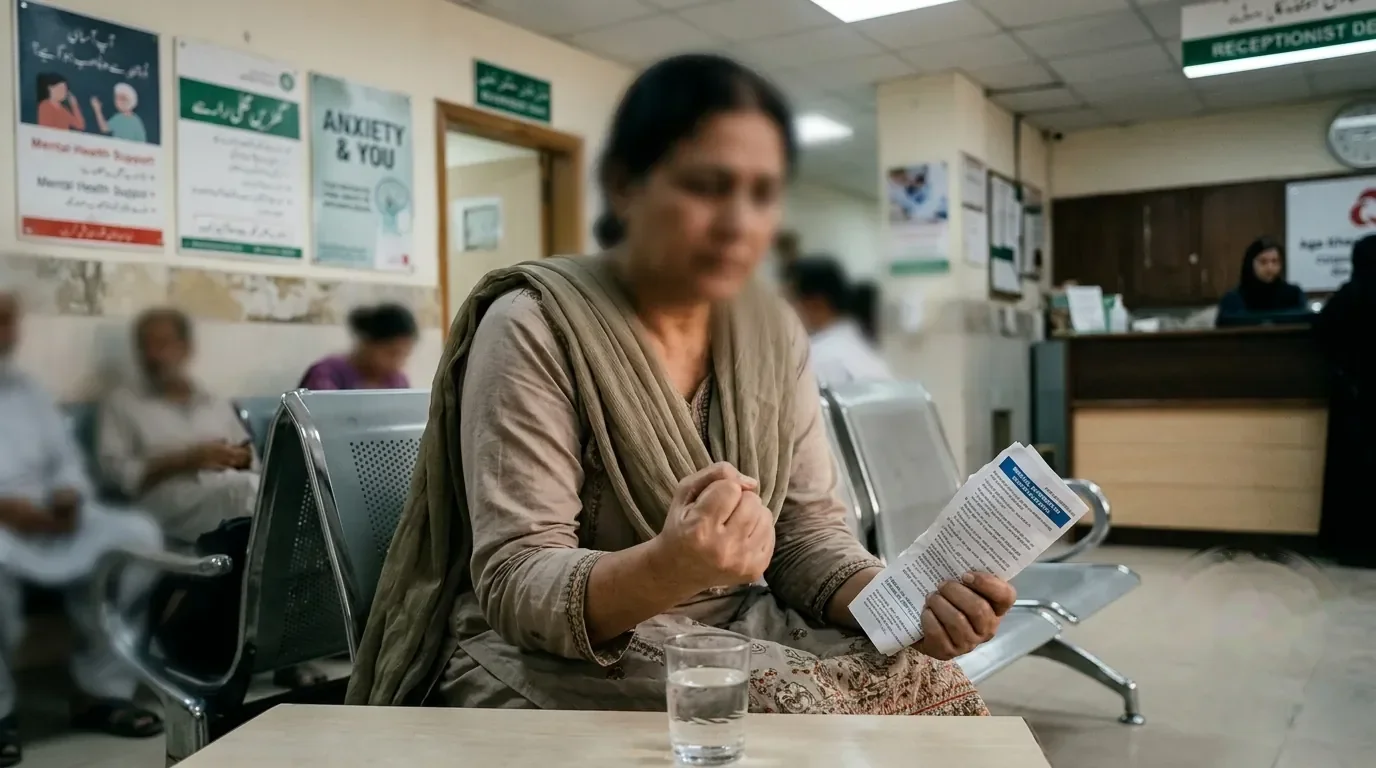
Sleep architecture is massively disrupted in individuals suffering from Major Depressive Disorder. The spouse may suffer from agonizing insomnia, lying awake until 4 AM consumed by terrifying, irrational Anxiety and intrusive thoughts, a state often driven by a hyperactive amygdala and elevated nighttime cortisol levels. Conversely, they may sleep for 16 hours a day (hypersomnia) in a desperate attempt to escape reality and emotional suffering. Furthermore, sudden, unprovoked crying spells—especially behind closed doors, in the shower, or while driving—are critical red flags. These crying episodes indicate a nervous system that is completely overwhelmed by emotional exhaustion and unable to regulate distress. It is a biological overflow of sorrow that the patient cannot control, often leaving the partner feeling helpless and confused about what triggered the tears.
اس بیماری میں مریض کی نیند کا نظام مکمل طور پر تباہ ہو جاتا ہے۔ آپ دیکھیں گے کہ وہ رات کے تین تین بجے تک جاگتے رہتے ہیں کیونکہ ان کے دماغ میں پریشان کن اور خوفناک خیالات کا طوفان چل رہا ہوتا ہے، جسے انزائٹی (Anxiety) کہتے ہیں۔ یہ اکثر دماغ کے حصے ایمگڈالا (Amygdala) کے زیادہ متحرک ہونے اور رات کے وقت کارٹیسول (Cortisol) بڑھ جانے کی وجہ سے ہوتا ہے۔ یا پھر اس کے بالکل برعکس، وہ حقیقت اور ذہنی تکلیف کا سامنا کرنے سے ڈرتے ہیں اور سارا دن سو کر گزارنے کی کوشش کرتے ہیں (Hypersomnia)۔ اکثر اوقات، وہ اکیلے میں باتھ روم، شاور میں یا گاڑی چلاتے ہوئے چھپ کر روتے ہیں کیونکہ ان کا اعصابی نظام اندرونی گھبراہٹ کے بوجھ تلے دب چکا ہوتا ہے۔ یہ آنسو ان کے کنٹرول میں نہیں ہوتے، اور اکثر ان کے ساتھی کو سمجھ نہیں آتا کہ آخر کس بات پر رونا آیا ہے۔
3. Severe Irritability and Refusal to Communicate | شدید چڑچڑاپن اور بات کرنے سے چڑنا
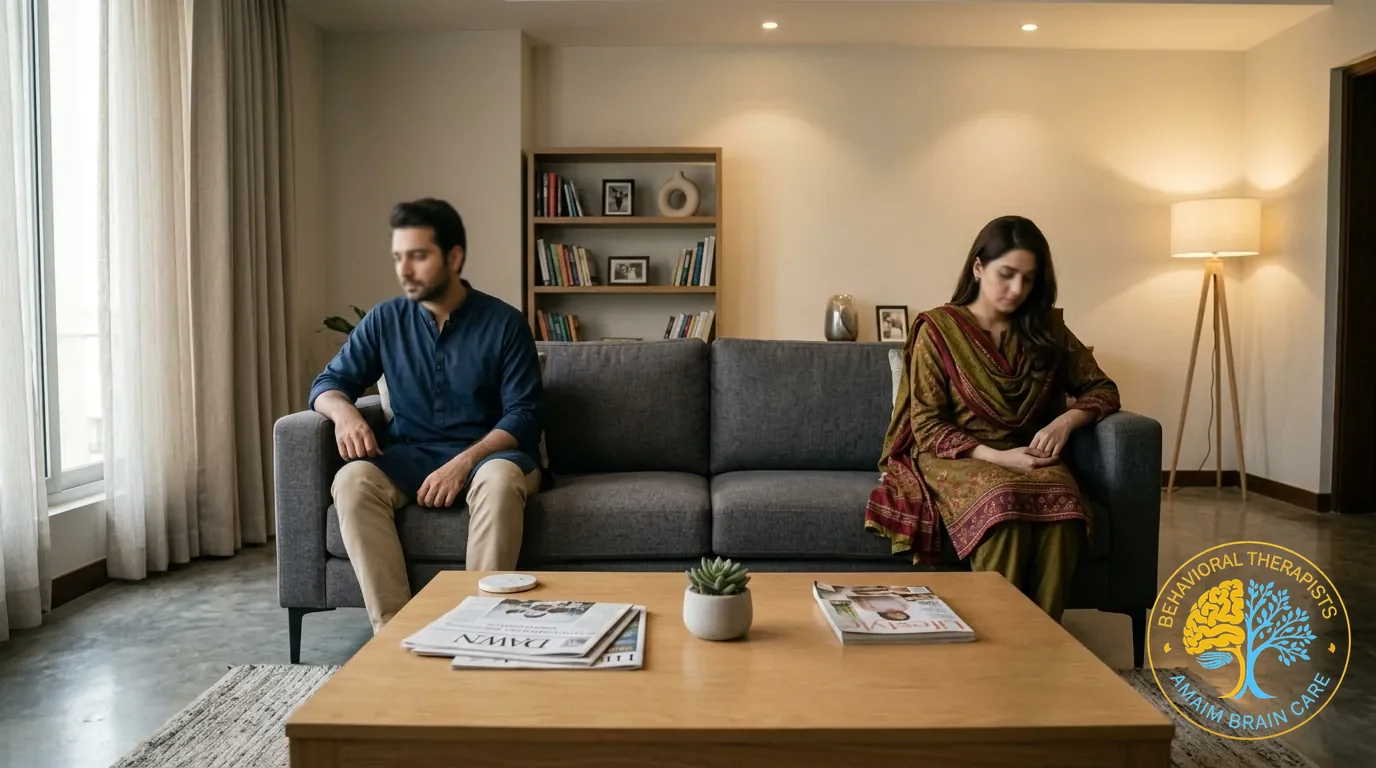
Male depression, in particular, frequently manifests not as profound sadness, but as extreme, explosive anger and severe irritability. The smallest inconvenience—a misplaced item, a delayed meal—triggers a catastrophic, disproportionate argument. When asked gently “what is wrong?”, the depressed spouse will aggressively deflect or completely refuse to talk. They might isolate themselves in a separate room or leave the house abruptly. They are not hiding a secret or having an affair; they simply do not possess the cognitive bandwidth or emotional vocabulary to articulate the paralyzing emptiness and despair they feel inside. The prefrontal cortex, which governs rational thought and emotional regulation, is impaired, causing raw, unfiltered frustration to emerge as anger. This dynamic often destroys the couple’s communication, leading to a toxic cycle of resentment if the underlying clinical condition is not identified and treated properly.
خاص طور پر مردوں میں ڈیپریشن کی شکل رونے یا اداسی کی بجائے اکثر شدید اور بے قابو غصے اور چڑچڑے پن کی صورت میں نکلتی ہے۔ ذرا ذرا سی بات پر، جیسے کوئی چیز اپنی جگہ پر نہ ملنا یا کھانے میں دیر ہونا، وہ آگ بگولہ ہو جاتے ہیں۔ اگر بیوی پیار سے پوچھے کہ “آخر مسئلہ کیا ہے؟”، تو وہ الٹا لڑنے لگتے ہیں، چپ سادھ لیتے ہیں، یا گھر سے باہر نکل جاتے ہیں۔ وہ آپ سے کوئی راز نہیں چھپا رہے؛ دراصل ان کے دماغ میں اس وقت اتنی طاقت یا الفاظ ہی نہیں ہوتے کہ وہ آپ کو اپنے اندر کے اس بھیانک اور کالے اندھیرے کے بارے میں سمجھا سکیں۔ دماغ کا وہ حصہ جو غصے اور سمجھداری کو کنٹرول کرتا ہے (پری فرنٹل کورٹیکس)، ٹھیک سے کام نہیں کر رہا ہوتا۔ اگر اس بیماری کو پہچان کر علاج نہ کیا جائے تو یہ میاں بیوی کے درمیان بات چیت کو مکمل ختم کر دیتا ہے اور رشتے میں زہر گھول دیتا ہے۔
The Imperative for Medical Intervention and Evidence-Based Psychiatry | طبی علاج کی اشد اور فوری ضرورت
Demanding that a depressed spouse “just snap out of it,” “pray more,” or accusing them of intentionally ruining the marriage, is clinically disastrous and deeply harmful. It will only push them deeper into toxic isolation, exacerbate their neurochemical imbalance, and potentially provoke dangerous suicidal ideation. A profound personality shift of this magnitude requires urgent, expert neuro-psychiatric intervention by a highly qualified specialist like Dr. Ahsan Tariq Dogar. The treatment involves precise, evidence-based psychopharmacology—utilizing modern medications such as Selective Serotonin Reuptake Inhibitors (SSRIs) or Serotonin-Norepinephrine Reuptake Inhibitors (SNRIs)—to literally rebuild the collapsed neural pathways and restore neurochemical balance. This is seamlessly combined with structured psychotherapies like Cognitive Behavioral Therapy (CBT) to rewire negative thought patterns, and sometimes Exposure Therapy for severe anxiety components. This comprehensive medical intervention effectively rescues the spouse from their paralyzing psychological agony and fundamentally saves the marriage from disintegration, returning the partner to their true, loving self.
ایک بیمار جیون ساتھی کو یہ طعنے دینا کہ “تمہیں تو ہر وقت کوئی روگ لگا رہتا ہے”، “نماز پڑھو سب ٹھیک ہو جائے گا”، یا “تم نے ہماری زندگی خراب کر دی ہے”، انتہائی ظالمانہ اور جان لیوا ہے۔ اس سے وہ مزید ٹوٹ جائیں گے، ان کے دماغ کا کیمیائی توازن مزید خراب ہوگا، اور ہو سکتا ہے کہ وہ زندگی ہی ختم کرنے کا سوچنے لگیں۔ اس طرح کے شدید بدلے ہوئے رویے کو فوراً ڈاکٹر احسن طارق ڈوگر جیسے اعلیٰ ماہر امراضِ نفسیات کو دکھانا فرض ہے۔ جدید طبی علاج میں خاص ادویات (جیسے SSRIs اور SNRIs) استعمال کی جاتی ہیں جو دماغ میں سیروٹونن اور دیگر کیمیکلز کی کمی کو پورا کرتی ہیں اور تباہ شدہ اعصابی رابطوں کو دوبارہ بحال کرتی ہیں۔ اس کے ساتھ ساتھ، کاگنیٹو بیہیویئرل تھراپی (CBT) جیسی جدید تھراپیز دی جاتی ہیں تاکہ مریض کی منفی سوچ کو بدلا جا سکے۔ یہ مکمل اور سائنسی علاج نہ صرف آپ کے شریکِ حیات کو اس ذہنی عذاب سے نکال کر ان کی جان بچاتا ہے، بلکہ آپ کے ہنستے بستے گھر کو ٹوٹنے سے بھی محفوظ رکھتا ہے، اور آپ کو آپ کا پرانا پیار کرنے والا ساتھی واپس لوٹا دیتا ہے۔

Frequently Asked Questions
Why does my spouse act perfectly normal with friends but completely withdraws from me at home? | میرا شریکِ حیات باہر دوستوں میں بالکل ٹھیک اور ہنستا کھیلتا ہوتا ہے، لیکن گھر آتے ہی گونگا اور چڑچڑا کیوں ہو جاتا ہے؟
This phenomenon is called “smiling depression.” Maintaining a fake, functional persona in front of society requires a massive expenditure of neurological energy. By the time they return to the absolute safety of their home, their psychological battery is utterly dead. They drop the “mask” not to punish you, but because they physically cannot pretend to be okay anymore. | اسے نفسیاتی زبان میں مسکراتا ہوا ڈیپریشن (Smiling Depression) کہتے ہیں۔ باہر کی دنیا اور دوستوں کے سامنے خود کو بالکل نارمل دکھانے کے لیے مریض کے دماغ کی ساری طاقت نچڑ جاتی ہے۔ جب وہ اپنے سب سے محفوظ اور آرام دہ ٹھکانے یعنی اپنے گھر واپس آتے ہیں، تو ان کے دماغ کی بیٹری بالکل ڈیڈ ہو چکی ہوتی ہے۔ وہ آپ سے ناراض نہیں ہیں، بلکہ گھر میں وہ اس جھوٹے نقاب کو اتار دیتے ہیں کیونکہ ان میں مزید اداکاری کرنے کی ہمت نہیں بچتی۔
ذہنی اور نفسیاتی صحت کے مسائل کے حوالے سے بروقت طبی تشخیص اور مستند ڈاکٹر کی رہنمائی انتہائی ضروری ہے۔ اگر آپ یا آپ کا کوئی پیارا اس مسئلے کا سامنا کر رہا ہے تو مناسب علاج اور رہنمائی کے لیے مستند ماہر نفسیات سے فوری رجوع کریں۔
Is it possible that my husband’s complete loss of interest in intimacy is a medical problem? | کیا میرے شوہر کا مجھ سے بالکل دوری اختیار کر لینا اور ازدواجی تعلق ختم کر دینا واقعی کوئی بیماری ہو سکتی ہے؟
Yes, absolutely. A profound, sudden drop in libido is a core biological marker of severe Clinical Depression. The brain essentially shuts down all non-essential survival functions, including the sex drive, because it is operating in a state of catastrophic crisis. Do not mistake this for a loss of physical attraction to you; it is a critical neurological emergency requiring medical treatment. | جی ہاں، بالکل۔ ازدواجی قربت کی خواہش کا اچانک اور مکمل طور پر مر جانا شدید ڈیپریشن کی سب سے بڑی اور پکی جسمانی علامت ہے۔ چونکہ دماغ موت اور زندگی جیسی شدید مایوسی سے لڑ رہا ہوتا ہے، اس لیے وہ ایسے تمام نظام بند کر دیتا ہے جو زندہ رہنے کے لیے فوری ضروری نہیں۔ اس کا مطلب ہرگز یہ نہیں کہ ان کی آپ میں دلچسپی ختم ہو گئی ہے؛ یہ صرف ان کے بیمار دماغ کی ایک مجبوری ہے۔
ذہنی اور نفسیاتی صحت کے مسائل کے حوالے سے بروقت طبی تشخیص اور مستند ڈاکٹر کی رہنمائی انتہائی ضروری ہے۔ اگر آپ یا آپ کا کوئی پیارا اس مسئلے کا سامنا کر رہا ہے تو مناسب علاج اور رہنمائی کے لیے مستند ماہر نفسیات سے فوری رجوع کریں۔
What should I do when my spouse refuses to get out of bed for two days straight? | اگر میری بیوی یا شوہر دو دن تک مسلسل بستر سے ہی نہ نکلے اور نہ کچھ کھائے پئے تو مجھے کیا کرنا چاہیے؟
This is psychomotor retardation—their brain has slowed down their physical body. Do not shout, argue, or forcibly pull them out of bed. Bring them water and small amounts of food. Quietly validate their pain by saying, “I know you are suffering, and I am here for you.” Once the acute paralysis slightly passes, immediately consult a psychiatrist for an emergency evaluation. | یہ کوئی سستی یا کاہلی نہیں ہے، بلکہ ڈیپریشن کی وجہ سے دماغ نے ان کے جسم کی طاقت کو مکمل طور پر ساکت کر دیا ہے۔ ان پر چیخنا، غصہ کرنا یا انہیں زبردستی کھینچ کر اٹھانا ظلم ہے۔ ان کے پاس بیٹھ کر پیار سے پانی پلائیں اور انہیں احساس دلائیں کہ “میں سمجھتا ہوں آپ تکلیف میں ہیں اور میں آپ کے ساتھ کھڑا ہوں”۔ جیسے ہی ان کی حالت تھوڑی سنبھلے، فوراً ایک ماہر نفسیات سے رابطہ کریں۔
ذہنی اور نفسیاتی صحت کے مسائل کے حوالے سے بروقت طبی تشخیص اور مستند ڈاکٹر کی رہنمائی انتہائی ضروری ہے۔ اگر آپ یا آپ کا کوئی پیارا اس مسئلے کا سامنا کر رہا ہے تو مناسب علاج اور رہنمائی کے لیے مستند ماہر نفسیات سے فوری رجوع کریں۔
Can extreme work stress alone permanently change a person’s personality? | کیا دفتر یا کاروبار کی مسلسل اور انتہائی ٹینشن واقعی انسان کی شخصیت کو ہمیشہ کے لیے بدل سکتی ہے؟
Yes. Chronic, unmanaged stress is highly toxic to the brain. Over time, prolonged exposure to high cortisol levels literally shrinks the hippocampus (the brain’s emotional regulation center). What begins as severe “burnout” rapidly mutates into Major Depressive Disorder, causing permanent personality changes unless treated with professional psychiatric protocols. | جی ہاں۔ کسی پریشانی اور ٹینشن کو مسلسل دماغ پر سوار رکھنا دماغ کے لیے زہرِ قاتل ہے۔ زیادہ دیر تک دباؤ میں رہنے سے دماغ کا وہ حصہ سکڑنے لگتا ہے جو ہمارے جذبات اور رویے کو کنٹرول کرتا ہے۔ ایک چھوٹی سی پریشانی بہت جلد ایک لاعلاج ڈیپریشن بن کر انسان کے غصے، بات چیت اور مزاج کو بالکل الٹ دیتی ہے۔ اس کا علاج صرف میڈیکل سائنس میں ہے۔
ذہنی اور نفسیاتی صحت کے مسائل کے حوالے سے بروقت طبی تشخیص اور مستند ڈاکٹر کی رہنمائی انتہائی ضروری ہے۔ اگر آپ یا آپ کا کوئی پیارا اس مسئلے کا سامنا کر رہا ہے تو مناسب علاج اور رہنمائی کے لیے مستند ماہر نفسیات سے فوری رجوع کریں۔
Where can couples find highly confidential, expert psychiatric help in Pakistan for these issues? | پاکستان میں میاں بیوی اپنے ان حساس اور خطرناک دماغی مسائل کا رازدارانہ علاج کہاں سے کروا سکتے ہیں؟
Amaim Brain Care, led by Dr. Ahsan Tariq Dogar, specializes in elite, stigma-free psychiatric rehabilitation. We are highly experienced in saving marriages devastated by untreated psychiatric conditions. We provide precise medication and targeted couple’s psychoeducation in a strictly confidential environment. This life-saving care is available at our Faisalabad clinic and securely online across Pakistan. | امیم برین کیئر فیصل آباد میں ڈاکٹر احسن طارق ڈوگر کی زیر نگرانی شادی شدہ جوڑوں کے ان حساس اور پیچیدہ مسائل کا مکمل طور پر رازدارانہ اور عالمی معیار کا علاج کیا جاتا ہے۔ ہم لوگوں کے طعنوں سے بچا کر، جدید ادویات کے ذریعے آپ کے شریکِ حیات کے دماغ کو دوبارہ صحت مند بناتے ہیں تاکہ آپ کا گھر بچ سکے۔ یہ علاج کلینک اور آن لائن ویڈیو کنسلٹیشن کے ذریعے پورے پاکستان میں دستیاب ہے۔
ذہنی اور نفسیاتی صحت کے مسائل کے حوالے سے بروقت طبی تشخیص اور مستند ڈاکٹر کی رہنمائی انتہائی ضروری ہے۔ اگر آپ یا آپ کا کوئی پیارا اس مسئلے کا سامنا کر رہا ہے تو مناسب علاج اور رہنمائی کے لیے مستند ماہر نفسیات سے فوری رجوع کریں۔
How can I book an appointment with Dr. Ahsan Tariq Dogar?
You can book an in-person or online neuro-psychiatric consultation via reaching out via WhatsApp at 0333-6986464 for a confidential appointment.
فیصل آباد میں کلینک وزٹ یا آن لائن مشورے کے لیے آپ عمائم برین کیئر کے آفیشل واٹس ایپ لنک کے ذریعے رابطہ کر کے اپنی اپائنٹمنٹ باآسانی بک کروا سکتے ہیں، جہاں آپ کی معلومات کو مکمل صیغہ راز میں رکھا جاتا ہے۔
Sources & References
- American Psychiatric Association. Diagnostic and Statistical Manual of Mental Disorders (DSM-5-TR).
- World Health Organization (WHO). Mental Health Guidelines & Clinical Management Protocols.
- Pakistan Psychiatric Society (PPS). Clinical Practice Standards and Regional Mental Health Guidance.
Medical & Educational Disclaimer
The medical and psychiatric information provided on Amaim Brain Care is for educational purposes only. It is not intended to replace formal in-person psychiatric diagnosis, clinical assessment, or tailored prescription therapy. If you or a loved one are experiencing acute psychological distress or symptoms of a mental health condition, please seek professional evaluation from a certified psychiatrist.