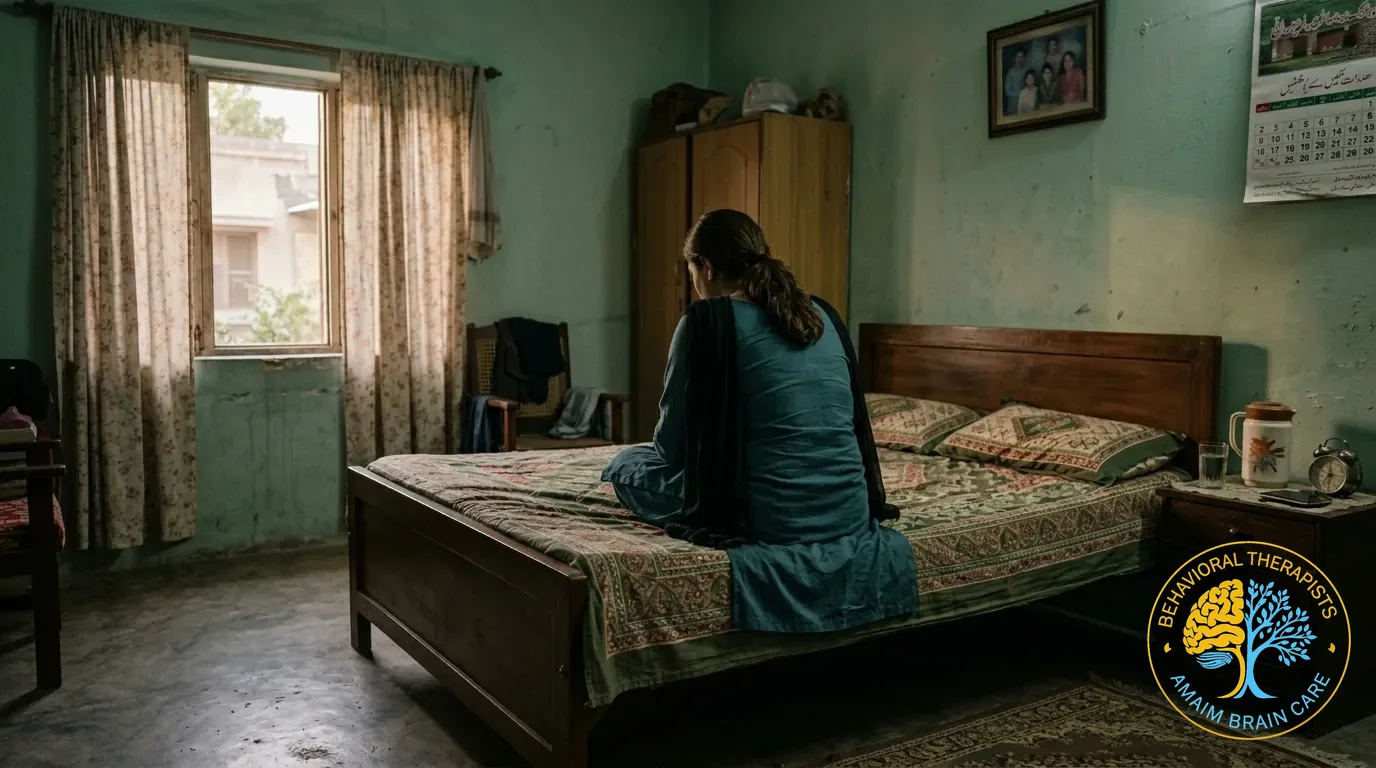
In Pakistan, chronic Insomnia is disastrously mismanaged, often dismissed as a trivial lifestyle inconvenience rather than a profound psychiatric emergency. The prevailing cultural approach is to treat severe sleep deprivation with home remedies—like warm milk, herbal teas, or unverified traditional herbs. Worse still, individuals frequently resort to unprescribed over-the-counter sedatives, entirely circumventing professional psychiatric consultation. In clinical psychiatry, however, chronic insomnia is never merely “a bad night’s sleep.” It is a severe neurological red flag indicating a profound disruption in the brain’s circadian rhythm and neurotransmitter balance, particularly involving dysregulation in serotonin and gamma-aminobutyric acid (GABA) pathways. Left untreated, severe sleep deprivation acts as a powerful neurotoxin. It chronically elevates cortisol, the primary stress hormone, which ravages the hippocampus and rapidly accelerates cognitive decline. Moreover, it actively destroys the immune system, compromises neuroplasticity, and serves as the primary catalyst for severe psychiatric emergencies, including major Clinical Depression and suicidal ideation. The prefrontal cortex, responsible for executive function and emotional regulation, becomes severely impaired, making ordinary stress feel insurmountable.
پاکستان میں دائمی بے خوابی (Insomnia) کا علاج انتہائی خطرناک حد تک غلط طریقے سے کیا جاتا ہے۔ ہمارے معاشرے میں کئی کئی راتوں تک نہ سونے کو محض ایک معمولی سی بات سمجھا جاتا ہے، اور اسے ایک سنگین طبی ایمرجنسی سمجھنے کے بجائے گھریلو ٹوٹکوں، جیسے گرم دودھ، جڑی بوٹیوں کے قہووں یا غیر مستند روایتی طریقوں سے حل کرنے کی کوشش کی جاتی ہے۔ اس سے بھی بدتر بات یہ ہے کہ لوگ اکثر ڈاکٹر کے مشورے کے بغیر میڈیکل سٹور سے نیند کی گولیاں خرید کر استعمال کرنا شروع کر دیتے ہیں۔ لیکن طبی نفسیات (Clinical Psychiatry) کی دنیا میں، مستقل بے خوابی محض “نیند کا نہ آنا” نہیں ہے۔ یہ ایک انتہائی خطرناک علامت ہے جو بتاتی ہے کہ دماغ کی قدرتی گھڑی (Circadian Rhythm) اور کیمیائی نظام (جیسے Serotonin اور GABA) مکمل طور پر تباہ ہو چکے ہیں۔ اگر اس کا علاج نہ کیا جائے تو یہ نیند کی کمی دماغ کے لیے ایک طاقتور زہر کا کام کرتی ہے۔ یہ تناؤ پیدا کرنے والے ہارمون (Cortisol) کو خطرناک حد تک بڑھا دیتی ہے، جس سے یادداشت کے مراکز تباہ ہوتے ہیں اور سوچنے سمجھنے کی صلاحیت تیزی سے زوال پذیر ہوتی ہے۔ مزید برآں، یہ مدافعتی نظام کو برباد کرتی ہے اور شدید ڈیپریشن اور خودکشی کے خیالات پیدا کرنے کی سب سے بڑی وجہ بنتی ہے۔ دماغ کا اگلا حصہ (Prefrontal Cortex) جو جذبات کو کنٹرول کرتا ہے، مفلوج ہو جاتا ہے، جس کی وجہ سے روزمرہ کا معمولی تناؤ بھی ناقابلِ برداشت لگنے لگتا ہے۔
The Clinical Etiology of Severe Insomnia | بے خوابی کی خطرناک طبی وجوہات
A specialized psychiatrist approaches sleep disorders not by blindly prescribing sleeping pills, but by conducting a rigorous differential diagnosis. The objective is to identify the exact neurobiological, endocrine, or psychological mechanism violently keeping the brain in a state of hyper-arousal. True insomnia is almost always a secondary manifestation of an underlying pathology. Whether the root cause lies in neurochemical imbalances, hyperactive sympathetic nervous system responses, or structural abnormalities affecting the sleep-wake cycles, identifying the precise etiology is paramount. The brain’s reticular activating system (RAS) may be failing to switch off, leaving the patient trapped in a torturous twilight state.
ایک ماہر اور مستند ماہر نفسیات کبھی بھی اندھا دھند نیند کی گولیاں تجویز نہیں کرتا۔ اس کے بجائے، وہ ایک تفصیلی اور پیچیدہ طبی تشخیص (Differential Diagnosis) کرتا ہے۔ اس کا مقصد یہ جاننا ہوتا ہے کہ دماغ کا کون سا اعصابی، کیمیائی، یا نفسیاتی حصہ خلل کا شکار ہے جو دماغ کو مسلسل الرٹ (Hyper-arousal) رکھے ہوئے ہے۔ اصل بے خوابی تقریباً ہمیشہ کسی دوسری چھپی ہوئی بیماری کا نتیجہ ہوتی ہے۔ چاہے اس کی وجہ دماغی کیمیکلز کا عدم توازن ہو، اعصابی نظام کی حد سے زیادہ فعالیت ہو، یا جاگنے اور سونے کے چکر کو متاثر کرنے والی کوئی ساختی خرابی ہو، اس کی اصل وجہ تک پہنچنا انتہائی ضروری ہے۔ ہو سکتا ہے کہ دماغ کا وہ حصہ جو نیند لانے کا ذمہ دار ہے (Reticular Activating System)، اپنا کام کرنا چھوڑ چکا ہو، جس سے مریض ایک نہ ختم ہونے والی اذیت کا شکار ہو جاتا ہے۔

1. Severe Psychiatric Comorbidities | چھپی ہوئی خطرناک ذہنی بیماریاں
Insomnia is unequivocally the absolute most common presenting symptom for severe, underlying psychiatric disorders. If a patient is suffering from severe Generalized Anxiety, their amygdala—the brain’s fear center—is perpetually misfiring, flooding the cerebral cortex with neurochemicals like adrenaline, noradrenaline, and cortisol. This intense sympathetic nervous system activation makes sleep physiologically impossible, overriding the sleep-promoting effects of adenosine and melatonin. Similarly, in the manic or hypomanic phase of Bipolar Affective Disorder, the patient’s brain experiences an overwhelming surge of dopamine and glutamate. They may go five to seven consecutive days without sleeping, yet feel entirely energetic, euphoric, or irritable—a highly dangerous neurochemical storm that rapidly leads to fatal exhaustion, manic delirium, or severe Psychosis. Treating the insomnia in these cases requires stabilizing the mood disorder with mood stabilizers or atypical antipsychotics, rather than merely administering sedatives.
نیند کا اڑ جانا دراصل کسی اور بڑی اور خطرناک ذہنی بیماری کی سب سے پہلی اور نمایاں علامت ہوتی ہے۔ اگر مریض شدید بے چینی یا اینگزائٹی (Anxiety) کا شکار ہے، تو اس کے دماغ کا خوف پیدا کرنے والا مرکز (Amygdala) ہر وقت متحرک رہتا ہے اور دماغ کو ایڈرینالین (Adrenaline) اور کورٹیسول (Cortisol) جیسے کیمیکلز سے بھر دیتا ہے۔ یہ کیمیکلز جسم کے الرٹ رہنے والے نظام کو اتنا تیز کر دیتے ہیں کہ قدرتی نیند لانے والے کیمیکلز (Melatonin) بالکل بے اثر ہو جاتے ہیں اور سونا طبی لحاظ سے ناممکن ہو جاتا ہے۔ اسی طرح، بائی پولر (Bipolar Disorder) کی مینیا (Mania) والی حالت میں، مریض کے دماغ میں ڈوپامین (Dopamine) کا طوفان آ جاتا ہے۔ اس حالت میں مریض کا دماغ اتنا تیز چل رہا ہوتا ہے کہ وہ پانچ سے سات دن تک بغیر سوئے بھی خود کو چاق و چوبند اور توانا محسوس کرتا ہے۔ یہ ایک انتہائی خطرناک کیمیائی طوفان ہے جو انسان کو سیدھا پاگل پن اور شدید سائیکوسس (Psychosis) کی طرف لے جاتا ہے۔ ایسی حالت میں نیند کی گولیاں کام نہیں کرتیں، بلکہ دماغ کے کیمیکلز کو متوازن کرنے والی خاص ادویات کی ضرورت ہوتی ہے۔
2. Psychophysiological Insomnia (The Fear of Not Sleeping) | نہ سو پانے کا خوف پیدا ہونا
This phenomenon represents a devastating, self-fulfilling cycle of neuro-conditioning. After enduring a few isolated nights of fragmented sleep, the patient develops profound cognitive distortions and “performance anxiety” regarding sleep itself. The moment their head touches the pillow, their brain shifts into a state of hyper-arousal, accompanied by a surge in sympathetic nervous activity. Neurologically, classical conditioning has occurred: the bed is no longer associated with rest, delta-wave deep sleep, or parasympathetic relaxation. Instead, the physical environment of the bedroom becomes a hardwired trigger for severe panic, rumination, and autonomic arousal. The brain actively fights the onset of Stage 1 Non-REM sleep, mistaking the vulnerability of sleep for a life-threatening danger. Breaking this vicious cycle demands meticulous cognitive behavioral interventions to decouple the bed from the anxiety response.
یہ ایک انتہائی خطرناک اور خود کو تباہ کرنے والا نفسیاتی جال (Psychophysiological Insomnia) ہے۔ چند راتیں خراب ہونے کے بعد، مریض کو “نہ سو پانے کا شدید خوف” اور پرفارمنس اینگزائٹی لاحق ہو جاتی ہے۔ جیسے ہی وہ بستر پر لیٹتے ہیں، ان کا دماغ پرسکون ہونے کے بجائے انتہائی الرٹ، چوکنا اور خوفزدہ ہو جاتا ہے۔ طبی لحاظ سے، ان کے دماغ نے ایک غلط پہچان بنا لی ہوتی ہے: ان کے دماغ کے لیے بستر اب آرام اور گہری نیند کی جگہ نہیں رہتا، بلکہ وہ بستر کو دیکھتے ہی شدید گھبراہٹ اور پریشان کن سوچوں کا شکار ہو جاتے ہیں۔ ان کا دماغ نیند کی ابتدائی حالت میں جانے سے لڑتا ہے، کیونکہ وہ غیر ارادی طور پر نیند کو ایک خطرہ سمجھنے لگتا ہے۔ اس خطرناک تعلق کو توڑنے اور دماغ کو دوبارہ پرسکون کرنے کے لیے انتہائی ماہرانہ نفسیاتی تھراپیز کی ضرورت ہوتی ہے۔
3. Severe Substance and Medication Misuse | ادویات اور نشے کا غلط استعمال
In Pakistan, the unprescribed abuse of highly addictive sedatives—specifically Benzodiazepines (like Alprazolam, Clonazepam) and “Z-drugs”—has reached epidemic proportions. People consume these medications without realizing that they do not induce natural, architecturally sound sleep. Instead, they act as central nervous system depressants by hyper-agonizing GABA receptors, chemically knocking the patient unconscious. This artificial sedation completely destroys the brain’s critical Rapid Eye Movement (REM) and slow-wave (Delta) sleep cycles, meaning the brain never truly heals, consolidates memory, or flushes out neurotoxic waste. When the patient attempts to cease the medication, they experience brutal “Rebound Insomnia” and severe neurochemical withdrawal—symptoms far more excruciating than their original sleep pathology. This rapidly spirals into full-blown Substance Abuse and dependency, requiring professional medical detoxification to safely taper the brain off these powerful agents.
پاکستان میں بغیر ڈاکٹر کے پوچھے خطرناک اور نشہ آور نیند کی گولیوں، خاص طور پر بینزوڈائزیپینز (Benzodiazepines) کا استعمال ایک وبا بن چکا ہے۔ لوگ ان ادویات کو یہ سوچے بغیر کھاتے ہیں کہ یہ گولیاں قدرتی اور صحت مند نیند نہیں لاتیں۔ اس کے بجائے، یہ دماغ کے مخصوص ریسیپٹرز (GABA) پر حملہ کر کے مریض کو کیمیکل کے ذریعے بے ہوش کر دیتی ہیں۔ یہ مصنوعی نیند دماغ کے سب سے اہم حصوں (REM اور ڈیپ سلیپ) کو مکمل طور پر تباہ کر دیتی ہے، جس کا مطلب ہے کہ دماغ کبھی بھی صحیح طرح سے خود کو ریچارج نہیں کر پاتا اور نہ ہی اپنی یادداشت کو محفوظ کر سکتا ہے۔ اور جب مریض ان گولیوں کو چھوڑنے کی کوشش کرتا ہے، تو اسے “ری باؤنڈ انسومنیا” (Rebound Insomnia) ہوتا ہے—یعنی دماغی کیمیکلز کی کمی کی وجہ سے نیند پہلے سے بھی کئی گنا زیادہ بری طرح اڑ جاتی ہے۔ یہ صورتحال مریض کو ایک لاعلاج نشے کی لت (Substance Abuse) کا شکار بنا دیتی ہے، جس سے جان چھڑانے کے لیے ایک باقاعدہ طبی ڈیٹوکس (Medical Detoxification) کی ضرورت پڑتی ہے۔

Frequently Asked Questions
Are over-the-counter sleeping pills safe to use for a few weeks? | کیا میڈیکل سٹور سے ملنے والی عام نیند کی گولیاں کچھ ہفتوں تک استعمال کرنا محفوظ ہے؟
Absolutely not. Purchasing strong sedatives (such as Benzodiazepines or antihistamines) without a thorough psychiatric evaluation is extremely dangerous. These medications do not fix the neurochemical root cause of your insomnia; they act as central nervous system depressants that chemically paralyze the brain’s cortical pathways. Within just a few weeks, your brain builds a massive physiological tolerance by down-regulating GABA receptors, requiring higher doses to achieve the same sedative effect. This locks you into a severe, deadly addiction cycle and exacerbates the underlying pathology.
Why do I feel completely exhausted all day but wide awake the second I lay in bed? | ایسا کیوں ہوتا ہے کہ میں سارا دن تھکاوٹ سے چور رہتا ہوں لیکن بستر پر لیٹتے ہی میری نیند اڑ جاتی ہے؟
This is classic Psychophysiological Insomnia, characterized by hyper-arousal of the sympathetic nervous system. Your brain has formed a toxic neurological association through classical conditioning. Instead of associating your bed with parasympathetic relaxation and delta-wave sleep, your brain equates the bed with the severe stress of “trying to sleep.” Lying down literally triggers a spike in adrenaline and cortisol, shifting your brain into a fight-or-flight state, waking you up completely. It requires structured Cognitive Behavioral Therapy for Insomnia (CBT-I) to rewire this autonomic reflex.
Can chronic lack of sleep cause a person to hallucinate or go crazy? | کیا کئی دن تک نہ سونے سے انسان کو پاگل پن کے دورے پڑ سکتے ہیں یا ڈراؤنی شکلیں نظر آ سکتی ہیں؟
Yes. Severe sleep deprivation is a massive neurobiological trauma that severely depletes cognitive reserves. If a person stays awake for 72 to 96 hours, the prefrontal cortex loses its ability to regulate the limbic system, and the brain literally begins to shut down logical processing. The patient will experience severe clinical paranoia, intense visual and auditory hallucinations, and a complete detachment from reality—a highly volatile state clinically identical to acute Psychosis, requiring emergency psychiatric intervention.
Is it normal to snore loudly and wake up gasping for air? | کیا اونچی آواز میں خراٹے لینا اور رات کو اچانک سانس رکنے سے آنکھ کھل جانا نارمل ہے؟
No, that is not standard psychiatric insomnia; it is a critical respiratory and medical emergency called Obstructive Sleep Apnea (OSA). Your airway is physically collapsing during sleep, severely starving your brain of oxygen (hypoxia) dozens of times an hour. This triggers massive cortisol spikes and cardiovascular strain, putting you at a drastically elevated risk for sudden cardiac arrest, hypertension, or ischemic stroke during the night. You must be evaluated by a medical specialist immediately for a polysomnography study.
Where can I get highly specialized, non-addictive treatment for severe insomnia in Pakistan? | پاکستان میں بے خوابی کا ایسا مستند اور اعلیٰ علاج کہاں سے ملے گا جس میں نشے والی گولیوں کی لت نہ لگے؟
Amaim Brain Care, led by Dr. Ahsan Tariq Dogar, specializes in elite Sleep Disorder management and neuropsychiatric care. We explicitly reject the blind prescription of addictive sedatives. Instead, we provide comprehensive neurological assessments, precision non-addictive neuro-modulators to correct chemical imbalances, and gold-standard CBT-I to permanently restructure your circadian rhythm and natural sleep cycle. This advanced psychiatric care is available at our Faisalabad clinic and via highly secure online telepsychiatry consultations across Pakistan.
How can I book an appointment with Dr. Ahsan Tariq Dogar?
You can book an in-person or online neuro-psychiatric consultation via reaching out via WhatsApp at 0333-6986464 for a confidential appointment.
فیصل آباد میں کلینک وزٹ یا آن لائن مشورے کے لیے آپ عمائم برین کیئر کے آفیشل واٹس ایپ لنک کے ذریعے رابطہ کر کے اپنی اپائنٹمنٹ باآسانی بک کروا سکتے ہیں، جہاں آپ کی معلومات کو مکمل صیغہ راز میں رکھا جاتا ہے۔
Sources & References
- American Psychiatric Association. Diagnostic and Statistical Manual of Mental Disorders (DSM-5-TR).
- World Health Organization (WHO). Mental Health Guidelines & Clinical Management Protocols.
- Pakistan Psychiatric Society (PPS). Clinical Practice Standards and Regional Mental Health Guidance.
Medical & Educational Disclaimer
The medical and psychiatric information provided on Amaim Brain Care is for educational purposes only. It is not intended to replace formal in-person psychiatric diagnosis, clinical assessment, or tailored prescription therapy. If you or a loved one are experiencing acute psychological distress or symptoms of a mental health condition, please seek professional evaluation from a certified psychiatrist.