Within the highly stratified socio-cultural landscape of Pakistan, Post-Traumatic Stress Disorder (PTSD) in women represents an immense, silent public health crisis. While trauma resulting from violent accidents or natural disasters is widely acknowledged, the trauma inflicted within the absolute privacy of the domestic sphere—such as profound emotional abuse, physical violence, or sexual assault—is aggressively suppressed. Driven by an intense cultural mandate to preserve familial honor (“izzat”) and a paralyzing fear of social ostracization, thousands of Pakistani women are forced to endure the catastrophic neurobiological consequences of severe trauma in absolute, agonizing silence. The chronic stress deeply affects the brain’s limbic system, particularly causing amygdala hyperactivity, which leaves the patient in a perpetual state of hyperarousal and fear, unable to process emotions rationally.
پاکستان کے موجودہ معاشرتی نظام میں خواتین کے اندر پایا جانے والا پوسٹ ٹرامیٹک سٹریس ڈس آرڈر (PTSD) ایک انتہائی سنگین اور چھپا ہوا بحران ہے۔ اگرچہ کسی بڑے حادثے یا قدرتی آفت سے ملنے والے صدمے کو تو معاشرہ تسلیم کر لیتا ہے، لیکن وہ خوفناک صدمہ جو گھر کی چار دیواری میں پہنچایا جاتا ہے—جیسے شدید جذباتی استحصال، جسمانی تشدد یا زیادتی—اسے سختی سے دبا دیا جاتا ہے۔ خاندان کی “عزت” بچانے اور معاشرے کے ڈر کی وجہ سے ہزاروں پاکستانی عورتیں مجبور ہیں کہ وہ اپنے دماغ کے اندر ہونے والی اس خوفناک تباہی اور اذیت کو مکمل خاموشی کے ساتھ برداشت کرتی رہیں۔ یہ مسلسل ذہنی دباؤ دماغ کے لمبک سسٹم، خاص طور پر امیگڈالا (Amygdala) کو شدید متاثر کرتا ہے، جس کی وجہ سے مریض ہر وقت ایک انجانے خوف اور گھبراہٹ کا شکار رہتا ہے اور جذبات کو متوازن نہیں رکھ پاتا۔
Socio-Cultural Context and Psychological Manipulation | معاشرتی پس منظر اور نفسیاتی ہیرا پھیری
In the patriarchal structures prevalent in many parts of Pakistan, domestic violence and psychological manipulation are often normalized as standard marital dynamics. Women are repeatedly subjected to gaslighting, financial deprivation, and isolation from their biological families. This relentless environmental toxicity ensures that the trauma is not a single event but a pervasive, inescapable daily reality. The brain’s neuroplasticity works against the victim here, structurally rewiring itself to anticipate danger constantly. Neurochemicals like dopamine and serotonin are drastically depleted, precipitating severe mood dysregulation and anhedonia (the absolute inability to feel pleasure), which is often misdiagnosed as mere laziness or non-compliance by uneducated family members.
پاکستان کے کئی حصوں میں پائے جانے والے پدر شاہی نظام میں، گھریلو تشدد اور نفسیاتی ہیرا پھیری کو اکثر شادی شدہ زندگی کا ایک عام حصہ سمجھ کر قبول کر لیا جاتا ہے۔ خواتین کو بار بار طعنوں، معاشی پابندیوں، اور ان کے میکے سے کاٹ دینے کا نشانہ بنایا جاتا ہے۔ یہ مسلسل زہریلا ماحول اس بات کو یقینی بناتا ہے کہ صدمہ کوئی ایک واقعہ نہ رہے، بلکہ روزمرہ کی ایک نہ ختم ہونے والی حقیقت بن جائے۔ یہاں دماغ کی خود کو ڈھالنے کی صلاحیت (Neuroplasticity) مریض کے خلاف کام کرتی ہے، اور دماغ کی ساخت خود کو ہر وقت خطرے کے لیے تیار رہنے کے لیے بدل لیتی ہے۔ دماغ میں خوشی کے کیمیکلز جیسے ڈوپامین (Dopamine) اور سیروٹونن (Serotonin) کی شدید کمی ہو جاتی ہے، جس کے نتیجے میں جذبات بے قابو ہو جاتے ہیں اور خوشی محسوس کرنے کی صلاحیت (Anhedonia) ختم ہو جاتی ہے، جسے اکثر نادانستہ طور پر گھر والے محض سستی یا نافرمانی سمجھ لیتے ہیں۔
The Clinical Pathology of Complex Trauma | پیچیدہ صدمے (Complex Trauma) کی طبی حقیقت
Women subjected to prolonged, inescapable domestic trauma do not merely suffer from standard PTSD; they develop a significantly more severe clinical variant known as Complex PTSD (C-PTSD). Standard PTSD often stems from a single, isolated terrifying event (e.g., a car crash). Conversely, C-PTSD is generated by chronic, repetitive trauma from which the victim perceives zero possibility of escape, fundamentally altering their neurodevelopment and destroying their core psychological identity. Medical imaging reveals that prolonged trauma causes structural atrophy in the hippocampus, the brain region responsible for memory consolidation. This neurodegeneration explains the fragmented, intrusive nature of traumatic flashbacks. Simultaneously, the prefrontal cortex—the area governing executive function and logical decision-making—exhibits reduced grey matter volume, severely impairing the victim’s ability to plan an escape or logically assess their traumatic environment.
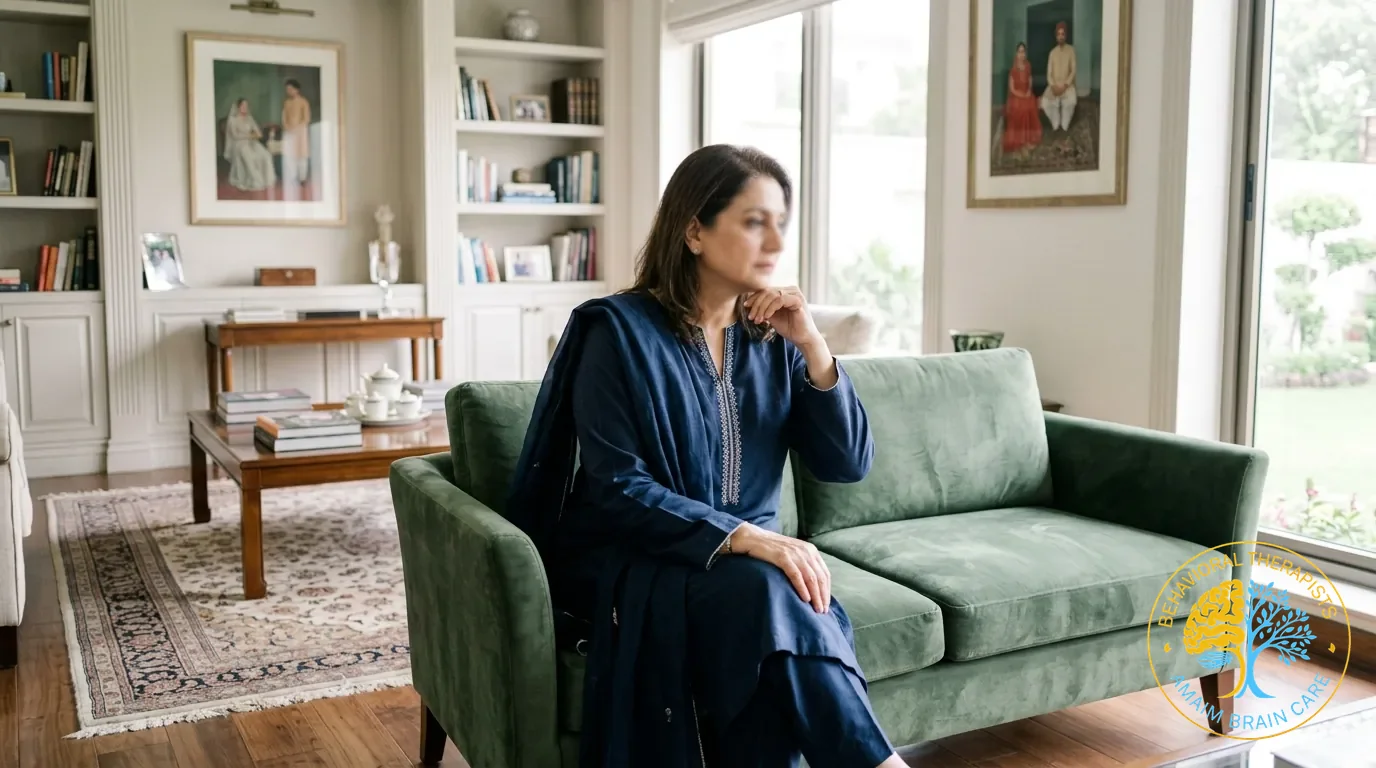
جن خواتین کو گھروں میں مسلسل اور نہ ختم ہونے والے ظلم کا نشانہ بنایا جاتا ہے، وہ صرف عام پی ٹی ایس ڈی کا شکار نہیں ہوتیں، بلکہ وہ اس کی ایک انتہائی خطرناک قسم “کمپلیکس پی ٹی ایس ڈی” (C-PTSD) میں مبتلا ہو جاتی ہیں۔ عام پی ٹی ایس ڈی عموماً کسی ایک اچانک واقعے (جیسے ایکسیڈنٹ) کی وجہ سے ہوتا ہے۔ اس کے برعکس، کمپلیکس پی ٹی ایس ڈی اس مسلسل اور بار بار دیے جانے والے صدمے کا نتیجہ ہے جہاں سے نکلنے کا مریض کو کوئی راستہ نظر نہیں آتا۔ یہ مسلسل ڈر عورت کے دماغ کی ساخت اور اس کی اپنی ذات کی پہچان کو بالکل تباہ کر دیتا ہے۔ طبی تحقیق اور دماغی اسکینز سے ثابت ہے کہ مسلسل صدمہ دماغ کے حصے ہپوکیمپس (Hippocampus) کو سکیڑ دیتا ہے جو یادداشت کو محفوظ کرتا ہے، یہی وجہ ہے کہ صدمے کی یادیں ٹکڑوں میں اور اچانک ڈراؤنی شکل میں واپس آتی ہیں۔ اس کے ساتھ ساتھ پری فرنٹل کارٹیکس (Prefrontal Cortex)—جو سوچنے سمجھنے اور فیصلے کرنے کا مرکز ہے—کمزور پڑ جاتا ہے، جس کی وجہ سے مریض کے لیے اس ظلم کے ماحول سے نکلنے کی منصوبہ بندی کرنا یا منطقی طور پر سوچنا تقریباً ناممکن ہو جاتا ہے۔
Hyper-vigilance and Somatic Manifestations | ہر وقت خوف اور جسمانی بیماریاں
The brain of a woman living with C-PTSD is locked in a permanent state of high-alert survival mode, driven by an overactive sympathetic nervous system. The constant, toxic deluge of cortisol (the stress hormone) and norepinephrine violently attacks her immune system and cardiovascular health. Because expressing emotional pain is culturally prohibited, the trauma physically manifests—a process clinically termed as somatization. These women frequently present to general physicians with intractable migraines, severe chronic pelvic pain, fibromyalgia, and unexplained gastrointestinal disorders, while the underlying psychiatric trauma remains entirely undiagnosed. The neuro-endocrine dysfunction also wreaks havoc on their menstrual cycles and metabolic health, exacerbating their physiological suffering.
کمپلیکس پی ٹی ایس ڈی کی شکار عورت کا دماغ ہمدرد عصبی نظام (Sympathetic Nervous System) کی تیزی کی وجہ سے ہر وقت خطرے کی گھنٹی بجاتا رہتا ہے۔ جسم میں مسلسل دوڑنے والا ڈر کا کیمیکل کارٹیسول (Cortisol) اور نورایپینیفرین (Norepinephrine) اس کے مدافعتی نظام اور دل کی صحت کو کھا جاتا ہے۔ چونکہ ہمارے معاشرے میں عورت کے لیے اپنے درد کا رونا منع ہے، اس لیے یہ صدمہ جسمانی بیماریوں کی شکل میں ظاہر ہونے لگتا ہے—جسے طب میں سومیٹائزیشن (Somatization) کہا جاتا ہے۔ یہ خواتین اکثر ڈاکٹروں کے پاس شدید آدھے سر کا درد (Migraine)، جوڑوں اور پٹھوں کا درد (Fibromyalgia) یا معدے کی خرابی لے کر جاتی ہیں، جبکہ ان کی اصل بیماری (صدمہ) کا کوئی ڈاکٹر پتا نہیں لگا پاتا۔ دماغ اور ہارمونز کا یہ بگاڑ ان کے ماہواری کے نظام اور میٹابولزم کو بھی تباہ کر دیتا ہے، جس سے ان کی جسمانی تکلیف میں مزید اضافہ ہوتا ہے۔
The Destructive Coping Mechanisms | درد سے بچنے کے تباہ کن طریقے
To survive the unbearable internal terror of flashbacks, intrusive memories, and the crushing weight of Severe Depression, traumatized women often resort to desperate coping strategies that rapidly evolve into secondary psychiatric emergencies. Without evidence-based medical intervention, the brain desperately attempts to self-regulate, leading to dangerous behaviors.
خوفناک یادوں (Flashbacks)، ذہن میں بار بار آنے والے برے خیالات، اور شدید ڈیپریشن سے بچنے کے لیے، صدمے کی شکار خواتین اکثر کچھ ایسے خطرناک طریقے اپناتی ہیں جو بعد میں ایک نئی اور جان لیوا بیماری بن جاتے ہیں۔ مستند طبی علاج کے بغیر، دماغ خود کو زبردستی قابو کرنے کی کوشش کرتا ہے جس کے نتیجے میں خطرناک عادات جنم لیتی ہیں۔
- Severe Dissociation (Depersonalization and Derealization): The brain literally disconnects from reality to avoid the pain. The woman may experience periods of “lost time” (dissociative amnesia), feel completely detached from her own body (depersonalization), or wander aimlessly feeling as though the world around her is distorted or unreal (derealization). This is a profound neurological defense mechanism that fractures her sense of continuity and self.
دماغ کا حقیقت سے کٹ جانا (Dissociation): درد سے بچنے کے لیے دماغ حقیقت سے اپنا رابطہ بالکل توڑ دیتا ہے۔ عورت کو اکثر یہ یاد نہیں رہتا کہ پچھلے چند گھنٹوں میں کیا ہوا، اسے اپنا جسم اپنا نہیں لگتا (Depersonalization)، یا اسے آس پاس کی دنیا نقلی یا عجیب لگنے لگتی ہے (Derealization)۔ یہ دماغ کا ایک انتہائی گہرا دفاعی نظام ہے جو اس کی ذات کی پہچان کو بکھیر کر رکھ دیتا ہے۔
- Hidden Sedative Addiction and Self-Medication: When formal psychiatric help is inaccessible due to extreme cultural stigma, women frequently self-medicate. They develop profound, secretive dependencies on heavy sleeping pills, benzodiazepines, and over-the-counter tranquilizers just to numb the hyperactive trauma circuits. This chemical dependency directly alters the brain’s GABA receptors, leading to severe tolerance, withdrawal seizures, and a rapid descent into Substance Abuse.
سکون آور گولیوں کا چھپا ہوا نشہ: جب شرم یا ڈر کی وجہ سے ڈاکٹر کے پاس نہیں جایا جاتا، تو خواتین اپنا درد دبانے کے لیے چھپ کر خود ہی دوائیاں لینے لگتی ہیں۔ دماغ کو زبردستی سن کرنے کے لیے وہ نیند کی گولیاں اور ٹرانکوئیلائزرز کی محتاج ہو جاتی ہیں۔ یہ کیمیائی لت دماغ کے گابا (GABA) ریسیپٹرز کو بدل دیتی ہے، جس سے دوائی کا اثر کم ہونے لگتا ہے، دوائی چھوڑنے پر دورے پڑ سکتے ہیں، اور یہ عادت بہت جلد ایک خطرناک نشے کی لت میں بدل جاتی ہے۔
Differential Diagnosis and the Misdiagnosis Epidemic | غلط تشخیص کا بحران
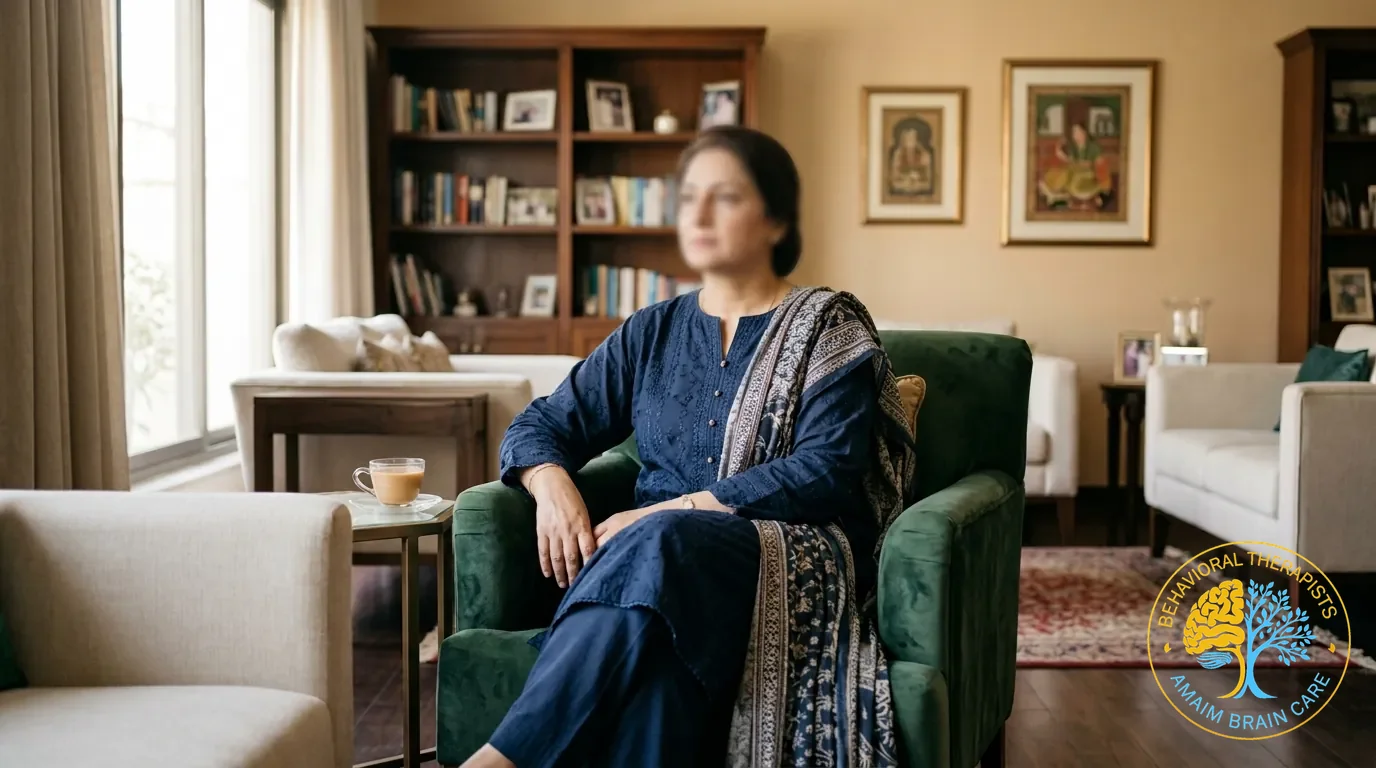
A critical challenge in treating trauma in Pakistan is rampant misdiagnosis. Because the somatic symptoms, severe dissociation, and pseudo-hallucinations (which are often trauma flashbacks disguised as voices) are heavily misunderstood, women are frequently misdiagnosed with psychotic conditions like Schizophrenia or Bipolar Disorder. In specific cultural contexts, these complex neurobiological trauma responses are often erroneously attributed to supernatural entities like “Jinn” or “Black Magic” (Kala Jadoo). Consequently, instead of receiving standard psychopharmacological care, victims are subjected to damaging faith-based exorcisms or punitive isolation, which exponentially delays critical medical intervention and exacerbates their psychological deterioration.
پاکستان میں صدمے کے علاج میں ایک بڑا چیلنج غلط تشخیص (Misdiagnosis) ہے۔ چونکہ جسمانی بیماریاں، حقیقت سے کٹ جانا اور کانوں میں آوازیں آنا (جو دراصل صدمے کی پرانی یادیں ہوتی ہیں) کو صحیح طرح سمجھا نہیں جاتا، اس لیے خواتین کو اکثر شیزوفرینیا (Schizophrenia) یا بائی پولر ڈس آرڈر کا مریض سمجھ لیا جاتا ہے۔ ہمارے معاشرتی پس منظر میں، ان پیچیدہ دماغی علامات کو اکثر جنات یا کالے جادو کا اثر سمجھا جاتا ہے۔ نتیجے کے طور پر، مستند نفسیاتی ادویات ملنے کے بجائے، ان مظلوم خواتین کو جعلی عاملوں کے خطرناک ہتھکنڈوں کا نشانہ بنایا جاتا ہے، جس سے طبی علاج میں تاخیر ہوتی ہے اور ان کی ذہنی حالت مزید تباہ ہو جاتی ہے۔
Evidence-Based Psychiatric and Psychotherapeutic Treatments | مستند طبی اور نفسیاتی علاج
Modern psychiatric science provides robust, highly effective methodologies for reversing the neurobiological damage inflicted by C-PTSD. Treatment fundamentally involves a dual-modality approach: pharmacological stabilization and targeted psychotherapy. Initially, psychotropic medications such as Selective Serotonin Reuptake Inhibitors (SSRIs) and Serotonin-Norepinephrine Reuptake Inhibitors (SNRIs) are prescribed. These agents are critical for restoring neurotransmitter balance, alleviating severe depressive symptoms, and drastically reducing the frequency of hyper-arousal and panic attacks, all while carefully avoiding long-term benzodiazepine dependence. Once the patient is neurologically stabilized, specialized psychotherapies like Trauma-Focused Cognitive Behavioral Therapy (TF-CBT), Eye Movement Desensitization and Reprocessing (EMDR), and Prolonged Exposure (PE) Therapy are employed. These evidence-based methods help the brain process and integrate the traumatic memories safely, transferring them from the hyperactive amygdala to the prefrontal cortex where they can be understood rationally rather than relived emotionally.
جدید نفسیاتی سائنس کمپلیکس پی ٹی ایس ڈی سے ہونے والے دماغی نقصان کو ٹھیک کرنے کے لیے انتہائی موثر اور ثابت شدہ طریقے فراہم کرتی ہے۔ اس کا علاج دو حصوں پر مشتمل ہے: ادویات کے ذریعے اعصابی سکون اور مخصوص تھراپی۔ شروع میں، دماغی کیمیکلز کا توازن بحال کرنے، شدید ڈیپریشن کو کم کرنے اور گھبراہٹ کے دوروں (Panic Attacks) کو روکنے کے لیے ایس ایس آر آئی (SSRIs) اور ایس این آر آئی (SNRIs) جیسی ادویات تجویز کی جاتی ہیں، جبکہ نشہ آور گولیوں سے بچا جاتا ہے۔ جب مریض کا دماغی نظام کچھ سنبھل جاتا ہے، تو پھر ٹراما فوکسڈ کاگنیٹو بیہیویورل تھراپی (TF-CBT)، ای ایم ڈی آر (EMDR) اور ایکسپوژر تھراپی (Exposure Therapy) جیسی مخصوص تھراپیز کا استعمال کیا جاتا ہے۔ یہ ثابت شدہ طریقے صدمے کی یادوں کو پروسیس کرنے میں مدد دیتے ہیں، اور انہیں دماغ کے خوف زدہ حصے (امیگڈالا) سے نکال کر سوچنے سمجھنے والے حصے (پری فرنٹل کارٹیکس) میں منتقل کرتے ہیں تاکہ مریض ان یادوں سے ڈرنے کے بجائے انہیں منطقی طور پر سمجھ سکے۔
The Critical Need for Confidential Intervention | خفیہ اور مستند علاج کی اشد ضرورت
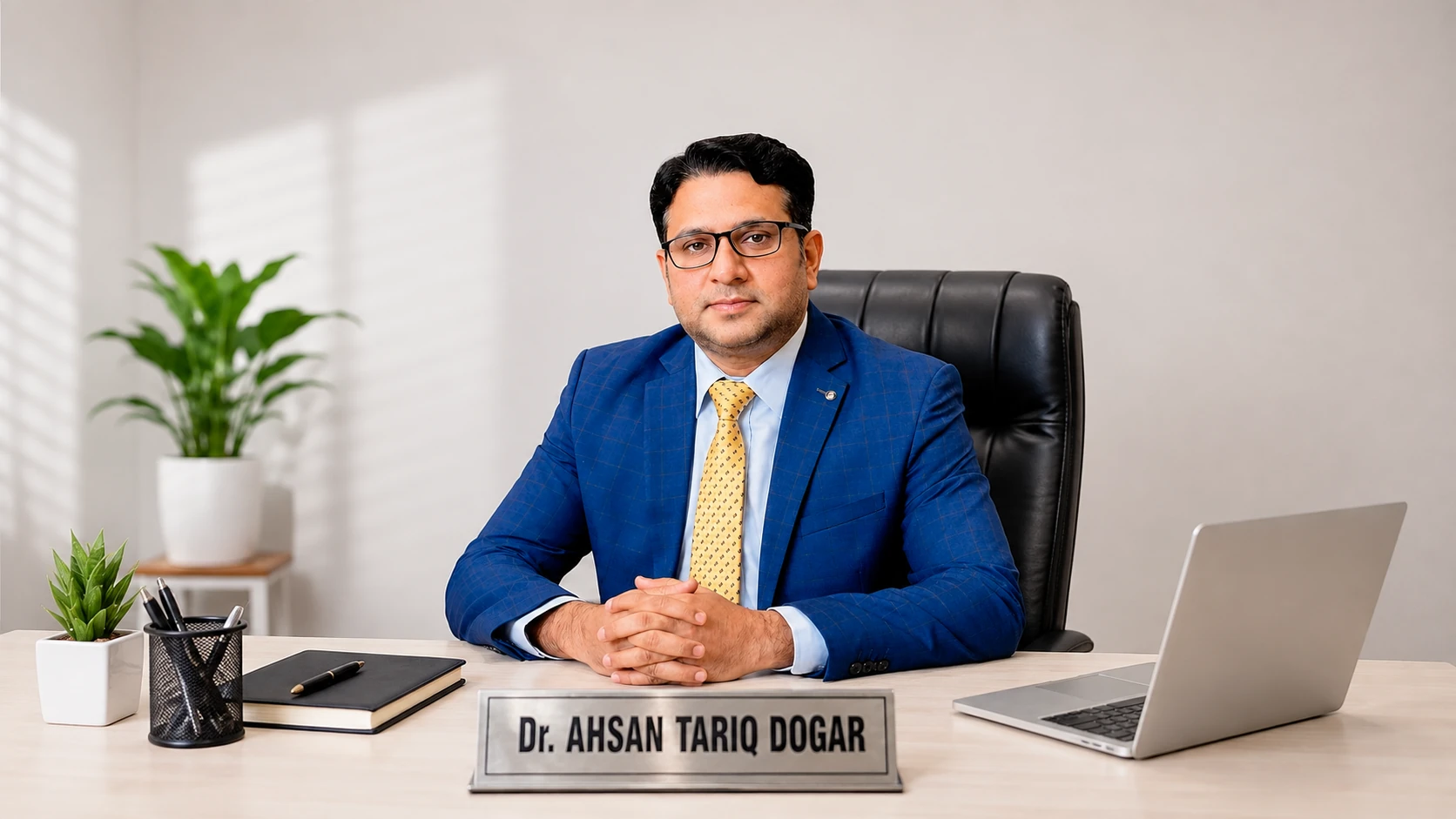
Treating C-PTSD in Pakistani women requires a clinical environment that guarantees absolute, ironclad confidentiality. Breaking the silence does not mean publicly shaming the family or inviting social scandal; it means securing safe, highly specialized medical intervention to stop the neurological destruction. Treatment led by a trauma specialist like Dr. Ahsan Tariq Dogar involves specific neuro-pharmacological stabilization to halt the panic attacks, followed by intensive, culturally sensitive trauma therapy to meticulously dismantle the trauma pathology and rebuild the patient’s shattered sense of self-worth. Telepsychiatry has emerged as a revolutionary tool in this regard, offering women the ability to engage in clinical consultations and therapy sessions directly from the absolute privacy of their own homes.
پاکستانی خواتین میں اس پیچیدہ پی ٹی ایس ڈی کا علاج ایک ایسے طبی ماحول کا تقاضا کرتا ہے جہاں ان کے راز کی سو فیصد ضمانت ہو۔ اس خاموشی کو توڑنے کا مطلب خاندانی معاملات کو اچھالنا یا تماشا بنانا نہیں، بلکہ اس دماغی تباہی کو روکنے کے لیے ایک مستند ڈاکٹر سے علاج کروانا ہے۔ ڈاکٹر احسن طارق ڈوگر جیسے ماہرین پہلے خاص ادویات کے ذریعے گھبراہٹ اور ڈر کے دوروں کو روکتے ہیں، اور پھر ایک انتہائی محفوظ ماحول میں تھراپی کے ذریعے اس صدمے کی جڑیں کاٹتے ہیں تاکہ وہ عورت دوبارہ اپنی عزتِ نفس اور زندگی کی خوشیاں حاصل کر سکے۔ اس سلسلے میں آن لائن ویڈیو کنسلٹیشن (Telepsychiatry) ایک انقلاب بن کر ابھری ہے، جس کی بدولت خواتین اپنے ہی گھر کی مکمل پرائیویسی میں محفوظ رہتے ہوئے ماہر ڈاکٹرز سے علاج حاصل کر سکتی ہیں۔
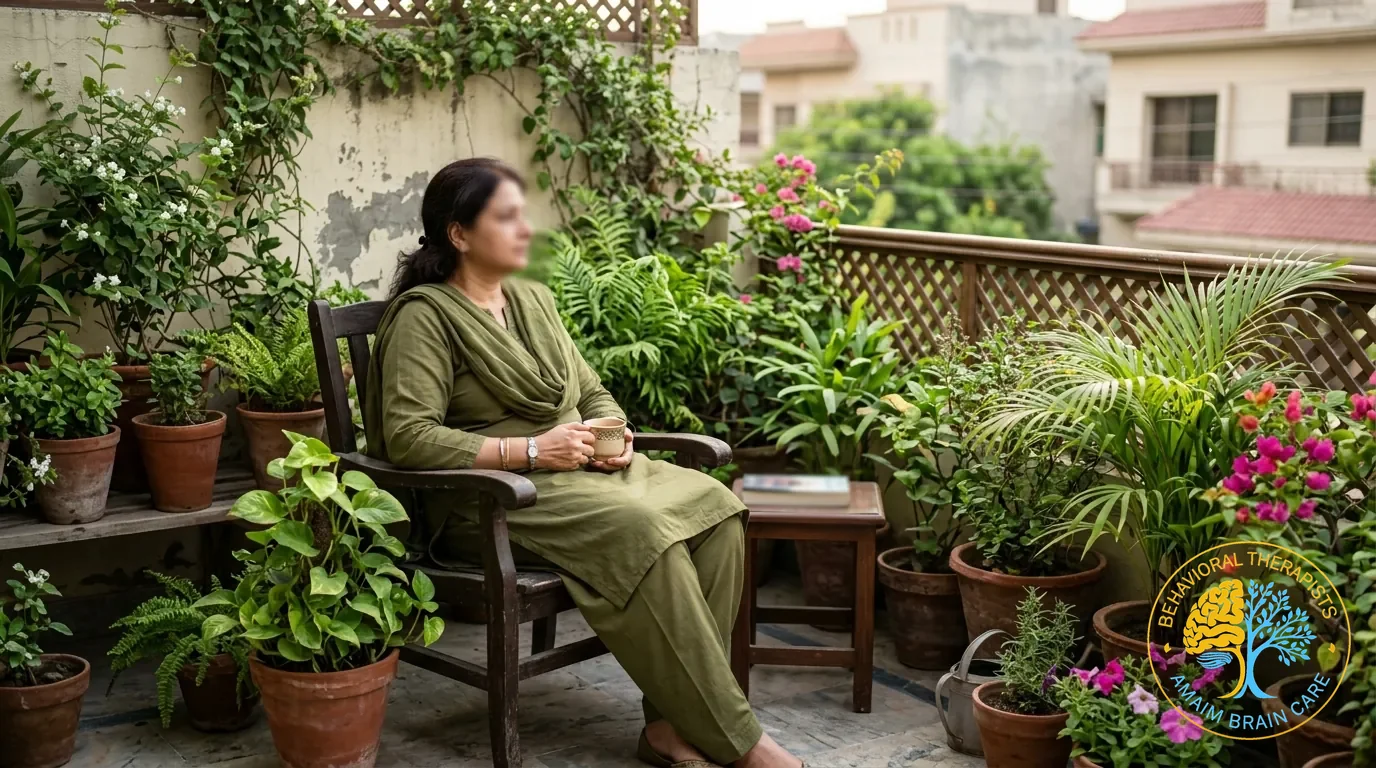
Relief from complex trauma is scientifically possible. Take the first step towards reclaiming your neurobiological and psychological health today.
پیچیدہ صدمے سے نجات سائنسی طور پر بالکل ممکن ہے۔ اپنی دماغی اور نفسیاتی صحت کو واپس پانے کے لیے آج ہی پہلا قدم اٹھائیں۔
Frequently Asked Questions
Why do women suffering from severe domestic trauma refuse to leave their abusers? | صدمے اور تشدد کا شکار عورتیں ظالم کو چھوڑ کر کیوں نہیں جاتیں؟
This is a complex neurobiological phenomenon called “Trauma Bonding,” heavily reinforced by severe socioeconomic dependence and cultural stigma. The chronic abuse destroys the victim’s self-esteem and instills a profound terror of the outside world, creating a psychological paralysis where staying feels safer than escaping. | یہ دماغ کی ایک انتہائی پیچیدہ مجبوری ہے جسے “ٹراما بانڈنگ” (Trauma Bonding) کہتے ہیں، جو کہ معاشی مجبوری اور معاشرے کے ڈر سے مزید مضبوط ہو جاتی ہے۔ مسلسل تشدد عورت کی اپنی نظر میں عزت کو ختم کر دیتا ہے اور اسے بیرونی دنیا سے اتنا ڈرا دیتا ہے کہ اس کا دماغ مفلوج ہو کر اسے یقین دلا دیتا ہے کہ بھاگنے سے زیادہ وہیں رہنا محفوظ ہے۔
ذہنی اور نفسیاتی صحت کے مسائل کے حوالے سے بروقت طبی تشخیص اور مستند ڈاکٹر کی رہنمائی انتہائی ضروری ہے۔ اگر آپ یا آپ کا کوئی پیارا اس مسئلے کا سامنا کر رہا ہے تو مناسب علاج اور رہنمائی کے لیے مستند ماہر نفسیات سے فوری رجوع کریں۔
Can a woman develop PTSD from a highly complicated or abusive childbirth experience? | کیا کسی عورت کو بہت مشکل یا تکلیف دہ ڈلیوری (پیدائش کے عمل) سے بھی پی ٹی ایس ڈی ہو سکتا ہے؟
Absolutely. This is clinically recognized as Postpartum PTSD. If a mother experiences severe obstetric trauma, intense medical negligence, or genuinely believed she or her infant was going to die during delivery, it fundamentally traumatizes the brain, drastically disrupting her ability to bond with the child. | بالکل۔ اسے طبی زبان میں “پوسٹ پارٹم پی ٹی ایس ڈی” (Postpartum PTSD) کہا جاتا ہے۔ اگر پیدائش کے وقت ماں کو انتہائی خوفناک تکلیف دی گئی ہو، یا اسے واقعی یہ لگا ہو کہ وہ یا اس کا بچہ مرنے والے ہیں، تو یہ صدمہ اس کے دماغ کو مفلوج کر دیتا ہے جس کی وجہ سے وہ اپنے ہی بچے کے ساتھ پیار کا رشتہ نہیں بنا پاتی۔
ذہنی اور نفسیاتی صحت کے مسائل کے حوالے سے بروقت طبی تشخیص اور مستند ڈاکٹر کی رہنمائی انتہائی ضروری ہے۔ اگر آپ یا آپ کا کوئی پیارا اس مسئلے کا سامنا کر رہا ہے تو مناسب علاج اور رہنمائی کے لیے مستند ماہر نفسیات سے فوری رجوع کریں۔
Are physical illnesses like chronic migraines actually caused by psychological trauma? | کیا واقعی مسلسل سر درد جیسی جسمانی بیماریاں نفسیاتی صدمے کی وجہ سے ہوتی ہیں؟
Yes, through a mechanism known as somatization. The brain and body are intrinsically connected. When severe emotional trauma is continuously suppressed and untreated, the central nervous system manifests that overwhelming psychological agony as severe, completely real physical pain that standard painkillers cannot cure. | جی ہاں، اسے طب میں “سومیٹائزیشن” (Somatization) کہتے ہیں۔ دماغ اور جسم آپس میں جڑے ہوئے ہیں۔ جب صدمے اور درد کو زبردستی دبا کر رکھا جائے، تو اعصابی نظام اس ذہنی اذیت کو بالکل سچے جسمانی درد کی صورت میں ظاہر کرتا ہے جس پر کوئی بھی عام درد کی دوائی اثر نہیں کرتی۔
ذہنی اور نفسیاتی صحت کے مسائل کے حوالے سے بروقت طبی تشخیص اور مستند ڈاکٹر کی رہنمائی انتہائی ضروری ہے۔ اگر آپ یا آپ کا کوئی پیارا اس مسئلے کا سامنا کر رہا ہے تو مناسب علاج اور رہنمائی کے لیے مستند ماہر نفسیات سے فوری رجوع کریں۔
What happens if a woman with Complex PTSD never receives treatment? | اگر کمپلیکس پی ٹی ایس ڈی کی شکار عورت کا کبھی علاج نہ ہو تو کیا ہوتا ہے؟
Untreated C-PTSD leads to permanent neurobiological damage, severe autoimmune collapse, profound clinical depression, and an extraordinarily high risk of tragic suicide. It also perpetuates a vicious cycle of intergenerational trauma, deeply affecting the psychological development of her children. | علاج نہ ہونے کی صورت میں دماغ کا نظام ہمیشہ کے لیے تباہ ہو جاتا ہے، عورت سخت جسمانی بیماریوں اور شدید ڈیپریشن میں چلی جاتی ہے اور اس میں خودکشی کا رجحان بہت بڑھ جاتا ہے۔ اس سے بھی بری بات یہ ہے کہ اس کی یہ ذہنی تباہی اس کے بچوں کی نفسیات میں بھی منتقل ہو کر ان کا مستقبل بھی تباہ کر دیتی ہے۔
ذہنی اور نفسیاتی صحت کے مسائل کے حوالے سے بروقت طبی تشخیص اور مستند ڈاکٹر کی رہنمائی انتہائی ضروری ہے۔ اگر آپ یا آپ کا کوئی پیارا اس مسئلے کا سامنا کر رہا ہے تو مناسب علاج اور رہنمائی کے لیے مستند ماہر نفسیات سے فوری رجوع کریں۔
How can a woman access strictly confidential PTSD treatment in Pakistan? | پاکستان میں ایک عورت اپنی رازداری برقرار رکھتے ہوئے پی ٹی ایس ڈی کا علاج کیسے کروا سکتی ہے؟
Amaim Brain Care guarantees absolute clinical confidentiality, prioritizing the safety and dignity of female patients. Dr. Ahsan Tariq Dogar offers highly secure telepsychiatry consultations across Pakistan, allowing women to receive expert pharmacological and psychotherapeutic intervention directly from the safety of their homes. | امیم برین کیئر کلینک خواتین کے پردے اور ان کے راز کی 100 فیصد ضمانت دیتا ہے۔ ڈاکٹر احسن طارق ڈوگر پورے پاکستان کے لیے ایک انتہائی محفوظ اور خفیہ ویڈیو کنسلٹیشن کی سہولت فراہم کرتے ہیں، تاکہ خواتین اپنے گھر کی چار دیواری میں محفوظ رہتے ہوئے ایک ماہر ڈاکٹر سے اپنا علاج کروا سکیں۔
ذہنی اور نفسیاتی صحت کے مسائل کے حوالے سے بروقت طبی تشخیص اور مستند ڈاکٹر کی رہنمائی انتہائی ضروری ہے۔ اگر آپ یا آپ کا کوئی پیارا اس مسئلے کا سامنا کر رہا ہے تو مناسب علاج اور رہنمائی کے لیے مستند ماہر نفسیات سے فوری رجوع کریں۔
How can I book an appointment with Dr. Ahsan Tariq Dogar?
You can book an in-person or online neuro-psychiatric consultation via reaching out via WhatsApp at 0333-6986464 for a confidential appointment.
فیصل آباد میں کلینک وزٹ یا آن لائن مشورے کے لیے آپ عمائم برین کیئر کے آفیشل واٹس ایپ لنک کے ذریعے رابطہ کر کے اپنی اپائنٹمنٹ باآسانی بک کروا سکتے ہیں، جہاں آپ کی معلومات کو مکمل صیغہ راز میں رکھا جاتا ہے۔
Sources & References
- American Psychiatric Association. Diagnostic and Statistical Manual of Mental Disorders (DSM-5-TR).
- World Health Organization (WHO). Mental Health Guidelines & Clinical Management Protocols.
- Pakistan Psychiatric Society (PPS). Clinical Practice Standards and Regional Mental Health Guidance.
Medical & Educational Disclaimer
The medical and psychiatric information provided on Amaim Brain Care is for educational purposes only. It is not intended to replace formal in-person psychiatric diagnosis, clinical assessment, or tailored prescription therapy. If you or a loved one are experiencing acute psychological distress or symptoms of a mental health condition, please seek professional evaluation from a certified psychiatrist.