In the discourse surrounding Substance Abuse in Pakistan, the geriatric population is almost universally ignored. Families inherently associate addiction with rebellious youth or troubled adulthood, completely blinding themselves to the severe epidemic of prescription drug abuse currently devastating the elderly. This crisis is intricately linked to a “Dual Diagnosis”—the simultaneous presence of a severe, untreated psychiatric condition, such as profound Depression or debilitating Anxiety, alongside an escalating physiological dependence on potent opioid painkillers or benzodiazepine sleeping pills. When the prefrontal cortex—the brain’s decision-making center—is compromised by age-related cognitive changes, the risk of neurochemical dependency skyrockets. The continuous disruption of the brain’s delicate balance of dopamine and serotonin exacerbates both the mental illness and the addiction, creating a destructive cycle that is rarely identified until it reaches a critical, life-threatening stage.
پاکستان میں جب نشے کی بات کی جاتی ہے تو بزرگ افراد کو بالکل نظر انداز کر دیا جاتا ہے۔ خاندانوں کا عام تاثر یہ ہے کہ نشہ صرف بگڑے ہوئے نوجوانوں کا مسئلہ ہے، اور اسی غلط فہمی کی وجہ سے وہ بزرگوں میں تیزی سے پھیلتی ہوئی ادویات کی لت کی اس خطرناک وبا کو دیکھ نہیں پاتے۔ یہ بحران عموماً “دوہری بیماری” (Dual Diagnosis) کا نتیجہ ہوتا ہے—یعنی ایک طرف انہیں بوڑھے ہونے کا شدید ڈیپریشن اور بے چینی یا تنہائی کا صدمہ ہوتا ہے، اور دوسری طرف وہ اس تکلیف سے بچنے کے لیے طاقتور درد کش یا نیند کی گولیوں کے خطرناک حد تک عادی ہو چکے ہوتے ہیں۔ جب دماغ کے فیصلے کرنے والے حصے (Prefrontal Cortex) میں عمر کے ساتھ کمزوری آتی ہے، تو دماغی کیمیائی لت کا خطرہ تیزی سے بڑھ جاتا ہے۔ ڈوپامائن (Dopamine) اور سیروٹونن (Serotonin) جیسے اہم کیمیکلز کے عدم توازن کی وجہ سے یہ بیماری مزید بگڑ جاتی ہے، اور اس تباہ کن چکر کی نشاندہی اکثر اس وقت ہوتی ہے جب جان کو خطرہ لاحق ہو جاتا ہے۔
The Clinical Reality: Statistics in the Aging Population | بزرگوں میں نشے کے طبی حقائق
Geriatric psychiatry data indicates a sharp, alarming rise in prescription dependency among individuals over the age of 60 in Pakistan. In large, multi-generational households in cities like Lahore and Karachi, it is estimated that nearly 1 in 5 elderly individuals routinely misuse prescription sedatives or analgesics. The tragedy is that this abuse is often facilitated unknowingly by the family, who assume the increasing dosages are merely a normal consequence of aging and physical decline, rather than the development of a severe, neurobiological addiction. The prolonged use of these medications significantly alters GABA receptors in the brain, inducing a physiological state where the body cannot function without the drug. The lack of awareness regarding proper psychiatric assessment further compounds the problem, making early intervention exceedingly rare and leaving these vulnerable individuals entirely reliant on toxic levels of pharmacological substances to maintain basic emotional stability.
بزرگوں کی نفسیات کے حالیہ اعداد و شمار 60 سال سے زائد عمر کے افراد میں ادویات کی لت میں خطرناک حد تک اضافے کی نشاندہی کرتے ہیں۔ بڑے شہروں (جیسے لاہور یا کراچی) کے مشترکہ خاندانی نظام میں ایک محتاط اندازے کے مطابق ہر 5 میں سے 1 بزرگ باقاعدگی سے سکون آور گولیوں کا بے جا استعمال کر رہا ہے۔ المیہ یہ ہے کہ اس لت میں خاندان خود (نادانستہ طور پر) مددگار ثابت ہوتا ہے، کیونکہ وہ بزرگوں کی دوائیوں کی بڑھتی ہوئی مقدار کو صرف “عمر کا تقاضا” سمجھتے ہیں، اور یہ نہیں جان پاتے کہ ان کا بزرگ دراصل ایک خطرناک دماغی لت کا شکار ہو چکا ہے۔ ان ادویات کا مسلسل استعمال دماغ کے گابا ریسیپٹرز کو بری طرح متاثر کرتا ہے، جس سے جسم ان گولیوں کے بغیر کام کرنے کے قابل نہیں رہتا۔ نفسیاتی تشخیص کے بارے میں شعور کی کمی اس مسئلے کو مزید پیچیدہ بنا دیتی ہے، جس سے ابتدائی علاج مشکل ہو جاتا ہے اور بزرگ اپنی جذباتی حالت کو سنبھالنے کے لیے مکمل طور پر ان زہریلی دوائیوں پر انحصار کرنے لگتے ہیں۔
The Architecture of Geriatric Dual Diagnosis | بزرگوں میں دوہری بیماری کی وجوہات
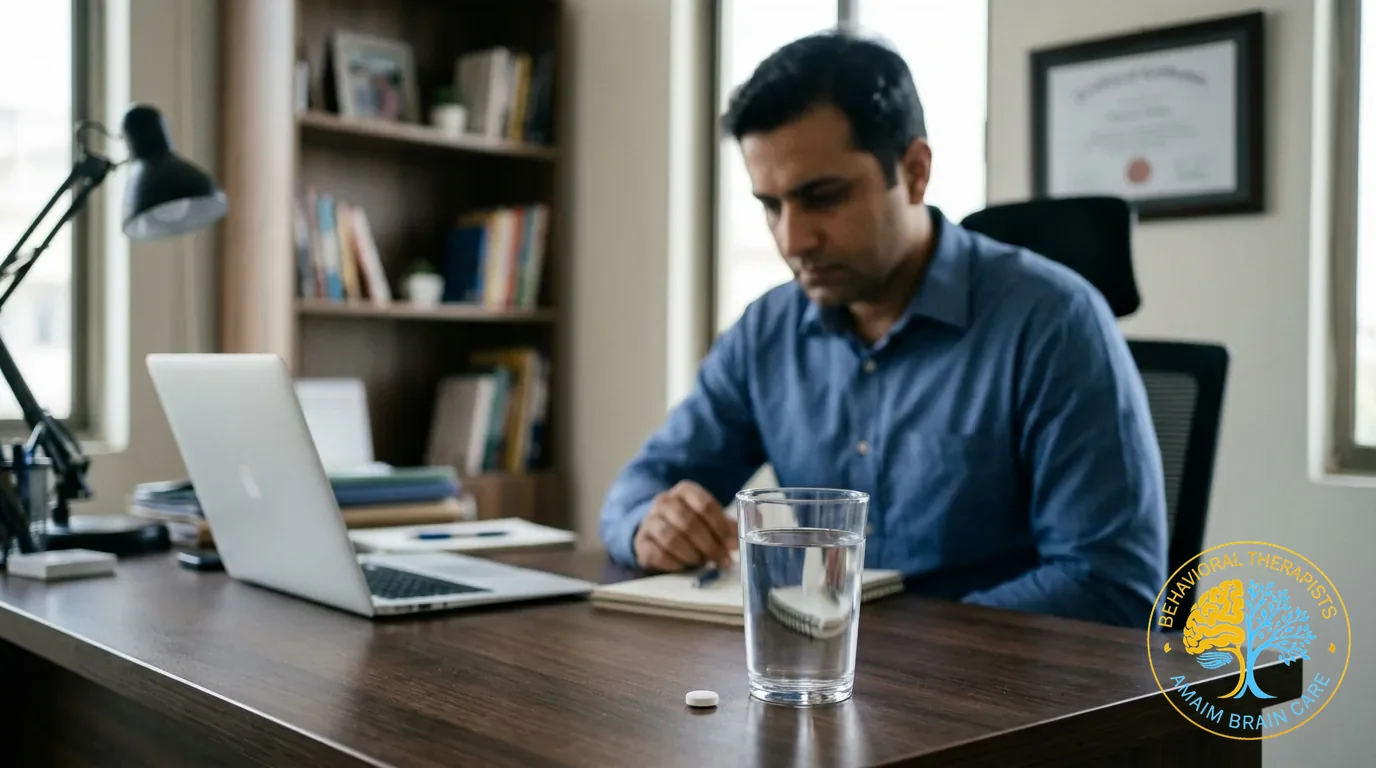
Substance abuse in the elderly rarely occurs in isolation. It is intrinsically tied to the profound psychological and physiological changes accompanying advanced age, particularly the interplay between physical decline and chronic emotional distress. These complex clinical scenarios require rigorous diagnosis to uncouple the psychiatric disorders from the substance-induced neuroadaptations.
بزرگوں میں منشیات یا ادویات کی لت کبھی بھی تنہا نہیں ہوتی۔ اس کا براہ راست تعلق ان شدید نفسیاتی اور جسمانی تبدیلیوں سے ہے جو بڑھاپے کے ساتھ آتی ہیں، خاص طور پر جسمانی کمزوری اور دائمی جذباتی صدمات کے درمیان گہرا تعلق۔ ان پیچیدہ طبی حالات کے لیے ایک مستند تشخیص کی ضرورت ہوتی ہے تاکہ نفسیاتی بیماریوں کو نشے سے پیدا ہونے والی دماغی تبدیلیوں سے الگ کیا جا سکے۔
Chronic Physical Pain and Opioid Dependence | پرانا درد اور پین کلرز کی لت
The aging process invariably introduces chronic conditions such as severe osteoarthritis or neuropathy. Physicians often prescribe opioid analgesics to manage this intractable pain. However, as the brain develops tolerance to the medication, the elderly patient begins increasing the dosage independently. They are no longer just treating the physical arthritis; they are unknowingly feeding an aggressively developing neurochemical dependency. The opioids flood the brain’s reward circuits, artificially stimulating dopamine release. Over time, the brain’s natural ability to produce endorphins is suppressed, causing the amygdala—the brain’s emotional processing center—to become hyperactive. This leads to intense craving, hyperalgesia (increased sensitivity to pain), and profound irritability when the drug is not available. To achieve the same analgesic effect, significantly higher doses are required, leading to a dangerous cascade of tolerance and physiological dependence.
بڑھاپے میں جوڑوں کا پرانا درد یا اعصابی بیماریاں عام ہیں۔ ڈاکٹر اکثر ان تکلیف دہ بیماریوں کے لیے تیز درد کش (Opioids) دوائیاں دیتے ہیں۔ لیکن جیسے جیسے دماغ ان دوائیوں کا عادی ہوتا ہے، مریض خود سے خوراک بڑھانا شروع کر دیتا ہے۔ ایک وقت ایسا آتا ہے کہ وہ یہ دوائی جوڑوں کے درد کے لیے نہیں کھا رہا ہوتا، بلکہ اس کا دماغ اس دوائی کے زہر کا مکمل محتاج ہو چکا ہوتا ہے۔ اوپیئڈز دماغ کے انعام کے نظام کو بھر دیتے ہیں اور مصنوعی طور پر ڈوپامائن کے اخراج کو بڑھاتے ہیں۔ وقت کے ساتھ ساتھ، دماغ کی قدرتی طور پر درد کم کرنے والے کیمیکلز (Endorphins) پیدا کرنے کی صلاحیت ختم ہو جاتی ہے، اور جذبات کو کنٹرول کرنے والا حصہ (Amygdala) حد سے زیادہ فعال ہو جاتا ہے۔ اس کے نتیجے میں جب دوائی نہیں ملتی تو مریض کو شدید طلب، درد کی شدت میں اضافہ اور چڑچڑاپن محسوس ہوتا ہے۔ اسی اثر کو برقرار رکھنے کے لیے بڑی خوراک کی ضرورت پڑتی ہے، جو ایک خطرناک لت کا سبب بنتی ہے۔
Geriatric Depression, Isolation, and Sedatives | بزرگوں کا ڈیپریشن، تنہائی اور نیند کی گولیاں
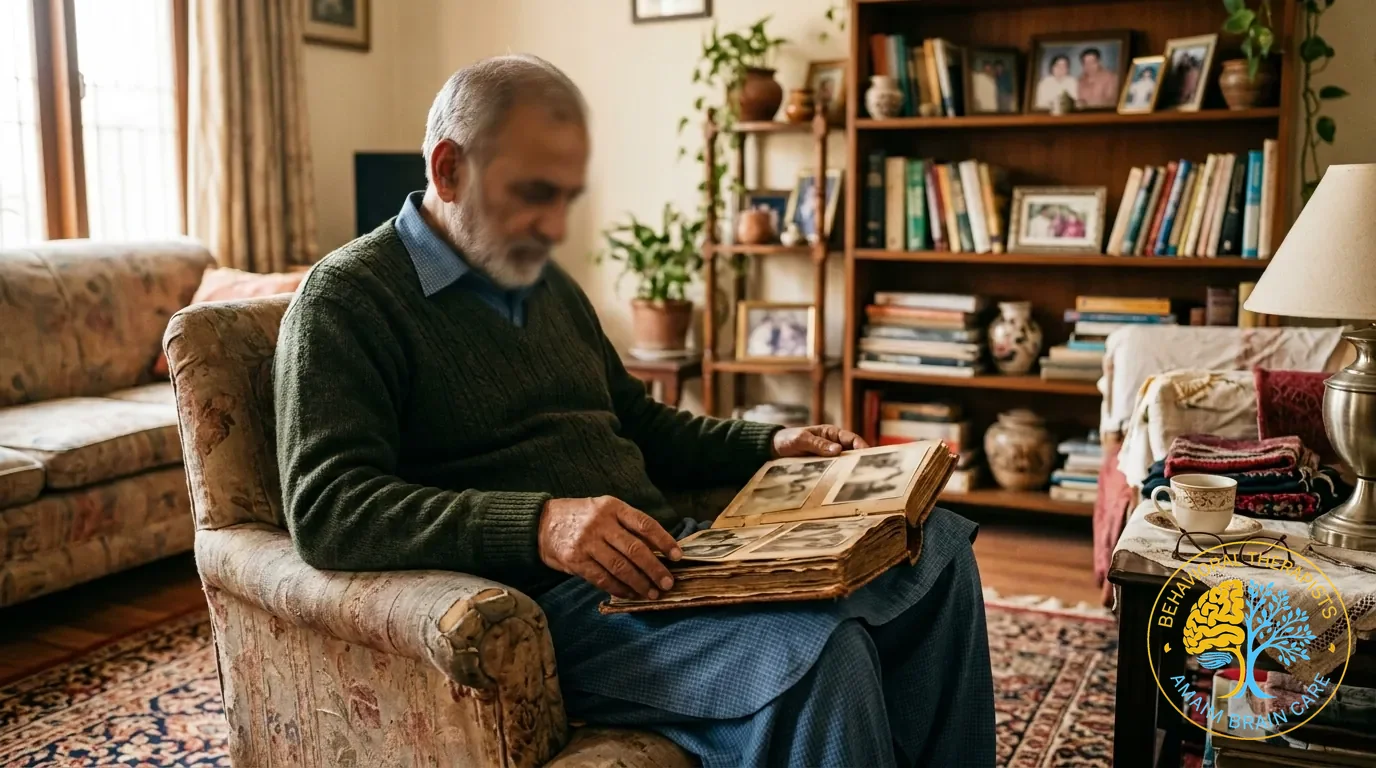
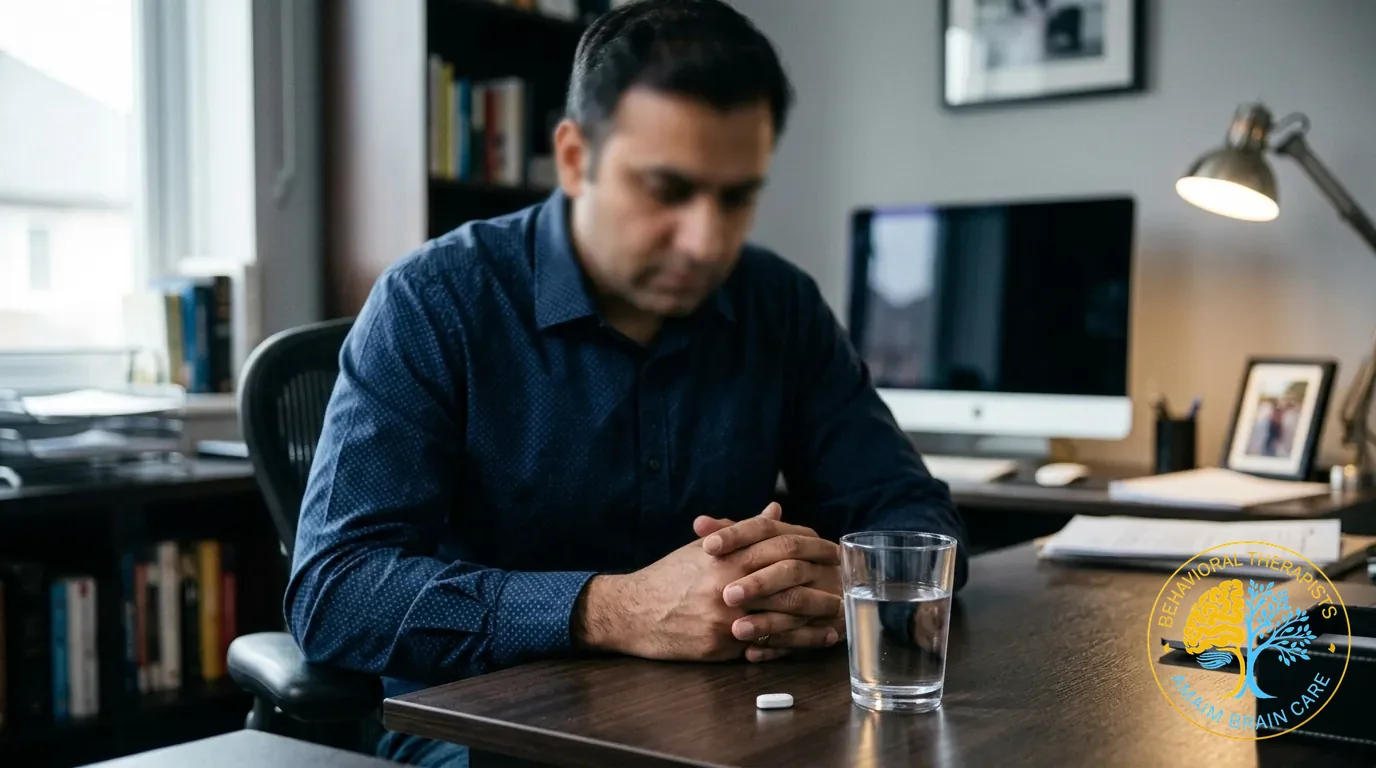
The loss of a spouse, the sudden lack of purpose following retirement, and the stark reality of physical decline precipitate severe Geriatric Depression. In modern Pakistani society, where younger generations are increasingly occupied with their own economic survival, the elderly face unprecedented emotional isolation. To combat the ensuing severe insomnia and panic attacks, they increasingly rely on benzodiazepines (like Alprazolam) and Z-drugs. What begins as a 0.5mg dose to sleep rapidly escalates to a massive, toxic daily intake required merely to stave off crushing psychological despair. Benzodiazepines suppress the central nervous system by enhancing the inhibitory neurotransmitter GABA. While effective in the short term, chronic use alters the brain’s architecture, heavily affecting the hippocampus, which governs memory formation. This leads to the exacerbation of underlying Trauma or PTSD if past unresolved conflicts resurface, plunging the patient into a darker abyss of despair that medication can no longer mask.
جیون ساتھی کی موت، ریٹائرمنٹ کے بعد زندگی کے مقصد کا ختم ہونا، اور جسمانی کمزوری بزرگوں کو شدید ڈیپریشن کی طرف دھکیل دیتی ہے۔ آج کے دور میں جہاں نوجوان اپنی معاشی دوڑ میں مصروف ہیں، بزرگ انتہائی تنہائی کا شکار ہیں۔ اس تنہائی کے باعث ہونے والی شدید بے خوابی اور گھبراہٹ کو دور کرنے کے لیے وہ بینزوڈائزیپینز (جیسے Alprazolam) اور نیند کی دیگر گولیوں کا سہارا لیتے ہیں۔ جو سفر رات کو سونے کے لیے آدھی گولی سے شروع ہوتا ہے، وہ بہت جلد اتنی زیادہ مقدار تک پہنچ جاتا ہے جس کے بغیر وہ اپنی اندرونی تکلیف برداشت ہی نہیں کر پاتے۔ یہ دوائیاں مرکزی اعصابی نظام کو سست کر دیتی ہیں اور گابا (GABA) نامی کیمیکل کو بڑھاتی ہیں۔ اگرچہ وقتی طور پر یہ مؤثر ہیں، لیکن ان کا مستقل استعمال دماغی ساخت کو بدل دیتا ہے اور یادداشت کو کنٹرول کرنے والے حصے (Hippocampus) کو بری طرح نقصان پہنچاتا ہے۔ اس کے نتیجے میں پرانے صدمات یا پی ٹی ایس ڈی (PTSD) جیسی بیماریاں دوبارہ ابھر سکتی ہیں، اور مریض ایک ایسی مایوسی کی گہرائی میں گر جاتا ہے جسے کوئی دوا نہیں چھپا سکتی۔
The Devastating Physiological Consequences | بزرگوں کے جسم پر خطرناک اثرات
The aging liver and kidneys metabolize medications at a significantly reduced rate. Consequently, toxic levels of these addictive substances accumulate far more rapidly in the elderly. The pharmacokinetics of standard medications shift drastically as renal clearance and hepatic enzyme activity decline, causing the half-life of sedatives and opioids to double or triple. This metabolic inefficiency sets the stage for a multitude of life-threatening clinical manifestations.
بوڑھے افراد کے جگر اور گردے دوائیوں کو ہضم کرنے اور جسم سے نکالنے میں بہت سست ہو جاتے ہیں۔ اس لیے ان زہریلی گولیوں کی مقدار بزرگوں کے جسم میں بہت تیزی سے خطرناک حد تک جمع ہونا شروع ہو جاتی ہے۔ گردوں کی صفائی اور جگر کے خامروں (Enzymes) کی کارکردگی کم ہونے کی وجہ سے سکون آور ادویات اور پین کلرز کا اثر جسم میں دگنا یا تگنا وقت لیتا ہے۔ یہ سست میٹابولزم کئی جان لیوا طبی مسائل کی بنیاد بنتا ہے۔
- Cognitive Decline and Pseudo-Dementia: High doses of sedatives induce profound confusion, severe memory loss, and total disorientation. The toxic accumulation disrupts acetylcholine pathways in the brain, severely impairing short-term memory recall. Families frequently misdiagnose this as irreversible Alzheimer’s disease or organic neurodegenerative decline, unaware that the cognitive collapse is entirely substance-induced and potentially reversible through an expert, medically supervised detoxification protocol.یادداشت کا ختم ہونا اور عارضی ڈیمنشیا: سکون آور گولیوں کی زیادہ مقدار بزرگوں میں شدید الجھن، یادداشت کی تباہی اور مکمل بے ہوشی کا سبب بنتی ہے۔ یہ زہریلا مواد دماغ میں ایسٹائل کولین (Acetylcholine) کے راستوں کو منقطع کر دیتا ہے جس سے وقتی یادداشت بری طرح متاثر ہوتی ہے۔ گھر والے اکثر اسے بھولنے کی لا علاج بیماری (الزائمر) سمجھ لیتے ہیں، جبکہ حقیقت میں یہ گولیوں کا زہر ہوتا ہے جو ماہر ڈاکٹر کی زیر نگرانی ہسپتال میں ڈیٹوکس (Detox) کے ذریعے مکمل طور پر ٹھیک ہو سکتا ہے۔
- Lethal Falls, Fractures, and Respiratory Depression: The profound sedation caused by these pills significantly impairs motor coordination and cerebellar function, leading to severe falls that frequently result in catastrophic hip or spinal fractures. Furthermore, high doses of opioids severely suppress the brainstem’s respiratory drive, leading to chronic hypoxia (lack of oxygen to the brain) or even fatal respiratory arrest during sleep.جان لیوا گرنا، ہڈیاں ٹوٹنا اور سانس کا رکنا: ان گولیوں کی وجہ سے بزرگوں کے پٹھوں کا کنٹرول اور دماغ کے توازن والے حصے (Cerebellum) کا فعل ختم ہو جاتا ہے۔ وہ اچانک گر جاتے ہیں جس سے کولہے یا ریڑھ کی ہڈی ٹوٹنے کا شدید خطرہ ہوتا ہے۔ اس کے علاوہ، اوپیئڈز کی بڑی مقدار دماغ کے نچلے حصے (Brainstem) میں سانس لینے کے نظام کو دبا دیتی ہے، جس سے دماغ کو آکسیجن کی کمی (Hypoxia) ہو سکتی ہے یا سوتے ہوئے سانس رکنے سے موت بھی واقع ہو سکتی ہے۔
- Cardiovascular Instability and Arrhythmias: The withdrawal effects, even between doses, can trigger severe autonomic nervous system dysregulation. This causes extreme fluctuations in blood pressure, tachycardia, and a dangerously elevated risk of experiencing sudden cardiac arrhythmias or a myocardial infarction (heart attack).دل کا غیر مستحکم ہونا اور دھڑکن کی بے ترتیبی: خوراک کے درمیانی وقفے میں بھی نشہ ٹوٹنے کے اثرات خودکار اعصابی نظام کو بری طرح متاثر کر سکتے ہیں۔ اس کے نتیجے میں بلڈ پریشر میں شدید اتار چڑھاؤ، دل کی دھڑکن کا بے قابو ہونا (Tachycardia)، اور اچانک دل کا دورہ پڑنے (Heart Attack) کا خطرہ خطرناک حد تک بڑھ جاتا ہے۔
Specialized Geriatric Intervention and Treatment | بزرگوں کے لیے مخصوص اور حساس علاج
Detoxifying an elderly patient from severe prescription dependency is an extremely delicate, high-risk clinical procedure. Attempting to abruptly withhold the medication at home will almost certainly induce a fatal seizure, delirium tremens, or a massive cardiac event due to the fragility of their aging cardiovascular system and the hypersensitivity of their neurochemical pathways. Effective intervention requires a multifaceted, evidence-based psychiatric approach that prioritizes patient safety above all.
کسی بزرگ کو ادویات کی شدید لت سے نکالنا ایک انتہائی نازک اور خطرناک طبی عمل ہے۔ اگر گھر والے اچانک ان کی دوائی بند کرنے کی کوشش کریں تو ان کے کمزور دل، خون کی نالیوں کی نزاکت اور دماغی کیمیکلز کی حساسیت کی وجہ سے انہیں فوراً دل کا دورہ، شدید ہذیان (Delirium) یا جان لیوا جھٹکے پڑ سکتے ہیں۔ مؤثر علاج کے لیے ایک ایسا ہمہ گیر اور مستند نفسیاتی طریقہ کار درکار ہوتا ہے جس میں مریض کی حفاظت سب سے مقدم ہو۔
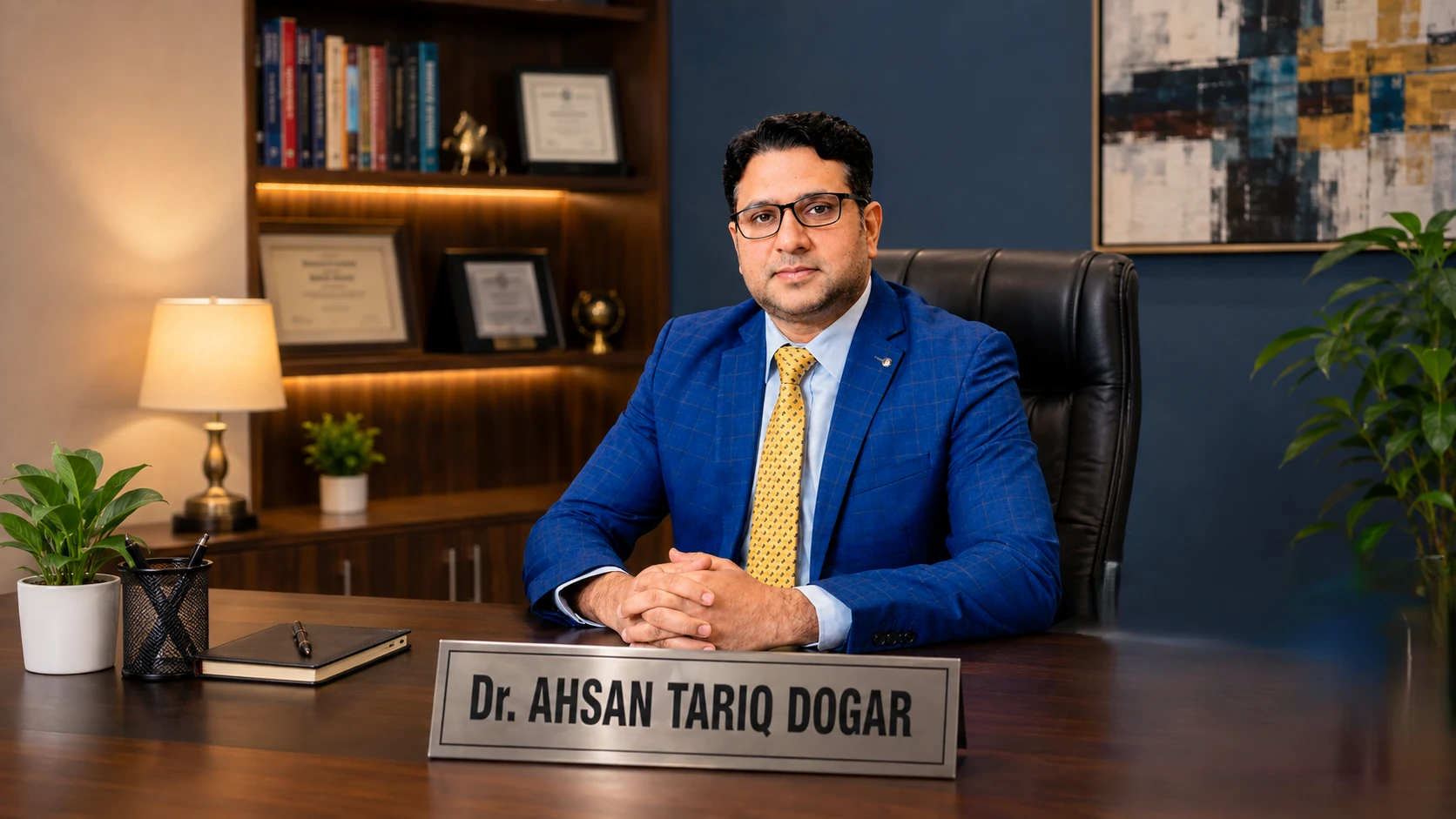
Such interventions strictly mandate the highly controlled environment of an Inpatient Psychiatric Facility. Under the direct, specialized supervision of Dr. Ahsan Tariq Dogar, the patient undergoes a meticulous, ultra-slow tapering protocol of the addictive substance. This is often supported by medication-assisted treatment (MAT) principles and standard psychiatric stabilization. Simultaneously, the patient receives targeted, non-addictive psychiatric treatments such as Selective Serotonin Reuptake Inhibitors (SSRIs) or Serotonin-Norepinephrine Reuptake Inhibitors (SNRIs) to effectively manage the underlying depression. Therapeutic modalities like Cognitive Behavioral Therapy (CBT) and Motivational Interviewing are expertly adapted for older adults to reframe their coping mechanisms and address emotional pain without resorting to chemical reliance. This dual-action methodology ensures that both the neurochemical addiction and the psychological root causes are systematically resolved.
Frequently Asked Questions
Why do families fail to notice addiction in their elderly parents? | خاندان اپنے بوڑھے والدین میں اس خطرناک لت کو کیوں نہیں پہچان پاتے؟
The primary symptom of geriatric prescription abuse—severe lethargy, cognitive dulling, and unsteady walking—are identical to the symptoms the general public assumes are just “normal signs of getting old.” In a clinical context, the gradual suppression of the central nervous system mimics standard physical deterioration. Consequently, families miss the severe clinical addiction entirely, misattributing slurred speech or extreme drowsiness to simple fatigue rather than a severe neurochemical dependency requiring psychiatric intervention.
گولیوں کے نشے کی سب سے بڑی علامات—شدید سستی، ذہنی غنودگی، اور لڑکھڑا کر چلنا—بالکل ویسی ہی ہیں جنہیں لوگ بڑھاپے کی عام نشانیاں سمجھتے ہیں۔ طبی نقطہ نظر سے، مرکزی اعصابی نظام کا بتدریج سست ہونا عام جسمانی کمزوری جیسا ہی لگتا ہے۔ اسی غلط فہمی کی وجہ سے خاندان کو پتا ہی نہیں چلتا کہ ان کا بزرگ نشے کی خطرناک لت میں مبتلا ہو چکا ہے، اور وہ ان کی لڑکھڑاتی زبان یا شدید غنودگی کو محض تھکاوٹ سمجھ بیٹھتے ہیں، حالانکہ یہ ایک سنگین کیمیائی لت ہوتی ہے جس کے لیے ماہر نفسیات کی فوری ضرورت ہوتی ہے۔
Can sleeping pills actually cause dementia in older adults? | کیا واقعی نیند کی گولیاں بزرگوں میں ڈیمنشیا (یادداشت ختم ہونے کی بیماری) پیدا کر سکتی ہیں؟
High, prolonged doses of benzodiazepines cause profound cognitive impairment that clinically mimics dementia, a condition known as pseudo-dementia. These drugs inhibit the consolidation of new memories in the hippocampus and drastically reduce the speed of neural processing. Unlike true Alzheimer’s disease, which is characterized by irreversible structural brain damage, if the patient is professionally detoxified from the medication, their cognitive faculties, attention span, and memory pathways frequently return to baseline, proving that the dementia-like symptoms were entirely drug-induced.
نیند اور سکون کی گولیوں کا لمبا استعمال دماغ کو اتنا مفلوج کر دیتا ہے کہ مریض بالکل ڈیمنشیا کا شکار لگتا ہے، جسے طبی زبان میں سیوڈو-ڈیمنشیا (Pseudo-dementia) کہا جاتا ہے۔ یہ ادویات دماغ کے حصے ہپوکیمپس (Hippocampus) میں نئی یادیں بننے کے عمل کو روک دیتی ہیں اور دماغی کام کی رفتار کو انتہائی سست کر دیتی ہیں۔ لیکن سچے الزائمر کے برعکس جس میں دماغ کی ساخت کو ناقابل تلافی نقصان پہنچتا ہے، اگر ان گولیوں کا نشہ ماہر ڈاکٹر کے ذریعے ہسپتال میں چھڑوا دیا جائے، تو بزرگ کی یادداشت، توجہ کا دورانیہ اور اعصابی راستے دوبارہ بالکل ٹھیک ہو سکتے ہیں، جو اس بات کا ثبوت ہے کہ ڈیمنشیا جیسی علامات صرف اور صرف ادویات کی وجہ سے تھیں۔
What happens if we just take the pill bottle away from our elderly father? | اگر ہم اپنے بوڑھے والد سے گولیوں کی بوتل چھین کر چھپا دیں تو کیا ہوگا؟
This is extremely dangerous and potentially lethal. The sudden cessation of high-dose sedatives or opioids in an elderly patient will rapidly induce severe physiological withdrawal. The nervous system, having been artificially depressed for so long, rebounds aggressively, leading to massive spikes in blood pressure (hypertensive crisis), potentially fatal seizures, profound agitation, and severe cardiac distress. The sudden drop in GABA receptor stimulation leaves the brain in a hyper-excitable state. Never attempt this detoxification process at home without the direct supervision of a qualified psychiatrist in an inpatient setting.
یہ ایک انتہائی خطرناک اور جان لیوا قدم ہے۔ دوائی اچانک روکنے سے بزرگوں کے جسم میں نشہ ٹوٹنے کی شدید تکلیف (Withdrawal) پیدا ہوگی۔ اعصابی نظام، جسے اتنے عرصے سے مصنوعی طور پر دبایا گیا تھا، اچانک انتہائی تیزی سے ردعمل ظاہر کرتا ہے جس سے بلڈ پریشر خطرناک حد تک بڑھ جاتا ہے، دورے پڑ سکتے ہیں، شدید بے چینی ہوتی ہے اور دل فیل بھی ہو سکتا ہے۔ گابا (GABA) ریسیپٹرز کی تحریک میں اچانک کمی دماغ کو حد سے زیادہ متحرک حالت میں چھوڑ دیتی ہے۔ ہسپتال کے ماحول میں کسی ماہر نفسیات کی براہ راست نگرانی کے بغیر کبھی بھی گھر پر یہ علاج کرنے کی کوشش نہ کریں۔
How do you treat the physical pain if you take away the opioid painkillers? | اگر پین کلرز چھڑوا دیے جائیں تو بزرگ کے پرانے درد کا علاج کیسے ہوگا؟
Dual diagnosis treatment involves a highly integrated multidisciplinary approach. While the highly addictive opioids are carefully tapered off by the psychiatrist, legitimate pain is managed using safer, non-narcotic neurological medications that target specific nerve pain pathways (such as gabapentinoids or specialized SNRIs like Duloxetine). Additionally, evidence-based adjunctive therapies, including targeted physiotherapy, cognitive restructuring for pain perception, and advanced pain management protocols are utilized. These scientifically validated methods ensure the patient remains comfortable and pain-free without carrying the devastating risk of severe addiction and central nervous system depression.
دوہری بیماری کے علاج میں مختلف اور مربوط طریقے استعمال ہوتے ہیں۔ ایک طرف ماہر نفسیات نشہ آور گولیوں کو آہستہ آہستہ بند کرتا ہے، اور دوسری طرف درد کے لیے ایسی غیر نشہ آور، جدید اعصابی ادویات (جیسے Gabapentinoids یا Duloxetine) دی جاتی ہیں جو خاص طور پر درد کے اعصابی راستوں کو نشانہ بناتی ہیں۔ اس کے علاوہ، سائنسی بنیادوں پر ثابت شدہ اضافی علاج، جیسے فزیو تھراپی، درد کو محسوس کرنے کے انداز کو بدلنے والی کاگنیٹو تھراپی، اور جدید پین مینجمنٹ پروٹوکول استعمال کیے جاتے ہیں۔ یہ محفوظ طریقے اس بات کو یقینی بناتے ہیں کہ مریض شدید لت اور اعصابی نظام کے دب جانے کے خطرناک نتائج کے بغیر، پرسکون اور درد سے پاک زندگی گزار سکے۔
Where can an elderly patient receive safe detoxification in Pakistan? | پاکستان میں کسی بزرگ مریض کا یہ حساس علاج کہاں ہو سکتا ہے؟
Amaim Brain Care, under the highly specialized clinical direction of Dr. Ahsan Tariq Dogar in Faisalabad, provides a secure, intensely monitored inpatient facility explicitly equipped to handle the severe physiological complexities of detoxifying the geriatric population. The facility employs state-of-the-art psychiatric protocols, integrating vital signs monitoring, medication-assisted tapering, and comprehensive psychotherapeutic interventions to deliver safe, effective, and lasting recovery.
امیم برین کیئر فیصل آباد میں ڈاکٹر احسن طارق ڈوگر کی زیر نگرانی ہسپتال کی وہ محفوظ اور حساس سہولت موجود ہے جہاں بوڑھے مریضوں کے جسمانی مسائل اور عمر کو مدنظر رکھتے ہوئے، انہیں بغیر کسی خطرے کے اس زہریلی لت سے نجات دلائی جاتی ہے۔ اس ہسپتال میں جدید ترین نفسیاتی پروٹوکولز استعمال کیے جاتے ہیں، جن میں علامات کی مسلسل نگرانی، ادویات کے ذریعے نشہ کم کرنے کا طریقہ، اور مکمل نفسیاتی تھراپیز شامل ہیں تاکہ ایک محفوظ، مؤثر، اور دیرپا صحت یابی کو یقینی بنایا جا سکے۔
How can I book an appointment with Dr. Ahsan Tariq Dogar?
You can book an in-person or online neuro-psychiatric consultation via reaching out via WhatsApp at 0333-6986464 for a confidential appointment.
فیصل آباد میں کلینک وزٹ یا آن لائن مشورے کے لیے آپ عمائم برین کیئر کے آفیشل واٹس ایپ لنک کے ذریعے رابطہ کر کے اپنی اپائنٹمنٹ باآسانی بک کروا سکتے ہیں، جہاں آپ کی معلومات کو مکمل صیغہ راز میں رکھا جاتا ہے۔
Sources & References
- American Psychiatric Association. Diagnostic and Statistical Manual of Mental Disorders (DSM-5-TR).
- World Health Organization (WHO). Mental Health Guidelines & Clinical Management Protocols.
- Pakistan Psychiatric Society (PPS). Clinical Practice Standards and Regional Mental Health Guidance.
Medical & Educational Disclaimer
The medical and psychiatric information provided on Amaim Brain Care is for educational purposes only. It is not intended to replace formal in-person psychiatric diagnosis, clinical assessment, or tailored prescription therapy. If you or a loved one are experiencing acute psychological distress or symptoms of a mental health condition, please seek professional evaluation from a certified psychiatrist.