In Pakistan, the male demographic bears the overwhelmingly visible and deeply tragic burden of the Substance Abuse crisis. From the bustling industrial zones of Faisalabad and Karachi, characterized by relentless textile mills and factories, to the expansive agricultural heartlands of Punjab and Sindh, an unprecedented number of adult men are succumbing to the ravages of severe chemical dependency. This widespread epidemic predominantly involves highly addictive substances such as heroin, potent cannabis strains (commonly known as hashish or charas), and synthetic opioids. Contrary to common societal misconceptions, this crisis is not merely a moral failing or a lack of willpower; it is a profound clinical manifestation of untreated psychological distress, crippling economic anxiety, and severe workplace trauma. Neurobiologically, when men face relentless psychosocial stressors without an adequate support system, their neuroendocrine system becomes dysregulated, leading to chronically elevated cortisol levels and a depletion of essential neurotransmitters like serotonin and dopamine, setting the stage for self-medication through illicit narcotics.
پاکستان میں منشیات کے استعمال کا سب سے بھیانک، واضح اور المناک شکار مرد حضرات ہیں۔ فیصل آباد اور کراچی جیسے بڑے صنعتی شہروں کی مصروف ترین فیکٹریوں سے لے کر پنجاب اور سندھ کے وسیع زرعی علاقوں تک، لاتعداد بالغ مرد ہیروئن، تیز چرس (حشیش) اور دیگر زہریلے اور مصنوعی نشوں کی لت میں مبتلا ہو کر اپنی زندگیاں تباہ کر رہے ہیں۔ ہمارے معاشرے کی عام غلط فہمیوں کے برعکس، یہ بحران محض اخلاقی گراوٹ یا ارادے کی کمزوری نہیں ہے؛ بلکہ یہ دراصل اس شدید ذہنی دباؤ، معاشی پریشانی، اور کام کی جگہ کے تھکا دینے والے دباؤ کا کلینیکل نتیجہ ہے جس کا کبھی طبی علاج نہیں کیا گیا۔ جب مردوں کو بغیر کسی سہارے کے مسلسل دباؤ کا سامنا ہوتا ہے، تو ان کا دماغی نظام تباہ ہو جاتا ہے، جس سے ذہنی سکون دینے والے کیمیکلز کم ہو جاتے ہیں اور وہ سکون کی تلاش میں نشے کی طرف مائل ہوتے ہیں۔
Statistical Demographics: The Male Predominance | مردوں میں نشے کے حقائق اور تناسب
Epidemiological data and nationwide clinical registries paint a stark, alarming picture of the gender disparity in the abuse of illicit street narcotics across Pakistan. The ratio of male to female users of opioids, including heroin, and high-potency cannabis is estimated to be as high as 9:1. The industrial hubs, characterized by grueling manual labor, mandatory extended shifts, and high socioeconomic stress, serve as the epicenters of this devastating epidemic. In cities like Faisalabad, known as the textile capital, clinical observations and hospital admissions indicate a severe spike in substance-induced psychiatric emergencies among male laborers typically aged 20 to 45. These individuals often begin using substances to endure physical pain or combat fatigue, but rapidly fall prey to the physiological grip of addiction. From a neuroscientific perspective, prolonged exposure to harsh labor environments depletes the brain’s natural endorphins and disrupts the reward circuitry in the basal ganglia. When the brain cannot naturally regulate pain and motivation, external chemical intervention in the form of street drugs becomes a desperate, life-threatening coping mechanism. This demographic trend highlights a critical lack of occupational health support and mental health awareness in the labor sector.
طبی اعداد و شمار اور ملک بھر کے کلینیکل ریکارڈ پاکستان میں غیر قانونی نشوں کے استعمال میں مردوں کی بے پناہ اور خطرناک حد تک اکثریت کو ظاہر کرتے ہیں۔ ایک اندازے کے مطابق، ہیروئن اور تیز چرس کے استعمال میں مردوں اور عورتوں کا تناسب 9 اور 1 کا ہے۔ خاص طور پر فیصل آباد جیسے صنعتی شہروں میں، جہاں مزدور لمبی شفٹوں اور شدید معاشی دباؤ میں سخت مشقت کرتے ہیں، یہ وبا انتہائی تیزی سے پھیل رہی ہے۔ کلینک کے ریکارڈز اور ہسپتالوں کے داخلوں کے مطابق، 20 سے 45 سال کی عمر کے مزدوروں میں نشے سے پیدا ہونے والے پاگل پن اور ہنگامی ذہنی امراض میں خطرناک حد تک اضافہ ہوا ہے۔ یہ افراد اکثر جسمانی درد یا تھکاوٹ سے بچنے کے لیے نشہ شروع کرتے ہیں لیکن بہت جلد اس کی جسمانی گرفت میں آ جاتے ہیں۔ دماغی سائنس کے مطابق، سخت محنت والے ماحول میں دماغ کے قدرتی سکون آور کیمیکلز ختم ہو جاتے ہیں، اور جب دماغ قدرتی طور پر درد کو کنٹرول نہیں کر پاتا، تو لوگ مجبوری میں جان لیوا نشوں کا سہارا لیتے ہیں۔
The Clinical Pathology of Specific Substances | مختلف نشوں کا دماغ پر اثر
Understanding precisely why men gravitate toward and choose specific substances requires a deep analysis of the neurochemical relief they unconsciously seek. Different narcotics interact with distinct neural pathways, providing temporary illusionary relief from very specific forms of psychological or physical suffering.
یہ سمجھنے کے لیے کہ مرد حضرات مخصوص نشوں کا انتخاب کیوں کرتے ہیں، ہمیں یہ دیکھنا ہوگا کہ وہ دماغ کو کیا کیمیائی سکون پہنچاتے ہیں۔ مختلف نشہ آور اشیاء دماغ کے مختلف حصوں پر اثر انداز ہوتی ہیں اور مخصوص قسم کی ذہنی یا جسمانی تکلیف سے وقتی اور جھوٹا سکون فراہم کرتی ہیں۔
Heroin and Synthetic Opioids | ہیروئن اور مصنوعی درد کش نشے
Heroin is a profound, fast-acting central nervous system depressant that wreaks havoc on the human brain. Upon administration, it crosses the blood-brain barrier rapidly and binds directly to the brain’s mu-opioid receptors, completely obliterating both physical pain from grueling labor and severe emotional trauma. However, this immediate and powerful relief comes at a catastrophic physiological and psychological cost. The brain rapidly ceases its natural production of endogenous opioids (endorphins). Within an alarmingly short period, neuroadaptation occurs, meaning the individual requires the drug not to feel “high” or euphoric, but simply to stave off the excruciating physiological agony of withdrawal. This relentless, vicious cycle frequently masks severe, underlying Clinical Depression or Post-Traumatic Stress Disorder (PTSD). The prolonged use of heroin alters the structural integrity of the prefrontal cortex, significantly impairing the individual’s executive functions, decision-making capabilities, and impulse control, making independent cessation nearly impossible without intensive medical intervention.
ہیروئن دماغ کے نظام کو مکمل طور پر اور تیزی سے سست کر دینے والا ایک خطرناک نشہ ہے۔ یہ خون کے ذریعے دماغ میں داخل ہو کر فوری طور پر دماغ کے ان حصوں کو جکڑ لیتا ہے جو درد کو محسوس کرتے ہیں، جس سے جسم کی شدید تھکاوٹ اور اندرونی ذہنی تکلیف یکسر ختم ہو جاتی ہے۔ لیکن اس وقتی سکون کی قیمت بہت بھیانک ہے۔ دماغ اپنے قدرتی سکون آور کیمیکلز (اینڈورفنز) بنانا مکمل طور پر چھوڑ دیتا ہے۔ کچھ ہی عرصے بعد مریض نشہ خوشی یا سرور کے لیے نہیں، بلکہ نشہ ٹوٹنے کی اس ناقابل برداشت تکلیف سے بچنے کے لیے کرتا ہے جس میں اس کی ہڈیاں ٹوٹتی ہوئی محسوس ہوتی ہیں۔ یہ خطرناک چکر اکثر شدید اور چھپے ہوئے کلینیکل ڈیپریشن یا کسی گہرے صدمے (PTSD) کو ظاہر کرتا ہے۔ ہیروئن کے مسلسل استعمال سے دماغ کا وہ حصہ تباہ ہو جاتا ہے جو صحیح اور غلط کے فیصلے کرتا ہے، جس کی وجہ سے طبی امداد کے بغیر اس نشے کو چھوڑنا تقریباً ناممکن ہو جاتا ہے۔
Potent Cannabis (Hashish/Charas) | تیز چرس (حشیش)
There is a widespread, culturally entrenched, and extremely dangerous myth in Pakistani society that charas is a “natural” herb and therefore harmless. In reality, modern, high-potency cannabis strains severely dysregulate the brain’s delicate balance, particularly affecting the dopamine and cannabinoid receptors within the limbic system. The active compound, THC (Tetrahydrocannabinol), hyperstimulates the amygdala while simultaneously impairing the hippocampus, leading to severe disruptions in memory formation and emotional regulation. In adult men with a genetic predisposition or those operating under high baseline environmental stress, chronic use frequently triggers Amotivational Syndrome—a clinical condition characterized by complete apathy, extreme lethargy, and a profound disinterest in work, family, and personal hygiene. Furthermore, high doses can induce severe substance-induced psychosis, clinically mimicking Schizophrenia. Patients often experience terrifying auditory hallucinations, severe paranoia, and fixed delusions that their colleagues or family members are plotting against them.
ہمارے معاشرے میں ایک انتہائی خطرناک اور عام غلط فہمی ہے کہ چرس ایک “قدرتی” پودا ہے اور اس کا کوئی نقصان نہیں۔ حقیقت میں آج کل کی تیز چرس دماغ کے کیمیکلز، خاص طور پر ڈوپامائن کے توازن کو بری طرح تباہ کر دیتی ہے۔ اس کا زہریلا مادہ دماغ کے یادداشت اور جذبات کو کنٹرول کرنے والے حصوں کو مفلوج کر دیتا ہے۔ اس کے مسلسل استعمال سے مریض میں کام کرنے، خاندان کی دیکھ بھال اور زندگی گزارنے کا جذبہ بالکل ختم ہو جاتا ہے، جسے طبی زبان میں Amotivational Syndrome کہتے ہیں۔ اس کے علاوہ، تیز چرس اکثر شدید وہم اور پاگل پن کا سبب بنتی ہے جو بالکل سکیزوفرینیا کی طرح ہوتا ہے۔ مریض کو اکثر ڈراؤنی آوازیں سنائی دیتی ہیں، شدید خوف طاری رہتا ہے، اور وہ یہ سمجھنے لگتا ہے کہ اس کے گھر والے یا دوست اس کے خلاف سازش کر رہے ہیں۔
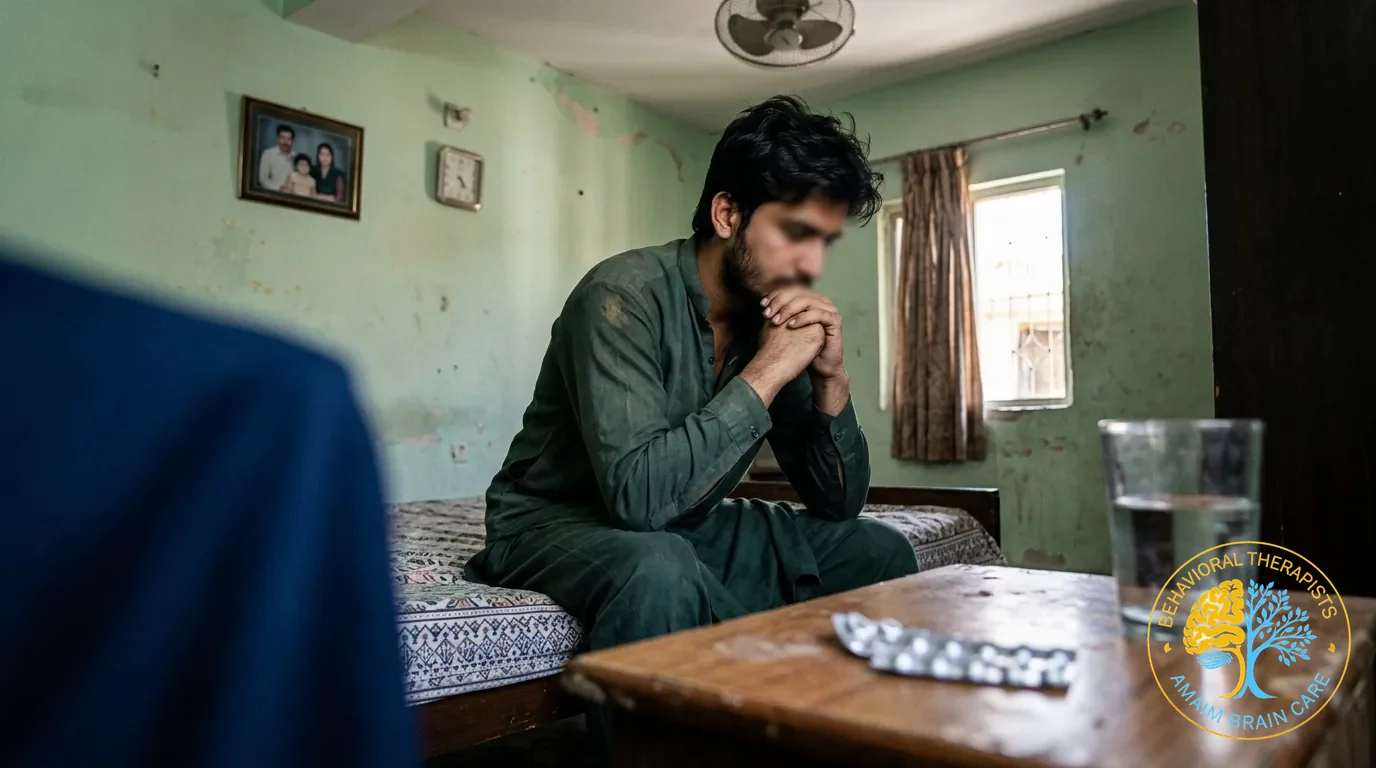
The Socio-Psychiatric Triggers: Cultural Expectations and Silent Suffering | نشے کے معاشرتی اور نفسیاتی اسباب: ثقافتی دباؤ اور خاموش تکلیف
Men in Pakistan operate under an immense, unwavering cultural mandate to be the infallible, stoic providers and protectors for their extended families. Expressing vulnerability, shedding tears, or admitting to experiencing Severe Anxiety, panic attacks, or emotional breakdown is heavily stigmatized. Such admissions are often viewed socially as a profound sign of weakness or a lack of faith. Consequently, when the psychological pressure of chronic job insecurity, hyperinflation, business failures, or complex marital discord becomes intolerable, self-medication via easily accessible illicit street drugs becomes the only viable, albeit highly destructive, coping mechanism. Socioculturally, men lack safe spaces to verbalize their trauma. Psychiatrically, this manifests as alexithymia—the inability to recognize and express emotions—which strongly correlates with the rapid onset of substance use disorders. The drug acts as a temporary chemical shield against the overwhelming demands of a society that refuses to acknowledge male psychological suffering.
پاکستان میں مردوں پر پورے خاندان کی کفالت اور حفاظت کا بے پناہ دباؤ ہوتا ہے، اور ان سے بجا طور پر یہ توقع کی جاتی ہے کہ وہ پتھر کی طرح مضبوط رہیں گے اور کبھی کمزور نہیں پڑیں گے۔ کسی مرد کے لیے اپنے خوف، شدید گھبراہٹ (اینگزائٹی)، گھبراہٹ کے دوروں (پینک اٹیکس) یا رونے کا اظہار کرنا معاشرے میں ایک بہت بڑا عیب سمجھا جاتا ہے، اور اسے کمزوری یا ایمان کی کمی سے جوڑا جاتا ہے۔ نتیجے کے طور پر، جب نوکری چھوٹنے کا ڈر، بڑھتی ہوئی مہنگائی، کاروبار کی تباہی، یا گھریلو جھگڑوں کا دباؤ برداشت سے باہر ہو جاتا ہے، تو وہ اپنی اس خاموش تکلیف کو چھپانے کے لیے منشیات کا سہارا لیتے ہیں، جو بالاخر انہیں مکمل تباہی کی طرف لے جاتا ہے۔ معاشرتی طور پر مردوں کے پاس اپنا دکھ بانٹنے کی کوئی محفوظ جگہ نہیں ہوتی۔ جب وہ اپنے جذبات کا اظہار نہیں کر پاتے، تو منشیات اس معاشرے کے بے تحاشا دباؤ سے بچنے کے لیے ایک کیمیائی ڈھال کا کام کرتی ہیں، جو درحقیقت ایک زہر ہے۔
The Imperative for Secure Inpatient Rehabilitation and Advanced Therapeutics | ہسپتال کے محفوظ علاج اور جدید تھراپی کی ناگزیر ضرورت
Treating severe opioid, synthetic narcotic, or chronic cannabis dependence in men cannot be accomplished through simple willpower, moral reprimands, or isolation at home. The physiological and neurobiological addiction is entirely too profound. Attempting a “cold turkey” detox at home without pharmacological support can precipitate severe autonomic nervous system hyperactivity, leading to dangerous spikes in blood pressure, severe dehydration from vomiting, and potentially lethal seizures. Medical detoxification within a highly secure Inpatient Psychiatric Facility is absolutely mandatory. This environment ensures the safe management of withdrawal symptoms using evidence-based pharmacological protocols, replacing the illicit substance with carefully titrated clinical alternatives that taper the brain off the dependency.
مردوں میں ہیروئن، مصنوعی ادویات یا چرس کی شدید لت کو محض ڈانٹ ڈپٹ، قسمیں دلوانے یا گھر کے کمرے میں بند کرنے سے ختم نہیں کیا جا سکتا۔ یہ جسمانی اور دماغی لت بہت گہری اور خطرناک ہوتی ہے۔ گھر پر بغیر کسی طبی امداد کے یکدم نشہ چھوڑنے کی کوشش کرنا انتہائی جان لیوا ثابت ہو سکتا ہے، جس سے بلڈ پریشر خطرناک حد تک بڑھ سکتا ہے، اور دورے پڑ سکتے ہیں۔ اس کا واحد اور محفوظ حل ایک انتہائی محفوظ ہسپتال کی سہولت کے ماحول میں ماہر ڈاکٹر کے ذریعے جسم سے نشے کا زہر نکالنا (ڈیٹوکس) ہے۔ یہ ہسپتال اس بات کو یقینی بناتا ہے کہ نشہ ٹوٹنے کی تکلیف کو جدید ادویات کی مدد سے کنٹرول کیا جائے اور مریض کو بغیر کسی شدید تکلیف کے نشے کی لعنت سے نکالا جائے۔
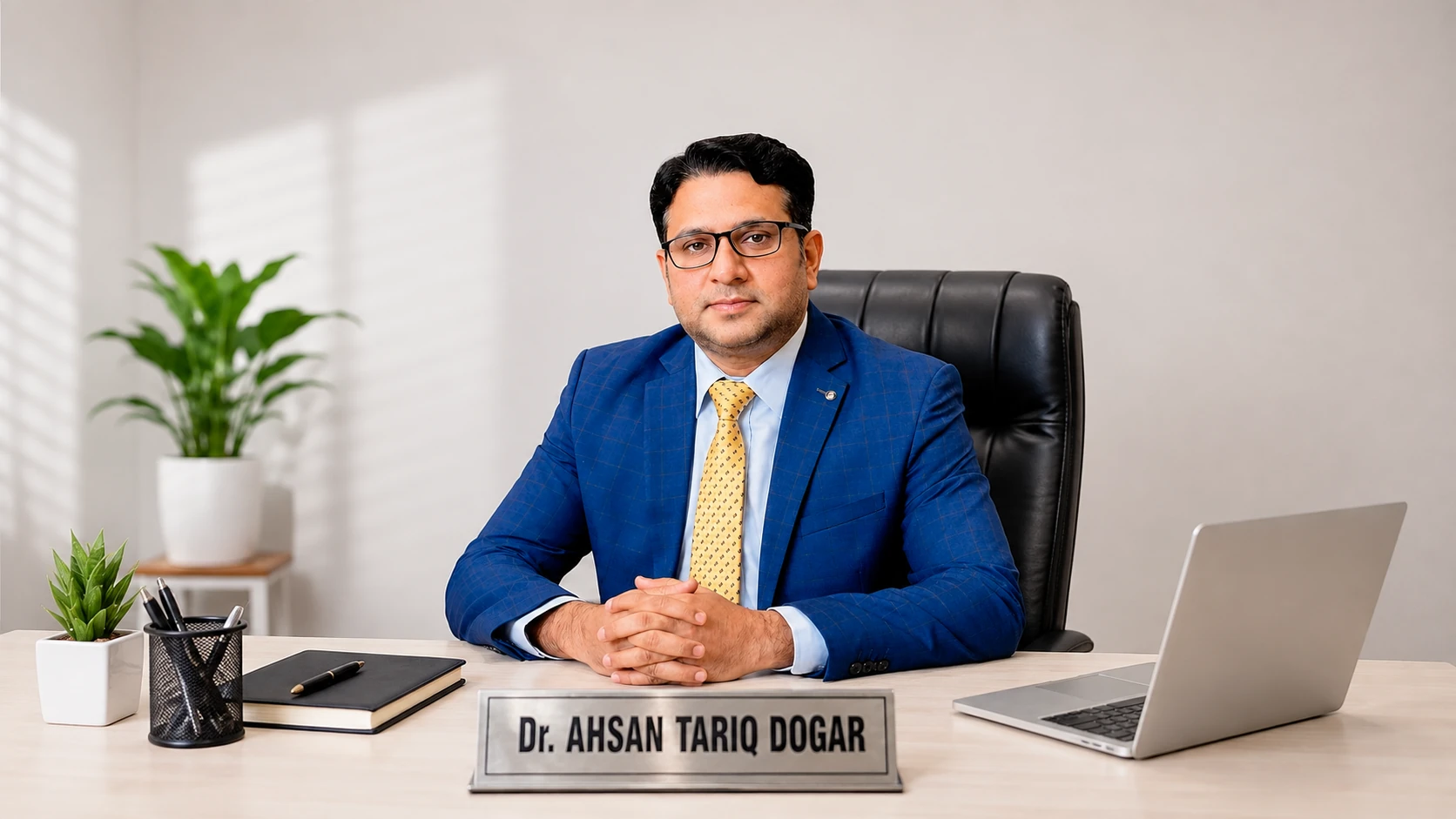
Following a successful neurochemical detox, long-term psychiatric rehabilitation under the expert guidance of a highly specialized addiction psychiatrist like Dr. Ahsan Tariq Dogar is critical to prevent relapse. This comprehensive treatment paradigm involves intensive Cognitive Behavioral Therapy (CBT), Dialectical Behavior Therapy (DBT), and occasionally Exposure Therapy. These evidence-based methodologies are specifically aimed at redefining the patient’s maladaptive coping strategies, rebuilding the damaged neural pathways related to impulse control, and thoroughly addressing the crushing socioeconomic stress that initiated the abuse. Furthermore, diagnosing and treating any underlying comorbid mood disorders—such as clinical depression or anxiety—with appropriate, non-addictive psychiatric medication (like SSRIs or SNRIs) stabilizes the brain’s serotonin and norepinephrine levels, empowering the patient to reclaim their life, their family, and their dignity.
Frequently Asked Questions
Why do men who work hard physical jobs often fall into heroin addiction? | محنت مزدوری کرنے والے مرد اکثر ہیروئن کا شکار کیوں ہو جاتے ہیں؟
Heroin is a powerful opioid that rapidly masks severe physical pain and exhaustion. Laborers often use it initially just to survive grueling double shifts. However, the brain quickly develops tolerance, shifting the use from pain management to absolute, severe physiological addiction.
ہیروئن ایک طاقتور درد کش نشہ ہے۔ مزدور اسے اکثر جسمانی تھکاوٹ اور درد کو مار کر زیادہ کام کرنے کے لیے شروع کرتے ہیں۔ لیکن بہت جلد دماغ اس کا عادی ہو جاتا ہے اور پھر وہ مزدوری کے لیے نہیں، بلکہ نشہ ٹوٹنے کی تکلیف سے بچنے کے لیے نشہ کرنے پر مجبور ہو جاتے ہیں۔
Is it true that charas (hashish) doesn’t cause brain damage? | کیا یہ سچ ہے کہ چرس سے دماغ خراب نہیں ہوتا؟
No, this is a dangerous myth. Chronic use of high-potency cannabis severely impairs short-term memory, destroys motivation, and is a leading trigger for severe psychiatric conditions, including chronic paranoia and substance-induced schizophrenia.
بالکل نہیں۔ یہ ایک بہت خطرناک جھوٹ ہے۔ تیز چرس کا مسلسل استعمال یادداشت کو تباہ کر دیتا ہے، انسان کو بالکل سست اور ناکارہ بنا دیتا ہے، اور اکثر لوگوں میں مستقل پاگل پن اور سکیزوفرینیا کی بیماریاں پیدا کر دیتا ہے۔
Can an addicted man recover by just staying locked in a room? | کیا مریض کو گھر کے کمرے میں بند کر کے نشہ چھڑوایا جا سکتا ہے؟
No. Attempting a “cold turkey” detox from severe opioids at home is extraordinarily agonizing and highly dangerous. The unbearable physiological withdrawal symptoms (muscle spasms, severe vomiting, intense craving) invariably guarantee a relapse. Professional medical detoxification is necessary.
نہیں ۔ ہیروئن جیسے سخت نشوں کو گھر پر بغیر دوائی کے چھوڑنا انتہائی خطرناک اور تکلیف دہ عمل ہے۔ ہڈیاں ٹوٹنے کا درد، قے اور شدید طلب مریض کو فوراً دوبارہ نشہ کرنے پر مجبور کر دیتی ہے۔ اس کے لیے ہسپتال کا علاج لازمی ہے۔
Why does he get so angry when we tell him to stop using? | جب ہم اسے نشہ چھوڑنے کا کہتے ہیں تو وہ اتنا غصہ کیوں کرتا ہے؟
Addiction radically alters the prefrontal cortex, the area responsible for logic and impulse control. The brain perceives the lack of the drug as a literal threat to its survival, responding to family interventions with extreme, neurobiologically driven defensive aggression.
نشہ انسان کے دماغ کے اس حصے کو مفلوج کر دیتا ہے جو اچھے برے کی پہچان کرتا ہے۔ دماغ نشے کی کمی کو اپنی موت سمجھتا ہے، اس لیے جب گھر والے اسے روکتے ہیں تو وہ دماغی مجبوری کے تحت انتہائی پرتشدد اور غصے والا ردعمل دیتا ہے۔
Where can a family seek professional help for an addicted male relative in Pakistan? | پاکستان میں خاندان اپنے مریض کے مستند علاج کے لیے کہاں رابطہ کر سکتا ہے؟
Amaim Brain Care in Faisalabad offers highly secure inpatient rehabilitation facilities explicitly designed for severe male substance abuse. Dr. Ahsan Tariq Dogar provides comprehensive medical detox, continuous psychiatric monitoring, and intensive family therapy to ensure long-term recovery.
امیم برین کیئر فیصل آباد میں مردوں کے انتہائی سخت نشوں کے علاج کے لیے ایک محفوظ ہسپتال موجود ہے۔ ڈاکٹر احسن طارق ڈوگر کی زیر نگرانی، مریض کو درد کے بغیر نشہ چھڑوایا جاتا ہے اور مکمل بحالی کے لیے طویل مدتی تھراپی دی جاتی ہے۔
How can I book an appointment with Dr. Ahsan Tariq Dogar?
You can book an in-person or online neuro-psychiatric consultation via reaching out via WhatsApp at 0333-6986464 for a confidential appointment.
فیصل آباد میں کلینک وزٹ یا آن لائن مشورے کے لیے آپ عمائم برین کیئر کے آفیشل واٹس ایپ لنک کے ذریعے رابطہ کر کے اپنی اپائنٹمنٹ باآسانی بک کروا سکتے ہیں، جہاں آپ کی معلومات کو مکمل صیغہ راز میں رکھا جاتا ہے۔
Sources & References
- American Psychiatric Association. Diagnostic and Statistical Manual of Mental Disorders (DSM-5-TR).
- World Health Organization (WHO). Mental Health Guidelines & Clinical Management Protocols.
- Pakistan Psychiatric Society (PPS). Clinical Practice Standards and Regional Mental Health Guidance.
Medical & Educational Disclaimer
The medical and psychiatric information provided on Amaim Brain Care is for educational purposes only. It is not intended to replace formal in-person psychiatric diagnosis, clinical assessment, or tailored prescription therapy. If you or a loved one are experiencing acute psychological distress or symptoms of a mental health condition, please seek professional evaluation from a certified psychiatrist.