Obsessive-Compulsive Disorder (OCD) is a severe, debilitating psychiatric condition that is frequently trivialized in popular culture as a mere quirk or a simple preference for cleanliness. In Pakistan, individuals suffering from this disorder often endure profound silent torment, mistaking their neurobiological symptoms for a lack of religious faith, moral weakness, or simple eccentricity. In reality, OCD is driven by complex neurobiological dysfunctions, particularly involving the dysregulation of key neurochemicals like serotonin and dopamine. Understanding the clinical realities of this condition and exploring professional OCD Clinical Management Options is the absolute first step toward reclaiming one’s life from relentless anxiety. Psychiatric intervention, which often combines psychopharmacology and targeted psychotherapy, allows patients to restore the balance in their brain and escape the exhausting cycle of fear.
آبسیو کمپلسیو ڈس آرڈر (OCD) ایک سنگین اور تباہ کن نفسیاتی بیماری ہے جسے اکثر معاشرے میں معمولی سمجھا جاتا ہے یا محض صفائی پسند ہونے کی عادت قرار دیا جاتا ہے۔ پاکستان میں، اس بیماری میں مبتلا افراد عموماً خاموشی سے شدید اذیت برداشت کرتے ہیں۔ وہ اپنی اس اعصابی کیفیت کو مذہبی کمزوری، اخلاقی خامی یا محض ایک عجیب عادت سمجھ لیتے ہیں۔ حقیقت میں، او سی ڈی پیچیدہ اعصابی خرابیوں کی وجہ سے ہوتا ہے، خاص طور پر دماغ میں سیروٹونن اور ڈوپامائن جیسے کیمیکلز کے عدم توازن کی وجہ سے۔ اس بیماری کی طبی حقیقت کو سمجھنا اور ماہرانہ علاج کی طرف قدم بڑھانا اس مسلسل بے چینی سے نجات پانے کا واحد راستہ ہے۔ نفسیاتی علاج، جس میں عام طور پر ادویات اور مخصوص تھراپی شامل ہوتی ہے، مریضوں کو ان کے دماغ کا توازن بحال کرنے اور خوف کے اس تھکا دینے والے چکر سے نکلنے میں مدد دیتا ہے۔ ڈپریشن ایمان کی کمزوری نہیں بلکہ ایک تصدیق شدہ طبی عارضہ ہے جس میں دماغی کیمیکلز کو متوازن کرنے کے لیے مستند ڈاکٹر کی رہنمائی اور ادویات ناگزیر ہیں۔
The Clinical Definition: Obsessions Versus Compulsions | طبی تعریف: وسوسے اور مجبوریاں
To accurately comprehend the severity of the disorder, one must differentiate between the two core diagnostic components: obsessions and compulsions. OCD is not simply a preference for cleanliness; it is a neurological mechanism trapped in a state of severe misfire. It stems from the hyperactivity of the cortico-striato-thalamo-cortical (CSTC) circuit, a brain network that fails to filter out intrusive thoughts. This causes the prefrontal cortex—the logical part of the brain—to become overwhelmed by threat signals sent by the amygdala, the brain’s fear center. This loop forces the brain to experience unrelenting distress, leading to an endless cycle of anxiety and repetitive behaviors aimed at finding relief.
اس بیماری کی شدت کو درست طور پر سمجھنے کے لیے اس کے دو بنیادی حصوں—وسوسے اور مجبوریاں—میں فرق کرنا ضروری ہے۔ او سی ڈی محض صفائی پسند ہونے کا نام نہیں ہے؛ یہ دماغ کے ایک ایسے نظام کی خرابی ہے جو شدید بے چینی پیدا کرتا ہے۔ یہ خرابی دماغ کے اس حصے (CSTC سرکٹ) کی غیر معمولی سرگرمی کی وجہ سے ہوتی ہے جو ناپسندیدہ سوچوں کو روکنے میں ناکام رہتا ہے۔ اس کی وجہ سے دماغ کا منطقی حصہ (پریفرنٹل کورٹیکس) ایمگڈالا (دماغ کا خوف کا مرکز) کے بھیجے گئے خطرے کے اشاروں سے مغلوب ہو جاتا ہے۔ یہ چکر دماغ کو مسلسل اذیت میں مبتلا رکھتا ہے، جس سے بے چینی اور راحت پانے کے لیے بار بار کیے جانے والے عمل کا ایک نہ ختم ہونے والا سلسلہ شروع ہو جاتا ہے۔ ڈپریشن ایمان کی کمزوری نہیں بلکہ ایک تصدیق شدہ طبی عارضہ ہے جس میں دماغی کیمیکلز کو متوازن کرنے کے لیے مستند ڈاکٹر کی رہنمائی اور ادویات ناگزیر ہیں۔
Obsessions (Intrusive Thoughts) | وسوسے (ناپسندیدہ اور دخل اندازی کرنے والی سوچیں)
Obsessions are recurrent, persistent, and highly intrusive thoughts, urges, or vivid images that enter the mind involuntarily. These are not everyday worries about financial or interpersonal problems. Instead, they cause profound distress and severe clinical anxiety. The hyperactivity in the amygdala processes these thoughts as genuine, life-threatening emergencies, triggering the body’s fight-or-flight response despite the lack of actual danger. Because the resulting anxiety is so overwhelming, differential diagnosis to rule out generalized Anxiety Disorders is a standard clinical procedure. Patients feel trapped as their own mind continuously attacks them with worst-case scenarios.
وسوسے وہ بار بار آنے والی، ضدی اور ناپسندیدہ سوچیں، خیالات یا تصویریں ہیں جو انسان کے دماغ میں خود بخود پیدا ہوتی ہیں۔ یہ روزمرہ کی عام پریشانیاں نہیں ہیں، بلکہ یہ شدید ذہنی اذیت اور بے چینی کا باعث بنتی ہیں۔ ایمگڈالا میں ہونے والی تیز سرگرمی ان سوچوں کو ایک حقیقی اور جان لیوا خطرے کے طور پر پیش کرتی ہے، جس سے جسم میں لڑنے یا بھاگنے (fight-or-flight) کا ردعمل شروع ہو جاتا ہے حالانکہ حقیقت میں کوئی خطرہ نہیں ہوتا۔ چونکہ یہ انتہائی خوف پیدا کرتی ہیں، اس لیے ماہرین عموماً اس کا موازنہ عام بے چینی کی بیماری سے کرتے ہیں تاکہ درست تشخیص ہو سکے۔ مریض خود کو بے بس محسوس کرتے ہیں کیونکہ ان کا اپنا دماغ مسلسل انہیں بدترین حالات کے بارے میں ڈراتا ہے۔ ڈپریشن ایمان کی کمزوری نہیں بلکہ ایک تصدیق شدہ طبی عارضہ ہے جس میں دماغی کیمیکلز کو متوازن کرنے کے لیے مستند ڈاکٹر کی رہنمائی اور ادویات ناگزیر ہیں۔

Compulsions (Ritualistic Behaviors) | مجبوریاں (رسمی اور دہرائے جانے والے عمل)
Compulsions are repetitive behaviors or rigorous mental acts that a patient feels intensely driven to perform in direct response to an obsession. The primary objective of a compulsion is not to derive pleasure, but rather to neutralize the severe anxiety induced by the obsessive thought or to prevent a dreaded catastrophic event. However, this relief is strictly temporary. Performing these compulsions actually reinforces the maladaptive neural pathways in the basal ganglia, exacerbating the brain’s dependency on rituals to lower anxiety. This is where treatments like Exposure and Response Prevention (ERP) become critical, teaching the brain to tolerate anxiety without resorting to compulsions.

مجبوریاں وہ دہرائے جانے والے عمل یا ذہنی سرگرمیاں ہیں جو مریض اپنے وسوسوں کے جواب میں کرنے پر خود کو مجبور پاتا ہے۔ ان کاموں کا مقصد کوئی خوشی حاصل کرنا نہیں ہوتا، بلکہ اس شدید خوف اور بے چینی کو ختم کرنا ہوتا ہے جو وسوسے کی وجہ سے پیدا ہوئی ہو۔ بدقسمتی سے، یہ سکون صرف عارضی ہوتا ہے۔ ان مجبوریوں کو ادا کرنے سے دراصل دماغ کے بیسل گینگلیا میں موجود غلط اعصابی راستے مزید مضبوط ہوتے ہیں، اور بے چینی کم کرنے کے لیے رسموں پر دماغ کا انحصار بڑھ جاتا ہے۔ یہیں پر ای آر پی (Exposure and Response Prevention) جیسا علاج اہم ہو جاتا ہے، جو دماغ کو سکھاتا ہے کہ وہ مجبوریوں کا سہارا لیے بغیر بے چینی کو برداشت کرے۔ ڈپریشن ایمان کی کمزوری نہیں بلکہ ایک تصدیق شدہ طبی عارضہ ہے جس میں دماغی کیمیکلز کو متوازن کرنے کے لیے مستند ڈاکٹر کی رہنمائی اور ادویات ناگزیر ہیں۔
Clinical Subtypes of Obsessive-Compulsive Disorder | او سی ڈی کی طبی اقسام
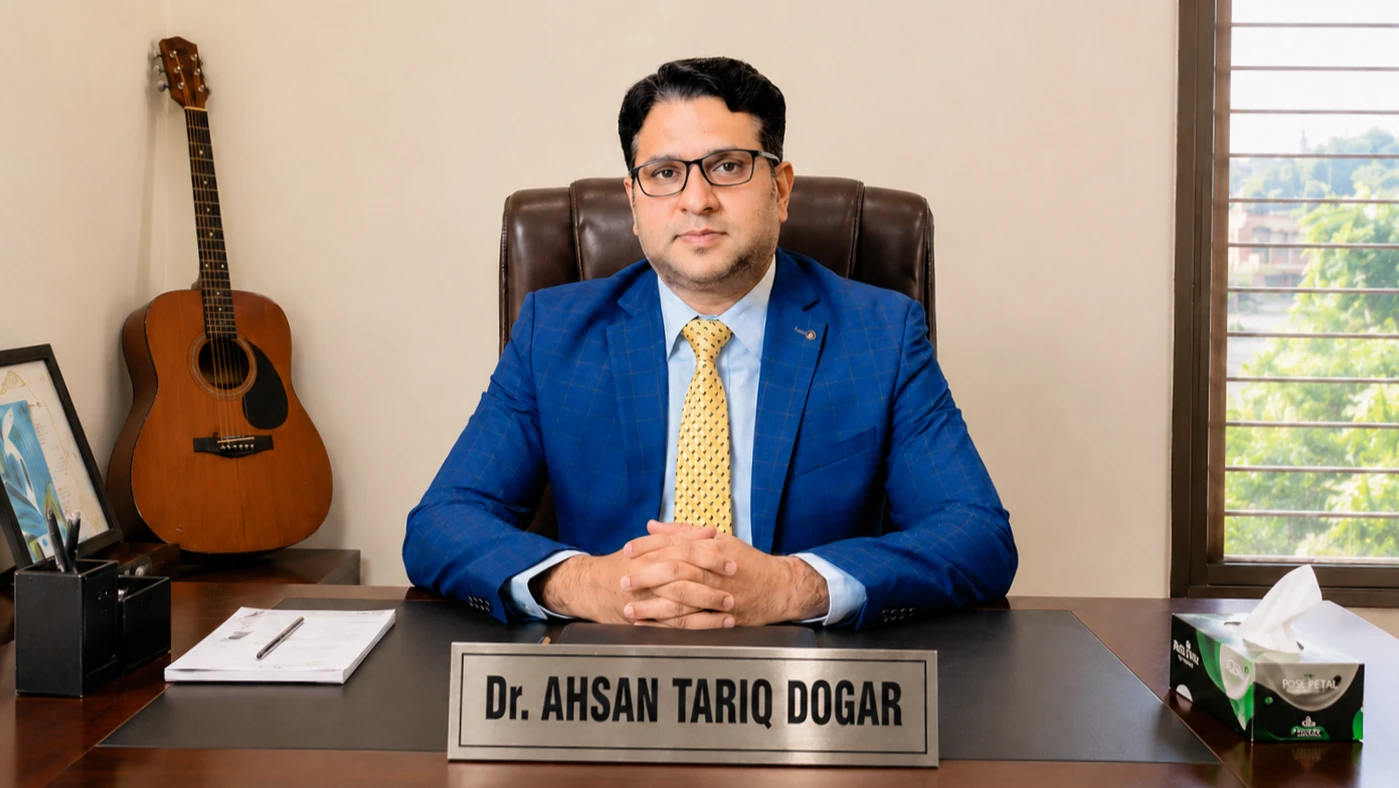
OCD manifests in diverse clinical presentations. Recognizing the specific subtype is essential for formulating an effective therapeutic intervention strategy, typically utilizing a combination of Selective Serotonin Reuptake Inhibitors (SSRIs) and Cognitive Behavioral Therapy (CBT). A specialized neuropsychiatrist, such as Dr. Ahsan Tariq Dogar, conducts extensive evaluations to categorize these complex symptom clusters, ensuring that the treatment protocol targets the specific manifestations of the patient’s illness.
او سی ڈی کئی مختلف شکلوں میں ظاہر ہو سکتا ہے۔ اس کی مخصوص قسم کو پہچاننا ایک مؤثر علاج کے لیے انتہائی ضروری ہے، جس میں عام طور پر ایس ایس آر آئیز (SSRIs) نامی ادویات اور کاگنیٹو بیہیویئرل تھراپی (CBT) کا ملاپ استعمال کیا جاتا ہے۔ ڈاکٹر احسن طارق ڈوگر جیسے ماہر نفسیات ان پیچیدہ علامات کی جانچ کر کے درست تشخیص کرتے ہیں، تاکہ اس بات کو یقینی بنایا جا سکے کہ علاج مریض کی مخصوص علامات کے مطابق ہو۔ ڈپریشن ایمان کی کمزوری نہیں بلکہ ایک تصدیق شدہ طبی عارضہ ہے جس میں دماغی کیمیکلز کو متوازن کرنے کے لیے مستند ڈاکٹر کی رہنمائی اور ادویات ناگزیر ہیں۔
1. Contamination and Washing | آلودگی کا خوف اور بار بار دھونا
This is arguably the most recognized subtype. Patients suffer from a crippling fear of germs, bodily fluids, environmental toxins, or dirt. The associated compulsion involves excessive hand washing, showering rituals that can last for hours, and obsessive cleaning of the physical environment. Over time, this can lead to severe dermatological damage from abrasive scrubbing. In these cases, the patient’s prefrontal cortex fails to process safety signals, keeping the brain in a perpetual state of contamination panic.
یہ شاید او سی ڈی کی سب سے مشہور قسم ہے۔ مریضوں کو جراثیم، گندگی یا بیماریوں کا شدید خوف لاحق رہتا ہے۔ اس خوف سے بچنے کے لیے وہ بار بار ہاتھ دھوتے ہیں، گھنٹوں نہاتے ہیں، اور اپنے اردگرد کی چیزوں کو مسلسل صاف کرتے ہیں۔ وقت کے ساتھ، ضرورت سے زیادہ رگڑنے کی وجہ سے ان کی جلد کو شدید نقصان پہنچ سکتا ہے۔ ان صورتوں میں، مریض کا پریفرنٹل کورٹیکس حفاظت کے اشاروں کو سمجھنے میں ناکام رہتا ہے، جس کی وجہ سے دماغ ہمیشہ گندگی کے خوف میں مبتلا رہتا ہے۔ ڈپریشن ایمان کی کمزوری نہیں بلکہ ایک تصدیق شدہ طبی عارضہ ہے جس میں دماغی کیمیکلز کو متوازن کرنے کے لیے مستند ڈاکٹر کی رہنمائی اور ادویات ناگزیر ہیں۔
2. Doubt, Checking, and Harm Prevention | شک، بار بار چیک کرنا، اور نقصان کا خوف
Patients with this presentation are tormented by the irrational fear that their negligence will result in catastrophic harm to themselves or others. Consequently, they engage in exhaustive checking rituals—repeatedly ensuring doors are locked, stoves are turned off, and electrical appliances are unplugged. The sheer exhaustion of these rituals often mimics the lethargy seen in patients requiring Clinical Depression Care. Neurologically, this subtype points to an impaired error-detection system in the brain, constantly misfiring false alarms of impending doom.
اس قسم میں مریضوں کو یہ شدید وہم ہوتا ہے کہ ان کی کسی لاپرواہی کی وجہ سے انہیں یا ان کے پیاروں کو کوئی بڑا نقصان پہنچ جائے گا۔ اس خوف کے تحت وہ بار بار دروازوں کے تالے، چولہے، اور بجلی کے سوئچ چیک کرتے ہیں۔ یہ مسلسل چیک کرنے کا عمل مریض کو اس قدر تھکا دیتا ہے کہ وہ شدید ڈپریشن کا شکار ہونے لگتے ہیں۔ اعصابی لحاظ سے، یہ دماغ میں غلطی پکڑنے والے نظام کی خرابی کو ظاہر کرتا ہے، جو مسلسل آنے والی تباہی کے جھوٹے الارم بجاتا رہتا ہے۔ ڈپریشن ایمان کی کمزوری نہیں بلکہ ایک تصدیق شدہ طبی عارضہ ہے جس میں دماغی کیمیکلز کو متوازن کرنے کے لیے مستند ڈاکٹر کی رہنمائی اور ادویات ناگزیر ہیں۔
3. Symmetry, Arranging, and Ordering | ترتیب اور توازن کا خبط
This subtype involves an intense, almost physical discomfort if objects are not perfectly aligned, symmetrical, or arranged according to strict, arbitrary rules. The compulsion requires the patient to continuously adjust items until they feel “just right,” consuming an inordinate amount of their daily time. This elusive “just right” feeling is regulated by complex dopamine and serotonin pathways. When these neurochemicals are dysregulated, the brain struggles to experience the basic satisfaction of task completion.
اس قسم میں مریض کو اس وقت تک شدید ذہنی بے چینی ہوتی ہے جب تک چیزیں بالکل سیدھی، متوازن اور ایک خاص ترتیب میں نہ رکھی ہوں۔ ان کی مجبوری یہ ہوتی ہے کہ وہ چیزوں کو تب تک درست کرتے رہتے ہیں جب تک انہیں وہ خاص “ذہنی سکون” نہ مل جائے، جس میں ان کا بہت سا قیمتی وقت ضائع ہوتا ہے۔ یہ محسوس کرنا کہ چیزیں “بالکل درست” ہیں، دماغ کے ڈوپامائن اور سیروٹونن کے راستوں کے ذریعے کنٹرول ہوتا ہے۔ جب ان کیمیکلز کا توازن خراب ہوتا ہے تو دماغ کام مکمل ہونے کا بنیادی اطمینان محسوس کرنے میں ناکام رہتا ہے۔ ڈپریشن ایمان کی کمزوری نہیں بلکہ ایک تصدیق شدہ طبی عارضہ ہے جس میں دماغی کیمیکلز کو متوازن کرنے کے لیے مستند ڈاکٹر کی رہنمائی اور ادویات ناگزیر ہیں۔
Frequently Asked Questions
At what age does Obsessive-Compulsive Disorder typically present? | او سی ڈی عموماً کس عمر میں ظاہر ہوتا ہے؟
Clinical onset usually occurs during adolescence or early adulthood, typically between the ages of ten and twenty-four. However, childhood-onset cases are well documented and require early pediatric psychiatric evaluation.
Yeh bemari aam tor par larkpan ya ibtadai jawani (دس se دوچار saal ki umar) mein zahir hoti hai. Taham, bachpan mein zahir honay walay cases bhi mojood hain jin ke liye fori mahirana tashkhees zaroori hai.
Is OCD caused by a lack of willpower or weak faith? | کیا او سی ڈی کمزور ارادے یا کمزور ایمان کی وجہ سے ہوتا ہے؟
Absolutely not. OCD is a highly documented, neurobiological medical disorder characterized by brain chemistry imbalances, specifically involving serotonin. It has zero correlation with an individual’s religious faith or moral character.
Bilkul nahi. OCD ek mustanad asabi aur tibbi bemari hai jo dimaghi chemicals khusoosan serotonin ke adam tawazun se hoti hai. Is ka insan ke imaan ya ikhlaqi kirdar se koi taaluq nahi hai.
How can a clinician differentiate between generalized anxiety and OCD? | ایک ماہر او سی ڈی اور عام بے چینی میں کیسے فرق کرتا ہے؟
Generalized anxiety involves excessive worry regarding real-life concerns (e.g., finances, health). OCD involves highly irrational obsessions (e.g., fear of symmetry) followed by specific, repetitive physical or mental compulsions designed to neutralize the obsession.
Aam bechaini mein insan haqeeqi zindagi ke masail (jaise paisa, sehat) ke baray mein pareshan rehta hai. OCD mein ghair mantaqi waswasay hotay hain jinhein khatam karne ke liye mareez makhsoos rasmein ya amal baar baar dohrata hai.
Are intrusive blasphemous thoughts a sign of actual religious deviation? | کیا گستاخانہ وسوسے واقعی انسان کی مذہبی خرابی کی علامت ہیں؟
No. These are ego-dystonic thoughts, meaning they represent the exact opposite of the patient’s true values. The extreme distress the patient feels proves these thoughts are symptoms of a disease, not a reflection of their true beliefs.
Nahi. Yeh wo khayalat hain jo mareez ki asal soch ke bilkul bar-aks hotay hain. Mareez ko in khayalat se jo shadeed takleef hoti hai, wo is baat ka saboot hai ke yeh bemari ki alamat hain, un ke asal aqeeday ki nahi.
Where is specialized clinical diagnostic evaluation for OCD available in Faisalabad? | فیصل آباد میں او سی ڈی کی ماہرانہ تشخیص کہاں دستیاب ہے؟
Comprehensive neuropsychiatric evaluation and diagnosis are conducted by Dr. Ahsan Tariq Dogar at Amaim Brain Care, Faisalabad. Secure online telepsychiatry consultations are also available for patients nationwide.
Amaim Brain Care Faisalabad mein Dr. Ahsan Tariq Dogar ki zer-e-nigrani mahirana tashkhees ki jati hai. Pooray Pakistan ke mareezon ke liye online consultation (telepsychiatry) bhi dastiyab hai.
How can I book an appointment with Dr. Ahsan Tariq Dogar?
You can book an in-person or online neuro-psychiatric consultation via reaching out via WhatsApp at 0333-6986464 for a confidential appointment.
فیصل آباد میں کلینک وزٹ یا آن لائن مشورے کے لیے آپ عمائم برین کیئر کے آفیشل واٹس ایپ لنک کے ذریعے رابطہ کر کے اپنی اپائنٹمنٹ باآسانی بک کروا سکتے ہیں، جہاں آپ کی معلومات کو مکمل صیغہ راز میں رکھا جاتا ہے۔
Sources & References
Medical & Educational Disclaimer
The information on this page is for educational and informational purposes only. It is not a substitute for professional psychiatric advice, diagnosis, or treatment. If you are experiencing mental health symptoms, it is important to consult a qualified psychiatrist in Faisalabad or book an online consultation across Pakistan. Every person’s condition is different and requires proper evaluation and treatment by an experienced specialist like Dr. Ahsan Tariq Dogar.