اگر صرف نشے کا علاج کیا جائے اور پسِ پردہ موجود شدید ڈپریشن یا بائی پولر کا علاج نہ ہو تو مریض ہسپتال سے نکلتے ہی دوبارہ نشے کی طرف بھاگتا ہے۔ اس لیے میڈیکل ڈی ٹاکس کے ساتھ ساتھ بنیادی نفسیاتی بیماری کی باقاعدہ ادویات اور کونسلنگ ہی مریض کو مستقل اور پائیدار بحالی کی ضمانت دیتی ہے۔
The Devastating Cycle of Self-Medication in Pakistan
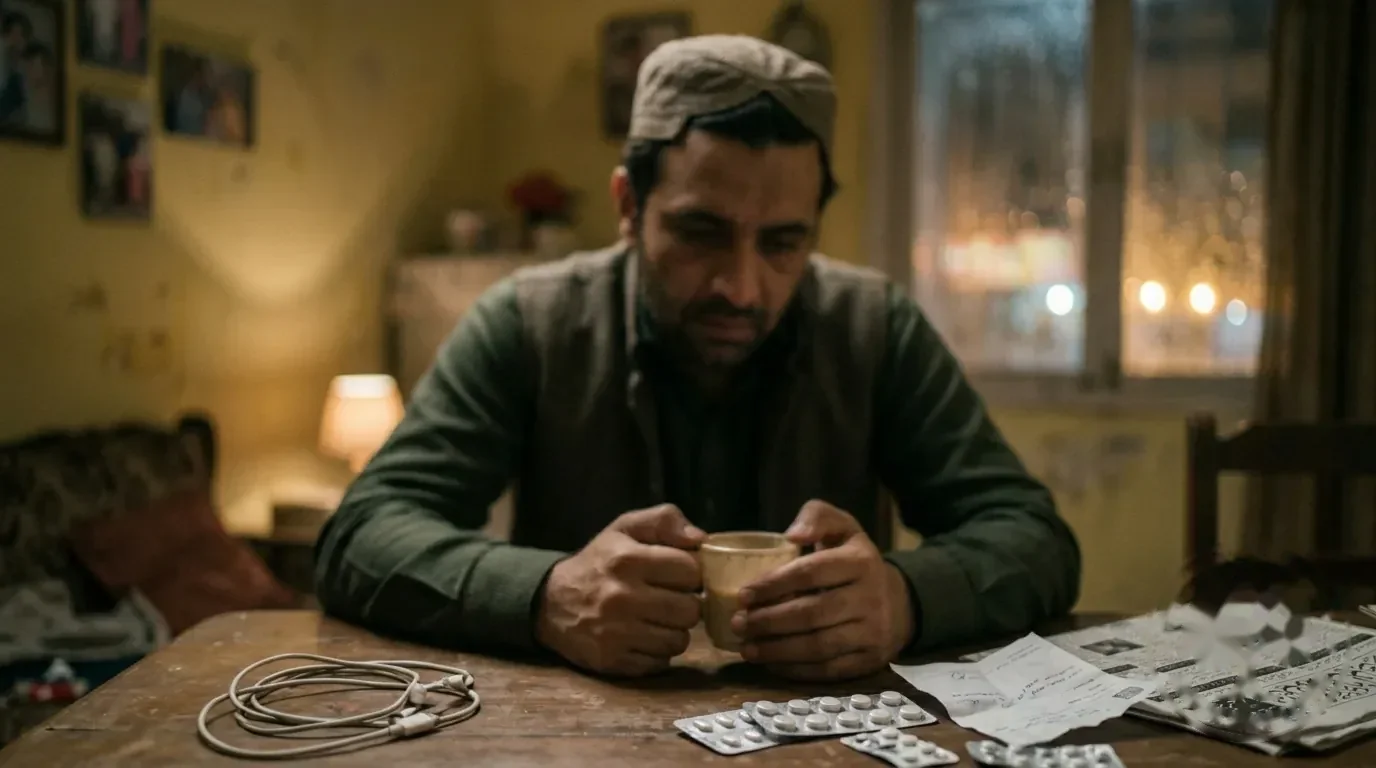
In Pakistan, where psychiatric literacy remains low, many individuals suffering from undiagnosed panic attacks, chronic insomnia, or post-traumatic stress self-prescribe benzodiazepines, alcohol, or illicit narcotics to numb their emotional pain. What begins as occasional self-medication rapidly escalates into severe chemical dependency as brain receptors become tolerant. Dual diagnosis treatment replaces dangerous chemical crutches with safe, non-addictive psychiatric medications and evidence-based psychological coping mechanisms.
Pakistan mein zehni aagahi ki kami ki wajah se log khof ya neend na aane par khud hi nasha ya neend ki goliyan shuru kar dete hain. Kuch arsay baad jism in dawaiyon ka mohtaj ho jata hai. Dual diagnosis ilaj is ghalat aadat ko khatam karke safe medicines aur counseling ke zariye mareez ko normal zindagi mein wapas lata hai.
ہمارے معاشرے میں آگاہی کی کمی کے باعث لوگ بے خوابی یا گھبراہٹ سے بچنے کے لیے نشہ آور گولیوں کا خود ساختہ استعمال شروع کر دیتے ہیں جو بالآخر شدید لت میں بدل جاتا ہے۔ ڈوئل ڈائیگنوسس کا طریقہ علاج اس خطرناک لت کو محفوظ ادویات اور کونسلنگ کے ذریعے ہمیشہ کے لیے ختم کرتا ہے۔
Integrated Dual Diagnosis Care at Amaim Brain Care
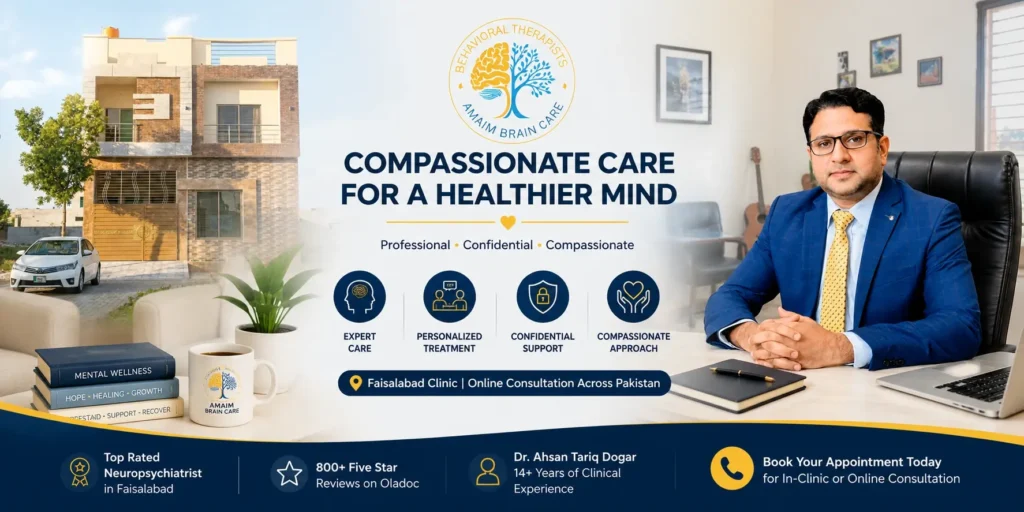
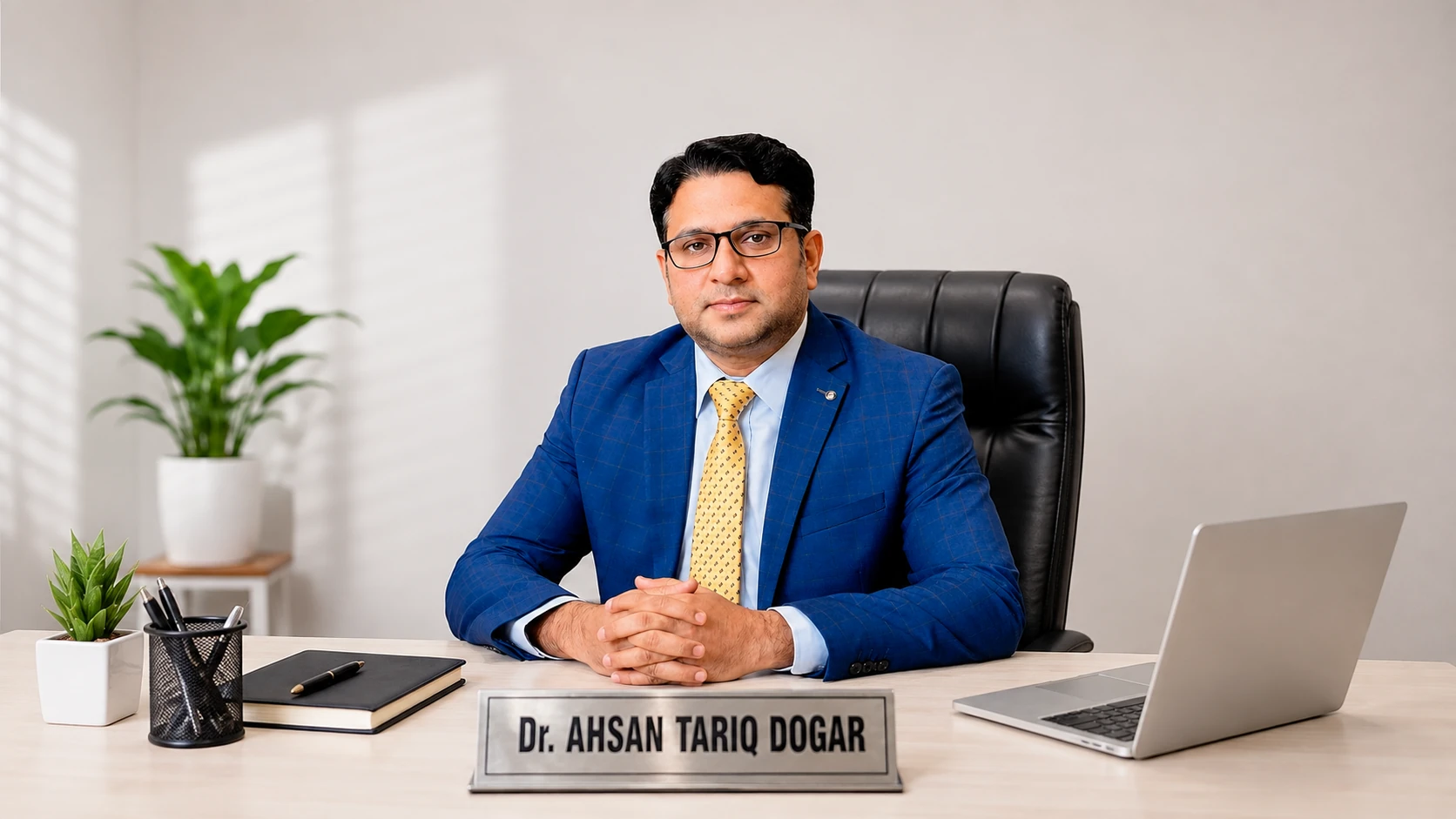
Under the visionary clinical direction of Dr. Ahsan Tariq Dogar, Amaim Brain Care is Pakistan’s premier center for integrated dual diagnosis treatment in Faisalabad. Our multi-disciplinary team delivers comprehensive Addiction Treatment, targeted Major Depression Care, tailored Psychotherapy Services, and 24/7 medical stabilization at our Psychiatric Admission Facility.
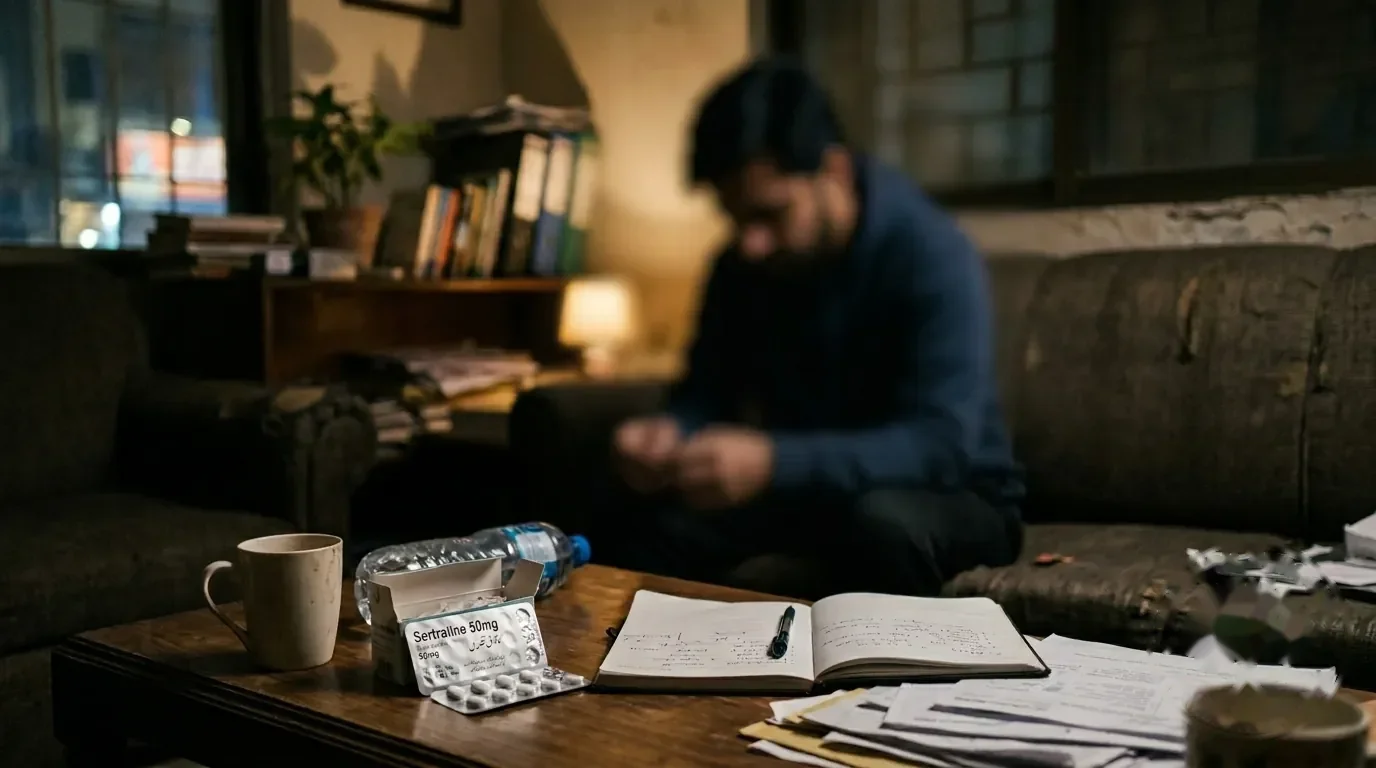
Amaim Brain Care Faisalabad mein Dr. Ahsan Tariq Dogar ki zer-e-sarparasti nasha aur zehni bimari dono ka aik sath behtareen medical ilaj kiya jata hai taake mareez ke dimagh aur jism dono ko mukammal shifa mil sakay.
امائم برین کیئر فیصل آباد میں ڈاکٹر احسن طارق ڈوگر کی سربراہی میں ڈوئل ڈائیگنوسس کا جدید ترین علاج فراہم کیا جاتا ہے جس میں نشے سے نجات اور ذہنی بیماری کی مکمل شفایابی کو بیک وقت یقینی بنایا جاتا ہے۔
Frequently Asked Questions
Why do depressed individuals often fall into drug addiction? / Depressed log nashe ki taraf kyun jate hain?
Severe emotional pain and dopamine depletion lead individuals to self-medicate with drugs to seek temporary relief from psychic suffering, unaware that it deepens long-term brain damage.
Shadeed udasi aur takleef ko kam karne ke liye log ghalat fehmi mein nashe ka sahara lete hain jo baad mein aadat ban jata hai.
Can crystal meth (ice) trigger permanent schizophrenia-like psychosis? / Kya ice se dimaghi pagalpan hota hai?
Yes. Chronic crystal methamphetamine use causes massive dopamine toxicity in the limbic system, frequently precipitating severe methamphetamine-induced paranoid psychosis and auditory hallucinations.
Ice ka nasha dimagh ke naazuk hisson ko jala deta hai jis se mareez ko ajeeb aawazein aane lagti hain aur shadeed waham peda ho jata hai.
What is the success rate of dual-diagnosis psychiatric treatment? / Dual diagnosis ilaj ki kamyabi kitni hai?
Integrated treatment that simultaneously targets neurochemistry and psychological addiction achieves over 75% long-term recovery and sobriety rates.
Dono bimariyon ka yakja ilaj karne se ساتپانچ% se zyada mareez mukammal theek hokar normal zindagi guzarne lagte hain.
Are psychiatric medications given during addiction recovery addictive? / Kya rehab ki dawaiyan nasha hoti hain?
No. Qualified psychiatrists use non-addictive neuroprotective medications and mood stabilizers designed specifically to repair neurotransmitter function safely.
Psychiatrist ki di hui dawaiyan nasha aawar nahi hoti balki yeh dimagh ke nizam ko theek karne ke liye hoti hain.
How long does dual-diagnosis inpatient rehabilitation take? / Dual diagnosis mein kitna waqt lagta hai?
Inpatient stabilization and rehabilitation typically ranges from 45 to 90 days, followed by structured outpatient psychotherapy and psychiatric monitoring.
Mukammal ilaj aur bahali ke liye چارپانچ se نوصفر din ka hospital dakhla zaroori hota hai jis ke baad checkup jari rehta hai.
How can I book an appointment with Dr. Ahsan Tariq Dogar?
You can book an in-person or online neuro-psychiatric consultation via reaching out via WhatsApp at 0333-6986464 for a confidential appointment.
فیصل آباد میں کلینک وزٹ یا آن لائن مشورے کے لیے آپ عمائم برین کیئر کے آفیشل واٹس ایپ لنک کے ذریعے رابطہ کر کے اپنی اپائنٹمنٹ باآسانی بک کروا سکتے ہیں، جہاں آپ کی معلومات کو مکمل صیغہ راز میں رکھا جاتا ہے۔
Sources & References
- American Psychiatric Association. Diagnostic and Statistical Manual of Mental Disorders (DSM-5-TR).
- World Health Organization (WHO). Mental Health Guidelines & Clinical Management Protocols.
- Pakistan Psychiatric Society (PPS). Clinical Practice Standards and Regional Mental Health Guidance.
Medical & Educational Disclaimer
The medical and psychiatric information provided on Amaim Brain Care is for educational purposes only. It is not intended to replace formal in-person psychiatric diagnosis, clinical assessment, or tailored prescription therapy. If you or a loved one are experiencing acute psychological distress or symptoms of a mental health condition, please seek professional evaluation from a certified psychiatrist.