In Pakistan, Obsessive-Compulsive Disorder (OCD) is surrounded by pervasive cultural stigmas and profound misunderstandings. Often dismissed as a mere personality quirk or falsely attributed to supernatural causes like “jinn” or “evil eye,” these myths actively prevent patients from seeking the critical OCD Clinical Interventions they desperately need. Eradicating these damaging misconceptions through medical science is essential for fostering an environment where patients can access life-saving psychiatric care without shame. OCD is not a character flaw; it is a severe neurobiological condition driven by the dysregulation of serotonin and dopamine, causing the brain’s fear center (the amygdala) to become hyperactive. Recognizing this scientific reality is the first step toward effective treatment, which typically involves Selective Serotonin Reuptake Inhibitors (SSRIs) and specialized Cognitive Behavioral Therapy (CBT).
پاکستان میں او سی ڈی کو بے شمار غلط فہمیوں اور معاشرتی دباؤ کا سامنا ہے۔ اکثر لوگ اسے محض ایک عجیب عادت یا جنات کا سایہ سمجھ لیتے ہیں۔ ان غلط فہمیوں کی وجہ سے مریض اپنا علاج کروانے سے ڈرتے ہیں۔ ان جھوٹے خیالات کو طبی سائنس کی مدد سے ختم کرنا ضروری ہے تاکہ مریض بغیر کسی شرمندگی کے اپنا علاج کروا سکیں۔ او سی ڈی کوئی اخلاقی خامی نہیں ہے؛ یہ ایک شدید اعصابی بیماری ہے جو دماغ میں سیروٹونن اور ڈوپامائن کے عدم توازن کی وجہ سے پیدا ہوتی ہے، جس سے دماغ کا خوف کا مرکز (ایمگڈالا) ضرورت سے زیادہ متحرک ہو جاتا ہے۔ اس سائنسی حقیقت کو تسلیم کرنا موثر علاج کی طرف پہلا قدم ہے، جس میں عام طور پر ایس ایس آر آئیز (SSRIs) اور مخصوص کاگنیٹو بیہیویئرل تھراپی (CBT) شامل ہوتی ہے۔
Myth 1: OCD is Just Being Extremely Neat and Organized | غلط فہمی 1: او سی ڈی صرف حد سے زیادہ صفائی پسند ہونا ہے
Clinical Fact: This is arguably the most common trivialization of the disorder. People often casually state, “I am so OCD,” when referring to a preference for a tidy desk or an organized closet. In reality, clinical OCD is an agonizing neurological condition characterized by severe, uncontrollable anxiety and intrusive, terrifying thoughts. A patient does not clean because they enjoy a tidy environment; they clean compulsively because they are tormented by an overwhelming, irrational fear of catastrophic illness or contamination. The compulsion to clean is driven by profound distress—specifically, the prefrontal cortex’s inability to shut off false danger signals sent by the amygdala. This leads to exhausting rituals that consume hours of the patient’s day, often resulting in physical harm, such as bleeding hands from excessive washing.
حقیقت: یہ شاید بیماری کو معمولی سمجھنے کی سب سے عام غلط فہمی ہے۔ لوگ اکثر اپنی صفائی پسند ہونے کی عادت کو مذاق میں او سی ڈی کہہ دیتے ہیں۔ حقیقت میں یہ ایک انتہائی تکلیف دہ اعصابی بیماری ہے جس میں مریض شدید اور بے قابو خوف کا شکار ہوتا ہے۔ مریض اس لیے صفائی نہیں کرتا کہ اسے صاف ستھرا رہنا پسند ہے، بلکہ وہ صفائی کرنے پر اس لیے مجبور ہوتا ہے کیونکہ اس کے دماغ میں جراثیم اور موت کا شدید خوف بیٹھا ہوتا ہے۔ یہ مجبوری دماغ کے منطقی حصے (پریفرنٹل کورٹیکس) کی اس ناکامی کی وجہ سے ہوتی ہے جو دماغ کے خوف کے مرکز کی طرف سے بھیجے گئے جھوٹے خطرے کے اشاروں کو بند نہیں کر پاتا۔ اس کے نتیجے میں مریض گھنٹوں صفائی کرتا ہے، جس سے اکثر اس کے ہاتھ کٹ اور چھل جاتے ہیں۔

Myth 2: Blasphemous Thoughts Indicate a Lack of Faith | غلط فہمی 2: گستاخانہ خیالات ایمان کی کمزوری کی علامت ہیں
Clinical Fact: In Pakistani society, the subtype of OCD involving religious scrupulosity is highly prevalent and exceptionally devastating. Patients experience highly intrusive, horrific thoughts regarding religion or sacred figures. Society often interprets this as a moral failing or demonic possession. Scientifically, these are “ego-dystonic” thoughts—they represent the exact opposite of the patient’s true moral compass. The intense guilt and severe Clinical Depression the patient experiences validate that these thoughts are symptoms of a neurochemical misfire in the basal ganglia, completely unrelated to their actual faith. Through targeted psychopharmacology (such as SSRIs) and Cognitive Behavioral Therapy (CBT), the brain’s neurochemistry can be stabilized, significantly reducing the intensity and frequency of these disturbing mental intrusions.
حقیقت: پاکستانی معاشرے میں یہ غلط فہمی مریضوں کے لیے سب سے زیادہ تباہ کن ہے۔ مریض کے دماغ میں مذہب کے حوالے سے گستاخانہ خیالات آتے ہیں۔ معاشرہ اسے ایمان کی کمزوری سمجھتا ہے۔ طبی لحاظ سے یہ خیالات مریض کی اصل سوچ کے بالکل برعکس ہوتے ہیں۔ مریض کو ان خیالات سے جو شدید تکلیف اور شرمندگی ہوتی ہے، وہ اس بات کا ثبوت ہے کہ یہ دماغ کے ایک حصے (بیسل گینگلیا) میں کیمیائی خرابی کی علامت ہے، ایمان کی کمزوری نہیں۔ مخصوص ادویات (جیسے SSRIs) اور کاگنیٹو بیہیویئرل تھراپی (CBT) کے ذریعے، دماغ کے کیمیکلز کو متوازن کیا جا سکتا ہے، جس سے ان پریشان کن خیالات کی شدت میں نمایاں کمی آتی ہے۔

Myth 3: OCD is Caused by Stress and Will Disappear Naturally | غلط فہمی 3: یہ صرف ٹینشن ہے اور خودبخود ٹھیک ہو جائے گا
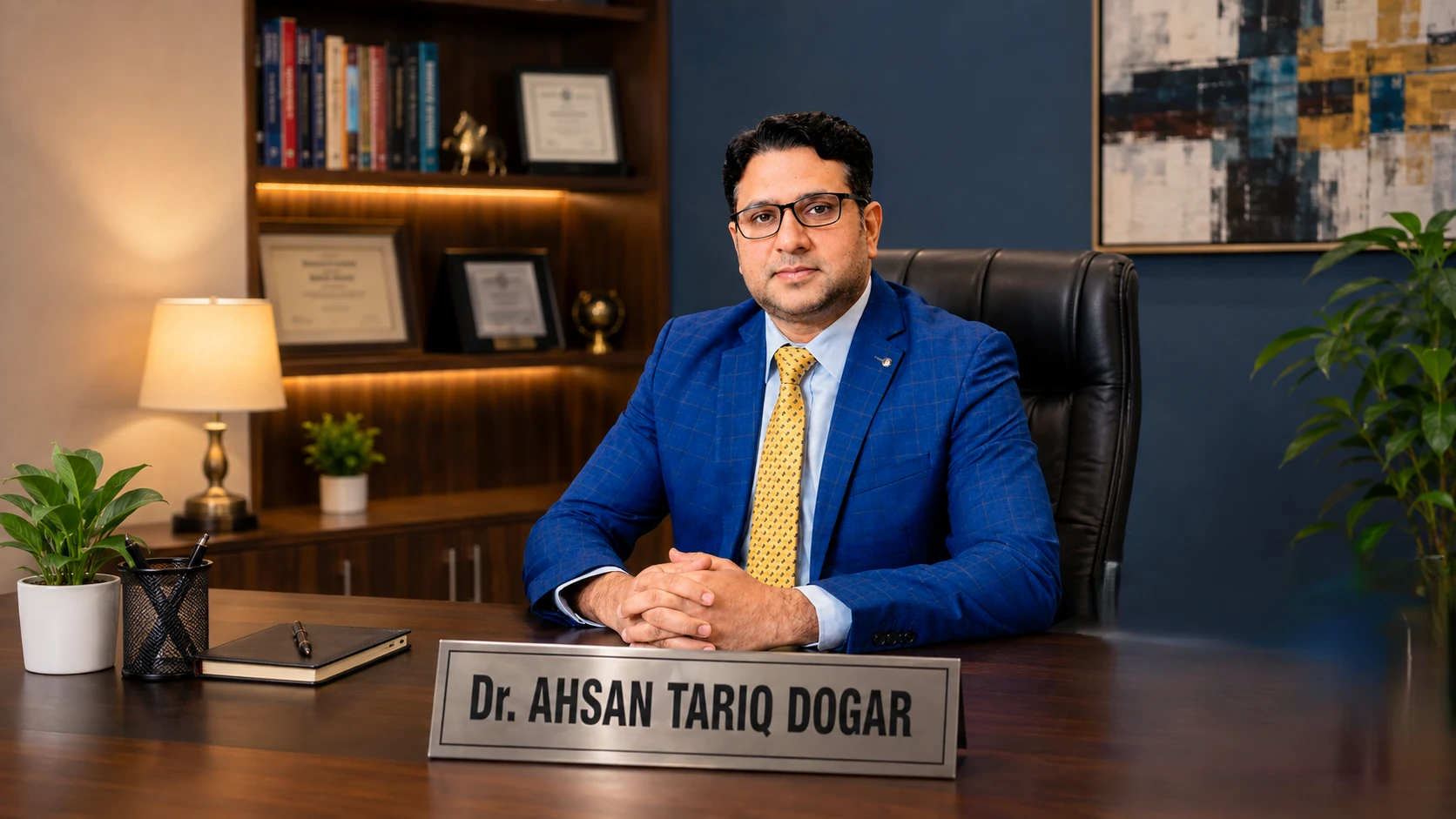
Clinical Fact: While acute psychosocial stress can undoubtedly exacerbate existing symptoms, stress is not the underlying pathophysiological cause of OCD. OCD is a chronic neurobiological disorder linked to structural and functional abnormalities in specific brain circuits, particularly involving severe serotonin dysregulation. It does not simply vanish over time or fade with a change of scenery. Without targeted pharmacological treatment and specialized psychotherapy—such as Exposure and Response Prevention (ERP)—from an expert like Dr. Ahsan Tariq Dogar, symptoms almost invariably worsen. Over time, the compulsive behaviors can become so deeply ingrained in the brain’s neural pathways that they lead to severe, lifelong disability.
حقیقت: اگرچہ ذہنی دباؤ یا ٹینشن سے او سی ڈی کی علامات بڑھ سکتی ہیں، لیکن یہ اس کی اصل وجہ نہیں ہے۔ یہ دماغ کی ایک دائمی کیمیائی بیماری ہے جس کا تعلق دماغ کے مخصوص حصوں کی ساخت اور کام میں خرابی سے ہے، خاص طور پر سیروٹونن کی شدید کمی سے۔ یہ وقت کے ساتھ خود بخود ٹھیک نہیں ہوتی۔ ڈاکٹر احسن طارق ڈوگر جیسے ماہرین کی جانب سے باقاعدہ طبی علاج اور مخصوص تھراپی (جیسے ERP) کے بغیر، علامات ہمیشہ بدتر ہوتی ہیں۔ وقت کے ساتھ، یہ مجبوریاں دماغ کے اعصابی راستوں میں اتنی گہری جڑ پکڑ لیتی ہیں کہ یہ زندگی بھر کی معذوری کا سبب بن سکتی ہیں۔
Myth 4: If You Cannot See the Rituals, The Patient Does Not Have OCD | غلط فہمی 4: اگر مریض ہاتھ نہ دھوئے تو اسے او سی ڈی نہیں ہے
Clinical Fact: Not all compulsions are visible physical actions like excessive hand washing or repetitive checking of locks. A significant proportion of patients suffer from “Pure O” (Pure Obsessional OCD). In these cases, the compulsions are entirely covert mental rituals. The patient may silently repeat specific phrases, rigorously review past memories to ensure they did not commit a crime, or mentally neutralize a “bad” thought with a “good” one to lower their dopamine-driven anxiety spike. This invisible struggle is equally as debilitating as visible compulsions, often trapping the patient in a mental prison, and it requires complex psychiatric evaluation to accurately diagnose and treat effectively.
حقیقت: او سی ڈی کی تمام مجبوریاں جسمانی نہیں ہوتیں جیسے کہ ہاتھ دھونا یا تالے چیک کرنا۔ بہت سے مریضوں کی مجبوریاں مکمل طور پر ذہنی ہوتی ہیں۔ وہ دل ہی دل میں گنتی کرتے ہیں، پرانی یادوں کو بار بار دہراتے ہیں، یا اپنے اندرونی خوف کو کم کرنے کے لیے دعائیں پڑھتے ہیں۔ یہ پوشیدہ او سی ڈی اتنا ہی خطرناک ہے جتنا کہ نظر آنے والا او سی ڈی۔ یہ مریض کو ایک ذہنی قید خانے میں پھنسا دیتا ہے، اور اس کی درست تشخیص اور علاج کے لیے ماہرانہ نفسیاتی جانچ کی ضرورت ہوتی ہے۔
Frequently Asked Questions
Are people with violent intrusive thoughts a danger to society? | کیا پرتشدد وسوسوں والے مریض دوسروں کے لیے خطرہ ہیں؟
No. Patients with harm-focused OCD are terrified by their own thoughts and go to extreme, exhausting lengths to ensure they do not harm anyone. Statistically, they are the least likely demographic to commit a violent act. | بالکل نہیں۔ ایسے مریض اپنے خیالات سے خود خوفزدہ ہوتے ہیں اور دوسروں کو نقصان سے بچانے کے لیے ہر ممکن کوشش کرتے ہیں۔ وہ کسی کے لیے خطرہ نہیں ہوتے۔
ذہنی اور نفسیاتی صحت کے مسائل کے حوالے سے بروقت طبی تشخیص اور مستند ڈاکٹر کی رہنمائی انتہائی ضروری ہے۔ اگر آپ یا آپ کا کوئی پیارا اس مسئلے کا سامنا کر رہا ہے تو مناسب علاج اور رہنمائی کے لیے مستند ماہر نفسیات سے فوری رجوع کریں۔
Can childhood trauma directly cause OCD? | کیا بچپن کا صدمہ او سی ڈی کی وجہ بنتا ہے؟
While severe psychological trauma or abuse can trigger the onset of symptoms in an individual who already possesses a genetic predisposition to the disorder, trauma itself is not the sole neurobiological cause of OCD. | اگرچہ بچپن کا کوئی بڑا صدمہ بیماری کی شروعات کر سکتا ہے، لیکن یہ صرف ان لوگوں میں ہوتا ہے جن میں پہلے سے جینیاتی طور پر بیماری کا رجحان موجود ہو۔
ذہنی اور نفسیاتی صحت کے مسائل کے حوالے سے بروقت طبی تشخیص اور مستند ڈاکٹر کی رہنمائی انتہائی ضروری ہے۔ اگر آپ یا آپ کا کوئی پیارا اس مسئلے کا سامنا کر رہا ہے تو مناسب علاج اور رہنمائی کے لیے مستند ماہر نفسیات سے فوری رجوع کریں۔
Is OCD a rare condition in Pakistan? | کیا یہ بیماری پاکستان میں نایاب ہے؟
No. OCD is highly prevalent. Epidemiological data suggests it affects 1-2% of the global population. In Pakistan, it appears rare only because intense social stigma forces the vast majority of patients to hide their symptoms entirely. | نہیں۔ یہ بیماری بہت عام ہے، لیکن معاشرتی دباؤ اور شرمندگی کی وجہ سے زیادہ تر مریض اسے چھپاتے ہیں، اس لیے یہ نایاب لگتی ہے۔
ذہنی اور نفسیاتی صحت کے مسائل کے حوالے سے بروقت طبی تشخیص اور مستند ڈاکٹر کی رہنمائی انتہائی ضروری ہے۔ اگر آپ یا آپ کا کوئی پیارا اس مسئلے کا سامنا کر رہا ہے تو مناسب علاج اور رہنمائی کے لیے مستند ماہر نفسیات سے فوری رجوع کریں۔
Why is reassurance-seeking considered harmful in OCD? | مریض کو بار بار تسلی دینا نقصان دہ کیوں ہے؟
When family members constantly reassure the patient (e.g., verifying that the door is indeed locked), they are actively participating in the compulsion. This provides temporary relief but ultimately reinforces the underlying neurological anxiety loop, worsening the disorder long-term. | جب گھر والے مریض کی بات مان کر اسے بار بار تسلی دیتے ہیں تو وقتی سکون تو ملتا ہے، لیکن حقیقت میں یہ بیماری کو مزید مضبوط کر رہا ہوتا ہے۔
ذہنی اور نفسیاتی صحت کے مسائل کے حوالے سے بروقت طبی تشخیص اور مستند ڈاکٹر کی رہنمائی انتہائی ضروری ہے۔ اگر آپ یا آپ کا کوئی پیارا اس مسئلے کا سامنا کر رہا ہے تو مناسب علاج اور رہنمائی کے لیے مستند ماہر نفسیات سے فوری رجوع کریں۔
How can I book an appointment with Dr. Ahsan Tariq Dogar?
You can book an in-person or online neuro-psychiatric consultation via reaching out via WhatsApp at 0333-6986464 for a confidential appointment.
فیصل آباد میں کلینک وزٹ یا آن لائن مشورے کے لیے آپ عمائم برین کیئر کے آفیشل واٹس ایپ لنک کے ذریعے رابطہ کر کے اپنی اپائنٹمنٹ باآسانی بک کروا سکتے ہیں، جہاں آپ کی معلومات کو مکمل صیغہ راز میں رکھا جاتا ہے۔
How can I book an appointment with Dr. Ahsan Tariq Dogar?
You can book an in-person or online neuro-psychiatric consultation via reaching out via WhatsApp at 0333-6986464 for a confidential appointment.
فیصل آباد میں کلینک وزٹ یا آن لائن مشورے کے لیے آپ عمائم برین کیئر کے آفیشل واٹس ایپ لنک کے ذریعے رابطہ کر کے اپنی اپائنٹمنٹ باآسانی بک کروا سکتے ہیں، جہاں آپ کی معلومات کو مکمل صیغہ راز میں رکھا جاتا ہے۔
Sources & References
- American Psychiatric Association. Diagnostic and Statistical Manual of Mental Disorders (DSM-5-TR).
- World Health Organization (WHO). Mental Health Guidelines & Clinical Management Protocols.
- Pakistan Psychiatric Society (PPS). Clinical Practice Standards and Regional Mental Health Guidance.
Medical & Educational Disclaimer
The medical and psychiatric information provided on Amaim Brain Care is for educational purposes only. It is not intended to replace formal in-person psychiatric diagnosis, clinical assessment, or tailored prescription therapy. If you or a loved one are experiencing acute psychological distress or symptoms of a mental health condition, please seek professional evaluation from a certified psychiatrist.