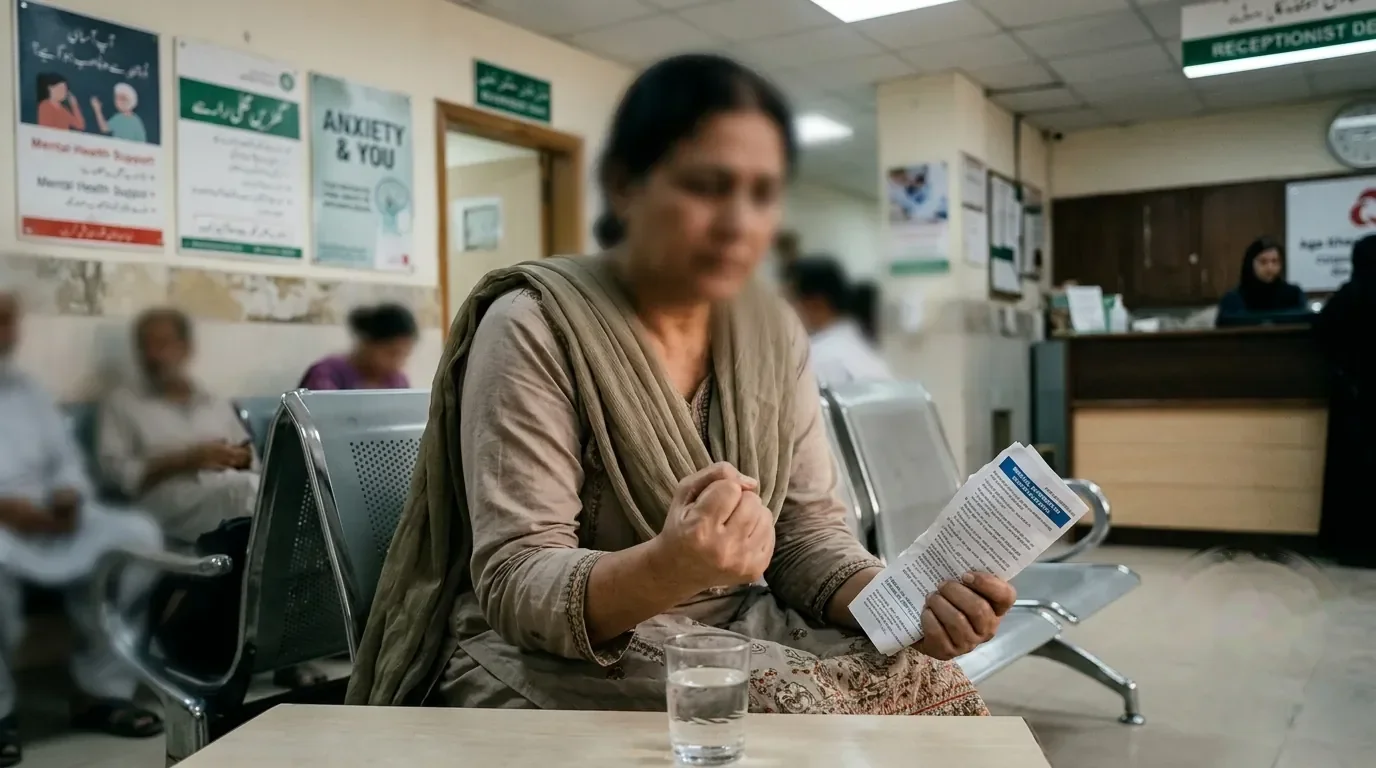
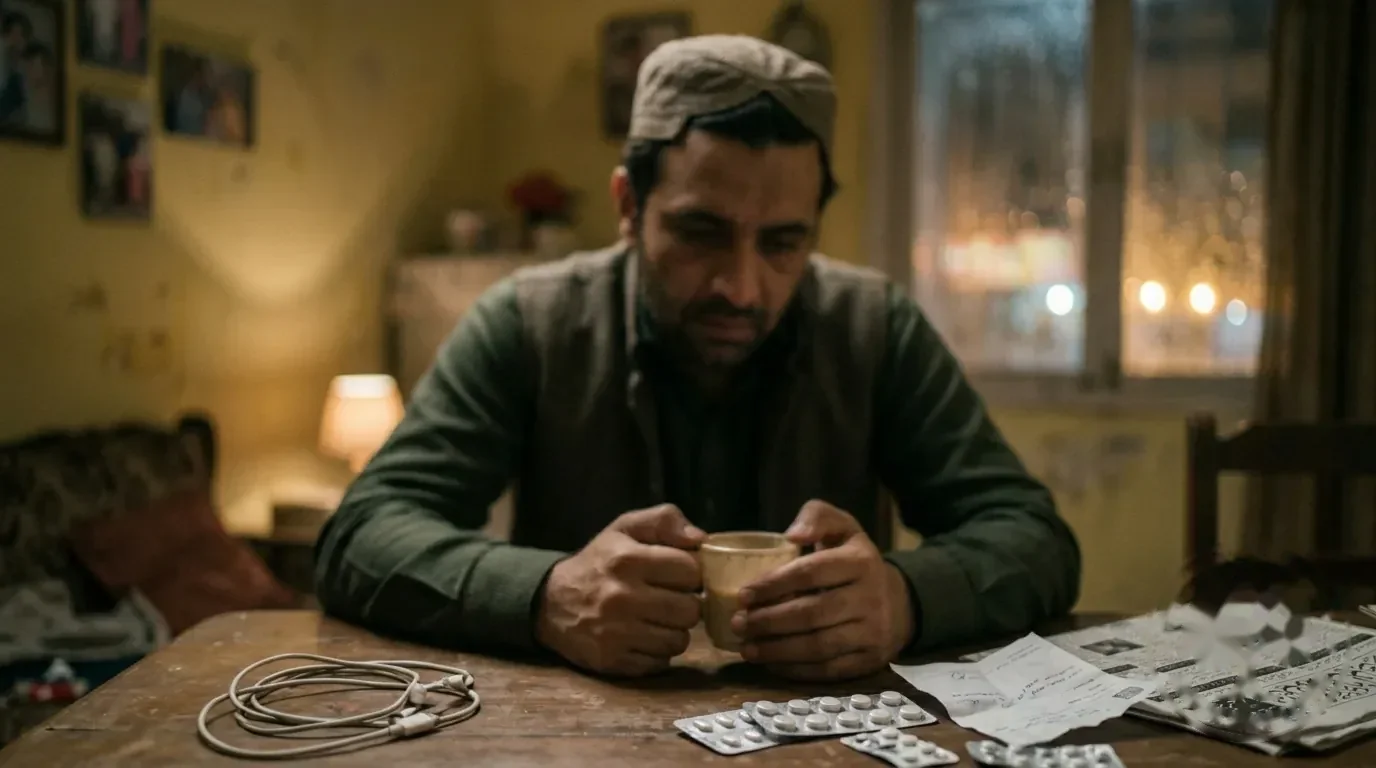
In Pakistan, perhaps no other medical or psychiatric diagnosis is as deeply shrouded in profound cultural stigma, pervasive superstition, and paralyzing societal terror as Schizophrenia. When an individual begins exhibiting severe psychotic manifestations—such as auditory hallucinations (hearing voices), visual distortions, bizarre paranoid delusions, disorganized speech, or extreme emotional and social withdrawal—our society routinely abandons medical science in favor of supernatural explanations. Across urban and rural Pakistani communities alike, families routinely misinterpret these severe neurobiological symptoms as demonic possession (“asre-e-jinn”), the malicious influence of black magic (“kala jado”), the wrath of the evil eye (“nazar”), or divine punishment for spiritual and moral weakness. Rather than seeking immediate diagnostic evaluation and evidence-based care at a specialized neuropsychiatric center, families frequently spend years exhausting their financial savings and emotional resilience on traditional faith healers (Aamils and Pirs). During these prolonged spiritual interventions, patients are frequently subjected to harsh, abusive, and scientifically baseless rituals, while their central nervous system undergoes continuous, unmitigated deterioration. The unmitigated neurochemical storms of untreated psychosis cause chronic neuro-inflammation, oxidative stress, and progressive structural atrophy across critical cortical and subcortical brain networks. These widespread cultural misconceptions and diagnostic delays cause immense, preventable suffering, destroying marriages, bankrupting families, and condemning patients to a life of isolation or permanent institutionalization. To break this cycle of tragedy and safeguard our loved ones, we must actively dismantle these destructive cultural myths with objective, scientifically validated Schizophrenia Clinical Information. Schizophrenia is a treatable neurobiological illness of the brain, not a defect of faith or character.
پاکستان میں، شاید ہی کوئی دوسری طبی یا نفسیاتی بیماری ایسی ہو جس کے گرد سکیزوفرینیا (Schizophrenia) کی طرح اتنا گہرا معاشرتی داغ، شدید توہم پرستی اور خوفناک خوف پایا جاتا ہو۔ جب کسی انسان میں پاگل پن (Psychosis) کی سنگین علامات ظاہر ہونے لگتی ہیں—جیسے کہ غیبی آوازیں سننا، عجیب و غریب چیزیں دیکھنا، شک اور وہم کی بیمار سوچیں، بے ترتیب گفتگو، یا خاندان اور معاشرے سے مکمل طور پر کٹ کر تنہا ہو جانا—تو ہمارا معاشرہ میڈیکل سائنس کو چھوڑ کر مافوق الفطرت باتوں پر یقین کرنے لگتا ہے۔ ہمارے شہری اور دیہی علاقوں میں عام طور پر ان سنگین دماغی علامتوں کو جنات کا سایہ، کالے جادو کا اثر، بری نظر، یا ایمان اور اخلاقیات کی کمزوری کا نتیجہ سمجھ لیا جاتا ہے۔ پاکستان میں خاندان اکثر کسی مستند نیورو سائیکاٹرک کلینک سے فوری معائنہ کروانے کے بجائے، سالوں تک روایتی عاملوں، پیروں اور فقیروں کے آستانوں پر اپنا قیمتی وقت، پیسہ اور ذہنی سکون برباد کرتے رہتے ہیں۔ ان طویل اور غیر سائنسی روحانی علاجوں کے دوران، مریضوں کو اکثر سخت، ظالمانہ اور غیر طبی رسومات سے گزارا جاتا ہے، جبکہ ان کا مرکزی اعصابی نظام مسلسل اور خطرناک حد تک اعصابی اور جسمانی تباہی کا شکار ہو رہا ہوتا ہے۔ علاج کے بغیر جاری رہنے والا پاگل پن کا یہ دائمی کیمیائی طوفان دماغ میں مسلسل سوزش (Neuro-inflammation)، آکسیڈیٹیو دباؤ، اور دماغ کے اہم ترین خلیات اور نظاموں کے سکڑنے اور تباہ ہونے کا سبب بنتا ہے۔ یہ ثقافتی غلط فہمیاں اور علاج میں تاخیر مریضوں اور ان کے پورے خاندان کے لیے انتہائی تکلیف اور اذیت کا باعث بنتی ہے، گھروندے توڑ دیتی ہے، خاندانوں کو معاشی طور پر دیوالیہ کر دیتی ہے، اور مریضوں کو تنہائی یا ہمیشہ کے لیے پاگل خانوں کی قید میں دھکیل دیتی ہے۔ اس المیے کے چکر کو توڑنے اور اپنے پیاروں کو بچانے کے لیے، ہمیں ان خطرناک ثقافتی غلط فہمیوں کو مستند، سائنسی اور درست سکیزوفرینیا کی طبی معلومات سے مٹانا ہوگا۔ سکیزوفرینیا دماغ کی ایک قابلِ علاج طبی بیماری ہے، یہ کسی قسم کی اخلاقی کمزوری یا ایمان کا نقص نہیں ہے۔
The Neuroscience of Schizophrenia: Replacing Myth with Medical Reality
سکیزوفرینیا کی اعصابی سائنس: غلط فہمیوں کی جگہ طبی حقائق
To truly understand schizophrenia, patients, families, and society must completely discard unscientific folklore and examine the underlying neuroscience. Schizophrenia is a severe, chronic neurobiological and neurodevelopmental brain disorder characterized by profound dysregulation within the brain’s monoamine neurotransmitter systems—specifically involving dopamine, glutamate, serotonin, and gamma-aminobutyric acid (GABA). According to the foundational Dopamine Hypothesis, the clinical pathophysiology is driven by dopamine hyper-activity within the mesolimbic pathway, which hyper-activates the amygdala and limbic structures to produce positive psychotic symptoms (hallucinations and delusions). Simultaneously, dopamine hypo-activity (deficit) within the mesocortical pathway and prefrontal cortex produces debilitating negative symptoms (anhedonia, affective flattening, avolition) and severe cognitive impairment. Furthermore, functional neuroimaging modalities such as magnetic resonance imaging (MRI) and positron emission tomography (PET) consistently demonstrate pronounced structural abnormalities, including enlarged cerebral ventricles, reduced gray matter volume in the temporal lobes and hippocampus, and aberrant synaptic pruning. It is a physical, biological disorder of brain circuitry and cellular architecture, not a spiritual curse.
سکیزوفرینیا کو صحیح معنوں میں سمجھنے کے لیے، مریضوں، ان کے اہل خانہ اور پورے معاشرے کو پرانی اور غیر سائنسی باتوں کو یکسر مسترد کر کے دماغ کی اصل اعصابی سائنس (Neuroscience) کو دیکھنا ہوگا۔ سکیزوفرینیا مرکزی اعصابی نظام کی ایک دائمی، سنگین اور اعصابی نشوونما کی بیماری ہے جس میں دماغ کے اہم ترین کیمیائی نظام—خاص طور پر ڈوپامین (Dopamine)، گلوٹامیٹ (Glutamate)، سیروٹونن (Serotonin) اور گابا (GABA)—شدید عدم توازن اور بگاڑ کا شکار ہو جاتے ہیں۔ بنیادی سائنسی تحقیق (Dopamine Hypothesis) کے مطابق، اس بیماری کی جڑ دماغ کے میسولمبک راستے (Mesolimbic Pathway) میں ڈوپامین نامی کیمیکل کی حد سے زیادہ تیزی ہے، جو دماغ کے امیگڈالا اور لمبک حصوں کو حد سے زیادہ متحرک کر کے پاگل پن کی مثبت علامات (غیبی آوازیں اور وہم) پیدا کرتی ہے۔ اس کے ساتھ ہی، میسوکورٹیکل راستے (Mesocortical Pathway) اور پری فرنٹل کورٹیکس میں ڈوپامین کی شدید کمی مریض میں منفی علامات (بے حسی، جذبات کا خاتمہ، سستی) اور سوچنے سمجھنے کی صلاحیت میں شدید تنزلی کا سبب بنتی ہے۔ مزید یہ کہ، دماغ کے جدید ترین اسکینز، جیسے کہ ایم آر آئی (MRI) اور پی ای ٹی (PET) اسکین، سکیزوفرینیا کے مریضوں کے دماغ میں واضح ساختگی تبدیلیاں، دماغ کی اندرونی خالی جگہوں (Ventricles) کا بڑھ جانا، کنپٹی کے حصوں (Temporal Lobes) اور ہپوکیمپس میں خلیات کی کمی، اور دماغی تاروں کے رابطے میں خرابی دکھاتے ہیں۔ یہ دماغی نظام، خلیات اور ساخت کی ایک جسمانی اور سائنسی بیماری ہے، کوئی روحانی لعنت یا سایہ نہیں ہے۔
Myth 1: Schizophrenia means having a “split personality” or multiple personalities.
غلط فہمی 1: سکیزوفرینیا کا مطلب دوہری شخصیت (Split Personality) یا ایک جسم میں کئی شخصیات کا ہونا ہے۔
Clinical Fact: This is arguably the most widespread and persistent semantic misconception surrounding the disorder globally. In Greek etiology, the term “schizophrenia” literally translates to a “splitting of the mind” (schizein = to split, phren = mind). However, Eugen Bleuler, the Swiss psychiatrist who coined the term in 1908, explicitly used it to describe the profound cognitive and emotional fragmentation occurring within a single mind—the splitting of cognitive thoughts from emotional responsiveness and reality testing—not the fracturing of the psyche into multiple distinct personalities. Having multiple distinct identities or alternate personalities is an entirely separate, exceptionally rare psychiatric diagnosis known as Dissociative Identity Disorder (DID), which is typically rooted in severe, chronic childhood trauma. A person with schizophrenia possesses only one personality, but their executive cognitive processing, sensory perceptions, and emotional cohesion are severely disrupted by underlying neurotransmitter dysregulation.
طبی حقیقت: یہ دنیا بھر میں اس بیماری کے بارے میں پائی جانے والی سب سے عام اور سب سے بڑی لفظی غلط فہمی ہے۔ یونانی زبان میں، لفظ “سکیزوفرینیا” کا مطلب ہے “دماغ کا بٹ جانا” یا ٹوٹنا (Schizein = بٹنا، Phren = دماغ)۔ تاہم، 1908 میں اس لفظ کو ایجاد کرنے والے سوئس ماہر نفسیات یوجین بلیولر (Eugen Bleuler) نے اس کا استعمال ایک ہی دماغ کے اندر سوچ، جذبات اور حقیقت کے رابطے کے ٹوٹنے اور بکھرنے کو بیان کرنے کے لیے کیا تھا—نہ کہ ایک انسان کے اندر کئی الگ الگ شخصیات کے پیدا ہونے کے لیے۔ ایک ہی جسم میں کئی الگ الگ شخصیات کا ہونا ایک بالکل مختلف اور انتہائی نایاب نفسیاتی بیماری ہے جسے ڈسوسی ایٹو آئیڈنٹٹی ڈس آرڈر (DID) کہتے ہیں، جس کا تعلق عموماً بچپن کے کسی انتہائی شدید صدمے سے ہوتا ہے۔ سکیزوفرینیا کے مریض کی شخصیت ایک ہی ہوتی ہے، لیکن ان کے سوچنے کا نظام، حسی تجربات، اور جذبات کا باہمی رابطہ دماغی کیمیکلز کے عدم توازن کی وجہ سے بری طرح بکھر چکا ہوتا ہے۔
Myth 2: Individuals diagnosed with schizophrenia are inherently violent, dangerous, and unpredictable madmen.
غلط فہمی 2: سکیزوفرینیا کے مریض پیدائشی طور پر پرتشدد، خطرناک اور غیر متوقع پاگل ہوتے ہیں۔
Clinical Fact: This pervasive, highly toxic stereotype is relentlessly reinforced by sensationalized media depictions, cinematic horror tropes, and cultural prejudice. Rigorous epidemiological research and psychiatric statistics globally prove conclusively that the vast majority of individuals diagnosed with schizophrenia are neither violent nor aggressively dangerous. In fact, due to debilitating negative symptoms such as social withdrawal, affective flattening, and avolition, patients are significantly more likely to be passive, introverted, and isolated. Statistically, individuals with severe psychotic disorders are up to 14 times more likely to be victims of violent crime, physical abuse, social exploitation, and domestic neglect than they are to be perpetrators of violence against others. When aggressive episodes or extreme psychomotor agitation do occasionally occur, they are almost universally driven by untreated acute psychosis (such as terrifying command hallucinations or persecutory paranoia), concurrent substance abuse, or extreme environmental stress. When families observe severe agitation or delusions that pose a risk to safety, admitting the patient to a secure, professionally supervised Psychiatric Admission Unit is the clinical standard of care to ensure neuro-protection and rapid pharmacological containment.
طبی حقیقت: یہ ایک انتہائی زہریلا، ظالمانہ اور سراسر غلط تاثر ہے جسے فلموں، ڈراموں اور معاشرتی تعصب نے بڑھاوا دیا ہے۔ دنیا بھر کی مستند طبی اور نفسیاتی تحقیق کے اعداد و شمار یہ ثابت کرتے ہیں کہ سکیزوفرینیا کے زیادہ پر مریض نہ تو پرتشدد ہوتے ہیں اور نہ ہی دوسروں کے لیے خطرناک ہوتے ہیں۔ حقیقت یہ ہے کہ بیماری کی منفی علامات—جیسے لوگوں سے کٹ جانا، بے حسی، اور سستی—کی وجہ سے یہ مریض انتہائی شائستہ، خاموش اور تنہائی پسند ہوتے ہیں۔ اعداد و شمار کے مطابق، یہ بیمار افراد دوسروں پر تشدد کرنے کے بجائے خود تشدد، جسمانی زیادتی، معاشرتی استحصال، اور گھریلو غفلت کا شکار ہونے کے 14 گنا زیادہ خطرے میں ہوتے ہیں۔ اگر کبھی کسی مریض میں غصہ، توڑ پھوڑ یا تیزی ظاہر ہو بھی جائے، تو اس کی وجہ عموماً علاج کا نہ ہونا اور شدید پاگل پن (جیسے خوفناک غیبی حکم یا شک کی بیماری)، منشیات کا استعمال، یا گھر کا انتہائی سخت ماحول ہوتا ہے۔ جب گھر والے مریض میں شدید بے چینی یا ایسے وہم دیکھیں جو حفاظت کے لیے خطرہ بن سکتے ہوں، تو انہیں فوراً ایک محفوظ اور مستند نفسیاتی ہسپتال (Admission Unit) میں داخل کروانا دماغی حفاظت اور فوری طبی کنٹرول کے لیے عالمی معیار کا طریقہ کار ہے۔
Myth 3: Schizophrenia is caused by bad parenting, domestic trauma, or personal moral weakness.
غلط فہمی 3: سکیزوفرینیا والدین کی بری تربیت، گھریلو صدمے، یا اخلاقی کمزوری کی وجہ سے ہوتی ہے۔
Clinical Fact: Throughout the mid-20th century, unscientific psychoanalytic theories tragically blamed parents—specifically coining the cruel, unfounded term “schizophrenogenic mother”—for causing schizophrenia through cold, overbearing, or conflicted parenting. Modern neurobiology and psychiatric genetics have completely demolished and discredited this destructive blame-casting. Schizophrenia is a strongly heritable neurodevelopmental disorder; twin studies reveal heritability rates exceeding 80%, driven by complex polymorphisms across dozens of gene loci involved in synaptic transmission and neuronal development. While severe environmental stressors, childhood trauma, or substance abuse (particularly adolescent cannabis and synthetic stimulant use) can act as epigenetic triggers that accelerate or unmask the illness in genetically vulnerable individuals, poor parenting or personal moral weakness can never biologically *cause* schizophrenia. Parents are the vital allies in the therapeutic team, not the etiologic culprits.
طبی حقیقت: بیسویں صدی کے وسط میں، کچھ غیر سائنسی اور پرانے نفسیاتی نظریات نے انتہائی ظالمانہ طور پر والدین—خاص طور پر مائوں کو “سکیزوفریجنک مدر” کا لقب دے کر—قصوروار ٹھہرایا کہ ان کا سرد اور سخت رویہ اس بیماری کا سبب بنتا ہے۔ جدید نیورو بیولوجی اور جینیاتی سائنس نے اس ظالمانہ اور باطل نظریے کو مکمل طور پر دفن کر دیا ہے۔ سکیزوفرینیا ایک جینیاتی اور اعصابی بیماری ہے؛ جڑواں بچوں پر کی گئی تحقیق ثابت کرتی ہے کہ اس میں جینیاتی اثرات کا تناسب 80 فیصد سے زیادہ ہے، جو دماغی خلیات اور تاروں کے نظام سے جڑے درجنوں جینز کی پیچیدہ بناوٹ سے پیدا ہوتی ہے۔ اگرچہ شدید گھریلو دباؤ، بچپن کے صدمے، یا منشیات کا استعمال (خاص طور پر نوجوانی میں چرس اور نشہ آور ادویات) ان لوگوں میں بیماری کو جلدی ابھارنے کا سبب بن سکتے ہیں جن میں پہلے سے جینیاتی کمزوری موجود ہو، لیکن والدین کی تربیت یا اخلاقی کمزوری کبھی بھی سائنسی طور پر اس بیماری کی *وجہ* نہیں بن سکتی۔ والدین علاج کی ٹیم میں سب سے بڑے اور اہم ساتھی ہیں، بیماری کے ذمہ دار مجرم نہیں۔
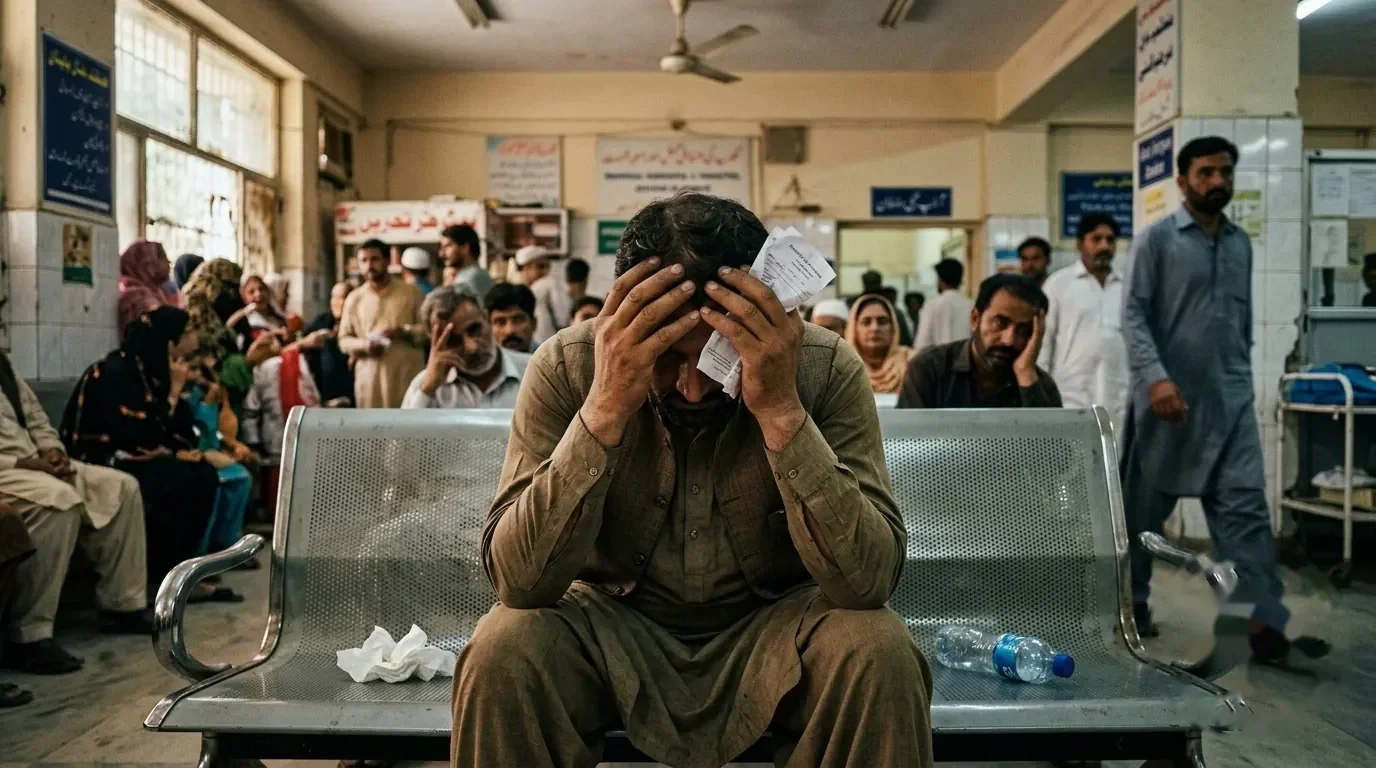
Myth 4: Schizophrenia is a hopeless, untreatable condition that requires lifelong institutionalization.
غلط فہمی 4: سکیزوفرینیا ایک لاعلاج اور ناامید بیماری ہے جس کا انجام صرف ساری زندگی پاگل خانے کی قید ہے۔
Clinical Fact: This fatalistic myth is completely obsolete in the era of modern psychopharmacology and psychiatric rehabilitation. While schizophrenia is indeed a chronic condition without a permanent “magic-bullet” cure, it is highly treatable and manageable. The clinical standard of care involves a multimodal, evidence-based strategy combining second-generation atypical antipsychotics (such as Risperidone, Olanzapine, Aripiprazole, or Clozapine for treatment-resistant cases) with targeted psychosocial therapies. When patients consistently adhere to prescribed medication regimens and participate in Cognitive Behavioral Therapy (CBT), Social Skills Training, and Family Psychoeducation, up to 60% of individuals achieve substantial clinical remission and cognitive stabilization. They successfully complete university degrees, hold competitive professional employment, sustain marriages, and live independently within their communities. Modern psychiatric medicine focuses on recovery, empowerment, and social reintegration, not institutional segregation.
طبی حقیقت: جدید نفسیاتی ادویات اور اعصابی بحالی کے اس دور میں یہ مایوس کن اور تاریک سوچ مکمل طور پر بے بنیاد اور پرانی ہو چکی ہے۔ اگرچہ سکیزوفرینیا بلڈ پریشر یا شوگر کی طرح ایک دائمی بیماری ہے جس کا کوئی جادوئی یا یکمشت خاتمہ نہیں ہے، لیکن یہ 100 فیصد قابلِ علاج اور قابلِ کنٹرول ہے۔ علاج کے جدید اور عالمی اصولوں کے مطابق، اس کا علاج دوسری نسل کی جدید اینٹی سائیکوٹک ادویات (جیسے ریسپریڈون، اولانزاپین، ایری پپرازول، یا پرانے کیسز کے لیے کلوزاپین) اور منظم سائیکو تھراپی کے ملاپ سے کیا جاتا ہے۔ جب مریض باقاعدگی سے ڈاکٹر کی تجویز کردہ ادویات کھاتے ہیں اور ساتھ ہی کوگنیٹو بیہیویورل تھراپی (CBT)، سماجی تربیت اور خاندانی کونسلنگ کا حصہ بنتے ہیں، تو 60 فیصد سے زیادہ مریض اپنی بیماری پر مکمل قابو پا کر ایک نارمل اور مستحکم زندگی گزارتے ہیں۔ وہ یونیورسٹیاں مکمل کرتے ہیں، بہترین نوکریاں کرتے ہیں، کامیاب شادیاں چلاتے ہیں، اور معاشرے کا فعال اور باوقار حصہ بنتے ہیں۔ جدید میڈیکل سائنس کا مقصد مریض کو صحت یاب کر کے معاشرے میں واپس لانا ہے، اسے پاگل خانوں میں قید کرنا نہیں۔
Myth 5: Psychiatric medications are addictive, mind-controlling poisons that should be avoided at all costs.
غلط فہمی 5: دماغی اور نفسیاتی ادویات نشہ آور اور دماغ کو غلام بنانے والے زہر ہیں جن سے ہر حال میں بچنا چاہیے۔
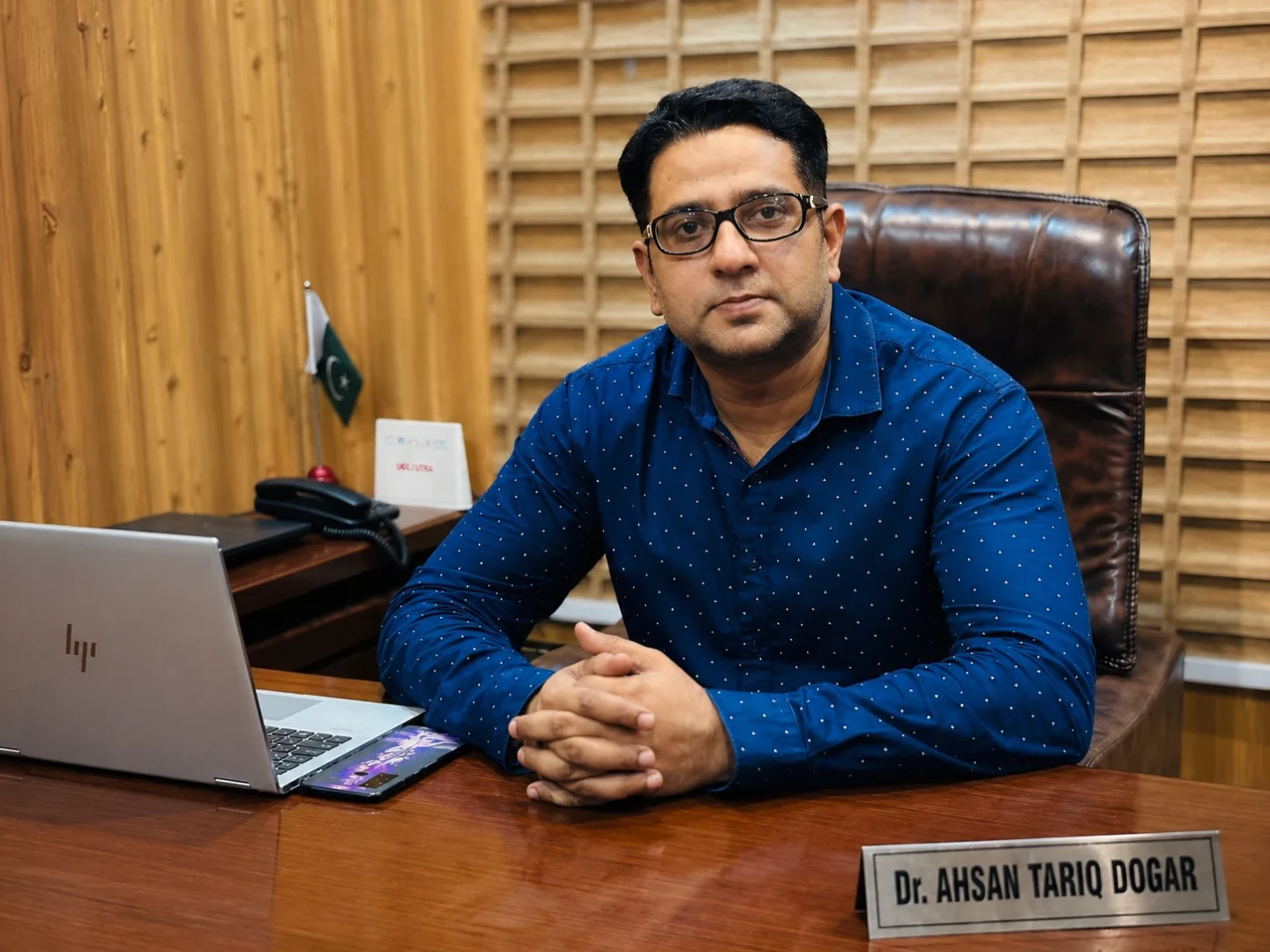
Clinical Fact: In Pakistan, a massive barrier to recovery is the widespread, unscientific fear of psychiatric medication. Relatives routinely warn patients that antipsychotic drugs are “addictive sedatives” or “poisons” that will permanently damage their brain. Medically and scientifically, this is completely false. Atypical antipsychotics are non-addictive, non-habit-forming pharmacological agents designed at the molecular level to stabilize erratic neurotransmitter signaling and protect brain cells from neuro-toxicity. They do not control or alter a person’s fundamental personality; rather, by suppressing terrifying hallucinations and paranoia, they remove the distortions of the illness, allowing the patient’s true, authentic personality to re-emerge. While some medications may initially induce sedation, metabolic changes, or weight gain, these side effects can be safely managed and mitigated through expert dosage titration and metabolic monitoring by a consultant neuropsychiatrist such as Dr. Ahsan Tariq Dogar. Abruptly stopping medication out of fear of side effects is the single leading cause of catastrophic psychotic relapses, hospitalizations, and neuro-degeneration.
طبی حقیقت: پاکستان میں مریضوں کی صحت یابی کی راہ میں سب سے بڑی رکاوٹ دماغی ادویات کے بارے میں پایا جانے والا غیر سائنسی اور خوفناک خوف ہے۔ رشتہ دار اکثر مریضوں کو ڈراتے ہیں کہ یہ ادویات “نشہ آور گولیاں” یا “زہر” ہیں جو دماغ کو ہمیشہ کے لیے سلا دیں گی یا خراب کر دیں گی۔ طبی اور سائنسی لحاظ سے یہ بات سراسر غلط اور بے بنیاد ہے۔ جدید اینٹی سائیکوٹک ادویات بالکل نشہ آور نہیں ہوتیں اور نہ ہی ان کی عادت یا لت پڑتی ہے۔ ان کو خلیاتی سطح پر اس طرح بنایا گیا ہے کہ یہ دماغی کیمیکلز کے عدم توازن کو ٹھیک کرتی ہیں اور دماغ کے خلیات کو زہریلے اثرات سے بچاتی ہیں۔ یہ ادویات انسان کی اصل شخصیت کو نہیں بدلتیں، بلکہ خوفناک وہم اور غیبی آوازوں کا خاتمہ کر کے بیماری کے پردے کو ہٹاتی ہیں تاکہ مریض کی اصلی، خوبصورت اور نارمل شخصیت دوبارہ سامنے آ سکے۔ اگرچہ کچھ ادویات کے شروع میں سستی، نیند یا وزن بڑھنے جیسے اثرات ہو سکتے ہیں، لیکن ڈاکٹر احسن طارق ڈوگر جیسے ماہر نیورو سائیکاٹرسٹ خوراک کی درست ترتیب اور نگرانی کے ذریعے ان اثرات کو مکمل طور پر کنٹرول میں رکھتے ہیں۔ مضر اثرات کے ڈر سے اچانک دوائی چھوڑ دینا بیماری کے انتہائی خطرناک صورت میں دوبارہ لوٹنے، ہسپتال داخلے، اور دماغ کی مستقل تباہی کی سب سے بڑی وجہ ہے۔
Frequently Asked Questions
Can schizophrenia be cured by faith healers or spiritual rituals in Pakistan? | کیا پیروں اور عاملوں سے سکیزوفرینیا کا علاج ممکن ہے؟
No. Schizophrenia is a scientifically validated medical disease of the brain’s neurotransmitter systems. Spiritual rituals cannot repair biological neurochemical imbalances; specialized psychiatric medication is strictly required. | نہیں۔ یہ دماغی کیمیکلز کی بیماری ہے، اس کا علاج صرف مستند ڈاکٹر اور جدید ادویات سے ممکن ہے۔
ذہنی اور نفسیاتی صحت کے مسائل کے حوالے سے بروقت طبی تشخیص اور مستند ڈاکٹر کی رہنمائی انتہائی ضروری ہے۔ اگر آپ یا آپ کا کوئی پیارا اس مسئلے کا سامنا کر رہا ہے تو مناسب علاج اور رہنمائی کے لیے مستند ماہر نفسیات سے فوری رجوع کریں۔
Is schizophrenia contagious or passed through touching? | کیا سکیزوفرینیا چھونے یا ساتھ رہنے سے پھیلتی ہے؟
No. Schizophrenia is entirely non-contagious. You cannot catch it by touching, sharing meals, or living with an affected individual. | بالکل نہیں۔ یہ کوئی متعدی بیماری نہیں ہے، یہ کسی کو چھونے یا ساتھ رہنے سے نہیں پھیلتی۔
ذہنی اور نفسیاتی صحت کے مسائل کے حوالے سے بروقت طبی تشخیص اور مستند ڈاکٹر کی رہنمائی انتہائی ضروری ہے۔ اگر آپ یا آپ کا کوئی پیارا اس مسئلے کا سامنا کر رہا ہے تو مناسب علاج اور رہنمائی کے لیے مستند ماہر نفسیات سے فوری رجوع کریں۔
Why do patients with schizophrenia often refuse to believe they are ill? | مریض یہ ماننے سے انکار کیوں کرتے ہیں کہ وہ بیمار ہیں؟
This is due to Anosognosia, a neurological deficit in the frontal lobe of the brain that biologically prevents the patient from perceiving their own clinical illness. It is a symptom of the disease, not stubbornness. | یہ دماغ کے سامنے والے حصے کی ایک اعصابی خرابی (Anosognosia) ہے جس کی وجہ سے مریض کا دماغ اپنی بیماری کو محسوس نہیں کر پاتا، یہ ضدی پن نہیں ہے۔
ذہنی اور نفسیاتی صحت کے مسائل کے حوالے سے بروقت طبی تشخیص اور مستند ڈاکٹر کی رہنمائی انتہائی ضروری ہے۔ اگر آپ یا آپ کا کوئی پیارا اس مسئلے کا سامنا کر رہا ہے تو مناسب علاج اور رہنمائی کے لیے مستند ماہر نفسیات سے فوری رجوع کریں۔
Can individuals with schizophrenia get married and raise a family in Pakistan? | کیا سکیزوفرینیا کے مریض شادی کر سکتے ہیں؟
Yes. When properly treated and clinically stabilized on maintenance medication, individuals with schizophrenia can successfully maintain loving marriages and raise healthy families. | جی ہاں۔ جب علاج کے ذریعے بیماری مکمل کنٹرول میں ہو، تو مریض کامیاب شادی اور خاندانی زندگی گزار سکتے ہیں۔
ذہنی اور نفسیاتی صحت کے مسائل کے حوالے سے بروقت طبی تشخیص اور مستند ڈاکٹر کی رہنمائی انتہائی ضروری ہے۔ اگر آپ یا آپ کا کوئی پیارا اس مسئلے کا سامنا کر رہا ہے تو مناسب علاج اور رہنمائی کے لیے مستند ماہر نفسیات سے فوری رجوع کریں۔
Where in Faisalabad can families find confidential, evidence-based treatment for schizophrenia? | فیصل آباد میں سکیزوفرینیا کا مستند علاج کہاں دستیاب ہے؟
Amaim Brain Care, led by Dr. Ahsan Tariq Dogar, offers elite, highly confidential diagnostic and treatment services for schizophrenia, including inpatient care and telepsychiatry across Pakistan. | امیم برین کیئر فیصل آباد میں ڈاکٹر احسن طارق ڈوگر کی زیر نگرانی سکیزوفرینیا کا عالمی معیار کا اور 100 فیصد رازدارانہ علاج کیا جاتا ہے۔
ذہنی اور نفسیاتی صحت کے مسائل کے حوالے سے بروقت طبی تشخیص اور مستند ڈاکٹر کی رہنمائی انتہائی ضروری ہے۔ اگر آپ یا آپ کا کوئی پیارا اس مسئلے کا سامنا کر رہا ہے تو مناسب علاج اور رہنمائی کے لیے مستند ماہر نفسیات سے فوری رجوع کریں۔
How can I book an appointment with Dr. Ahsan Tariq Dogar?
You can book an in-person or online neuro-psychiatric consultation via reaching out via WhatsApp at 0333-6986464 for a confidential appointment.
فیصل آباد میں کلینک وزٹ یا آن لائن مشورے کے لیے آپ عمائم برین کیئر کے آفیشل واٹس ایپ لنک کے ذریعے رابطہ کر کے اپنی اپائنٹمنٹ باآسانی بک کروا سکتے ہیں، جہاں آپ کی معلومات کو مکمل صیغہ راز میں رکھا جاتا ہے۔
Sources & References
- American Psychiatric Association. Diagnostic and Statistical Manual of Mental Disorders (DSM-5-TR).
- World Health Organization (WHO). Mental Health Guidelines & Clinical Management Protocols.
- Pakistan Psychiatric Society (PPS). Clinical Practice Standards and Regional Mental Health Guidance.
Medical & Educational Disclaimer
The medical and psychiatric information provided on Amaim Brain Care is for educational purposes only. It is not intended to replace formal in-person psychiatric diagnosis, clinical assessment, or tailored prescription therapy. If you or a loved one are experiencing acute psychological distress or symptoms of a mental health condition, please seek professional evaluation from a certified psychiatrist.