Schizophrenia represents a chronic, highly complex neurodevelopmental and neurobiological psychiatric disorder that fundamentally alters a patient’s sensory perception, logical thought processes, executive functioning, and emotional regulation. Historically, before the advent of modern psychopharmacology, the clinical prognosis for individuals diagnosed with schizophrenia was universally considered grim, often leading to lifelong institutionalization or profound social abandonment. However, contemporary neuropsychiatric medicine has revolutionized patient outcomes and clinical trajectories. With a comprehensive, evidence-based, and multimodal approach to Schizophrenia Care, the vast majority of patients can achieve substantial clinical remission, regain cognitive stability, and lead deeply fulfilling, productive, and autonomous lives within their communities. In Pakistan, the most critical barrier to functional recovery remains the prolonged delay in seeking professional neuropsychiatric evaluation. This delay is heavily fueled by pervasive cultural stigma, fear of societal judgment, and the widespread misconception that psychotic manifestations are supernatural phenomena rather than treatable neurochemical imbalances.
سکیزوفرینیا (Schizophrenia) دماغ کی اعصابی نشوونما اور کیمیکلز کی ایک دائمی، انتہائی پیچیدہ اور سنگین بیماری ہے جو مریض کے محسوس کرنے، منطقی سوچ، روزمرہ کے فیصلوں، اور جذبات پر کنٹرول کے پورے نظام کو بنیادی طور پر بدل کر رکھ دیتی ہے۔ ماضی میں، جدید نفسیاتی ادویات کی ایجاد سے پہلے، اس بیماری کا شکار ہونے والے افراد کا مستقبل انتہائی تاریک سمجھا جاتا تھا، جس کا انجام عموماً ساری زندگی پاگل خانوں میں قید رہنے یا معاشرے اور خاندان کی طرف سے مکمل طور پر ترک کر دیے جانے کی شکل میں ہوتا تھا۔ تاہم، جدید نیورو سائیکاٹرک میڈیکل سائنس نے مریضوں کی صحت یابی اور زندگی کے نتائج میں ایک زبردست انقلاب برپا کر دیا ہے۔ ایک مستند، جامع اور جدید سائنسی اصولوں پر مبنی سکیزوفرینیا کے علاج کے ذریعے، زیادہ تر مریض اپنی بیماری پر مکمل قابو پا سکتے ہیں، اپنے ذہنی توازن کو دوبارہ بحال کر سکتے ہیں، اور اپنے معاشرے اور خاندان کے ساتھ ایک کامیاب، پیداواری اور باوقار زندگی گزار سکتے ہیں۔ پاکستان میں، صحت یابی کی راہ میں سب سے بڑی اور خطرناک رکاوٹ ماہر نیورو سائیکاٹرسٹ سے علاج کروانے میں طویل تاخیر ہے۔ یہ تاخیر معاشرے کے بدنما داغ، لوگوں کے طعنوں کے خوف، اور اس عام غلط فہمی کی وجہ سے ہوتی ہے کہ پاگل پن کی علامات کوئی مافوق الفطرت یا روحانی مسئلہ ہیں نہ کہ دماغ کے کیمیکلز کا ایک قابلِ علاج عدم توازن۔
The Foundation of Recovery: Evidence-Based Psychopharmacology
صحت یابی اور علاج کی بنیاد: مستند اور جدید نفسیاتی ادویات
The absolute cornerstone and non-negotiable foundation of managing schizophrenia is consistent, uninterrupted, long-term pharmacotherapy. Antipsychotic medications are clinically engineered at the molecular level to correct severe neurotransmitter dysregulation—specifically modulating dopamine transmission across the mesolimbic and mesocortical pathways, as well as influencing serotonin (5-HT2A) and glutamate receptors within the central nervous system. Without these essential pharmacological interventions to stabilize neuronal firing and halt neuro-toxicity, clinical remission and cognitive preservation are medically impossible.
سکیزوفرینیا کے کامیاب علاج کی سب سے بنیادی، لازمی اور غیر متزلزل شرط مستقل، بلا تعطل اور طویل مدتی ادویات کا استعمال ہے۔ اینٹی سائیکوٹک (Antipsychotic) ادویات کو سائنسی اور خلیاتی سطح پر اس طرح تیار کیا گیا ہے کہ وہ دماغ میں موجود کیمیائی عدم توازن کو درست کرتی ہیں—خاص طور پر دماغ کے میسولمبک اور میسوکورٹیکل راستوں میں ڈوپامین (Dopamine) کی ترسیل کو متوازن کرتی ہیں، اور ساتھ ہی سیروٹونن (Serotonin) اور گلوٹامیٹ (Glutamate) کے ریسیپٹرز کو کنٹرول کرتی ہیں۔ دماغ کے خلیات کی بے قابو تیزی کو روکنے اور زہریلے اثرات کا خاتمہ کرنے والی ان لازمی ادویات کے بغیر، مریض کو مستحکم کرنا اور اس کی عقل و یادداشت کو محفوظ رکھنا طبی اور سائنسی لحاظ سے ناممکن ہے۔
Atypical Antipsychotics (Second-Generation Antipsychotics)
جدید اینٹی سائیکوٹک ادویات (دوسری نسل کی ادویات)
Second-generation, or atypical, antipsychotics represent the undisputed first-line therapeutic standard in modern psychiatric practice. They provide superior efficacy in mitigating positive psychotic symptoms while carrying a significantly reduced risk of extrapyramidal symptoms (EPS)—such as Parkinsonian tremors, rigidity, or tardive dyskinesia—compared to first-generation neuroleptics. Commonly prescribed evidence-based agents include:
دوسری نسل کی جدید اینٹی سائیکوٹک ادویات جدید نفسیاتی علاج میں پہلی قطار اور سب سے مستند معیار سمجھی جاتی ہیں۔ یہ پاگل پن کی مثبت علامات (وہم اور آوازیں) کو ختم کرنے میں انتہائی مؤثر ہیں اور پرانی ادویات کی نسبت ان کے اعصابی اور جسمانی مضر اثرات—جیسے رعشہ، ہاتھوں کا کانپنا، جسم کا اکڑنا، یا زبان اور منہ کا بے قابو ہونا (Tardive Dyskinesia)—انتہائی کم ہوتے ہیں۔ علاج میں استعمال ہونے والی عام اور مستند ادویات یہ ہیں:
- Risperidone: An exceptionally potent D2 and 5-HT2A receptor antagonist, highly effective in rapidly controlling auditory hallucinations, paranoid delusions, and aggressive agitation. It restores logical thought processing within days or weeks.
ریسپریڈون (Risperidone): یہ دوا ڈوپامین D2 اور سیروٹونن ریسیپٹرز کا راستہ روکنے میں انتہائی طاقتور ہے، اور غیبی آوازیں سننے، شدید شک اور وہم، اور غصے و بے چینی کو فوراً کنٹرول کرنے میں بے حد مؤثر ہے۔ یہ چند دنوں یا ہفتوں میں منطقی سوچ کو بحال کر دیتی ہے۔
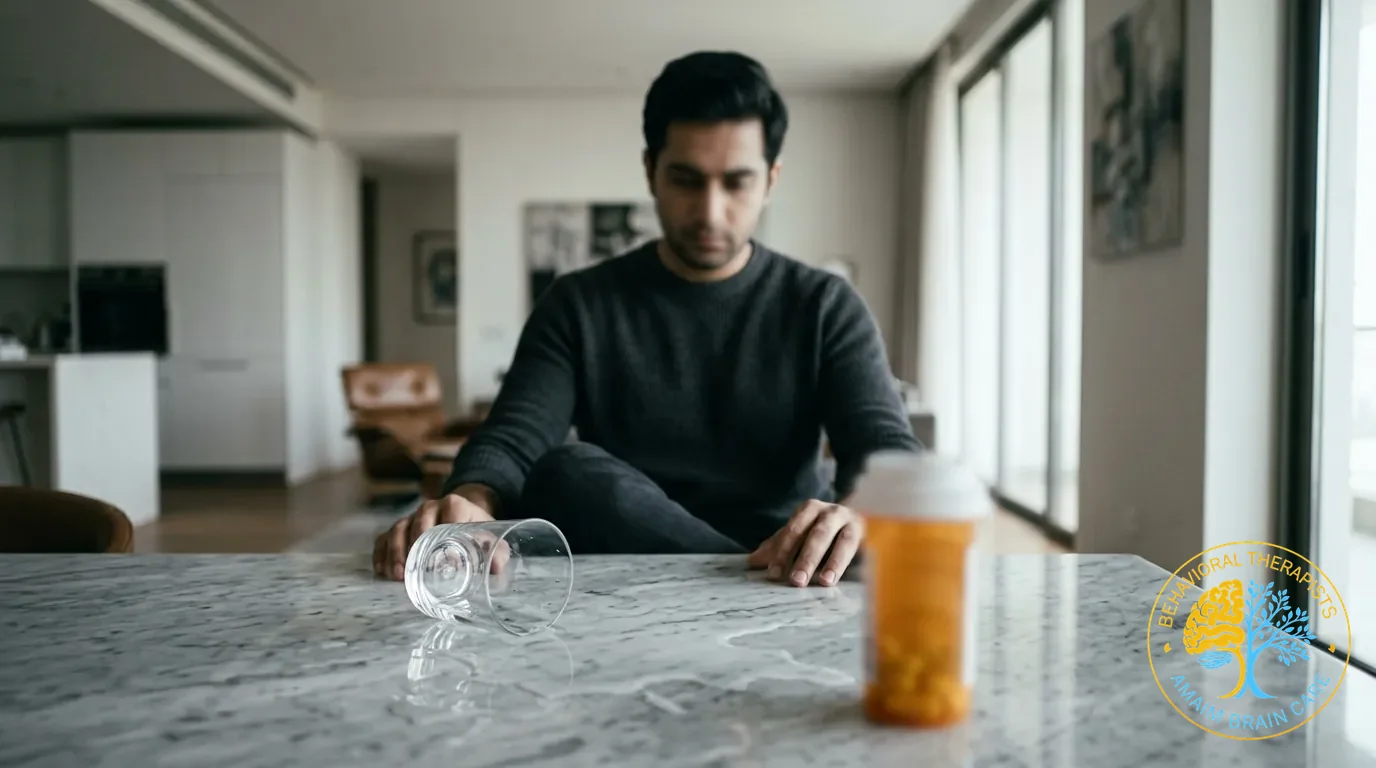
- Olanzapine: Frequently utilized during acute psychotic crises and inpatient hospitalization due to its pronounced calming efficacy, rapid sedation of psychomotor agitation, and restoration of circadian sleep architecture.
اولانزاپین (Olanzapine): یہ دوا پاگل پن کے شدید دوروں اور ہسپتال داخلے کے دوران کثرت سے استعمال کی جاتی ہے کیونکہ یہ فوری سکون پہنچاتی ہے، جسمانی و ذہنی بے چینی کو ختم کرتی ہے، اور نیند کے قدرتی نظام کو فوراً بحال کرتی ہے۔
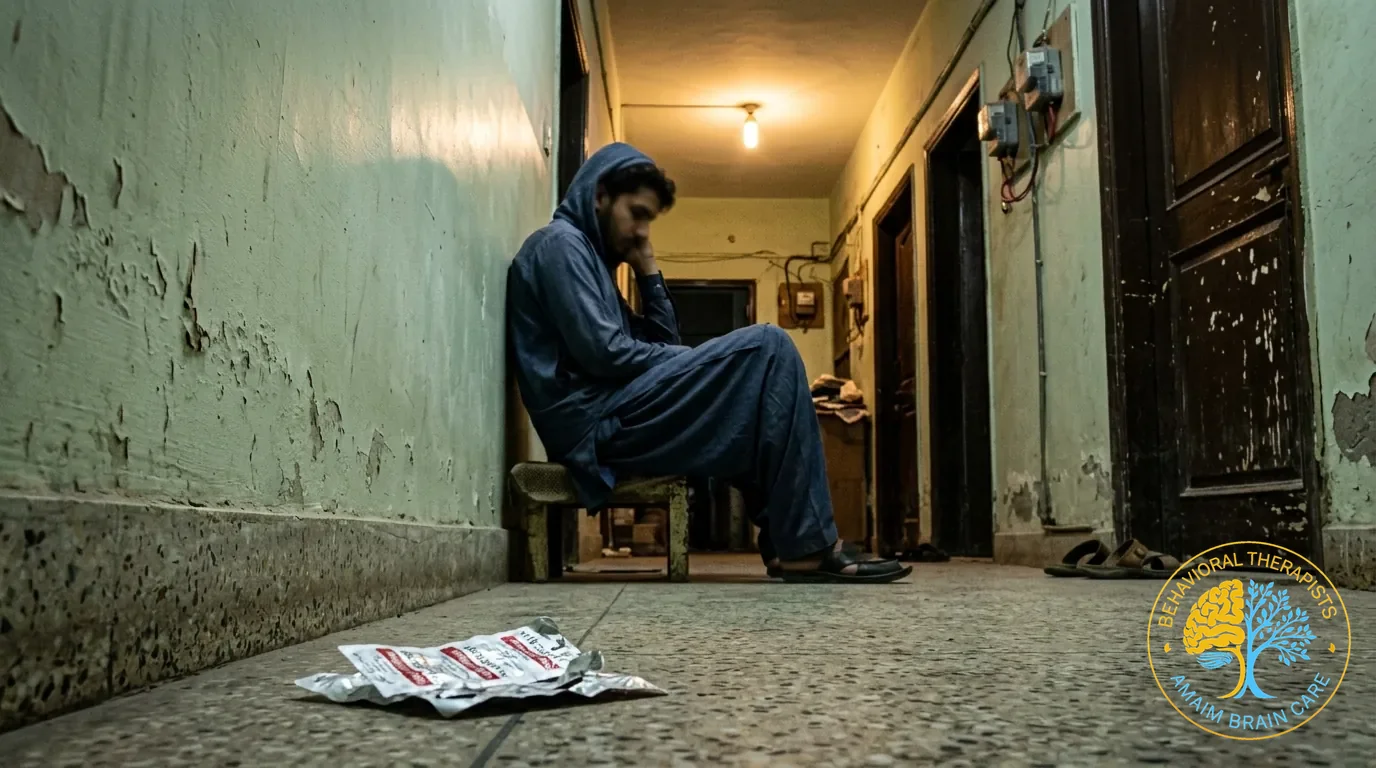
- Aripiprazole: A unique dopamine-serotonin system stabilizer (partial agonist at D2 and 5-HT1A receptors). It provides robust antipsychotic control with a highly favorable metabolic profile and minimal sedation, making it ideal for long-term maintenance in working professionals.
ایری پپرازول (Aripiprazole): یہ ایک منفرد دوا ہے جو ڈوپامین اور سیروٹونن کے نظام کو متوازن (Partial Agonist) رکھتی ہے۔ یہ بغیر کسی شدید سستی، نیند یا وزن بڑھائے پاگل پن کو بہترین کنٹرول دیتی ہے، جس کی وجہ سے یہ کام کرنے والے پیشہ ور افراد کے لیے طویل مدتی علاج کا بہترین انتخاب ہے۔
- Clozapine: Clinically reserved as the gold-standard rescue agent for treatment-resistant schizophrenia (when two or more standard antipsychotics have failed). While exceptionally potent in eliminating stubborn psychosis and suicidal ideation, it mandates rigorous hematological monitoring (periodic regular blood tests) due to the risk of agranulocytosis (a drop in white blood cells).
کلوزاپین (Clozapine): یہ دوا ان انتہائی پیچیدہ اور پرانے کیسز (Treatment-Resistant Schizophrenia) کے لیے آخری اور سب سے کامیاب ہتھیار کے طور پر مختص ہے جن پر دوسری تمام ادویات بے اثر ہو چکی ہوں۔ اگرچہ یہ ضدی پاگل پن اور خودکشی کے خیالات کو ختم کرنے میں بے مثال ہے، لیکن اس کے استعمال کے دوران خون کے باقاعدہ ٹیسٹ (سی بی سی) لازمی ہوتے ہیں تاکہ سفید خلیات کی کمی (Agranulocytosis) سے بچا جا سکے۔
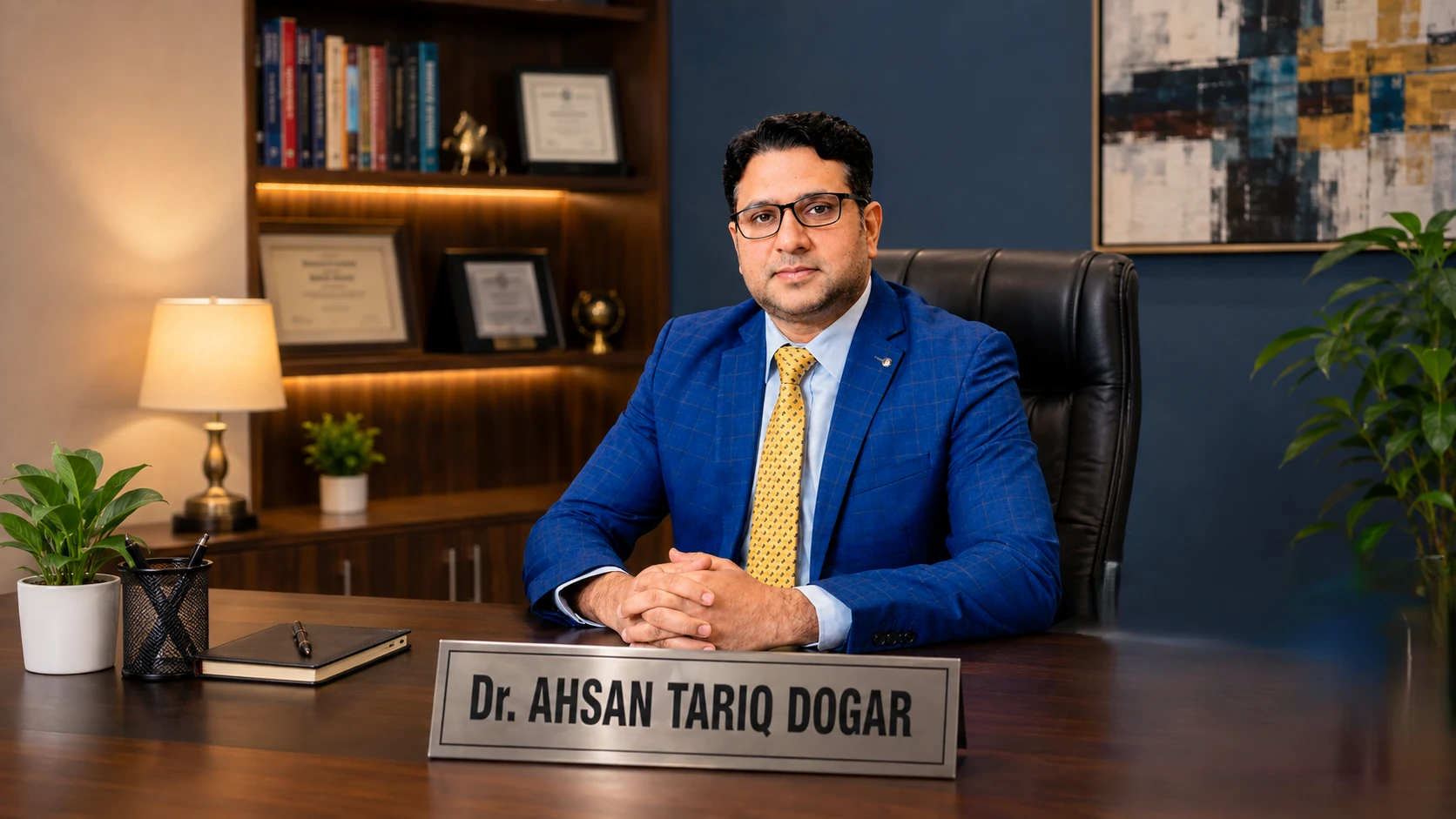
Medication regimens must never be standardized or generalized; they require precise, customized titration based on the patient’s metabolic profile, symptom severity, and neurological tolerability. Only an experienced consultant neuropsychiatrist, such as Dr. Ahsan Tariq Dogar, should prescribe, adjust, or manage antipsychotic therapy to maximize therapeutic efficacy while safeguarding patient neuro-health.
ادویات کا نسخہ کبھی بھی عام یا سب کے لیے یکساں نہیں ہو سکتا؛ اس کے لیے مریض کے جسمانی نظام، علامات کی شدت، اور اعصابی برداشت کے حساب سے انتہائی باریک اور تخصیصی ترتیب (Titration) کی ضرورت ہوتی ہے۔ صرف ڈاکٹر احسن طارق ڈوگر جیسے ماہر اور تجربہ کار نیورو سائیکاٹرسٹ کو ہی اینٹی سائیکوٹک ادویات تجویز کرنے، ان کی مقدار سیٹ کرنے، یا ان کی نگرانی کرنے کا اختیار ہونا چاہیے تاکہ کم سے کم مضر اثرات کے ساتھ بہترین اور مکمل صحت یابی حاصل کی جا سکے۔
Psychotherapy and Psychosocial Rehabilitation: Restoring Human Functioning
سائیکو تھراپی اور سماجی و نفسیاتی بحالی: انسانی زندگی اور صلاحیتوں کی واپسی
While atypical antipsychotic medications successfully suppress positive psychotic symptoms (hallucinations and delusions), structured psychotherapy and psychosocial rehabilitation are absolutely indispensable for targeting negative symptoms (social withdrawal, alogia, avolition) and cognitive deficits. A comprehensive, multimodal treatment strategy significantly reduces relapse rates and reintegrates the patient into society.
جہاں جدید اینٹی سائیکوٹک ادویات پاگل پن کی مثبت علامات (وہم اور غیبی آوازیں) کو کامیابی سے ختم کرتی ہیں، وہیں منظم سائیکو تھراپی اور سماجی بحالی مریض کی منفی علامات (لوگوں سے کٹ جانا، خاموشی، حوصلے کی کمی) اور سوچنے سمجھنے کی صلاحیتوں کو ٹھیک کرنے کے لیے لازمی اور ناگزیر ہیں۔ ایک جامع اور ہمہ جہت علاج کا طریقہ بیماری کے دوبارہ لوٹنے کے خطرات کو ختم کرتا ہے اور مریض کو دوبارہ معاشرے کا فعال حصہ بناتا ہے۔
Cognitive Behavioral Therapy for Psychosis (CBT-p)
پاگل پن کے لیے کوگنیٹو بیہیویورل تھراپی (CBT-p)
CBT adapted specifically for psychotic disorders assists patients in developing critical cognitive insight and reality-testing skills. It trains patients to logically evaluate the validity of their delusional beliefs, implement robust behavioral coping mechanisms to ignore or de-escalate auditory hallucinations, manage severe social anxiety, and identify idiosyncratic prodromal warning signs to prevent impending relapses.
یہ مخصوص تھراپی مریضوں کو اپنی سوچ کو پرکھنے اور حقیقت کو پہچاننے کی صلاحیت پیدا کرنے میں مدد فراہم کرتی ہے۔ یہ مریضوں کو سکھاتی ہے کہ وہ اپنے شک اور وہم کی منطقی حقیقت کو کیسے جانچیں، غیبی آوازوں کو نظر انداز کرنے یا ان کا اثر کم کرنے کے لیے کون سے ذہنی طریقے استعمال کریں، سماجی گھبراہٹ پر کیسے قابو پائیں، اور بیماری کے دوبارہ لوٹنے کی ابتدائی علامتوں کو کیسے پہچانیں۔
Social Skills Training (SST) and Cognitive Remediation
سماجی مہارت کی تربیت (SST) اور ذہنی صلاحیتوں کی بحالی
Schizophrenia frequently impairs a patient’s executive functioning, working memory, and ability to accurately interpret complex interpersonal cues. Social Skills Training utilizes structured role-playing, behavioral modeling, and communication exercises to restore interpersonal competency. Simultaneously, cognitive remediation therapy utilizes neuroplasticity-based exercises to rebuild attention, memory, and executive problem-solving, empowering patients to secure employment and sustain meaningful relationships.
سکیزوفرینیا اکثر مریض کی روزمرہ کے کام کرنے کی صلاحیت، یادداشت، اور لوگوں کے رویوں کو سمجھنے کی طاقت کو متاثر کرتا ہے۔ سماجی مہارت کی تربیت مشقوں اور رول پلے کے ذریعے مریض میں لوگوں سے بات چیت کرنے اور گھلنے ملنے کی صلاحیت کو بحال کرتی ہے۔ اس کے ساتھ ہی، ذہنی صلاحیتوں کی بحالی کی تھراپی دماغ کی لچک (Neuroplasticity) کا استعمال کرتے ہوئے توجہ، یادداشت اور مسائل حل کرنے کی طاقت کو دوبارہ تعمیر کرتی ہے، جس سے مریض نوکری حاصل کرنے اور رشتے نبھانے کے قابل ہو جاتے ہیں۔
Family Psychoeducation and Systemic Therapy
خاندانی رہنمائی، سائنسی تعلیم اور فیملی تھراپی
The domestic emotional environment plays a paramount role in dictating the long-term trajectory of a patient’s recovery. Family psychoeducation equips parents, siblings, and spouses with comprehensive clinical knowledge regarding the neurobiological nature of schizophrenia. It trains families to eliminate toxic “high expressed emotion” (EE)—such as hostility, continuous criticism, or emotional over-involvement—which has been clinically proven to trigger rapid psychotic relapses. A calm, structured, and empathetic home environment acts as a vital neurobiological buffer.
Frequently Asked Questions
Is schizophrenia completely curable with medication? | کیا ادویات سے سکیزوفرینیا مکمل طور پر ختم ہو جاتا ہے؟
While there is no permanent definitive cure, modern antipsychotic medications combined with psychosocial therapy allow the vast majority of patients to achieve long-term clinical remission and lead highly functional lives. | اس کا کوئی مستقل اور حتمی علاج نہیں ہے، لیکن ادویات اور تھراپی کی مدد سے زیادہ تر مریض ایک نارمل اور مستحکم زندگی گزار سکتے ہیں۔
ذہنی اور نفسیاتی صحت کے مسائل کے حوالے سے بروقت طبی تشخیص اور مستند ڈاکٹر کی رہنمائی انتہائی ضروری ہے۔ اگر آپ یا آپ کا کوئی پیارا اس مسئلے کا سامنا کر رہا ہے تو مناسب علاج اور رہنمائی کے لیے مستند ماہر نفسیات سے فوری رجوع کریں۔
How long does a patient need to remain on antipsychotic therapy? | مریض کو کب تک دوائی کھانی پڑتی ہے؟
For most patients, pharmacological maintenance therapy is required indefinitely. Some individuals who have only experienced a single brief episode may gradually taper their dosage under strict, continuous psychiatric supervision after several years of complete stability. | زیادہ تر مریضوں کو تاحیات دوائی کی ضرورت ہوتی ہے۔ کسی بھی صورت میں دوائی ڈاکٹر کے مشورے کے بغیر بند نہیں کرنی چاہیے۔
ذہنی اور نفسیاتی صحت کے مسائل کے حوالے سے بروقت طبی تشخیص اور مستند ڈاکٹر کی رہنمائی انتہائی ضروری ہے۔ اگر آپ یا آپ کا کوئی پیارا اس مسئلے کا سامنا کر رہا ہے تو مناسب علاج اور رہنمائی کے لیے مستند ماہر نفسیات سے فوری رجوع کریں۔
What should families do if a patient refuses to take their medication? | اگر مریض دوائی کھانے سے انکار کرے تو کیا کرنا چاہیے؟
Medication non-compliance is extremely common due to anosognosia, a neurological inability of the patient to recognize their illness. Families should consult their psychiatrist immediately; options include long-acting injectable antipsychotics, which eliminate the need for daily oral dosing. | یہ ایک عام مسئلہ ہے۔ خاندان کو فوری طور پر ماہر نفسیات سے رابطہ کرنا چاہیے۔ ایسے حالات میں انجیکشن والی ادویات دی جاتی ہیں جن کا اثر ہفتوں یا مہینوں تک رہتا ہے۔
ذہنی اور نفسیاتی صحت کے مسائل کے حوالے سے بروقت طبی تشخیص اور مستند ڈاکٹر کی رہنمائی انتہائی ضروری ہے۔ اگر آپ یا آپ کا کوئی پیارا اس مسئلے کا سامنا کر رہا ہے تو مناسب علاج اور رہنمائی کے لیے مستند ماہر نفسیات سے فوری رجوع کریں۔
Do antipsychotic medications fundamentally change a person’s personality? | کیا یہ ادویات انسان کی شخصیت بدل دیتی ہیں؟
No. Antipsychotics suppress psychotic symptoms like hallucinations and delusions, allowing the patient’s true personality to re-emerge from the distortion of the illness. Lethargy or emotional blunting can occasionally occur, but dosage adjustments can mitigate these side effects. | نہیں۔ یہ ادویات صرف وہم اور غیر حقیقی آوازوں کو ختم کرتی ہیں تاکہ مریض کی اصل شخصیت بحال ہو سکے۔ اگر دوائی سے زیادہ سستی ہو تو ڈاکٹر خوراک کم کر سکتا ہے۔
ذہنی اور نفسیاتی صحت کے مسائل کے حوالے سے بروقت طبی تشخیص اور مستند ڈاکٹر کی رہنمائی انتہائی ضروری ہے۔ اگر آپ یا آپ کا کوئی پیارا اس مسئلے کا سامنا کر رہا ہے تو مناسب علاج اور رہنمائی کے لیے مستند ماہر نفسیات سے فوری رجوع کریں۔
Where can complex schizophrenia cases be managed in Faisalabad? | فیصل آباد میں پیچیدہ کیسز کا علاج کہاں ہوتا ہے؟
Amaim Brain Care offers specialized, evidence-based treatment for treatment-resistant schizophrenia under the expert direction of Dr. Ahsan Tariq Dogar. Secure inpatient admission facilities and online consultations are also available. | امیم برین کیئر فیصل آباد میں ڈاکٹر احسن طارق ڈوگر کی زیر نگرانی پیچیدہ اور پرانے کیسز کا ماہرانہ علاج کیا جاتا ہے۔ ہسپتال داخلے کی سہولت بھی موجود ہے۔
ذہنی اور نفسیاتی صحت کے مسائل کے حوالے سے بروقت طبی تشخیص اور مستند ڈاکٹر کی رہنمائی انتہائی ضروری ہے۔ اگر آپ یا آپ کا کوئی پیارا اس مسئلے کا سامنا کر رہا ہے تو مناسب علاج اور رہنمائی کے لیے مستند ماہر نفسیات سے فوری رجوع کریں۔
How can I book an appointment with Dr. Ahsan Tariq Dogar?
You can book an in-person or online neuro-psychiatric consultation via reaching out via WhatsApp at 0333-6986464 for a confidential appointment.
فیصل آباد میں کلینک وزٹ یا آن لائن مشورے کے لیے آپ عمائم برین کیئر کے آفیشل واٹس ایپ لنک کے ذریعے رابطہ کر کے اپنی اپائنٹمنٹ باآسانی بک کروا سکتے ہیں، جہاں آپ کی معلومات کو مکمل صیغہ راز میں رکھا جاتا ہے۔
Sources & References
- American Psychiatric Association. Diagnostic and Statistical Manual of Mental Disorders (DSM-5-TR).
- World Health Organization (WHO). Mental Health Guidelines & Clinical Management Protocols.
- Pakistan Psychiatric Society (PPS). Clinical Practice Standards and Regional Mental Health Guidance.
Medical & Educational Disclaimer
The medical and psychiatric information provided on Amaim Brain Care is for educational purposes only. It is not intended to replace formal in-person psychiatric diagnosis, clinical assessment, or tailored prescription therapy. If you or a loved one are experiencing acute psychological distress or symptoms of a mental health condition, please seek professional evaluation from a certified psychiatrist.