Depression is one of the most common mental health conditions affecting people around the world. It can affect how a person thinks, feels, sleeps, and manages daily life. Many individuals who experience depression often ask an important question: why does depression happen?
In reality, depression rarely has a single cause. Instead, it usually develops because of a combination of emotional stress, biological changes in the brain, life experiences, and environmental factors. Understanding these causes can help people recognize early warning signs and take steps to protect their mental health.
In Pakistan, mental health awareness is improving, but many people still hesitate to talk openly about emotional struggles. Learning about the causes of depression can help reduce stigma and encourage individuals to seek support earlier.
If you want to understand how depression is medically evaluated and treated, you can read more about professional care on the Depression Treatment in Faisalabad page.
Understanding Depression
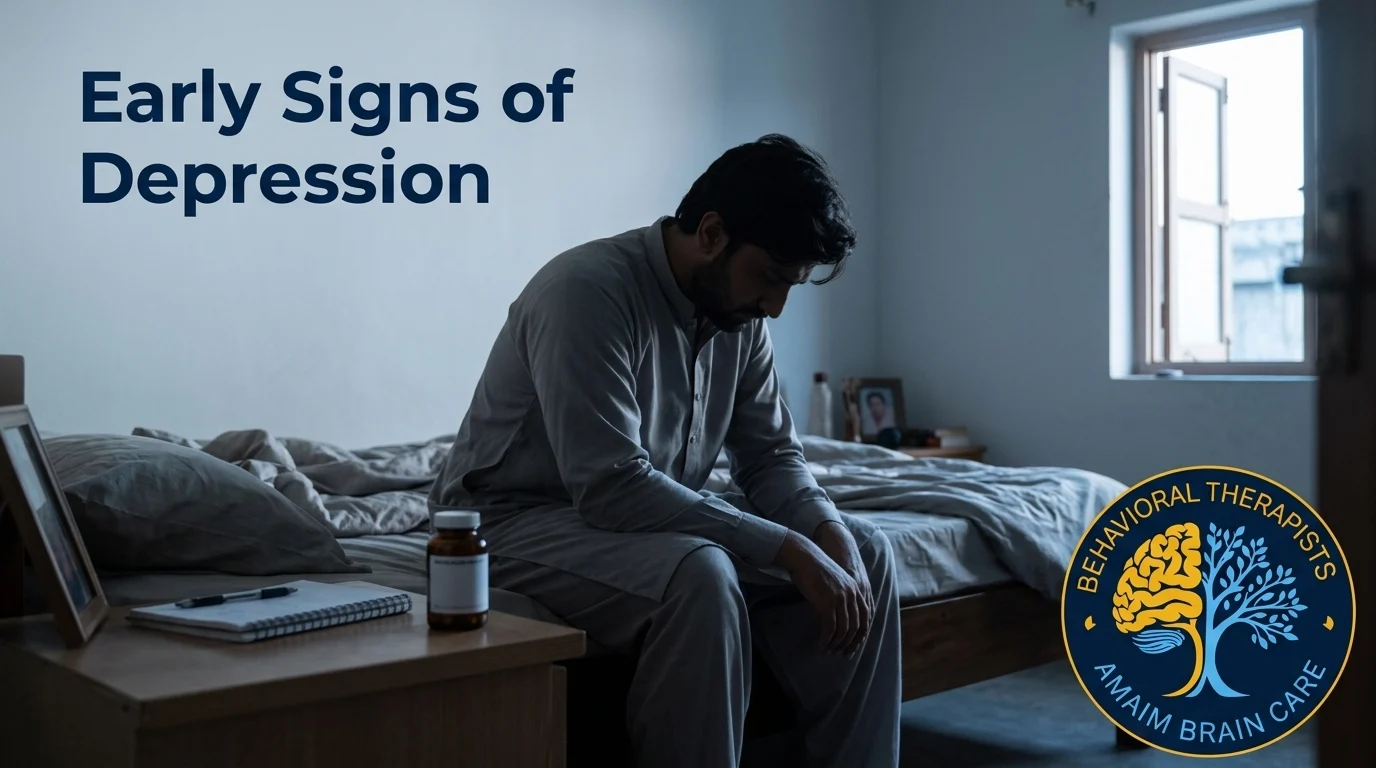
Depression is more than temporary sadness. Everyone experiences emotional ups and downs in life, but clinical depression is different because symptoms persist for weeks or months and can interfere with daily life.
Common symptoms of depression may include:
- Persistent sadness or emotional emptiness
- Loss of interest in activities once enjoyed
- Fatigue or lack of energy
- Sleep disturbances
- Difficulty concentrating
- Feelings of hopelessness
According to the World Health Organization (WHO), depression is one of the leading causes of disability worldwide and affects millions of people each year.
Mental health professionals working in psychiatry emphasize that depression is a treatable medical condition. You can learn more about psychiatric care and mental health evaluation on the Psychiatry Services page.
Common Causes of Depression
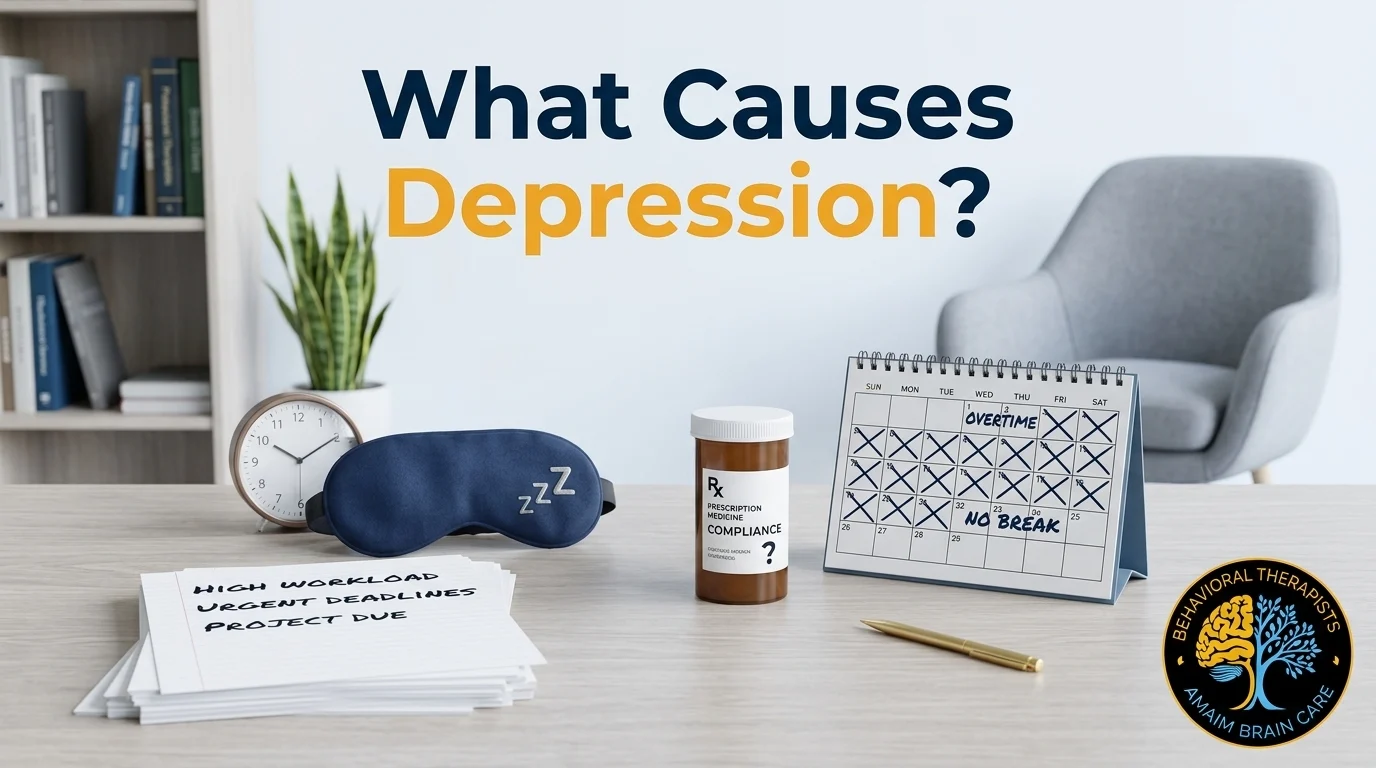
Depression often develops when several risk factors occur together. These may involve emotional stress, biological factors, social environment, and life experiences.
1. Long-Term Stress
Chronic stress is one of the most common contributors to depression. When a person faces constant pressure without enough rest or support, emotional resilience can gradually weaken.
Common sources of long-term stress include:
- Financial difficulties
- Workplace pressure
- Academic stress among students
- Family conflicts
- Caregiving responsibilities
In many Pakistani households, individuals manage multiple responsibilities, which can increase emotional stress over time.
2. Major Life Events
Significant life events can also trigger depression. These experiences often create emotional shock or prolonged grief.
Examples include:
- Losing a loved one
- Divorce or relationship breakdown
- Job loss or financial instability
- Serious illness
- Major life transitions
While many people recover naturally from difficult life events, others may experience prolonged emotional distress that develops into clinical depression.
3. Brain Chemistry Changes
Depression is also associated with changes in brain chemistry. Certain chemicals in the brain called neurotransmitters help regulate mood, motivation, sleep, and emotional responses.
When these systems become disrupted, symptoms such as persistent sadness, fatigue, and loss of interest may occur. This biological component explains why psychiatric treatment sometimes includes medication to help restore chemical balance.
4. Family History and Genetics
Research suggests that depression can sometimes run in families. If a close family member has experienced depression or other mood disorders, the risk may increase slightly.
However, genetics alone does not determine mental health. Lifestyle factors, coping skills, and environmental influences also play important roles.
5. Social Isolation
Humans naturally need emotional connection and support. When individuals feel isolated or unable to share their struggles, emotional distress can increase.
Social isolation may occur due to:
- Living far from family or friends
- Relationship conflicts
- Work-related pressure
- Cultural stigma around discussing mental health
Over time, lack of social support may increase vulnerability to depression.
6. Physical Health Conditions
Physical health and mental health are closely connected. Chronic illnesses or long-term medical conditions can increase the risk of depression.
Examples include:
- Chronic pain disorders
- Hormonal changes
- Thyroid disorders
- Neurological conditions
- Long-term illness
Living with ongoing physical health challenges can affect emotional well-being and quality of life.
Cultural and Social Pressures in Pakistan
In Pakistan, social expectations sometimes create additional emotional pressure. People may feel stress related to academic success, career stability, marriage expectations, and financial responsibilities.
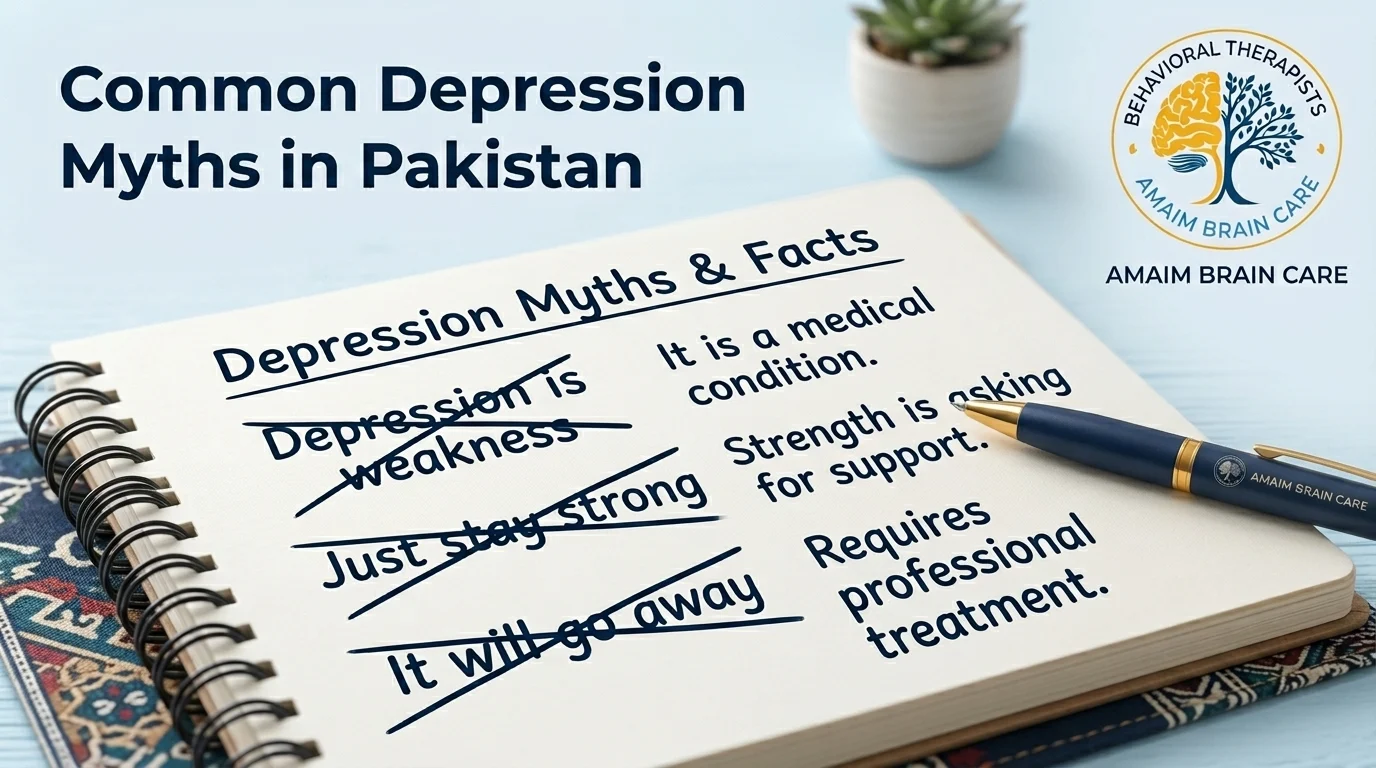
Because mental health discussions can still carry stigma in some communities, individuals may hesitate to seek professional help. Increasing awareness and education about mental health can help change these attitudes.
How to Prevent Depression
Although depression cannot always be prevented completely, certain lifestyle habits can reduce the risk and strengthen emotional resilience.
Maintain Healthy Sleep Patterns
Sleep plays an important role in emotional health. Poor sleep can worsen stress and increase vulnerability to mood disorders.
Manage Stress Effectively
Healthy stress management techniques include:
- Regular physical activity
- Mindfulness or meditation
- Taking breaks from work
- Spending time outdoors
Build Strong Social Connections
Supportive relationships help protect mental health. Talking with trusted friends, family members, or mentors can reduce emotional burden and improve coping skills.
Seek Professional Help Early
If emotional distress continues for several weeks or begins interfering with daily life, professional mental health guidance may be helpful.
In Faisalabad, individuals can consult Dr. Ahsan Tariq Dogar, a consultant neuropsychiatrist with more than 14 years of experience in treating mood disorders.
Patients can visit Amaim Brain Care in Faisalabad or seek online psychiatric consultation across Pakistan.
You can also contact the clinic team directly through WhatsApp here:
Chat with the clinic on WhatsApp
When Depression Requires Immediate Help
In severe situations where a person experiences suicidal thoughts or extreme emotional distress, urgent psychiatric support may be necessary. Short-term stabilization or hospital care may be recommended in some cases.
You can learn more about specialized mental health support services on the Psychiatric Admission Facility page.
The information on this page regarding depression symptoms, diagnosis, and treatment is for educational purposes only. It is not a substitute for professional psychiatric advice. Mental health conditions are complex and vary significantly based on individual history and clinical evaluation.
This content does not provide a medical guarantee. Always consult with a registered neuropsychiatrist like Dr. Ahsan Tariq Dogar for a personalized diagnosis. In case of a mental health emergency in Faisalabad, please contact 03336986464 immediately.