
Behavioral Therapy & Mental Health Counseling in Faisalabad
Emotional Understanding, Behavioral Support, and Mental Well-Being
If you are struggling with anxiety, stress, relationship problems, or emotional distress, professional therapy can help you understand your thoughts and develop healthier coping strategies. Many people in Pakistan hesitate to seek therapy, but speaking with a trained mental health professional can make a significant difference.
Amaim Brain Care provides behavioral therapy, psychological counseling, and psychiatric support in Faisalabad under the supervision of Dr. Ahsan Tariq Dogar, a top-rated neuropsychiatrist with 14+ years of clinical experience. Sessions are available in clinic in Faisalabad or through secure online consultation across Pakistan.
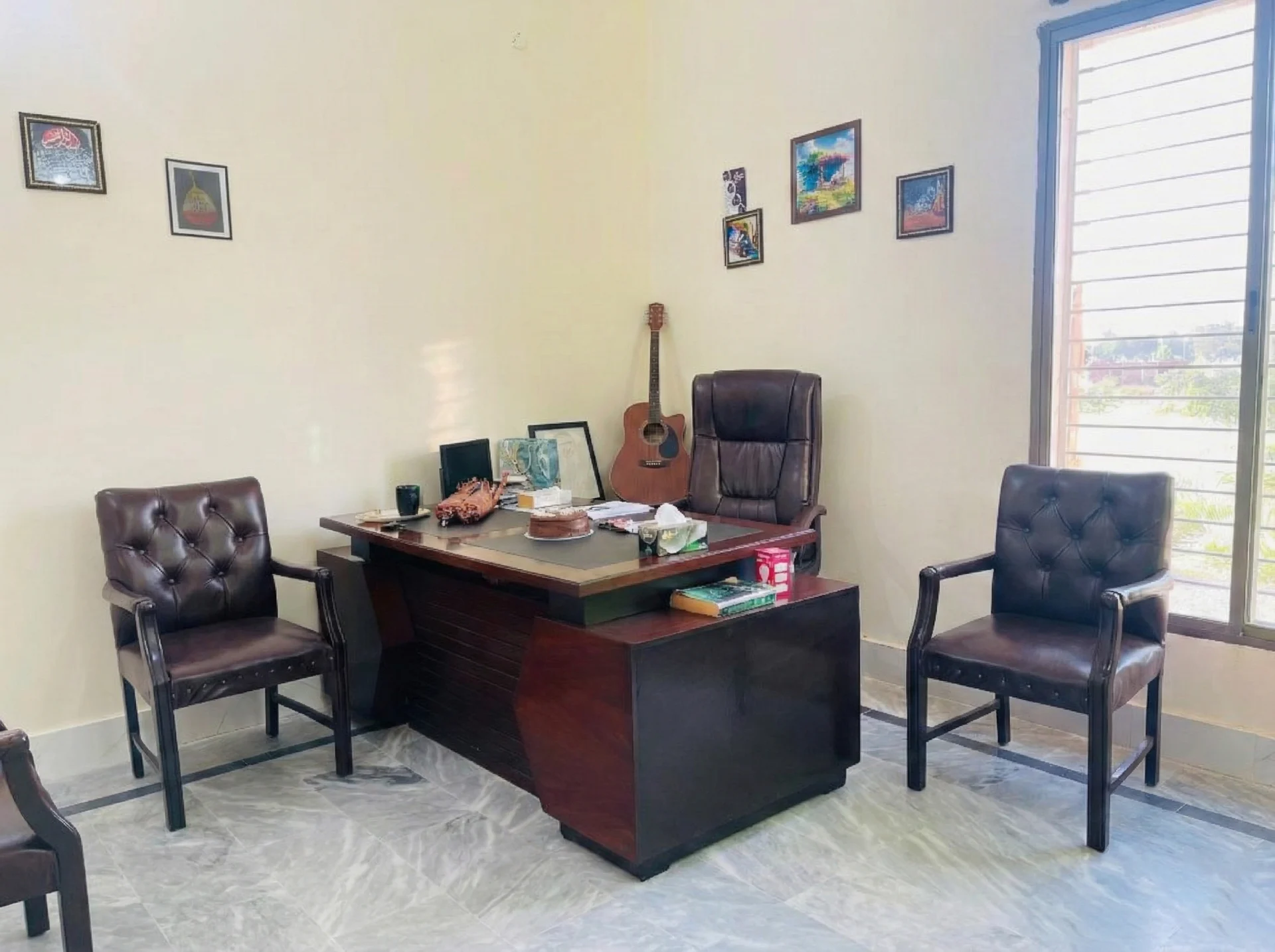
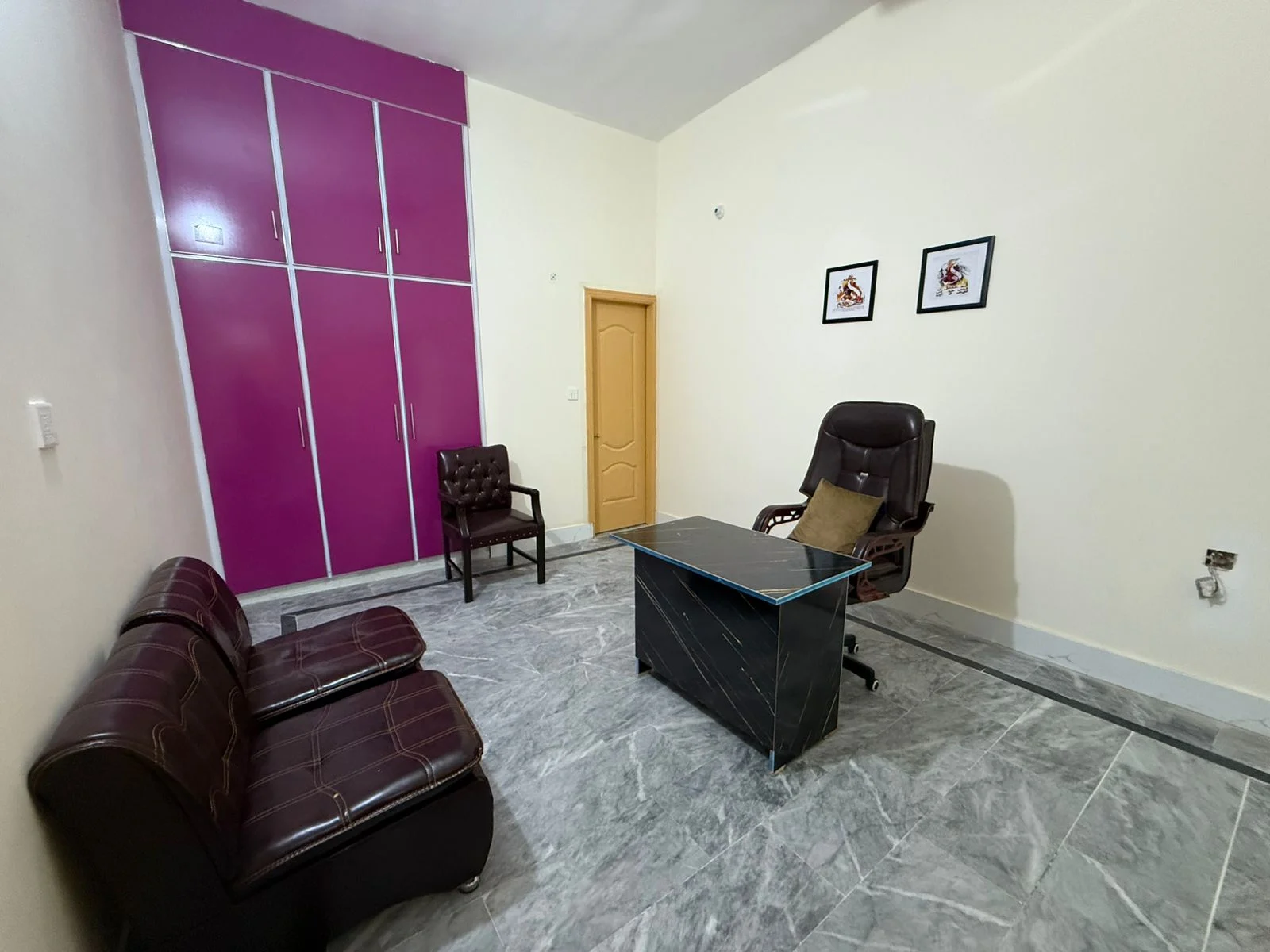
Reclaim Your Emotional Well-Being
Professional psychotherapy at Amaim Brain Care provides a secure, confidential environment to address the root causes of emotional distress. Whether you are facing personal struggles, relationship conflicts, or work-related burnout, our clinical approach focuses on developing practical coping strategies for a healthier, more resilient life.
Is Therapy Right for You?
Our counseling services are designed for individuals, couples, and families who are ready to take a proactive step toward mental wellness. Professional support is highly effective for those experiencing:
- Persistent Stress or Anxiety: Feeling overwhelmed by daily pressures.
- Behavioral Challenges: Difficulty managing anger or impulsive reactions.
- Relationship Issues: Communication breakdowns or family conflicts.
- Life Transitions: Coping with grief, trauma, or major life changes.
Mental Health Conditions We Treat
We provide expert clinical intervention for a wide spectrum of mental health concerns. If you are struggling with any of the following, our team in Faisalabad is here to help:

Anxiety Disorders
Proven strategies to quiet persistent worry and manage panic symptoms.

Depression
Specialized support to restore motivation, energy, and emotional balance.

Trauma and PTSD
Expert guidance to safely process distressing life events and reclaim peace.

Stress and Burnout
Practical interventions for work-related exhaustion and chronic life pressure.

Addiction and Substance Use
Structured recovery plans for dependency and unhealthy habits.

Obsessive-Compulsive Disorder (OCD)
Clinical tools to break repetitive thought cycles and impulsive reactions.

Anger and Behavioral Control
Difficulty controlling anger, impulses, or emotional reactions in daily situations.

Grief and Loss
Emotional distress, sadness, and adjustment difficulties following the loss of a loved one.
Our Specialized Psychotherapy Services
At Amaim Brain Care, we don’t believe in a “one-size-fits-all” approach. Our licensed psychologists utilize evidence-based therapeutic modalities tailored to your unique psychological profile.

Behavioural Therapy
Modifying negative responses to improve daily functioning.

Couples & Family Counseling
Improving communication and resolving deep-rooted conflicts.

Child & Adolescent Psychology
Dedicated emotional and developmental support for younger minds.
Trauma Recovery
Specialized psychological evaluation and trauma-informed care.
BEHAVIORAL THERAPIST & MENTAL HEALTH COUNSELOR IN PAKISTAN
Amaim Brain Care in Faisalabad provides professional behavioural therapy and mental health counseling services for individuals experiencing emotional stress, behavioral challenges, or psychological difficulties. Our clinic offers structured psychological support designed to improve emotional understanding, coping skills, and overall mental well-being.

Dr.Ahsan Tariq Dogar Neuropsychiatrist
- MBBS (AIMC)
- MCPS (Psychiatry)
- FCPS (Psychiatry)
- Child & Adolescent Psychiatry Training
- M.Phil (Neuroscience)
- President – PsyRAS (Psychiatry Research & Awareness Society)
- 14+ Years Clinical Experience in Psychiatry & Mental Health Treatment
Top Rated Neuropsychiatrist in Faisalabad with 800+ Five-Star Patient Reviews on Oladoc.
How We Approach Your Therapy
Initial Psychological Assessment
During the first consultation, the therapist evaluates emotional symptoms, stress triggers, and behavioral patterns affecting your daily life.
Personalized Treatment Plan
Based on the assessment, a therapy plan may include behavioral therapy, counseling sessions, stress management techniques, or psychiatric evaluation if necessary.
Regular Therapy Sessions
Patients attend scheduled sessions where they learn coping strategies, emotional regulation techniques, and healthier thinking patterns.
Monitoring Progress
Progress is reviewed regularly to ensure treatment is helping improve emotional well-being and daily functioning.
In-Clinic and Online Psycho-Therapy Session
Appointments are available for in-clinic and online consultations.
You may book your appointment by completing the booking form below, or by contacting our team via phone call, WhatsApp, or email.
Locate Amaim Brain Care
Psycho-Therapy Clinic In Faisalabad
Address:
Hours: Open 24/7
Trusted by the Community
Trustindex verifies that the original source of the review is Google. Best Rehab Centre Dr Sb is very humble and polite 100% recovery ratePosted onTrustindex verifies that the original source of the review is Google. I had an online consultation with Dr. Ahsan Tariq Dogar through OlaDoc, and it was a very positive experience. He gave almost a full hour to listen carefully and discuss my concerns in detail. He focused on guidance, understanding the root causes, and explaining everything clearly rather than rushing the session. His approach was patient, supportive, and professional, which made me feel comfortable and heard. I would highly recommend him to anyone looking for a psychiatrist who genuinely takes time to understand their patients.Posted onTrustindex verifies that the original source of the review is Google. NYC workPosted onTrustindex verifies that the original source of the review is Google. Most dedicated psychiatrist in Faisalabad and an excellent facility under his supervision.Posted onTrustindex verifies that the original source of the review is Google. The doctor shows a sincere interest in the well-being of patients. 👌Posted onTrustindex verifies that the original source of the review is Google. Good ExperiencePosted onTrustindex verifies that the original source of the review is Google. 100% effective treatment to solve all your mental health problems and drugs related issues....Posted onTrustindex verifies that the original source of the review is Google. an overall rewarding experience, much appreciated.Posted onTrustindex verifies that the original source of the review is Google. Best place where locate ... Peace calmful and safe environment provide to clients, patients, and service seeker. Supportive staff like best psychetrist and psychologist both male and female. Highly recommend from me to approach them.Verified by TrustindexTrustindex verified badge is the Universal Symbol of Trust. Only the greatest companies can get the verified badge who has a review score above 4.5, based on customer reviews over the past 12 months. Read more
Therapy FAQs
Who provides psychological therapy in Faisalabad?
Can I get psychological therapy through online consultation in Pakistan?
How do I know if I need therapy or psychiatric treatment?
What is the consultation fee for therapy sessions?
How can I book an appointment for therapy in Faisalabad?
!!! Emergency & Psychological Crisis Support !!!
When to Seek Immediate Psychological Help
- Suicidal thoughts or self-harm urges
- Severe panic attacks or uncontrollable anxiety
- Sudden emotional breakdown or extreme distress
- Aggressive or dangerous behavior
- Confusion, disorientation, or loss of emotional control
- Trauma reactions after a distressing event
- Immediate risk of harm to self or others
If any of these situations occur, do not delay seeking urgent support.
How Amaim Brain Care Can Help
- Immediate psychological guidance for patients and caregivers
- Urgent consultation with a mental health professional
- Support for severe anxiety, trauma, or emotional crisis
- Guidance for families during psychological emergencies
- Referral for hospital admission or emergency psychiatric care if required
Our priority is safety, rapid response, and compassionate support during psychological emergencies.
If this is a life-threatening emergency, please contact local emergency services or go to the nearest emergency department immediately.