Seasonal Affective Disorder (SAD): The Biology of Winter Depression | سیزنل افیکٹیو ڈس آرڈر (SAD): سردیوں کے ڈیپریشن کی سائنس
Seasonal Affective Disorder (SAD) is a highly specific, biologically driven subtype of Major Depressive Disorder that strictly correlates with the change in seasons. In Pakistan, it is most commonly triggered by the onset of autumn and the deep, prolonged fog (smog) of winter, which drastically reduces natural sunlight exposure. Sadly, SAD is often entirely dismissed by families as mere “winter laziness,” an excuse for sleeping too much, or simply a bad mood. This fundamental misunderstanding leaves many suffering in debilitating silence. Clinically, SAD is not a choice or a lack of motivation. It is a profound neurochemical imbalance triggered by light deprivation, which violently disrupts the brain’s internal biological clock (circadian rhythm) and crashes the production of critical mood-regulating neurotransmitters. Without proper psychiatric diagnosis and intervention by a specialist like Dr. Ahsan Tariq Dogar, SAD severely impairs a person’s ability to function at work, school, or home for months at a time.
سیزنل افیکٹیو ڈس آرڈر (SAD) ایک خاص قسم کا بائیولوجیکل ڈیپریشن ہے جس کا سیدھا تعلق موسم کی تبدیلی سے ہے۔ پاکستان میں یہ عموماً خزاں کی شروعات اور سردیوں کی شدید دھند (سموگ) کے دنوں میں ہوتا ہے، جب سورج کی روشنی بہت کم ہو جاتی ہے۔ بدقسمتی سے، ہمارے معاشرے میں گھر والے اکثر اسے محض “سردیوں کی سستی”، زیادہ سونے کا بہانہ یا یونہی موڈ کی خرابی سمجھ کر نظر انداز کر دیتے ہیں۔ اس جہالت کی وجہ سے بہت سے لوگ خاموشی سے اس عذاب کو سہتے رہتے ہیں۔ طبی لحاظ سے، یہ بیماری کوئی سستی یا بہانے بازی نہیں ہے۔ سورج کی روشنی نہ ملنے کی وجہ سے دماغ کا اندرونی گھڑیال (circadian rhythm) مکمل طور پر بگڑ جاتا ہے اور موڈ کو خوش رکھنے والے کیمیکلز بننا بند ہو جاتے ہیں۔ اگر ڈاکٹر احسن طارق ڈوگر جیسے ماہر ڈاکٹر سے اس کا درست علاج نہ کروایا جائے، تو یہ بیماری انسان کی نوکری، پڑھائی اور گھریلو زندگی کو کئی مہینوں تک مفلوج کر سکتی ہے۔
The Neurochemistry of Winter Depression | سردیوں میں دماغی کیمیکلز کی خرابی
The human brain is heavily dependent on full-spectrum natural sunlight to regulate its neurochemistry. The reduction of sunlight in winter, particularly during heavy smog in regions like Punjab, triggers a dual neurochemical crisis:
انسانی دماغ اپنے کیمیکلز کو کنٹرول کرنے کے لیے سورج کی قدرتی روشنی پر بہت زیادہ انحصار کرتا ہے۔ سردیوں میں (خاص طور پر پنجاب میں شدید دھند اور سموگ کے دوران) روشنی کی کمی دماغ میں دو بڑے کیمیائی بحران پیدا کرتی ہے:
1. The Serotonin Crash | سیروٹونن کا خاتمہ
Sunlight directly stimulates the production of Serotonin, the brain’s primary neurotransmitter responsible for happiness, motivation, and emotional stability. In SAD patients, the lack of intense winter sunlight causes a severe drop in serotonin levels. This chemical collapse plunges the patient into a state of profound apathy, deep sadness, and the inability to experience pleasure (anhedonia).
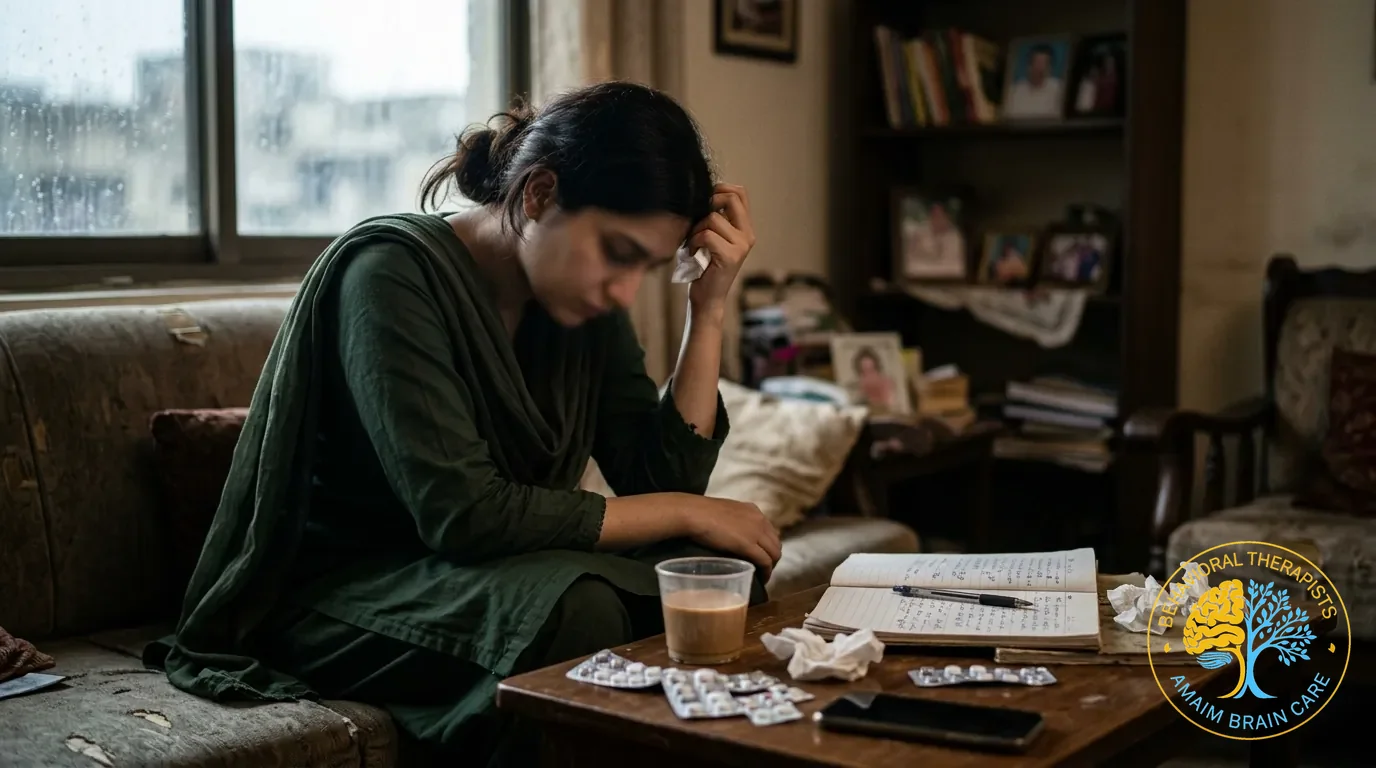
سورج کی روشنی دماغ میں ‘سیروٹونن’ (خوشی اور حوصلے کا کیمیکل) بننے کی رفتار کو تیز کرتی ہے۔ ‘سیڈ’ (SAD) کے مریضوں میں، روشنی کی کمی کی وجہ سے اس کیمیکل کی مقدار خطرناک حد تک گر جاتی ہے۔ اس کیمیائی خرابی کی وجہ سے مریض شدید اداسی، سستی اور ہر کام سے دلچسپی کے مکمل خاتمے کا شکار ہو جاتا ہے۔
2. The Melatonin Overload | میلاٹونن (نیند کے ہارمون) کی زیادتی
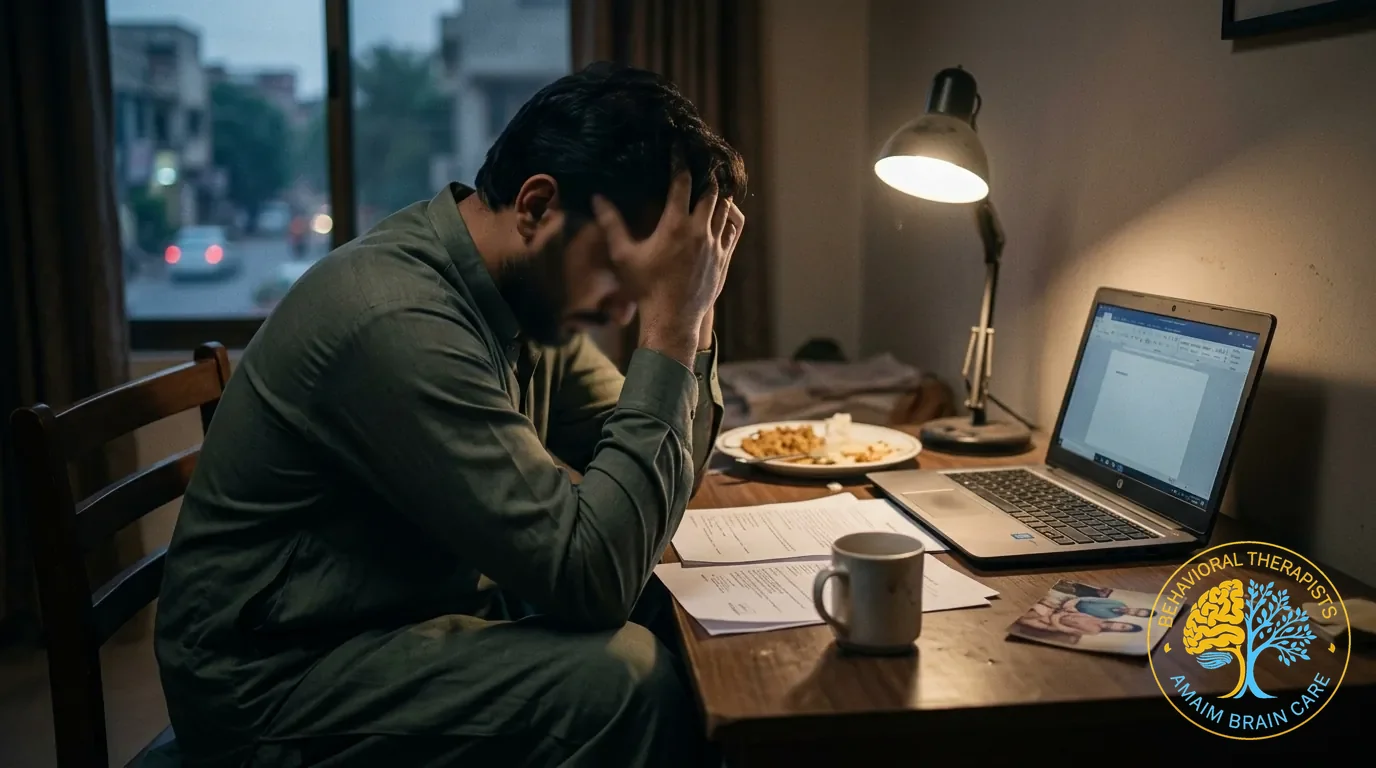
Conversely, darkness triggers the pineal gland to overproduce Melatonin, the hormone that induces sleep. Because winter days are shorter and darker, the brains of SAD patients produce massive, abnormal amounts of melatonin. This results in hypersomnia (sleeping 12-14 hours a day), severe daytime lethargy, and a feeling of walking through deep mud. The patient is neurologically trapped in a state of hibernation.
دوسری طرف، اندھیرا دماغ کے ایک خاص حصے کو ‘میلاٹونن’ (نیند پیدا کرنے والا ہارمون) بنانے کا سگنل دیتا ہے۔ کیونکہ سردیوں کے دن چھوٹے اور تاریک ہوتے ہیں، مریض کے دماغ میں یہ نیند کا ہارمون بے تحاشا بننے لگتا ہے۔ اس کا نتیجہ یہ نکلتا ہے کہ مریض دن میں 12 سے 14 گھنٹے سوتا ہے، سارا دن شدید تھکاوٹ محسوس کرتا ہے، اور اسے یوں لگتا ہے جیسے وہ کسی گہری نیند کی حالت میں پھنس گیا ہے۔
Core Clinical Symptoms of SAD | اس بیماری کی اہم اور واضح علامات
While SAD shares symptoms with standard Major Depression, it has distinct “atypical” features that strongly manifest in the winter:
اگرچہ اس بیماری کی علامات عام ڈیپریشن جیسی ہوتی ہیں، لیکن سردیوں کے حوالے سے اس کی کچھ خاص اور واضح نشانیاں یہ ہیں:
- Severe Hypersomnia & Lethargy: Absolute inability to wake up in the morning, sleeping excessively, yet feeling completely unrefreshed. | شدید نیند اور سستی: صبح اٹھنے میں شدید ترین دشواری، حد سے زیادہ سونا لیکن پھر بھی ہر وقت تھکاوٹ محسوس کرنا۔
- Carbohydrate Craving & Weight Gain: A specific, intense craving for starchy, high-carbohydrate foods (breads, sweets) as the brain desperately attempts to artificially boost its serotonin levels, leading to rapid winter weight gain. | میٹھے کی طلب اور وزن کا بڑھنا: مریض کو شدید طلب ہوتی ہے کہ وہ میٹھا یا کاربوہائیڈریٹس (جیسے روٹی، چاول، مٹھائی) کھائے، کیونکہ دماغ اس طرح زبردستی اپنا کیمیکل لیول بڑھانے کی کوشش کرتا ہے، جس سے سردیوں میں تیزی سے وزن بڑھتا ہے۔
- Severe Social Withdrawal: Canceling all plans, avoiding friends and family, and an overwhelming desire to isolate (“hibernate”) indoors. | لوگوں سے مکمل کٹ جانا: دوستوں اور رشتے داروں سے ملنا جلنا بند کر دینا، اور اپنے آپ کو کمرے میں بند رکھنے کی شدید خواہش۔
Advanced Psychiatric Treatment Protocols | جدید طبی علاج اور تھراپی
SAD is a highly treatable neuro-biological condition. Telling a patient to “just go outside” during a smog-filled winter is clinically useless. Treatment requires a highly targeted psychiatric approach:
یہ ایک مکمل طور پر قابلِ علاج دماغی بیماری ہے۔ سردیوں کی سموگ میں مریض کو صرف یہ کہنا کہ “باہر نکلو اور تازہ ہوا کھاؤ” بالکل بے کار ہے۔ اس کے علاج کے لیے باقاعدہ طبی طریقوں کی ضرورت ہوتی ہے:
1. Light Therapy (Phototherapy) | روشنی کے ذریعے علاج
This is the first-line treatment. Patients are prescribed daily sessions in front of a specialized, medical-grade “Light Box” that emits 10,000 lux of full-spectrum light (filtering out harmful UV rays). This artificial light penetrates the retina, strictly resetting the brain’s circadian rhythm, suppressing the excess melatonin, and stimulating serotonin production. It is highly effective if used correctly under psychiatric guidance.
Frequently Asked Questions
Is it really a disease, or am I just being lazy in the winter? | کیا یہ واقعی کوئی بیماری ہے یا میں سردیوں میں صرف سستی دکھا رہا ہوں؟
It is absolutely a severe, biological disease. Your brain chemistry is drastically altering due to the lack of sunlight. You cannot simply “snap out of it” through willpower any more than you can cure diabetes with willpower. You need proper psychiatric treatment to restore your neurotransmitters. | یہ بالکل ایک سچی اور حیاتیاتی بیماری ہے۔ سورج کی روشنی نہ ملنے کی وجہ سے آپ کے دماغ کے کیمیکلز خراب ہو چکے ہیں۔ جس طرح آپ صرف اپنی مرضی سے شوگر کی بیماری کو ٹھیک نہیں کر سکتے، اسی طرح آپ اسے بھی خود سے ٹھیک نہیں کر سکتے۔ اس کے لیے باقاعدہ طبی علاج لازمی ہے۔
ذہنی اور نفسیاتی صحت کے مسائل کے حوالے سے بروقت طبی تشخیص اور مستند ڈاکٹر کی رہنمائی انتہائی ضروری ہے۔ اگر آپ یا آپ کا کوئی پیارا اس مسئلے کا سامنا کر رہا ہے تو مناسب علاج اور رہنمائی کے لیے مستند ماہر نفسیات سے فوری رجوع کریں۔
Can I just sit under a normal room light to cure SAD? | کیا میں صرف کمرے کی عام لائیٹ جلا کر اس بیماری کو ٹھیک کر سکتا ہوں؟
No. Normal indoor lighting (which is typically around 300 to 500 lux) is neurologically useless for treating SAD. The brain requires the intense simulation of the sun. You must use a specialized, medical-grade Light Box emitting 10,000 lux of specific light wavelengths to trigger the necessary neurochemical changes. | بالکل نہیں۔ کمرے کی عام روشنی (جو بہت کم ہوتی ہے) دماغ پر کوئی اثر نہیں کرتی۔ دماغ کو سورج جیسی تیز روشنی کا سگنل چاہیے۔ اس کے لیے صرف خاص میڈیکل “لائٹ باکس” (جو 10,000 lux کی روشنی دیتا ہے) ہی کارآمد ثابت ہوتا ہے۔
ذہنی اور نفسیاتی صحت کے مسائل کے حوالے سے بروقت طبی تشخیص اور مستند ڈاکٹر کی رہنمائی انتہائی ضروری ہے۔ اگر آپ یا آپ کا کوئی پیارا اس مسئلے کا سامنا کر رہا ہے تو مناسب علاج اور رہنمائی کے لیے مستند ماہر نفسیات سے فوری رجوع کریں۔
Why do I crave so much sugar and bread during the winter? | مجھے سردیوں میں حد سے زیادہ میٹھا اور روٹی کھانے کی طلب کیوں ہوتی ہے؟
Because your brain is starving for serotonin. Consuming simple carbohydrates causes a rapid, temporary spike in blood sugar and a subsequent brief surge in serotonin. It is your brain’s desperate, biological attempt to self-medicate its depression, which unfortunately results in rapid weight gain. | کیونکہ آپ کے دماغ میں خوشی کے کیمیکل (Serotonin) کی شدید کمی ہو چکی ہوتی ہے۔ میٹھا یا کاربوہائیڈریٹس کھانے سے وقتی طور پر دماغ میں یہ کیمیکل تھوڑا سا بڑھتا ہے۔ یہ دراصل آپ کے دماغ کی اپنی طرف سے بیماری کا علاج کرنے کی ایک مجبوری والی کوشش ہے، جس کا نقصان یہ ہوتا ہے کہ وزن تیزی سے بڑھ جاتا ہے۔
ذہنی اور نفسیاتی صحت کے مسائل کے حوالے سے بروقت طبی تشخیص اور مستند ڈاکٹر کی رہنمائی انتہائی ضروری ہے۔ اگر آپ یا آپ کا کوئی پیارا اس مسئلے کا سامنا کر رہا ہے تو مناسب علاج اور رہنمائی کے لیے مستند ماہر نفسیات سے فوری رجوع کریں۔
Does SAD only happen in winter, or can it happen in summer? | کیا یہ بیماری صرف سردیوں میں ہوتی ہے یا گرمیوں میں بھی ہو سکتی ہے؟
While the vast majority of cases (Winter-pattern SAD) occur during the dark, short days of winter, a rare subtype (Summer-pattern SAD) exists. It is triggered by the extreme heat, humidity, and excessive sunlight of summer, leading to severe agitation, insomnia, and loss of appetite. | زیادہ تر مریضوں کو یہ بیماری سردیوں کے چھوٹے اور تاریک دنوں میں ہی ہوتی ہے۔ لیکن کچھ انتہائی کم کیسز میں یہ شدید گرمیوں میں بھی ہو سکتی ہے (Summer SAD)، جس میں مریض کو شدید بے چینی ہوتی ہے، نیند اڑ جاتی ہے اور بھوک بالکل ختم ہو جاتی ہے۔
ذہنی اور نفسیاتی صحت کے مسائل کے حوالے سے بروقت طبی تشخیص اور مستند ڈاکٹر کی رہنمائی انتہائی ضروری ہے۔ اگر آپ یا آپ کا کوئی پیارا اس مسئلے کا سامنا کر رہا ہے تو مناسب علاج اور رہنمائی کے لیے مستند ماہر نفسیات سے فوری رجوع کریں۔
Where can I get proper diagnosis and treatment for Winter Depression in Pakistan? | پاکستان میں سردیوں کے اس ڈیپریشن کی درست تشخیص اور علاج کہاں سے ملے گا؟
Amaim Brain Care, under the highly specialized direction of Dr. Ahsan Tariq Dogar, provides elite diagnostic and treatment protocols for Seasonal Affective Disorder. We integrate advanced pharmacotherapy, light therapy guidance, and CBT-SAD, accessible directly at our Faisalabad clinic or completely securely via online telepsychiatry across Pakistan. | امیم برین کیئر فیصل آباد میں ڈاکٹر احسن طارق ڈوگر کی زیر نگرانی اس بیماری کا انتہائی اعلیٰ اور جدید علاج کیا جاتا ہے۔ ہم جدید ادویات، لائٹ تھراپی اور ماہرانہ کاؤنسلنگ کے ذریعے مریضوں کو اس اندھیرے سے نکالتے ہیں، جو کلینک کے ساتھ ساتھ پورے پاکستان میں آن لائن ویڈیو کنسلٹیشن کے ذریعے بھی دستیاب ہے۔
ذہنی اور نفسیاتی صحت کے مسائل کے حوالے سے بروقت طبی تشخیص اور مستند ڈاکٹر کی رہنمائی انتہائی ضروری ہے۔ اگر آپ یا آپ کا کوئی پیارا اس مسئلے کا سامنا کر رہا ہے تو مناسب علاج اور رہنمائی کے لیے مستند ماہر نفسیات سے فوری رجوع کریں۔
How can I book an appointment with Dr. Ahsan Tariq Dogar?
You can book an in-person or online neuro-psychiatric consultation via reaching out via WhatsApp at 0333-6986464 for a confidential appointment.
فیصل آباد میں کلینک وزٹ یا آن لائن مشورے کے لیے آپ عمائم برین کیئر کے آفیشل واٹس ایپ لنک کے ذریعے رابطہ کر کے اپنی اپائنٹمنٹ باآسانی بک کروا سکتے ہیں، جہاں آپ کی معلومات کو مکمل صیغہ راز میں رکھا جاتا ہے۔
Sources & References
- American Psychiatric Association. Diagnostic and Statistical Manual of Mental Disorders (DSM-5-TR).
- World Health Organization (WHO). Mental Health Guidelines & Clinical Management Protocols.
- Pakistan Psychiatric Society (PPS). Clinical Practice Standards and Regional Mental Health Guidance.
Medical & Educational Disclaimer
The medical and psychiatric information provided on Amaim Brain Care is for educational purposes only. It is not intended to replace formal in-person psychiatric diagnosis, clinical assessment, or tailored prescription therapy. If you or a loved one are experiencing acute psychological distress or symptoms of a mental health condition, please seek professional evaluation from a certified psychiatrist.