Introduction
Human beings are fundamentally wired for social connection, belonging, and emotional intimacy. For most people, sharing experiences, forming close friendships, and finding romantic companionship are essential components of a fulfilling life. However, individuals with Schizoid Personality Disorder (ScPD) experience the world through a profoundly different psychological lens. Characterized by a pervasive detachment from social relationships and a markedly restricted range of emotional expression, Schizoid Personality Disorder is one of the most misunderstood psychiatric conditions in contemporary mental health.
Insaan fitri tor par aik samaji makhlooq hai jo apno ke sath talluqat, dosti aur mohabbat mein sukoon talaash karta hai. Lekin kuch log aise hote hain jinhe logon ke sath milna julna, dosti banana ya rishte nibhana bilkul pasand nahi hota aur wo mukammal tanhai mein sukoon mehsoos karte hain. Schizoid Personality Disorder (ScPD) ek aisi zehni aur shakhsiyati halat hai jisme insaan doosron se mukammal la-taluq rehta hai aur uske jazbaat intehai mehdood ho jate hain.
انسان فطرتاً ایک سماجی مخلوق ہے جس کی تسکین اور خوشی کا دارومدار باہمی رشتوں، دوستی اور محبت پر ہوتا ہے۔ زیادہ تر لوگ دوسروں کے ساتھ اپنے دکھ سکھ بانٹنے اور قریبی تعلقات بنانے میں خوشی محسوس کرتے ہیں۔ تاہم شیزائیڈ پرسنلٹی ڈس آرڈر (ScPD) کا شکار افراد دنیا کو ایک بالکل مختلف زاویے سے دیکھتے ہیں۔ یہ ایک ایسا پیچیدہ نفسیاتی عارضہ ہے جس میں انسان سماجی رشتوں سے مکمل طور پر لاتعلق ہو جاتا ہے اور اس کے جذبات کا دائرہ کار انتہائی محدود اور سرد ہو جاتا ہے۔
What is Schizoid Personality Disorder?
Schizoid Personality Disorder is classified under Cluster A (“odd or eccentric”) personality disorders in the DSM-5-TR. The core hallmark of ScPD is an enduring, pervasive pattern of voluntary social withdrawal coupled with emotional flattening (affective blunting). Unlike individuals who feel lonely or crave social acceptance but struggle with shyness, individuals with Schizoid Personality Disorder genuinely lack the internal desire or need for close relationships, including being part of a family.
Schizoid Personality Disorder ko nafsiat mein Cluster A personality disorders mein shumar kiya jata hai. Is marz ki ahem pehchan yeh hai ke shakhs apni marzi se logon se door rehta hai aur uske chehre ya ravaiye par jazbaat ka izhar na hone ke barabar hota hai. Yeh log akelepan se pareshan nahi hote balki wo sach mein kisi ke sath gehra rishta ya dosti qaim karna hi nahi chahte.
شیزائیڈ پرسنلٹی ڈس آرڈر کو ڈی ایس ایم-5 میں کلسٹر اے پرسنلٹی ڈس آرڈرز میں شامل کیا جاتا ہے۔ اس مرض کی سب سے نمایاں خصوصیت یہ ہے کہ متاثرہ شخص اپنی مرضی سے سماجی تعلقات سے کنارہ کش رہتا ہے اور اس کے جذباتی تاثرات نہ ہونے کے برابر ہوتے ہیں۔ وہ تنہائی سے گھبراتے نہیں بلکہ دل سے یہ چاہتے ہیں کہ انہیں اکیلا چھوڑ دیا جائے، اور وہ خاندانی یا ازدواجی رشتوں میں بھی کوئی دلچسپی نہیں لیتے۔
Individuals with ScPD are frequently observed as solitary thinkers, directing their attention inward toward intricate abstract concepts, solitary hobbies, or rich internal fantasy worlds. They appear indifferent to both external praise and harsh criticism, remaining seemingly unaffected by social approval or disapproval.
ScPD ke mareez aksar akele reh kar kitabein parhna, computer par kaam karna ya apne khayalat ki duniya mein magan rehna pasand karte hain. Unhe na kisi ki tareef se koi khushi milti hai aur na hi kisi ki tanqeed se koi dukh hota hai, wo har baat par be-parwah rehte hain.
اس مرض کا شکار افراد اکثر تنہائی پسند ہوتے ہیں اور اپنا وقت تجریدی نظریات، کمپیوٹر یا اپنے اندرونی تخیلات کی دنیا میں گزارنا پسند کرتے ہیں۔ انہیں نہ تو معاشرتی تعریف سے کوئی مسرت حاصل ہوتی ہے اور نہ ہی دوسروں کی تنقید ان کے دل پر کوئی اثر ڈالتی ہے، وہ مکمل طور پر غیر جانبدار رہتے ہیں۔
Schizoid Personality Disorder vs Introversion and Social Anxiety
A frequent clinical diagnostic error is confusing Schizoid Personality Disorder with extreme introversion or Social Anxiety Disorder (Social Phobia). While they may appear similar from the outside, their internal psychological motivations are entirely distinct:
Aksar log aam introversion (kam bolne ki aadat) ya social anxiety ko Schizoid Personality Disorder samajh lete hain, halanke in teeno mein bohot wazeh farq hota hai:
اکثر عام تنہائی پسندی (انٹروورژن) یا سماجی گھبراہٹ (سوشل اینگزائٹی) کو شیزائیڈ پرسنلٹی ڈس آرڈر سمجھ لیا جاتا ہے، حالانکہ ان تینوں کے پسِ پردہ محرکات بالکل مختلف ہوتے ہیں:
- Introversion: Introverts recharge their energy in solitude, but they still cherish deep, intimate emotional bonds with trusted friends and family members.
Introverts akele waqt guzar kar taazgi mehsoos karte hain, lekin unke dil mein doston aur khandan ke liye gehre jazbaat aur mohabbat hoti hai.
انٹروورٹ افراد اکیلے رہ کر توانائی حاصل کرتے ہیں، لیکن وہ اپنے قریبی دوستوں اور خاندان کے ساتھ گہرے اور جذباتی تعلقات کی قدر کرتے ہیں۔
- Social Anxiety Disorder: Socially anxious individuals deeply desire connection and acceptance, but they avoid social interactions out of an agonizing fear of embarrassment, judgment, or humiliation.
Social anxiety wale log dosti karna chahte hain lekin sharmindagi aur logon ke faislay ke darr ki wajah se samne aane se ghabrate hain.
سوشل اینگزائٹی کے مریض دل سے دوستی اور سماجی میل جول چاہتے ہیں، مگر لوگوں کے سامنے شرمندہ ہونے یا تضحیک کے خوف سے کتراتے ہیں۔
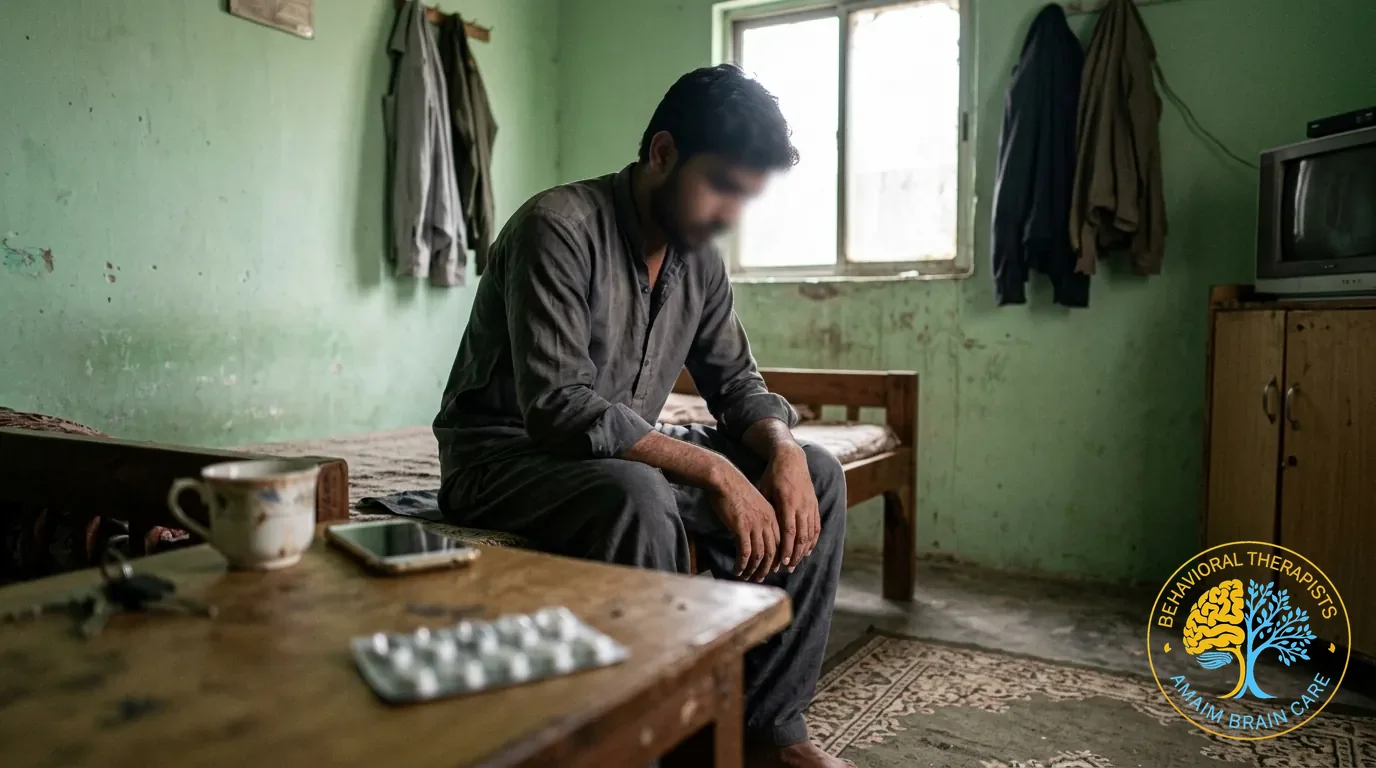
- Schizoid Personality Disorder: Individuals with ScPD experience no anxiety about social evaluation, nor do they desire connection; they are fundamentally indifferent to interpersonal intimacy.
ScPD ke mareezon ko na toh logon ka koi darr hota hai aur na hi unhe kisi se dosti karne ki koi khwahish hoti hai; wo bilkul be-niaz hote hain.
شیزائیڈ پرسنلٹی ڈس آرڈر کے مریضوں کو نہ تو کسی کے فیصلے کا خوف ہوتا ہے اور نہ ہی وہ دوستی کی خواہش رکھتے ہیں؛ وہ بنیادی طور پر رشتوں سے بے نیاز ہوتے ہیں۔
Neurobiological Mechanisms: Dopamine, Brain Circuits, and Emotional Blunting
Modern neuroscience reveals that Schizoid Personality Disorder stems from specific neurofunctional alterations in brain circuitry governing social reward and emotional resonance. The mesolimbic dopamine pathway, which typically generates feelings of pleasure and motivation in response to social connection, exhibits profound hyporeactivity in individuals with ScPD. Consequently, social interactions fail to activate the brain’s internal reward centers, rendering socialization unrewarding and tedious.
Jadeed neurobiology yeh sabit karti hai ke ScPD dimagh ke reward system aur dopamine ke bighar ki wajah se hota hai. Aam insaan jab kisi se milta hai toh dimagh mein dopamine release hota hai jis se khushi milti hai. Lekin ScPD ke mareezon mein yeh reward pathway kaam nahi karta, jis ki wajah se unhe logon se mil kar koi lutf ya maza nahi aata.
جدید نیورو سائنس کے مطابق شیزائیڈ پرسنلٹی ڈس آرڈر دماغ کے انعامی نظام (Social Reward Circuitry) کی خرابی کا نتیجہ ہے۔ انسانی دماغ میں ڈوپامائن (Dopamine) کا راستہ جو سماجی میل جول سے خوشی اور اطمینان پیدا کرتا ہے، اس مرض کے مریضوں میں انتہائی سست ہو جاتا ہے۔ یہی وجہ ہے کہ انہیں رشتوں اور دوستی سے کوئی دلی مسرت حاصل نہیں ہوتی۔
Functional neuroimaging studies also highlight altered connectivity between the prefrontal cortex and the default mode network (DMN), leading to excessive cognitive internalization. Additionally, reduced amygdala reactivity to socio-emotional stimuli explains the profound affective flattening and inability to mirror the emotional states of others. Meanwhile, dysregulation in the hypothalamic-pituitary-adrenal (HPA) axis results in a blunted stress-arousal response, maintaining an aloof and unshakeable exterior.
Iske elawa dimagh ka Default Mode Network bohot zyada chalne lagta hai jis ki wajah se shakhs har waqt apne hi khayalat mein gum rehta hai. Amygdala ki kamzor harkat ki wajah se wo doosron ke dukh dard ya khushi ko mehsoos nahi kar pata. HPA axis ke asrat ki wajah se unka zahiri rawaiyya har haal mein sard aur be-hiss dikhai deta hai.
مزید برآں، دماغ کا ڈیفالٹ موڈ نیٹ ورک (DMN) ضرورت سے زیادہ سرگرم رہتا ہے جس کے باعث انسان ہر وقت اپنی خیالی دنیا میں مگن رہتا ہے۔ امیگڈالا کی سست روی کے باعث مریض دوسروں کے جذبات، خوشی یا غم کو محسوس کرنے سے قاصر رہتا ہے اور اس کا ظاہری تاثر ہر قسم کے حالات میں سرد اور غیر جذباتی رہتا ہے۔
Causes and the Pakistani Cultural Context
The development of Schizoid Personality Disorder is linked to genetic heritability—showing elevated prevalence among relatives of individuals with schizophrenia spectrum disorders—alongside early developmental environments characterized by emotional coldness, unresponsive caregiving, or severe sensory overload during formative childhood years.
ScPD ki wajoohat mein jiniyati asraat aur bachpan ka mahol shamil hain. Agar khandan mein kisi ko schizophrenia ya doosre zehni masail hon toh yeh bimari aage muntaqil ho sakti hai. Bachpan mein walidain ki shadeed be-rukhi ya jazbati la-taaluqi bhi bache ko apni zaat ke khol mein band kar deti hai.
اس مرض کی وجوہات میں موروثی اثرات اور بچپن کا جذباتی ماحول انتہائی اہم ہیں۔ اگر خاندان میں شیزوفرینیا یا دیگر نفسیاتی عوارض کی ہسٹری ہو تو اس مرض کے امکانات بڑھ جاتے ہیں۔ اس کے علاوہ بچپن میں والدین کی طرف سے شدید جذباتی سرد مہری اور لاپرواہی بچے کو ہمیشہ کے لیے اپنے خول میں بند کر دیتی ہے۔
In Pakistan’s intensely collectivist society, where social life revolves around large family gatherings, elaborate weddings, and joint family obligations, an individual with Schizoid Personality Disorder faces severe societal misunderstandings. Pakistani families frequently label solitary individuals as “maghroor” (arrogant), “sust” (lazy), or “gumsum” (withdrawn). The refusal to participate in dawats or social obligations is seen as disrespect toward family honor (izzat). Moreover, cultural misattributions often lead families to suspect “nazar” or spiritual afflictions, leading them to amils and hakeems rather than seeking evidence-based psychiatric diagnosis. Tremendous distress occurs when families enforce arranged marriages upon an individual who possesses zero emotional or sexual inclination toward domestic partnership.
Pakistan ke muashray mein jahan har cheez khandan, shaadiyon aur dawatun ke ird gird ghoomti hai, wahan ScPD ke mareez ko shadeed mushkilaat ka samna karna parta hai. Ghar wale aise shakhs ko “maghroor”, “khud-pasand” ya “be-hiss” samajhne lagte hain. Aise logon ko aksar amils aur hakeemon ke paas le jaya jata hai yeh samajh kar ke in par “saya” ya “nazar” hai. Sab se bara masla tab paida hota hai jab khandan wale zabardasti unki shaadi karwa dete hain, jabke wo shadi shuda zindagi aur jazbaat nibhane ki salahiyat nahi rakhte.
پاکستانی معاشرے میں جہاں زندگی کا دارومدار خاندانی تقریبات، شادی بیاہ اور دعوتوں پر ہوتا ہے، وہاں شیزائیڈ پرسنلٹی ڈس آرڈر کے مریض کو شدید غلط فہمیوں کا سامنا کرنا پڑتا ہے۔ خاندان والے ایسے فرد کو “مغرور”، “سست” یا “بے حس” قرار دے دیتے ہیں۔ لوگ اسے “نظرِ بد” یا “آسیب کا اثر” سمجھ کر پیروں اور عاملوں کے پاس لے جاتے ہیں۔ سب سے سنگین بحران اس وقت پیدا ہوتا ہے جب زبردستی ایسے فرد کا رشتہ طے کر دیا جاتا ہے، جبکہ وہ ازدواجی رشتہ اور جذباتی تقاضے نبھانے کی رغبت سرے سے رکھتا ہی نہیں ہے۔
Diagnostic Signs and Clinical Symptoms
According to clinical psychiatric standards, Schizoid Personality Disorder is diagnosed when an individual exhibits at least four of the following pervasive symptoms:
Nafsiati usoolon ke mutabiq ScPD ki tashkhees darj zail ahem alamaat ki buniyad par ki jati hai:
طبی اور نفسیاتی اصولوں کے مطابق شیزائیڈ پرسنلٹی ڈس آرڈر کی تشخیص درج ذیل اہم علامات کی بنیاد پر کی جاتی ہے:
- Lack of Desire for Close Relationships: Neither desires nor enjoys close relationships, including being part of a nuclear or extended family.
Kisi ke sath bhi gehra dosti ya talluq banane ki bilkul khwahish na hona, yahan tak ke apne khandan se bhi doori ikhtiyar karna.
کسی کے ساتھ بھی قریبی دوستی یا تعلق بنانے کی قطعی کوئی خواہش نہ ہونا، بشمول اپنے قریبی خاندان کے افراد۔
- Preference for Solitary Pursuits: Almost exclusively chooses solitary activities, hobbies, and career paths that minimize human interaction.
Hamesha aise kaam aur mashghalay chun’na jahan kisi doosre insaan se baat na karni pare.
ہمیشہ ایسے مشاغل، پڑھائی اور نوکری کا انتخاب کرنا جہاں انسانوں کے ساتھ کم سے کم رابطہ ہو۔
- Little or No Interest in Sexual Experiences: Little to no interest in having sexual or romantic experiences with another person.
Sharik-e-hayat ya kisi shakhs ke sath jismani ya romance ke talluq mein koi dilchaspi na hona.
کسی بھی فرد کے ساتھ جنسی یا رومانوی تعلقات میں برائے نام یا صفر دلچسپی ہونا۔
- Anhedonia in Activities: Takes pleasure in very few, if any, recreational activities or social events.
Zindagi ki aam khushiyon, dawatun ya sair o tafreeh mein koi lutf mehsoos na karna.
تفریحی سرگرمیوں، دعوتوں یا سماجی تقریبات سے کوئی لطف یا مسرت حاصل نہ ہونا۔
- Absence of Confidants: Lacks close friends or confidants other than first-degree relatives.
Maan baap ya behn bhaiyon ke elawa bahar ki duniya mein koi ek bhi dost na hona.
فرسٹ ڈگری رشتہ داروں (والدین/بہن بھائی) کے علاوہ باہر کی دنیا میں کوئی ایک بھی قریبی دوست نہ ہونا۔
- Indifference to Praise or Criticism: Appears completely indifferent to the approval, admiration, or negative feedback of others.
Logon ki tareef ya buraai se bilkul be-asar rehna aur koi jazbati reaction na dena.
لوگوں کی تعریف، ستائش یا سخت ترین تنقید سے مکمل طور پر لاتعلق اور غیر متاثر رہنا۔
- Emotional Coldness and Flattened Affect: Displays emotional detachment, coldness, or a flat, unexpressive facial and vocal demeanor.
Chehre par jazbaat ka na hona, aawaz mein sapaat pan, aur har waqt jazbati doori zahir karna.
چہرے پر جذبات کا مکمل فقدان، آواز میں سپاٹ پن اور سرد مہری کا مستقل مظاہرہ کرنا۔
Impact on Work, Marital Life, and Psychological Health
In occupational settings, individuals with ScPD often thrive in roles requiring deep autonomous concentration, such as computer programming, data analysis, or archival research. However, significant impairment occurs when promotions necessitate team management, interpersonal negotiation, or customer-facing responsibilities.
Daftari zindagi mein aise afrad akele beth kar computer ya tehqeeqi kaam bohot ache tareeqay se kar lete hain. Lekin jab unhe kisi team ko lead karna pare ya logon se rabta karna pare toh wo shadeed dabao ka shikar ho jate hain.
دفتری ماحول میں یہ افراد تنہائی میں کیے جانے والے کاموں جیسے سافٹ ویئر ڈویلپمنٹ، ڈیٹا اینالیسس یا ریسرچ میں بہترین کارکردگی دکھاتے ہیں۔ لیکن جب انہیں ٹیم سنبھالنی پڑے یا کلائنٹس سے بات چیت کرنی پڑے تو وہ شدید الجھن اور پریشانی کا شکار ہو جاتے ہیں۔
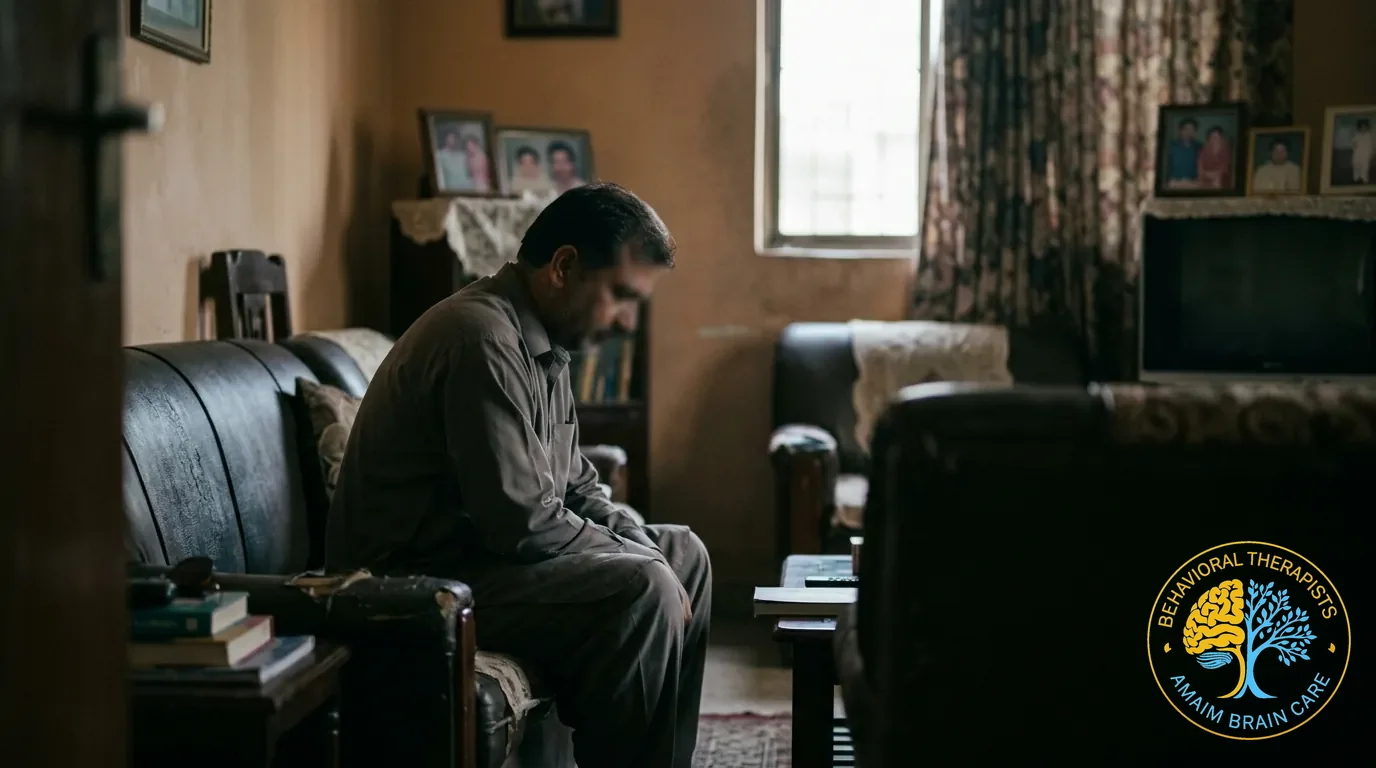
The most profound crises occur in marriages, where the profound emotional detachment and lack of affection leave the spouse feeling deeply unloved and abandoned. Additionally, because individuals with ScPD rarely seek help voluntarily, secondary dysthymia, chronic depression, and neglected physical health can quietly develop behind their isolated lifestyle.
Shadi shuda zindagi mein jab sharik-e-hayat ko koi jazbati tawajjoh ya mohabbat nahi milti toh shadeed laraiyan aur talkhiyan janam leti hain. Tanhai mein rehte rehte baaz auqaat yeh log shadeed depression ka shikar bhi ho jate hain lekin kisi ko batate nahi hain.
ازدواجی زندگی میں جب شریکِ حیات کو کوئی جذباتی توجہ، محبت یا اپنائیت نہیں ملتی تو شدید تلخیاں جنم لیتی ہیں جو اکثر طلاق پر ختم ہوتی ہیں۔ طویل تنہائی کے باعث یہ افراد خاموشی سے شدید ڈپریشن اور لاچاری کی طرف چلے جاتے ہیں مگر خود کبھی مدد طلب نہیں کرتے۔
Evidence-Based Treatment at Amaim Brain Care
At Amaim Brain Care, Dr. Ahsan Tariq Dogar, a leading Neuro-Psychiatrist, Behavioral Therapist, and Life Coach, provides compassionate, non-judgmental evaluations for complex personality conditions. Treatment does not aim to forcibly transform a naturally quiet individual into an extrovert, but rather to foster meaningful adaptive functioning, alleviate emotional numbness, and establish manageable boundaries with family.
Amaim Brain Care Faisalabad mein, Dr. Ahsan Tariq Dogar (Neuro-Psychiatrist & Behavioral Therapist) mareez ki shakhsiyat ka ehtram karte hue unhe aisi therapy faraham karte hain jis se unki zindagi aasan ho sakay. Ilaj ka maqsad kisi ko zabardasti badalna nahi balki unhe muashray mein pur-sukoon tareeqay se rehna sikhana hai.
عمائم برین کیئر فیصل آباد میں، معروف ماہر امراضِ نفسیات و دماغی صحت ڈاکٹر احسن طارق ڈوگر مریض کی انفرادی شخصیت کا احترام کرتے ہوئے جدید سائنسی بنیادوں پر علاج فراہم کرتے ہیں۔ علاج کا مقصد کسی تنہائی پسند شخص کو زبردستی محفلوں کی جان بنانا نہیں بلکہ اسے اپنے خاندان اور کام کی جگہ پر پرسکون اور فعال انداز میں جینا سکھانا ہے۔
Our comprehensive Personality Disorders Treatment approaches include:
Hamari clinic par dastiyab Personality Disorders Treatment mein darj zail tareeqay shamil hain:
ہمارے کلینک پر دستیاب جدید پرسنلٹی ڈس آرڈرز ٹریٹمنٹ میں درج ذیل مؤثر طریقے شامل ہیں:
- Individual Cognitive Behavioral Therapy (CBT): Focuses on identifying unhelpful core beliefs about social interaction, gradually expanding social skills, and cultivating emotional awareness in a structured, safe setting.
CBT therapy ke zariye mareez ko ahista ahista jazbaat ko samajhne aur logon ke sath zaroori hadd tak guftagu karne ke qabil banaya jata hai.
کاگنیٹو بیہیوریل تھراپی (CBT) کے ذریعے مریض کو اپنے اندرونی جذبات کو پہچاننے اور روزمرہ زندگی کے لیے ضروری سماجی مہارتیں سیکھنے میں مدد دی جاتی ہے۔
- Supportive Psychodynamic Therapy: Provides a safe, low-demand relationship with the therapist, allowing the patient to experience safe emotional contact without feeling overwhelmed or intruded upon.
Therapy mein mareez ko aisa pur-sukoon mahol milta hai jahan wo bina kisi dabao ke doctor par aitbaar karna seekhta hai.
سپورٹیو سائیکو تھراپی کے ذریعے مریض کو ایک ایسا محفوظ ماحول فراہم کیا جاتا ہے جہاں وہ بغیر کسی زبردستی کے اپنے خیالات پر بات کر سکتا ہے۔
- Social Skills and Communication Training: Teaches practical conversational scripts, non-verbal cue recognition, and effective workplace collaboration strategies.
Daftar aur khandan mein logon ke sath behtar rawaiyya apnane ki amli training di jati hai.
دفتر اور خاندان میں لوگوں کے ساتھ خوش اسلوبی سے بات چیت اور معاملات طے کرنے کی عملی تربیت دی جاتی ہے۔
- Pharmacological Support for Co-Occurring Conditions: While medications do not cure personality traits, low-dose SSRIs, bupropion (to enhance dopamine signaling), or anxiolytics help alleviate secondary depression, lethargy, or acute anxiety.
Depression aur susti ko door karne ke liye dimaghi chemicals ko mutawazin karne wali munasib adwiyat di jati hain.
ڈپریشن، اداسی اور سستی کو دور کرنے اور ڈوپامائن کی سطح بہتر بنانے کے لیے ماہر ڈاکٹر کی زیرِ نگرانی مناسب ادویات تجویز کی جاتی ہیں۔
Recovery and Living a Fulfilling Life
Recovery in Schizoid Personality Disorder does not mean turning into a social extrovert; rather, it means building a balanced life where you can comfortably navigate social demands, pursue meaningful intellectual interests, and prevent painful isolation. With expert psychiatric support, you can establish healthy boundaries and achieve peace of mind.
Sehatyabi ka matlab yeh nahi ke aap bohot zyada bolne lag jayein, balki yeh hai ke aap bina dabao ke apne khandan aur kaam ko sanbhal sakein. Mustanad doctor ki madad se aap ek mutawazin aur pur-sukoon zindagi guzar sakte hain.
صحتیابی کا مطلب یہ ہرگز نہیں کہ آپ کو زبردستی تبدیل کیا جائے، بلکہ اس کا مقصد یہ ہے کہ آپ ذہنی دباؤ کے بغیر اپنی خاندانی اور دفتری ذمہ داریاں نبھا سکیں اور تنہائی کے منفی اثرات سے محفوظ رہیں۔ مناسب علاج آپ کی زندگی میں توازن لا سکتا ہے۔

Frequently Asked Questions
What is the main difference between Schizoid Personality Disorder and Introversion?
Introverts enjoy quiet solitude to recharge, but they deeply value close relationships and experience full emotional warmth with loved ones. Individuals with ScPD lack the intrinsic desire for relationships and exhibit pervasive emotional blunting toward everyone.
Introvert insaan akelepan mein sakoon pata hai lekin apne doston se pyar karta hai. Jabke ScPD ka mareez kisi se bhi talluq nahi banana chahta aur uske jazbaat sard hote hain.
Can someone with Schizoid Personality Disorder get married?
While some individuals with ScPD marry due to cultural or family expectations, marriages often face immense challenges due to emotional detachment and lack of romantic intimacy. Specialized therapy can help establish realistic marital expectations and communication strategies.
Khandani dabao mein shadi ho toh sakti hai lekin jazbati doori ki wajah se masail paida hote hain. Therapy ke zariye in masail ko behtar andaz mein hal kiya ja sakta hai.
Is Schizoid Personality Disorder related to Schizophrenia?
ScPD belongs to the schizophrenia spectrum and shares genetic roots, but people with ScPD do not experience hallucinations, delusions, or severe thought disorganization seen in schizophrenia.
Yeh marz schizophrenia ke khandan se talluq rakhta hai lekin isme awazein sunai nahi detin aur na hi pagalpan ke doray parte hain.
Why do people with Schizoid Personality Disorder rarely seek psychiatric help?
Because their social isolation feels ego-syntonic (comfortable and natural to them), they do not perceive their solitude as a problem. They usually seek help only when forced by family or when facing severe secondary depression.
Kyunke wo apni tanhai mein mutmaeen hote hain, is liye wo khud doctor ke paas nahi aate jab tak khandan wale unhe na layein ya unhe shadeed depression na ho jaye.
What treatments are most effective for Schizoid Personality Disorder?
Individual Cognitive Behavioral Therapy (CBT) focused on social skills and emotional awareness, combined with supportive therapy and medications for co-occurring depression, is the standard evidence-based treatment approach.
CBT therapy aur doctor ki rehnumai ke zariye samaji rawaiyon ko behtar banana aur depression ki adwiyat dena sab se kaar-amad tareeqa hai.
How can I book an appointment with Dr. Ahsan Tariq Dogar?
You can book an in-person or online neuro-psychiatric consultation via reaching out via WhatsApp at 0333-6986464 for a confidential appointment.
فیصل آباد میں کلینک وزٹ یا آن لائن مشورے کے لیے آپ عمائم برین کیئر کے آفیشل واٹس ایپ لنک کے ذریعے رابطہ کر کے اپنی اپائنٹمنٹ باآسانی بک کروا سکتے ہیں، جہاں آپ کی معلومات کو مکمل صیغہ راز میں رکھا جاتا ہے۔
Sources & References
Medical & Educational Disclaimer
This content is for educational and informational purposes only and is not a substitute for professional medical advice, diagnosis, or treatment. Always consult a qualified psychiatrist or healthcare provider for any mental health concerns.